Fountain Pens
Opus 88 Fantasia Review: A Pocket-Sized Eyedropper With a Clever Shut-Off Valve
A compact eyedropper fountain pen from Taiwan with a one-way shut-off valve, generous ink capacity, and a surprisingly handy cap tool. Here's what works and what doesn't.
Introduction
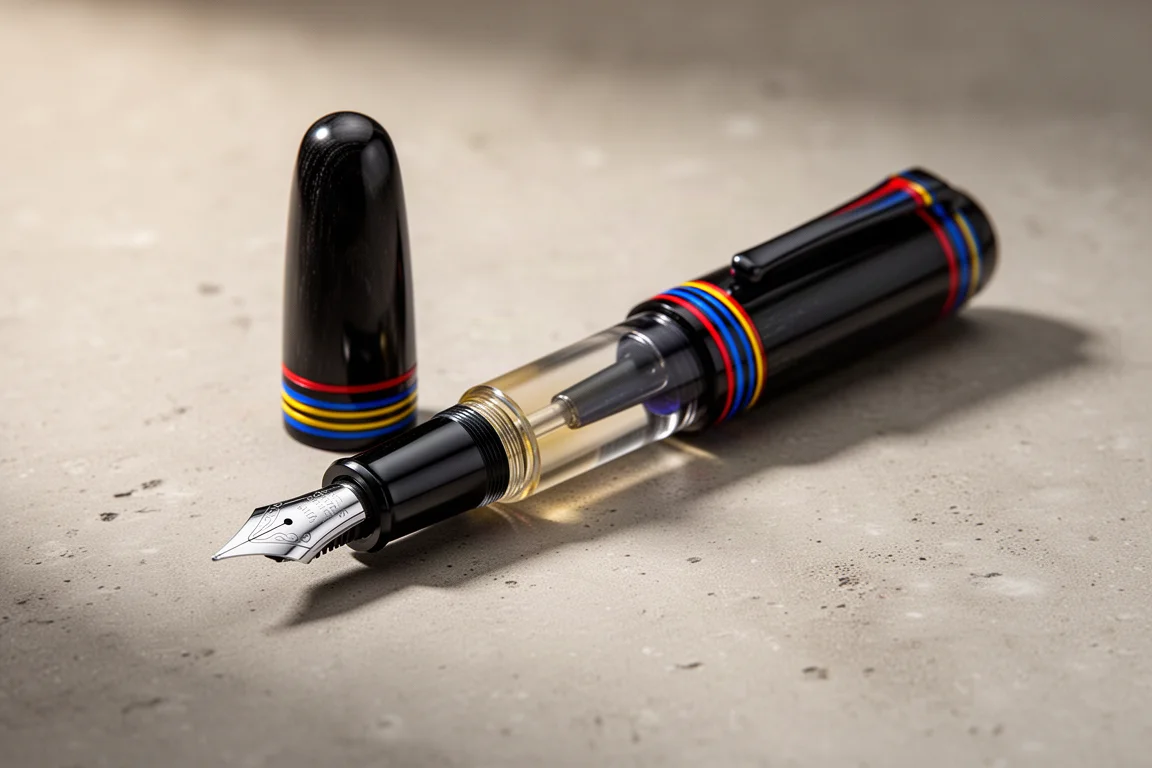
Opus 88 is a pen brand from Taiwan that has built a solid reputation for one specific idea: eyedropper pens with a one-way shut-off valve. The Fantasia takes that formula and shrinks it down into a pocket-sized format, which is exactly the kind of thing pen enthusiasts tend to go a little overboard about. After spending real time with it, it’s easy to see why. This is a fun, well-built little pen with a clever filling system, and it comes with one very specific compromise you should know about before buying.
Who This Product Is For
The Fantasia makes the most sense for a few kinds of buyers. If you like pocket pens that disappear into a shirt pocket without sticking out, this is squarely aimed at you. If you love big ink capacity and hate messing with converters, the eyedropper system with 2 milliliters of storage is a genuine draw. And if you’ve been curious about shut-off valve pens but balked at the price of comparable Japanese options that often run a grand or more, this sits at 89 euros, which is a much friendlier entry point into that filling style. People with smaller hands may find it perfectly comfortable unposted; larger-handed writers should read the caveats below carefully.
Unboxing and First Impressions
The presentation is better than the price suggests. The Fantasia arrives in a nice box with a red cardboard outer sleeve marked 1977 and “Opportunity fine writing instruments.” Inside you get a small glass eyedropper, which is genuinely useful since the pen requires one to fill, plus a cardstock-style instruction booklet that feels surprisingly luxurious, all held in a case with a magnetic closure.
The review unit is the blue version, though other colors are available. The barrel is a fairly dark translucent plastic; held up to the light you can see the ink level inside, which is handy given the brown ink this one shipped with.
Design and Materials
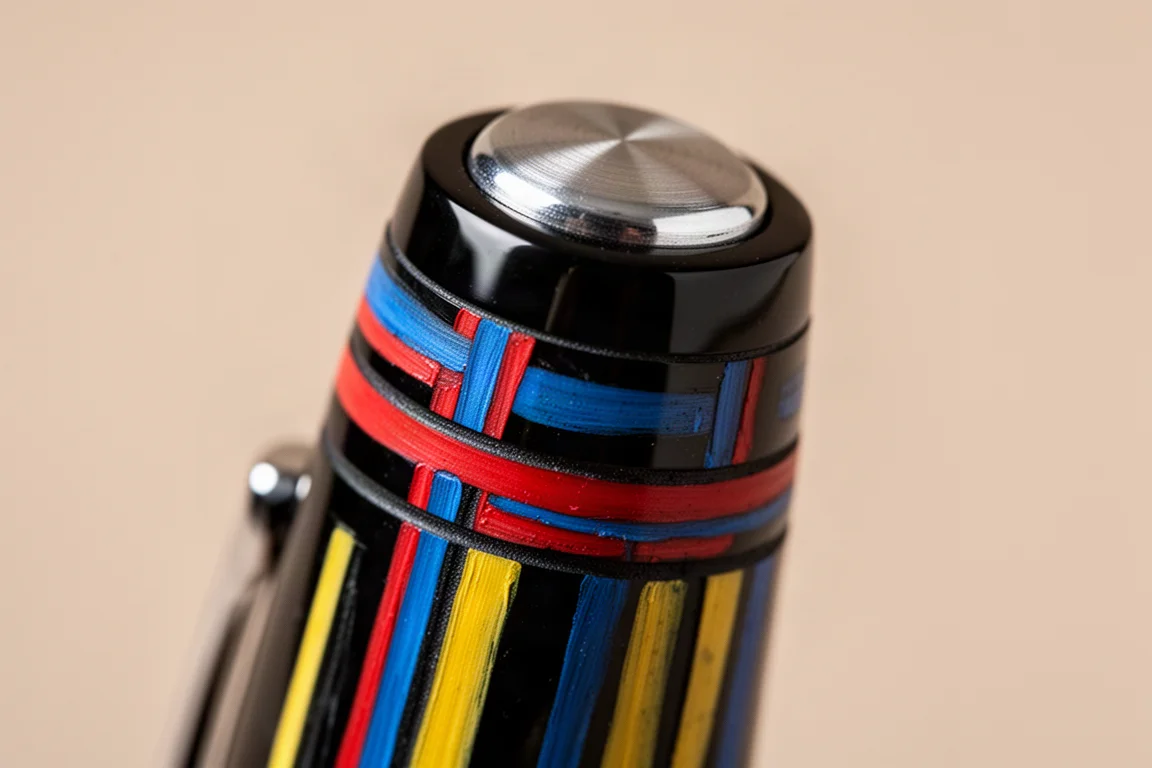
This is a small pen by Opus 88 standards. The brand usually makes relatively big pens, and the Fantasia is clearly their take on a pocket format. The construction is a mix of materials: an ebonite cap and a resin (acrylic) barrel, with a stainless steel finial on top of the cap that carries the Opus 88 and Fantasia name.
That steel finial has a ridge on it that looks odd at first, but it has a real function. The turning knob that operates the internal shut-off valve rod is small, marked with a plus sign, and if you have large fingers it can be hard to grasp. The finial’s ridge slots into the plus-shaped recess and acts as a tool to turn the valve comfortably. It’s a neat little gadget detail, and it works really well.
The clip is stiff but functional, with a subtle rainbow pattern finish. The cap threads on securely, and the pen posts nicely to become a full-size writing instrument.
The Shut-Off Valve Filling System
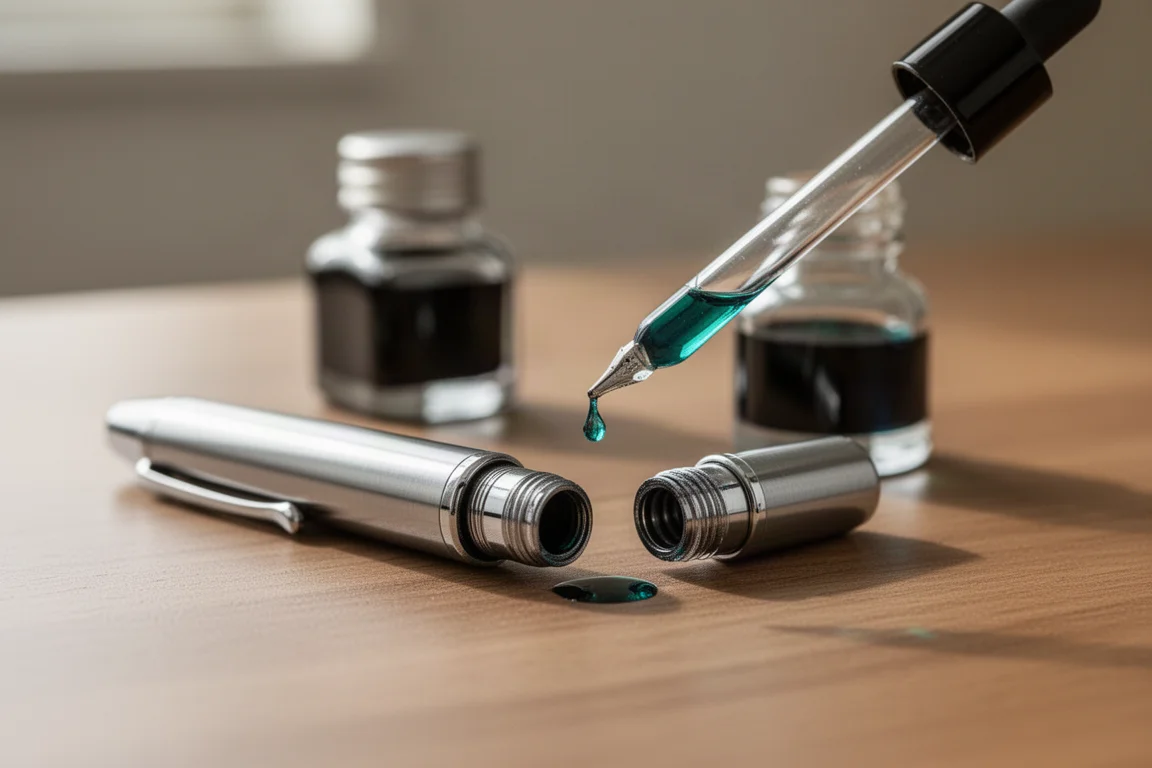
The Fantasia uses a one-way shut-off valve filling system, which is the heart of what makes this pen interesting. To fill it, you unscrew the section, open the valve seal, use the included eyedropper to fill the barrel with up to 2 milliliters of ink, then seal it back up. When writing, you open the valve slightly so ink can flow into the section. If you leave the valve closed, the pen will eventually stop writing once the ink in the section runs dry.
The system also doubles as a flow regulator: opening the valve makes the pen write wetter, closing it makes it drier. Shut-off valves are common on Japanese pens, but those typically cost a thousand or more, which makes this implementation at 89 euros notable.
Writing Sample and Nib Performance
The stainless steel number 5 nib is laser-engraved with the Opus 88 name and comes in extra fine, fine, medium, broad, and stub. This unit has a fine nib, paired with a plastic feed and a brown ink.

The nib writes with quite a bit of feedback. Even on smooth paper, you feel it as you write, and it leans scratchy, likely because a very fine nib has less tipping material to polish. It isn’t unpleasant, but it’s enough feedback to call it that. Reverse writing doesn’t work well, which isn’t surprising given how fine the nib is to begin with. One workaround: opening the valve a bit makes the pen wetter, which lubricates the nib slightly and improves the feel. If feedback bothers you, a medium or broad nib would likely be a better choice.
Things to Consider Before Buying
The single real downside is the section. It’s small, and for larger hands it’s genuinely uncomfortable to hold. Right behind the section sit fairly sharp threads with a small step down, which makes the grip feel worse rather than better. The usual fix, holding the pen higher up, doesn’t work well here because you have to hold it so high that the writing angle gets awkward and too much pen sticks out past your fingers.
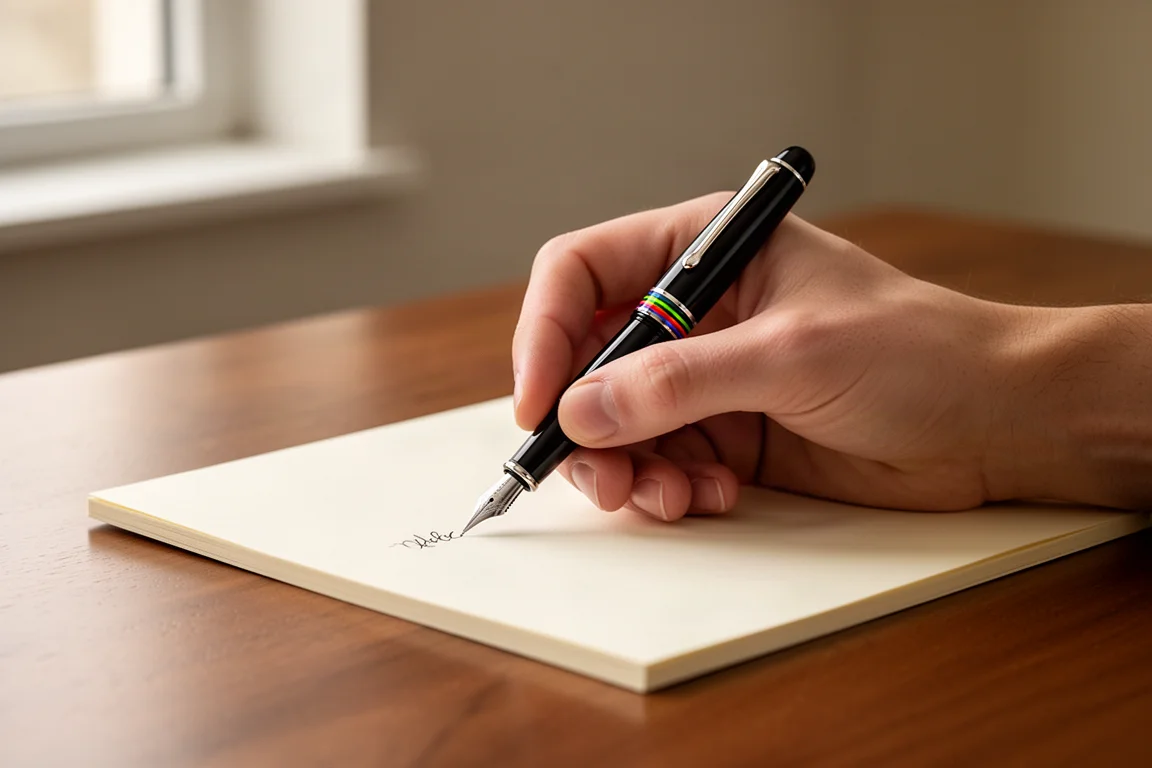
If you have smaller or average-sized hands, this may be a non-issue, but it’s the one aspect that’s very idiosyncratic. If possible, try the pen in person at a pen show or brick-and-mortar store before committing.
Buying Advice
At 89 euros, this isn’t a cheap pen in the 20 to 40 range, but the price feels fair for what you get. The tolerances are good, there are no big gaps anywhere, everything works, and the filling system alone would cost considerably more elsewhere. The steel nib is a known trade-off at this price, but the valve system, 2 milliliter ink capacity, and the clever cap tool more than balance it out. If you can test the section first, or know your hands are on the smaller side, this is an easy recommendation for pocket pen fans.
Conclusion
The Opus 88 Fantasia is a fun, well-made pocket pen with a genuinely clever filling system and thoughtful details like the cap-mounted valve tool. Its Achilles’ heel is a small section that larger-handed writers may find uncomfortable. If the format and the shut-off valve appeal to you, and the section size fits your grip, it’s a solid and fairly priced little pen.
Product link
View more details for Opus 88 Fantasia
This product is mentioned in the review. Check the specifications, options, and compatibility before buying.
View more details for Opus 88 FantasiaFurther reading
Related Reviews
Fountain Pens
Best Budget Fountain Pens Tested: 9 Pens, One Clear Winner
A hands-on comparison of nine affordable fountain pens for everyday writing, calligraphy, and sketching, with a clear standout for flexible nib fans.
Fountain Pens
Aurora Optima Review: An Italian Piston Filler That Punches Above Its Price
A 14k gold nib, ebonite feed, and a beautifully deep oraloid body make the Aurora Optima one of the most rewarding piston fillers around.
Fountain Pens
Cross Bailey Light Review: The Entry-Level Fountain Pen Worth Keeping at the Office
A plastic-bodied Cross with a metal clip, snap cap, and famously smooth extra fine steel nib. Around $15, available almost everywhere, and easy to recommend.