Bike Maintenance
Optimize Chain Wax Review: Graphene, Graphite, and the Fancy Pants Wax Cooker
A practical look at three Optimize wax products, how hot wax compares with drip wax, and what the real time and performance trade-offs look like.
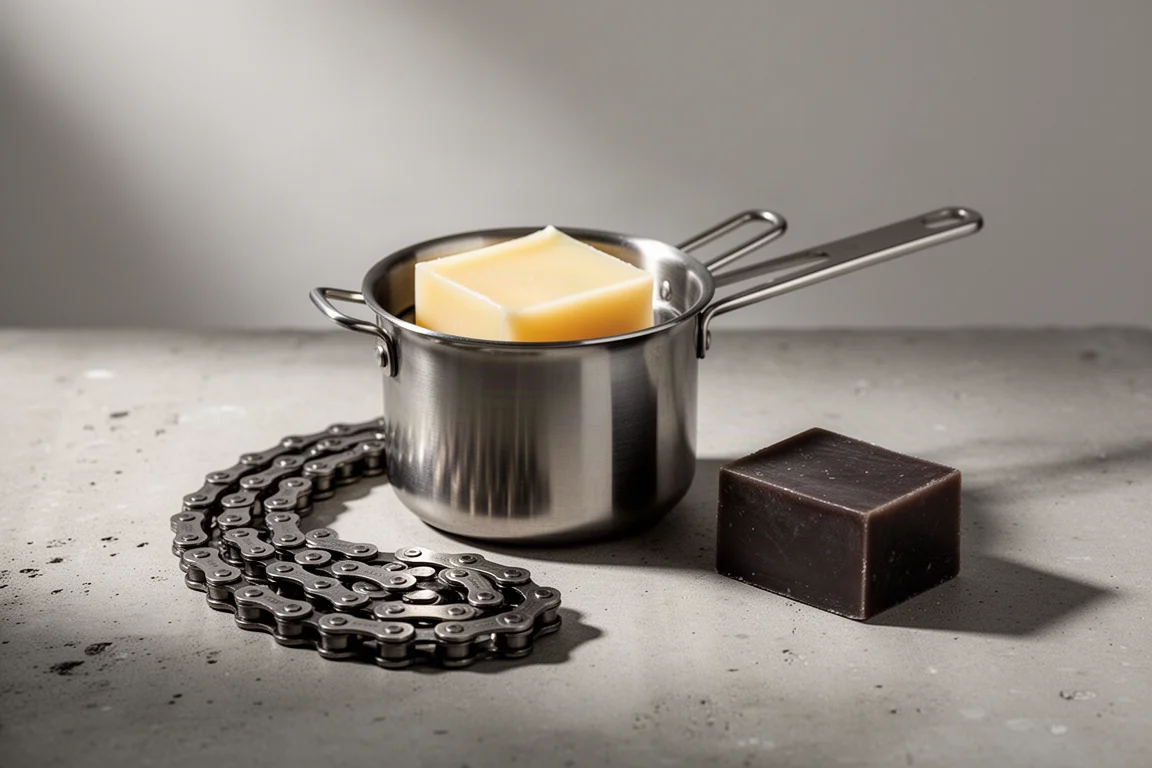
Introduction
Your chain is the hardest working mechanical component on your bike. It is exposed to the elements, it carries every watt you put through the pedals, and it is easy to ignore until it starts to look like a rusty mess. Wax has moved from a niche experiment to something close to standard practice in professional racing, largely because it reduces friction and holds its performance for a long time. The obvious question is whether that translates into anything meaningful for a normal rider, and whether the extra effort is worth it.
This guide looks at three Optimize products that cover the wax approach: two hot melt waxes and the cooker that makes the process easier.
Why Riders Are Switching to Wax
The durability argument is the easy one to follow. A chain treated with a standard lubricant typically lasts around 200 km between applications, while a waxed chain can go as far as 800 to 1,000 km. Wax also resists picking up dirt and debris, and a cleaner chain wears more slowly along with the cassette and chainrings.
The friction argument is smaller but real. Testing on a pedal efficiency rig measured just over a two watt difference between a used wax chain and a used chain treated with an ordinary lubricant. That gap is marginal on any single ride, but it tends to widen as a chain picks up contamination over multiple rides, because a waxed chain keeps running clean.
For riders chasing every watt in a race, even a small and persistent advantage is worth considering. For everyone else, the deciding factor is usually time rather than performance.
What to Check Before Buying a Chain Wax
Two things decide whether wax suits you.
The first is how much time you are willing to give. A standard drip lubricant takes about a minute to apply. Hot wax immersion takes considerably longer, mostly because of waiting rather than working. Cleaning the chain properly, melting the wax, and letting everything cool adds up to roughly an hour from start to finish, with the majority of that spent waiting for the wax to set.
The second is how you want to apply it. Hot melt wax is the fastest option on the road and the most durable. Liquid drip wax is nearly as convenient as a conventional lubricant but does not last as long. Pre-waxed chains are a third route for riders who want the benefit without any of the setup.
Optimize Graphene Wax
Optimize positions its graphene wax as the fastest option in the range. Graphene, in simple terms, is a single layer platelet of carbon atoms, and that structure is what makes it very slippery and very fast in a drivetrain.
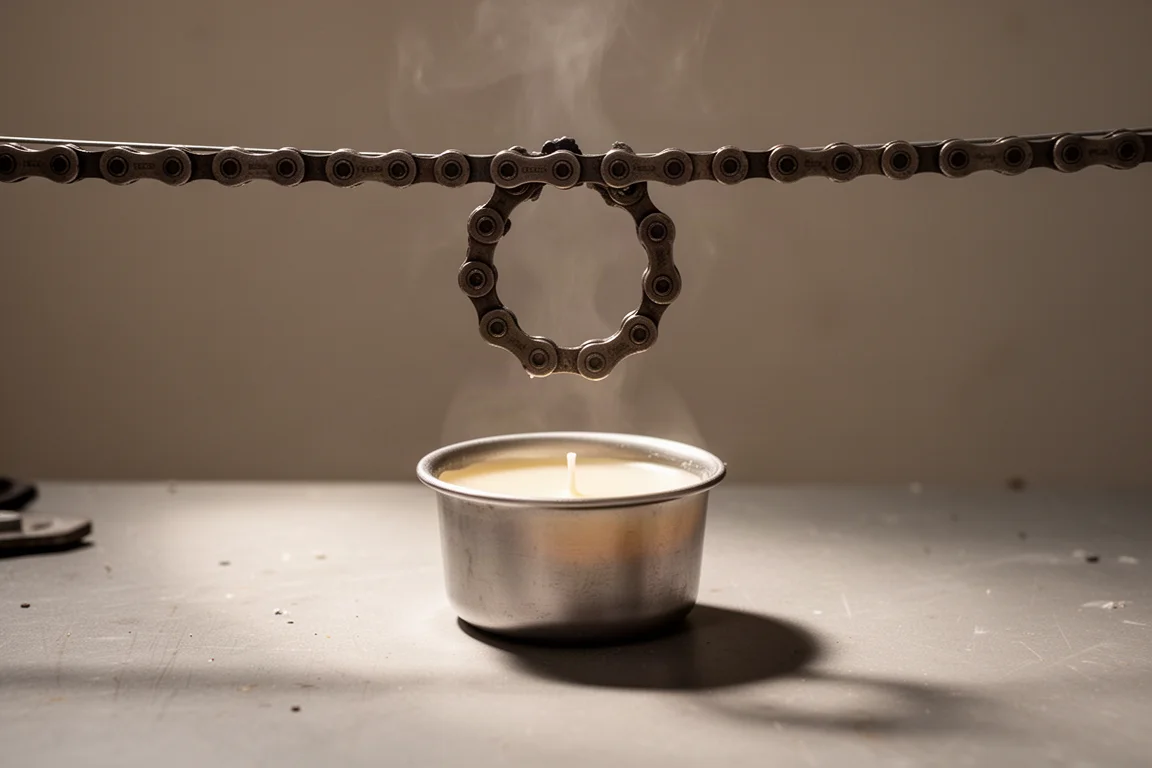
This is a hot melt product, so it goes through the full immersion process: the chain is cleaned, threaded onto a wire, and placed in melted wax at 90°C. The wax and chain need to reach the same temperature before the heat is switched off, and after about two minutes the pot is left to cool to roughly 60°C, when a thin skin forms on the surface. The chain comes out then, is moved as little as possible, and is hung over the wax bath so it cools gradually. It should not be flexed for about two hours, and once installed the chain needs at least 50 km of riding to settle in.
The payoff is a chain that stays clean, runs quietly, and holds its low friction for far longer than a conventional lubricant.
Optimize Graphite Wax
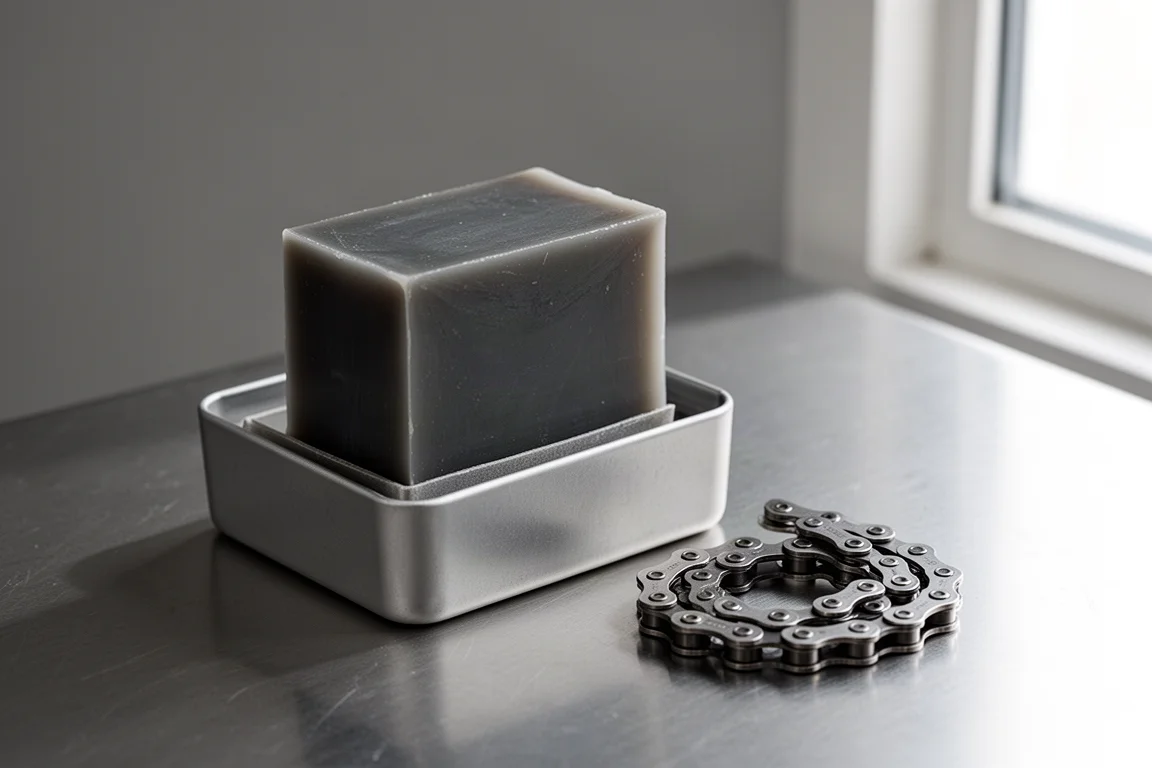
The graphite wax follows the same hot melt method with a different additive. Graphite is made up of several layers of carbon atoms, and those layers slide against one another with very little energy, which is the mechanism behind its lubricating quality.
The practical routine is identical to the graphene version: full degrease, immersion at 90°C, a controlled cooldown, a two hour wait before the chain is broken, and a 50 km settling period on the bike. Riders who want a second wax for different conditions, or who simply prefer a graphite based formula, can run both and swap according to preference.
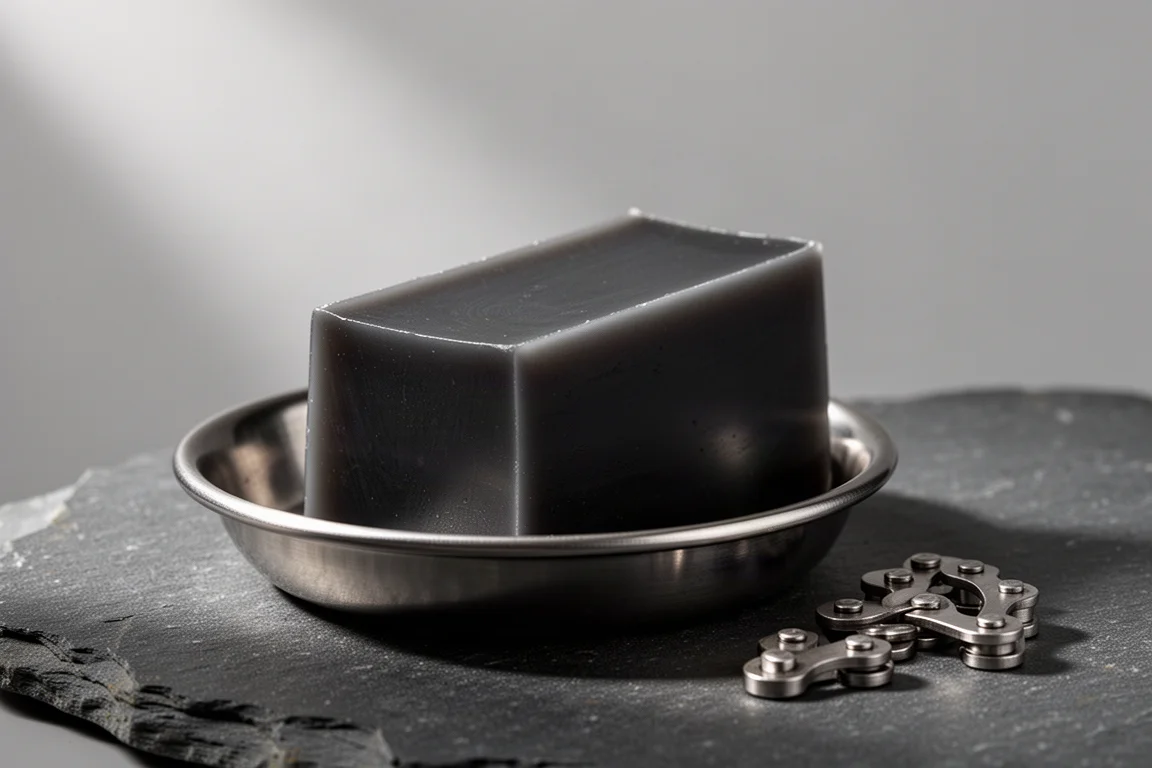
Optimize Fancy Pants Wax Cooker
Hot waxing works best when the temperature is controlled, and that is where the Fancy Pants wax cooker earns its place. Rather than improvising with a kitchen pan and guessing at the heat, the cooker holds the wax and brings it up to the required 90°C so the chain and wax reach the same temperature together.
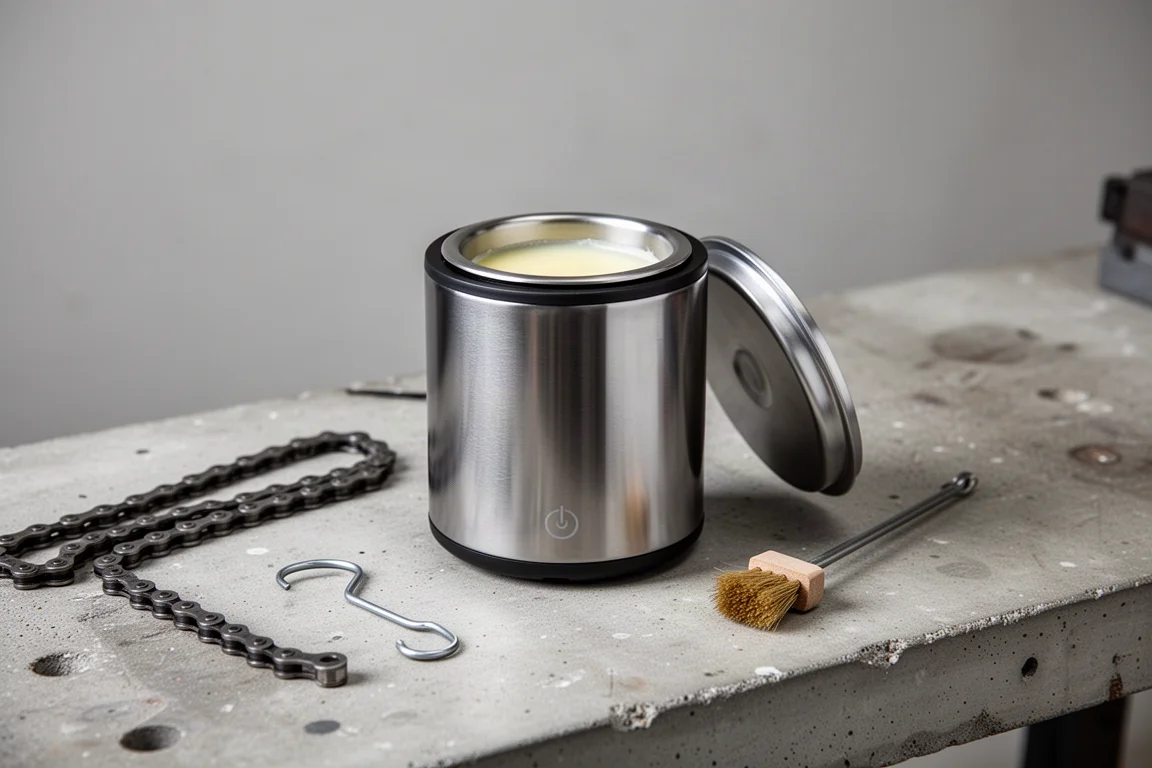
It removes most of the fiddliness from the melting stage. If you plan to wax chains regularly, a dedicated cooker turns an occasional experiment into a routine you will actually keep up with. If you are only curious, it is worth deciding whether you will stick with the process before adding hardware to the shelf.
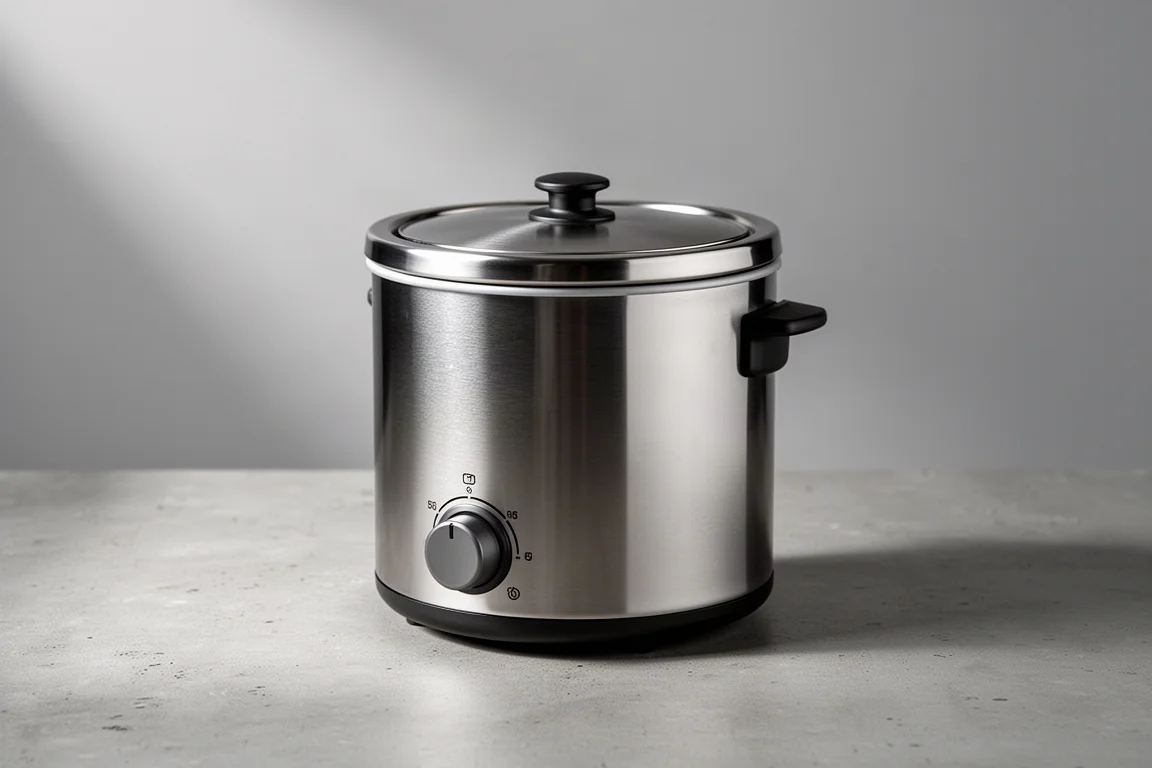
The Full Hot Wax Process, Step by Step
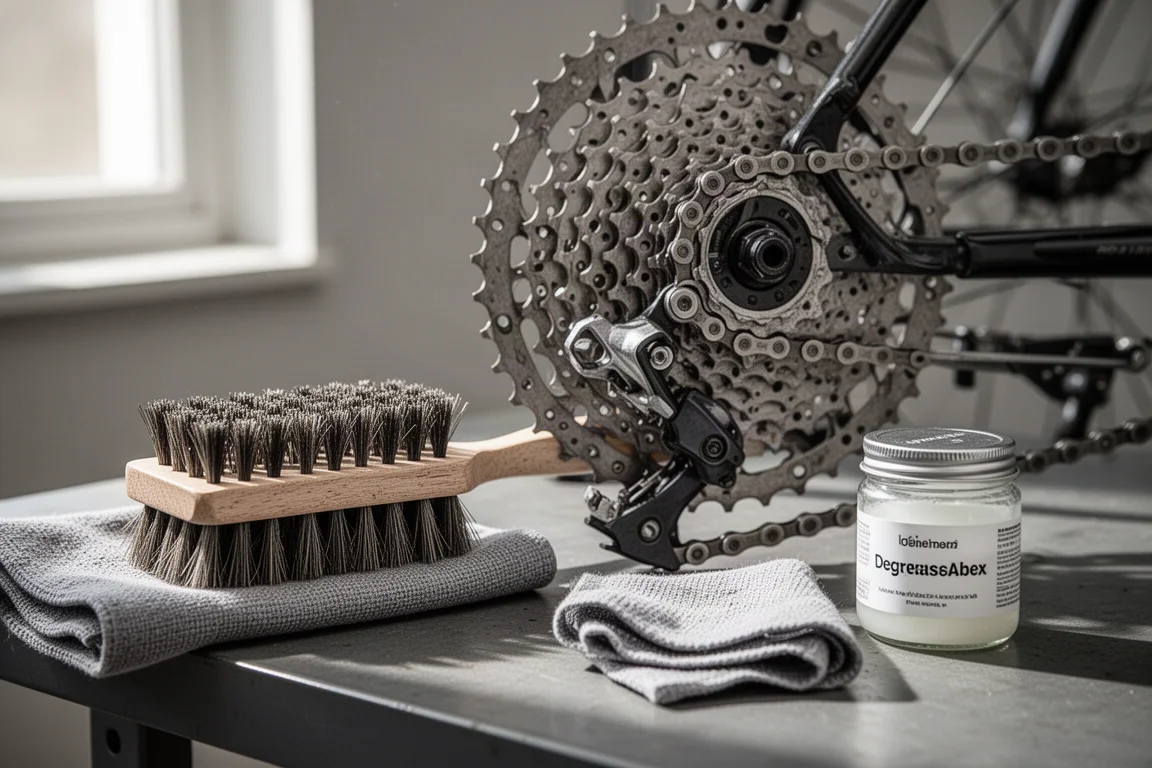
Start by removing the chain from the bike and giving it a pre-clean. There are two ways to do this. You can put the chain in a sealed jar with degreaser, shake it well, and repeat with fresh degreaser and a brush until the chain comes out clean. An ultrasonic cleaner speeds this up considerably: fill it with water, add around 10 percent degreaser, and run the chain through it at least twice with fresh fluid until the liquid stays relatively clear.
While the chain dries, clean the cassette and wipe down the chainrings with a cloth soaked in degreaser, so the freshly waxed chain is not immediately contaminated. Let the chain air dry completely and rinse off any remaining water so the wax adheres properly.
Then melt your wax in a pot, thread the chain onto a wire so it is easy to lift out later, and lower it into the wax at 90°C. Once chain and wax are at the same temperature, switch off the heat and wait about two minutes. Leave the chain in the pot as the wax cools to roughly 60°C and a thin skin forms, then lift it out with as little movement as possible and hang it above the bath. After about two hours the chain can be flexed, installed, and ridden for at least 50 km. Most of the hour this takes is waiting, not working.
Hot Wax vs Drip Wax vs Pre-Waxed Chains
Hot melt wax is not the only way to get the benefit. Optimize also makes a liquid drip wax in both graphene and graphite formulations, and it is as quick to apply as a standard drip lubricant. It lasts around 200 to 300 km, so less than a hot wax immersion, and it reduces friction more than a conventional lubricant even if it does not quite match a full hot wax treatment.
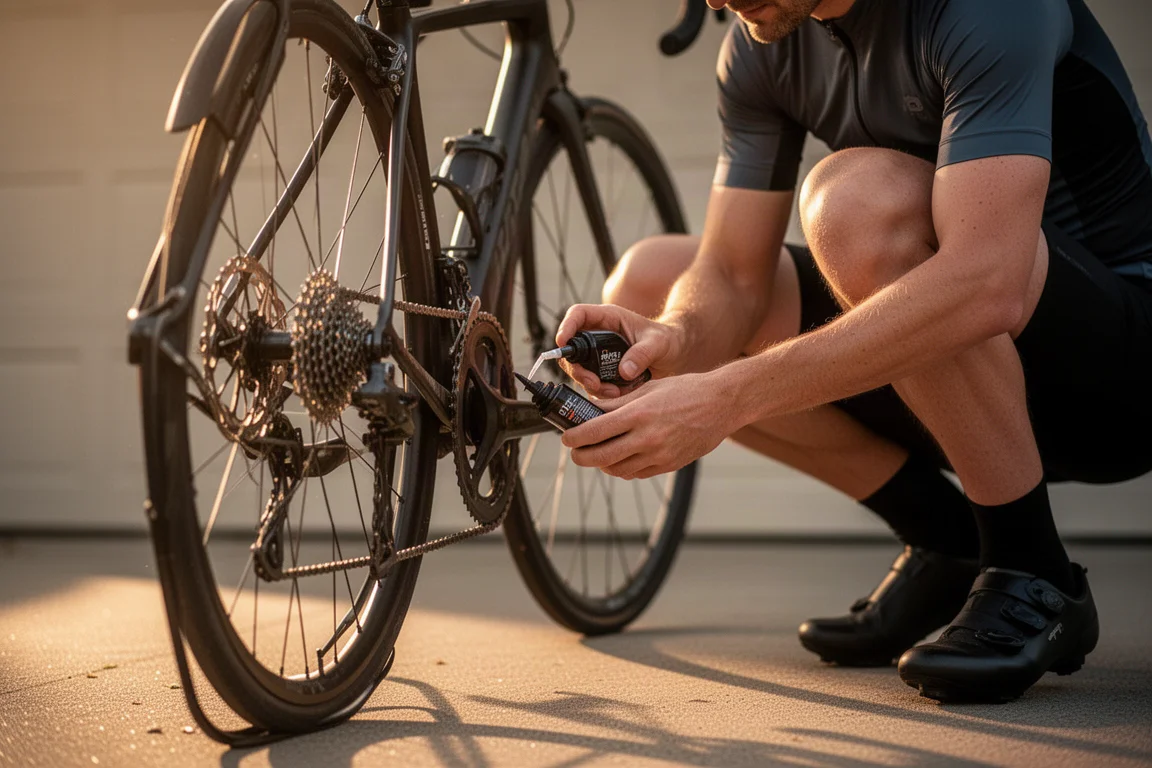
Pre-waxed chains are the third option and the simplest of all. They suit riders who want the performance and cleanliness of wax before an event without owning a pot or a cooker.
The trade-off is straightforward. Hot wax gives the longest intervals and the lowest friction, drip wax gives most of the benefit for a fraction of the effort, and pre-waxed chains remove the effort entirely at the cost of doing it yourself.
Conclusion
Wax is not a magic upgrade, and the friction advantage over a well maintained conventional lubricant is small. What makes it compelling is that the advantage persists: a waxed chain stays clean, wears more slowly, and keeps running efficiently over distances that would leave a drip lubricated chain gritty and slow.
If you race, the case for hot wax is easy to make. If you ride for enjoyment and value your time, a liquid drip wax or a pre-waxed chain gets you most of the way there. Whichever route you choose, the Fancy Pants wax cooker and the two Optimize waxes cover the full range from occasional experiment to a standing part of your maintenance routine.
Further reading
Related Reviews
Bike Maintenance
Cyclowax Performance Wax Kit Review: First-Time Chain Waxing Made Simple
A practical look at the Cyclowax Performance Wax Kit, how hot waxing changes chain care, and what to check before you make the switch.
Bike Maintenance
Muc-Off Chain Lube Guide: Hydrodynamic vs Ludicrous AF
Two pro-level chain lubricants compared: what each formula is built for, how they differ, and how to choose the right one for your riding.
Bike Maintenance
Mukoff Air Blaster Review: A Portable Bike Dryer Worth £120?
A handheld air blower built to dry a bike after washing. It works, it travels well, but the price and power gap against a workshop compressor need a closer look.