Kitchen Appliances
Ooni Volt vs Breville Pizzaiolo: The Battle of the $1,000 Indoor Pizza Ovens
Two premium countertop pizza ovens go head to head on performance, ease of use, size, and versatility to see which deserves a spot in your kitchen.
Introduction
If you want restaurant quality pizza at home, that tender, pillowy crust you get from a proper pizzeria, you need serious heat. A home oven maxes out around 500 to 550 degrees, and even preheating a baking stone or steel takes about an hour. That is where countertop pizza ovens come in, reaching 700 degrees and beyond to cook a pizza in four to five minutes.
Two models stand out for making genuinely excellent pizza indoors: the Ooni Volt and the Breville Pizzaiolo. Both are electric, both cost upwards of $1,000, and both can be used indoors or outdoors as long as they are stored inside. After testing them head to head across performance, ease of use, size, and versatility, here is how they stack up.
Performance: Hot, Fast, and Consistently Good
The Ooni Volt reaches a maximum temperature of 850 degrees and hits it in about 20 minutes, a fraction of the hour a home oven needs to get a steel hot enough. At full heat, it cooks a pizza in four to five minutes. The Breville Pizzaiolo also preheats in about 20 minutes, topping out at 750 degrees with the same four to five minute cook time.
That 100 degree gap sounds significant, but in practice it matters less than you might expect. The real jump is between a 500 degree home oven and a 750 degree countertop oven; going from 750 to 850 makes far less difference. Testing with a thin crust baseline found pizzas from both ovens were excellent: tender and chewy with a crispy bottom that never turned burnt or crackery, nicely risen sides, and even browning.
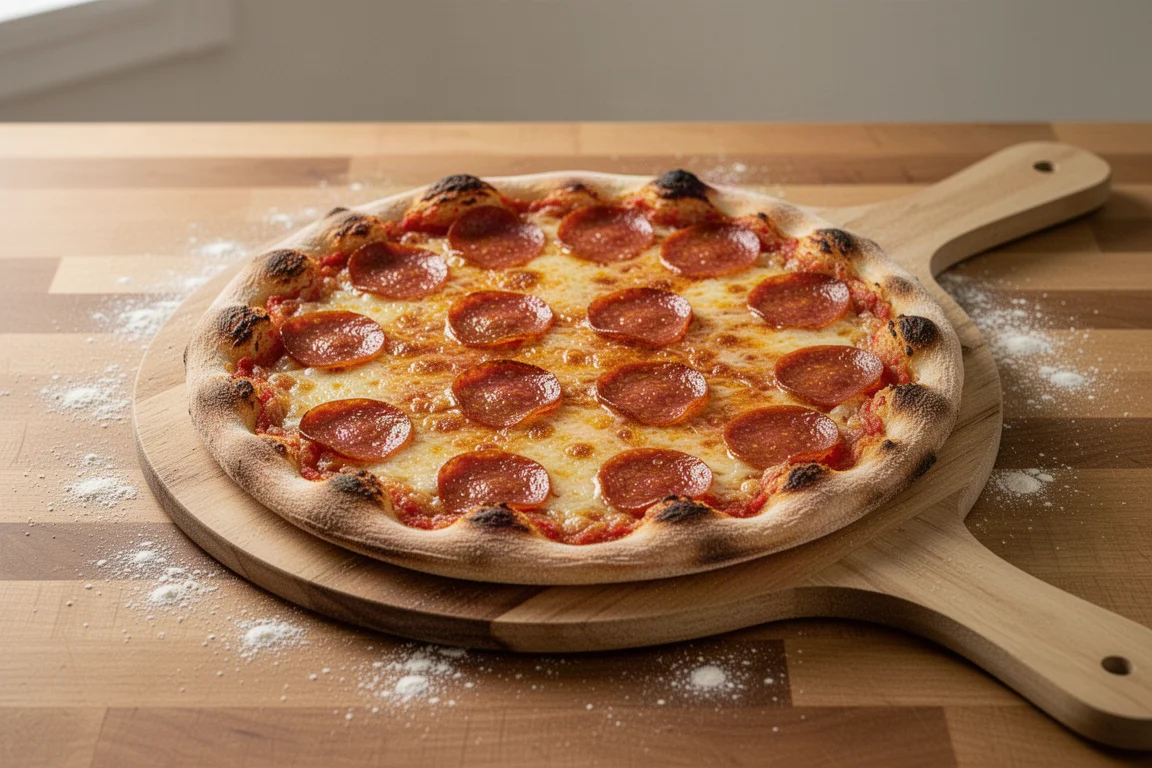
One useful note: you do not always need to run these ovens at maximum. For thin crust, 650 degrees worked well. The 850 setting is best for Neapolitan style pizza, which cooks super fast at very high heat. As a general rule, the thicker the crust, the lower the temperature and the longer the cook.
On pure performance, these two are effectively tied.
Ease of Use: Controls and Accessories
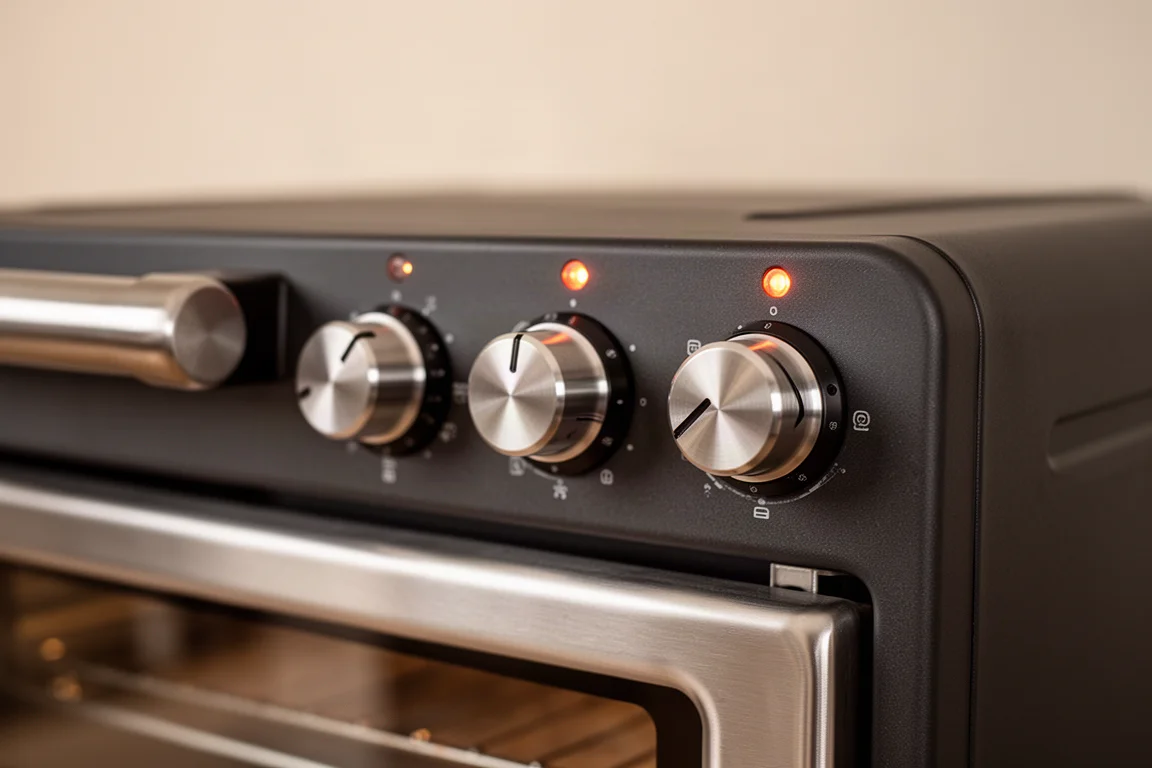
The Ooni Volt uses three simple dials covering a timer, temperature, and pizza darkness, letting you shift the balance between bottom and top heat for customization. Indicator lights and a built in timer make it easy to see at a glance how hot the oven is and how close your pizza is to done. The main disappointment: no accessories are included. The oven is too narrow for standard pizza peels, so you will need to buy one separately, though Ooni sells compatible options that are easy to find and good quality.
The Breville Pizzaiolo matches that with intuitive controls for timer, pizza style presets like New York thin crust, pan pizza, and frozen pizza, plus light and dark settings. If you prefer manual control, a separate mode lets you set top temperature, deck temperature, and more, adjusting everything in the oven. Like the Ooni, it has countdown and temperature displays.
Where the Breville pulls ahead is what comes in the box. It includes a fitted peel, great for rotating and removing pizzas though a little sticky for launching, where wood performs better. It also comes with a carbon steel pan with a removable handle for pan pizza or roasting vegetables with the door closed.
Both are easy to use, but the Breville takes a slight win thanks to the included accessories.
Size and Handling
The Ooni Volt is big. At about 24 inches long, it matches the average depth of a kitchen countertop, so it will not fit every kitchen. It also needs roughly six inches of ventilation clearance on the sides and behind, meaning you cannot push it flush against a wall. At around 40 pounds, it is noticeably heavy to carry in and out of storage.
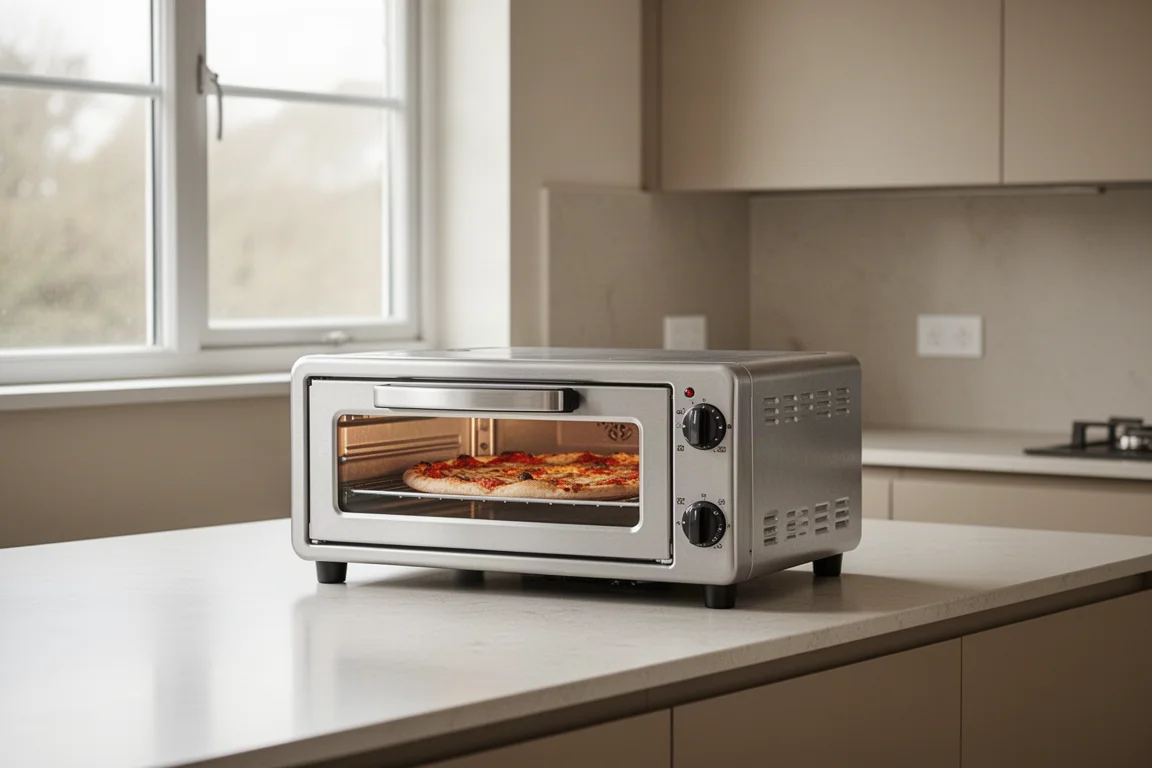
The Breville is much more compact and lighter, nearly six inches shorter in depth and weighing just under 30 pounds. It is easier to move around and takes up less space in the kitchen or a cupboard. Size is a clear win for the Breville.
Versatility: Interior Space and Stones
Inside, the Ooni Volt has a square cordierite baking stone measuring 13 and a quarter inches in both directions, similar to the stones recommended for home ovens. The square shape is a genuine advantage: it gives you extra wiggle room when launching a pizza, a margin of error that a round stone does not offer.
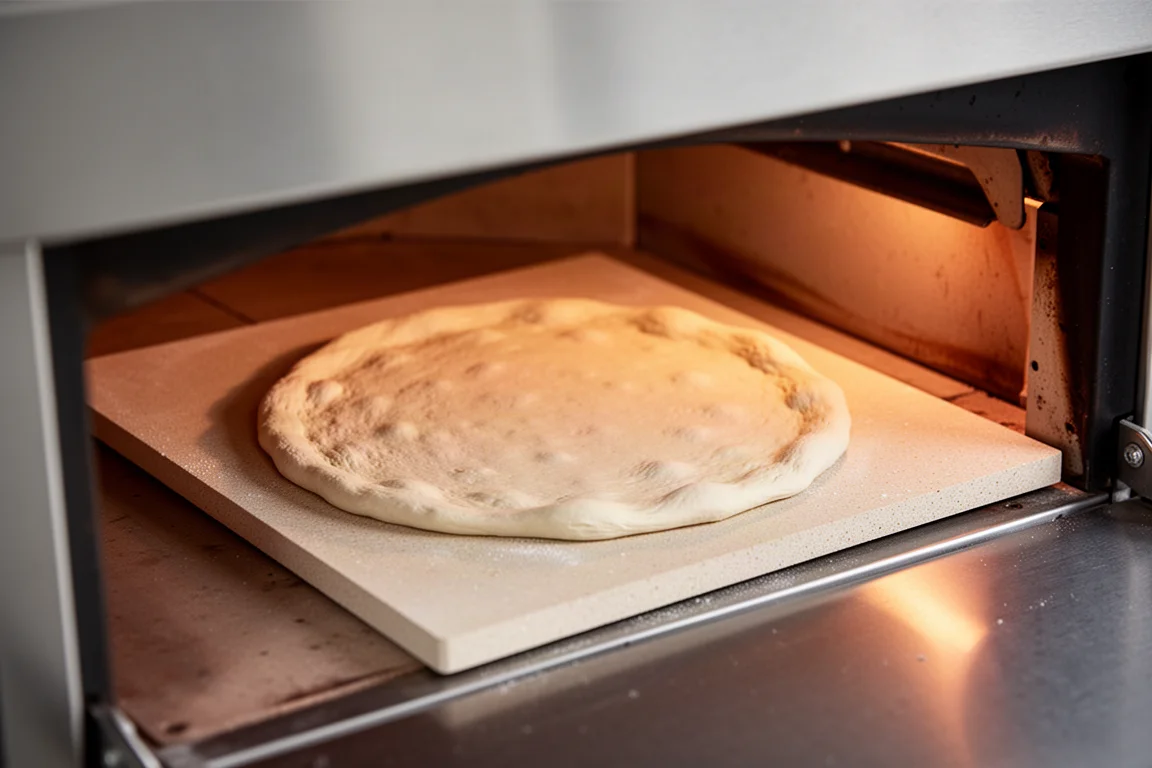
The Breville has a round cordierite stone at 11 and three quarters inches in diameter, which is on the small side. A recipe that makes two 13 inch pies has to become three smaller pizzas in this oven, and a metal backsplash following the stone’s curve limits how far you can push a pizza across. The round shape demands a more precise landing.
Here the Ooni wins: a bigger interior, a bigger stone, and more forgiving launches make it slightly more versatile.
Which One Should You Buy?
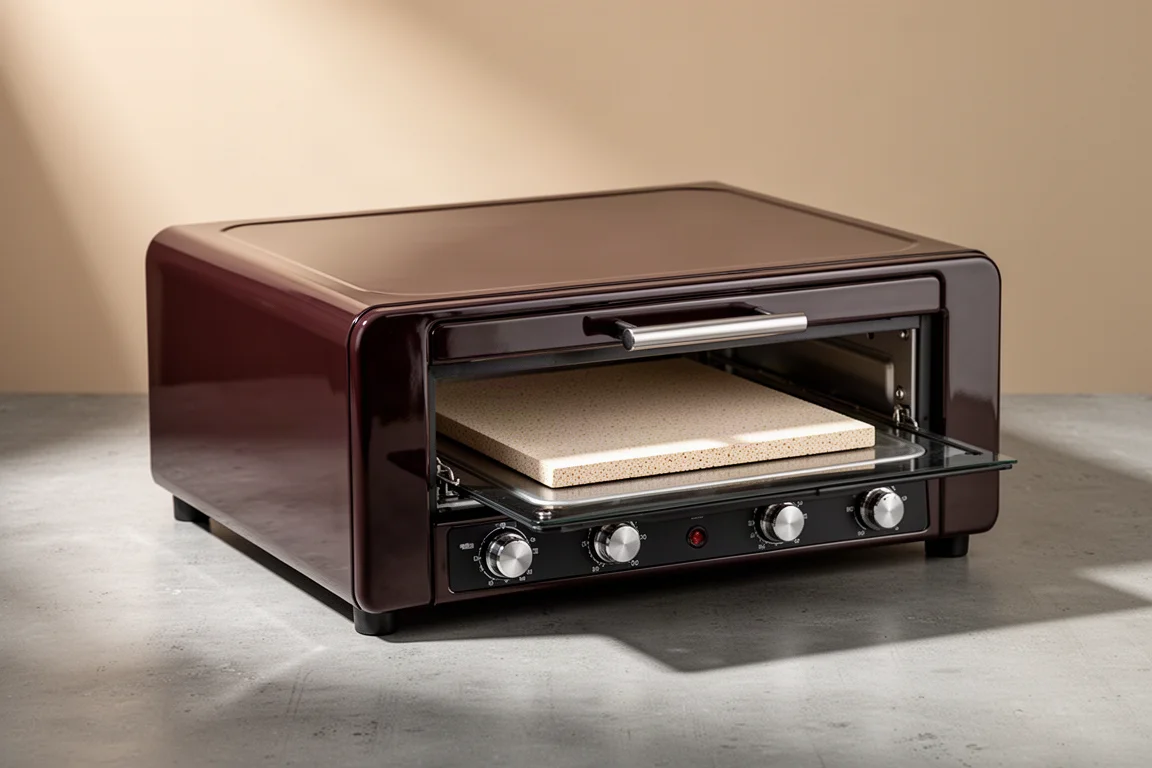
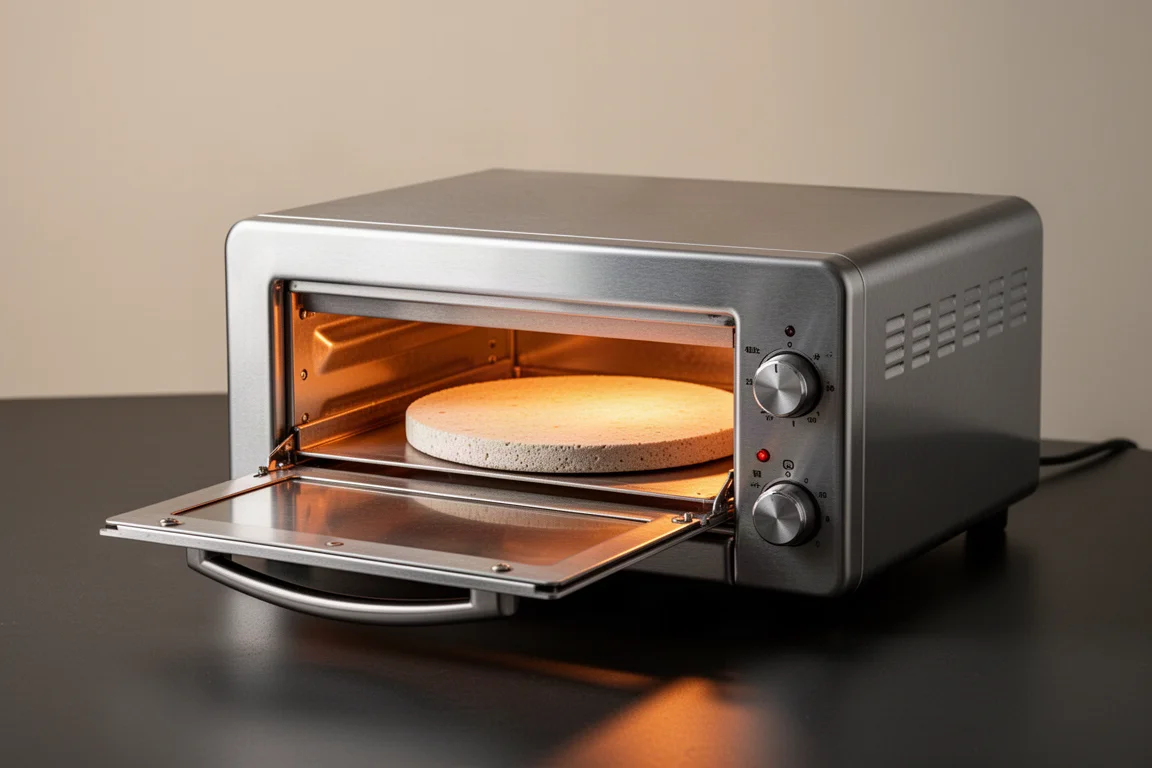
It comes down to your needs. The Breville is smaller, lighter, and easier to place and store, and it includes useful accessories. The Ooni is bigger and heavier, but you get more interior space, a large rectangular stone with extra margin for error, and room for slightly larger pizzas. Both cost about $1,000 at the time of testing, and both make fantastic pizza.
Newer models are entering the market around the $400 to $500 mark, but those come with lower peak temperatures, often only reaching 500 to 600 degrees, so they may not deliver the same crust quality. If one of these two drops in price, go for the cheaper one. Want a smaller model? Choose the Breville. Want more wiggle room? Choose the Ooni.
Conclusion
These two countertop ovens tied on performance, producing restaurant quality pizza with tender, pillowy crusts and crispy bottoms. The Breville edges ahead on compact size, lighter weight, and included accessories, while the Ooni counters with a larger interior and a more forgiving square stone. Whichever matches your kitchen and cooking style, both are excellent investments for serious homemade pizza.
Further reading
Related Reviews
Kitchen Appliances
Arboleaf Smart Kitchen Scale Review: Connected Cooking Made Simple
A Bluetooth-enabled kitchen scale that syncs with a nutrition-tracking app, offering real-time weight monitoring and recipe guidance for home cooks.
Kitchen Appliances
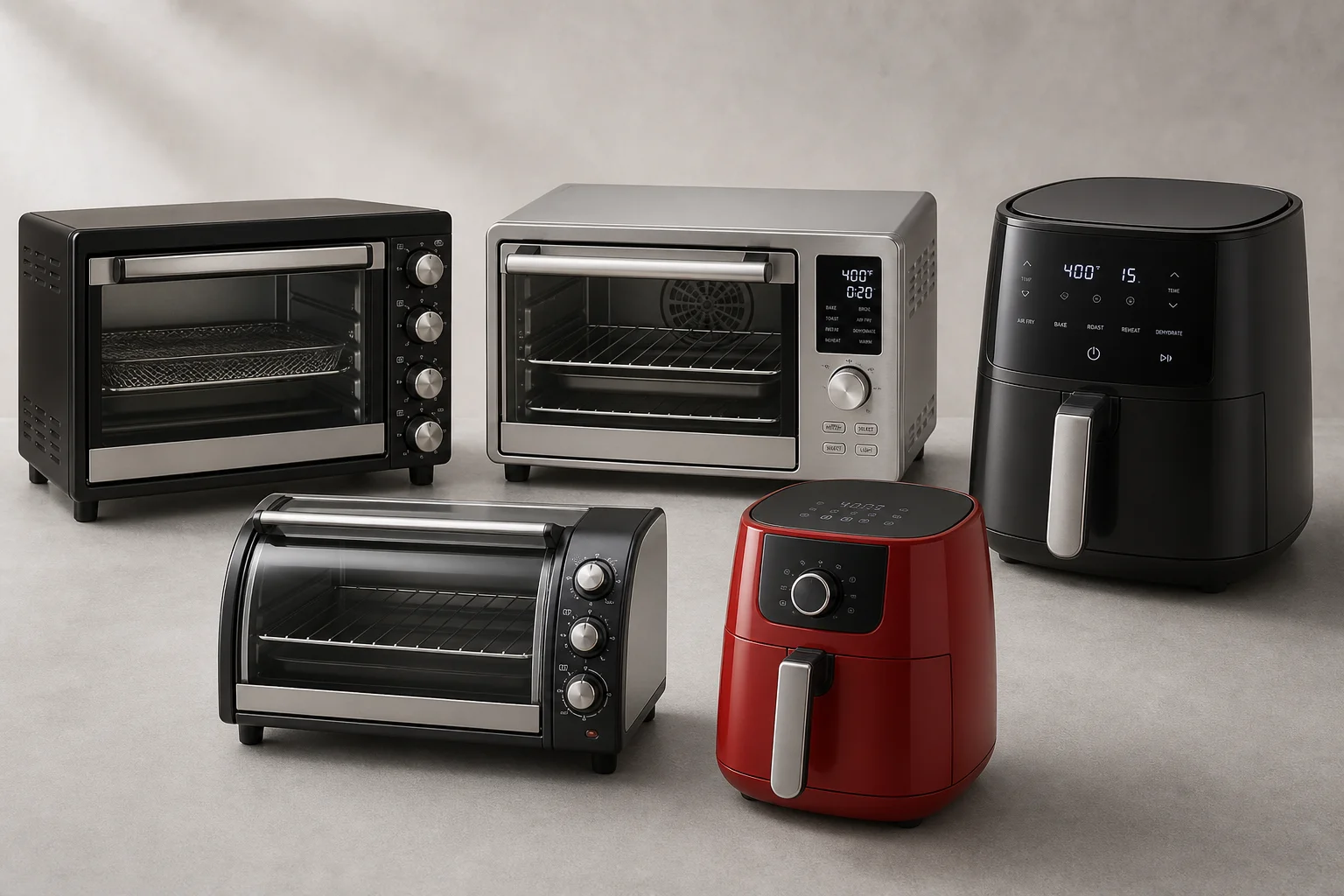
Best Air Fryer Toaster Ovens Under 100: Five Practical Options for Budget-Conscious Kitchens
Five air fryer and toaster oven combinations that deliver real cooking performance without breaking the bank, each with distinct strengths for different kitchen needs.
Kitchen Appliances
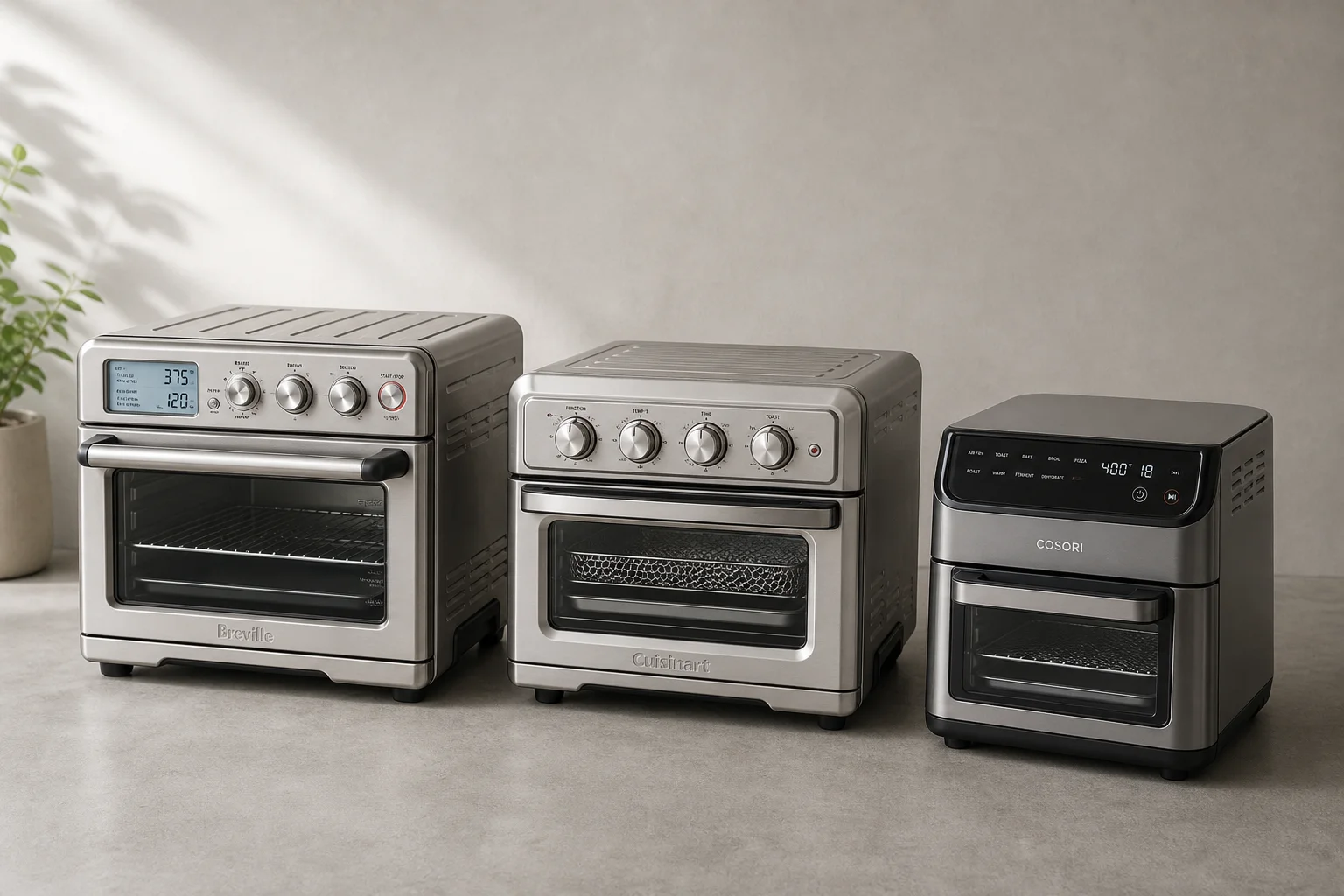
Best Air Fryer Toaster Ovens: Three Top Picks for Multi-Function Cooking
Three high-performing air fryer toaster ovens tested for versatility, ease of use, and real-world cooking results. Find the right fit for your kitchen.