Tents
OneTigris Mona Tent Review: A Roomy One-Person Shelter With Real Trade-offs
The OneTigris Mona is a semi-freestanding one-person tent with an unusual pole layout, a generous interior, and a fabric-heavy body that limits airflow. Here is what to weigh before buying.
Introduction
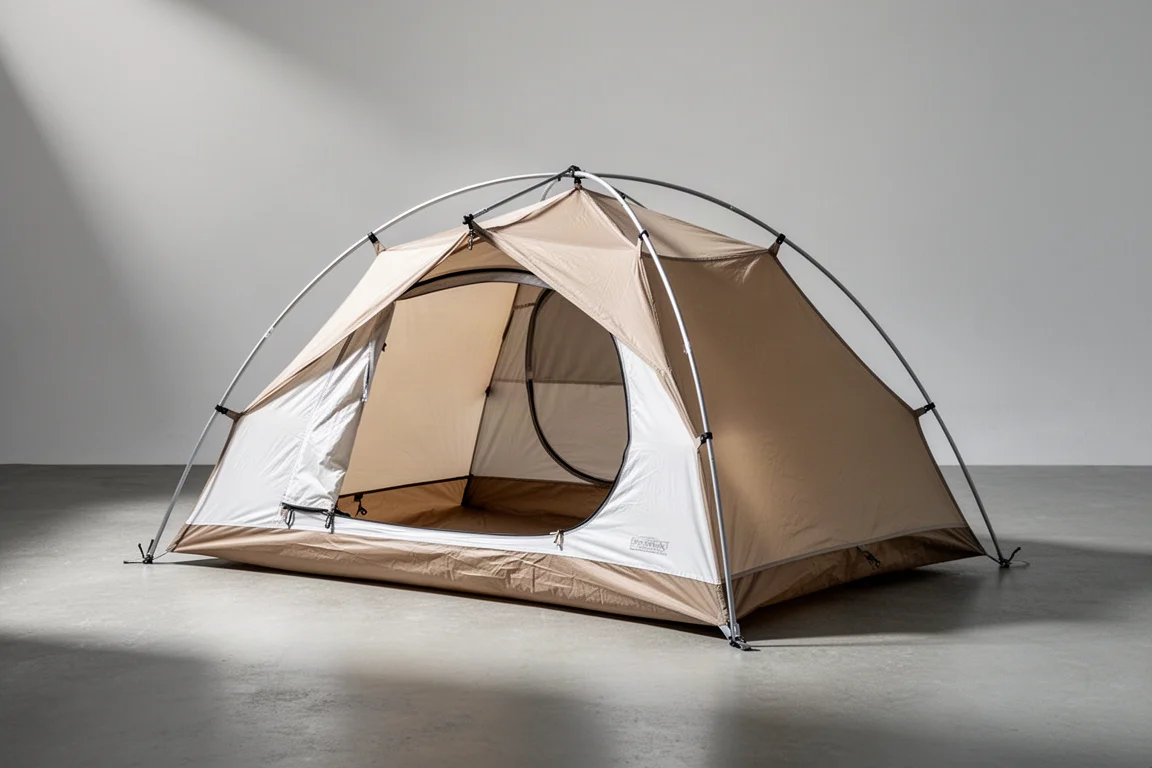
The OneTigris Mona is a one-person, semi-freestanding tent with one of the more unusual pole layouts you will see in this category. It arrives with a ground sheet included, pitches in a beige and white colourway that stands apart from the brand’s usual earth tones, and sells for around $180.
The headline appeal is space. The interior is wide and long, and the shelter is genuinely comfortable for a solo camper who wants room to sit up and spread out. The trade-off is a body that uses a lot of solid fabric rather than full mesh, which shapes how the tent behaves in warm weather.
This review walks through who the Mona suits, what it does well, and the compromises worth understanding before you commit.
Who This Tent Is For
The Mona is built for solo campers who value interior volume over low weight. At 88 inches (7 feet 2 inches) long, 35 inches wide at the head end, and 39 inches at the centre, it fits comfortably for anyone 6 feet 2 inches or shorter. Taller campers will find their head or feet contacting the walls.
It is a three-season design in name, but the fabric-heavy construction makes it behave more like a hybrid shelter. If you mostly camp in mild conditions and want a roomy, easy-pitching one-person tent that can be set up without stakes, the Mona fits that brief. If your priority is maximum ventilation on hot summer nights, this is the point where the tent starts to work against you.
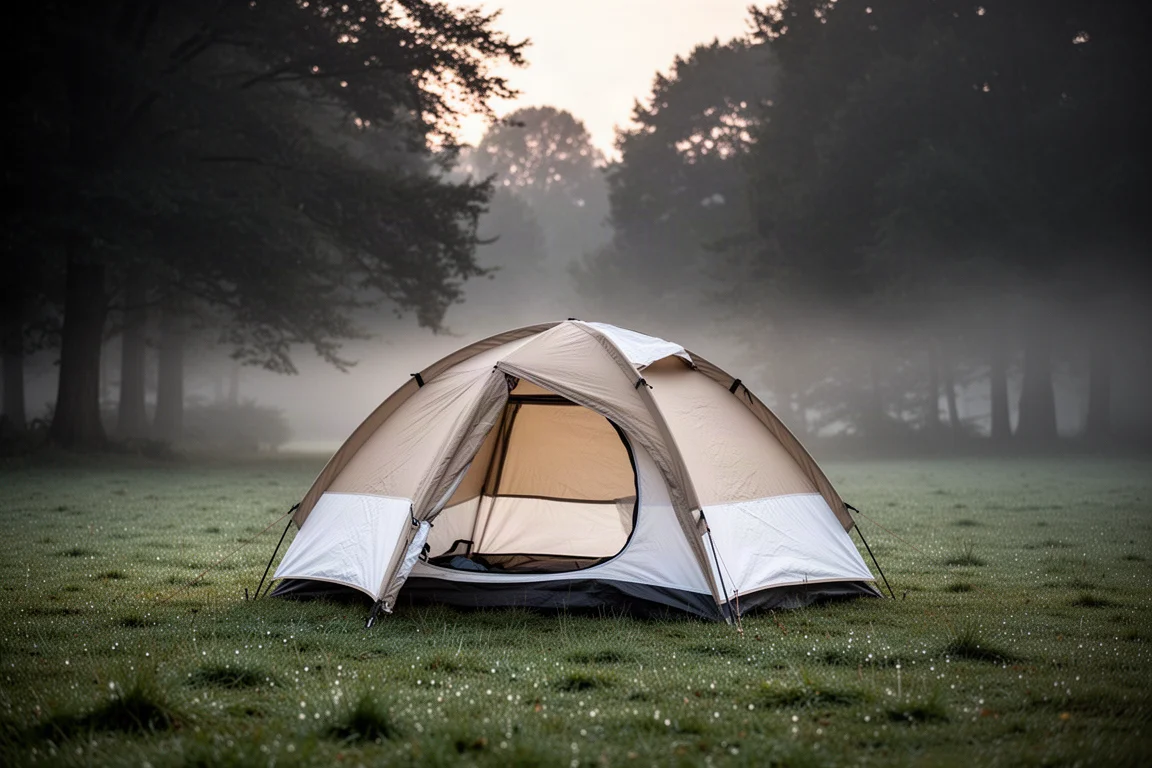
Weight is also worth setting expectations around. At 3.6 lb on the scale, this is a manageable solo shelter but it is not an ultralight one, and it should not be treated as such.
Main Strengths
Build quality is the strongest part of the story. Stitching is clean, there are no loose threads, and the materials feel substantial rather than thin. The fly is silicone-treated 20D ripstop nylon with a 3,000 mm hydrostatic head rating, and the 40D bathtub floor is rated to 2,000 mm, which is a sensible pairing for a shelter in this price band.
Setup and breakdown are both straightforward. The pole system assembles quickly, the body attaches to the frame and pulls out fully once staked, and the whole process is easy to repeat in poor light. The semi-freestanding frame means you can pitch without stakes, though the best pitch comes from staking it out.
Inside, the space is the real selling point. The bathtub floor rises roughly 8 inches up the sides, there is a mesh pocket overhead and two more at the head end, plus two hanging hooks for a lantern or small items. A separate zipper opens the far side of the tent, giving direct access to the vestibule without reaching across the sleeping area. The storage bag is generously sized and swallows the tent easily when packing up, which matters more on real trips than it sounds.
Things to Consider Before Buying
The main concern is airflow. Rather than a full mesh body, the Mona uses a large amount of solid fabric: half the back wall, sections along the body, the foot box, the corners and the upper panels. Only the door is fully mesh. Fabric blocks breezes and holds heat, so on warm nights the interior will run hotter than a fully ventilated shelter would. Wind that shifts direction overnight often will not reach you through those panels.
Condensation management is the second issue. At the head end, the fly sits close against the body, so moisture that forms on the fly can run down and contact the inner wall. The fly also has no vents, which further limits ventilation. On the positive side, the fly does not reach the ground, so some air moves underneath and helps reduce build-up.
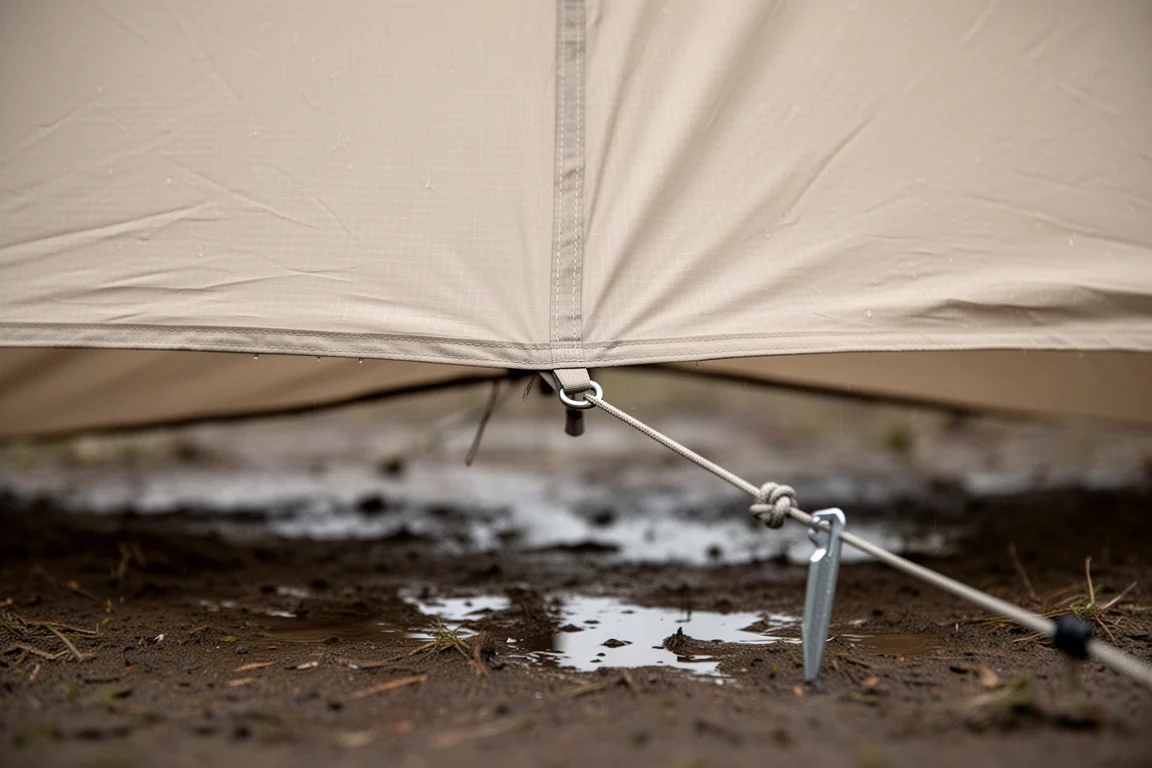
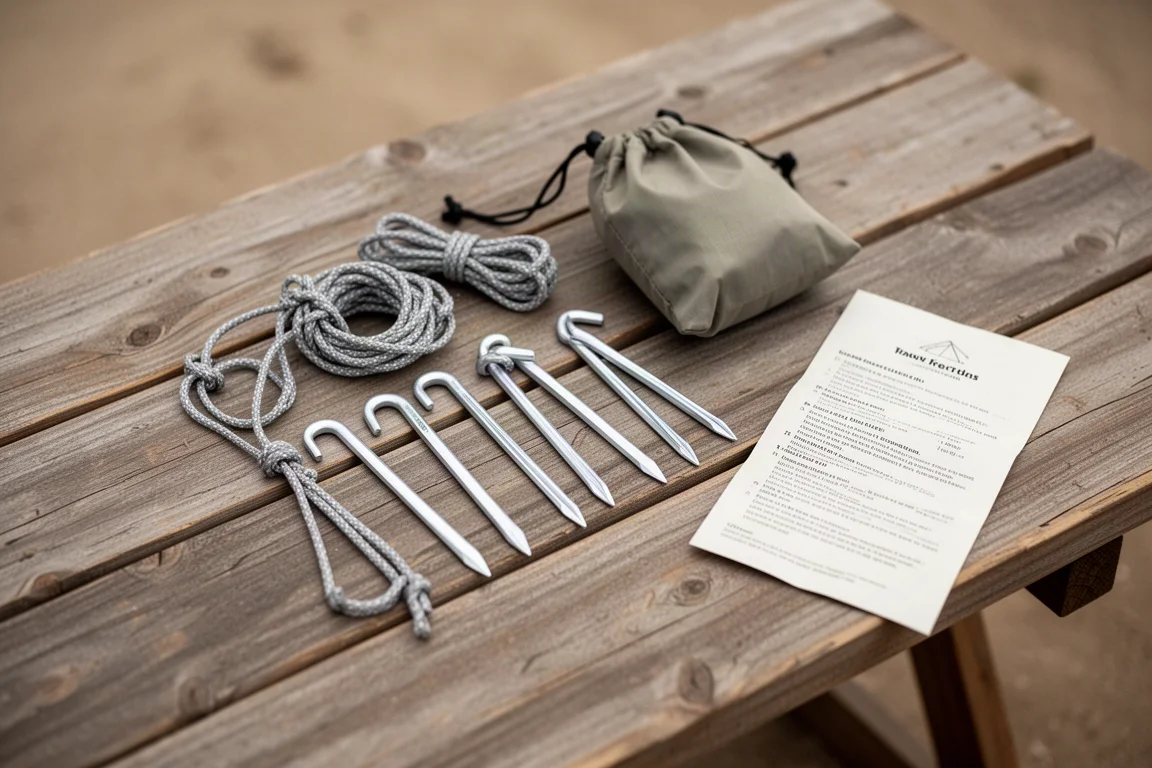
Pitching hardware is another limitation. After the tent is fully set up and staked, only one stake remains in the bag, yet there are three tie-off points for guy lines. You cannot guy the tent out properly with the supplied hardware. The two corded compression straps on the storage bag are also the kind of accessory most campers remove and lose.
Design, Materials, and Setup
The frame is the distinctive part. A Y-shaped arrangement runs into a single pole that spans the length of the tent, with a cross member on one side that spreads the body out. It is an uncommon layout, and it works: once staked, the inner body pulls out completely and gives you the full usable volume.
The material list is consistent across the shelter. The fly is 20D silicone-treated ripstop nylon, the bathtub floor is 40D, the mesh panels are 20D nylon, and the footprint is 75D. Poles are 7001 aluminium, stakes are aluminium, and the zippers are white. Packed down, the tent measures 19.3 by 7 by 5.9 inches, and it weighs 3.6 lb. A ground sheet is included in the box, along with three guy lines and six tent stakes, plus printed setup instructions in the pole bag.
The interior dimensions are worth repeating because they define the fit: 35 inches at the head, 31.5 inches through the middle, 29 inches at the foot box, 15 inches of height at the foot box, 39 inches at the centre, and 88 inches overall.
Buying Advice
At around $180, the Mona sits at a price point that asks for a clear justification. The brand’s own two-person tents cost less in some cases, and comparable one-person shelters from other makers can be found for roughly $86 to $100 less. That does not make the Mona a bad tent, but it does mean you should be buying it for a specific reason: the interior volume, the easy pitch, the included ground sheet, and the unusual frame that keeps the whole thing stable without stakes.
Be honest about your climate. If your camping season is dominated by warm, still nights, the fabric-heavy body will frustrate you, and a more mesh-forward shelter will serve you better. If you camp in shoulder-season conditions, want a roomy solo tent that goes up quickly, and you are 6 feet 2 inches or under, the Mona covers that ground well. The 3.6 lb weight is reasonable for the space you get, as long as you are not expecting an ultralight shelter.
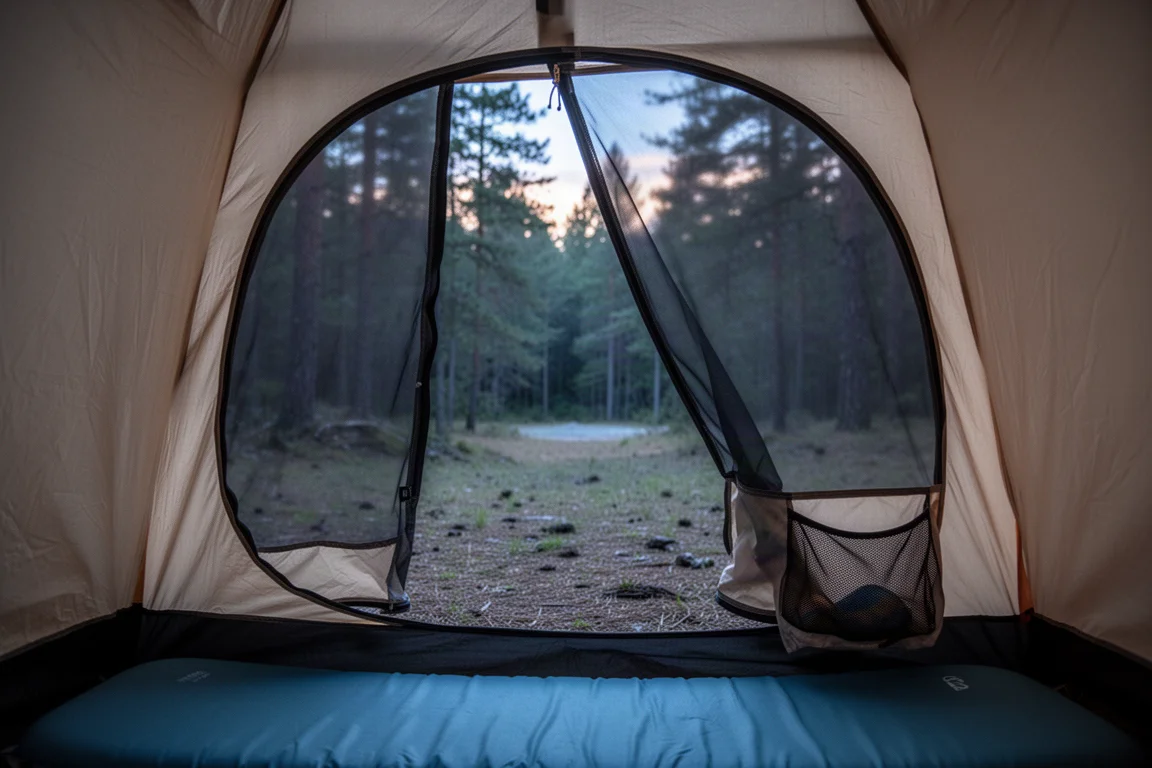
Given the number of compromises in the body materials and the hardware count, it is worth seeing the tent pitched in person or checking the return policy before committing. The foundation is good; the question is whether the ventilation trade-off matches how and where you actually camp.
Conclusion
The OneTigris Mona gets a lot right. The pole design is genuinely clever, the interior is spacious for a one-person shelter, the build quality feels premium, and the included ground sheet adds real value. It is let down by a body that uses too much solid fabric for a three-season tent, a fly that sits close to the inner wall at the head end, no fly vents, and not quite enough stakes to guy it out.
If roominess and an easy pitch matter more to you than maximum airflow, the Mona is a sensible choice for mild-weather solo trips. If staying cool on summer nights is the priority, look for a shelter with a more open mesh body. Either way, the Mona is best approached as a comfortable, well-made tent with a specific set of conditions where it makes sense.
Product link
View more details for OneTigris Mona Tent
This product is mentioned in the review. Check the specifications, options, and compatibility before buying.
View more details for OneTigris Mona TentFurther reading
Related Reviews
Tents
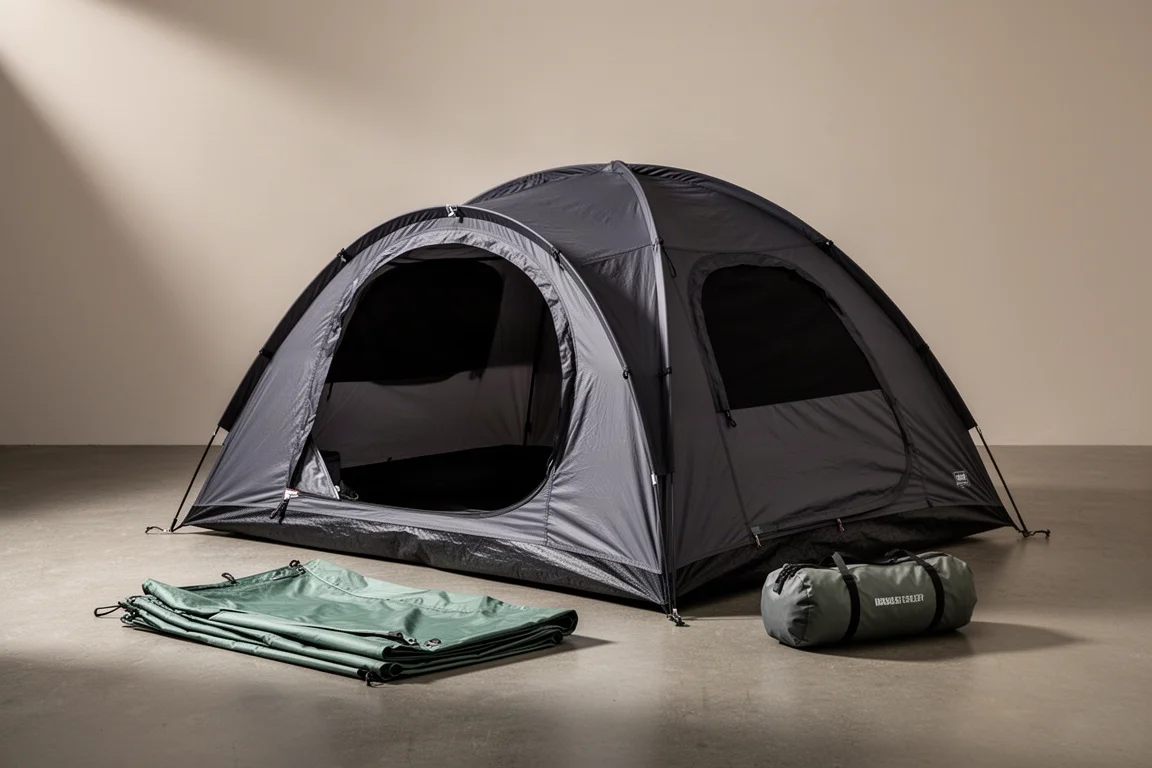
Black Dog Instant Setup 5 to 8 Person Tent Review: Fast Pitch, Serious Weather Problems
A quick-pitching Black Dog tent that goes up in seconds, but wet-weather testing revealed seam leaks, an overstated capacity claim, and awkward doors.
Tents
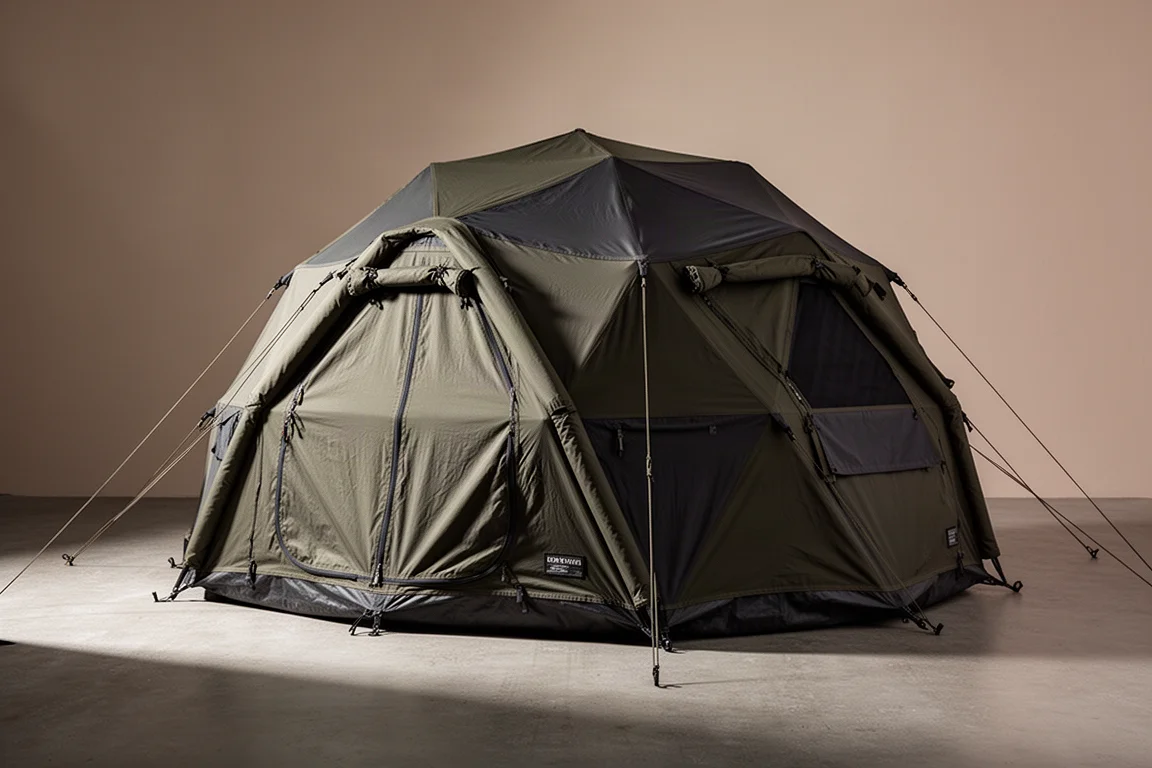
Lightfighter Dragoon Review: An Eight-Person Four-Season Military Shelter
The Lightfighter Dragoon is a 57-pound, eight-person expedition tent built for extreme weather. Here is what its materials, size, and setup demands mean for real buyers.
Tents
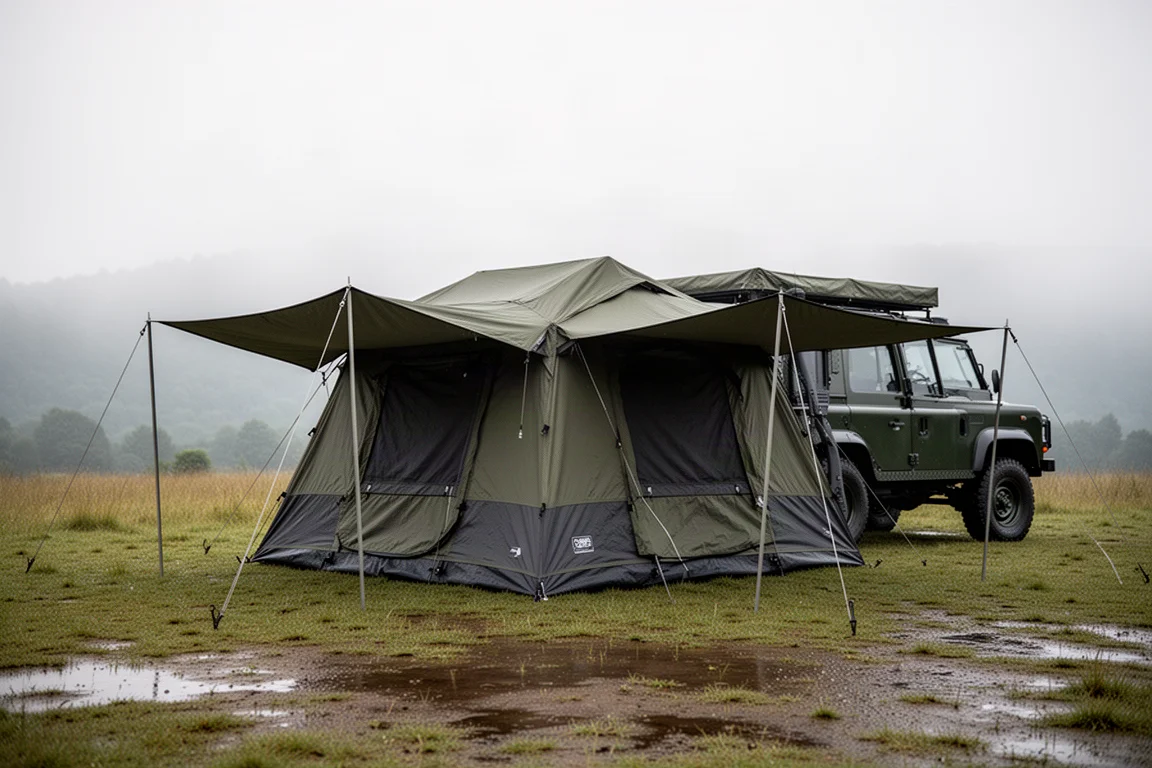
Lone Rider Motorcycle Tent Review: A Big Shelter That Stays Dry
A double-wall motorcycle tent with two large awnings, two entry points, and enough interior height to stand up, plus the pack size trade-off to weigh first.