Backpacking Tents
OneTigris Cosmitto Backpacking Tent Review: Space and Value in a Two-Person Tent
A close look at the OneTigris Cosmitto, a freestanding two-door backpacking tent with generous interior dimensions, taped seams, and a sub-$170 retail price.
Introduction
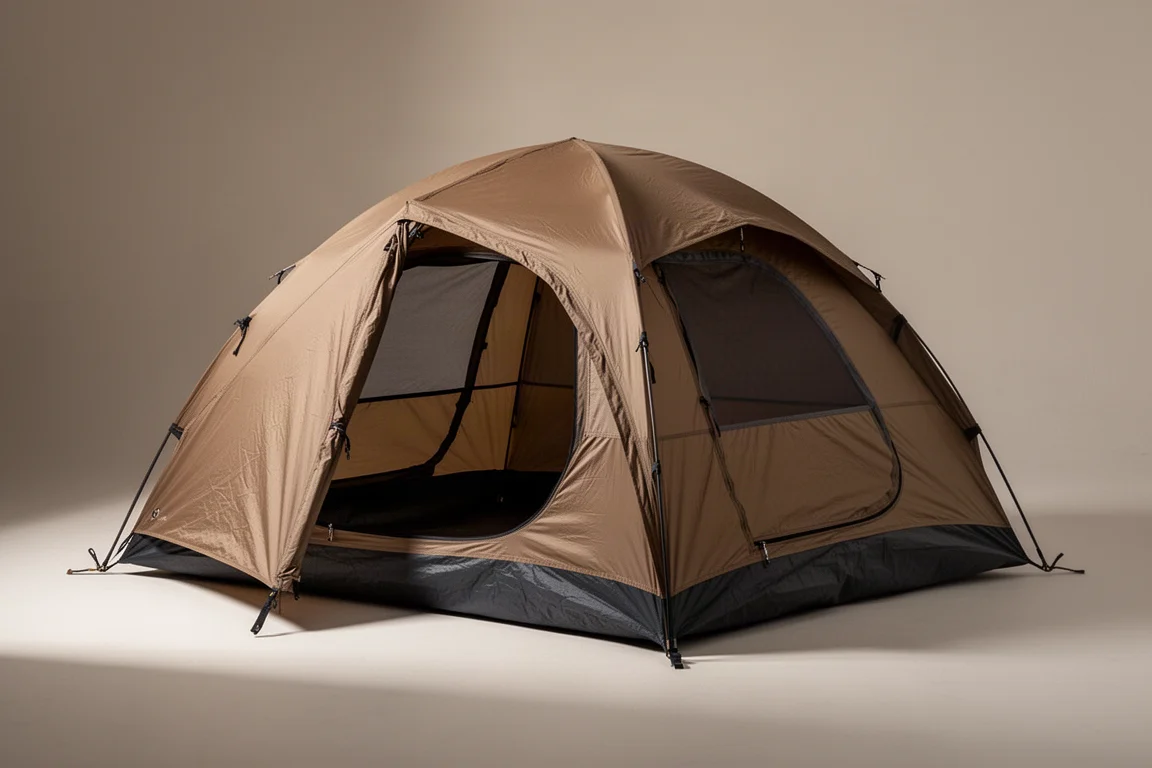
The OneTigris Cosmitto is a freestanding backpacking tent that takes an unusual approach to the two-person category. Rather than chasing the lowest possible weight, it leans into interior volume, a simple pole architecture, and a price that sits well below what most freestanding two-door tents command.
The headline numbers are straightforward. The Cosmitto weighs 5.4 pounds, ships with three aluminium poles and ten aluminium stakes, and offers a peak height of 3 feet 5 inches, a width of 4 feet 5 inches, and a maximum length of 7 feet 4 inches. Retail pricing is listed at $167, though the tent has been available for around $130 through the usual marketplace channels.
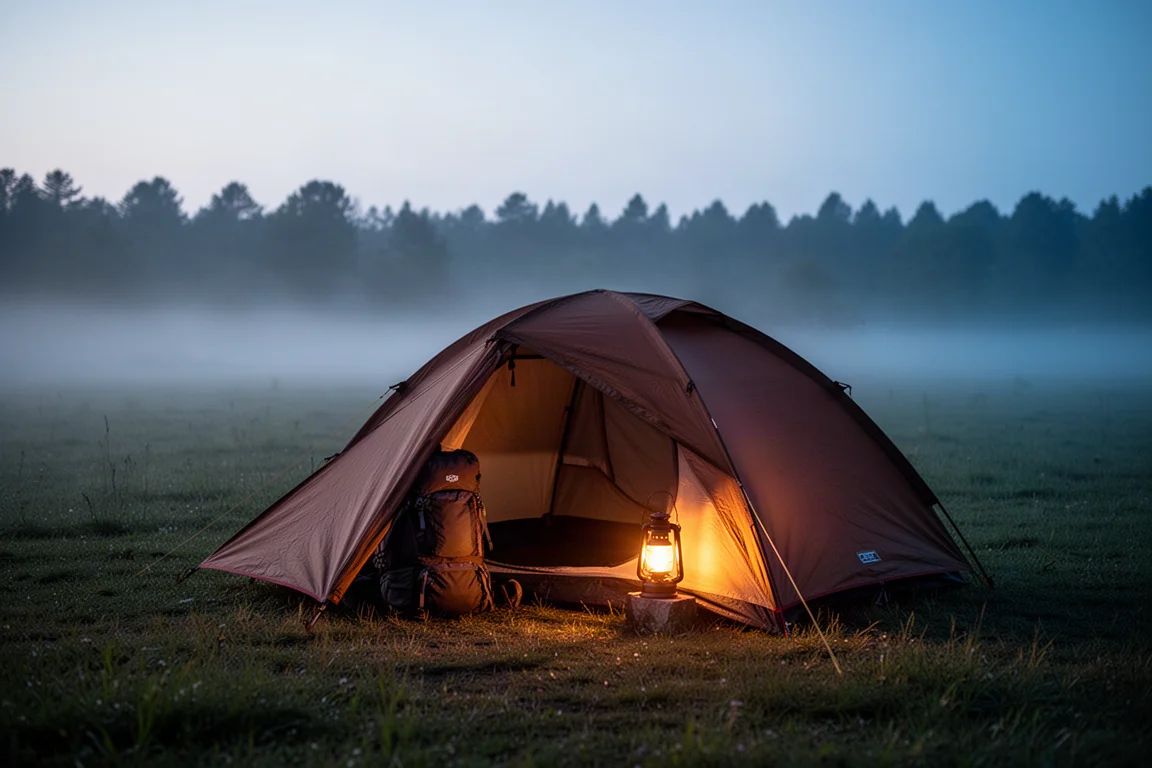
Build quality at first inspection is genuinely impressive for the money: reinforced corner stitching, seam taped seams, YKK zippers on both the body and the fly, and a storm flap arrangement that shows real thought about how rain actually behaves. What follows is a breakdown of what the tent does well, where it asks for compromise, and who should seriously consider it.
Who This Tent Is For
The Cosmitto is rated as a two-person tent, but the measurements tell a different story. At 7 feet 4 inches long and 4 feet 5 inches wide, it behaves much more like a two-and-a-half person shelter. Almost any adult will fit comfortably inside, and there is enough floor area for two wide sleeping pads with room left over for gear at the foot or head end.
That space makes the tent a strong candidate for campers who value livability over gram counting. Couples, taller sleepers, and anyone who has spent a night pressed against a tent wall will find the extra volume meaningful. It is also a sensible choice for shorter backpacking trips where a 5.4 pound carry is acceptable, or for splitting the load between two people.
Because it is freestanding, it pitches without requiring a single stake, which helps on hard or rocky ground where staking is difficult. Two doors mean each occupant gets their own entry and exit, which cuts down on climbing over a sleeping partner in the middle of the night.
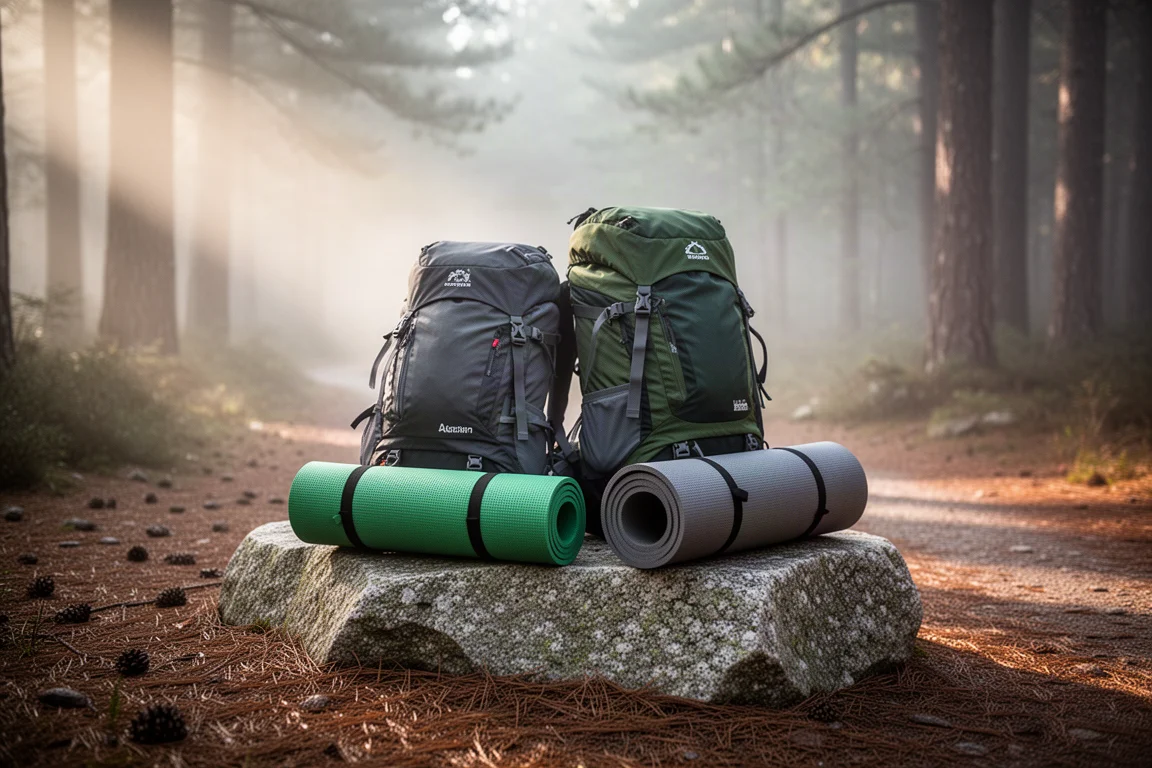
The trade-off is straightforward: this is not an ultralight shelter. It is a spacious, inexpensive one. Buyers who prioritize low packed weight should look elsewhere, while buyers who prioritize room and price will find the balance here quite appealing.
Design and Setup
Setup is described as simple and unfussy. Three aluminium poles form the structure, and because the tent is freestanding, the body stands on its own once the poles are seated. The fly goes over the top, and four guy lines plus ten stakes are included for anchoring the whole assembly.
The doors are an upside-down T design, each with its own zipper, and both can be tied back out of the way when the weather allows. That configuration makes the door opening wide and easy to move through, which matters more than it sounds like it should when you are crawling in at the end of a long day.
The most distinctive feature sits at each corner. There are tensioners running from the corner of the tent body down to the pole, and pulling them tight draws the pole closer to the body, which raises the overall height of the tent. It is an unusual piece of design, and it gives the user a way to trade a little footprint tension for a noticeable gain in interior headroom.
Included in the package are the tent body, the fly, three poles, ten stakes, four guy lines, and a storage bag. Packed dimensions are 23.6 inches by 6.3 inches, so the tent rolls into a reasonably slim bundle for transport.
Materials and Construction Details
The floor is 75D nylon with taped seams, and it uses a bathtub design with minimal seaming, which is the right approach for keeping ground moisture out. The mesh body panels are 40D nylon, and there is a lot of mesh here, which points toward strong airflow in warm conditions.
The fly carries a 1,500 mm hydrostatic head rating and uses a lightweight 20-denier fabric. Zippers throughout, on both the body and the fly, are YKK. Corner stitching is reinforced, the seams are taped, and no loose threads were visible during inspection.
Two details stand out. The first is the storm flap that covers the door zippers, secured with hook-and-loop tabs at the middle and at the bottom to keep it seated. The second is the vent design. The tent has vents at the top and at the bottom, and underneath each vent there is an additional storm flap positioned to stop wind-driven rain from reaching the tent body. That is a smart piece of problem solving, because vents are a common weak point on tents when weather turns sideways.
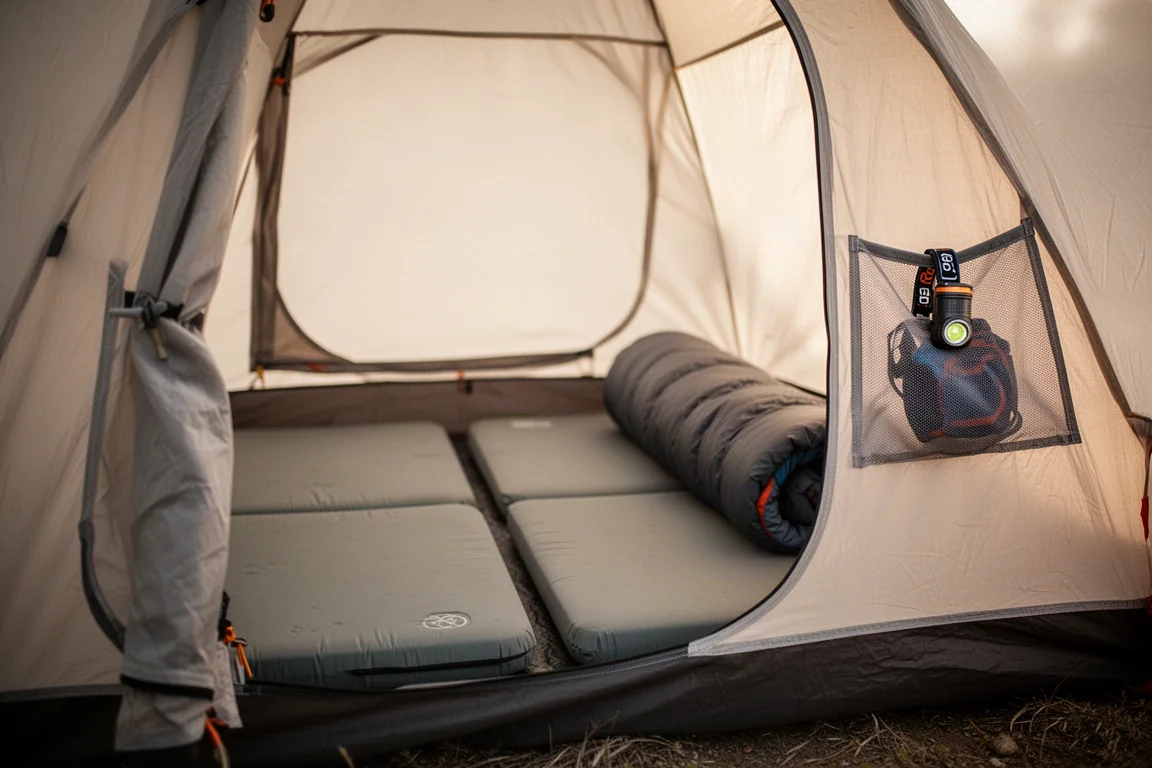
Inside, the layout is practical: large pockets at the front and at the bottom of the tent for stowing small items, and a hook at the top for a lantern or a small organizer. The interior finish looks clean and consistent throughout.
Main Strengths
Space is the defining strength. Few two-person tents at this price point offer this much floor area or this much headroom, and the corner tensioners let you push the height even further when you need it.
The freestanding structure and three-pole design keep setup approachable. There is nothing exotic about the pitch, and the ability to stand the tent up before staking it makes a real difference on tough ground.
Weather-oriented detailing is better than the price suggests. Taped seams, a bathtub floor, YKK zippers, a storm flap over the doors, and storm flaps behind the vents all point to a design that was thought through rather than assembled from a parts list.
Ventilation looks promising on paper. The generous mesh panels and the two-vent arrangement should support airflow, which is the single biggest factor in managing condensation on cool, humid nights.
Finally, value. At a retail price of $167 and a street price around $130, the Cosmitto undercuts much of the freestanding two-door market while offering more interior volume than most of it.
Things to Consider Before Buying
Weight is the clearest compromise. At 5.4 pounds, the Cosmitto is not a lightweight shelter, and backpackers covering long distances will feel that on the climbs. It suits shorter trips, car camping, and load sharing far better than it suits fast-and-light travel.
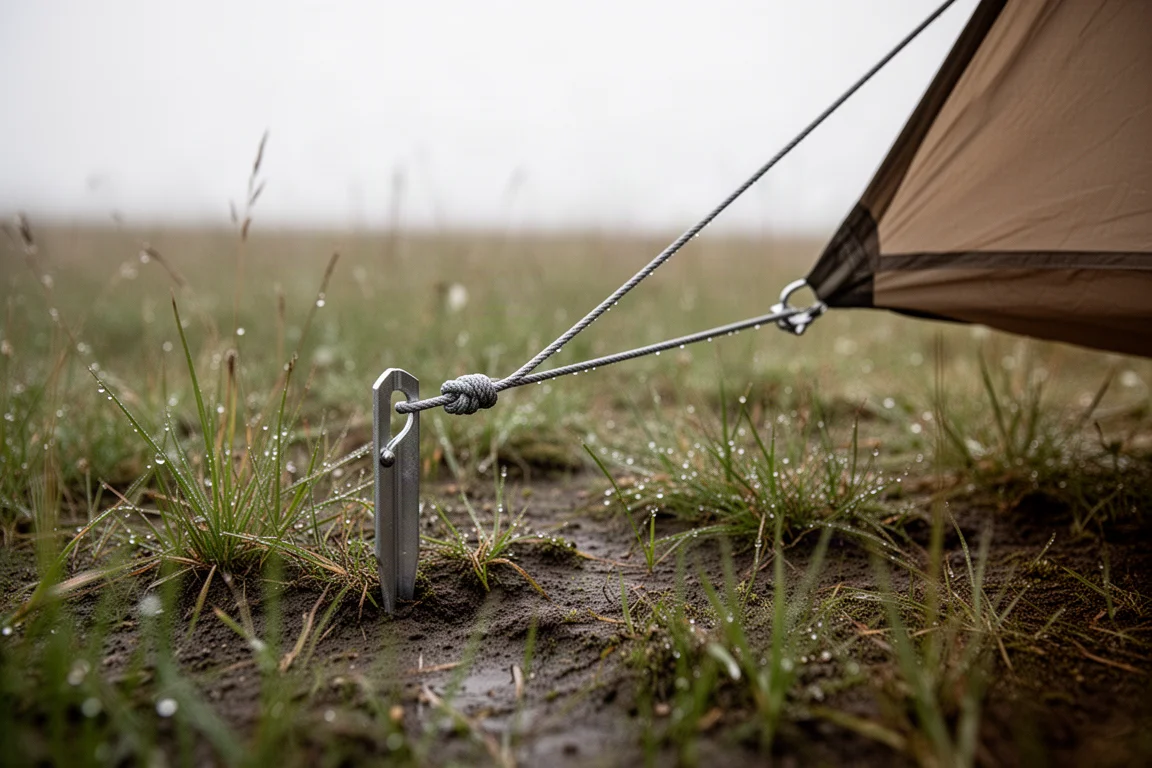
The stakeout points at the top and bottom of the fly are not adjustable and have no stretch. On perfectly level ground this is a non-issue, but on uneven terrain it can make a truly clean pitch harder to achieve. Swapping those lines for shock cord, or adding shock cord sections, is a simple and inexpensive fix that keeps the fly taut as conditions change overnight.
Color choice is limited. The tent is available in coyote brown only, which is fine for most campers but leaves no alternative for anyone who wants a different look or better visibility in low light.
The 1,500 mm hydrostatic head rating on the fly is worth weighing against your intended conditions. It is a reasonable figure for three-season camping, and how the tent performs in sustained or driven rain will depend heavily on site selection and how carefully it is pitched.
Finally, interior height depends on using the corner tensioners. If you leave them slack, you give up the headroom advantage that makes this tent stand out in the first place. It is a feature worth learning properly on the first pitch rather than the fifth.
Buying Advice
If you are shopping for a roomy, freestanding, two-door tent at a modest price, the Cosmitto makes a strong case. The interior dimensions are the real selling point: 7 feet 4 inches of length and 4 feet 5 inches of width give two adults genuine breathing room, and the 3 foot 5 inch peak height, which can be increased with the corner tensioners, keeps the space feeling open rather than cave-like.
The smartest way to approach this purchase is to match it to the right kind of trip. Shorter backpacking weekends, car camping, festival camping, and any trip where two people share the load are all natural fits. Long-distance thru-hiking is not, purely because of the 5.4 pound packed weight.
Two practical upgrades are worth budgeting for. First, replace or supplement the non-adjustable fly stakeout lines with shock cord so the pitch stays taut as the fabric relaxes overnight. Second, bring a couple of spare stakes beyond the ten included if you expect soft or exposed ground.
At roughly $130 against a $167 retail price, the value proposition is difficult to argue with, provided the tent’s weather performance holds up in real conditions. Buyers who want maximum space per dollar and are comfortable carrying a little more weight will find very little to complain about here.
Before ordering, confirm the packed size of 23.6 inches by 6.3 inches fits your pack or pannier setup, and check that the 7 foot 4 inch footprint will sit comfortably on the pitches you usually use. Both are quick checks that prevent surprises on the first trip.
Conclusion
The OneTigris Cosmitto targets a specific buyer and serves that buyer well. It offers unusual interior volume for a two-person tent, a genuinely simple freestanding pitch, and construction details like taped seams, YKK zippers, and storm-flapped vents that are rarely bundled together at this price.
Its compromises are honest ones. The 5.4 pound weight rules it out for weight-focused backpackers, the fly stakeout points benefit from a shock cord upgrade, and the color offering is a single option. None of those are deal breakers for the camper this tent is built for.
For anyone who wants a spacious, easy-to-pitch shelter without spending premium money, the Cosmitto deserves a place on the shortlist.
Product link
View more details for OneTigris Cosmitto Backpacking Tent
This product is mentioned in the review. Check the specifications, options, and compatibility before buying.
View more details for OneTigris Cosmitto Backpacking TentFurther reading
Related Reviews
Backpacking Tents
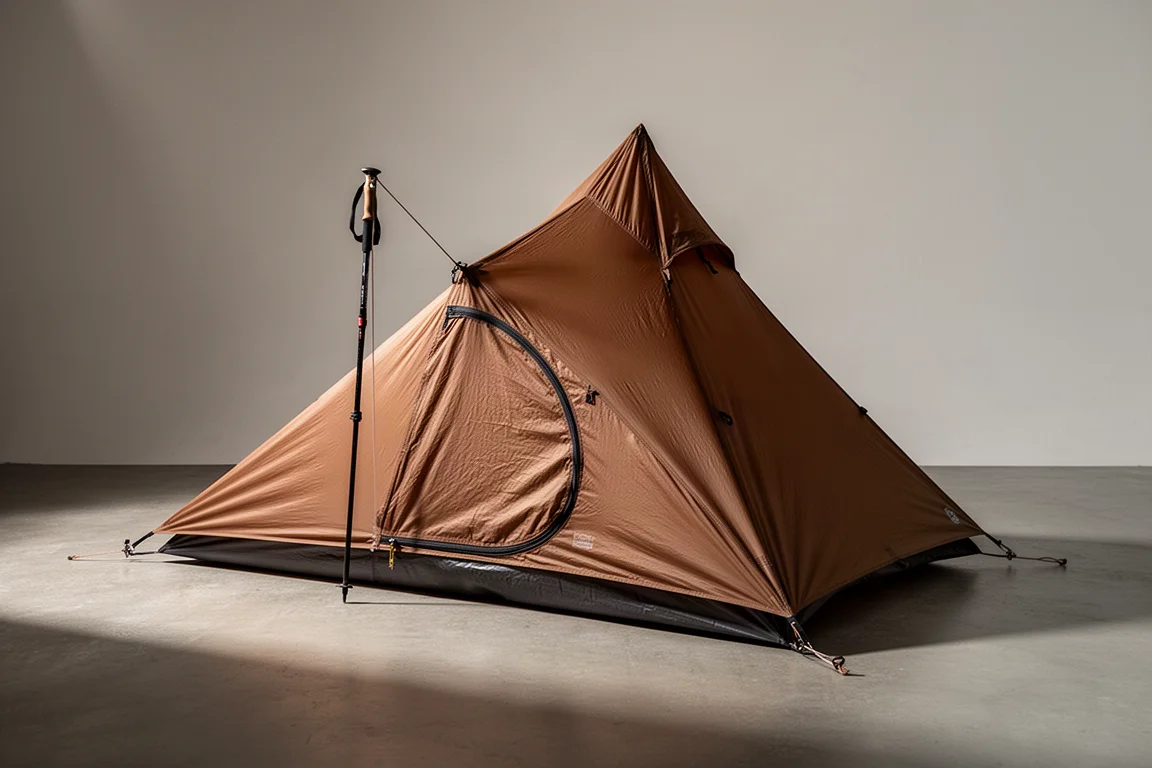
3F UL Lanchan Pro 1 Review: A 1 lb 8 oz Single-Wall Trekking Pole Tent
A practical look at the 3F UL Lanchan Pro 1, a single-wall trekking pole shelter with a 1 lb 8 oz weight, 20D silnylon fabrics, and a roomy 90 x 31 x 49 inch interior.
Backpacking Tents
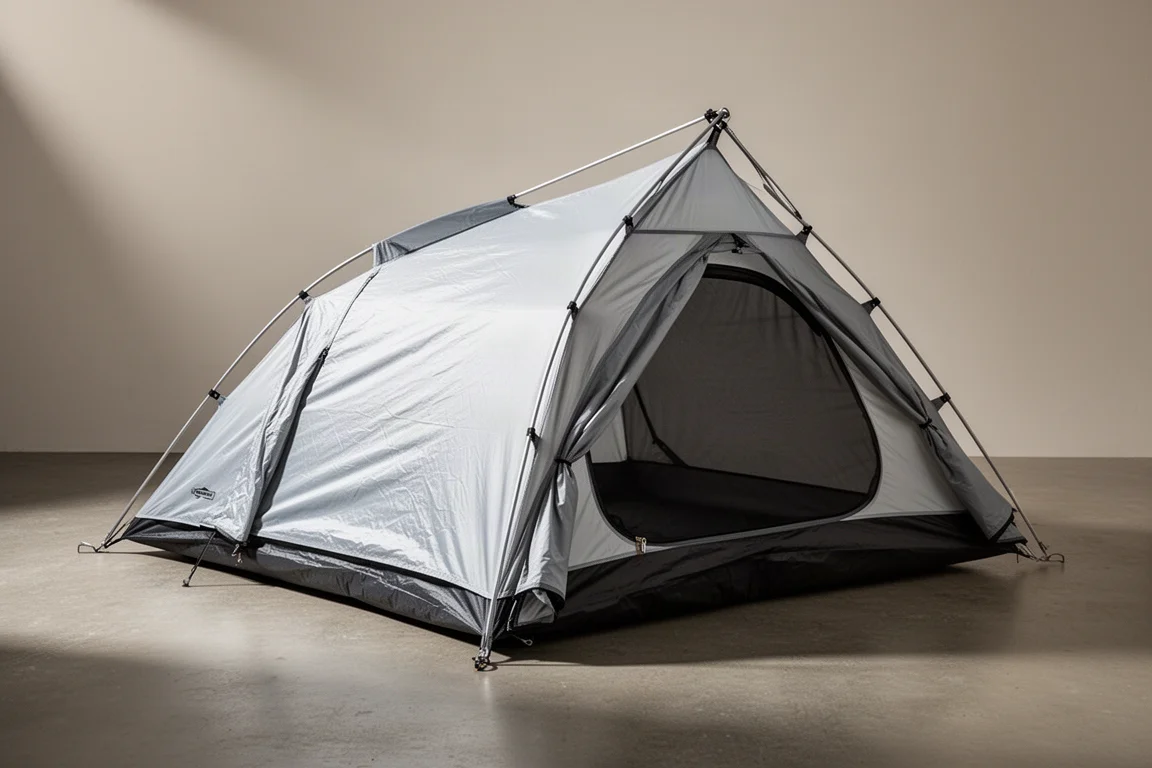
3F UL Taiji 2-Person Tent: A Convertible Backpacking Shelter Worth a Closer Look
A practical look at the 3F UL Taiji two-person tent, covering its materials, true two-person interior, fly-first pitching, and the seasonal inner swap that lets one shelter cover more of the year.
Backpacking Tents
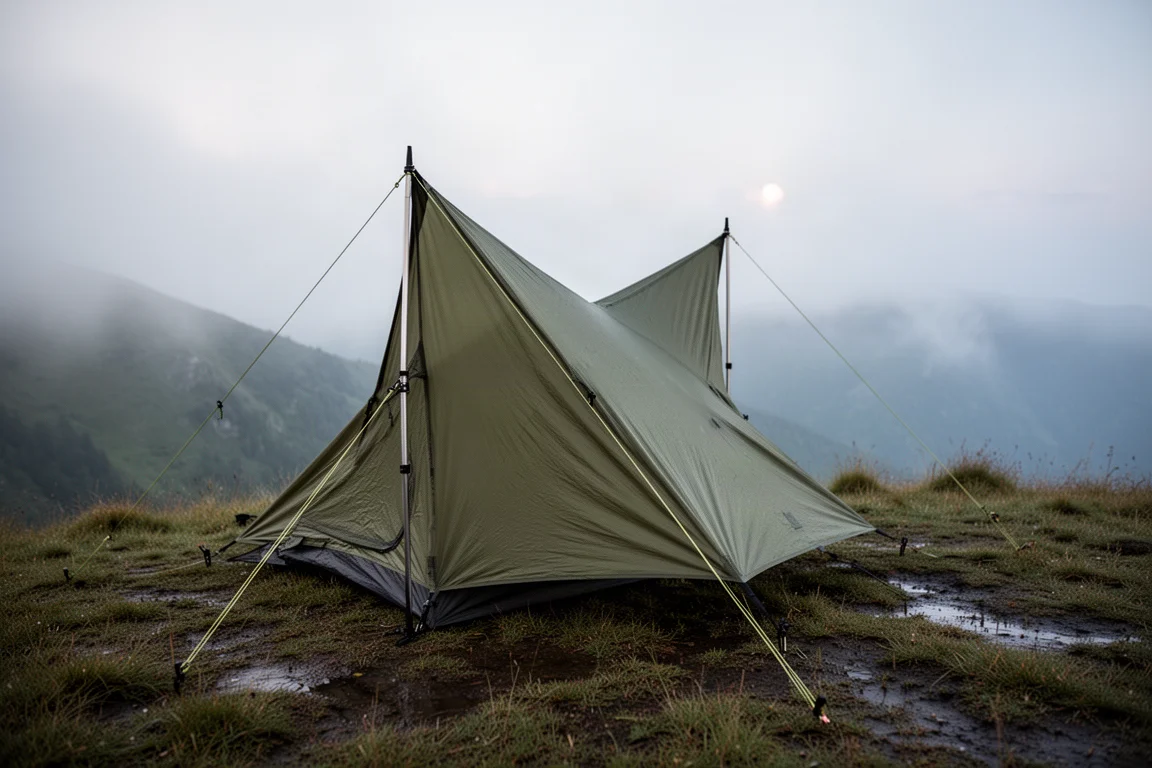
3FUL Lanshan Twoerson Pro Review: A Light Trekking Pole Shelter That Struggled in Rain
A two-person trekking pole shelter with a 2026 redesign, pitched with sticks and put through a night of steady rain. Here is what worked, what did not, and what to check before buying.