Camping Tents
OneTigris Cosmo 2.0 Review: A Roomy Three-Season Tent at a Fair Price
A practical look at the OneTigris Cosmo 2.0, a three-season two-person tent with generous living space, a waterproof polyester fly, and a modest price.
Introduction
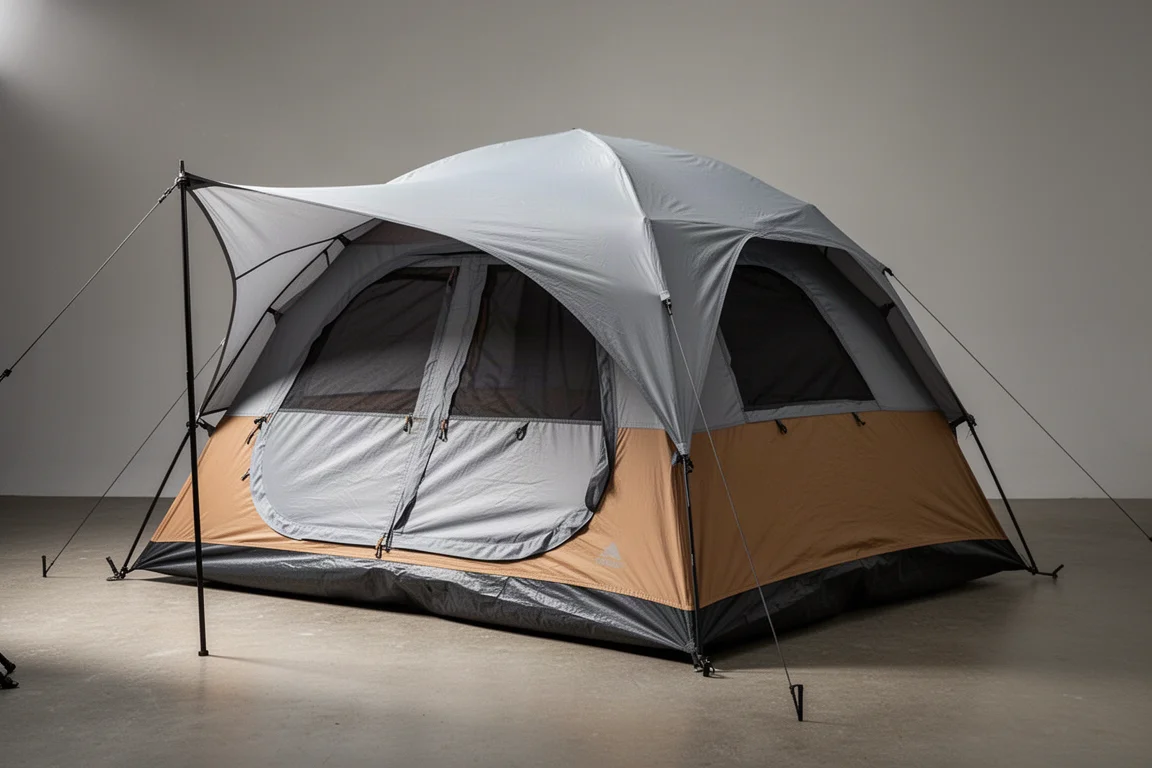
Tent shopping usually comes down to a trade-off. Spend more and you get less weight; spend less and you often give up space, weather protection, or both. The OneTigris Cosmo 2.0 is a three-season, two-person shelter that leans hard into the second half of that equation and still manages to feel generous where it counts.
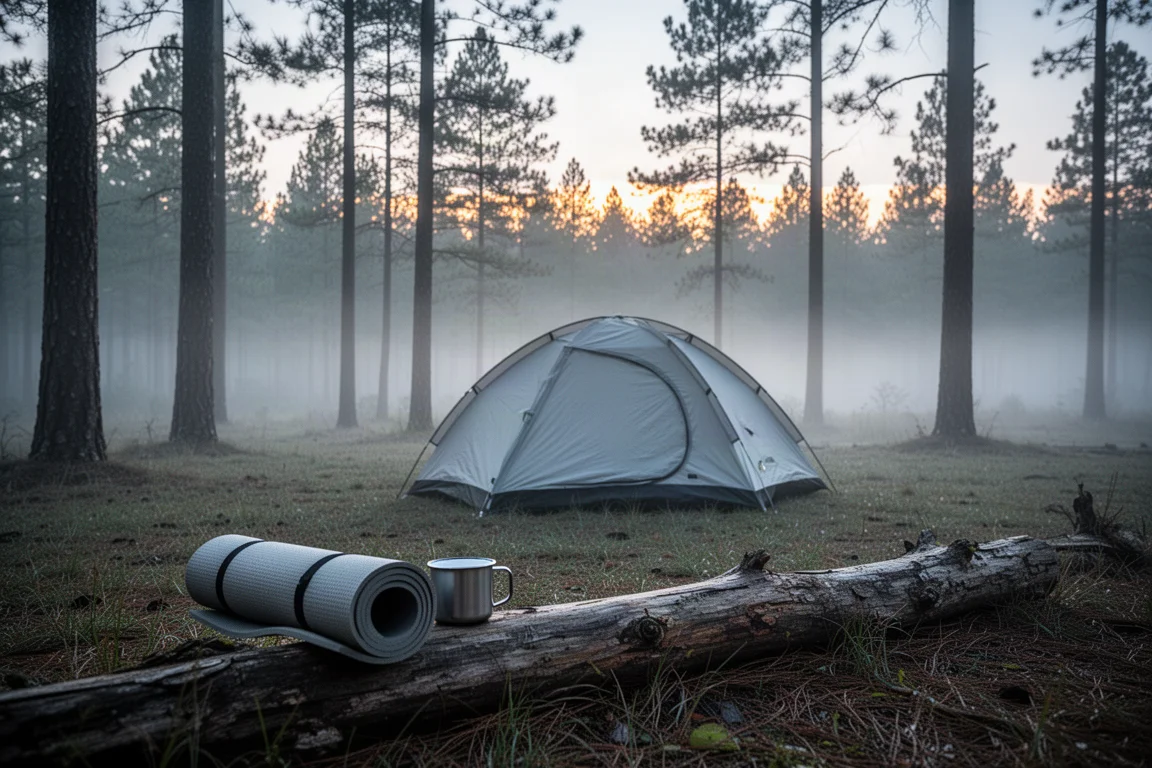
It has been in regular use for more than a year, through repeated trips and heavy rain, and it remains in excellent condition. At $168 it is not the cheapest tent on the market, but it delivers a combination of interior volume, waterproofing, and build quality that is genuinely difficult to match at the price.
Who This Tent Is For
The Cosmo 2.0 is a three-season design, which means it is built for the warmer part of spring, summer, and the warmer part of fall. It is not a four-season shelter and is not intended for cold-weather camping unless the climate stays mild.
It is a true two-person tent rather than a one-person-plus-gear tent. Two adults fit with room for their gear, and a single camper gets something close to a palace: space for a large sleeping pad, a sleeping bag, and even a chair and small table inside.
It suits campers who head out a few times a year, weekend trips, and shorter hikes where saving a pound is not the priority. Anyone planning an exceptionally long hike where every ounce counts is better served by a lighter shelter at a higher cost.
Main Strengths
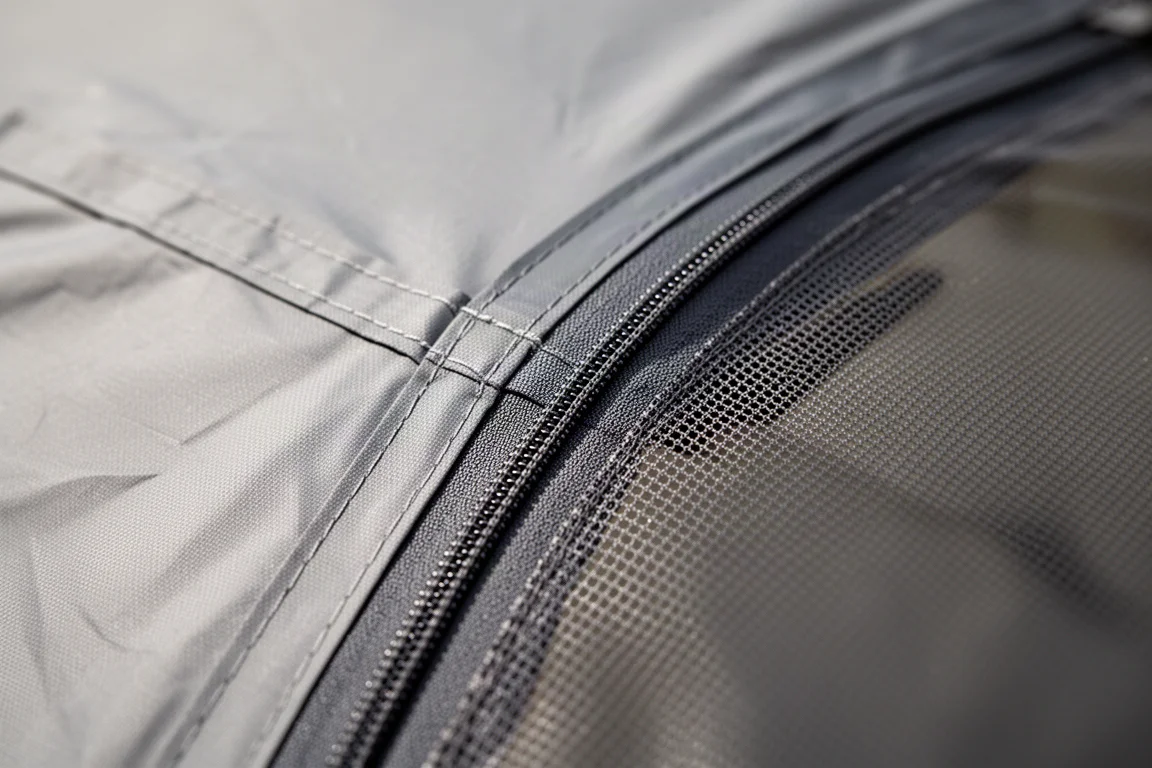
Build quality is the first thing that stands out. The seamwork is excellent, there are no loose threads, and the zippers run smoothly without snagging. After more than a year of use, the tent still looks close to new.
The materials are well chosen. The fly is a 20D ripstop polyester with a 2,000 mm hydrostatic head rating, the inner is 70D nylon, and the mesh panels are nylon. The poles and stakes are aluminium, and the zippers are YKK. Polyester does not stretch when it gets wet, so the fly stays taut in rain and does not need constant re-tensioning.
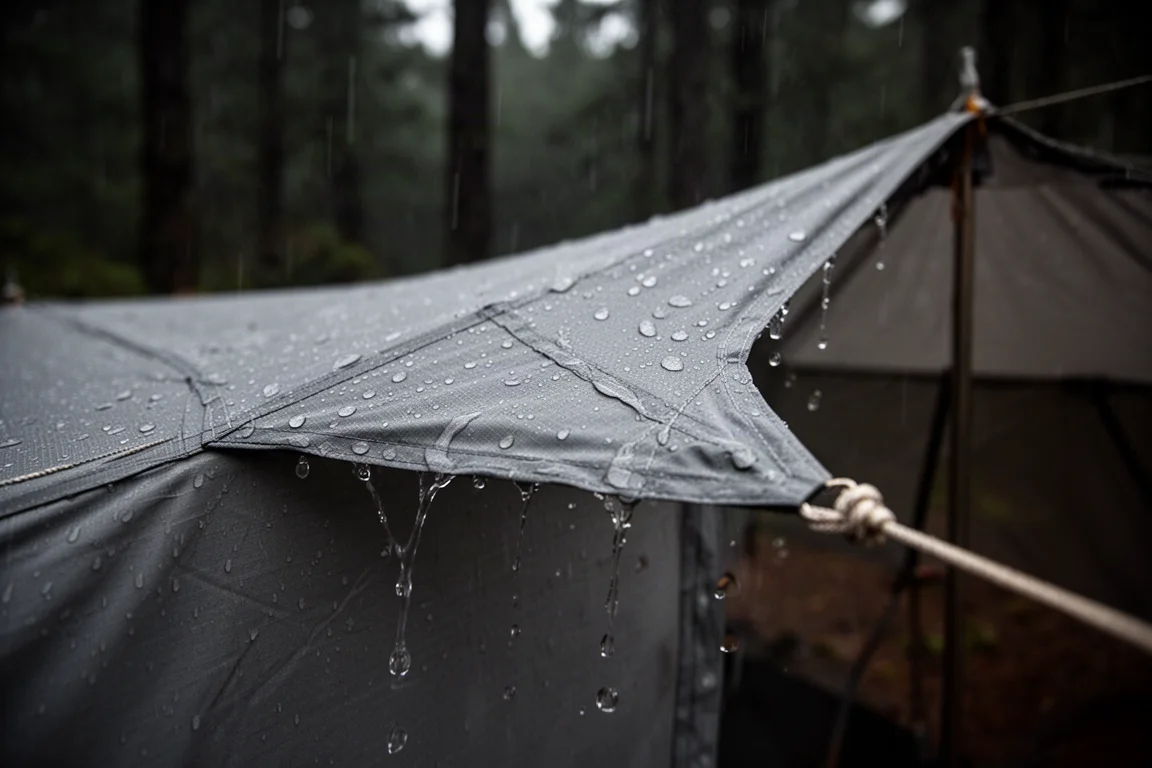
Weather protection is excellent. The tent has been used through thunderstorms and winds above 30 mph without leaking, and it stays stable once staked out with the fly and body in place. Four guy lines are included, but they were never needed.
Ventilation is another strength. The inner is mostly mesh, which lets air move through the tent in warm conditions, and the fly sits away from the inner so condensation on the underside of the fly does not reach the sleeping area.
Setup is simple: roughly 10 minutes for one person once the process is familiar, with nothing about the pitching sequence that causes confusion.
Living Space and Ventilation
The numbers matter here. The Cosmo 2.0 measures 47 inches wide, 42 inches at peak height, and 70 inches long, which is 5 feet 10 inches. The walls are close to vertical rather than steeply sloped, so usable space stays much closer to the quoted dimensions than is typical.
Two doors and two vestibules make it easy to get in and out, and each side has enough vestibule room for a backpack, boots, and more. The vestibules are large enough to cook in when the weather turns. A bathtub floor rises roughly 5.5 to 6 inches around the base.
Inside, two mesh caddies sit near the top, along with gear loops and plenty of mesh storage. The fly can be staked out at the doors, where the points are adjustable, and along the sides. Because the fly pulls away from the body, air flows underneath it and through the doors.
Weather Protection and Setup
The Cosmo 2.0 is partially freestanding: the structure stands on its own, but the doors need to be staked out. Once the fly and body are staked, the tent is rock solid.
Waterproofing has held up in demanding conditions. The fly has kept out rain in thunderstorms and strong wind, and the interior has stayed dry. The bathtub floor and the taut polyester fly do most of the work here.
Pitching and packing away are both straightforward, and the storage bag is generously sized, so the tent goes back in without the usual wrestling match.
Things to Consider Before Buying
Weight is the main compromise. At 5.1 pounds, the Cosmo 2.0 is on the heavier side for a two-person shelter. Two-person tents under 3 pounds exist, though they generally cost considerably more.
The fly does not reach the ground. That design choice helps airflow, but in wind-driven rain, items left in the vestibules can get wet. Water has not blown into the inner tent in use, but the vestibules are not fully protected.
Length is the second limitation. At 70 inches, the tent realistically suits campers around 5 feet 10 inches and under. Taller campers should look for a longer shelter.
Two smaller details are worth knowing. The stakeout points along the sides of the fly are not adjustable, unlike the ones at the doors, and the cordage on the tent stakes does not hold a knot well, so knots occasionally need retying.
The vents built into the doors are modest. They work, but they are not the main source of airflow, and in very windy conditions they may not be noticeable.
Buying Advice
For campers who head out a few times a year, do not need an ultralight shelter, and want a roomy interior that handles wet weather, the Cosmo 2.0 is a strong value at $168. It is larger and taller than many tents at a similar price, and it has proven durable over a full year of use.
If weight is the deciding factor for long-distance hiking, a lighter tent is the better choice, and the higher price is part of that trade. If you are close to or above 5 feet 10 inches, check the interior length carefully before committing.
A one-person version of this tent is now available for solo campers who want the same design in a smaller package.
Conclusion
The OneTigris Cosmo 2.0 does a lot right and very little wrong. It is spacious for two people, quick to pitch, thoroughly waterproof in real storms, and comfortable in warm weather thanks to its mesh-heavy inner and separated fly.
Its compromises are clear and predictable: weight, a fly that stops short of the ground, and a length that favors average-height campers. For the price, those are reasonable trade-offs. Campers who do not need a featherweight shelter and want a dependable three-season tent will find this one easy to recommend.
Product link
View more details for OneTigris Cosmo 2.0
This product is mentioned in the review. Check the specifications, options, and compatibility before buying.
View more details for OneTigris Cosmo 2.0Further reading
Related Reviews
Camping Tents
3F UL Gear Taiji Two-Person Tent Review: Field Waterproofing Results and Buying Advice
The Taiji pairs an attached fly with a removable inner, but sustained rain exposed untaped vent seams that need sealing before this shelter can be trusted.
Camping Tents
3FUL Gear Lanshan 2 Pro 4-Season Review: A Sub-$200 Single-Wall Trekking Pole Tent
An early look at the 3FUL Gear Lanshan 2 Pro 4-Season, covering its straightforward pitch, generous interior space, and the condensation and seam-sealing questions that come with any single-wall shelter.
Camping Tents
Alps Mountaineering Lynx 1-Person Tent Review: Big Value in a Small Budget Tent
A close look at the Alps Mountaineering Lynx 1-Person Tent, covering real interior dimensions, materials, setup time, ventilation limits, and who should buy it.