Running Shoes
On Running Shoe Lineup Guide: What Each Model Is For, Plus Standout Picks from Other Brands
A practical breakdown of the On Running lineup, from the Cloudsurfer family to the Cloudboom racers, plus impressions of the TYR Maverick and other shoes worth a look.
Introduction
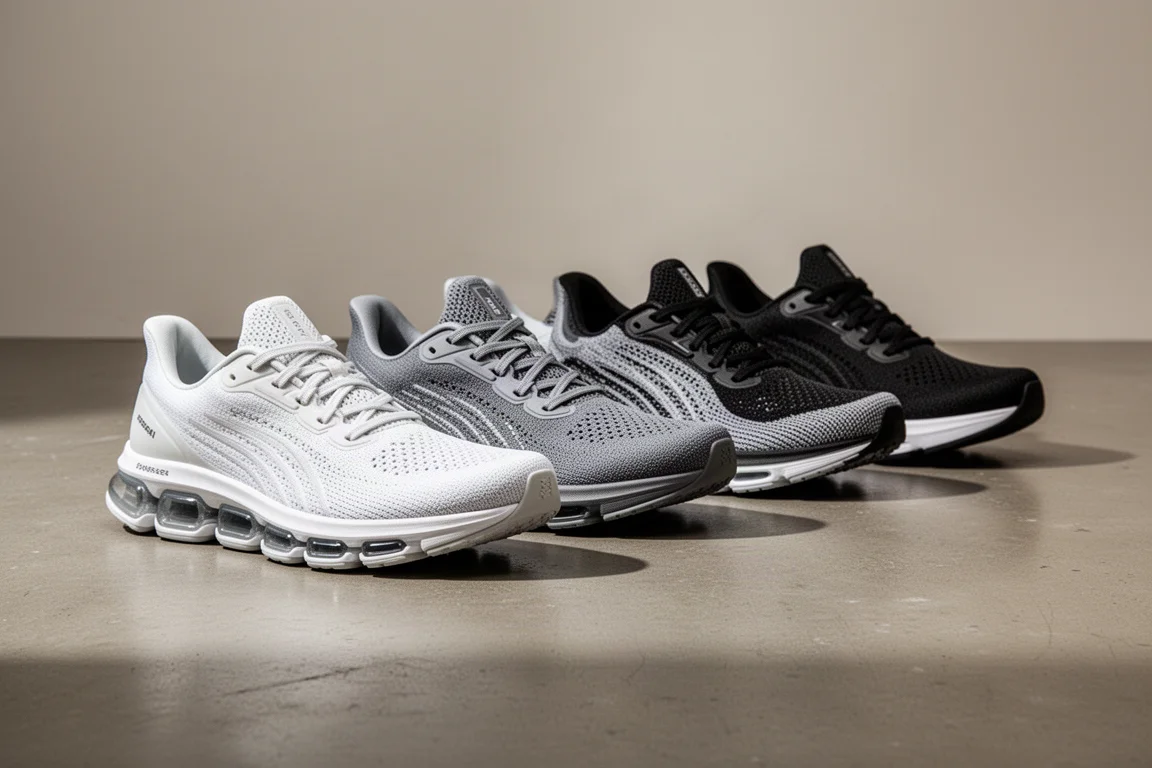
On has grown from a single prototype with an unusual cushioning idea into one of the most visible footwear brands in the world, and its running lineup has grown with it. Founded in Switzerland in 2010 around the CloudTec concept, the company is now a serious performance brand with a deep roster of trainers, racers, stability shoes and trail models, alongside a huge lifestyle business.
The challenge for shoppers is that the lineup can feel confusing. Some names signal performance, some signal cushioning, and a few models overlap in purpose. This guide organizes the current lineup into clear buckets, explains what each shoe is best used for, and adds a few impressions of shoes from other brands that are worth comparing against On.
How On Names Its Shoes
The naming system is simpler than it first appears. “Cloud” is the base name that does not tell you much on its own. What follows the word Cloud is the signal.
If you see “Cloudboom,” you are looking at a performance shoe. The Cloudboom Echo and Cloudboom Strike are super shoes, and the Cloudboom Max is intended as a super shoe for the masses, built for recreational runners who want something that can carry them through a marathon. Cloudboom models use the Helion HF performance foam, with one exception: the On Cloud Ultra Pro also uses Helion HF despite sitting in the trail lineup.
The Cloudsurfer family is the flagship neutral trainer line, notable for using no plastic speedboard and featuring the CloudTec Phase geometry instead of traditional pods. The Cloudmonster is the high-stack shoe, with the Cloudmonster Hyper adding Helion HF into the mix. Stability models are less self-explanatory: the Cloudrunner is light to moderate stability, while the Cloudflyer is more structured.
On’s Foam Story
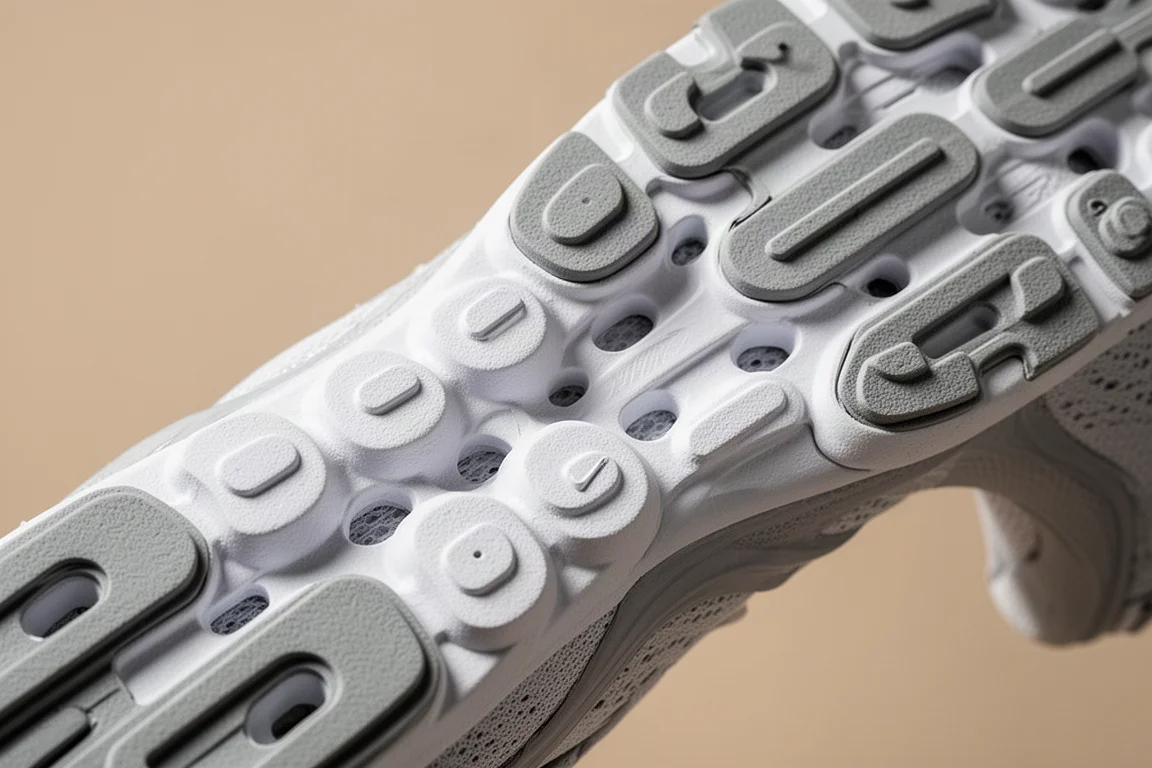
On has historically been stereotyped as a firm brand, but that picture is outdated. The brand runs two main foam families. Helion is the base midsole foam, described as a proprietary superfoam that is temperature resistant. Helion HF, used in the performance and racing models, is understood to be a Pebax-based foam in the same general class as other brands’ premium compounds.
A key insight is that firmer foams were partly a structural necessity in earlier shoes: the original large pods needed stiff foam to hold their shape. As the pods have become smaller and the geometry has evolved, On has been able to introduce softer foams, which is why the current Cloudsurfer line feels genuinely soft while older models did not. Durability has also improved. Earlier models could rip through outsoles and tear off pods entirely, while modern designs distribute load across an integrated midsole, and several testers have taken models like the Cloudboom Strike to 100 miles with the shoes holding up well.
One quirk to know: many On shoes are meant to break in. Models such as the Cloudsurfer Max feel firm out of the box and soften noticeably over the first stretch of miles, which catches some shoppers off guard in a store.
The Core Neutral Trainers
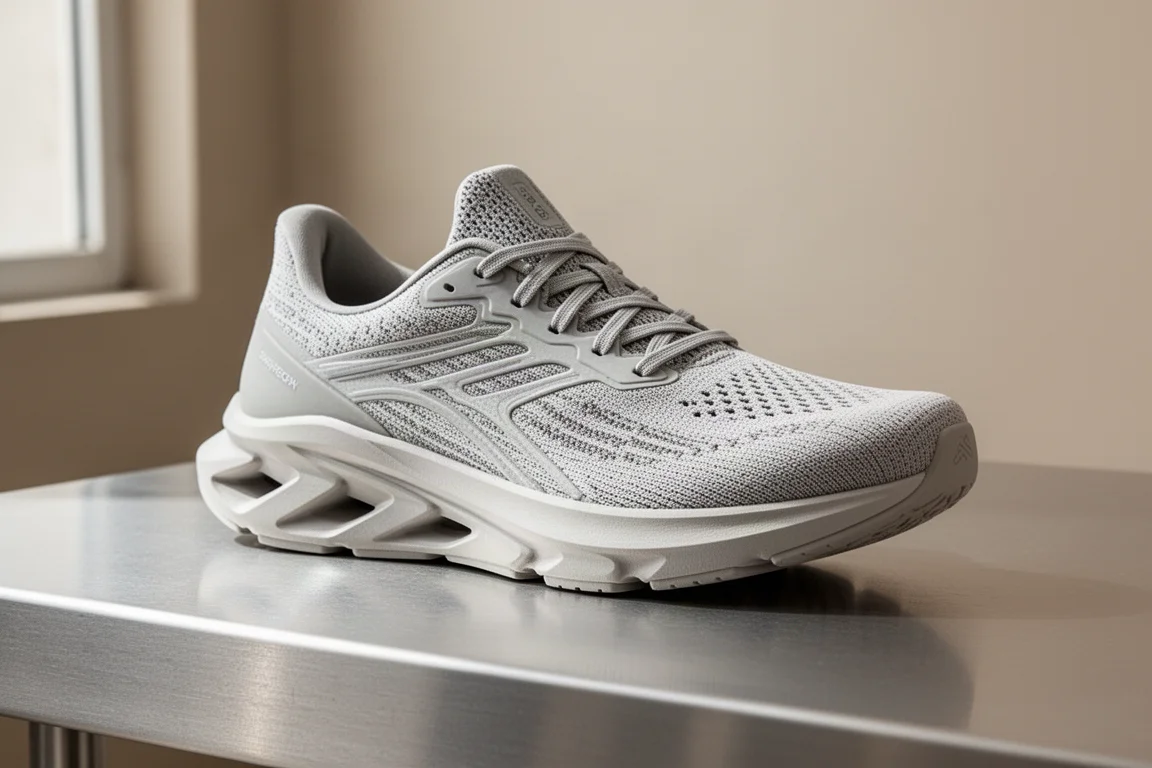
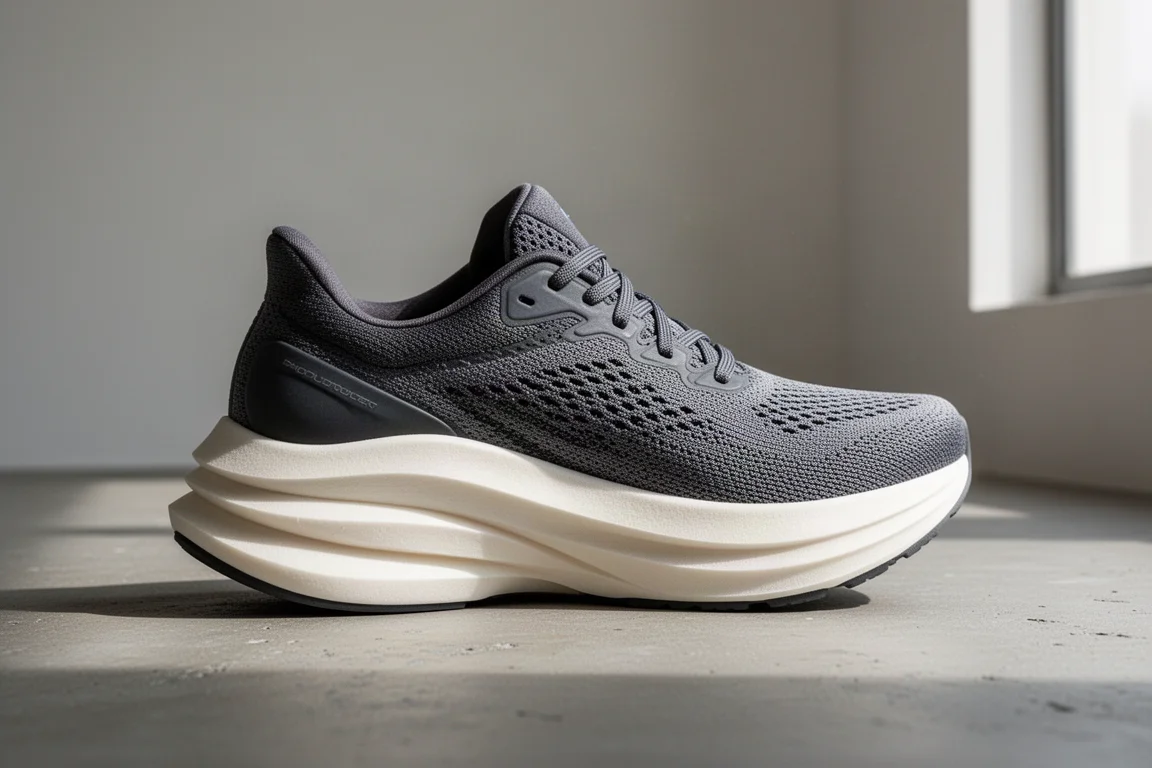
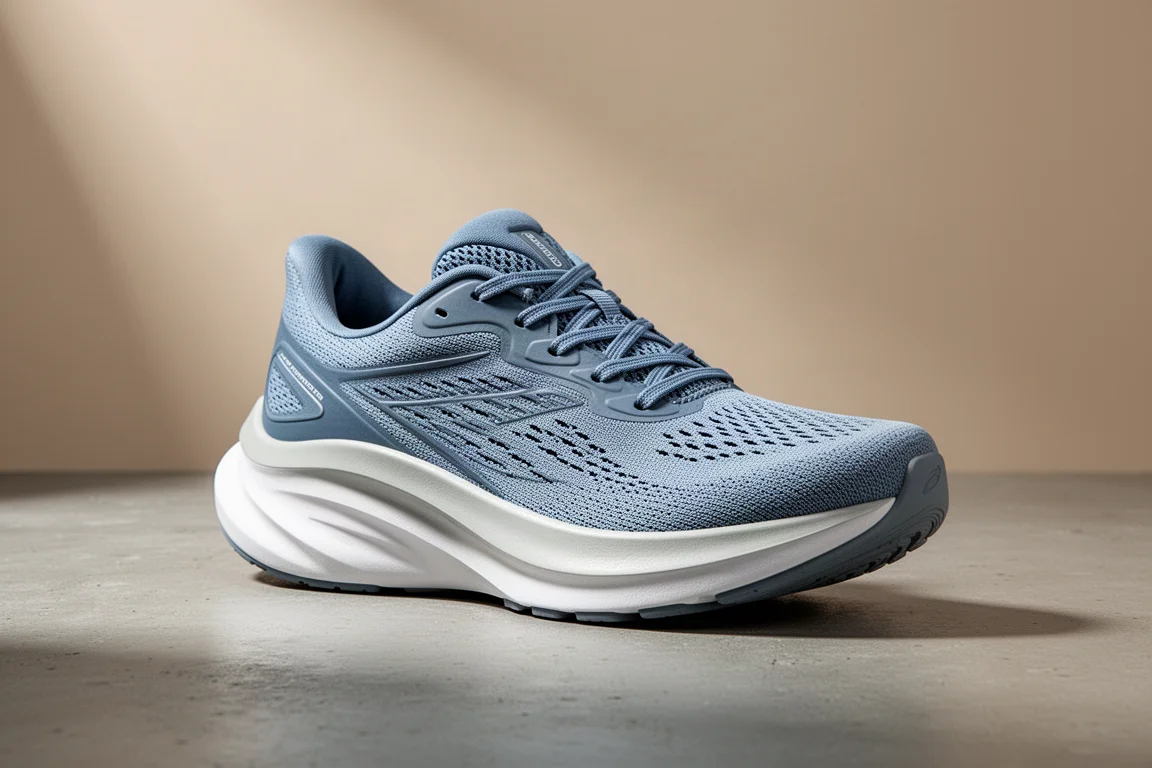
The Cloudsurfer is On’s flagship neutral daily trainer. It is a soft, flexible shoe with CloudTec Phase instead of traditional pods, and it is a good candidate for anyone trying On for the first time. It is very neutral, so runners who need a more stable ride should look elsewhere, though it is not as unstable as it might appear.

The Cloudsurfer Next sits just above it as the snappier option in the family, with a bit more stiffness and bounce while still avoiding a speedboard. It also has a slightly snugger, more performance-oriented fit, which many testers appreciate.
The Cloudsurfer Max is the bigger sibling: more cushioning and a firmer, stiffer rocker profile than the standard Surfer. It was marketed as a high-cushioning shoe but arrives firm, and it polarizes opinion. Given time to break in, it grows on many runners.
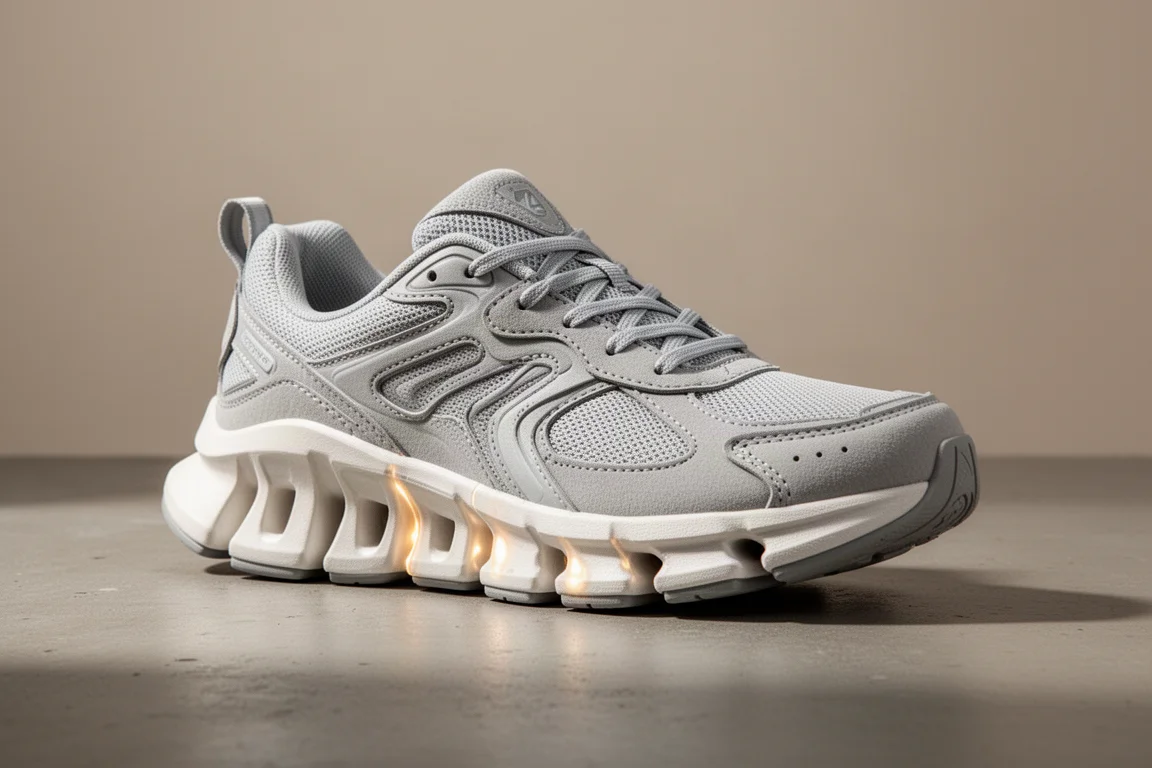
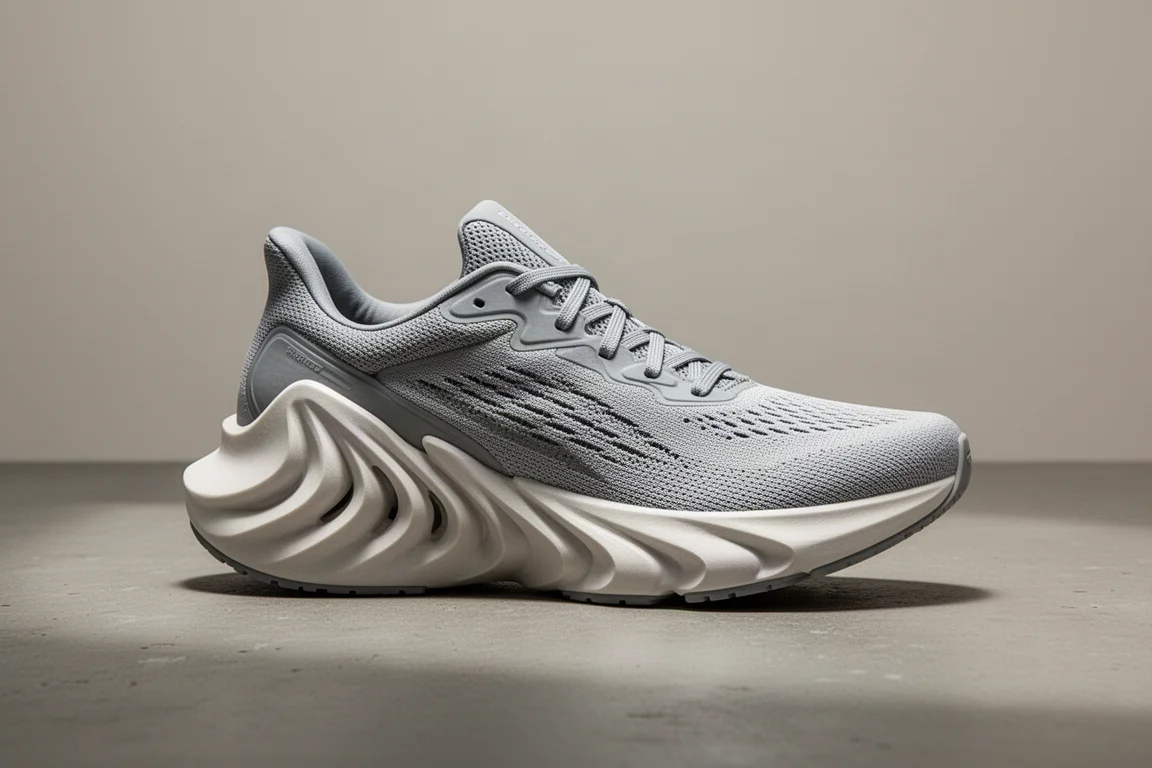
The Cloudmonster is On’s monster-stack shoe and one of its most popular models. It competes directly with other high-cushion trainers, can become surprisingly responsive, and has a wide, accommodating upper. Be aware the upper is a little lower in volume through the midfoot, which can cause irritation on top of the foot for some.
The Performance and Racing Line
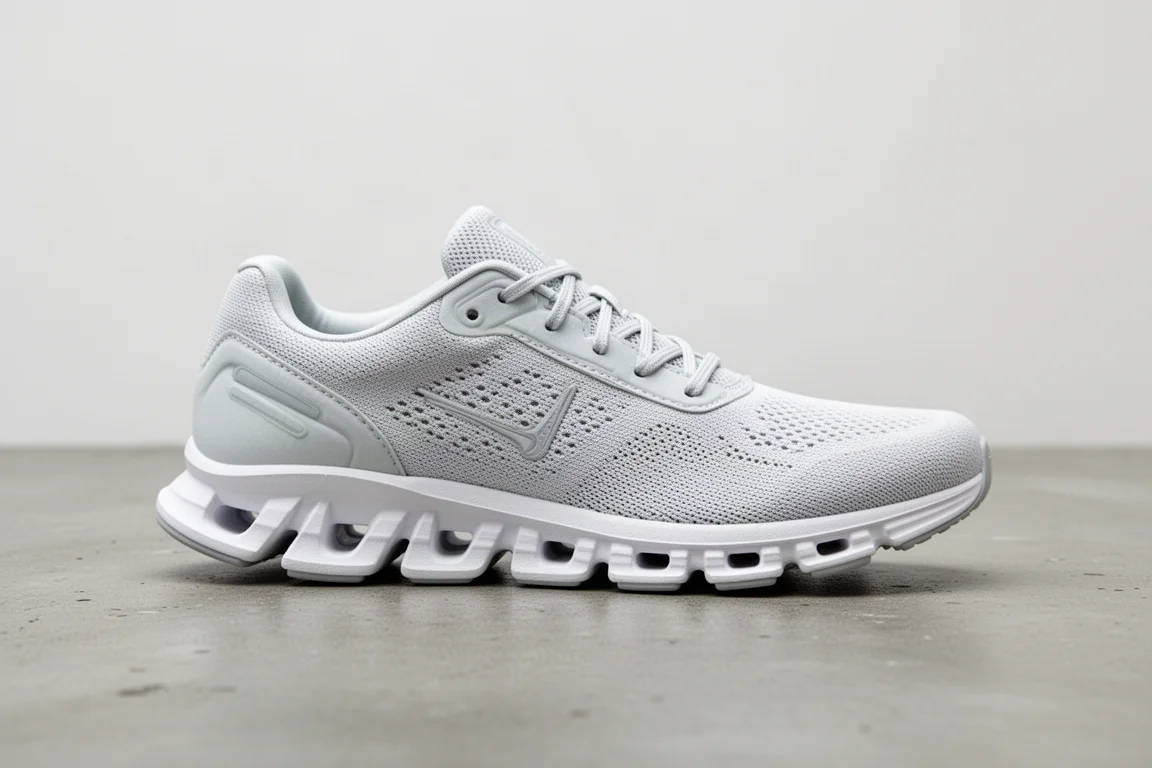
The Cloudmonster Hyper pairs the Helion HF performance foam with a CloudTec casing, producing a heavier, max-stacked shoe with real pop. The Helion casing around the foam makes it notably stable, and in many ways it runs similarly to the Cloudboom Max: both are big, cushioned shoes that soften over time, roll well and handle long runs. The Monster Hyper is the more stable of the two.
The Cloudboom Strike is the flagship super shoe and one of the standout racers in the current On range. Testers have praised its foam and geometry, and it has held up well past 100 miles. The Cloudboom Echo 3 was also well regarded, particularly for its excellent anatomic toe box, though its very stiff ride divided opinion.
Stability Options
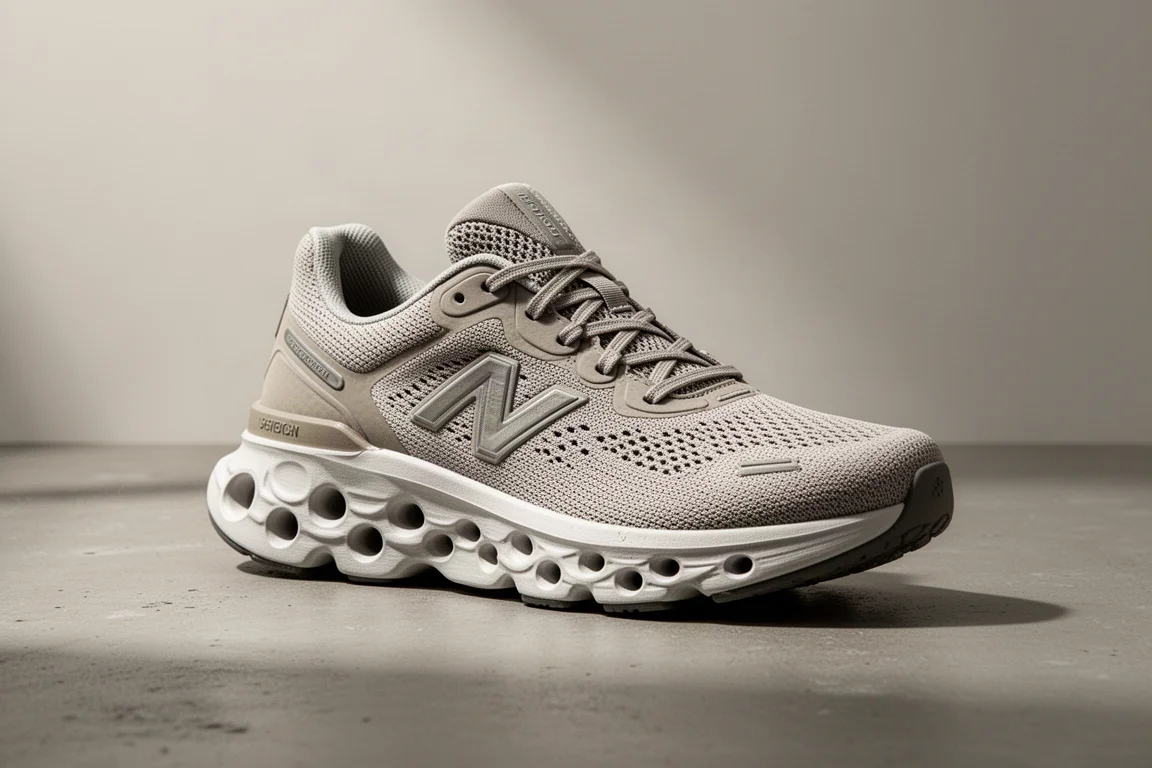
The Cloudrunner is On’s light-to-moderate stability shoe. It is fairly rockered and smooths out nicely on the run, though it is still on the firm side. The Cloudflyer is the more structured stability option and is one of the firmest shoes in the lineup. Neither is maximal stack, which is worth noting in a market where moderate-stack shoes are disappearing fast. If you need support and prefer On’s fit and upper quality, this pair is where to look.
The Trail Line
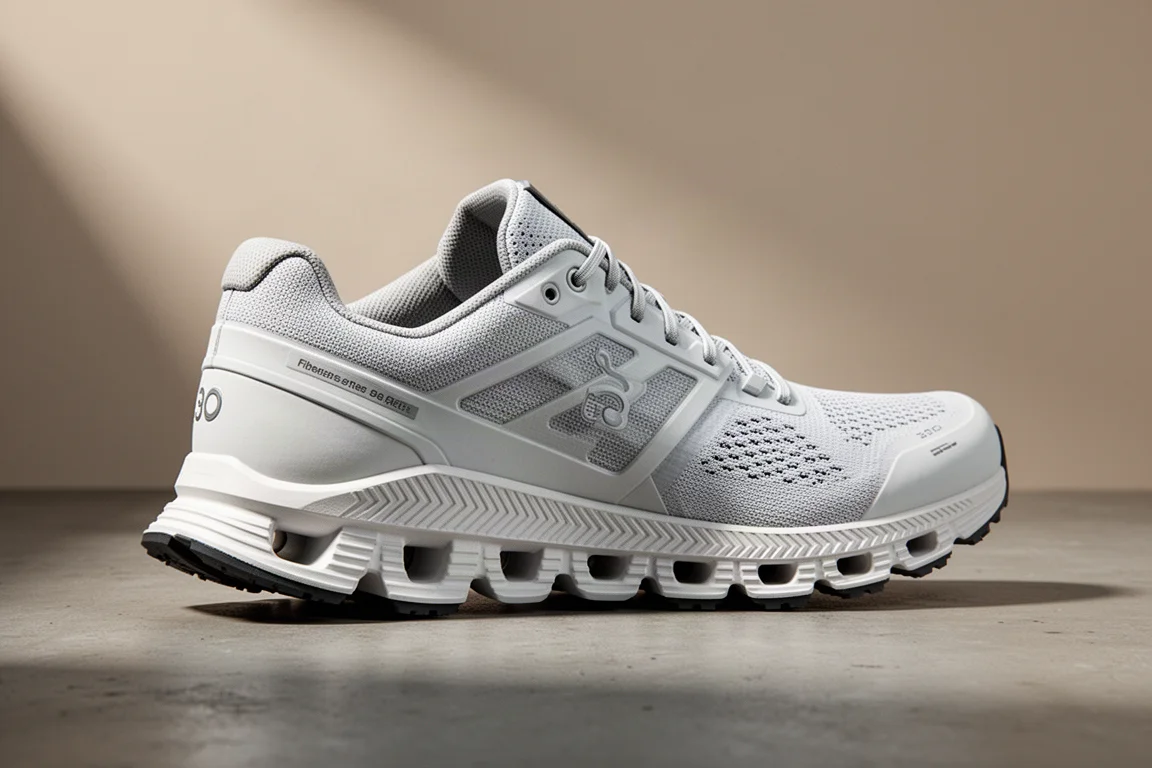
The trail lineup is a mixed bag, but the Cloud Ultra Pro stands out. It is one of the most praised trail shoes in recent testing and a genuine contender for trail shoe of the year, using Helion HF in a trail package. Its tiny cloud pods mean the classic fear of rocks getting wedged in the outsole is largely a non-issue on modern On models, though the older large-pod shoes could trap debris in their deep midline grooves.
Standout Shoes from Other Brands
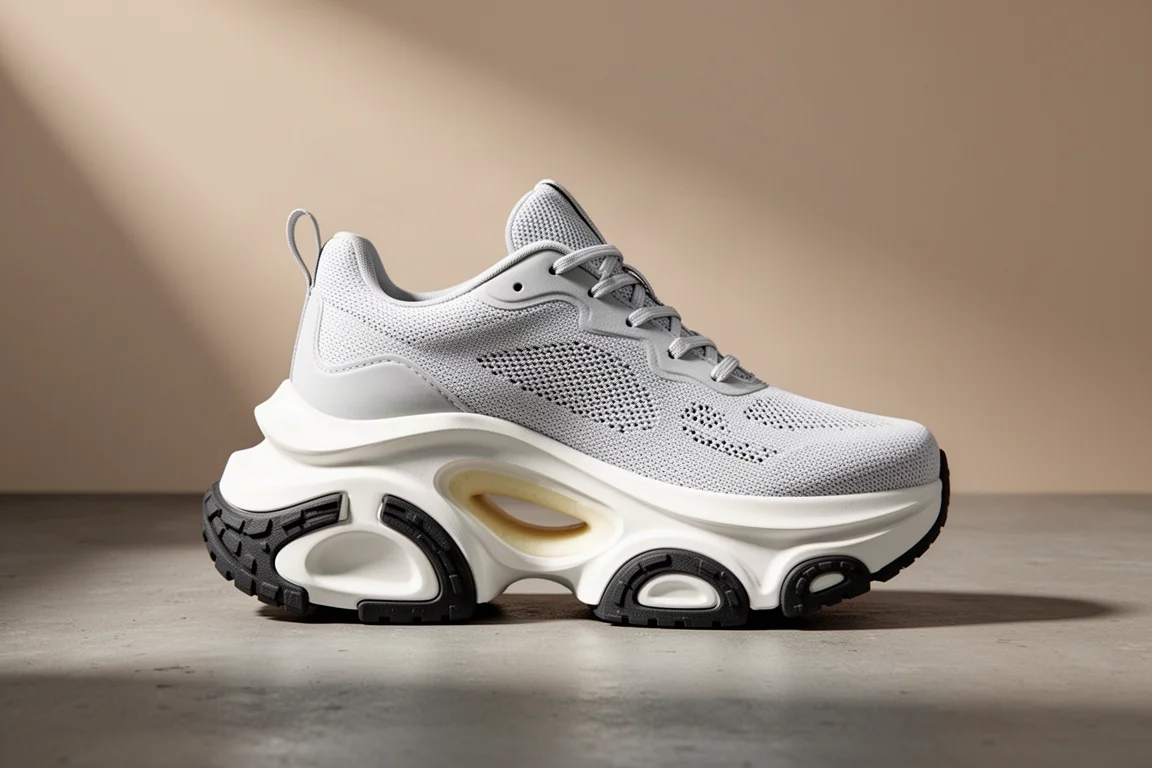
The TYR Maverick is a first running shoe from a brand better known for swimming, and it is impressively executed. It is very Topo-like in fit: a wide toe box, snug midfoot and secure heel. With a 44 mm stack and roughly 8 oz in a men’s size 10, it is remarkably light for the cushioning, and the rocker feels dialed in. It is priced at $150 and performs like a strong daily trainer for tempo efforts and long runs, though it bottoms out slightly at top-end paces and is not great for easy efforts at speed.

The Saucony Hurricane 25 is one of the only stability shoes with a super foam in it. At 75 miles into testing, the outsole is largely intact, and it stands out as a rare combination of support and premium cushioning.
The Saucony Echelon 10 is not a performance shoe, but it is one of the few genuinely stable neutral shoes on the market and one of the few orthotic-friendly options. Its completely wide platform pushes you nowhere, making it a favorite in clinical settings for balance-challenged walkers and a good running option in the mold of the Brooks Ghost Max 3.
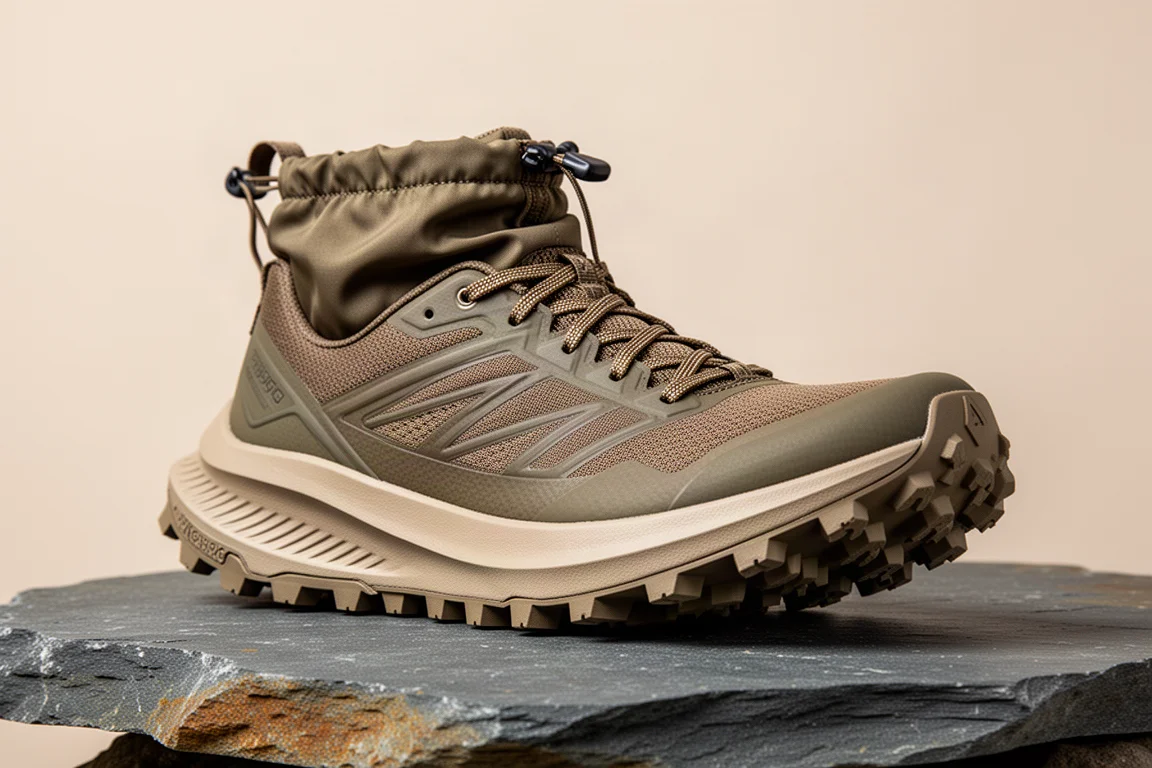
The Altra Olympus 275 is a heavy but very sturdy zero-drop trail shoe. The wide platform feels sure-footed, the Vibram Megagrip outsole held traction well on wet rocks, and a built-in gaiter keeps debris out. It suits long days on trail where walking and hiking are part of the mix.
The Brooks Hyperion 3 remains a versatile lightweight neutral trainer that can go a little fast or a little slow. The GTS stability version was dropped this year, which longtime fans of that model will miss, but as a do-most-things lightweight option it still gets the job done.
Buying Advice
If you are new to On, start simple with the Cloudsurfer or Cloudmonster series. Both are well cushioned, genuinely competitive with other mainstream trainers, and far softer than the firm models that gave the brand its reputation. The Cloudsurfer is very neutral, so choose the Cloudmonster if you want more shoe underfoot, and size for its slightly lower-volume midfoot.
Fit is a genuine strength across the brand. On uppers are among the best in the industry, usually with stretchy materials, an anatomic toe box and premium-feeling materials that do not stretch out. There is also overlap between some models, particularly the Cloudsurfer Max, Cloudmonster Hyper and Cloudboom Max, so match the shoe to the job rather than assuming each name is unique.
One thing to know about On geometry: most models are highly rockered. That rolling feel takes load off the foot and ankle, which many people love, but it shifts more workload to the hips and knees. That is not a bad thing, just worth understanding before you buy.
Conclusion
On has evolved from a novelty-cushioning brand into a company making legitimately good running shoes across every category, with a naming system that increasingly makes sense. Start with the Surfer or Monster line for daily training, look to the Cloudboom family for racing, check the Cloudrunner or Cloudflyer if you need stability, and consider the Cloud Ultra Pro for trail. In the same shopping session, the TYR Maverick is an impressive newcomer at $150, and the Saucony Echelon 10, Hurricane 25, Altra Olympus 275 and Brooks Hyperion 3 each fill distinct niches that On does not cover.
Further reading
Related Reviews

Running Shoes
Best Road-to-Trail Running Shoes: Three Versatile Options for Mixed Terrain
A practical guide to three road-to-trail running shoes that handle both pavement and mild trails, with clear strengths and trade-offs for different runner types.

Running Shoes
Best Running Shoes for Achilles Tendonitis: Three Options Explained
Three running shoes with different heel drops and support features designed to help reduce Achilles tendon pain during walking and running.

Running Shoes
Best Running Shoes for Women: Five Top Choices Ranked
A ranked guide to five women's running shoes, from versatile daily trainers to high-performance racing options, with real strengths and trade-offs for each.