Running Shoes
On Cloudsurfer 7 vs On Cloudmonster: Which On Running Shoe Should You Buy?
Two of On's most popular cushioned trainers compared on fit, midsole technology, ride feel, and value to help you pick the right one.
Introduction
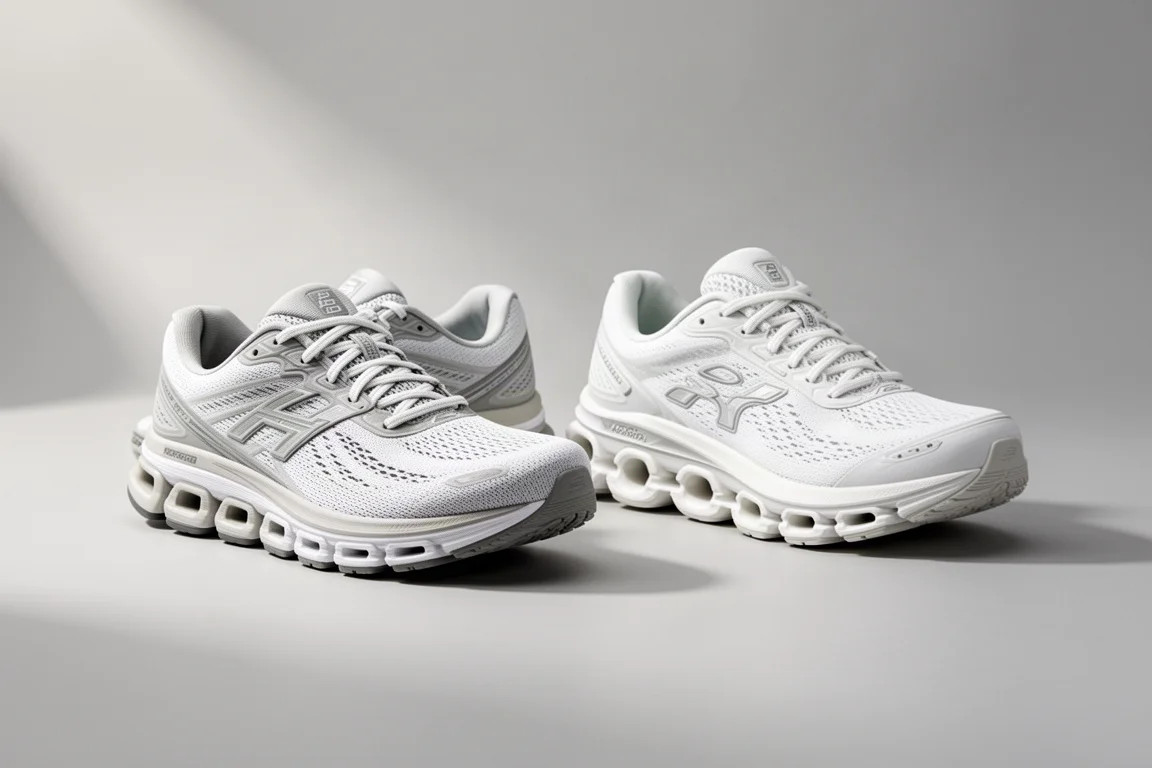
On has been reshaping its approach to running shoes, and two models sit at the center of that shift: the Cloudsurfer 7 and the Cloudmonster. After extensive testing of both shoes across easy runs, long runs, and faster-paced efforts, the differences come down to ride feel, fit, and how each shoe fits into your rotation. This comparison walks through everything you need to know before choosing between them.
Quick Specs and Pricing
The Cloudmonster is the heavier shoe, coming in at 10.2 ounces (290 grams) in a UK men’s size 8.5, while the Cloudsurfer is noticeably lighter at 8.4 ounces (237 grams) in the same size. On doesn’t list the stack height for either shoe, but the Cloudsurfer carries a higher heel-toe drop of 10mm compared to the Cloudmonster’s 6mm.
Pricing is close but not identical. Both shoes cost £150 in the UK, but in the US the Cloudmonster is $170 versus $180 for the Cloudsurfer.
Uppers and Fit
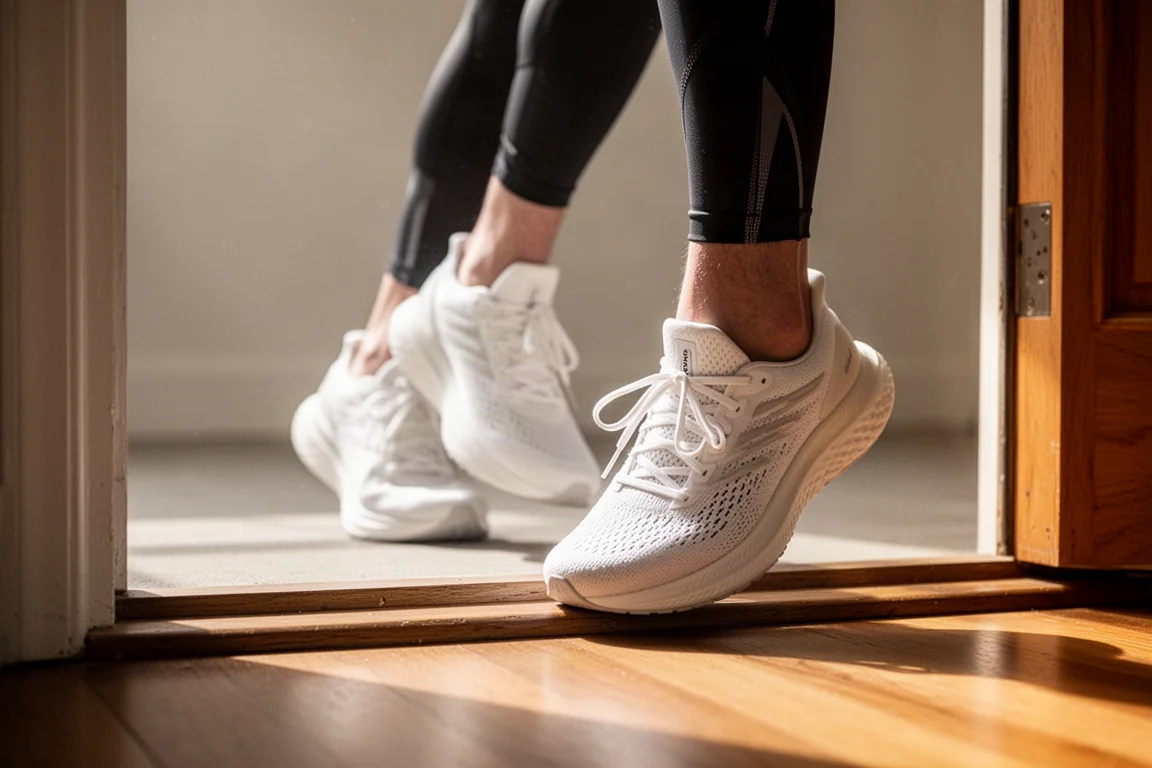
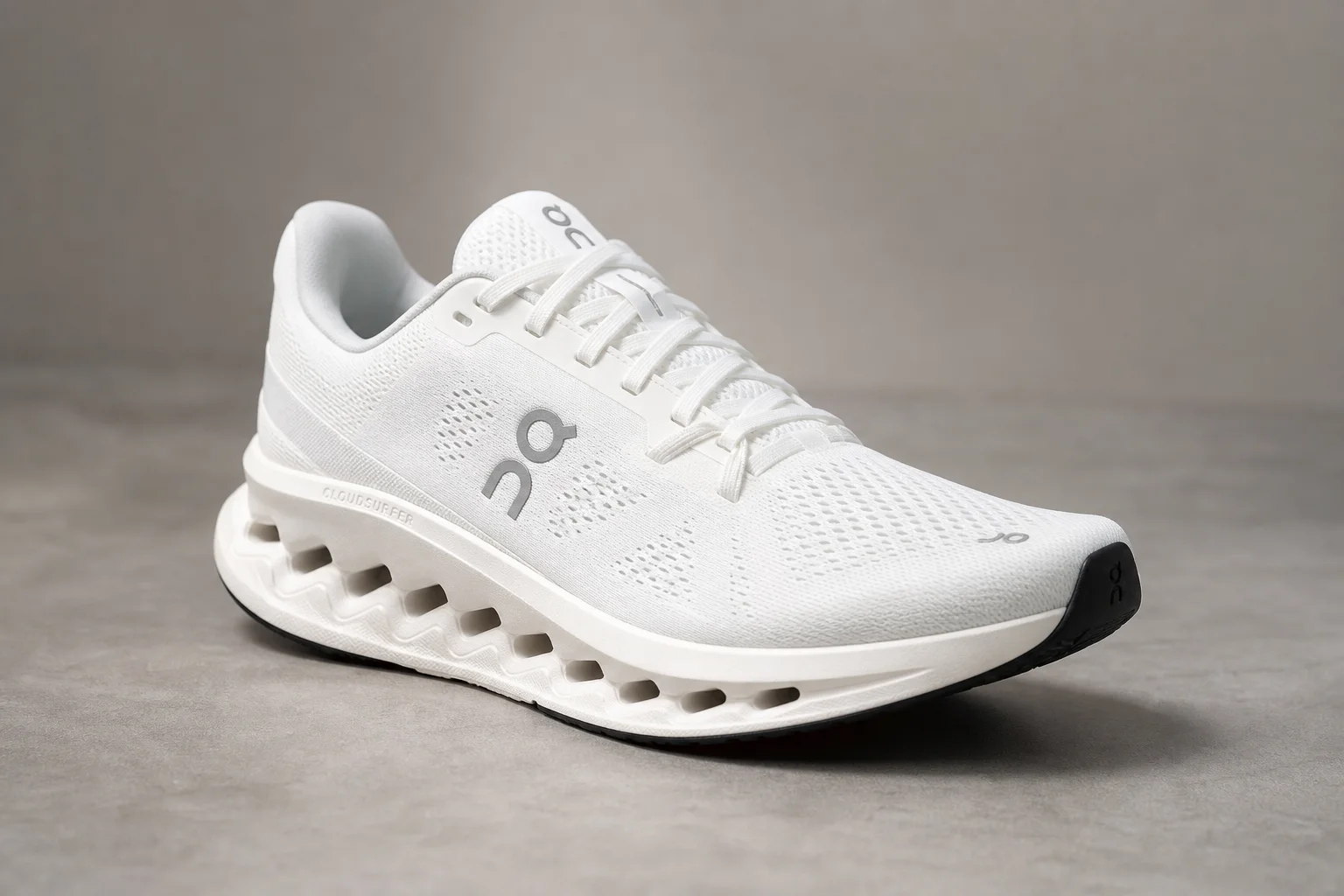
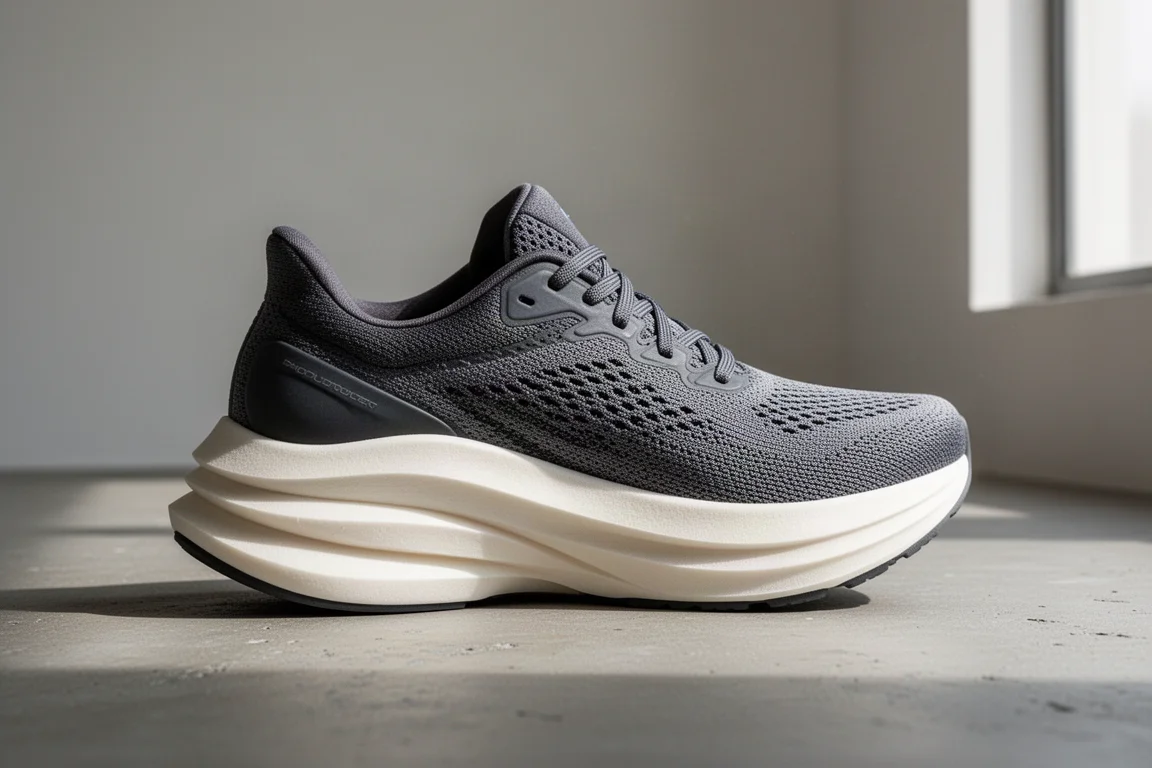
The Cloudsurfer uses a dual-layered mesh upper that feels more breathable and airy, with a padded, plush tongue that reduces lace pressure. The Cloudmonster’s upper is a bit more structured and tightly knit, paired with a thinner tongue that wraps over the midfoot. The Cloudsurfer also has slightly more padding in the heel collar.
On fit, both testers agree these shoes run true to size. The Cloudmonster fits comfortably and securely with no real concerns. The Cloudsurfer is a little tighter around the toe box and across the mid-to-forefoot area, which runners with high insteps or wider feet may notice. Some might benefit from going half a size up in the Cloudsurfer, though testing was comfortable in normal sizing. Both shoes deliver good lockdown and solid heel hold.
Midsole Technology: The Biggest Difference
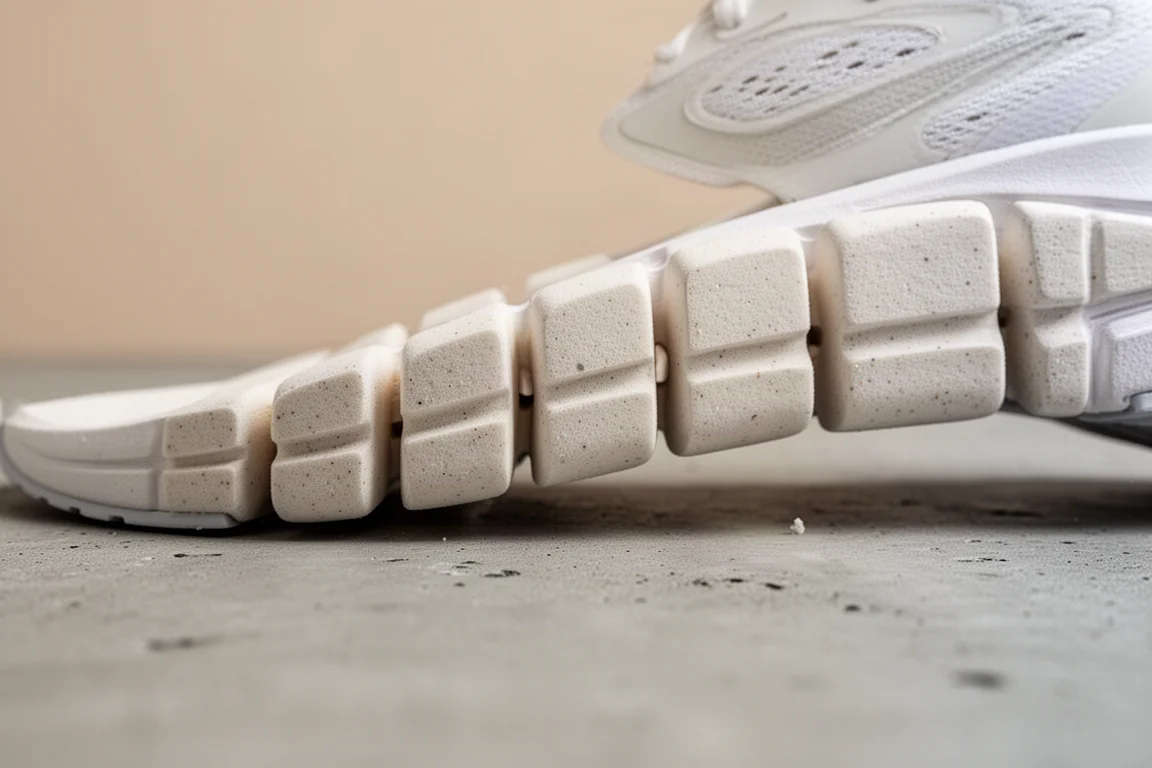
Both shoes use On’s Helion foam with CloudTec cushioning elements along the bottom, but the execution is very different. The Cloudmonster has enclosed CloudTec elements that compress in a conventional way, giving it a firmer, more consistent ride. The Cloudsurfer redesigns that structure into a domino-style arrangement where the elements collapse sequentially as your foot rolls through each step, producing a noticeably softer and smoother feel.
The Cloudsurfer 7 also drops the speedboard that appears in most On shoes, including the Cloudmonster. That plastic plate tends to add stiffness, and removing it makes the Cloudsurfer feel more flexible and natural underfoot.
Outsoles
Flipping the shoes over reveals that both use rubber sparingly, covering only the key impact zones. The Cloudmonster has a somewhat larger covering in the forefoot, while the Cloudsurfer has two rubber sections at the rear. One welcome change: the deep central channel found in the Cloudmonster’s outsole, which can collect small stones, has been removed on the Cloudsurfer.
Ride and Running Feel
The Cloudmonster is a solid max-cushion daily trainer. It is fairly firm and stable compared to competitors, still comfortable for easy runs, and because of the speedboard it has a snappy quality that helps propel you forward when you pick up the pace. That makes it arguably the more versatile of the two for faster running, despite the extra weight.
The Cloudsurfer 7 is the softer, smoother shoe. The collapsing midsole design creates a uniquely comfortable ride for easy and long runs, and its light weight keeps it nimble, though it lacks the snap of the Cloudmonster. One tester even ran a 16-miler in it and finished feeling fresh, which says a lot for a cushioned daily shoe.
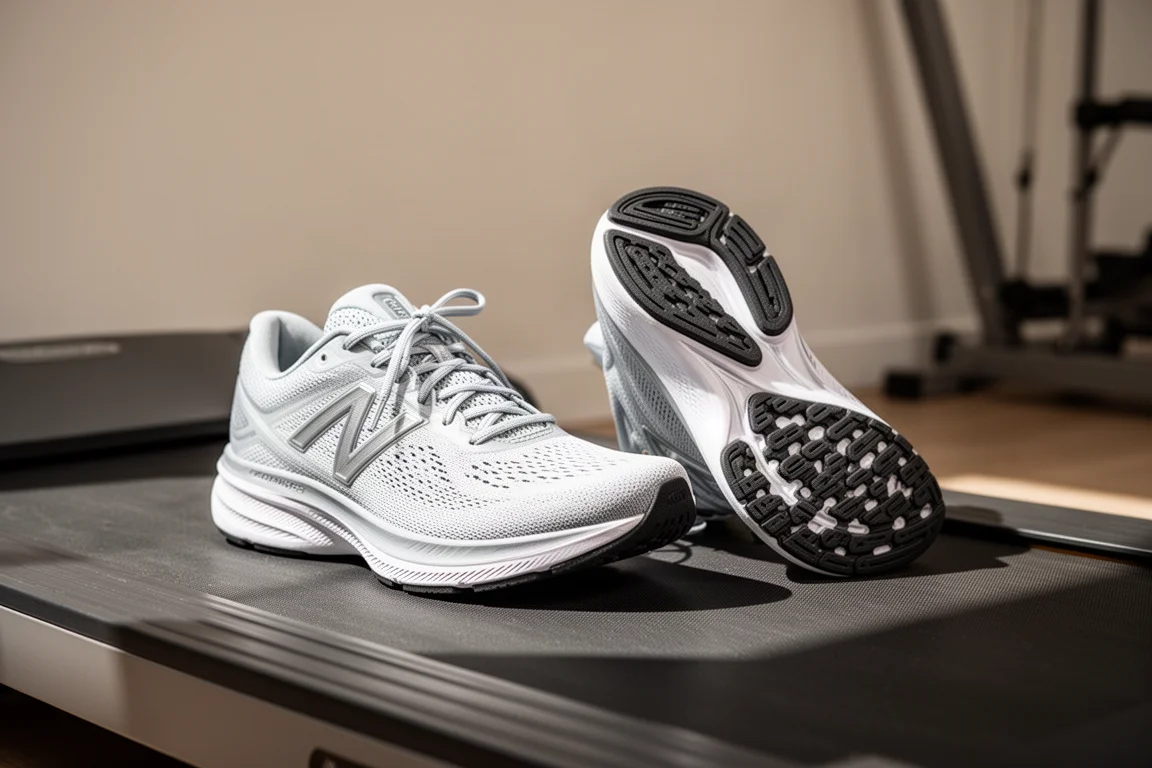
Interestingly, a one-mile side-by-side treadmill test wearing one shoe on each foot revealed that the differences are more subtle than expected. Step-in comfort and upper feel are quite similar. The main distinctions: the Cloudmonster feels firmer and flatter on landing, while the Cloudsurfer delivers more squish and spring.
Durability and Stability Considerations
Neither shoe has much rubber coverage, so outsole wear is worth watching on both. The Cloudmonster’s Helion foam is a tougher compound, so durability is less of a concern there. The Cloudsurfer’s new, softer CloudTec Phase foam feels delicate, and long-term durability remains an open question, though early testing has shown no visible wear so far.
Stability is another factor. The Cloudsurfer is less stable than the Cloudmonster, and its deep cushioning makes your stabilizing muscles work harder. One tester noticed tighterness in the piriformis area on one side after heavy Cloudsurfer use. If you have pronation issues or muscle imbalances, the firmer, more supportive Cloudmonster may be the safer choice.

Which Should You Buy?
If you want a cushioned shoe for relaxed easy runs and long runs, the Cloudsurfer 7 is the clear pick. The redesigned midsole creates a smooth, comfortable, genuinely fun ride, and it doubles as a capable all-round daily trainer. It is the more versatile, more rounded shoe of the pair.
If you prefer a firmer, more stable ride with a bit more pop for faster runs, the Cloudmonster still makes sense. It was a strong step forward for On when it launched and remains a solid daily trainer, even if competitors like the New Balance More v4 offer a softer feel in the same category.
Conclusion
Both are good shoes, but the Cloudsurfer 7 comes out ahead. It does nearly everything the Cloudmonster does and more, offering a broader range from slow easy miles up to quicker paces, all at the same UK price. The main caveats are its slightly snug forefoot fit and unanswered questions about long-term durability. For most runners looking for one cushioned, comfortable, versatile trainer, the Cloudsurfer 7 is the better value and the better shoe.
Further reading
Related Reviews

Running Shoes
Best Road-to-Trail Running Shoes: Three Versatile Options for Mixed Terrain
A practical guide to three road-to-trail running shoes that handle both pavement and mild trails, with clear strengths and trade-offs for different runner types.

Running Shoes
Best Running Shoes for Achilles Tendonitis: Three Options Explained
Three running shoes with different heel drops and support features designed to help reduce Achilles tendon pain during walking and running.

Running Shoes
Best Running Shoes for Women: Five Top Choices Ranked
A ranked guide to five women's running shoes, from versatile daily trainers to high-performance racing options, with real strengths and trade-offs for each.