Running Shoes
On Cloudsurfer 2 vs Nike Pegasus 41: Two Cushioned Daily Trainers Compared
A head-to-head look at two neutral daily trainers: which one delivers the better easy-run experience, and which offers better value.
Introduction
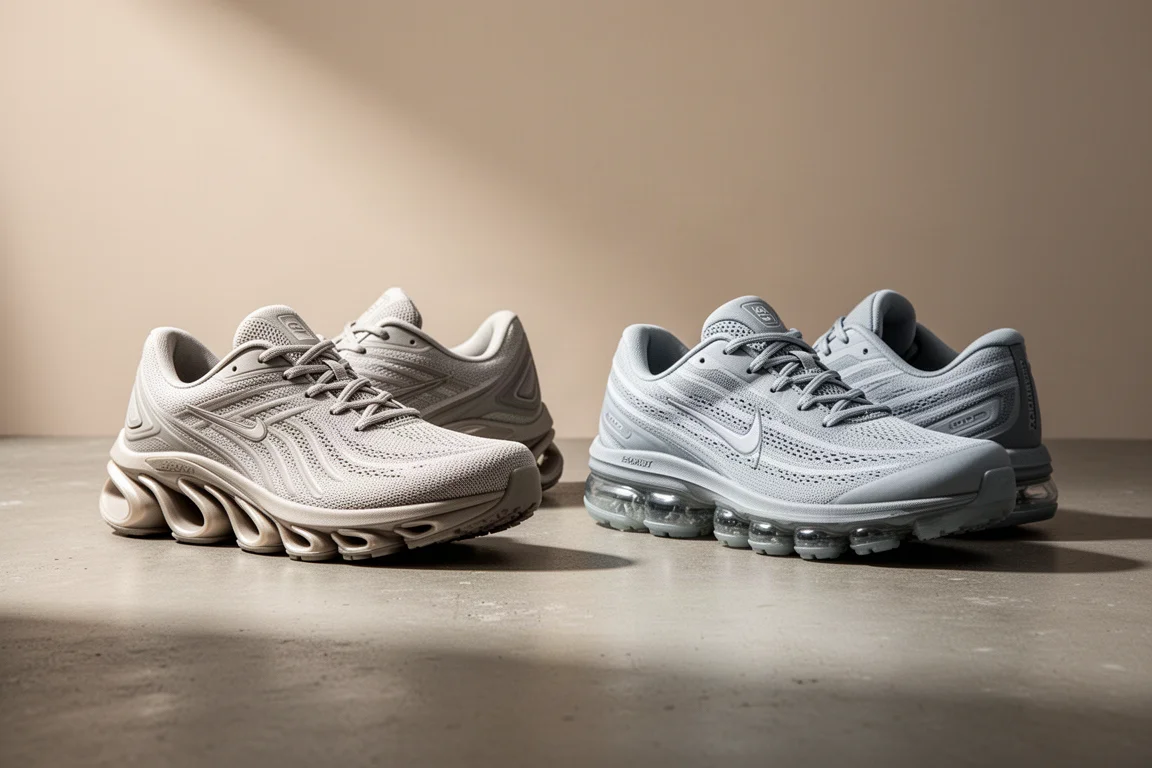
Some daily trainers try to be everything at once. The On Cloudsurfer 2 and Nike Pegasus 41 take a slightly more traditional route: both are neutral, nicely cushioned shoes with a softer edge, designed for easy everyday runs with a smidge of versatility built in, and potentially geared toward mid-tempo efforts for some runners.
We put in the miles to see which one does the job better, and the short answer is that both are good, just in very different ways. The Cloudsurfer 2 wins on ride feel and precision. The Pegasus 41 wins on price and likely long-term durability. Here’s how they stack up.
Key Specs at a Glance
The On Cloudsurfer 2 packs a 32mm heel and 23mm forefoot for a 9mm drop, and weighs 9.1 oz (258g) in a UK men’s 8.5 test shoe. It lands at £150 or $160. The Nike Pegasus 41 is bigger: 37mm heel, 27mm forefoot, a 10mm drop, and 10.5 oz (298g) on the scale. It comes in cheaper at £130 or $140.
Both sit a little lower in stack than many of today’s bigger daily trainers, and there’s something a bit more traditional about both of them. They’re also both genuinely good-looking shoes that work outside of running too.

Design and Construction
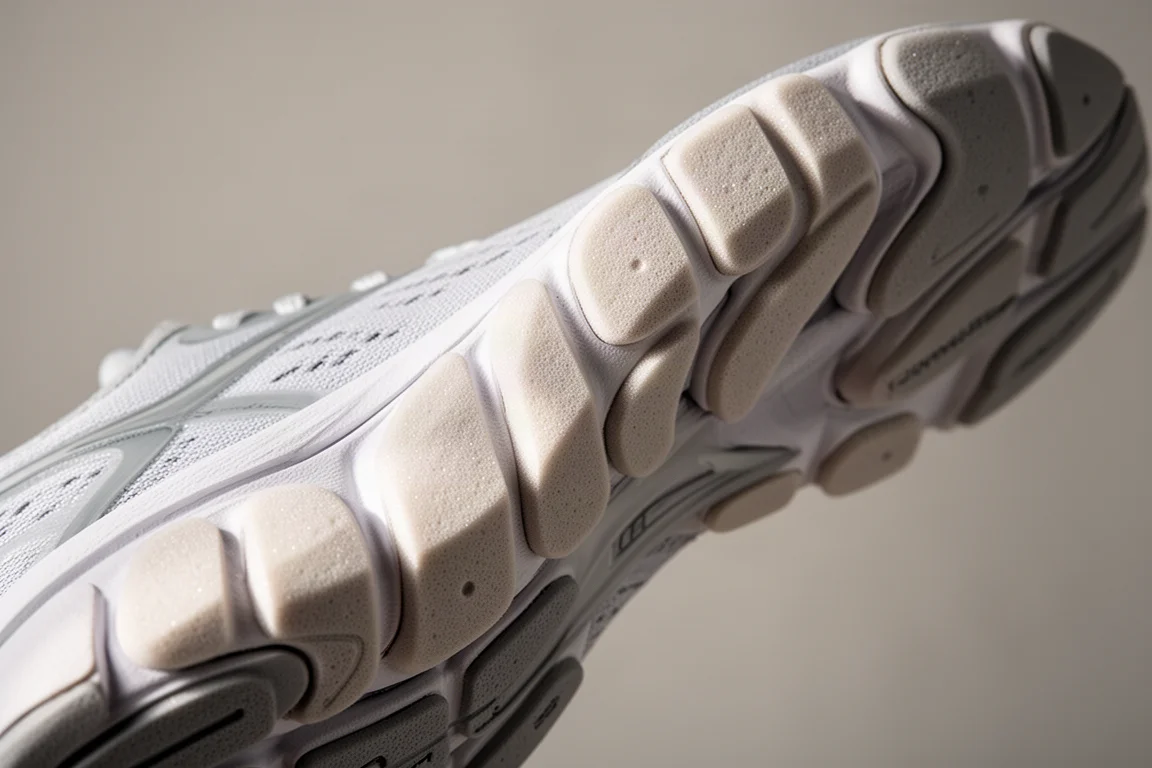
The lower-stack Cloudsurfer 2 uses On’s CloudTec Phase midsole, where the cloud elements collapse in sequence a bit like dominoes and release as you roll through each step. It has a more pronounced rocker than the Nike shoe. Interestingly, unlike the Cloud Eclipse and Cloudmonster 2, there’s no speedboard plate here. That stabilizing element has been left out to soften the ride versus older generations of the shoe.
The Pegasus 41 goes the other way: a bigger stack of ReactX foam with Air Zoom units under the forefoot and heel to add a bit more pop. It’s a chunkier, flatter, more traditional midsole shape with much less rockering.
Up top, both use engineered mesh uppers. On’s is thick but soft and premium feeling, with good flexibility. The Pegasus mesh offers a roomy, flexible fit. Both shoes have medium padded heel collars and tongues, though the Nike heel is a little narrower compared to the round sculpted collar on the Cloudsurfer 2, and the Pegasus tongue is gusseted while the Cloudsurfer’s is not.
Ride Feel: Two Very Different Approaches
The Pegasus 41 is a high-drop shoe without much of a rocker, so you snap through each stride. As a heel striker, you get a very comfortable, cushioned heel thanks to the big wedge of foam, but the forefoot is comparatively thin. The ReactX foam plus Air Zoom pods deliver some bounce and energy, but under the toes the ride can feel a bit flat and lifeless. It doesn’t really curve up and push you along, so while it’s certainly comfortable, it’s not the most energetic shoe out there.
The Cloudsurfer 2 is much more of a rocker shoe. The whole midsole is geared toward moving you through foot strike and onto your toes, and it works very well. The ride is smooth and comfortable, and you notice the extra foam under the forefoot alongside the smoother transition. It’s not as noticeably cushy at the heel as the Nike, and the foam isn’t the most lively either. At faster paces the rocker flattens out a little and the energy return off the toes is modest.
In short: neither foam is the liveliest on the market, but what you lack in all-out bounce you get back in smooth transitions, particularly in the On, which offers the snappier, more precise ride. The Pegasus is a workhorse that will eat easy miles; the On just flows better at relaxed paces.
Fit and Everyday Comfort
In testing, the Pegasus ran slightly roomier, with a wide, accommodating upper and a bit more length, while the Cloudsurfer hugs the foot in a snug but comfortable way that stretches and breathes well. Both have plenty of padding, which could get warm in the heat.
On the run, the Cloudsurfer 2 delivers a disappearing fit: everything feels wrapped and held without restriction, the heel holds well, and there’s just enough toe box room. The Pegasus 41 matches that with a balanced, comfortable hold without excessive plushness, though some runners may want a little more structure and support in tighter turns. For long, straight miles on even asphalt, it offers an easy, roomy, unrestricted feel.
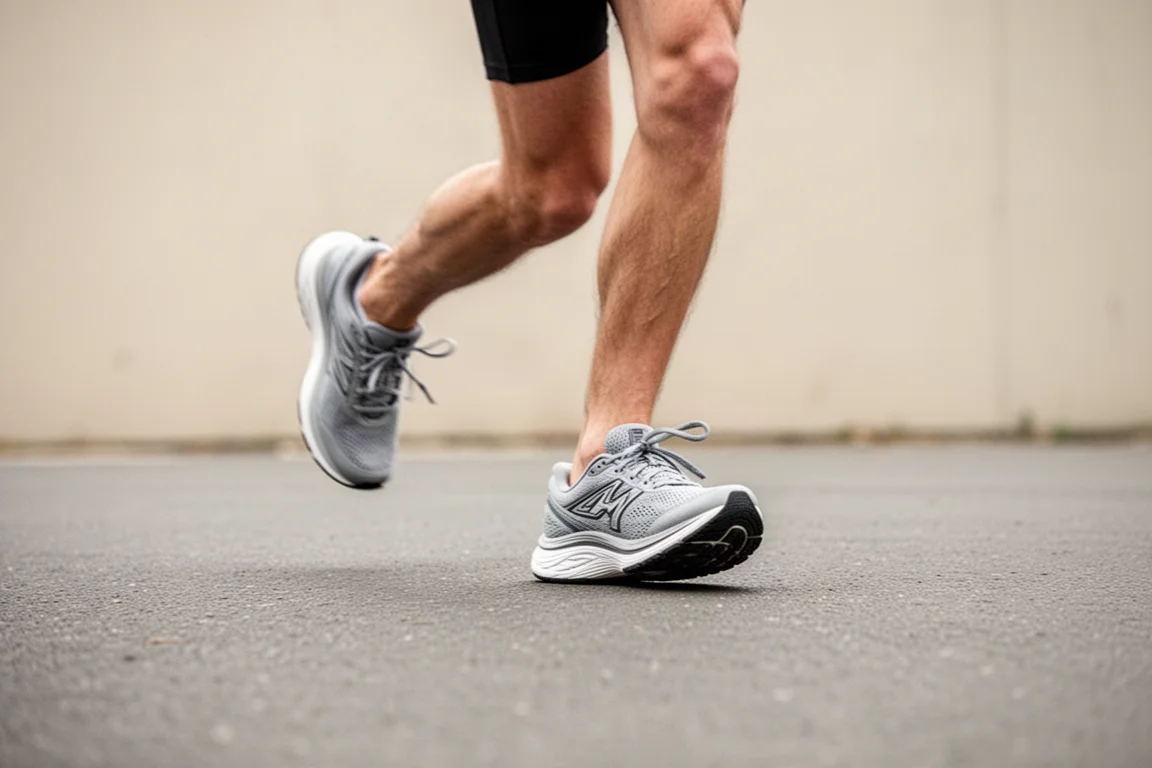
Go true to size in both. Neither shoe is the most versatile on faster days, though the On is lighter and has a slight edge there. Both are happiest from slower paces up to endurance cruising speed.
Durability and Value
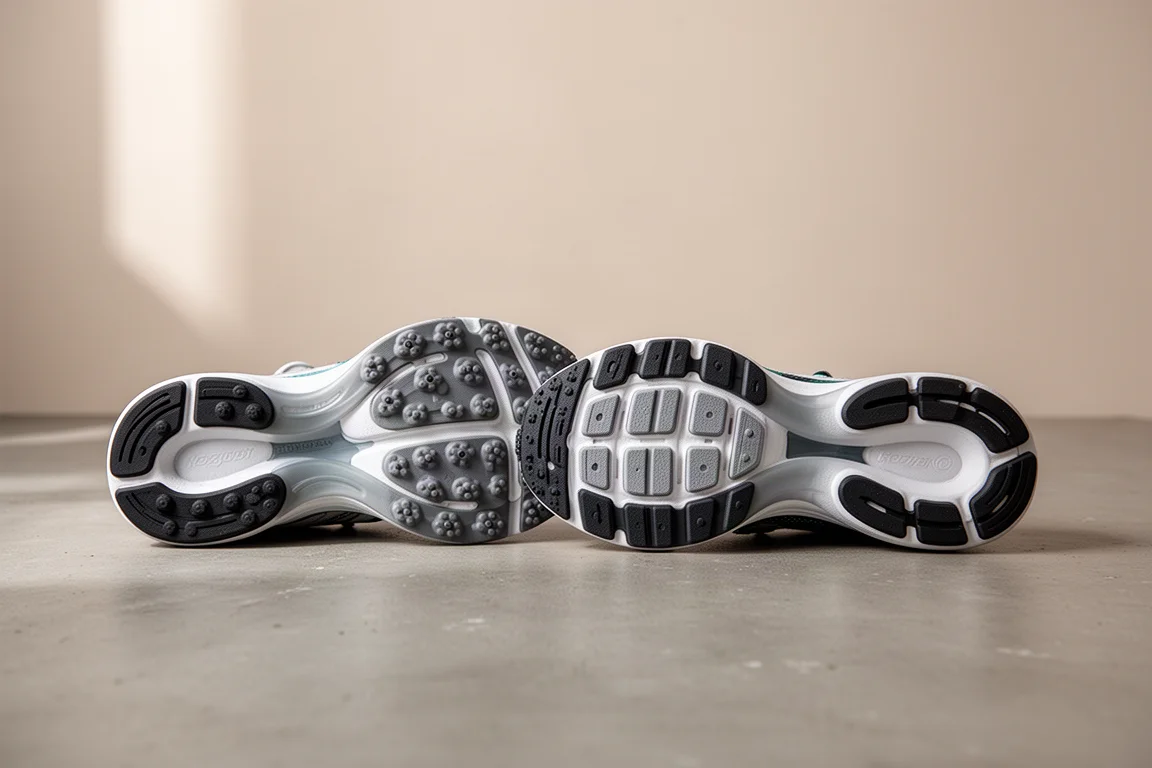
Both shoes have held up well over testing, which ran well over 100 miles in the Pegasus 41 and 60-plus miles in the Cloudsurfer 2, mixed across roads and light off-road paths. The wear so far favours the Nike: the thicker outsole shows more of a dent on the outer heel, but its stud pattern held up as expected, and the midsole foam seems built to last. The Cloudsurfer 2 shows no such wear yet, though with fewer miles logged.
This is where the Pegasus makes its strongest case. It’s around £20/$20 cheaper, the outsole rubber is thicker, and if you plan to wear the shoe for plenty of walking as well as running, that durability yields better long-term value. Both shoes are street-ready and pair well with jeans, so dual-duty wear is a realistic scenario for both.
The Verdict
For pure ride feel, the On Cloudsurfer 2 edges it. It’s snappier, more precise, and the rockered, collapsing midsole delivers a smoothness the flatter Pegasus can’t match, especially over longer distances.
If value is the priority, though, the Nike Pegasus 41 covers the same range of runs for £20/$20 less and looks likely to be the more durable option. Choose the Cloudsurfer 2 if you care most about how the shoe feels on your foot at easy paces; choose the Pegasus 41 if you want maximum mileage per pound and don’t mind a flatter, more traditional ride.
Conclusion
These are two good cushioned daily trainers, well suited to casual runners who want something that crosses from everyday wear to the odd 5k, or beginners looking for comfortable easy-run miles. Neither is maxed out on cushioning or built for speed, but both are balanced, protective, and comfortable, and both are strong picks as travel shoes that cover a good range of runs.
Product link
View more details for On Cloudsurfer 2
This product is mentioned in the review. Check the specifications, options, and compatibility before buying.
View more details for On Cloudsurfer 2Further reading
Related Reviews

Running Shoes
Best Road-to-Trail Running Shoes: Three Versatile Options for Mixed Terrain
A practical guide to three road-to-trail running shoes that handle both pavement and mild trails, with clear strengths and trade-offs for different runner types.

Running Shoes
Best Running Shoes for Achilles Tendonitis: Three Options Explained
Three running shoes with different heel drops and support features designed to help reduce Achilles tendon pain during walking and running.

Running Shoes
Best Running Shoes for Women: Five Top Choices Ranked
A ranked guide to five women's running shoes, from versatile daily trainers to high-performance racing options, with real strengths and trade-offs for each.