Running Shoes
On Cloudstratus 3 vs New Balance 1080 v13: Which Daily Trainer Is Better?
Two max-cushion daily trainers go head to head. One delivers pillow-soft comfort, the other a firmer, more stable ride. Here is how they compare after plenty of miles.
Introduction
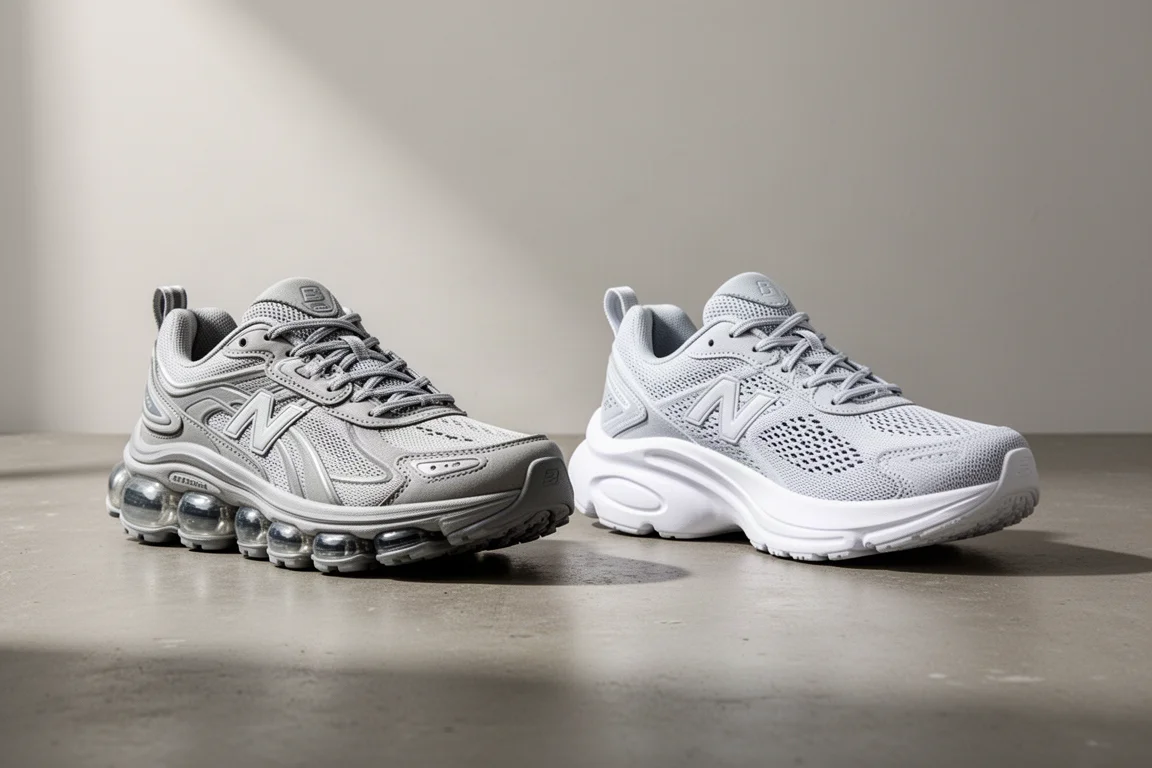
Both of these shoes sit in the same broad category: max-cushion, soft, everyday trainers built for eating up comfortable miles. But after plenty of test miles in each, they turned out to be very different shoes. The On Cloudstratus 3 is built as a no-compromise cushioning shoe for long distances, while the New Balance 1080 v13 aims to bring plush comfort to your daily training. Here is how they stack up.
Quick Specs Comparison
On does not list an official stack height for the Cloudstratus 3, but it carries roughly 30mm or more in the heel and around 20mm in the forefoot for a 6mm drop. The New Balance 1080 v13 has a slightly larger stack than its predecessor, with 38mm in the heel and 32mm in the forefoot, also at a 6mm drop.
Weight tells part of the story too. The Cloudstratus 3 comes in at 11.3 oz (320g) in a UK men’s 8.5, while the 1080 v13 is a much lighter 9.2 oz (260g). On pricing, the Cloudstratus 3 sits at £170 or $180, with the 1080 v13 at £160 or $165, so both live in a similar price band.
Build and Upper Design
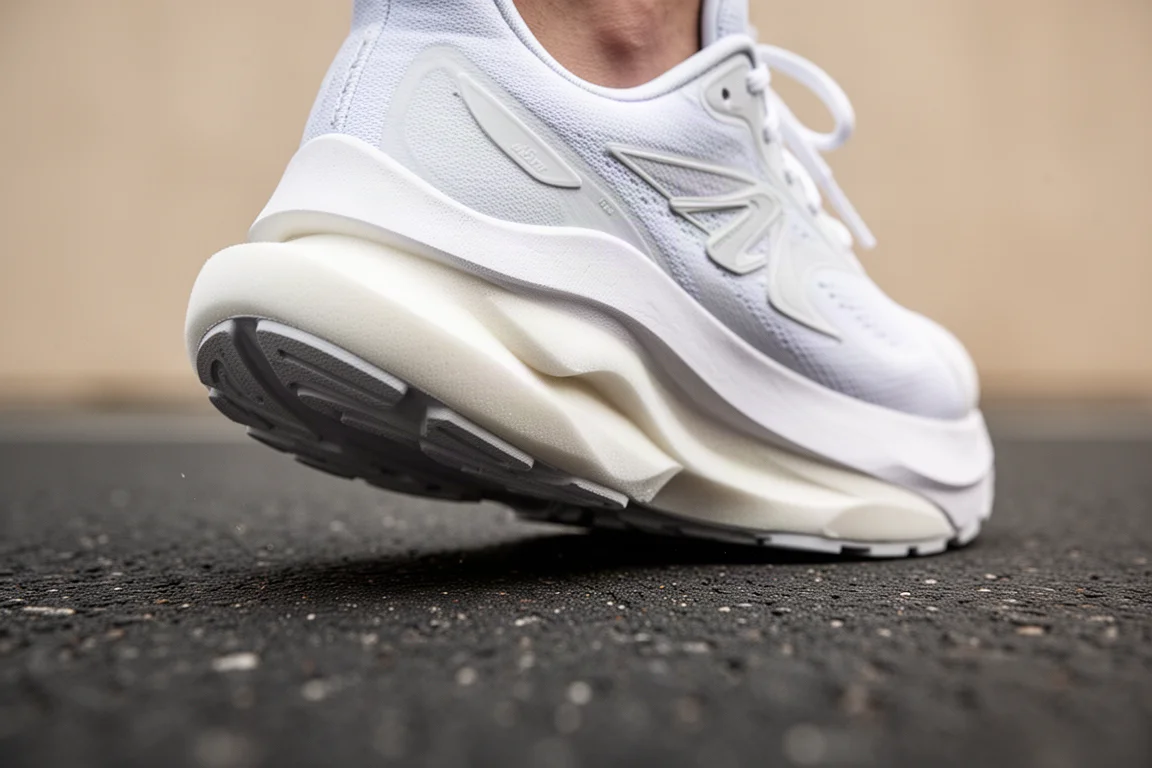
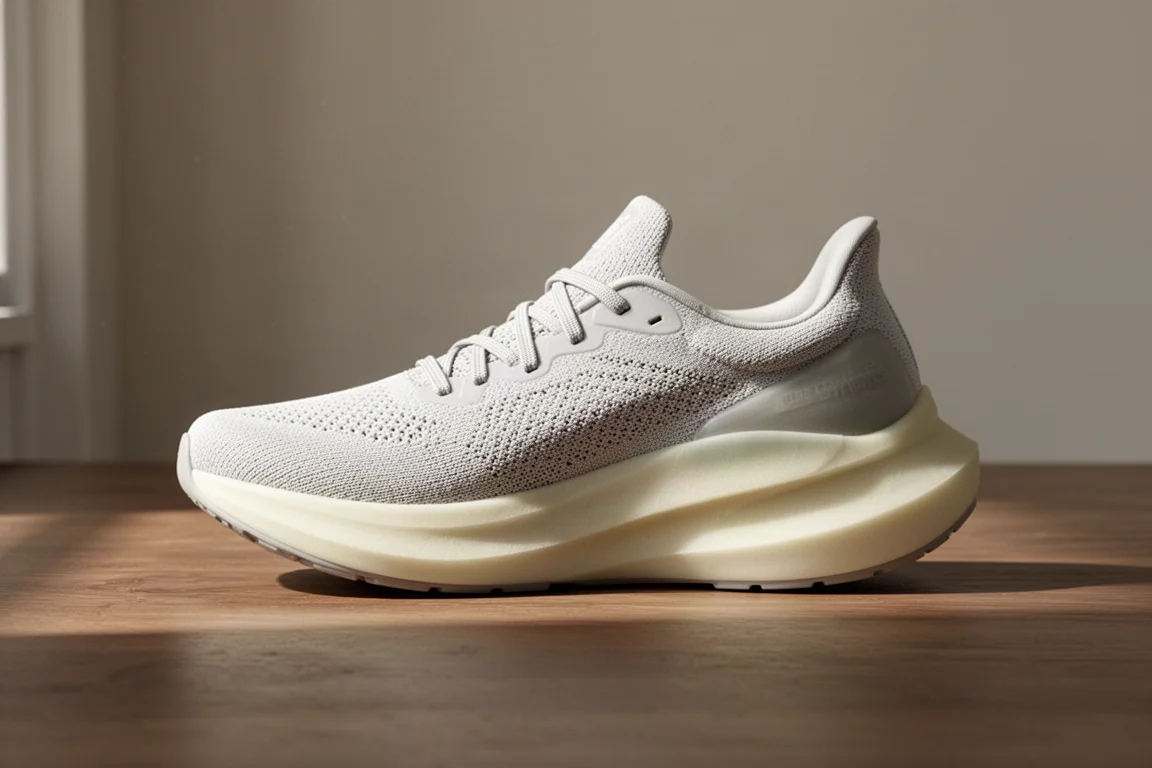
Both are big, maximalist shoes, but they get there differently. The New Balance packs a larger overall stack of a new, lighter Fresh Foam X midsole, an updated rocker shape, and some extra forefoot stiffness to help you snap through each step. The On Cloudstratus 3 uses a double stack of On’s Helion foam, sandwiching a nylon Speedboard plate, plus a substantial rocker.
Up top, the Cloudstratus 3 has a perforated upper that is thinner and airier, while the New Balance uses engineered mesh that is marginally more padded underneath, with a more wrapped and less airy fit. The heel collars and gusseted tongues on both offer similarly plush padding. Flip them over and both get generous rubber coverage: the Stratus has tabs on the cushioning zones, while the New Balance uses durable rubber in all major impact zones with a flex groove design.
Fit and Sizing
Testers consistently reported going true to size in both shoes, though fit experiences varied. In the New Balance, one tester found the fit spot on with good stepping comfort, solid heel hold, and decent lockdown across the midfoot, plus a padded tongue that helps avoid lace pinch. There was ample room in the toe box for length and across the top of the toes.
For the Cloudstratus 3, a little more attention to lacing was needed to get good hold across the midfoot, and heel hold was not quite as secure. Still, true to size remains a sensible recommendation for both.
One tester with high arches and wide feet preferred the New Balance fit, finding the On a touch narrower overall. Another tester noted the Cloudstratus upper is quite spacious, so narrow-footed runners might find it a little too forgiving. Either way, both are comfortable shoes with no major fit issues at true-to-size.
On Cloudstratus 3
The Cloudstratus 3 is a perfectly reliable, happy cushioning cruiser. If you are after cushioning for low and slow easy miles with perhaps a few mid-tempo efforts thrown in, it will do the job. The ride is relatively well balanced, if a tad heel-heavy, and that weightiness probably limits its top-end speed and overall daily training versatility.
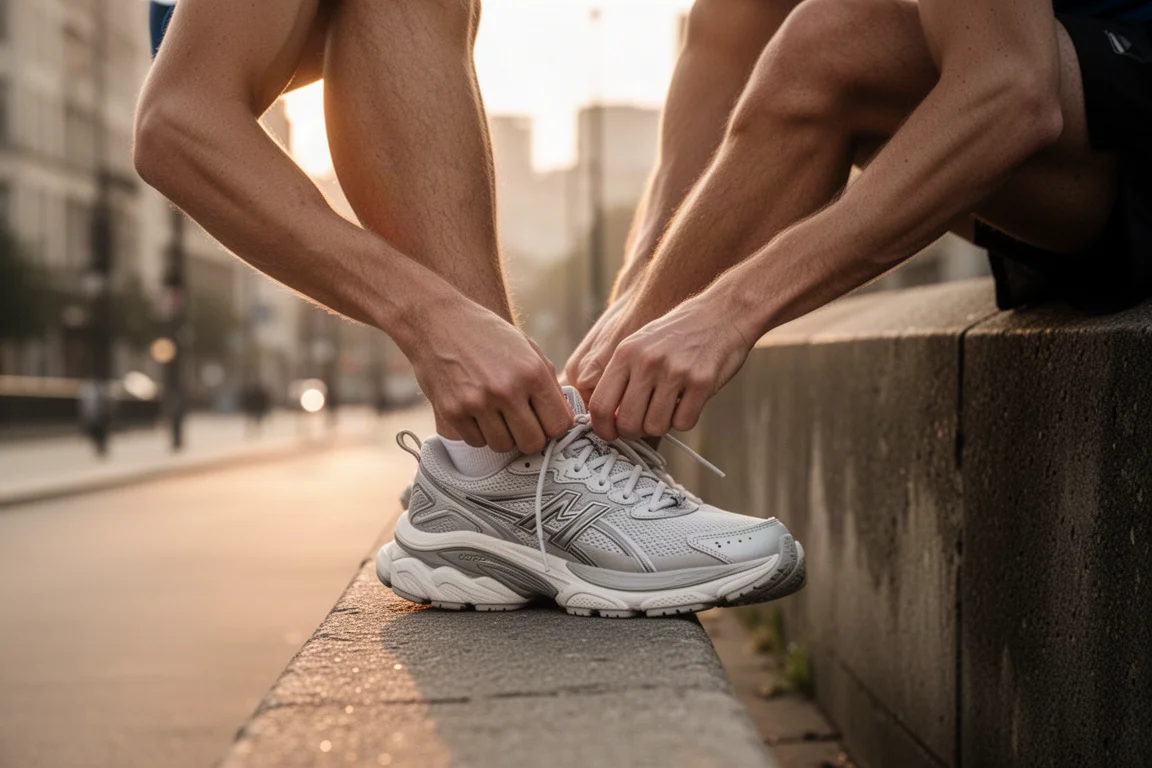
Its firmer platform does make for a more stable ride. You know exactly how you are going to land with each step, and there is none of the wobble you get in softer shoes. If you have run in On shoes before and found them too firm, this is actually a softer shoe to try from the brand. For shorter runs where you want more immediacy and response rather than softness from a big max stack, the firmer ride can work well.
New Balance 1080 v13
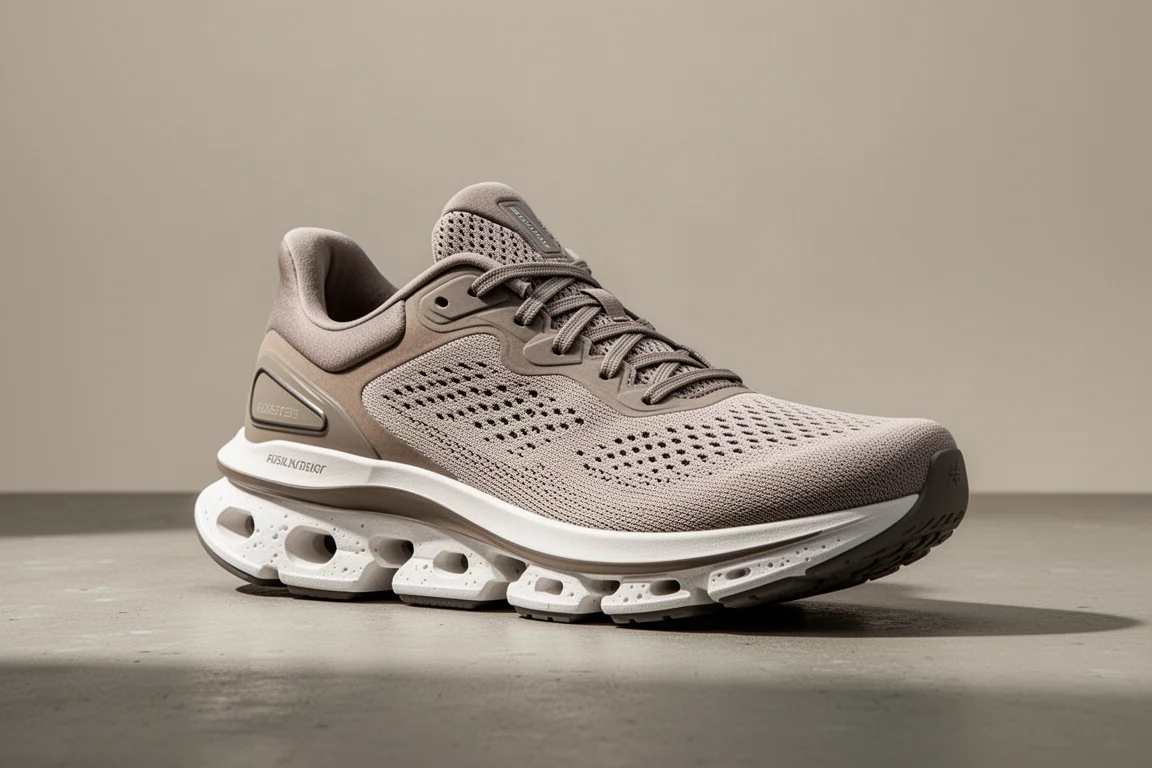
The 1080 v13 is excellent for those easy efforts where you just want reliable protection and all-round plushness on the foot. If you want a cocoon shoe for slow-mile comfort, this one absolutely delivers. It ticks every box for a max-cushion soft comfort shoe and is a very capable easy-day recovery option.

The new Fresh Foam X midsole is considerably softer than previous versions of the 1080, with a lovely soft landing and a bit of bounce back. The upper is soft but nicely reinforced, holding the foot firmly in place on impact. The trade-off is that it is a bit sluggish for longer distance or faster training, so most testers would not pick it for anything over about 15K. For easy-day runs up to that distance, though, it is a genuinely enjoyable, comfortable shoe.
How the Rides Differ
Running with one shoe on each foot made the contrast unmistakable. The Cloudstratus 3 is much firmer: there is virtually no sink, it comes straight back, and it can feel almost rock-like despite the big stack. The 1080 v13 is much softer, with real sink and a pillow-cushioned feel that takes the edge off the road.
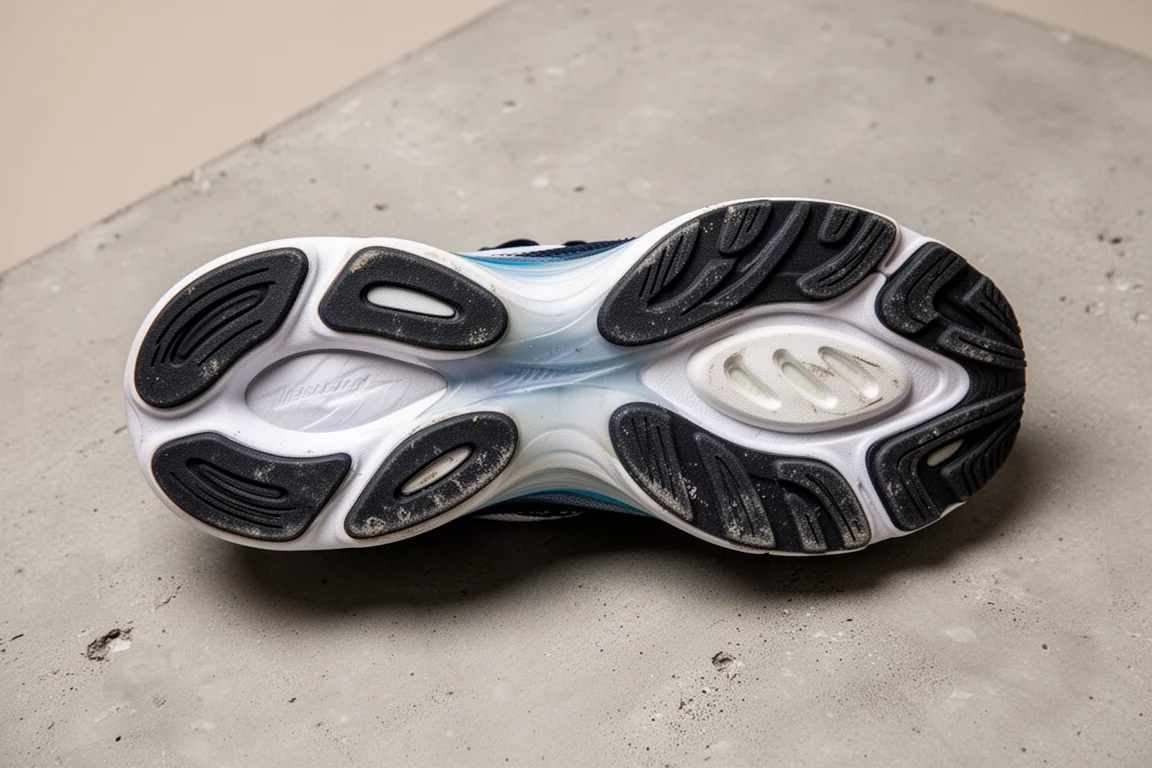
Which you prefer comes down to taste. If you like sink and softness, the 1080 v13 is the obvious pick. If you want a firmer, more structured feel underfoot, the Cloudstratus 3 delivers that. On the outsole front, the Cloudstratus midsole is sturdier and needs less rubber, showing barely any wear in testing, while the 1080 v13’s smoother rubber outsole offers less grip for tricky terrain and its delicate exposed midsole shows some wear concern after around 70-80K.
Overall Buying Advice
Neither shoe is great at picking up the pace, and both are firmly in the everyday training category: comfortable long runs and plenty of time on your feet. The Cloudstratus 3 is slightly heavier and firmer, though not unpleasantly so. The New Balance feels a little wider and more sinking, and it is also the cheaper shoe of the two.
If you are setting out on a two-hour-plus run, the softer, more complete feel of the 1080 v13 makes it the easier choice. The Cloudstratus 3 may suit heavier runners who want a bit more structure in the midsole, or anyone drawn to a firmer, rolling ride. If neither quite fits, alternatives worth a look include the Saucony Ride 17 as a middle ground, the Brooks Ghost Max as a close, often cheaper match for the 1080, and On’s own Cloud Eclipse as a better all-rounder than the Cloudstratus 3.
Conclusion
Both are genuinely good, plush everyday running shoes at a similar price, and both will handle plenty of miles. The deciding factor is foam feel: pillowy soft and squishy points you to the New Balance 1080 v13, while a firmer, more stable platform points you to the On Cloudstratus 3. On balance, the 1080 v13 edges ahead as the more complete and more affordable daily trainer, but either pick will serve your easy miles well.
Further reading
Related Reviews

Running Shoes
Best Road-to-Trail Running Shoes: Three Versatile Options for Mixed Terrain
A practical guide to three road-to-trail running shoes that handle both pavement and mild trails, with clear strengths and trade-offs for different runner types.

Running Shoes
Best Running Shoes for Achilles Tendonitis: Three Options Explained
Three running shoes with different heel drops and support features designed to help reduce Achilles tendon pain during walking and running.

Running Shoes
Best Running Shoes for Women: Five Top Choices Ranked
A ranked guide to five women's running shoes, from versatile daily trainers to high-performance racing options, with real strengths and trade-offs for each.