Running Shoes
On Cloudstratus Review: 100 Miles of Running
A firm-leaning max cushion trainer with excellent durability and a roomy toe box. After 100 miles, here is what held up and who it suits best.
Introduction
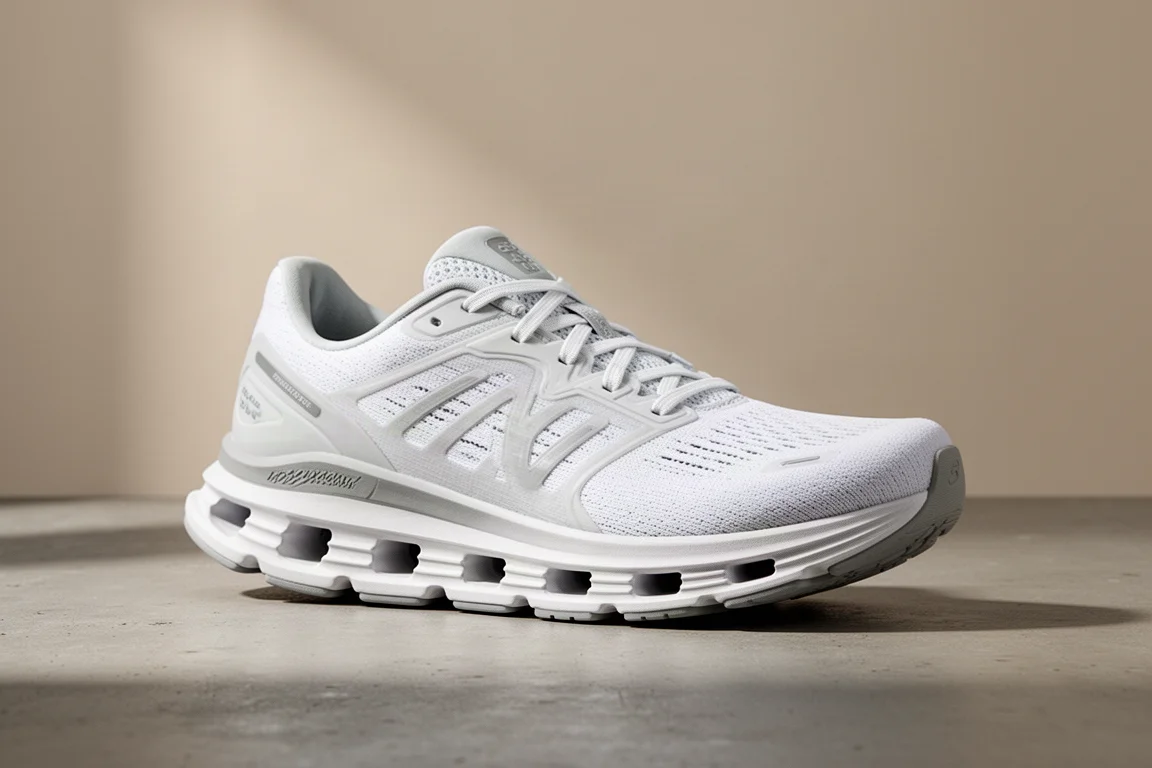
The On Cloudstratus arrived with big promises: On markets it as a max cushion shoe, and out of the box it certainly looks the part with a tall stack height and the brand’s signature cloud-shaped sole design. On paper, that should make it an easy pick for recovery days and long, plush miles. In practice, my 100-mile experience tells a more nuanced story.
This is a shoe I grew into rather than fell for immediately. The first run felt a bit confusing, with glimmers of hope. A few months and 100 miles later, the picture is clearer: this is a well-built, durable, comfortable trainer that excels at specific things, but it is not the soft, sink-in max cushion ride its marketing suggests.
How It Rides: Best Uses and Fit
At its core, the Cloudstratus is a shoe that wants to roll. The geometry includes a slight curl up at the toes to help the shoe roll through the foot strike, and a channel running through the center of the sole paired with the speedboard underneath. That speedboard is a hard piece of polypropylene, thicker than a rock plate but less rigid than a carbon fiber plate. It acts a bit like a plate in a super shoe, funneling your momentum forward in a straight line.

That funneling is exactly why this shoe works best on medium-length and long runs at an easy aerobic pace. At a normal foot strike and a slightly quicker rhythm, the shoe and runner get into harmony, and rolling down the road can feel genuinely pleasant. At slower recovery paces, when foot strike gets sloppy and fatigue creeps in, the shoe tends to argue with you a little. It wants you to land straight, and if you do not, it becomes something of a battle.
The fit is where things get interesting. Despite the Swiss engineering heritage suggesting a snug European fit, the upper offers plenty of room, especially in the toe box. It is roomy enough that the shoe stayed comfortable even with thick waterproof socks inside, without any cramped feeling. For longer efforts where feet swell and time on foot adds up, that space is a real asset.
Durability After 100 Miles
The upper has held together impressively. The mesh remains breathable and comfortable, with no fraying or tearing anywhere. Some of the mesh holes along the side of the foot appear slightly larger over time, though it is hard to say whether that is real stretching or simply the discoloration changing how the material looks.
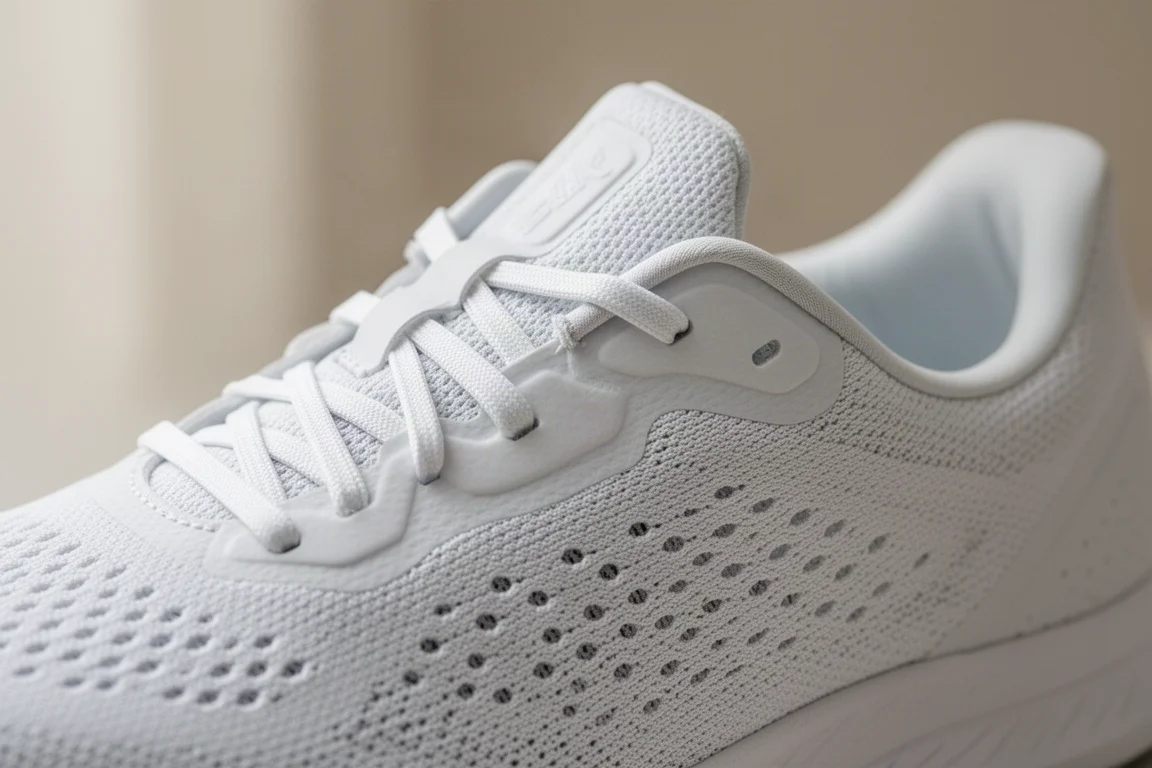
The lightly padded tongue is a genuine highlight: not so thick that the foot overheats, not so thin that lace-pressure sensitivity becomes a problem. Padding increases slightly toward the back of the shoe, which pays off on longer runs. The structured exterior heel cup has a lot going on. Runners who like a locked-in, supported rearfoot will appreciate it; those who prefer a minimal heel will find it a touch heavy.
Cosmetically, the white colorway does not survive a slushy city winter gracefully, with discoloration here and there. That is a matter of care and conditions rather than a build-quality issue, and frankly, a dirty shoe is a shoe that has been loved and run in.
The Midsole: Firm, Not Plush
Here is the honest caveat. The Helion foam combined with the Cloudtec design is simply firmer than I want from a max cushion shoe, and that has not changed over 100 miles. Some of the forefoot clouds have compressed slightly and the ride has loosened up a touch since fresh out of the box, but the speedboard insulates the foot from much of what the clouds are doing, keeping the overall equation on the firm side.
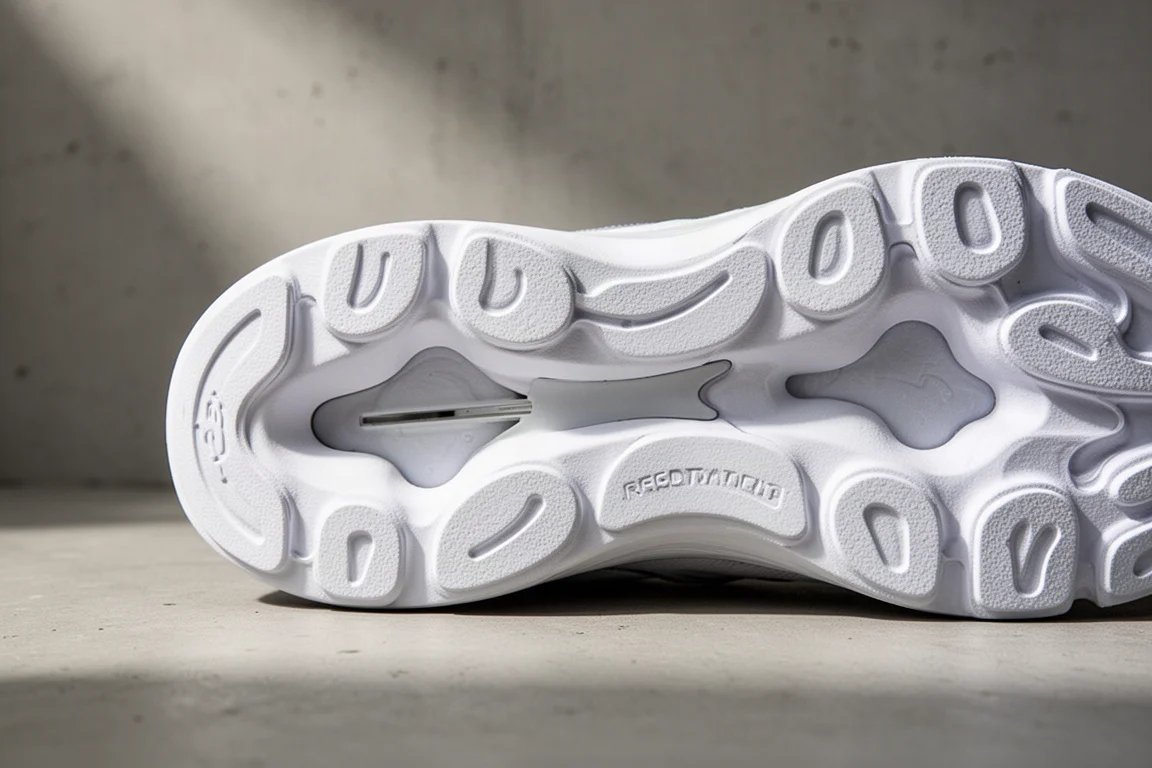
It is possible some of this comes down to regional tuning: what counts as max cushion in a European design brief may differ from North American expectations. Either way, the combination of clouds plus speedboard prevents this shoe from becoming the big, puffy, fluffy ride its name evokes. A version of this foam without the clouds, or with clouds but no speedboard, would be an interesting experiment.
Outsole Wear and Long-Term Value
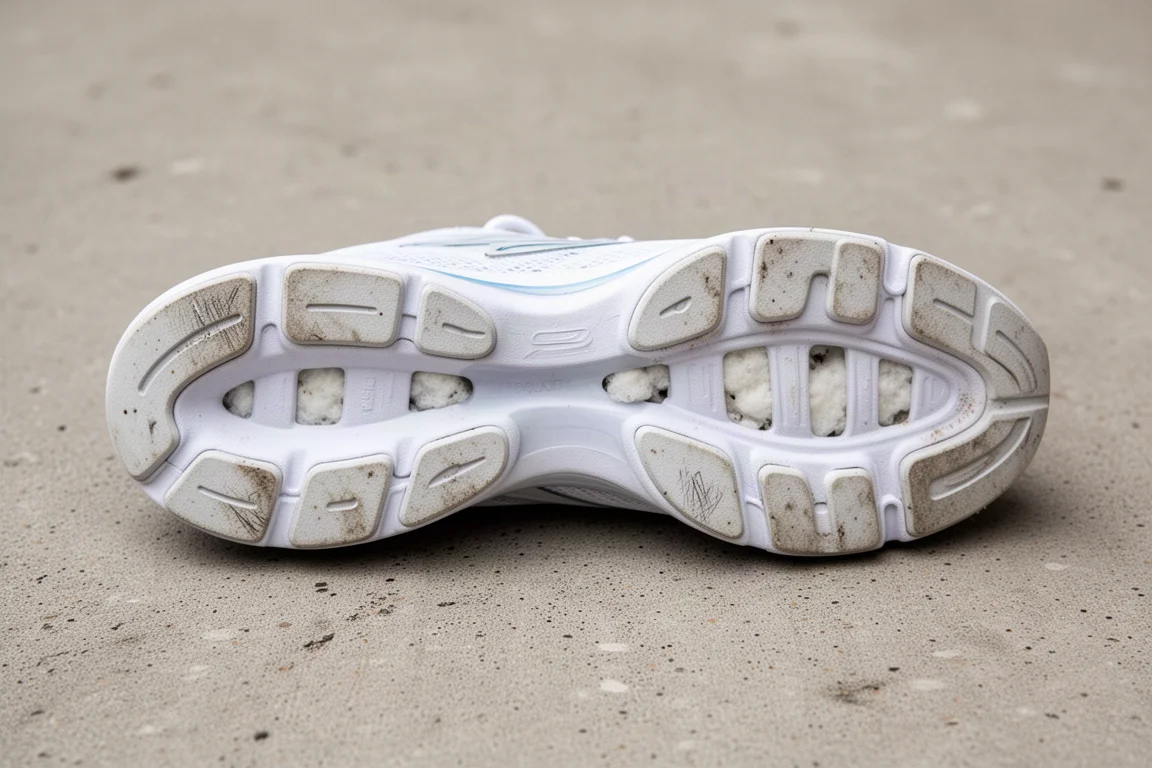
The outsole is the standout durability story. The rubber shows remarkably little wear after 100 miles, and On kept it to a minimum to help with weight. The exposed foam in the midsole is also holding up well. Combined with the intact upper, everything points to a shoe that will last a long time.
Measured weight was 10.4 oz, just under 300 grams, which feels right for the dynamics of this shoe. The reduced rubber coverage turned out to be sufficient, and nothing is taking a beating.
Buying Advice
If you are a higher-mileage runner, training for a marathon, or logging big weekly mileage and want a comfortable, durable shoe to absorb your regular easy and long runs, the Cloudstratus makes a lot of sense. If you are shopping specifically for a plush recovery-day shoe, look elsewhere: the firm ride will not deliver what you are after.
Conclusion
The On Cloudstratus was not my favorite shoe of the past several months, but it was a genuinely positive experience with On as a running brand, and the brand seems to be moving in the right direction. Firm ride aside, the durability, breathability, roomy fit, and rolling geometry make it a worthwhile option for dedicated mileage runners who know what they are buying.
Product link
View more details for On Cloudstratus
This product is mentioned in the review. Check the specifications, options, and compatibility before buying.
View more details for On CloudstratusFurther reading
Related Reviews

Running Shoes
Best Road-to-Trail Running Shoes: Three Versatile Options for Mixed Terrain
A practical guide to three road-to-trail running shoes that handle both pavement and mild trails, with clear strengths and trade-offs for different runner types.

Running Shoes
Best Running Shoes for Achilles Tendonitis: Three Options Explained
Three running shoes with different heel drops and support features designed to help reduce Achilles tendon pain during walking and running.

Running Shoes
Best Running Shoes for Women: Five Top Choices Ranked
A ranked guide to five women's running shoes, from versatile daily trainers to high-performance racing options, with real strengths and trade-offs for each.