Running Shoes
On Cloudrunner 2 vs Cloudrunner 3: Which Stability Shoe Fits Your Feet?
Two very different stability shoes share one name. We compare weight, stack, stability, fit, and durability to help you pick between them.
Introduction
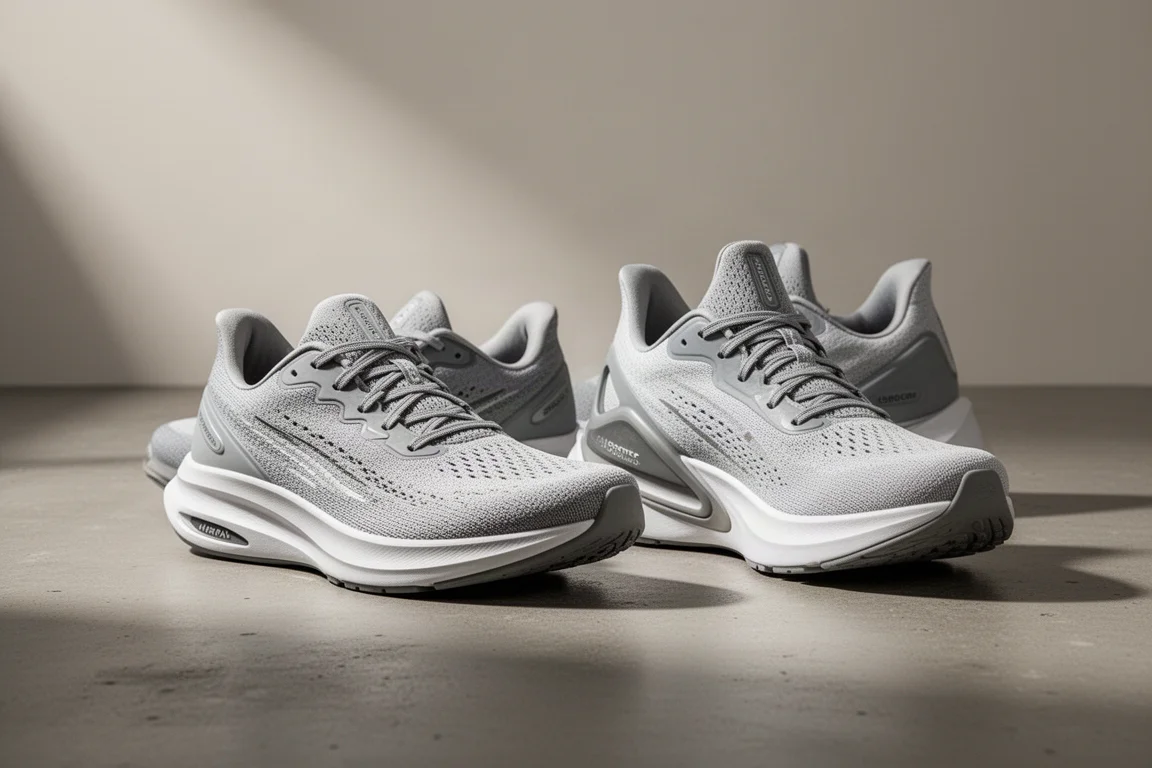
The On Cloudrunner 2 and Cloudrunner 3 share a name and some components, but in practice they are two very different shoes. Version 2 is the lighter, firmer, wider-fitting option that leans toward walking and standing comfort. Version 3 is heavier, more cushioned, noticeably more stable, and a genuinely better running shoe, though its tapered upper will not suit every foot.
If you own the Cloudrunner 2 and are wondering whether to upgrade, or you are choosing between the two for the first time, this comparison walks through the differences that actually matter on the foot.
Weights, Stack Heights, and Drop
In a men’s size 10, the Cloudrunner 2 weighs 290 g (about 10.2 oz), which was on the lighter end for a stability shoe. Version 3 gains weight, coming in at 312 g (about 11 oz). Part of that gain is extra stack height underfoot.

Officially, both shoes list a 31 mm heel stack. Version 2 lists a 21 mm forefoot with a 10 mm drop, while version 3 lists a 23 mm forefoot with an 8 mm drop. Measured by hand without cutting the shoes open, the Cloudrunner 2 comes in around 33 mm at the heel and version 3 closer to 35.5 mm. Neither feels like its official drop either: version 2 rides closer to 7 to 8 mm and version 3 closer to 5 to 6 mm.
In short, version 2 feels like a moderate-stack shoe and version 3 is edging toward a higher-stack build. If you want a lower, closer-to-the-ground feel, version 2 has the advantage.
Midsole Feel and Ride
Both shoes use On’s firmer cloud-style foam, and both take a long time to break in, roughly 30 to 40 miles before the midsole softens. The Cloudrunner 2 is firm from the start, and once the clouds compress it can feel almost minimal underfoot, which some runners will enjoy for the ground feel but others will find harsh. Long runs were hard work in this shoe.
Version 3 holds up better. It is firm initially, but the heel softens slightly as it breaks in and the shoe rolls forward much more smoothly thanks to a larger heel bevel and a proper rocker. Version 2 has more forefoot flexibility and a flatter ride, which is part of why it shines for walking and standing.
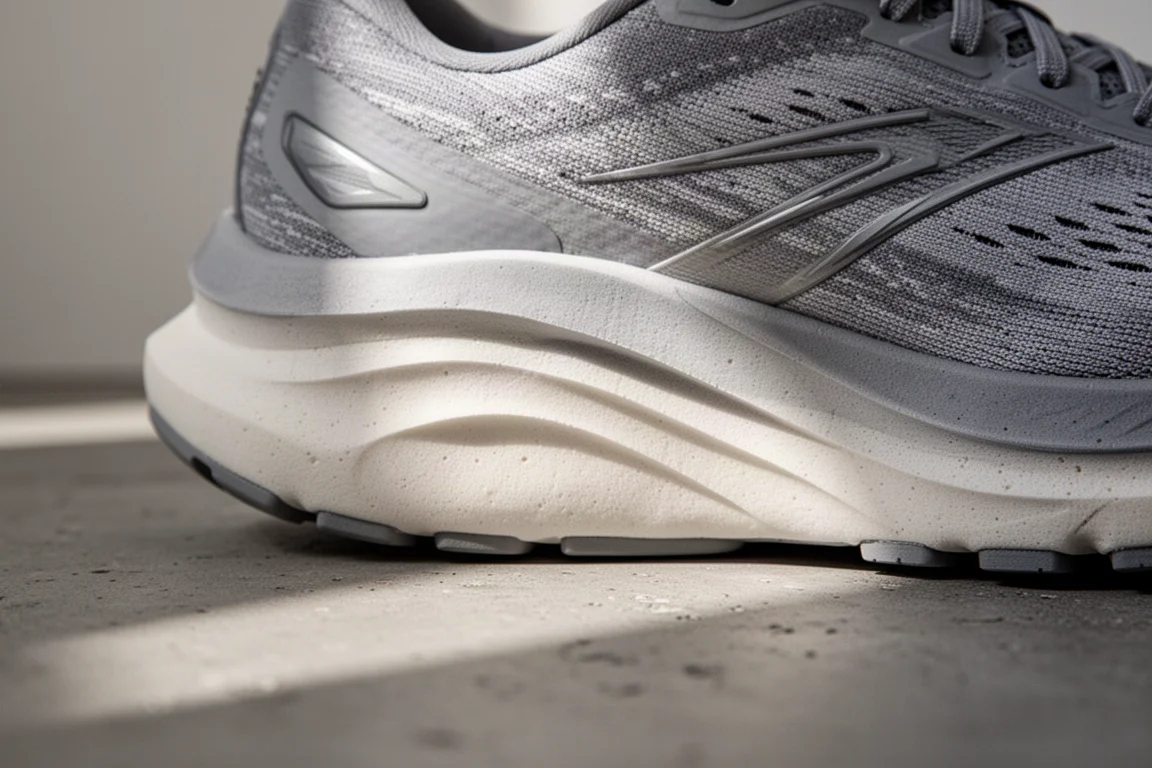
Neither shoe is fast. The foam is not responsive, and both are best for easy, moderate, or shorter runs rather than uptempo work. If you like a firmer ride, version 3 can work for longer efforts, but most runners will get the most from these at easier paces. Durability is a clear win for version 3: the Cloudrunner 2 was cutting through the midsole and outsole after about 30 miles, while version 3 barely shows wear at the same mileage.
Stability: Mild vs Moderate
The Cloudrunner 2 is a very mild stability shoe. It initially feels nearly neutral, with a heel clip centering the rearfoot. Only after about 25 miles, once the foam breaks in, does the mild medial support become noticeable, with the medial clouds compressing less than the lateral side.

Version 3 changes the story significantly. The heel clip is taller and the sidewall is larger, and the shoe feels like it tilts you slightly inward, almost like a subtle varus wedge, with the lateral side compressing more from heel to forefoot. That makes it a moderate stability shoe and a real option for runners who need more support. The trade-off is important: if you have lateral ankle instability, this shoe is a poor match, and version 2’s gentler approach is the safer choice.
Upper and Fit
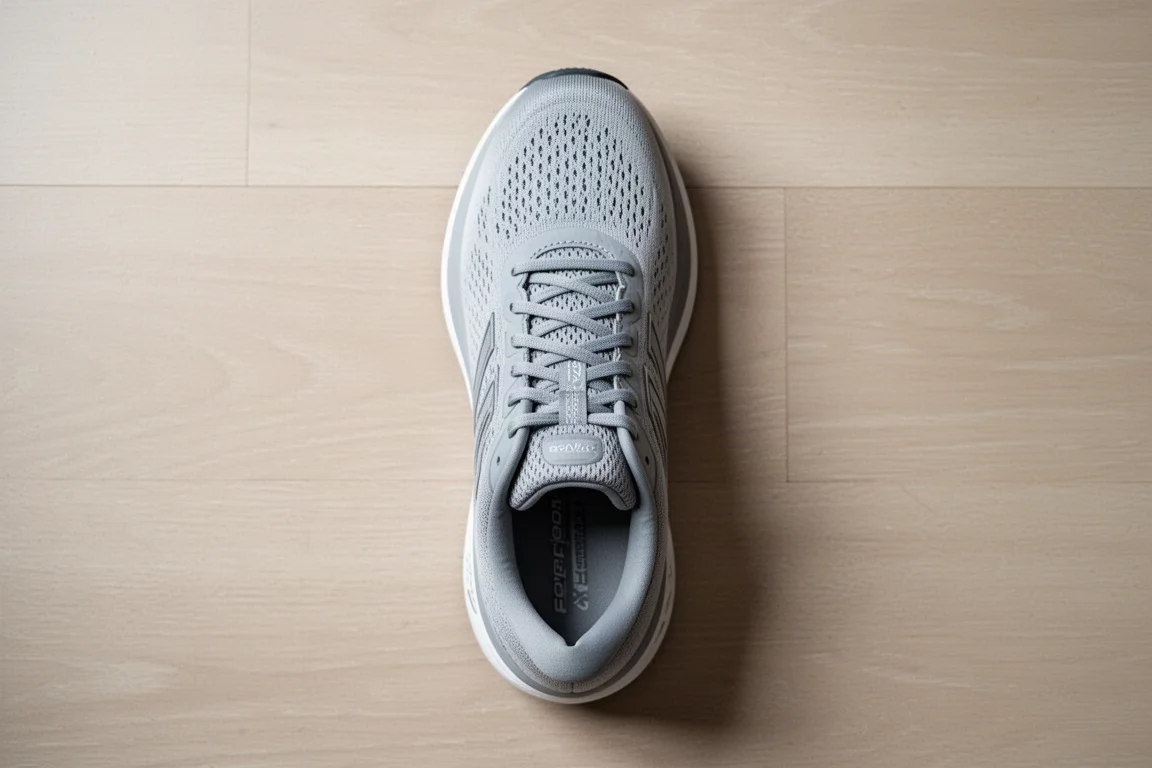
The uppers are opposites. The Cloudrunner 2 has a wide forefoot with plenty of toe room, cinching to a more normal midfoot. It is not the most secure fit, with some sliding even with locked laces, but for wide feet, walking, and standing it is excellent.
Version 3 goes narrower and more tapered, largely because of much heavier padding throughout the upper. The extra heel padding pushes the foot forward, so the shoe can feel slightly short, and the tapered forefoot adds toe pressure for wider feet. The upside is security: no sliding at all, and the laces barely need tightening. Narrow-footed runners will likely prefer this upper; wider feet will prefer version 2.
Which Should You Buy?
Choose the Cloudrunner 2 if you want a lighter, firmer, closer-to-the-ground shoe with a wide forefoot, especially if walking and standing are a big part of your use. Choose the Cloudrunner 3 if you want a proper moderate stability shoe with a smoother ride, better durability, and more cushioning, and your feet are on the narrower side. If you already run happily in version 2 and its width and ground feel work for you, there is little reason to upgrade; version 3 is a different shoe, not a better version of the same one.
Conclusion
The Cloudrunner line has split into two distinct personalities: version 2 as a mild-stability, wide, walk-friendly trainer, and version 3 as a heavier, more stable, smoother-riding running shoe with a snugger fit. Matching the shoe to your foot shape and stability needs matters more here than in most comparisons, and either choice can be the right one depending on how you actually use it.
Product link
View more details for On Cloudrunner 2
This product is mentioned in the review. Check the specifications, options, and compatibility before buying.
View more details for On Cloudrunner 2Further reading
Related Reviews

Running Shoes
Best Road-to-Trail Running Shoes: Three Versatile Options for Mixed Terrain
A practical guide to three road-to-trail running shoes that handle both pavement and mild trails, with clear strengths and trade-offs for different runner types.

Running Shoes
Best Running Shoes for Achilles Tendonitis: Three Options Explained
Three running shoes with different heel drops and support features designed to help reduce Achilles tendon pain during walking and running.

Running Shoes
Best Running Shoes for Women: Five Top Choices Ranked
A ranked guide to five women's running shoes, from versatile daily trainers to high-performance racing options, with real strengths and trade-offs for each.