Running Shoes
On Cloudmonster vs Cloudstratus: Which Cushioned Daily Trainer Makes More Sense?
The Cloudmonster is On's tallest-stacked shoe yet, and it finally makes the brand's CloudTec idea click. Here's how it compares with the Cloudstratus for different kinds of runners.
Introduction
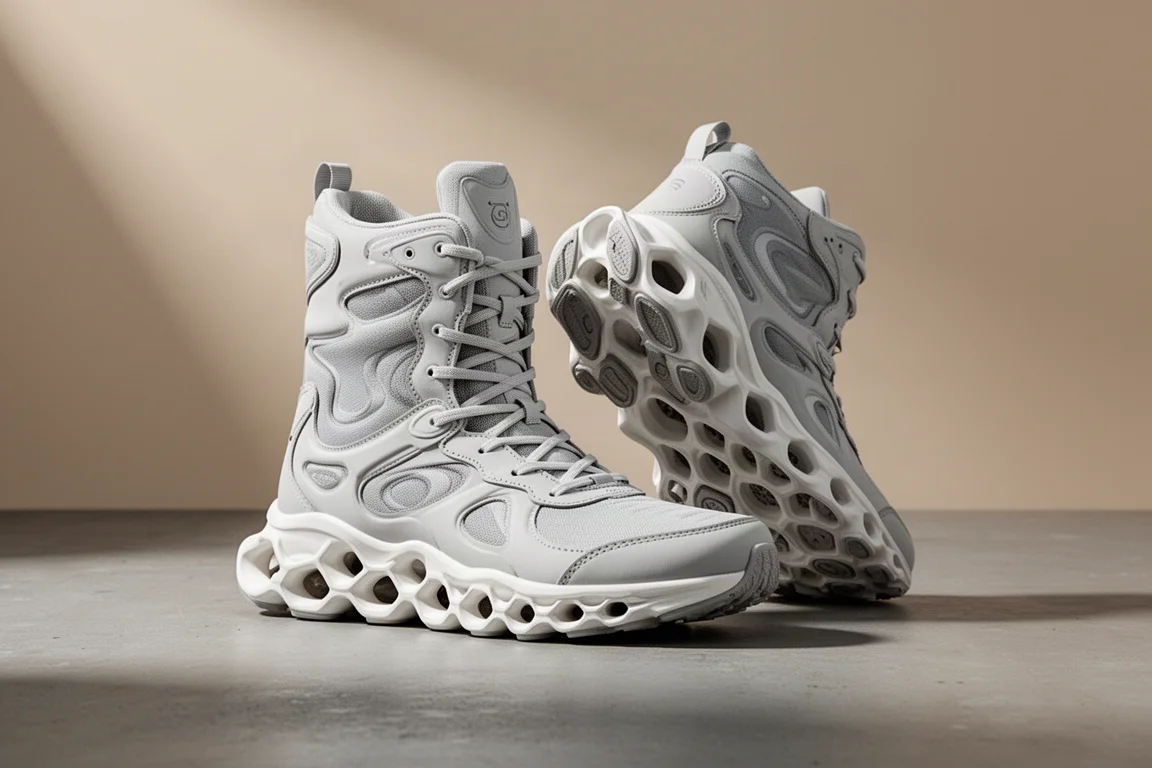
On playfully calls the Cloudmonster weird. The more useful question is whether it works, and after a first 10-mile test run the answer is a cautious but genuine yes. This is On’s tallest-stacked shoe ever, and it is also the first On shoe where the brand’s signature CloudTec midsole concept finally feels like it is doing something real rather than acting as a gimmick.
Below is a breakdown of how the Cloudmonster is built, how it runs, and how it stacks up against the Cloudstratus, which is the more natural alternative for many cushioned daily trainer buyers.
The Tech Underfoot: Helion Foam, CloudTec, and the Speedboard
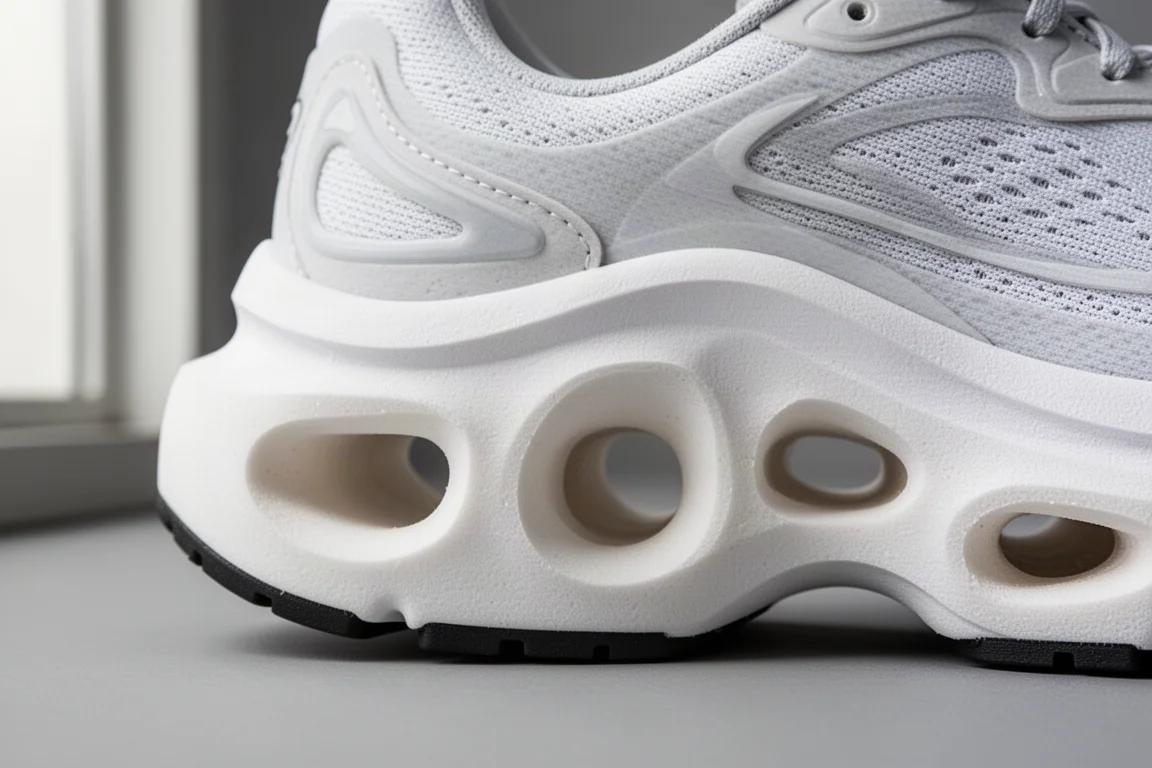
The numbers alone tell you this is a different kind of On shoe. The Cloudmonster carries a 30 mm heel stack with a 6 mm drop, leaving 24 mm of midsole in the forefoot. Inside that midsole sits On’s Helion foam, arranged into the large bubble-like CloudTec chambers the brand is known for. As your foot lands, those chambers compress and absorb impact; as you push off, they decompress and deliver a springy, propulsive sensation.
To keep all that compression from feeling unstable, On adds two stabilizing elements: a guide channel that directs compression forward, and a speedboard, a firm plastic plate that works a bit like a carbon fiber plate by adding stability and returning energy as the foot lifts off.

The outsole uses strategically placed rubber patches, with some Helion foam left exposed. Grip has historically been a strength of On’s outsole approach, and the weight-conscious placement of rubber carries over here. One detail worth noting: the forefoot rubber is noticeably thinner than the rear rubber, which suggests the design priorities long-term wear where heel strikers need it most.
Upper, Fit, and Sustainability
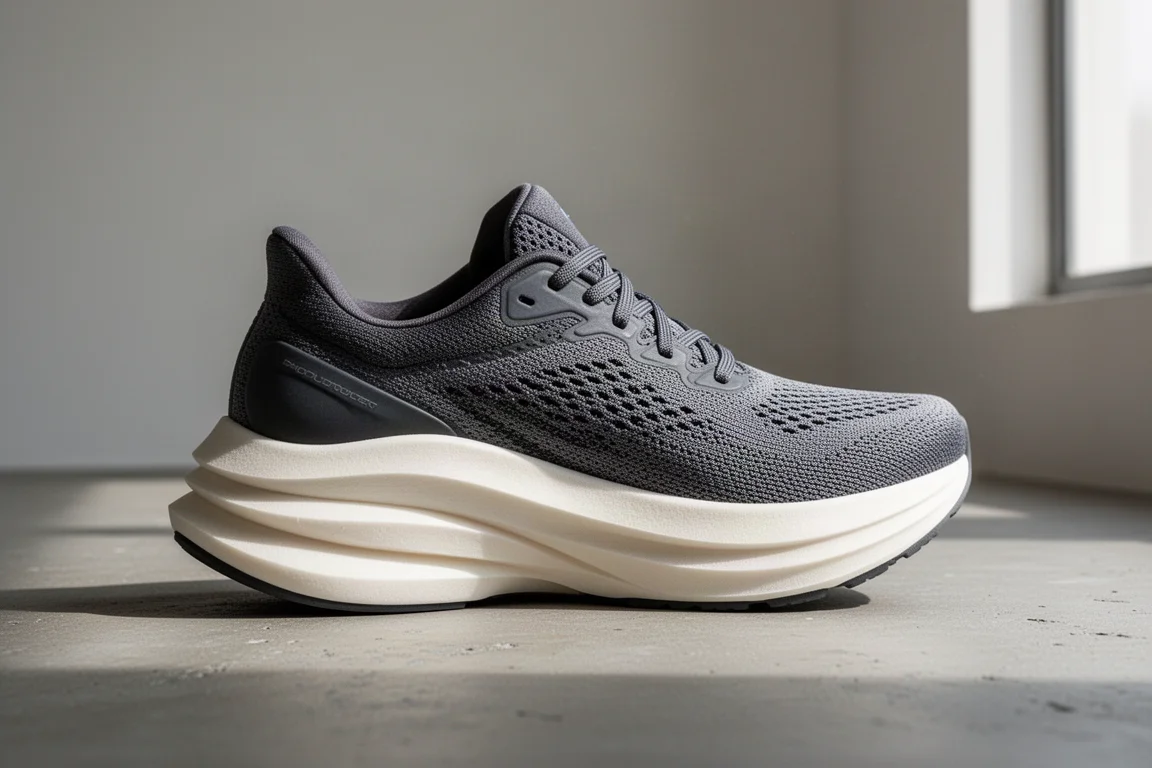
The upper is a slight departure from On’s usual refined construction. It still looks unmistakably like an On shoe and the heel cup still feels like one, with minimal padding and little internal structure, so the fit itself does the work of holding your foot secure rather than plastic reinforcements. TPU elements spelling out CloudTec add a bit of structure and some weather protection, though the design is simpler than what you might expect from the brand.
Sustainability is a genuine part of the story here: 80% of the polyester in the upper is recycled content, and the TPU elements are reportedly 100% recycled. The lacing system is minimal, letting the giant midsole bubbles be the headline. Stated weight comes in at 9.7 oz.
What the First Run Felt Like
Over a 10.44-mile easy run at roughly 8:30 per mile, the Cloudmonster delivered the most enjoyable On experience yet. The sponginess, springiness, and bounciness of those big midsole chambers feel genuinely present: the shoe compresses pleasantly on landing and works with you on toe-off. It is the first On shoe where the form finally seems to match the intended function, and it is easy to see why On started here rather than with smaller chambers.

That said, buyers should calibrate expectations on the “max cushion” label. Although the stack is tall and the shoe looks the part, it does not feel especially plush underfoot. The speedboard sits close beneath your foot and keeps things from getting too squishy, so despite significant compression there is not a lot of softness on landing.
There is also a rhythm to how the clouds compress and decompress, and that rhythm matters. At slower paces the shoe’s cadence and your stride can fall out of sync. Once you settle at an easy pace or slightly quicker, the shoe fades into the background and the miles start flowing. The Cloudmonster rewards a committed cadence more than a shuffle.
The Alternative: On Cloudstratus
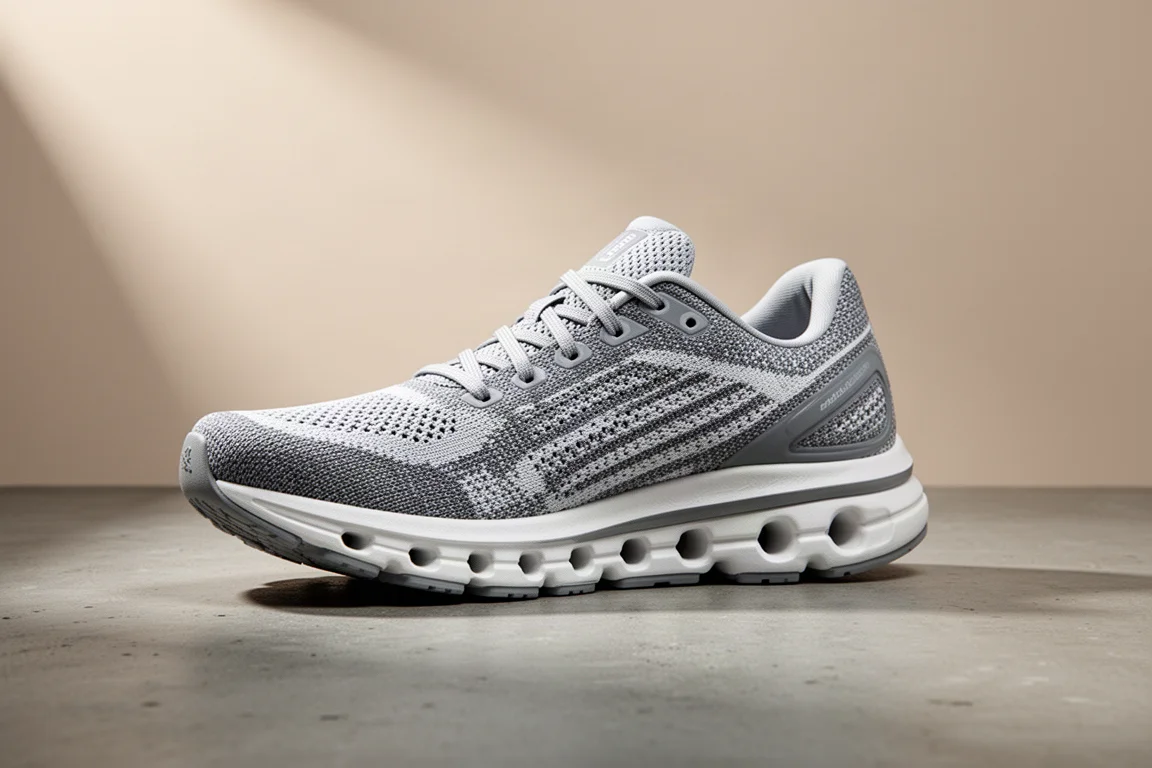
The Cloudstratus uses a double stack of smaller CloudTec chambers, and after roughly 100 miles it proved an easy shoe to enjoy. It is the more classically On product of the two: the styling is more distinctive and more traditionally On, and the fit feels more dialed in and tailored, both while running and when wearing the shoe casually.
How to Choose Between the Cloudmonster and Cloudstratus
Both sit in On’s more cushioned daily trainer bracket, so the choice comes down to how you run and what you want the shoe to look like.
The Cloudmonster bounces and squishes more. Forefoot strikers are the natural audience for that extra compression under the front of the shoe. The Cloudstratus suits runners who roll through the foot strike, from midfoot through heel striking, because the double stack of smaller chambers distributes impact across the whole foot.
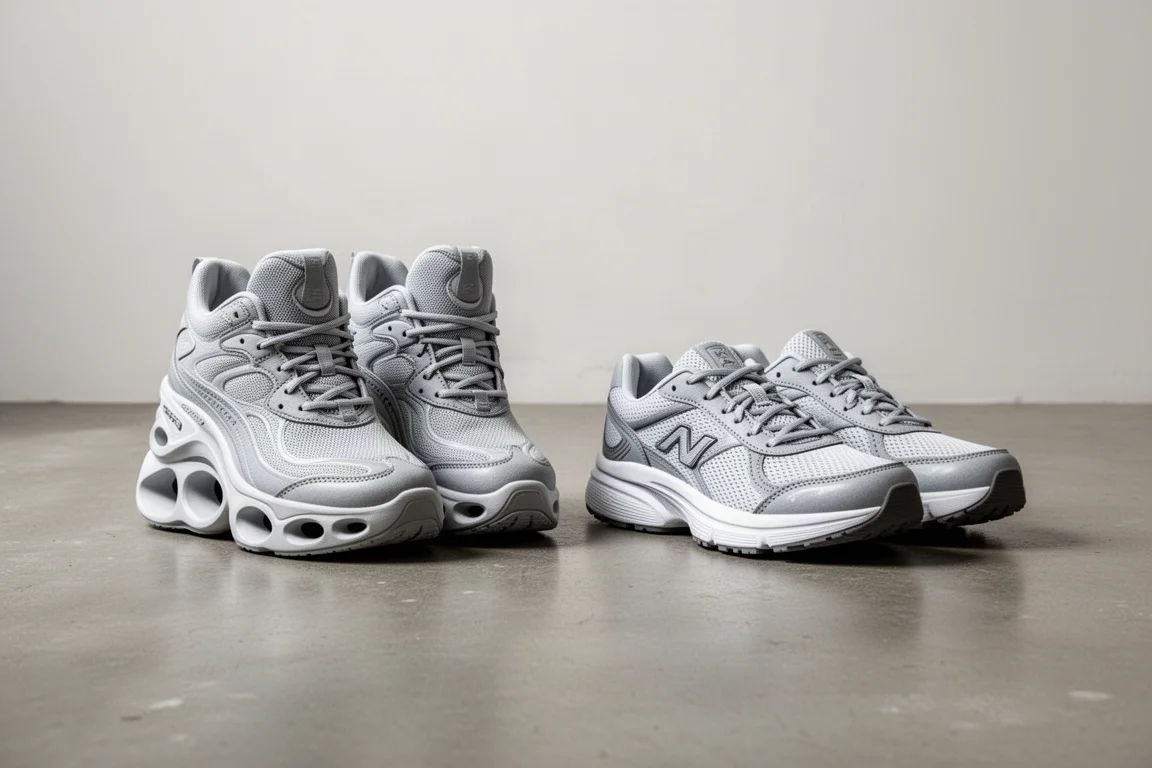
Aesthetics and fit push in the same direction. The Cloudstratus looks more squarely On and fits more tailored; the Cloudmonster is harder to love as a casual wear option. If you want one shoe that transitions from running to everyday wear more gracefully, the Cloudstratus has the edge.
Conclusion
The Cloudmonster is not a bargain daily trainer, and it is not a true plush max-cushion shoe despite its looks. What it is, is the clearest expression of what On’s CloudTec is supposed to feel like, with more bounce and more compression than any previous On shoe. If you have been curious about On and want to finally understand the CloudTec idea, this is the shoe to start with. If you roll through your foot strike and prefer a more traditional On fit and look, the Cloudstratus remains the smarter pick.
Further reading
Related Reviews

Running Shoes
Best Road-to-Trail Running Shoes: Three Versatile Options for Mixed Terrain
A practical guide to three road-to-trail running shoes that handle both pavement and mild trails, with clear strengths and trade-offs for different runner types.

Running Shoes
Best Running Shoes for Achilles Tendonitis: Three Options Explained
Three running shoes with different heel drops and support features designed to help reduce Achilles tendon pain during walking and running.

Running Shoes
Best Running Shoes for Women: Five Top Choices Ranked
A ranked guide to five women's running shoes, from versatile daily trainers to high-performance racing options, with real strengths and trade-offs for each.