Running Shoes
On Cloudmonster vs Cloudrunner vs Cloud Go: Which Running Shoe Should You Buy?
Three new On road running shoes compared: the maximalist Cloudmonster, the stable Cloudrunner, and the new Cloud Go. Here is how each shoe rides and who it suits best.
Introduction
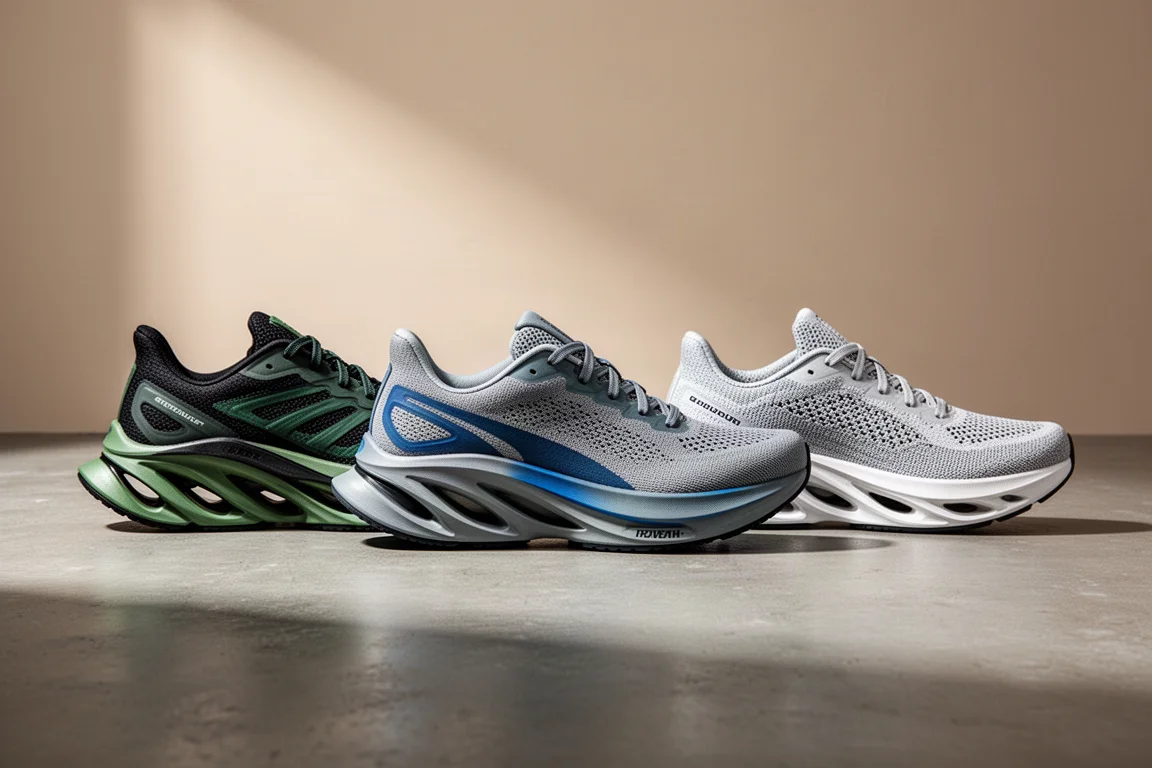
On has released three new road running models in four months, and the trio covers a wide range of runners. The Cloudmonster is the maximalist option, the Cloudrunner is the supportive everyday trainer, and the Cloud Go is the newest of the three, positioned between the other two. This guide breaks down how each shoe rides, what each one is built for, and who it suits best.
How the Three On Shoes Compare
The three models share On’s signature segmented cushioning look, but they ride very differently. The Cloudmonster uses the biggest CloudTec elements in the lineup and a bold rocker shape for a highly cushioned, forward-rolling feel. The Cloudrunner is more conservative, with a softer foam and a stable, predictable platform for easy miles. The Cloud Go blends both ideas: more energy than the Cloudrunner but less extreme than the Cloudmonster, in a lighter package.
All three shoes are road-focused and each one uses a TPU Speedboard in the midsole. The main differences come down to foam choice, ride character and weight, and the uppers are quite different too, especially on the new Cloud Go.
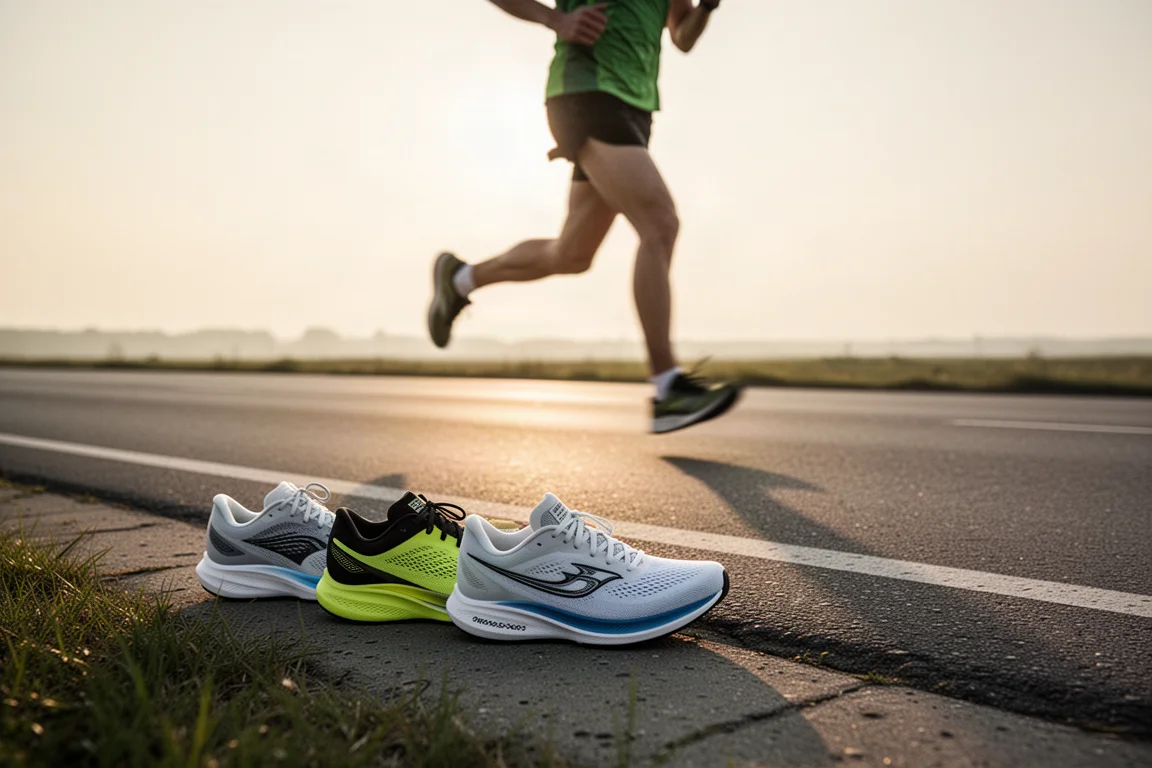
That combination of shared components and different tuning makes the choice fairly simple once you know what kind of running you are buying for.
On Cloudmonster: Maximum Cushioning for Long Runs
The Cloudmonster is On’s answer to maximalist shoes. It packs an extreme amount of cushioning, the biggest CloudTec elements On has ever used, and a bold rocker shape that rolls the foot forward. The midsole is made of Helion Superfoam, which offers good durability and temperature resistance, so the shoe should not get soft and squishy on a hot day. That foam is built onto a TPU Speedboard with a 6 mm heel-to-toe drop.
Despite the stack height, the Cloudmonster stays surprisingly light at 275 g. It is built for the long run rather than speed sessions or race day, but the foam does return a surprising amount of energy. The shoe is already available for $170 or £150, and it comes in several colorways.
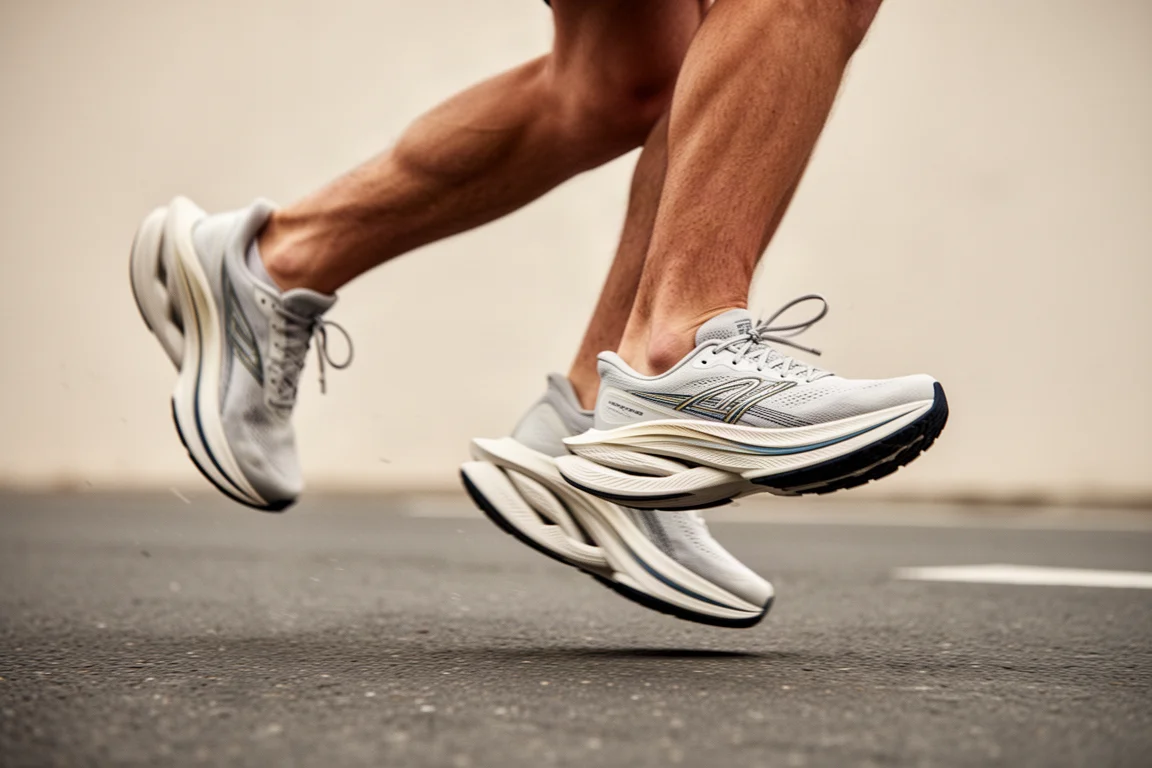
As a buying decision, the Cloudmonster suits runners who want maximum cushioning without a heavy feel. The rocker is quite pronounced, so it is worth considering whether you enjoy a strong forward-rolling feel before you commit. If you do, this is one of the most comfortable long-run options in the lineup.
On Cloudrunner: The Supportive Everyday Option
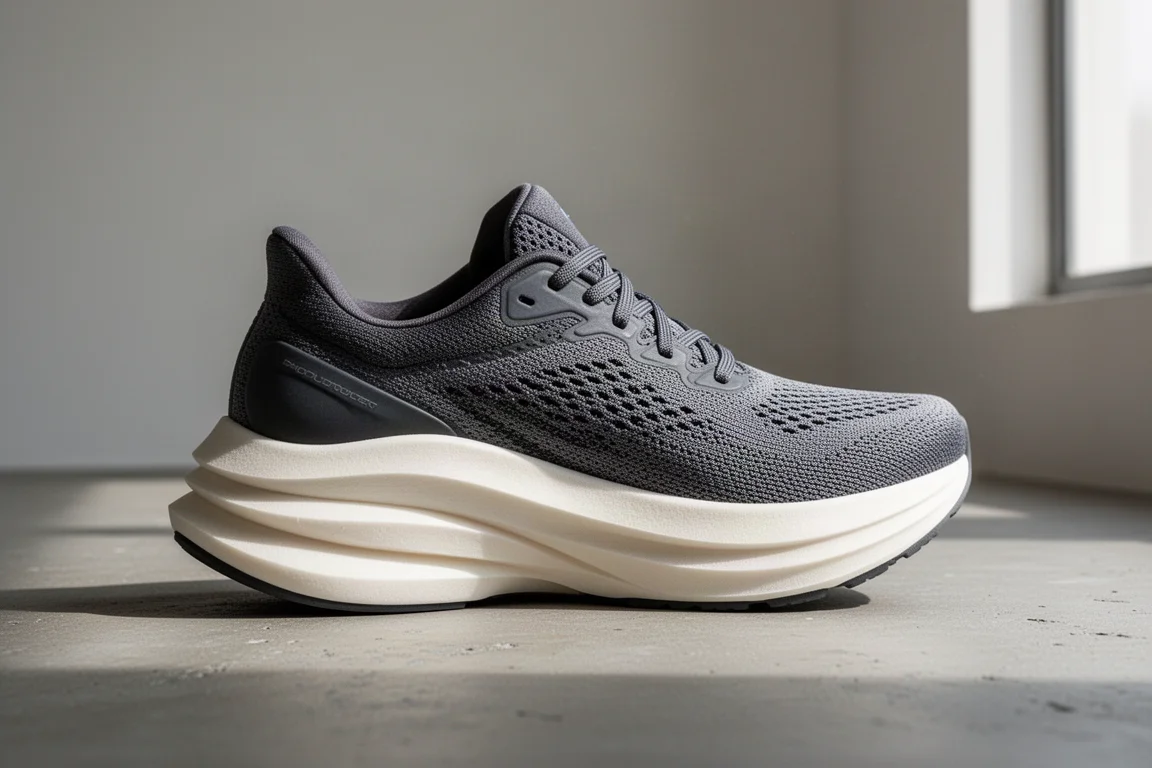
The Cloudrunner is On’s everyday supportive runner. Compared with the Cloudmonster it is a lot more conservative and predictable, but it still features the brand’s CloudTec cushioning. The midsole uses On’s softer Zero Gravity foam, which gives a softer and more forgiving ride, and there is a TPU Speedboard inside as well. The heel-to-toe drop is 9 mm.
The upper feels more plush and comfortable than the Cloudmonster’s, and the ride is designed to be supportive over medium distances. If you are just starting out, coming back from injury, or simply like your shoes to be more stable and predictable, this is probably a good fit. It is slightly heavier at 300 g (US 8.5), and it does not feel as bouncy as the other shoes in this lineup, which is the trade-off for extra stability. The more traditional look will also appeal to plenty of runners. The Cloudrunner is available for $140 or £130.
On Cloud Go: The New Middle Ground
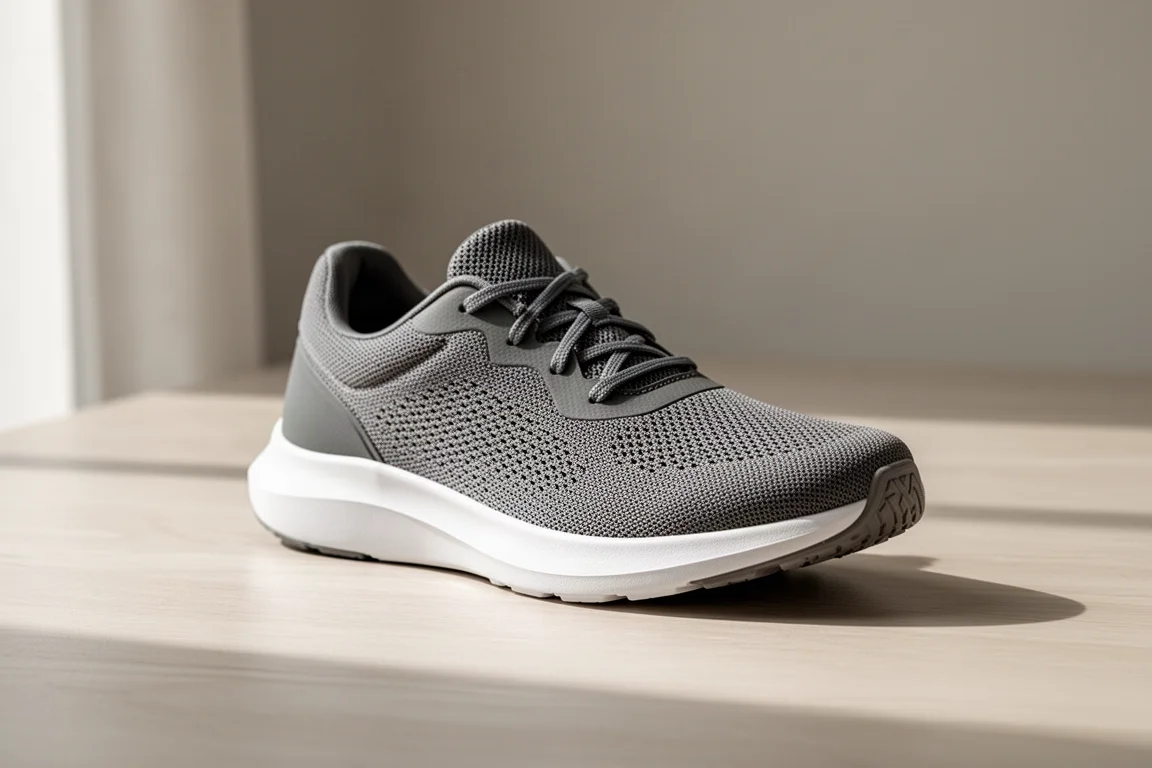
The Cloud Go is the newest release, and it is aimed at runners who are torn between the Cloudmonster and the Cloudrunner. It is not as extreme as the Cloudmonster, but it feels a lot more bouncy and energetic than the Cloudrunner. The midsole uses Helion Superfoam like the Cloudmonster, built onto a TPU Speedboard with a rocker shape that is not quite as aggressive. At 255 g (US 8.5), it is the lightest of the three, which helps it feel lively on the run.
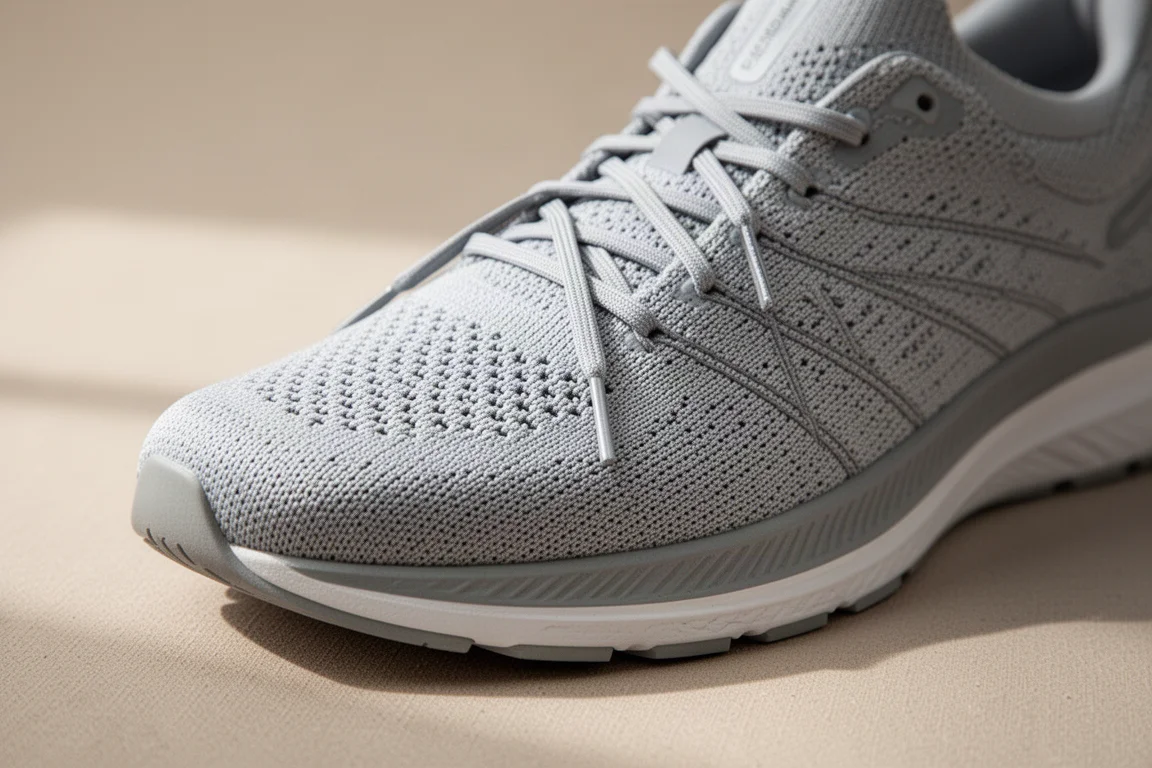
The upper uses a knit weave that promises comfort and flexibility, with support lines built in that On calls lines of non-extension. That is a fancy way of saying the lines do not stretch, so the shoe keeps its shape while you move. The lacing extends all the way down over the toe box at an angle, which should help create a more snug fit. Underneath, rubber pads are placed only in the highest-friction areas, which is where some of the weight saving comes from. On has also closed the outsole channel that occasionally picked up stones on earlier models, a small but welcome change for anyone who runs on mixed surfaces.
The Cloud Go is not a support shoe, so it is best for well-balanced runners or neutral foot strikers. The Helion Superfoam and CloudTec elements keep the ride forgiving while still feeling energetic, and the result is a light, responsive, comfortable shoe featuring Swiss engineering at a very reasonable price. At $140 or £130, it costs the same as the Cloudrunner. If you are training for your first triathlon and do not want to break the bank on carbon super shoes, this is a strong candidate.
Which On Shoe Should You Buy?
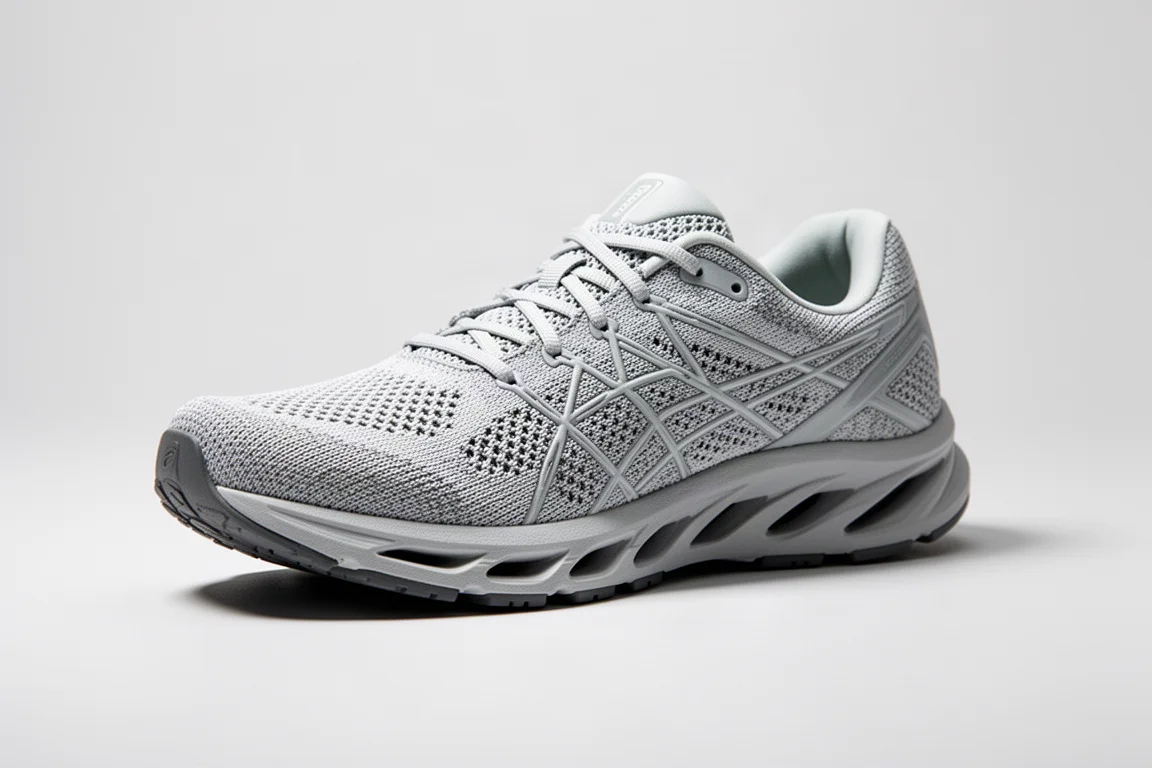
The choice comes down to how and where you run. If you want maximum cushioning, a bold rocker and long-run comfort, the Cloudmonster is the pick. If you want a stable, plush, predictable everyday trainer for medium distances, the Cloudrunner is the safer choice. If you want the middle ground, the Cloud Go delivers more energy than the Cloudrunner, a lighter feel than both, and a price that matches the Cloudrunner.

For most buyers, this is about ride character rather than quality. All three are well-made road shoes, and the Cloud Go’s combination of light weight, energetic foam and sensible price makes it the most interesting option for runners who want a daily trainer with a bit more life in it. Think about your foot strike, the distances you run, and whether you enjoy a strong rocker or a more conventional ride, and the right model should become clear.
Conclusion
On’s three new road shoes cover a broad range of runners. The Cloudmonster brings generous cushioning and energy return for long runs, the Cloudrunner delivers a stable and plush everyday ride, and the Cloud Go lands in the middle with a light, responsive feel and a price that is hard to argue with. Match the shoe to your running style and any of the three will be a solid pick.
Further reading
Related Reviews

Running Shoes
Best Road-to-Trail Running Shoes: Three Versatile Options for Mixed Terrain
A practical guide to three road-to-trail running shoes that handle both pavement and mild trails, with clear strengths and trade-offs for different runner types.

Running Shoes
Best Running Shoes for Achilles Tendonitis: Three Options Explained
Three running shoes with different heel drops and support features designed to help reduce Achilles tendon pain during walking and running.

Running Shoes
Best Running Shoes for Women: Five Top Choices Ranked
A ranked guide to five women's running shoes, from versatile daily trainers to high-performance racing options, with real strengths and trade-offs for each.