Running Shoes
On Cloudmonster vs Asics Novablast 3: Which Big Daily Trainer Deserves Your Money?
Two max-cushion daily trainers compared on ride, fit, stability, grip, and value to help you pick the right easy-run shoe.
Introduction
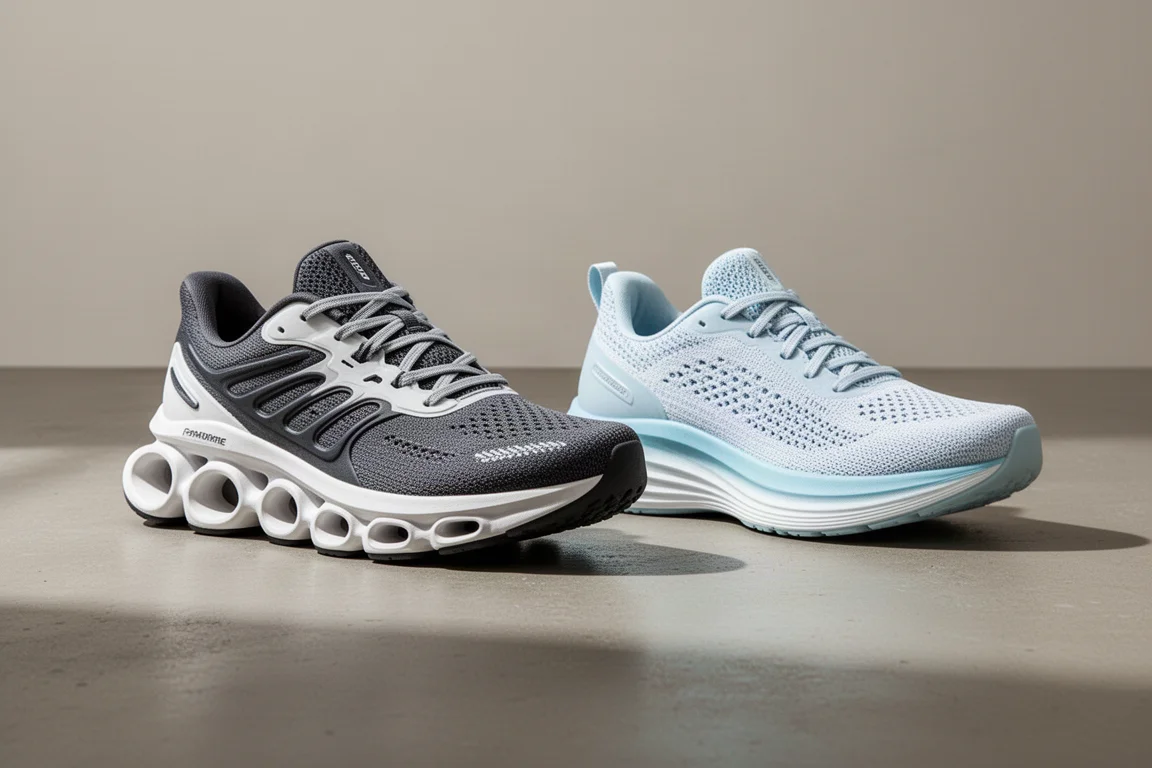
Big, cushioned daily trainers are everywhere right now, and two of the most talked-about options are the On Cloudmonster and the Asics Novablast 3. The Cloudmonster arrived as On’s softest, biggest shoe to date, while the Novablast 3 carries some serious upgrades into its third generation. Both are built to make easy miles feel effortless, but they go about it in noticeably different ways.
Key Specs at a Glance
On paper, these shoes are closer than you might expect. Both share an 8mm heel-to-toe drop. The Novablast 3 weighs 8.9 ounces (253g) in a UK men’s size 8.5, while the Cloudmonster comes in heavier at 9.7 ounces (276g). On pricing, the Novablast 3 lists at £135 in the UK or $140 in the US, and the Cloudmonster sits a chunk more expensive at £150 in the UK or $170 in the US.
The Novablast 3’s third generation brings a new FF Blast Plus cushioning midsole, a slightly higher stack than the previous version, and a shoe that is 30 grams lighter than its predecessor despite the extra foam. The Cloudmonster leans on On’s biggest CloudTec elements ever, made from Helion super foam, paired with a Speedboard and pronounced rocker geometry for soft landings and maximum rebound.

Design and Upper Comparison
Both shoes use dense, tightly knit mesh uppers with generous padding, and both feel like serious, well-built trainers. The Novablast 3 adds noticeably thicker padding around the heel collar plus overlays for stability, and it uses a gusseted tongue. The Cloudmonster goes for more of a bootie-style fit, though both tongues are thin and wrap the foot well.
There are geometry differences worth knowing about too. The Novablast 3 runs slightly wider at the base: about 12cm across the widest mid-to-forefoot section and 9.5cm at the heel, compared with 11cm and 9cm on the Cloudmonster. On the outsole, both use strategically placed rubber for grip and durability, though the Novablast 3 appears to carry a bit more rubber coverage overall, while the Cloudmonster leaves more of its midsole exposed between the main impact zones.
Fit and Sizing
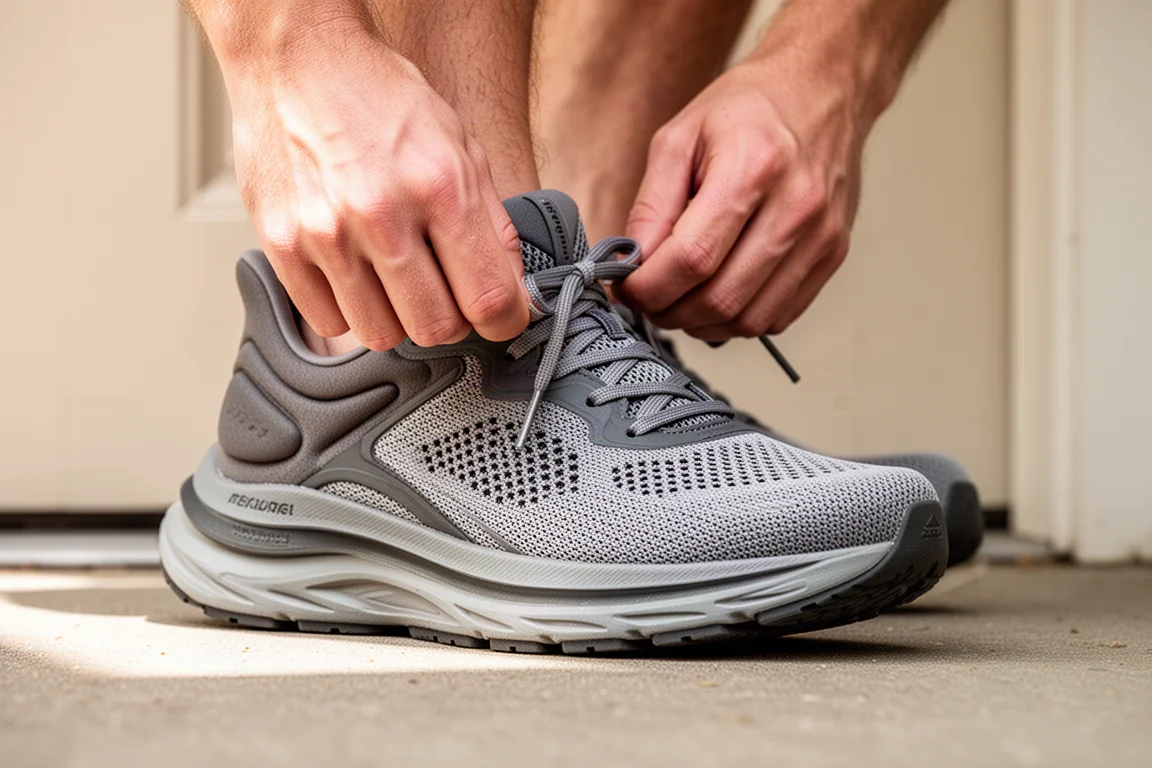
The Cloudmonster fits true to size and delivers a comfortable, locked-down feel with well-cushioned heel collars and a fairly wide toe box. The Novablast 3 runs noticeably long, feeling almost a thumb’s width extra in the toe box. It still fits well around the midfoot and heel, but going half a size down is the smarter move for a more compact, secure fit on the foot.
How They Perform on the Run
The key difference between these two comes down to how their foams feel underfoot. The Novablast 3 sinks a bit lower, feels softer, and is springier, with that lively bounce Asics fans expect. The Cloudmonster compresses more than most On shoes but still delivers a slightly firmer ride, relying heavily on its rocker geometry to keep you rolling forward and make easy running feel effortless.
In a side-by-side test wearing one shoe on each foot, the differences became clear. Both offer excellent instant step-in comfort, and the uppers feel surprisingly similar with good width across the midfoot and room in the toe box. The extra weight of the Cloudmonster was barely noticeable in motion, partly because the longer Novablast 3 feels like more shoe on the foot. Overall, the Cloudmonster feels a touch more agile and nimble, and its firmer, more grounded ride edges ahead on stability, even though the Novablast 3’s wider base adds reassurance to its softer platform.
Both shoes work best in the easy-to-medium pace bracket. They make excellent easy-day, low-heart-rate plodding shoes, and both can handle steady runs, though neither truly shines when you push the pace. The Novablast 3 is arguably the more versatile of the pair with its livelier ride, but the Cloudmonster is more reliable and smooth, and it makes a genuinely good long, slow-distance shoe.
Durability and Grip
Both shoes feel built to last and handle long miles without major problems. After roughly two to three hundred miles, the Cloudmonster showed some expected rubber wear in the key impact zones, particularly at the heel, which seems acceptable for that mileage.
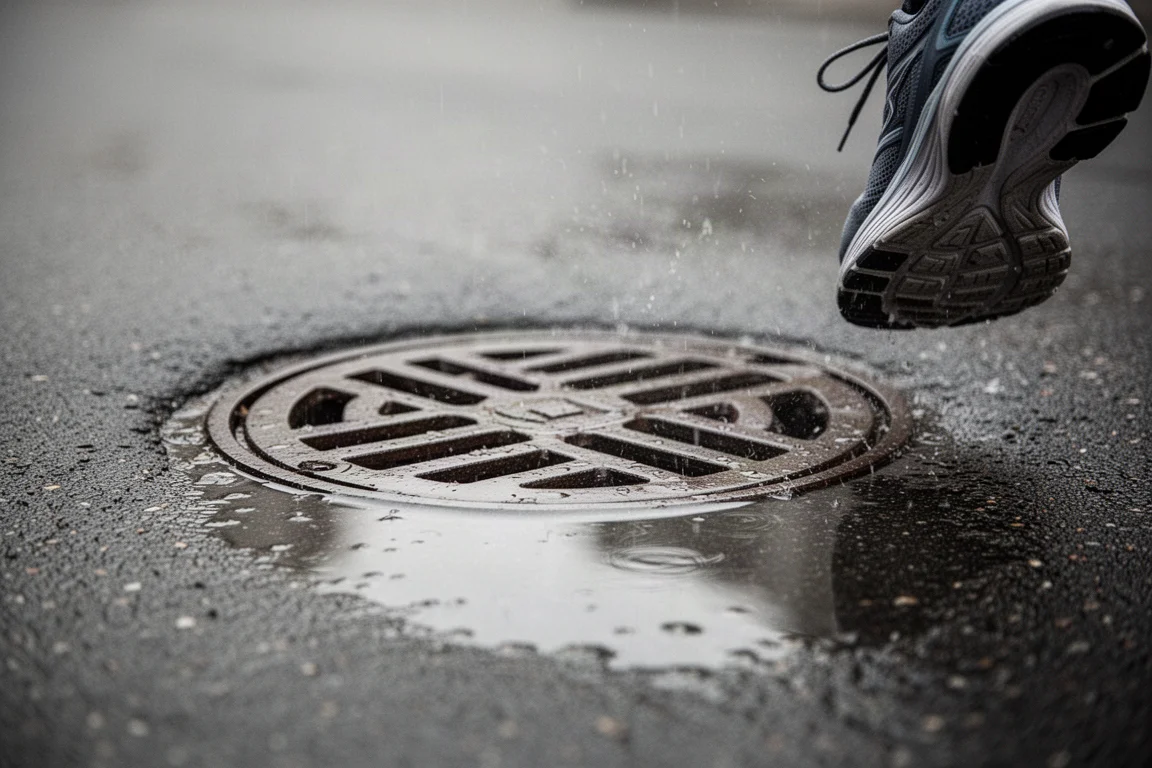
On grip, the Cloudmonster’s textured outsole performs slightly better on wet roads, especially over metal drain covers. The Novablast 3 felt slick in wet conditions for its first couple of runs, but the outsole roughs up after four to six runs and grip improves noticeably, with no issues even on steep wet descents later in testing. Neither outsole is exceptional, and both are clearly road shoes, but both are fine in wet conditions once broken in.
Which One Should You Buy?
If you want a firmer, more stable, rocker-driven ride with a disappearing feel on the foot, the Cloudmonster is the pick, despite the higher price. If you prefer a softer, bouncier, more modern-feeling ride and want to save a little money, the Novablast 3 makes more sense, and its softness is exactly what has made it so popular with many runners.
For easy to medium-pace daily training, both are genuinely good shoes. The choice really comes down to ride preference: a firmer, rolling rocker feel versus softer cushioning with a touch more spring.
Conclusion
The On Cloudmonster and Asics Novablast 3 are two of the more characterful max-cushion daily trainers available, and both do their best work on slower, easier runs. The Cloudmonster wins on stability, wet grip, and that smooth rocker ride, while the Novablast 3 counters with a bouncier feel, a lighter claimed weight, and a lower price. Pick the ride character that suits your daily miles and you will be happy with either.
Product link
View more details for On Cloudmonster
This product is mentioned in the review. Check the specifications, options, and compatibility before buying.
View more details for On CloudmonsterFurther reading
Related Reviews

Running Shoes
Best Road-to-Trail Running Shoes: Three Versatile Options for Mixed Terrain
A practical guide to three road-to-trail running shoes that handle both pavement and mild trails, with clear strengths and trade-offs for different runner types.

Running Shoes
Best Running Shoes for Achilles Tendonitis: Three Options Explained
Three running shoes with different heel drops and support features designed to help reduce Achilles tendon pain during walking and running.

Running Shoes
Best Running Shoes for Women: Five Top Choices Ranked
A ranked guide to five women's running shoes, from versatile daily trainers to high-performance racing options, with real strengths and trade-offs for each.