Running Shoes
On Cloudmonster Hyper vs Asics Superblast vs New Balance SC Trainer V2: Premium Training Shoes Compared
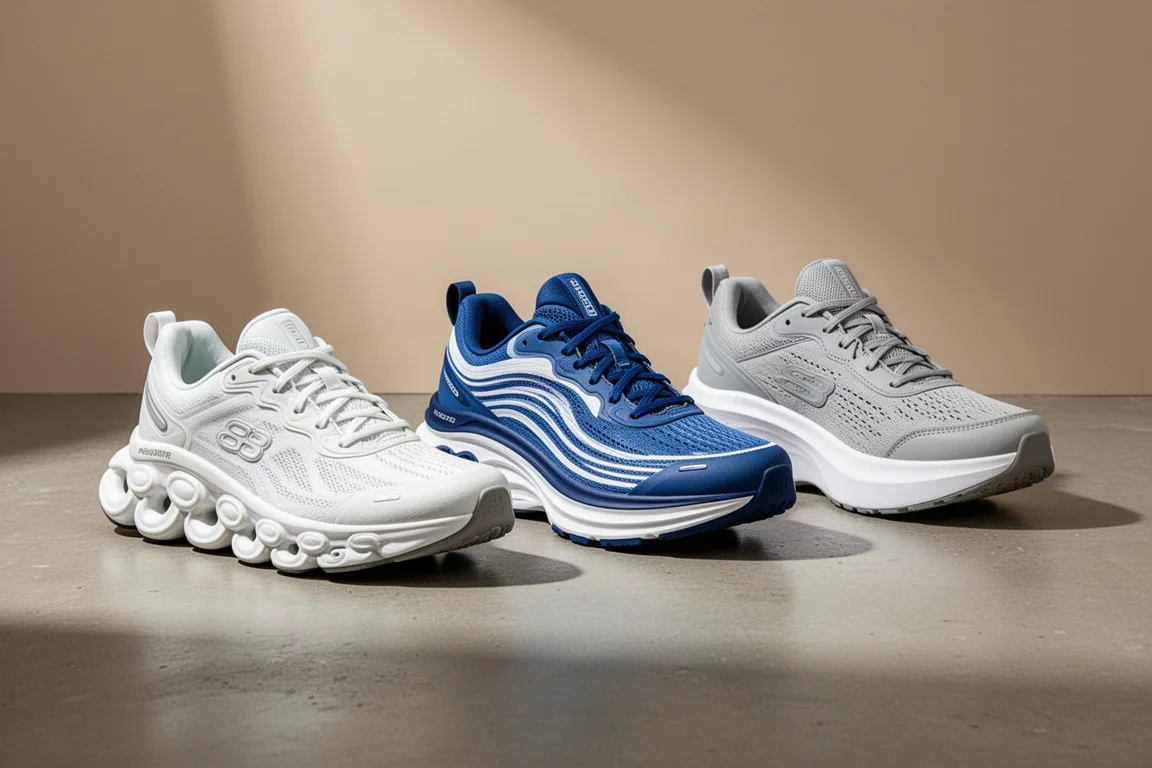
Three high-priced dual-foam trainers go head to head: the On Cloudmonster Hyper, Asics Superblast, and New Balance SC Trainer V2, each with a different take on the do-it-all premium trainer.
Introduction
Premium trainers that mix racing foam with everyday comfort have become one of the most competitive categories in running shoes. Three of the most talked-about options sit at the top of the price range: the On Cloudmonster Hyper at $220, the Asics Superblast at $180, and the New Balance SC Trainer V2 at $200. All three promise a shoe that can handle long miles, recovery runs, and faster work, but they get there in noticeably different ways.
After putting real training miles into all three, including threshold workouts and long runs, the differences come down to ride character, weight, and how you classify the shoe in the first place.
Why These Three Shoes
The comparison makes sense because all three share the same basic formula: a premium racing foam up top and a firmer support structure underneath. The Cloudmonster Hyper uses PEBA foam layered over a firmer EVA carrier with CloudTec pods. The Superblast uses FF Turbo, Asics’ racing foam, over a thin firmer base layer. And the SC Trainer V2 relies on a big stack of FuelCell, a supercritical EVA TPU blend, with a carbon fiber plate.
Each shoe aims to be a comfortable, accessible everyday trainer taken up a notch, not a max-cushion recovery shoe in the mold of a Nike Pegasus or Asics GEL Nimbus. That distinction matters, because it changes whether the premium price feels justified.
On Cloudmonster Hyper: Structure Without a Plate
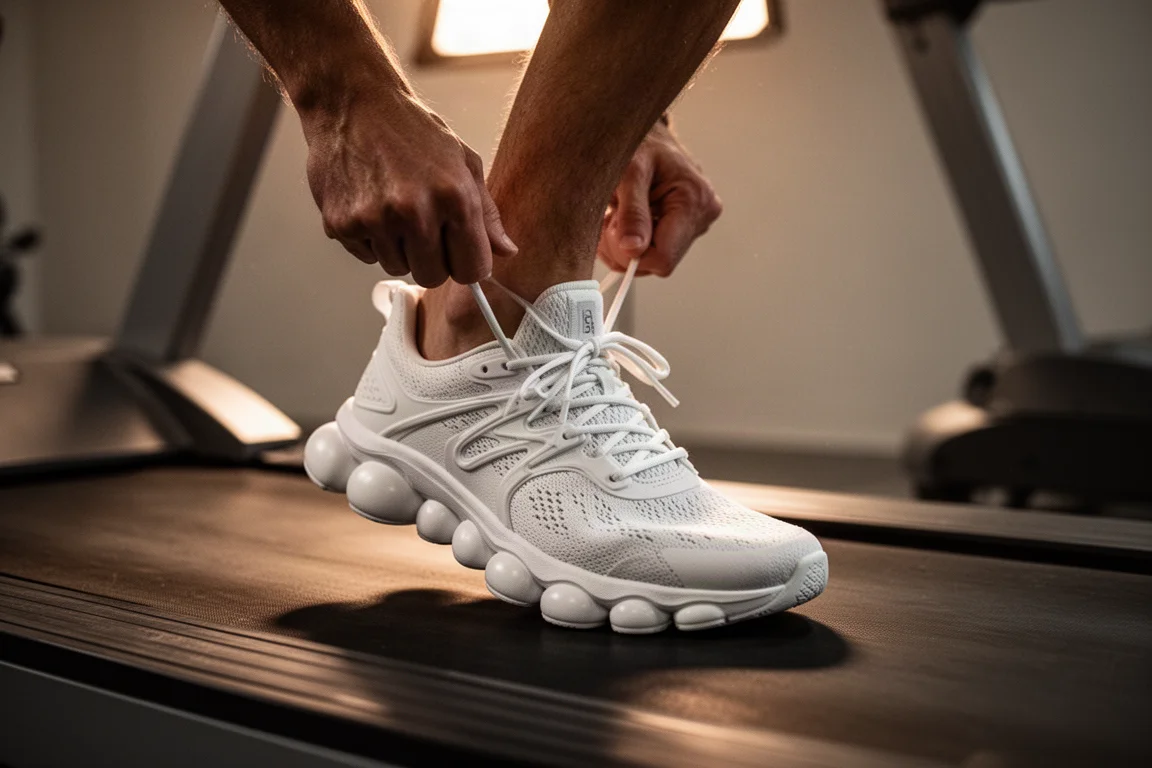
The Cloudmonster Hyper’s fit is close to excellent. The upper is locked in without being tight, with a near racing-shoe feel over the top of the foot and a bit of extra room throughout. Heel lockdown is solid, and runners with narrow feet may want to consider going down half a size. The design language is polarizing, but many will love the look.
Underfoot, the PEBA foam in the forefoot is tuned slightly firmer and denser, with a feel similar to Lightstrike Pro. It responds best when you push force into the ground: at easy paces the shoe feels a touch clunky and heavy, but at marathon pace or faster, and especially with deliberate midfoot and forefoot landings, the forefoot comes alive with bounce and snap. There is no plate here. Instead, the firmer EVA and the wrapped CloudTec pods in the rearfoot act like a stabilizing structure, and the result is a very stable, supportive ride with almost no pronation to worry about.
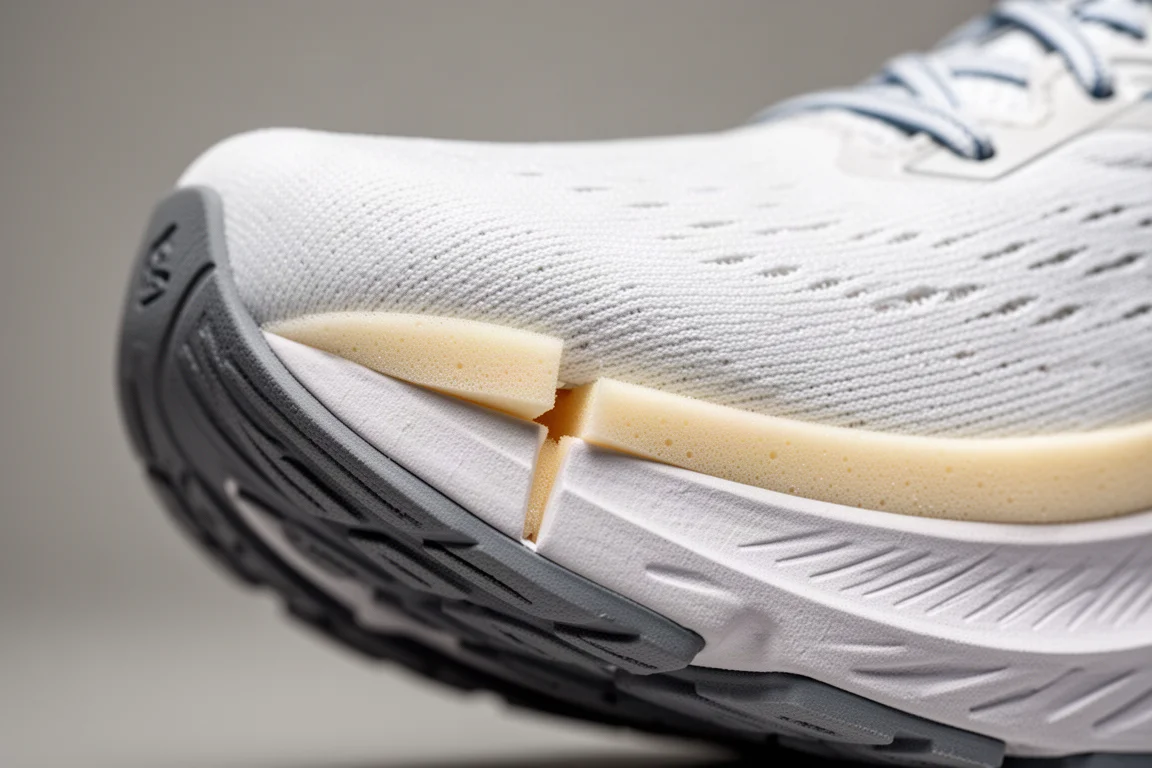
Two quirks are worth knowing. First, there is a visible gap between the EVA carrier and the PEBA slab in the forefoot that closes when you press down; it seems to add a subtle squish-and-release Cloud sensation rather than any dramatic performance effect. Second, at slower paces the upper can produce a faint crinkling flex point at the forefoot, which disappears at faster speeds.
The main downside is weight. Measured at 277g, the Cloudmonster Hyper sits among the heaviest speed-capable trainers, and continuing the CloudTec pods into the forefoot instead of using a lightweight half plate likely costs some of that. It also only uses a full PEBA stack starting under the ball of the foot, so the visible foam is partly an illusion.
At 22 miles in, the shoe delivers excellent stability, support, and a responsive forefoot for faster running. It will not run the workout for you the way an aggressive plated shoe would, but it responds well when the pace rises, and it shines on long efforts where you finish feeling like you could keep going.
Asics Superblast: Comfort First
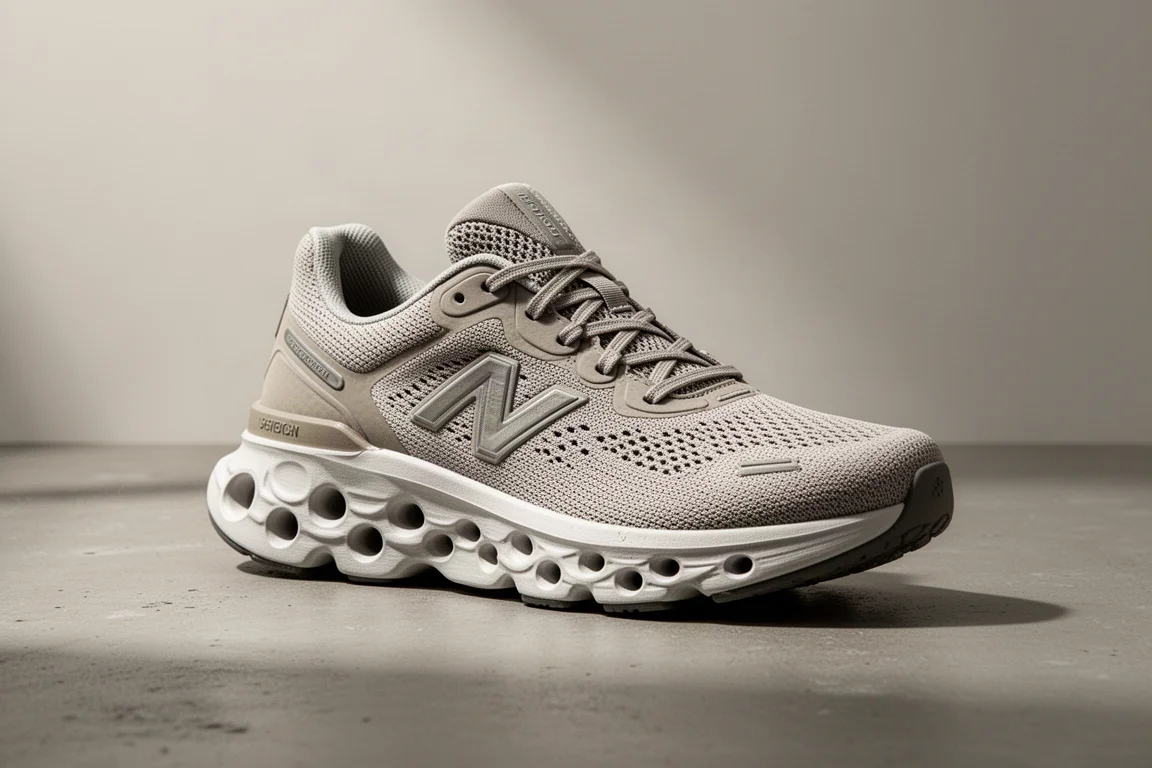
The Superblast, with roughly 90 miles on the test pair, has earned its fan-favorite status largely through comfort. It is the lightest of the three at 264g (about 258g in the tested half-size-up arrangement), and mostly uses FF Turbo racing foam over a thin EVA base.
Where it struggles for some testers is rebound. With so much stack, the ride can feel mushy at times, like sinking into the foam without getting the snap you would expect from a racing compound. Descriptions like “running on oatmeal” or “biting into a meringue cookie” capture the sensation. It is not soft so much as it is plush in an unstructured way.

For easy runs, stroller runs, and pure time on feet, it excels. It is also the pick if you specifically want an un-plated shoe, which many runners do. But among these three, it is hard to name a category where it is clearly the best: the SC Trainer V2 wins on plush time on feet, and the Cloudmonster Hyper wins on forefoot snap and speed work.
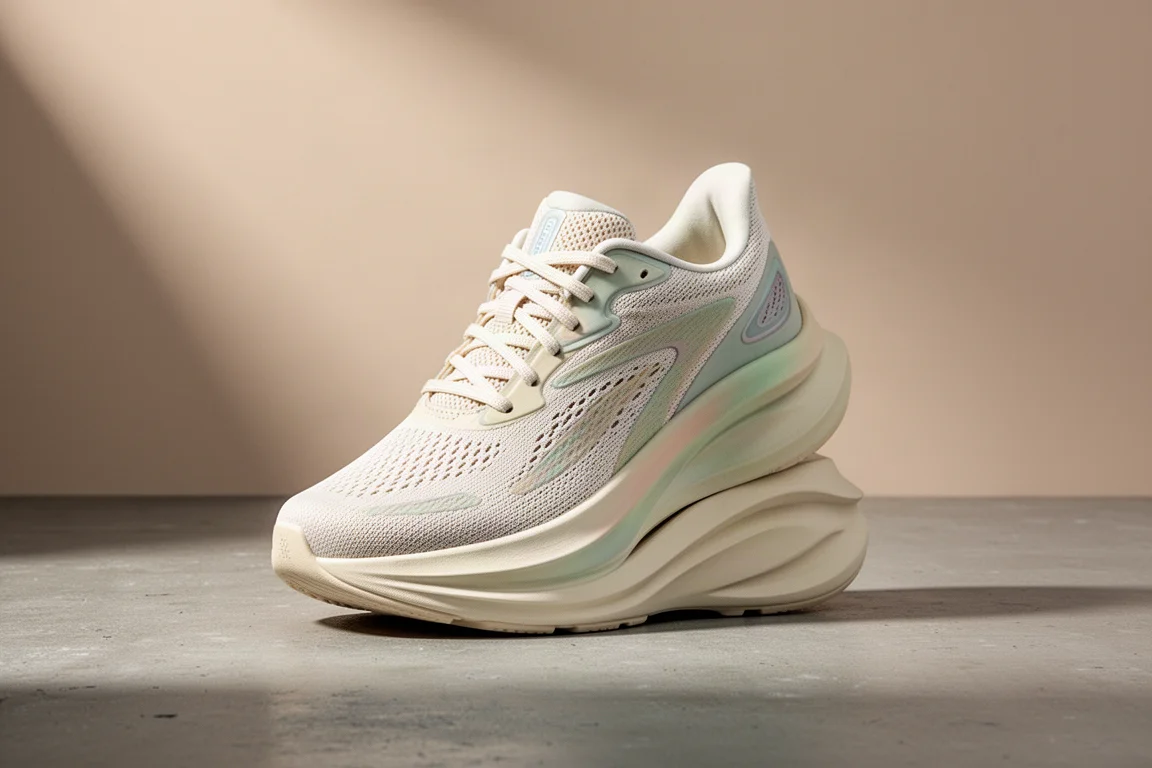
New Balance SC Trainer V2: Plush High-Mileage Comfort
The SC Trainer V2 is built around comfort and volume. Its massive FuelCell stack, a supercritical EVA TPU blend that is denser and therefore heavier than pure racing foams, delivers a soft, protective ride that made it a long-time favorite for long runs and fitness rebuilding. The carbon fiber plate adds structure that keeps the ride from feeling mushy, which is one reason it holds together better than the Superblast on easy days.
It is the heaviest of the three at 290g, and it is not the shoe to reach for when the session calls for speed. But for pure time on feet and long, comfortable miles, it remains the strongest of the trio. It is also the most likely to go on sale: it can be found discounted to around $140, which makes it an outstanding value in this lineup.
View more details for New Balance SC Trainer V2
Weight and Value
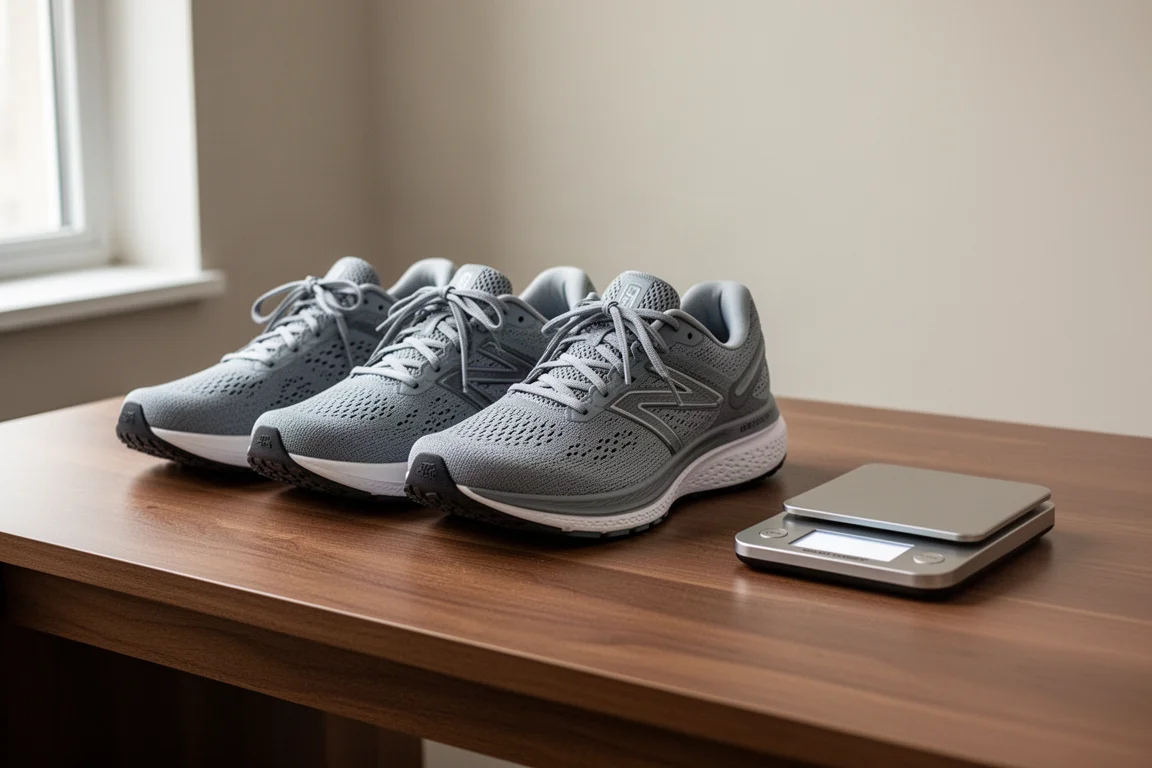
On the scale, the Superblast is lightest at 264g, the Cloudmonster Hyper sits at 277g, and the SC Trainer V2 is heaviest at 290g. The differences come mostly from foam content: the Superblast is mostly FF Turbo with a thin EVA base, while the other two carry more EVA, which is heavier but adds structure and stability.
All three are on the heavy side for speed training shoes, but against everyday and long-run trainers, the weight is far less of an issue. The bigger question is value. The Cloudmonster Hyper carries a $40 premium over both the regular Cloudmonster ($180) and the GEL Nimbus, a similar percentage markup to what Asics charges for the Superblast over the Nimbus. At $220, it is expensive, but it is also aimed squarely at the premium trainer segment rather than the basic daily trainer category.
The classification matters. Call it a daily trainer and the price seems absurd; call it a plated marathon speed training shoe, a competitor to the Superblast and Boston 12, and the premium starts to make more sense. It is best for runners who rotate smart, or for anyone drawn to shoe culture: On has positioned this shoe partly as a fashion piece, and it is likely to show up on plenty of feet well beyond the running community.
Conclusion
Each of these three shoes fills a different slot in a rotation. The SC Trainer V2 is the pick for plush, high-mileage comfort and long-run time on feet, especially at sale prices. The Superblast is the comfortable, un-plated everyday option, though it can feel mushy for faster work. The Cloudmonster Hyper is the best of the three for speed workouts and offers the most forefoot snap, with the caveats of premium pricing and extra weight. For most runners trying to maximize miles per dollar, a well-managed two-shoe rotation of the SC Trainer V2 and the Cloudmonster Hyper covers more ground than any single pair here.
Further reading
Related Reviews

Running Shoes
Best Road-to-Trail Running Shoes: Three Versatile Options for Mixed Terrain
A practical guide to three road-to-trail running shoes that handle both pavement and mild trails, with clear strengths and trade-offs for different runner types.

Running Shoes
Best Running Shoes for Achilles Tendonitis: Three Options Explained
Three running shoes with different heel drops and support features designed to help reduce Achilles tendon pain during walking and running.

Running Shoes
Best Running Shoes for Women: Five Top Choices Ranked
A ranked guide to five women's running shoes, from versatile daily trainers to high-performance racing options, with real strengths and trade-offs for each.