Running Shoes
On Cloudmonster Hyper Review: Specs, Ride Feel, and Smart Alternatives
A max-cushion daily trainer with Pebax foam and no Speedboard. We break down what works, what doesn't, and which alternatives make sense.
Introduction
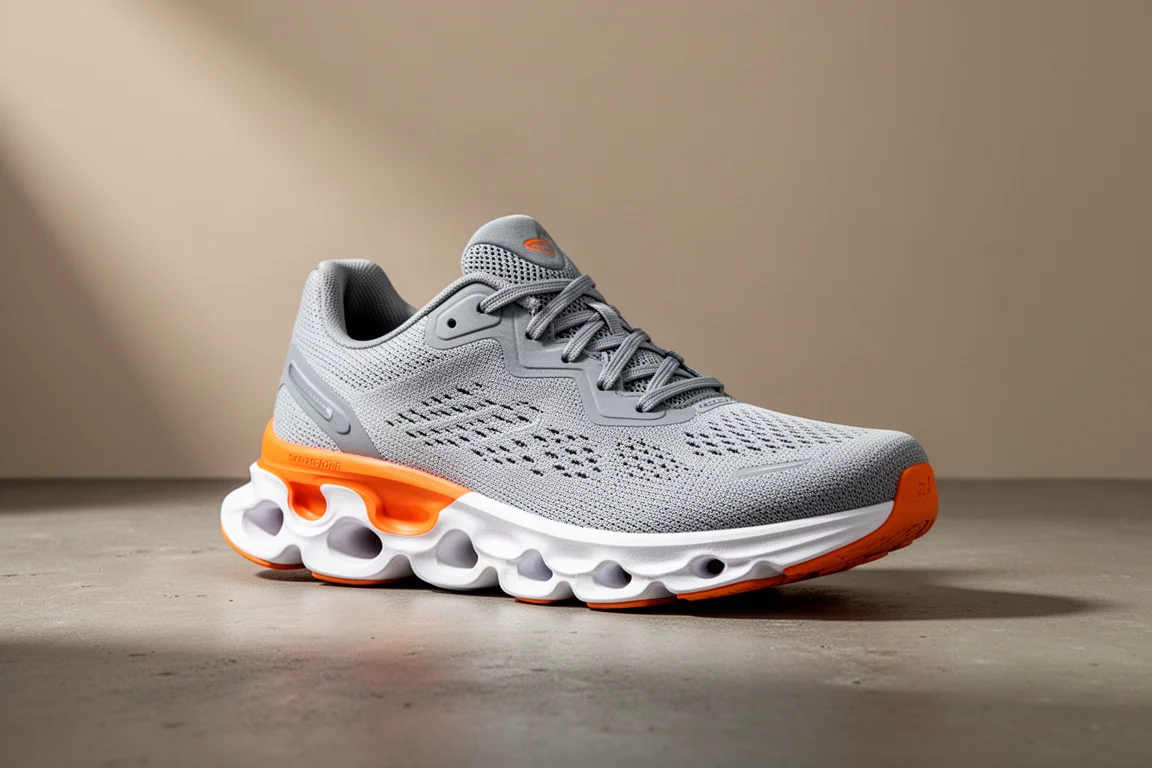
On’s Cloudmonster line has always been about big cushioning, but the new Cloudmonster Hyper takes the formula in a different direction. It removes the Speedboard entirely, adds Pebax foam to the midsole, and drops the stack height conversation into new territory for the brand. It also arrives with a $220 price tag, which raises a fair question about what you actually get for the money. This guide breaks down the Hyper itself, then looks at the alternatives and pairing options worth considering before you spend.
Evaluation Criteria
We focus on four things for a shoe like this: how the ride feels across easy, steady, and faster paces, how the midsole construction actually works, how the fit and comfort hold up, and whether the price matches the experience. Because the Hyper sits in the crowded max-cushion daily trainer space, we also compare it directly against the shoes most likely to be on the same shortlist.
The Main Pick: On Cloudmonster Hyper
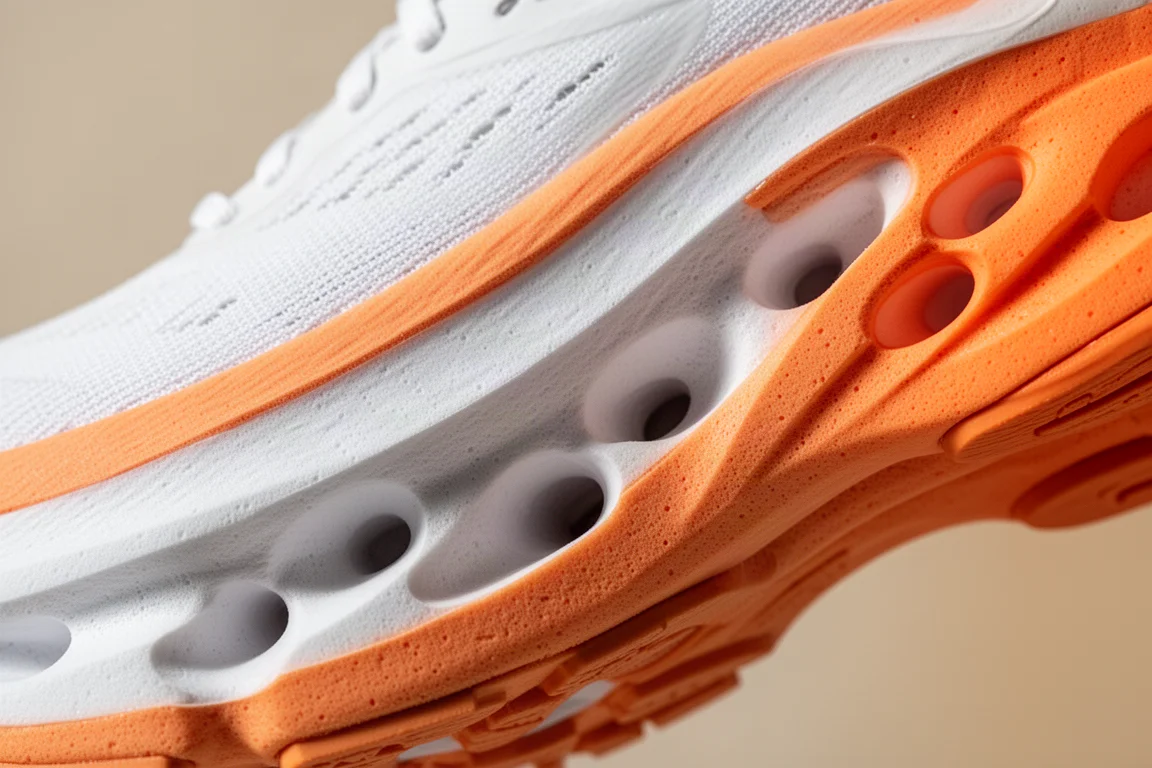
The Cloudmonster Hyper is a 37.5 mm stack height shoe with a 6 mm drop, leaving 31.5 mm of stack in a notably complex midsole. A large white piece of Pebax foam, which On calls Helion HF, extends from the forefoot deep into the rear of the shoe. It is wrapped by the brand’s standard orange Helion foam, which is thin up front and thicker in the heel where the CloudTec cutouts have more room to work. The Speedboard is gone entirely, which lets the midsole materials do more of the talking. Rubber outsole coverage is decent and differentially thick in high-wear areas like the outer heel, and the 22% recycled content comes mostly from the upper, where 92% of the polyester is recycled. At 272 g (9.5 oz), it is the lightest Cloudmonster On has made.
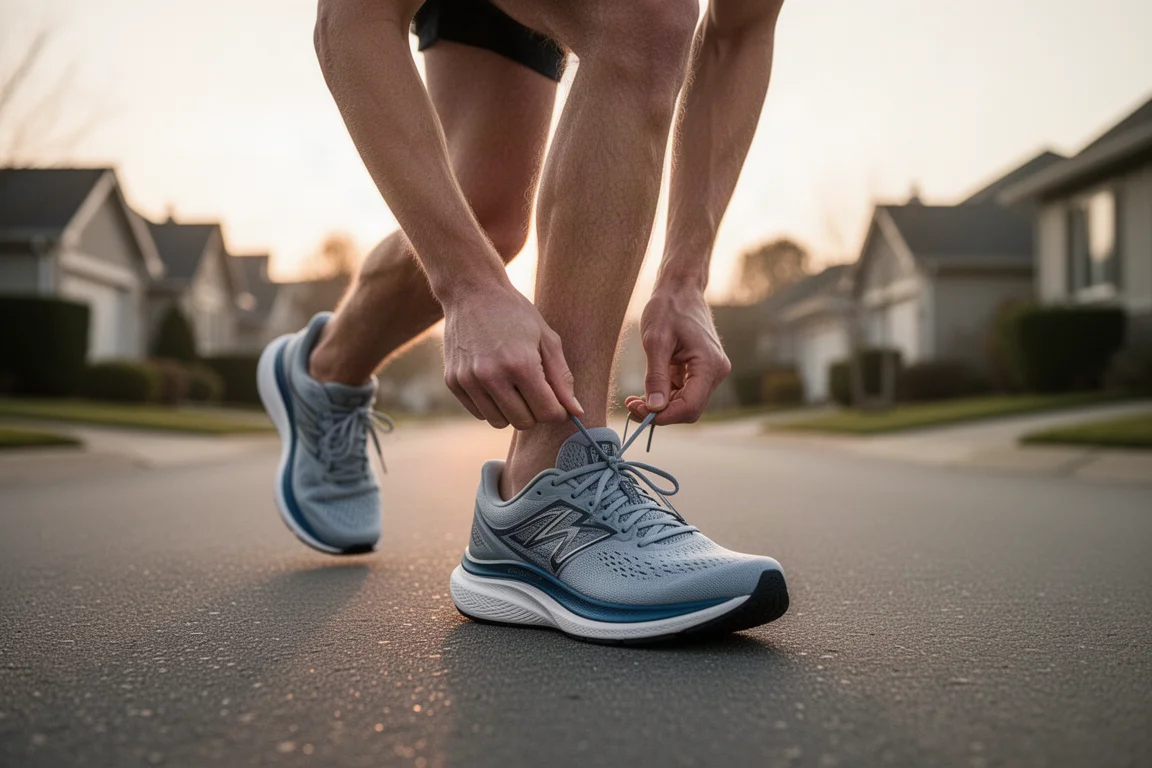
On the road, the Hyper delivers a genuinely nice max-cushion experience. The fit runs true to size with a thin tongue, light padding under the laces, and a restrained heel cup. It shines on relaxed runs, recovery paces, and easy days, and at zone 2 to 3 efforts you land more squarely on the forefoot Pebax and get a pleasant sense of bounce that holds up over long distances. Where it struggles is genuine speedwork: the combination of Pebax compression and the small forefoot clouds makes the ride feel too mushy, so hard efforts you put in don’t come back with much energy return.
Under the Hood: Foam, Stack, and the Missing Speedboard
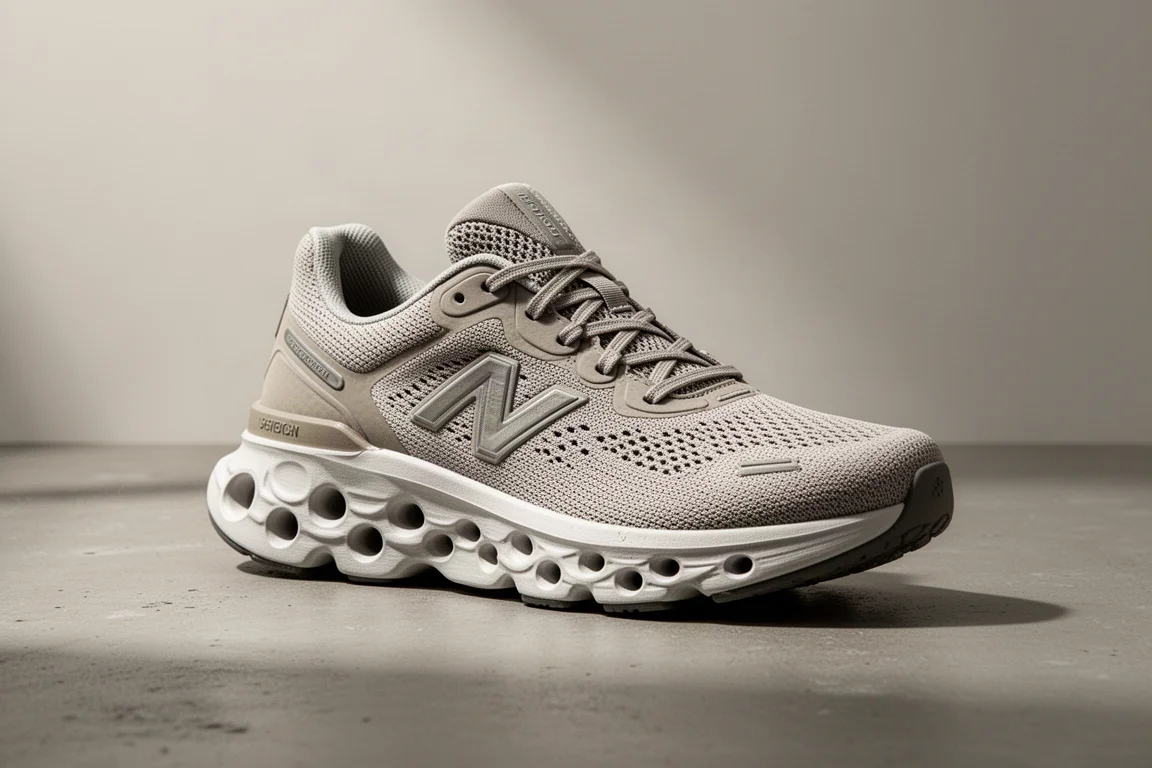
The two-foam architecture is the interesting part of this shoe. On has wanted the white Helion HF Pebax to give the forefoot a livelier, more responsive feel, while the orange Helion carrier foam handles structure and the cloud-shaped holes and channels manage compression. Removing the Speedboard is a welcome change, since that semi-rigid element has historically made On’s foam feel firmer than it should. The trade-off is that without a firm plate or speedboard to push against, the Pebax doesn’t fully decompress at speed, which is exactly why faster running feels flat here even though comfort is excellent.
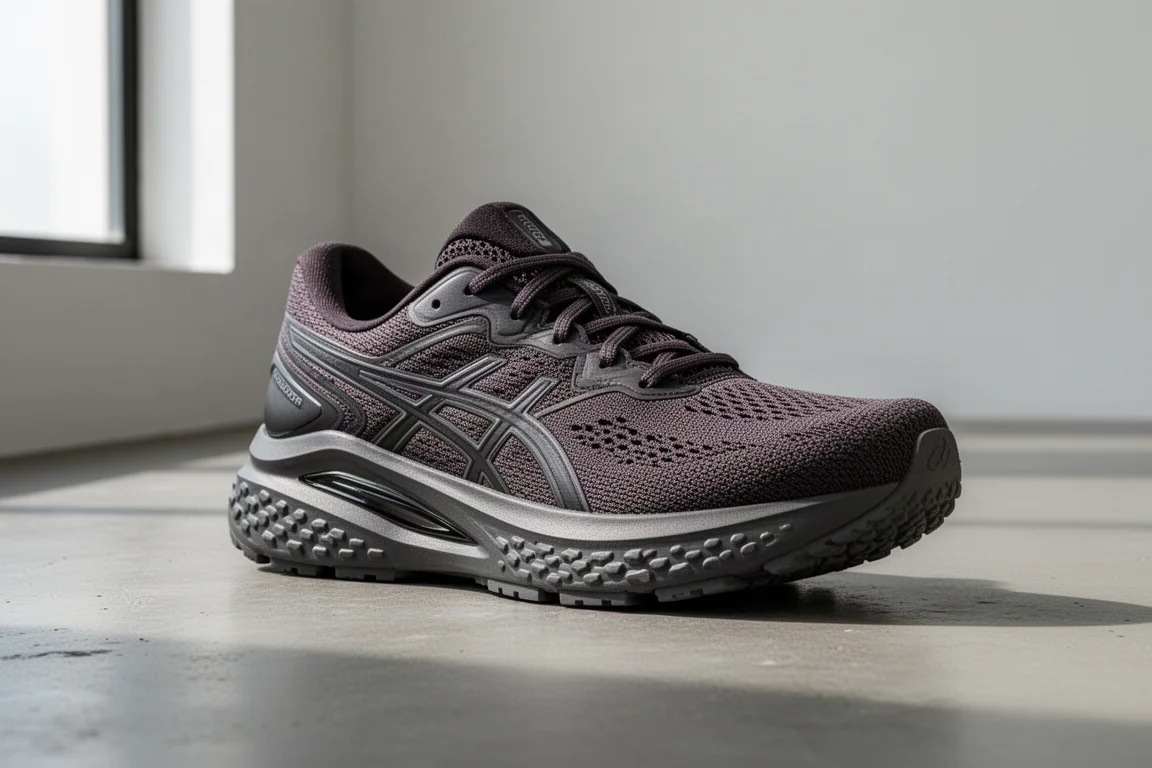
Best Workout Partner: Puma Deviate Nitro 2
If you add the Hyper to your rotation as your max-cushion daily trainer, a dedicated workout shoe is the natural next slot. The Puma Deviate Nitro 2 fills that role well: a carbon fiber plate, part of Puma’s premier racing foam, and a ride that stays fun across fartleks, mile repeats, and long runs with fast marathon-effort miles. It is durable, exciting at speed, and clearly built for the sessions the Hyper is not.

Racing Pick: Mizuno Wave Rebellion Pro 2
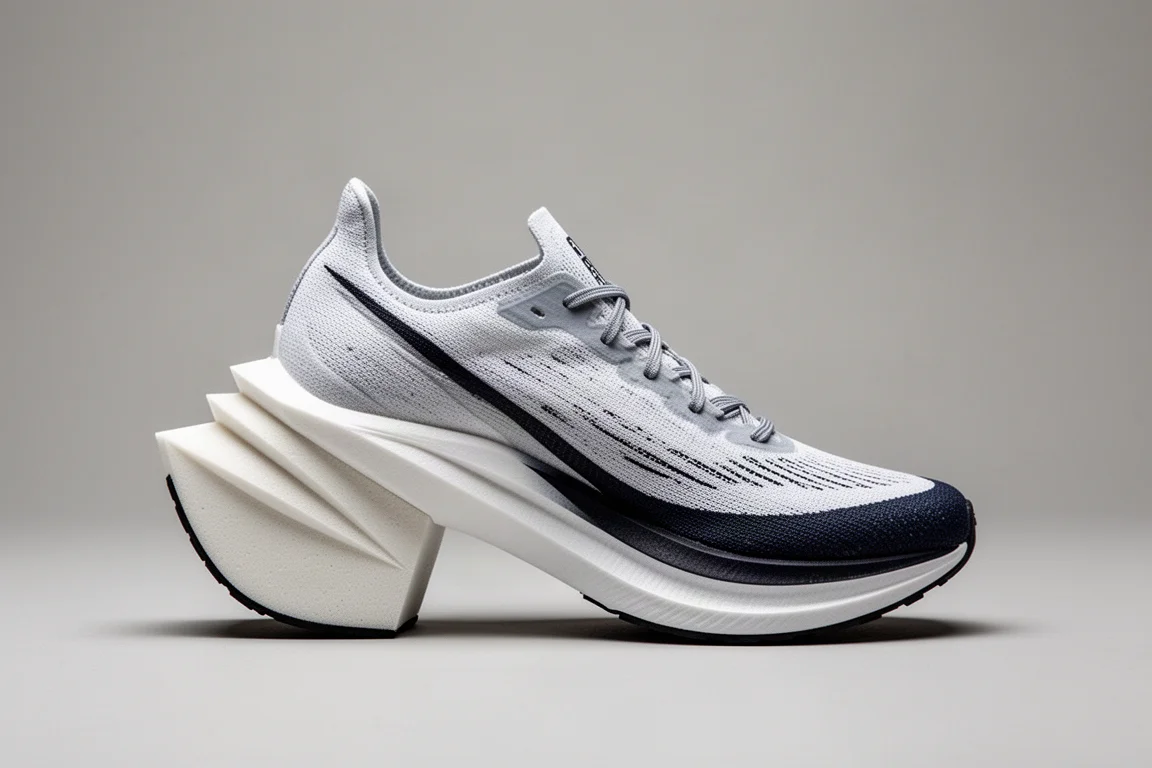
For race day, the Mizuno Wave Rebellion Pro 2 pairs well with the Hyper both functionally and aesthetically, since both shoes take an unusual approach to shape. The Mizuno has a dramatic bevel at the back of the heel and an almost complete rocker from heel to toe, combined with lightweight, highly responsive racing foam. Runners who enjoy how the Hyper’s forefoot responds tend to appreciate how the Rebellion Pro 2 feels when racing.
The Closest Competitor: ASICS Superblast
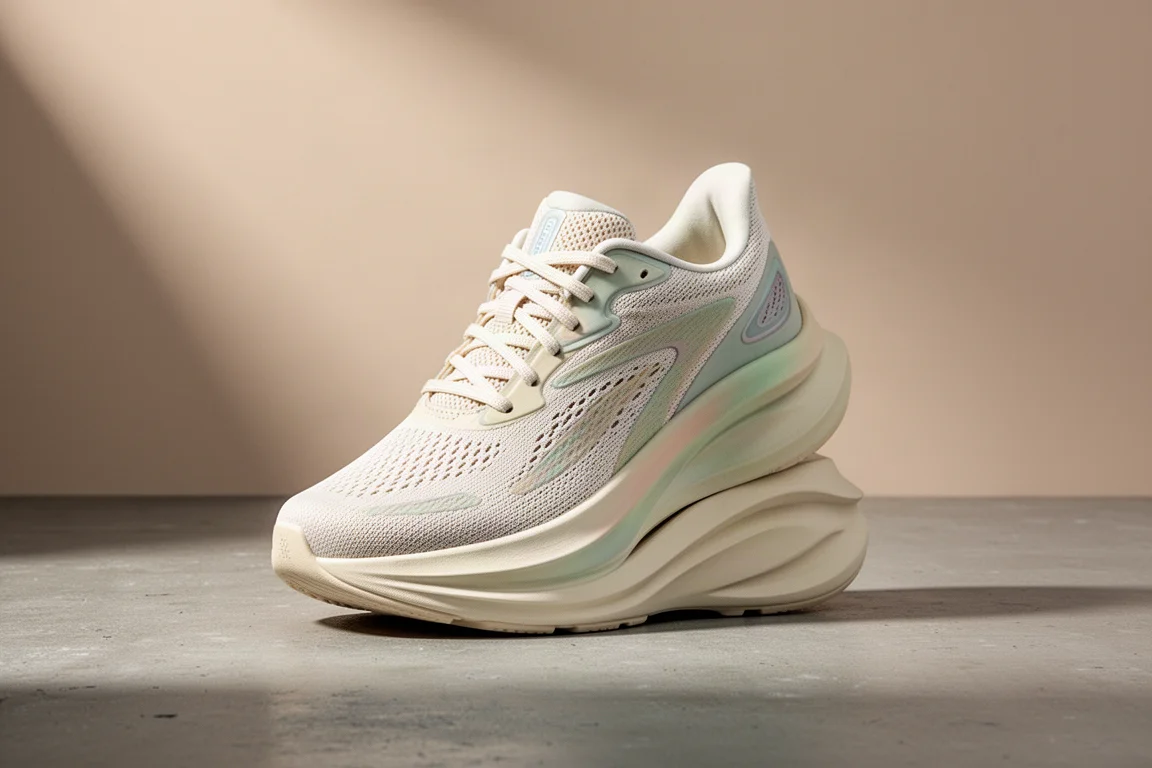
The ASICS Superblast stacks racing foam on a bottom layer of FF Blast Plus, ASICS’ highest-end daily training foam, in a tall package with no carbon plate. It is lightweight and fun, best loved at zone 3 or marathon-pace efforts rather than on super easy days. It launched at $225 retail but has since received a permanent price reduction to $200. There is real overlap with the Hyper at moderate efforts, but the Hyper leans more toward easy and recovery running, while the Superblast is the better pick if you want a big, comfy shoe that also handles faster long runs.
Cheaper Fun From On: Cloudmonster 2
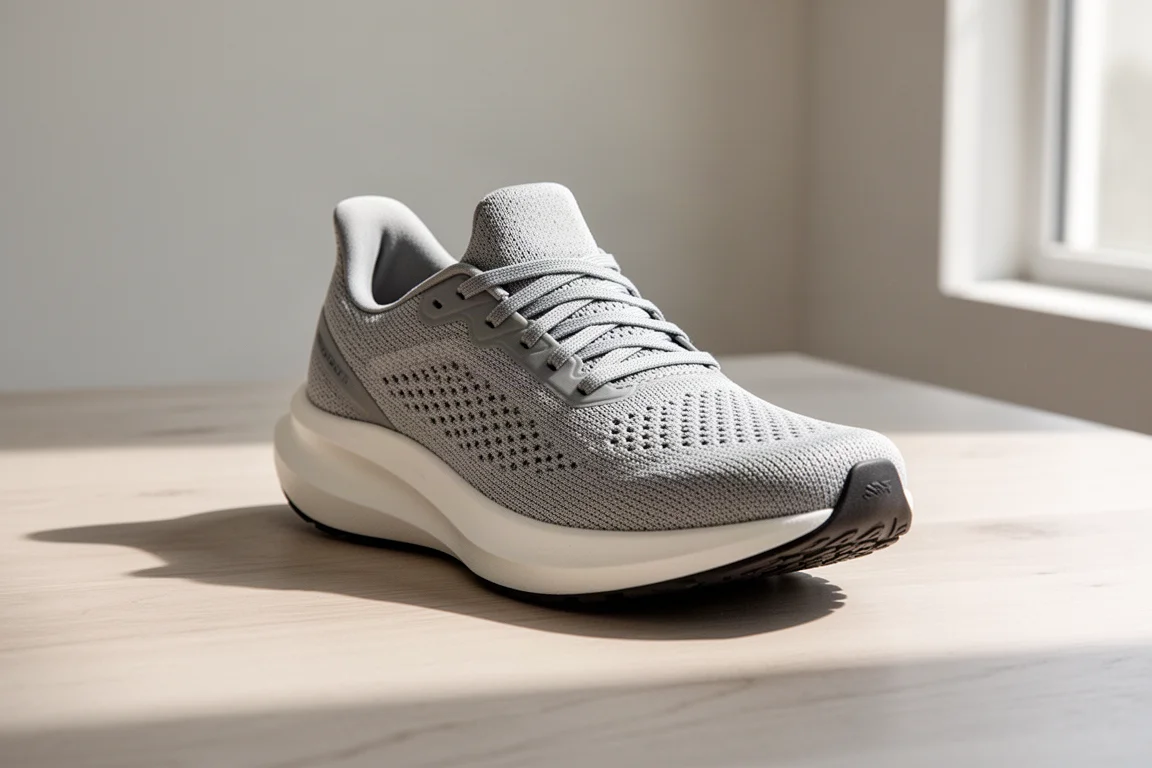
The Cloudmonster 2 launched only a couple of months before the Hyper and shares the same dual-foam DNA, though it keeps a more flexible nylon Speedboard, adds a bit more heel cup padding, and leans even more squarely toward easy running and comfort. It costs $180, is a little heavier, and doesn’t move as quickly as the Hyper, but for most people who just want a fun cloud experience from On, it is the easier recommendation. At $220, the Hyper is a hard sell as a $40 upgrade, and the confusing staggered rollout of both shoes in the same year only muddies the choice.

Overall Buying Advice
If your priority is a comfortable, agreeable max-cushion shoe for recovery, easy, and easy-plus running, the Cloudmonster Hyper genuinely delivers and is arguably the best expression of the Cloudmonster idea so far. If you want one tall daily trainer that can also pick up the pace on faster long runs, the ASICS Superblast at $200 makes more sense. If you love the On brand but not the price, the $180 Cloudmonster 2 covers the same comfort-first territory. And remember that no max-cushion daily trainer covers every session, so the Deviate Nitro 2 and Wave Rebellion Pro 2 slot in as workout and race day complements.
Conclusion
The On Cloudmonster Hyper is a comfortable, well-fitting, lighter-than-ever take on the Cloudmonster formula, and it deserves credit for finally dropping the Speedboard and leaning into Pebax. It is simply not built for speedwork, and at $220 it asks a lot for a shoe whose strengths sit entirely in the easy and recovery range. Choose it if that is exactly what you need; otherwise the Superblast and Cloudmonster 2 are the smarter checks to write.
Further reading
Related Reviews

Running Shoes
Best Road-to-Trail Running Shoes: Three Versatile Options for Mixed Terrain
A practical guide to three road-to-trail running shoes that handle both pavement and mild trails, with clear strengths and trade-offs for different runner types.

Running Shoes
Best Running Shoes for Achilles Tendonitis: Three Options Explained
Three running shoes with different heel drops and support features designed to help reduce Achilles tendon pain during walking and running.

Running Shoes
Best Running Shoes for Women: Five Top Choices Ranked
A ranked guide to five women's running shoes, from versatile daily trainers to high-performance racing options, with real strengths and trade-offs for each.