Running Shoes
On Cloudmonster 2 vs Cloud Eclipse: Which Max Cushion Trainer Wins?
Two of On's biggest, most cushioned daily trainers go head to head. Same price, same weight, very different ride.
Introduction
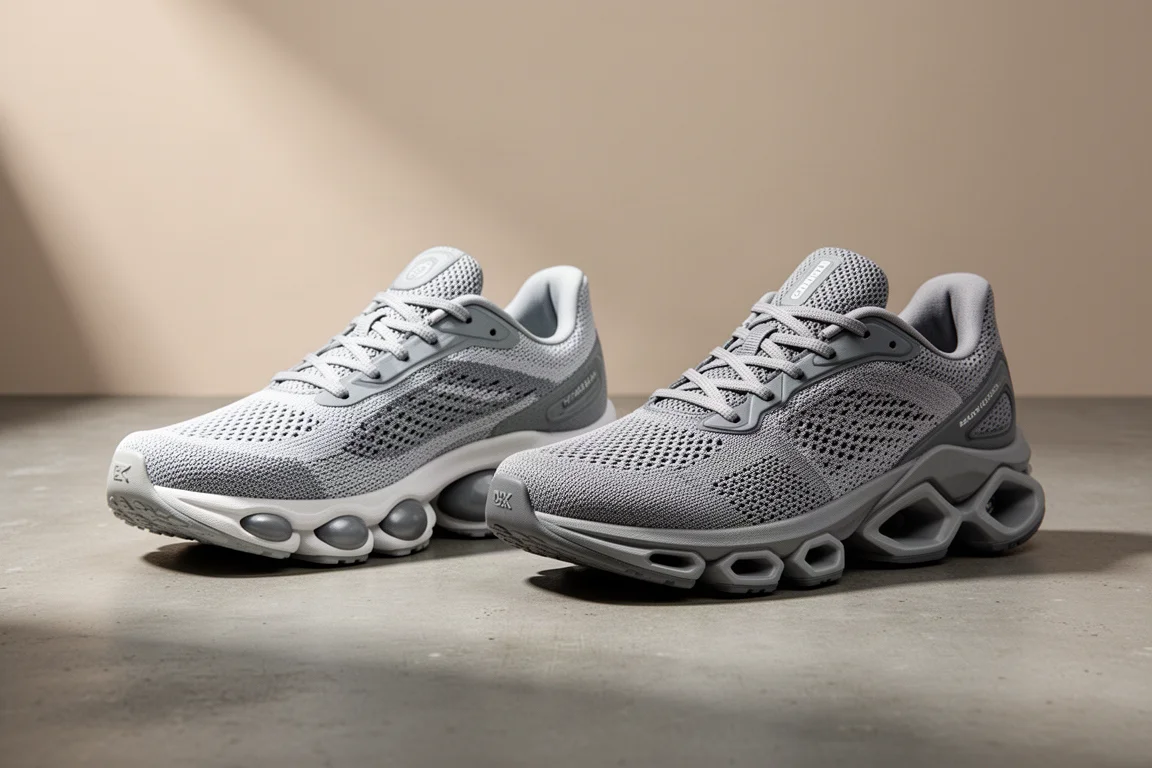
On now has two big-stack, max cushion daily trainers sitting almost on top of each other in its lineup: the new Cloudmonster 2 and the Cloud Eclipse. On paper they are remarkably similar. Both weigh the same, cost the same and share a 6mm drop. The differences show up on the run, in the midsole design, the fit and the overall ride character. After logging more than 50 miles in each, the gap between them turned out to be bigger than the spec sheet suggests.
Quick Specs Comparison
The Cloudmonster 2 comes in at 35mm in the heel and 29mm in the forefoot, up 6mm across the midsole compared with the first-gen Cloudmonster, while the drop stays at 6mm. The Cloud Eclipse sits slightly higher again in volume terms with 37mm in the heel and 31mm in the forefoot, also with a 6mm drop.
Weight is a dead heat. Both shoes land at 10.5oz, or 297g, in a men’s UK 8.5 test shoe. The Cloudmonster 2 is up just shy of an ounce, around 20g, compared with the original Cloudmonster. Pricing is now identical too: £170 in the UK, a £20 increase on the last-gen model, and $180 in the US. That puts both shoes among the priciest daily trainers on the market.
Midsole and Ride Differences
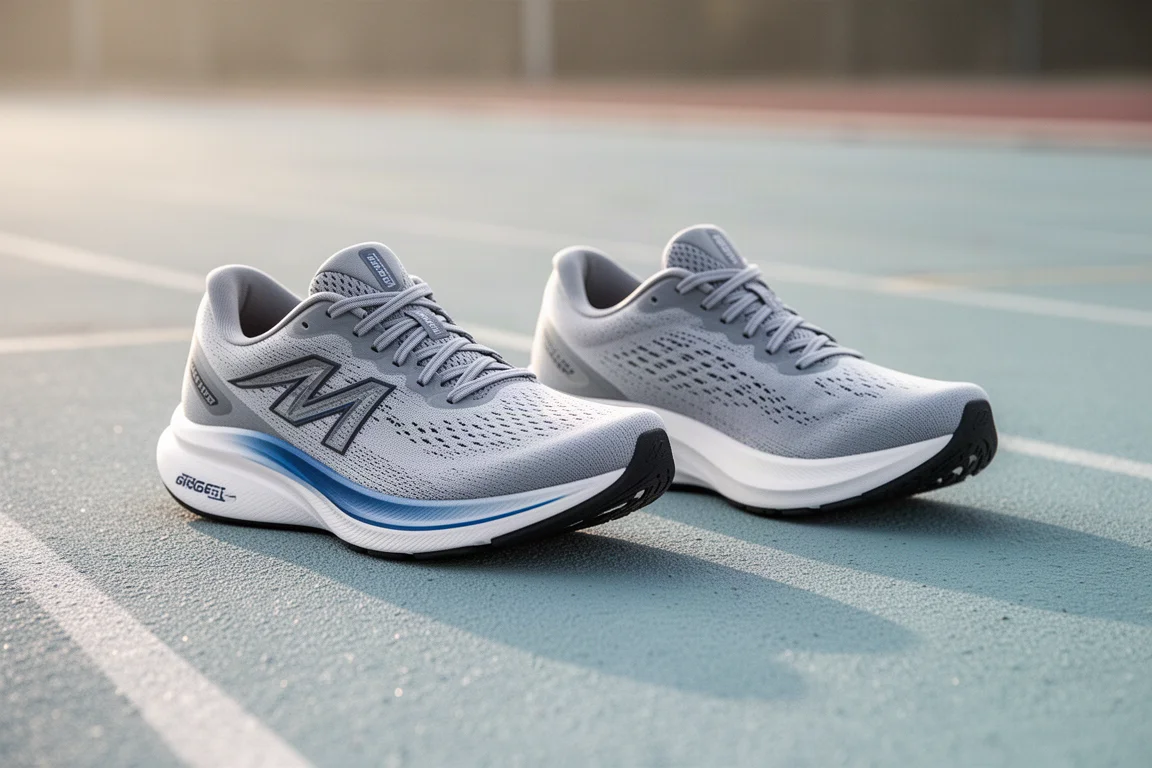
This is where the two shoes part ways. Both use Helion foam, but the Cloud Eclipse has a bigger wedge in the CloudTec Phase setup first seen in the Cloudsurfer. The cloud elements collapse in sequence, a bit like dominoes, then release as you roll through, with the aim of producing a smoother transition and a bit more energy. A speedboard plate sits on the outside bottom of the midsole to give the foam elements some stiffness.
The Cloudmonster 2 sticks with a more traditional CloudTec design paired with a new dual-density foam setup. Its nylon blend speedboard sits in the middle of the midsole and has been reshaped for greater efficiency from touchdown to toe-off.
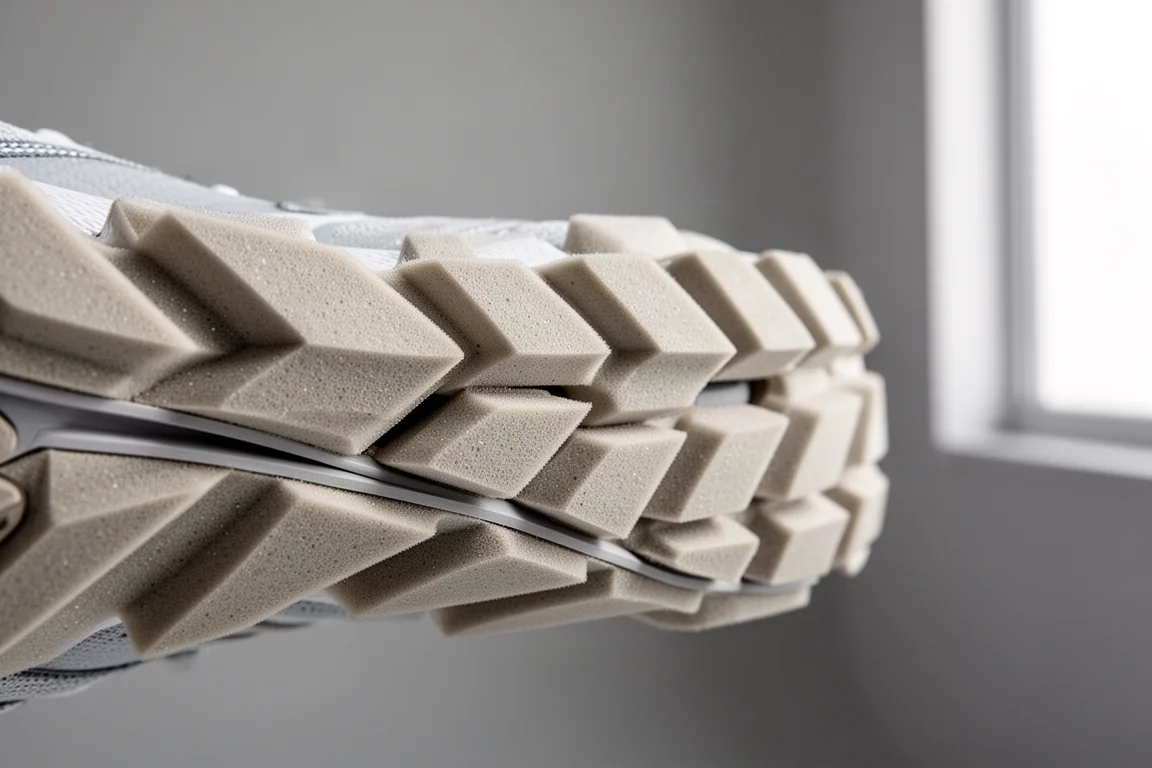
On the run, the Cloud Eclipse came out ahead for most testers. It rides smooth, energetic and surprisingly nippy for a max stack shoe, with an easy-rolling feel and the agility of a more compact trainer. The Cloudmonster 2 feels much softer and squishier than the original Monster, but that extra softness plus the added weight makes everything feel a bit more clumpy and ponderous. The transition feels less connected from heel to toe, and the cushioning reads as a bit flat rather than plush or bouncy.
Fit and Upper Feel
The Cloud Eclipse uses a dual-layered mesh upper, while the Cloudmonster 2 has a more flexible, breathable mesh that is virtually identical to the first gen, structured with lots of perforations. Both heel collars are plush, though the Monster 2 is padded a little more. Tongues are thin and foot-wrapping on both, with the Eclipse a shade thicker.
The key fit difference is up front. The Cloudmonster 2 feels noticeably more loose and roomy in the toe box, with more volume across the top of the toes. The Cloud Eclipse feels more snug and held, with less room toward the end of the toe box, though not uncomfortably so. The Eclipse also has a lacing system with a lower section that cinches across the midfoot for extra security, and it holds the heel a little better.
Both shoes fit true to size in typical running shoe sizing, and neither seemed to need sizing up or down. For runners who found the Eclipse too snug, the Monster 2’s extra room makes a real difference, especially for very long runs where feet swell and toes want space to spread.
Outsole and Durability
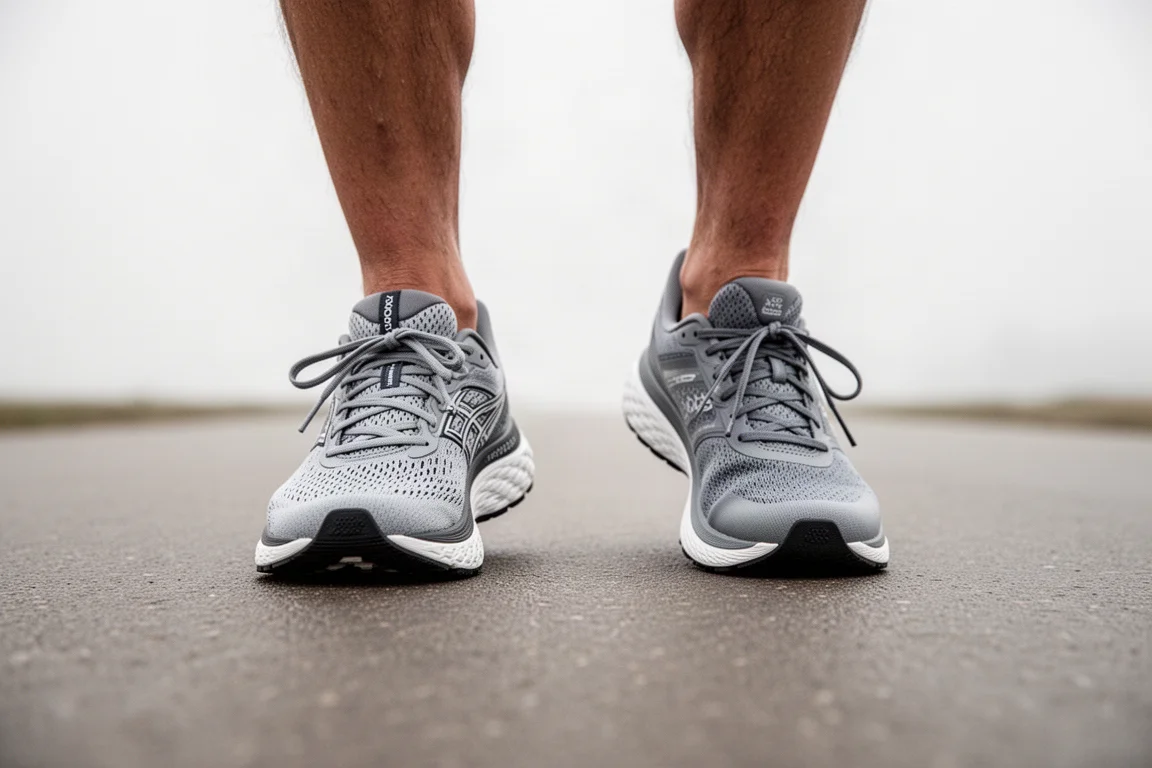
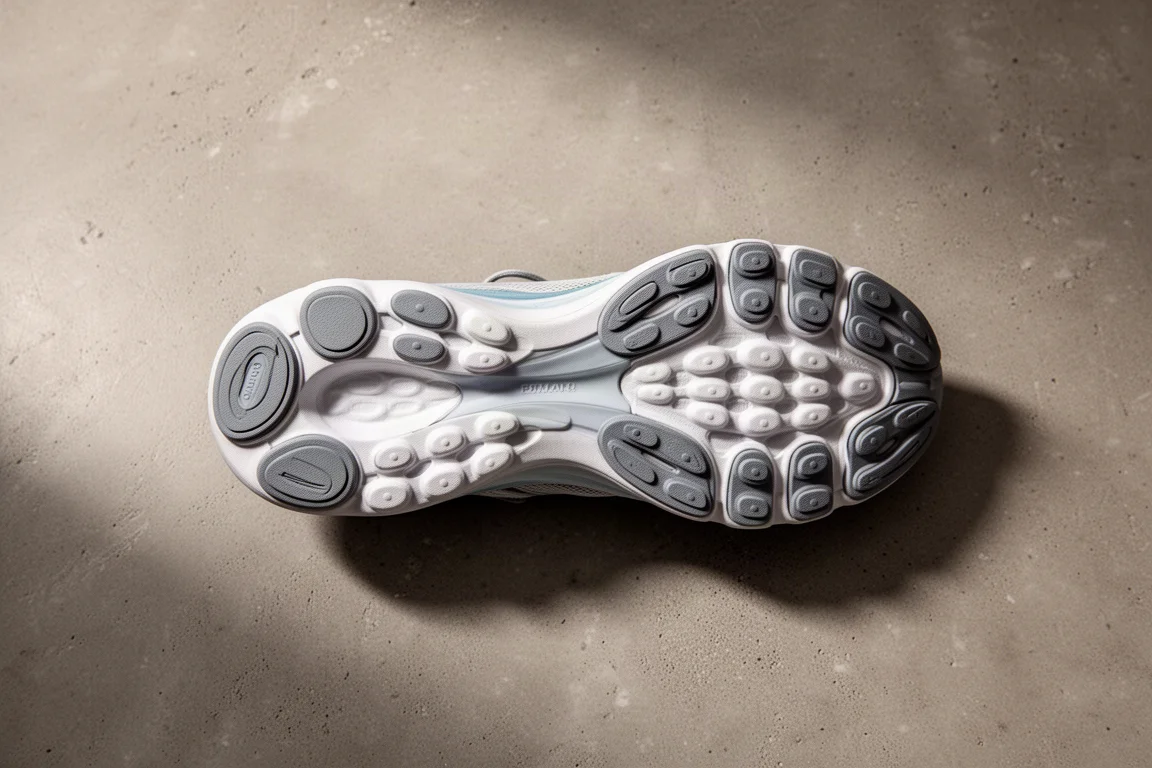
Flip them over and the Cloudmonster 2 has the familiar On outsole design, with rubber pads on all the key impact areas and more small mini studs than before, which should help grip and durability. There is noticeably more rubber coverage than on the Cloud Eclipse, particularly in the heel and forefoot, which suits heel strikers and anyone prioritising longevity.
The Cloud Eclipse has less rubber overall, but testers reported grip was fine across the miles run in it. On both shoes, the trademark stone-catching channel has largely been eliminated, which is welcome. One shared quirk: both shoes have a habit of squeaking when they get wet.
Which One Should You Buy?
If you are choosing between these two at the same price, the Cloud Eclipse is the stronger all-rounder. It handles a wider mix of paces, works well for long runs, can be pushed at up-tempo efforts thanks to its firm platform and rocker, and simply delivers the more enjoyable, fluid ride. For many runners it is On’s best max cushion shoe to date.
The Cloudmonster 2 makes sense for a narrower kind of buyer: someone who wants maximum protection for easy, slow miles, values extra toe box room for very long outings, and specifically craves that traditional, firmer On feel. It soaks up long runs well, but it is not particularly soft, bouncy or versatile, and it is a heavier-feeling shoe than the original Monster.
It is also worth noting that both shoes sit at the top end of the daily trainer price range, and better value cushioned options exist elsewhere if brand loyalty is not a factor.
Conclusion
The Cloud Eclipse wins this head to head on nearly every level: a smoother ride, better energy, more versatility and a more precise fit, all at the same price. The Cloudmonster 2 is a protective cruiser with a roomier toe box, but its softer, heavier ride takes the edge off what made the original appealing. If you want one max cushion trainer from On, the Cloud Eclipse is the easier recommendation.
Product link
View more details for On Cloudmonster 2
This product is mentioned in the review. Check the specifications, options, and compatibility before buying.
View more details for On Cloudmonster 2Further reading
Related Reviews

Running Shoes
Best Road-to-Trail Running Shoes: Three Versatile Options for Mixed Terrain
A practical guide to three road-to-trail running shoes that handle both pavement and mild trails, with clear strengths and trade-offs for different runner types.

Running Shoes
Best Running Shoes for Achilles Tendonitis: Three Options Explained
Three running shoes with different heel drops and support features designed to help reduce Achilles tendon pain during walking and running.

Running Shoes
Best Running Shoes for Women: Five Top Choices Ranked
A ranked guide to five women's running shoes, from versatile daily trainers to high-performance racing options, with real strengths and trade-offs for each.