Running Shoes
On Cloudmonster 2 Review: A Neutral Daily Trainer for New Runners
A practical look at the On Cloudmonster 2 for neutral runners, plus what to check on fit, cushioning, and support before buying a first pair of running shoes.
Introduction
Choosing a first pair of running shoes sounds like it should be simple. Then you walk into a shop and find yourself surrounded by talk of pronation, midsole foams, stack heights, and carbon plates. Running was supposed to be the simple part.
It helps to start with why running shoes exist at all. The trainers you wear around the house, to the shops, or for a kick around in the park are not built for a running program. Every footfall sends shock waves through the foot, ankle, leg, knee, and hip, and small differences in foam thickness, softness, flexibility, and foam type change how much of that force your body has to absorb. That is why the shoe you choose genuinely matters.
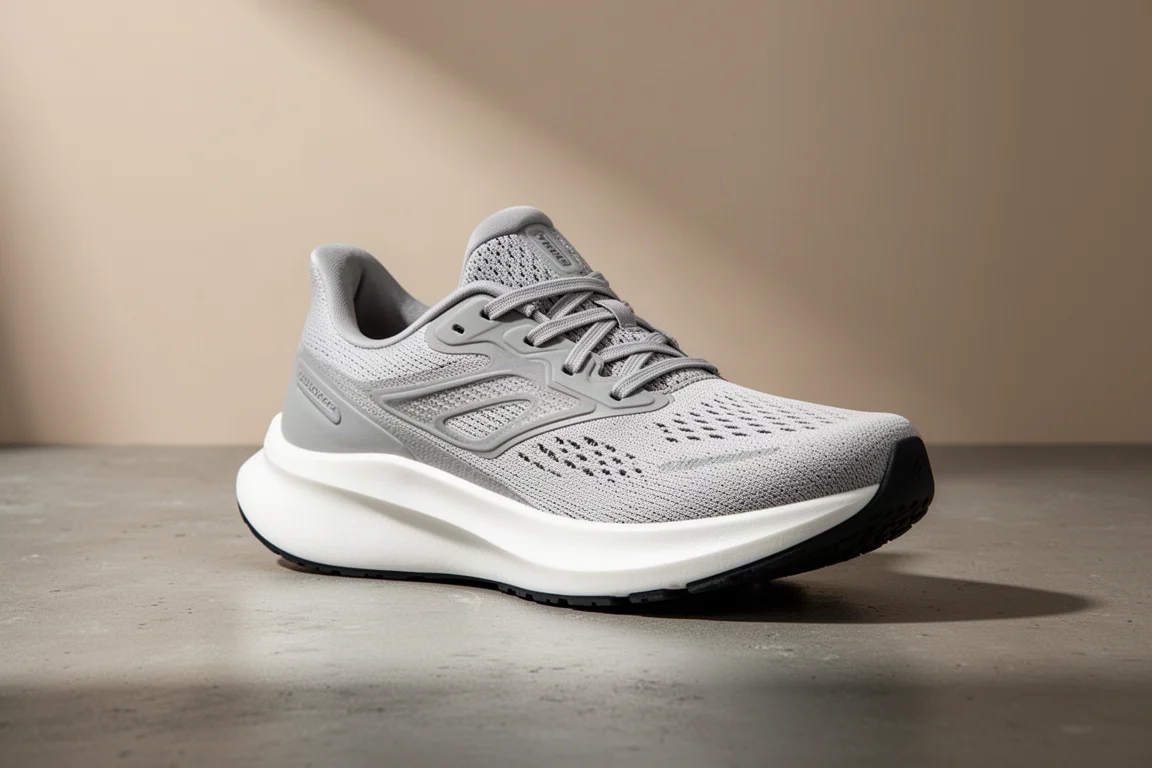
The On Cloudmonster 2 is a neutral, cushioned daily trainer built for runners who land and move naturally. For a first pair, it pairs a low-profile tongue and a secure heel hold with a ride that rolls forward underneath you.
Who the On Cloudmonster 2 Is For
The first thing a good fitting establishes is how you land. Some runners land on their toes, some on their heel, and some roll inward as they land, which is called pronation. A neutral shoe, which is what the Cloudmonster 2 is, lets you land and move the way you naturally do.
That makes it a sensible starting point for new runners who do not need extra support, including anyone building toward a first race or a first triathlon. It also suits runners who prefer a shoe that feels light on the foot rather than heavily built up.
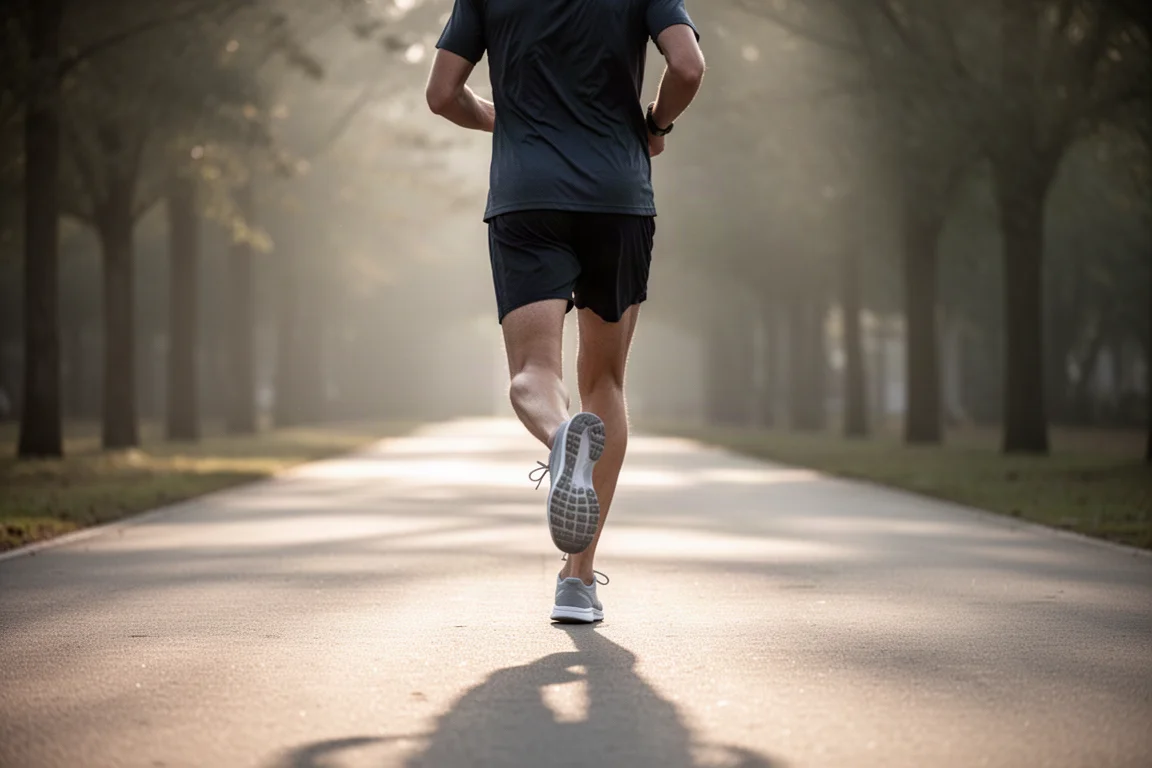
Sizing deserves its own mention here. A running shoe should leave roughly a centimetre, sometimes a little more, of room in front of the toes. That can feel too big next to everyday trainers, but feet move as you run, and without that space you get a repeated knock against the front or side of the shoe. Over a few thousand steps, that adds up to a lot of impact on your toes.
Main Strengths: Fit, Feel, and Forward Roll
The two fit details that stand out on the Cloudmonster 2 are a low-profile tongue that sits flat across the top of the foot and a heel hold that keeps the back of the foot locked in place without pressing into it.
Underfoot, the ride has a distinctive character. It feels as though there is almost nothing on the foot, while still giving a sense of being pushed forward through the stride. That combination of a light upper and a rolling transition is what makes the shoe feel easy to pick up rather than sluggish.
Pace range is part of the appeal. The shoe was put through both slow and faster running during fitting and held up across both, which matters if your training mixes easy days with quicker efforts.
Things to Consider Before Buying
Cushioning is the most personal part of any running shoe, and it is worth being honest about what you actually want. Softer is not automatically better. A very soft shoe can make your foot work harder, because you need a firm enough surface to push off from. Without it, the muscles in your leg do extra work to stabilise every landing.
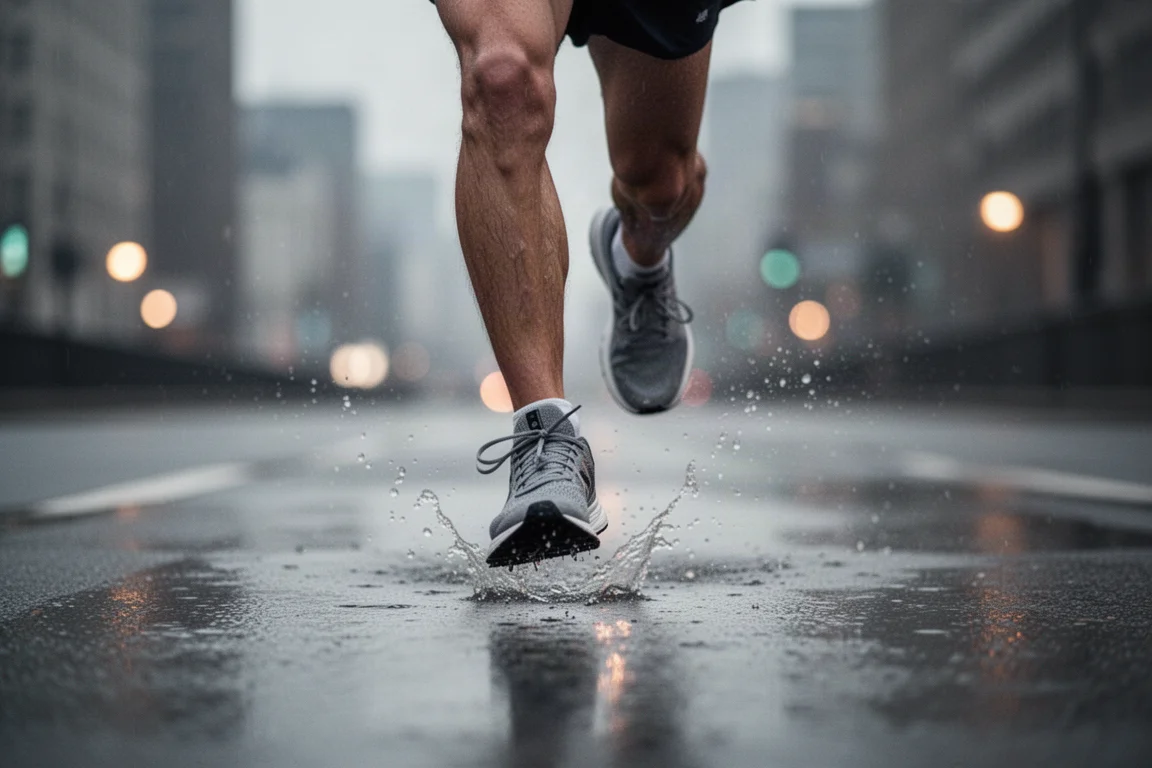
There is no calculation that tells you which level of cushioning is right. It comes down to what feels best and how much mileage you plan to run. One caution is worth remembering: a shoe that feels plush and comfortable in a shop may not feel the same three or more miles into a run.
Support is the other consideration. If you roll inward significantly as you land, a support shoe uses foams of different densities in the midsole to hold the foot and limit that movement. A neutral shoe like the Cloudmonster 2 does not do that job, so it is the wrong tool if extra support is what you need.
Why Shoe Size and Gait Analysis Matter
Getting measured properly is not overkill. A 3D foot scanner takes around a thousand images from every direction, which reveals heel width, forefoot width, and even which lacing configurations will work for your foot. In practice, that level of detail catches things a tape measure misses. One runner who believed she was a size 10 turned out to fit a size 11.5.
Gait analysis is the other half of the process. Watching how you land, whether on your toes, on your heel, or rolling inward, tells a fitter which shoe will work with your stride instead of against it. Many specialist running shoe shops offer this as part of a fitting.
Cushioning and Support: What Actually Fits Your Running
Between the softest and firmest options there is a wide spectrum, and most of it comes down to preference and planned mileage rather than a formula. A firmer shoe gives you something to push against. A softer shoe feels more forgiving on easy days. Neither is universally correct.
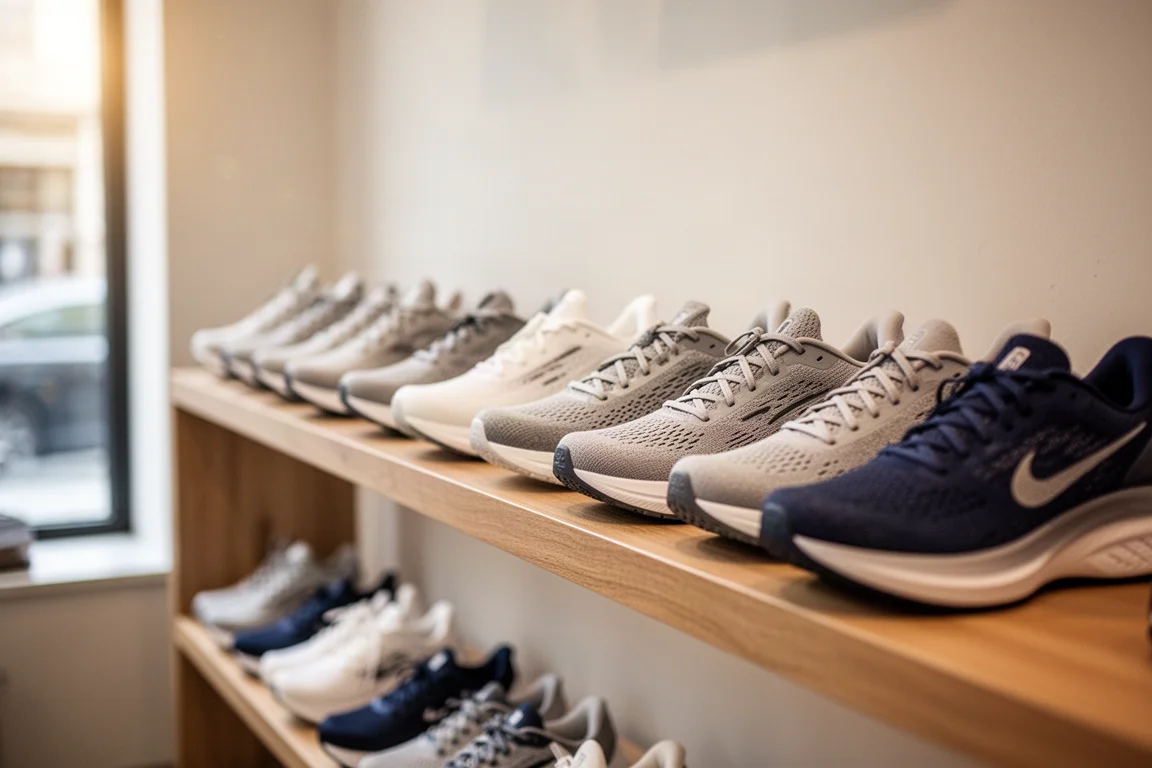
A few habits are worth avoiding. Do not buy the prettiest pair in the shop, and do not buy the cheapest pair from a general sports retailer. Those shoes can look the same as proper running shoes from the outside while using cheap materials inside that do nothing for your running. And do not buy the same shoe a faster friend wears in the hope that the speed comes with it. It does not.
Buying Advice
The single best step for a first pair is to visit a specialist running shoe shop. A proper fitting includes measuring your feet, watching you run on a treadmill or around the shop, and matching the shoe to your gait and cushioning preference.
Comfort and correct fit come first. Colour is not a factor worth weighing. If the shop does not have a treadmill, running a few lengths of the shop floor is normal and expected. Just do not run out of the door before paying.
Where possible, try a range of options at both easy and faster paces. A shoe that feels right at a jog may feel different once you pick up the pace.
How Long a Running Shoe Lasts
Running shoes generally last between 500 and 800 kilometres, or roughly 300 to 500 miles. If you track all your training in an app and only wear one pair, it is straightforward to work out how long you have had them.
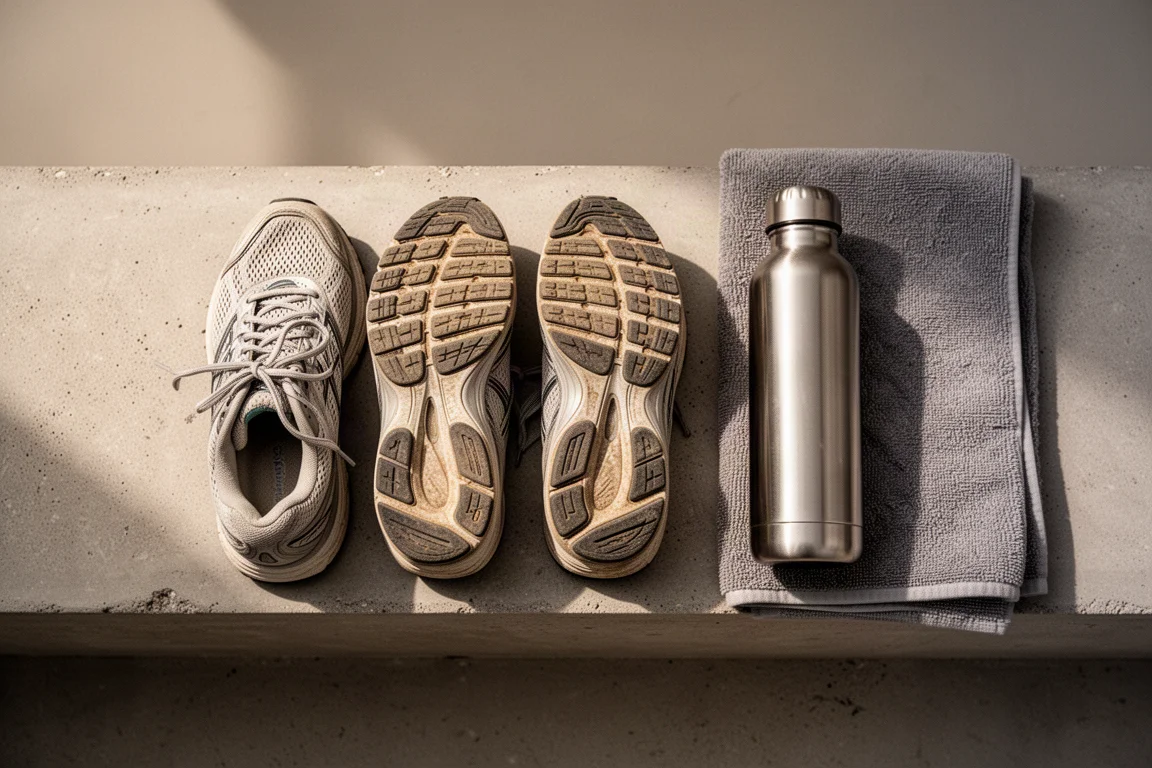
Once you get near the 800 kilometre mark, keep a closer eye on the condition of the midsole and outsole. Worn out shoes are not worth running in. If you rotate between several pairs, tracking mileage gets harder, but it is still worth the effort.
Conclusion
The On Cloudmonster 2 makes sense for a neutral runner who wants a cushioned daily trainer with a light, forward-rolling feel. Its low-profile tongue and secure heel hold are the fit details that stand out, and it handled both slow and faster running during testing.
Buying a first pair is mostly about fit, comfort, and getting the size right. Start with a proper measurement, look at how you land, and choose a shoe that works with your stride. If it is your first pair, expert advice from a running shoe shop is the shortcut worth taking.
Product link
View more details for On Cloudmonster 2
This product is mentioned in the review. Check the specifications, options, and compatibility before buying.
View more details for On Cloudmonster 2Further reading
Related Reviews

Running Shoes
Best Road-to-Trail Running Shoes: Three Versatile Options for Mixed Terrain
A practical guide to three road-to-trail running shoes that handle both pavement and mild trails, with clear strengths and trade-offs for different runner types.

Running Shoes
Best Running Shoes for Achilles Tendonitis: Three Options Explained
Three running shoes with different heel drops and support features designed to help reduce Achilles tendon pain during walking and running.

Running Shoes
Best Running Shoes for Women: Five Top Choices Ranked
A ranked guide to five women's running shoes, from versatile daily trainers to high-performance racing options, with real strengths and trade-offs for each.