Running Shoes
On Cloudboom Echo 3 vs Under Armour Velocity Elite: Which Carbon Racer Should You Buy?
A head-to-head look at two carbon super shoes, covering stack, weight, price, ride feel, fit and durability to help you pick the right race day shoe.
Introduction
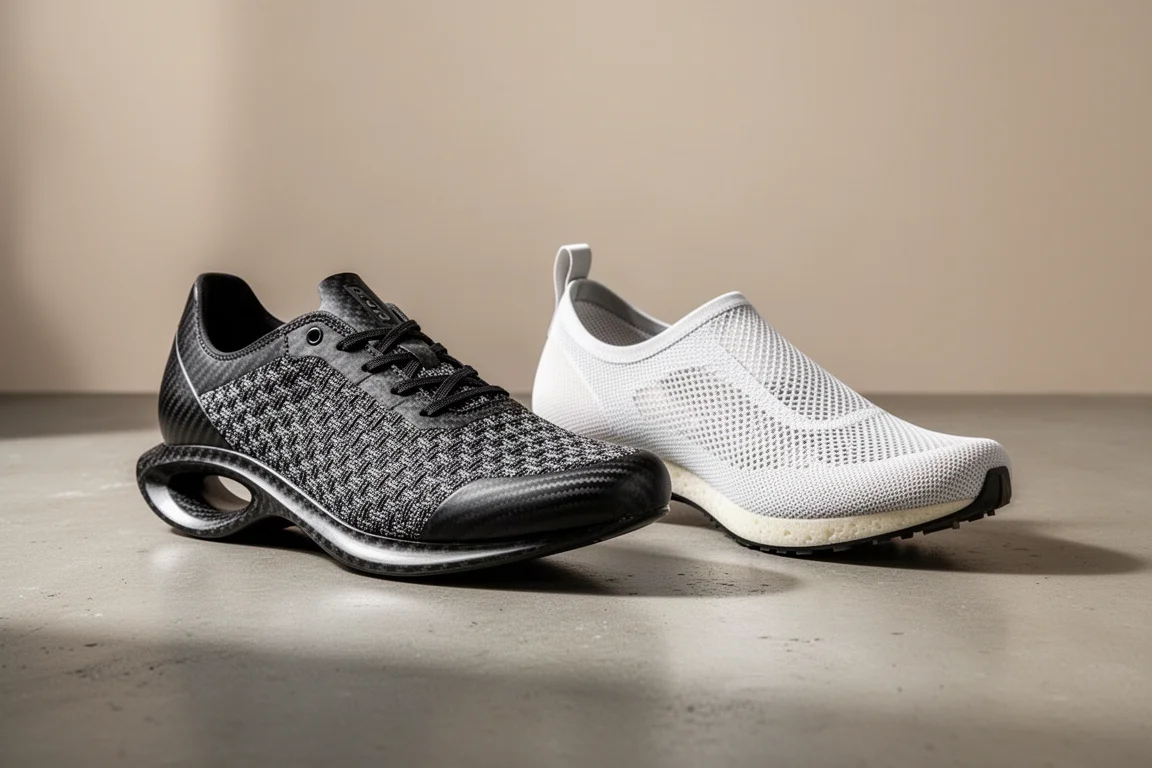
Two carbon racers, two very different personalities. The On Cloudboom Echo 3 and the Under Armour Velocity Elite are both built for racing and faster efforts, but after many miles in both shoes at everything from slow and steady paces to all-out marathon effort, they split clearly into two roles: one is the sharper race day weapon, the other is the more versatile daily-able super shoe.
Spec Sheet: Stack, Weight and Price
On paper the two shoes sit close together. The Cloudboom Echo 3 has a 37mm heel and 28mm forefoot stack for a 9mm drop. The Velocity Elite goes higher with a 39mm heel and 31mm forefoot for an 8mm drop.
In a UK men’s 8.5 test size, the Echo 3 weighs 8.1oz (230g) while the Velocity Elite is slightly heavier at 8.4oz (238g). On price, the Echo 3 costs £260 ($289.89) and the Velocity Elite is significantly cheaper at £220 ($250).
Design and Midsole Technology
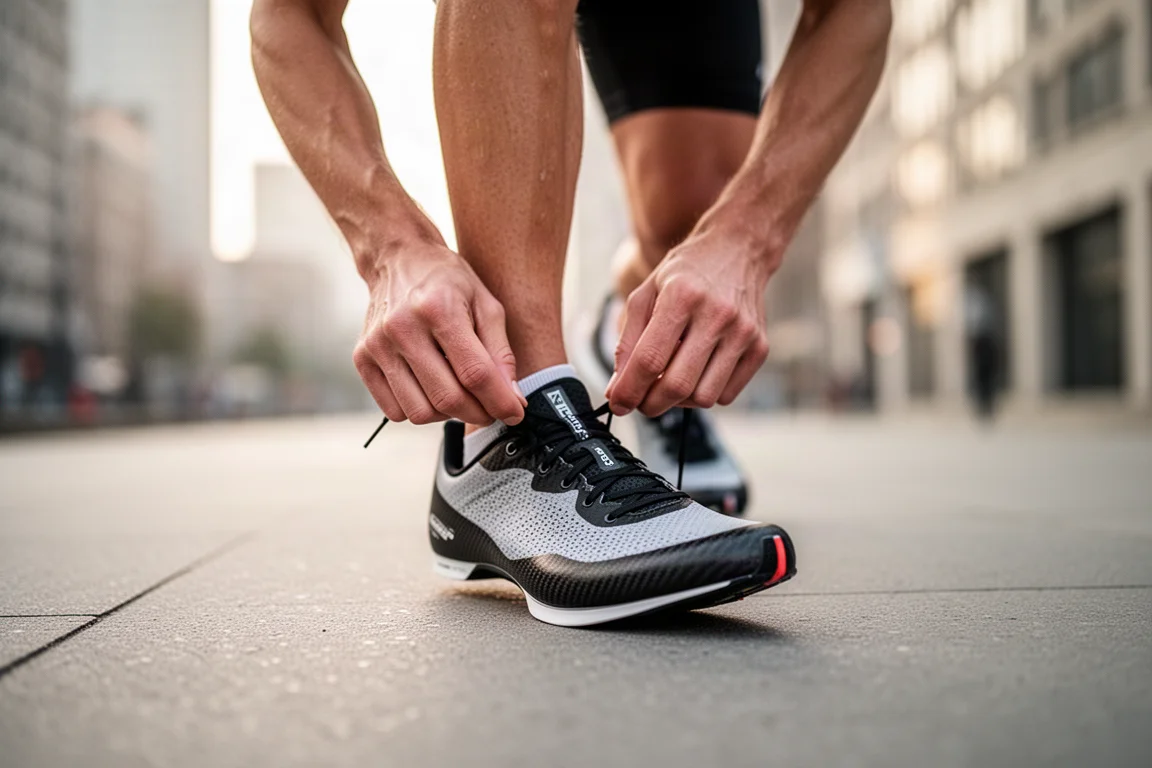
The Echo 3 is On’s first shoe with the new Helion Hyper foam, derived from castor bean. The brand’s signature Cloud elements are largely gone, with just a few small nods remaining, which marks an interesting departure for On. Inside the midsole sits a rocker-shaped full carbon speedboard.
The Velocity Elite also carries a full-length carbon fiber plate sandwiched between two foam layers. Closest to your foot there’s a cushioned but springy PEBA foam layer, and under the plate a wedge of Under Armour’s new softer, lighter supercritical Flow foam. A TP sock liner adds extra cushioning, protection and bounce.
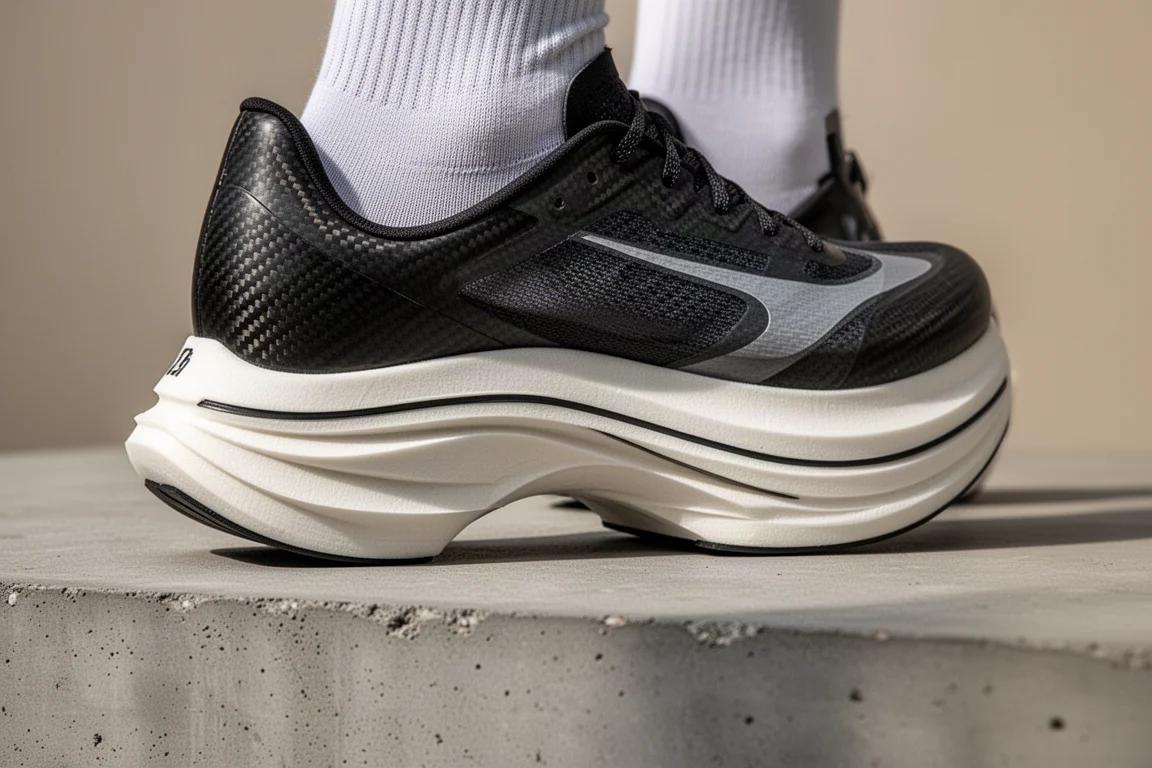
The geometry similarities are striking. Forefoot and heel widths are quite close, though the rocker on the Echo 3 is slightly more pronounced. Up top, the Echo 3 uses a woven one-piece upper with more breathable zones and a tongue gusseted on one side. The Velocity Elite counters with a very light, minimal Warp 2.0 mesh upper with strategically placed horizontal tapes for support and structure, plus a lightly padded, perforated tongue that is not gusseted. Both shoes have a similarly small, slightly traditional amount of heel collar padding.
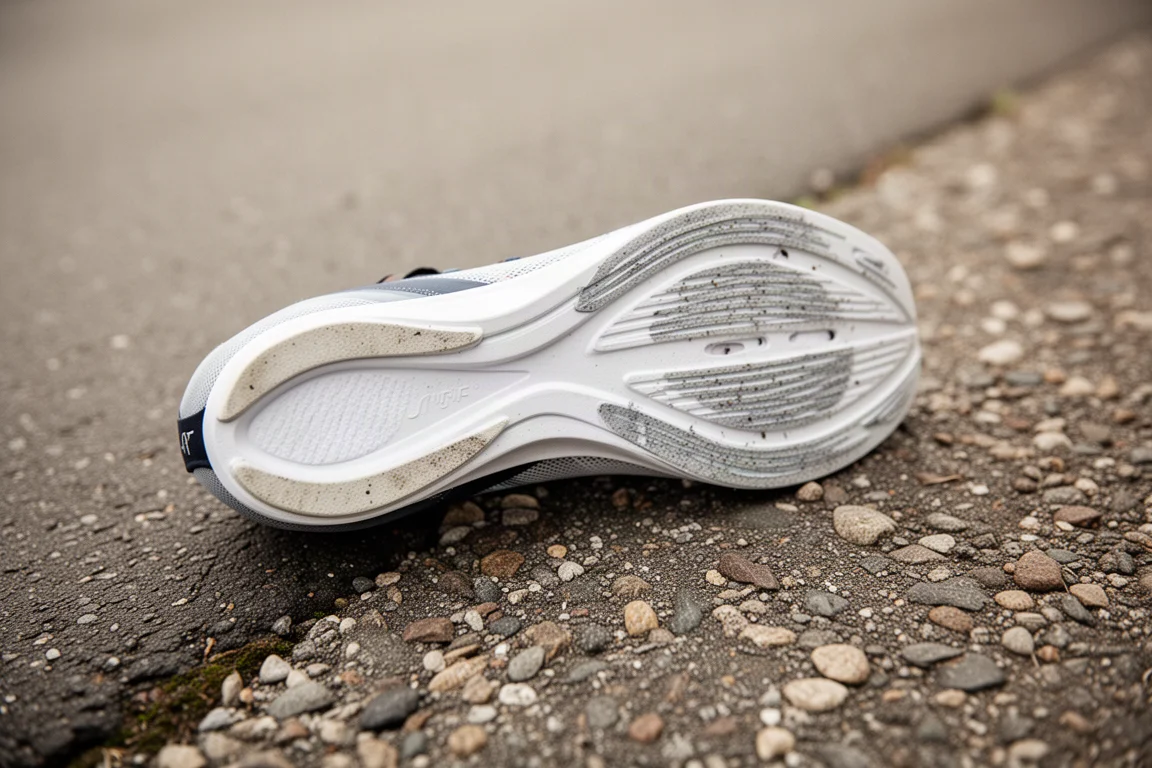
Outsoles tell a different story. The Echo 3 has a thin but substantial rubber covering in the forefoot with less in the heel. The Velocity Elite skips an outsole entirely, following the Velocity Elite 2 approach: the supercritical Flow foam is durable enough and cut for grip, saving weight.
Fit and Ride Impressions
Both shoes ran true to size in a normal UK 8.5. If you have particularly wide feet, though, the Echo 3 may come up a little narrow around the big toe knuckle at the front of the midfoot. The Velocity Elite has a racy feel but doesn’t hug as much as many carbon shoes, offering noticeably more room in the toe box.
Both earned their merit badges. The Velocity Elite delivers good uppers, a comfortable disappearing fit and great stability. It’s light, agile and nimble, easy and fun to run in over most distances. But if you’re chasing the punchiest marathon race shoe out there, this isn’t it: the firmer Flow foam lacks the lively propulsive ride expected from the best carbon-plate marathon racers, and deep into a marathon around mile 22 it can become a bit firm and less protective.
The Echo 3 is On’s best carbon racer by far and a marked improvement over previous generations. It’s lively, energetic and easy to run in, with a nice balance of foam, plate and rocker that encourages your best running form. Like the Velocity Elite, it lacks a little protection deeper into longer time on feet, and the Velocity Elite is marginally more protective and roomier. If you like a snug race fit, though, the Echo 3 is more dialed in.
Durability flips the script. Despite its exposed midsole outsole design, the Velocity Elite holds up markedly better, with the outsole largely untouched after testing. The Echo 3 shows worrying wear and tear in the heels, where the rubber has been cutting up.
Which One Should You Buy?
On price and versatility, the Velocity Elite wins outright. It’s more subtle, more stable, more comfortable on the foot and much better for clocking training miles, putting it close to super-trainer territory despite being marketed as a marathon shoe.
Choose the Echo 3 for all-out racing, definitely up to the half marathon and probably for the marathon too. You pay more, but you get more performance: there’s extra pop and more energy coming back from the plate, midsole and rocker combination, giving it a more all-out racy feel. Outside of racing and faster sessions, it offers less; you likely won’t want to do much other training in it.
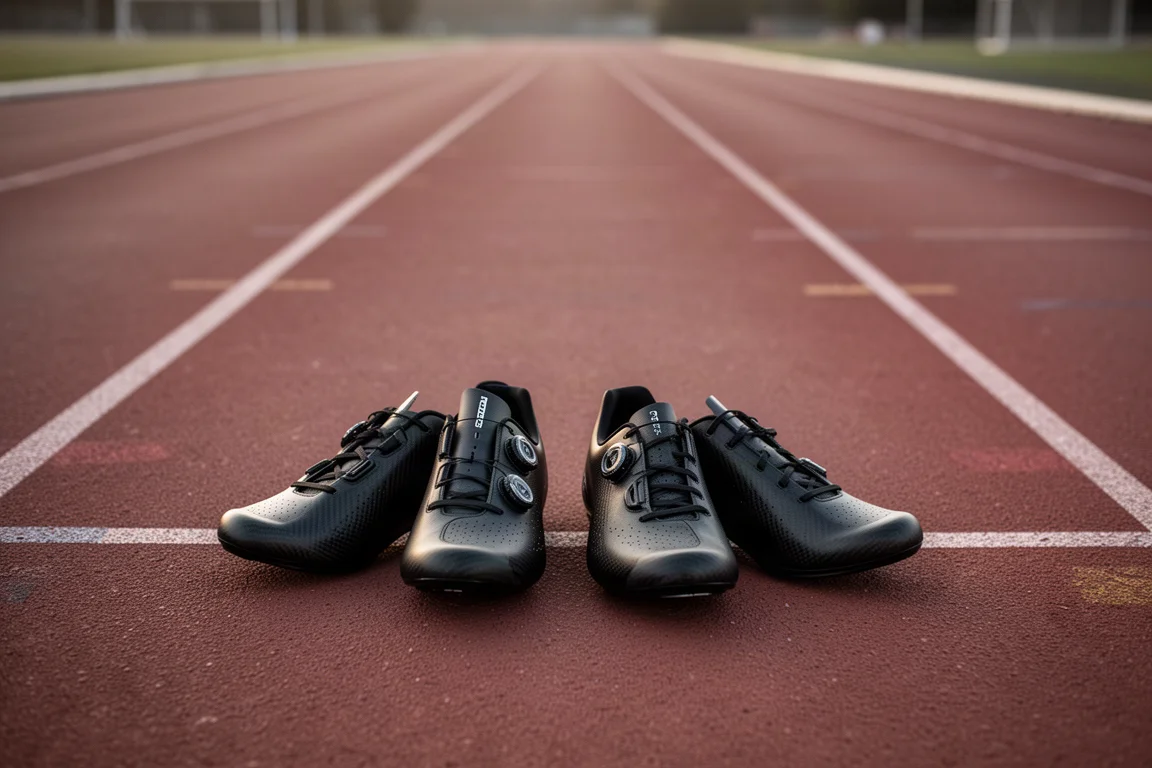
One caveat applies to both: some runners may find neither offers the protection of a Vaporfly 3 or Endorphin Pro on longer runs. If you want a more cushioned racer, you may want to look elsewhere.
Conclusion
The Echo 3 is the sharper race day tool with more pop, best reserved for racing and fast sessions. The Velocity Elite is cheaper, more durable, roomier and far more versatile, making it the better pick if one shoe has to do both training miles and race duty. Match your choice to how you’ll actually use the shoe and both are easy to recommend.
Product link
View more details for On Cloudboom Echo 3
This product is mentioned in the review. Check the specifications, options, and compatibility before buying.
View more details for On Cloudboom Echo 3Further reading
Related Reviews

Running Shoes
Best Road-to-Trail Running Shoes: Three Versatile Options for Mixed Terrain
A practical guide to three road-to-trail running shoes that handle both pavement and mild trails, with clear strengths and trade-offs for different runner types.

Running Shoes
Best Running Shoes for Achilles Tendonitis: Three Options Explained
Three running shoes with different heel drops and support features designed to help reduce Achilles tendon pain during walking and running.

Running Shoes
Best Running Shoes for Women: Five Top Choices Ranked
A ranked guide to five women's running shoes, from versatile daily trainers to high-performance racing options, with real strengths and trade-offs for each.