Running Shoes
On Cloudboom Echo 3 vs Nike Vaporfly 3: Which Carbon Racer Should You Buy?
Two of the most talked-about carbon racing shoes compared on price, weight, fit, ride feel, and durability, with clear guidance on which suits your race day.
Introduction
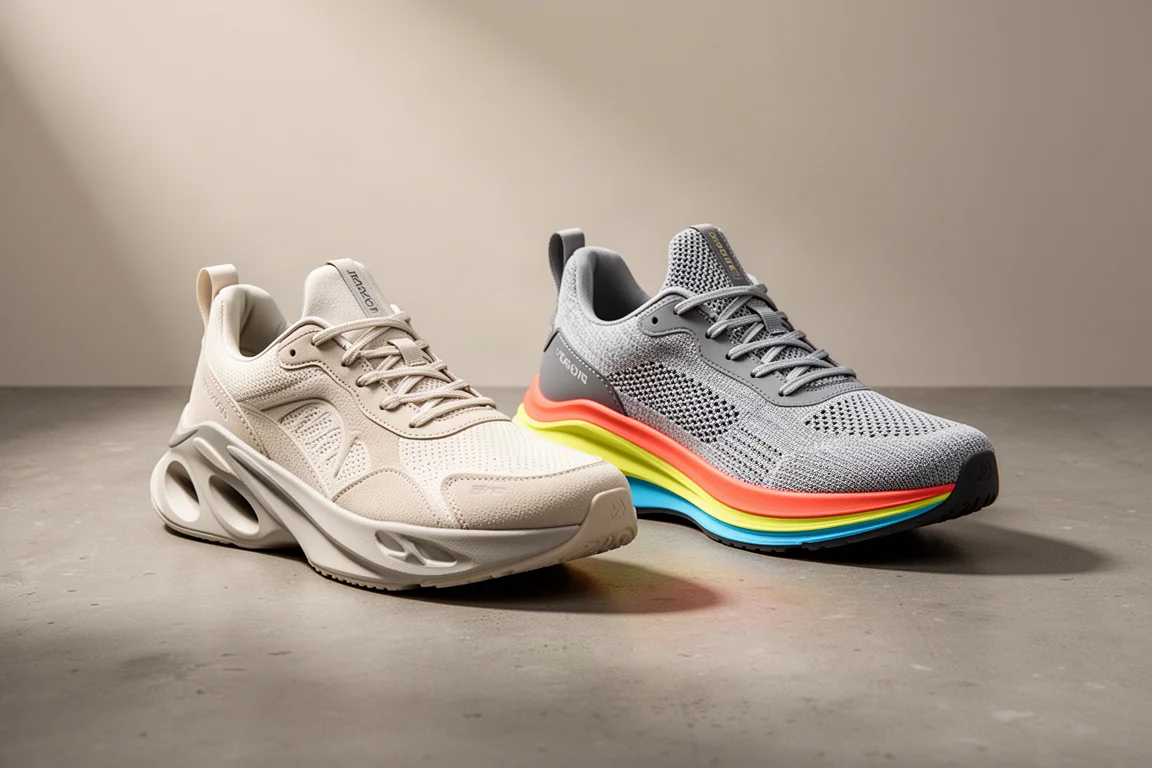
The On Cloudboom Echo 3 and the Nike Vaporfly 3 are two of the most relevant carbon plate racing shoes you can consider right now. Both are built for fast race days, both have loyal followings, and both come with trade-offs that are worth understanding before you spend serious money. This comparison breaks down where each shoe excels and which type of runner each one suits best.
Price, Weight, and Drop
The On Cloudboom Echo 3 costs £260 or $289.99, weighs 227 grams (8 oz) for men in a size 8, and has a 9.5 mm drop. The Nike Vaporfly 3 costs £234.95 or $250, weighs just 188 grams (6.6 oz) in the same size, and has an 8 mm drop.
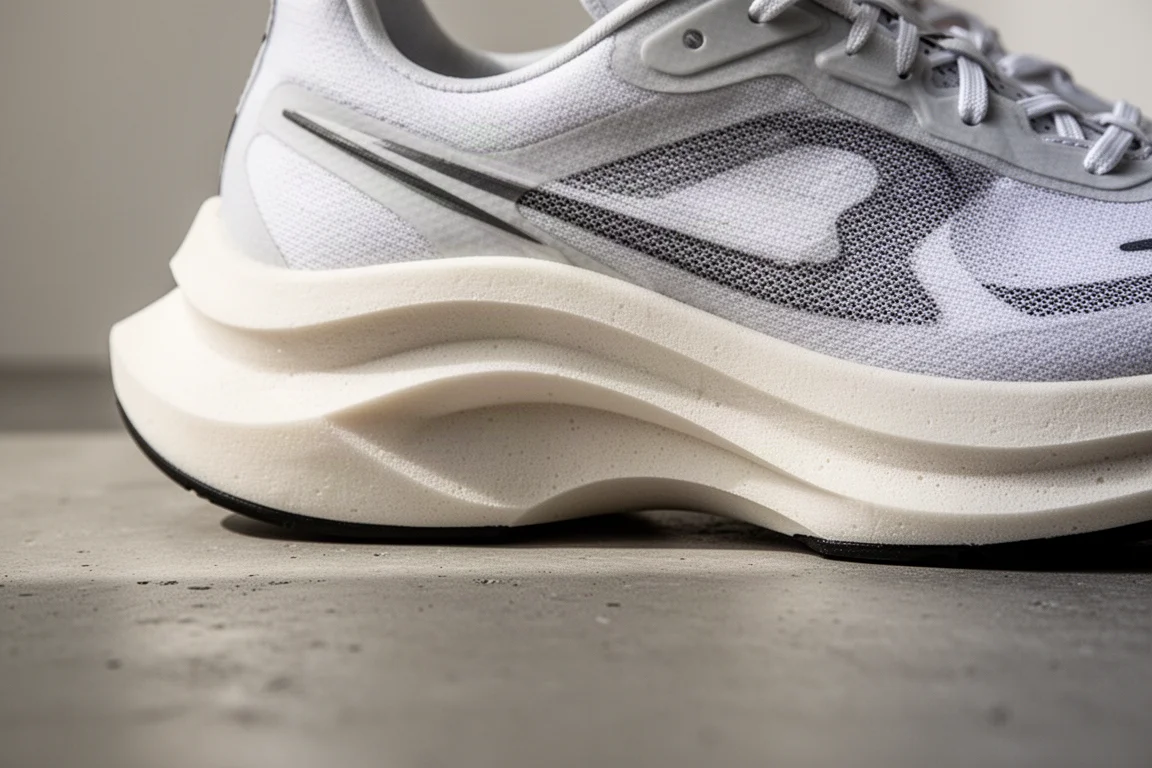
That means the Vaporfly 3 is both noticeably lighter and cheaper than the Cloudboom Echo 3. The weight difference of nearly 40 grams is meaningful in a race shoe, and the price gap adds to the Nike’s overall value case.
On Cloudboom Echo 3
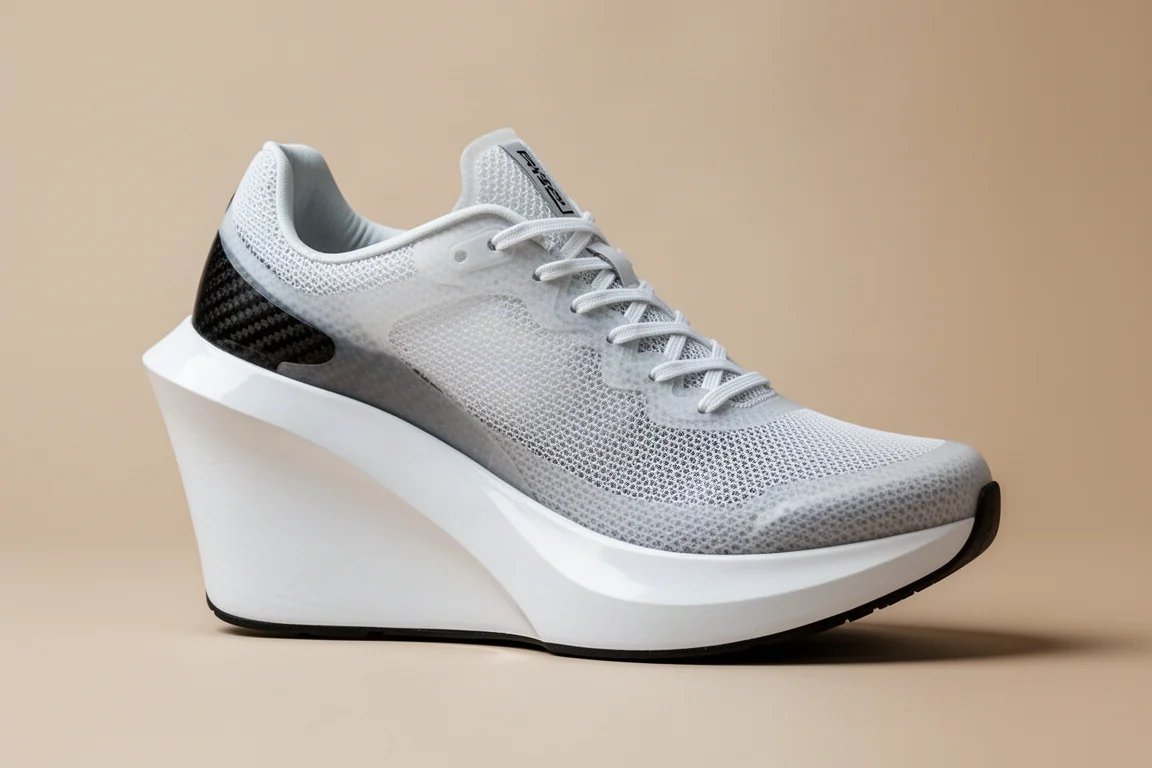
The Cloudboom Echo 3 is one of the most exciting new developments across On’s performance line. The most important update is the brand’s new Helion HF (referred to as the new propulsive foam) working alongside a full-length carbon plate to provide propulsion and bounce when racing. On also states that the design aims to reduce energy loss. The upper is a microfiber design built to improve breathability and limit water absorption when your feet start to sweat, while the outsole features a healthy covering of rubber over the forefoot and smaller sections across key wear areas in the heel. A geometrically optimized rocker shape promotes a fast, fluid transition, and a crafted foam build is intended to deliver a personalized fit.
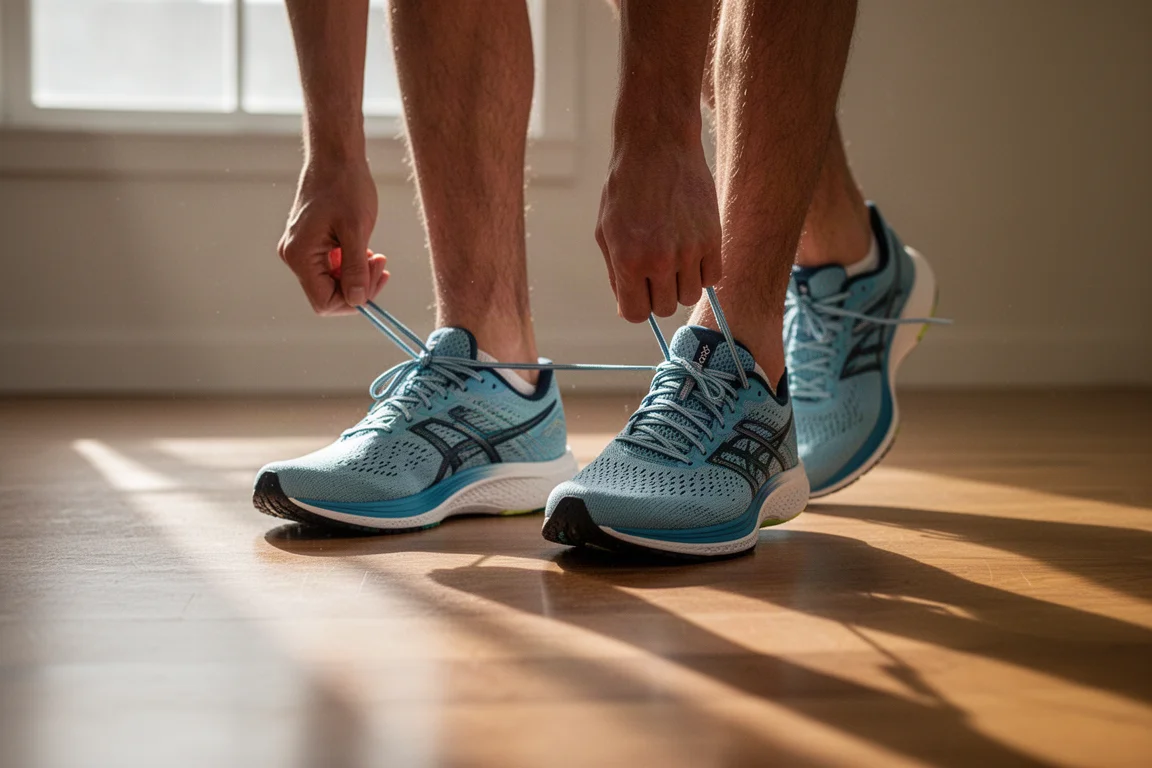
On the run, the new foam feels far more responsive than the previous Cloudboom Echo, slightly softer yet still firmer than most rivals. It is a shoe designed for running fast, and it does that very well. Testers found it best suited to shorter races up to around half marathon distance, feeling a little too lean and lightly cushioned for a full marathon, though some faster runners would still be fine over that distance. It has a nice turnover, rolls you forward, picks up the pace very quickly, and feels genuinely secure on the foot.
Nike Vaporfly 3
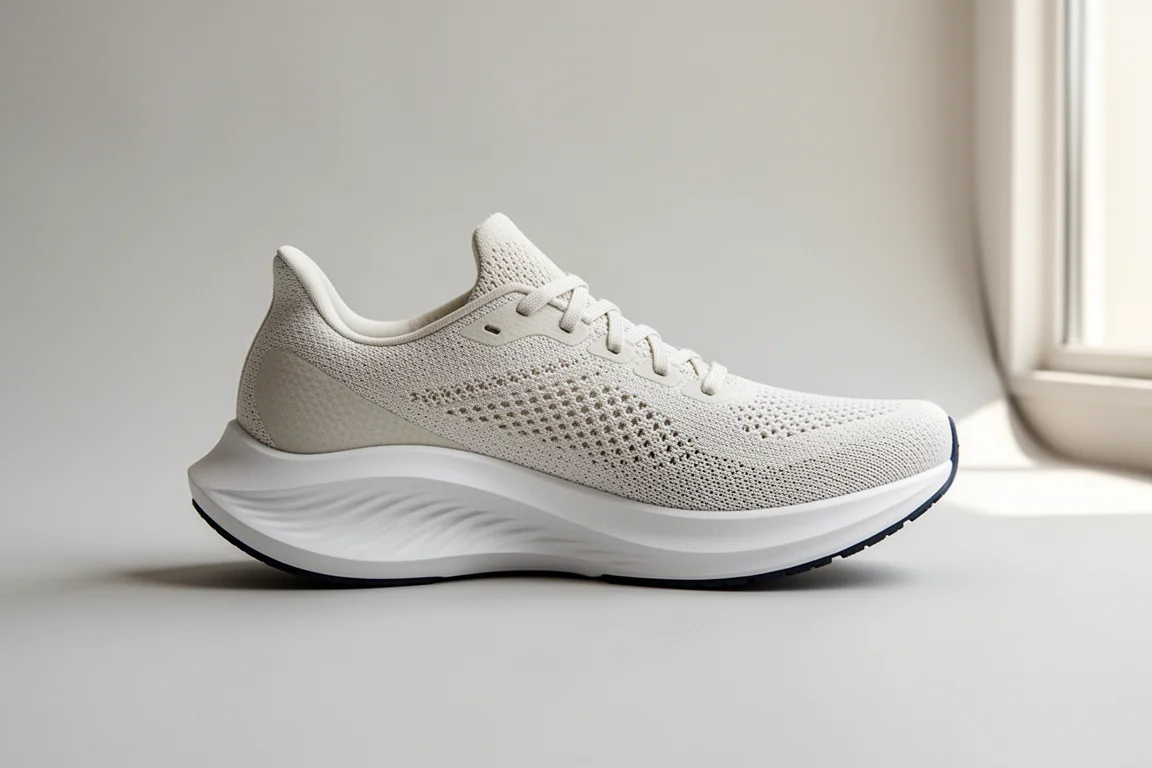
The Vaporfly 3 is the eagerly awaited update to the hugely popular Vaporfly 2. The changes are spread across the length of the shoe to increase comfort and improve race-day performance. The biggest update is a revamped outsole design: a thinner rubber covering than the previous version, which allowed a very slight increase in midsole foam. There is also new waffle outsole rubber at the front for improved grip and durability, a wider heel base of midsole foam for greater stability, a new Flyknit upper for breathability and a fit that contours the foot, a wider toe area, a padded tongue, and an internal foam pod in the heel for extra cushioning.
Testers who ran the London Marathon and other long efforts in the Vaporfly 3 describe it as all the good stuff of the earlier Vaporflys in a slightly lighter package with a bit more cushioning. The ZoomX midsole foam is still considered by many the best on the market for bounce: it gives a soft feeling underfoot, makes the plate easy to engage at almost any pace, and bounces you along efficiently across any distance. It remains comfortable over a marathon while staying light and nimble for short races and track reps.
Fit and Sizing
Both shoes fit true to size, and testers in UK sizes 8 and 9 reported being happy in their normal running shoe size in both. The differences are in the details. The Vaporfly 3’s Flyknit upper is stretchier and more flexible, giving more wiggle room in the toe box and a roomier, slightly looser feel overall. Its lateral, angled lacing structure pulls down and outward, which some runners will love for the extra space, particularly on the medial side.
The Cloudboom Echo 3 has a more traditional lacing span right across the top of the midfoot, making it easier to cinch down a snug, secure fit. It comes up slightly longer in the toe box than the Vaporfly 3 but feels tighter across the midfoot at the big toe knuckle. Its more traditional padded heel collar gives a noticeably secure hold, while the Vaporfly 3’s minimal heel padding feels a little more airy, though no significant slipping was reported even over a full marathon.
Ride Feel and Propulsion
This is where the two shoes diverge most. The Vaporfly 3 was made softer: Nike removed some firmness and tweaked the plate so the overall stiffness feels slightly relaxed, making it a more democratic, protective, cushioned shoe for runners whose form gets ragged late in long races. The ZoomX foam compresses and gives a bouncy, energetic, propulsive ride.

The Cloudboom Echo 3 is the opposite: a firmer platform that does not collapse as much under load. The foam engages far quicker and fires earlier into your step, delivering a stiffness, rocker, and spring-back that feels racy and encourages good form. If you like a firm shoe, it feels punchy and fast. If you prefer softer cushioning, the Vaporfly 3 will likely appeal more.
Stability
Stability is close to a tie. The Cloudboom Echo 3 sits on a slightly higher, curved platform of foam, which can affect stability at the margins. The Vaporfly 3’s softer, sinking feel can introduce a touch of wobble, particularly if you land further back on your feet. Both have a fairly narrow, slim platform and run similarly in that respect, though some testers found the On marginally more stable thanks to its firmer base.
Durability and Outsole Wear
The main shared concern is outsole durability. The Vaporfly 3 has minimal rubber at the rear of the shoe, and its stepped outsole design appears to increase wear, with noticeable ripping up around the heel rubber strips after around 100 km. It does not significantly affect performance, but it is worth watching.
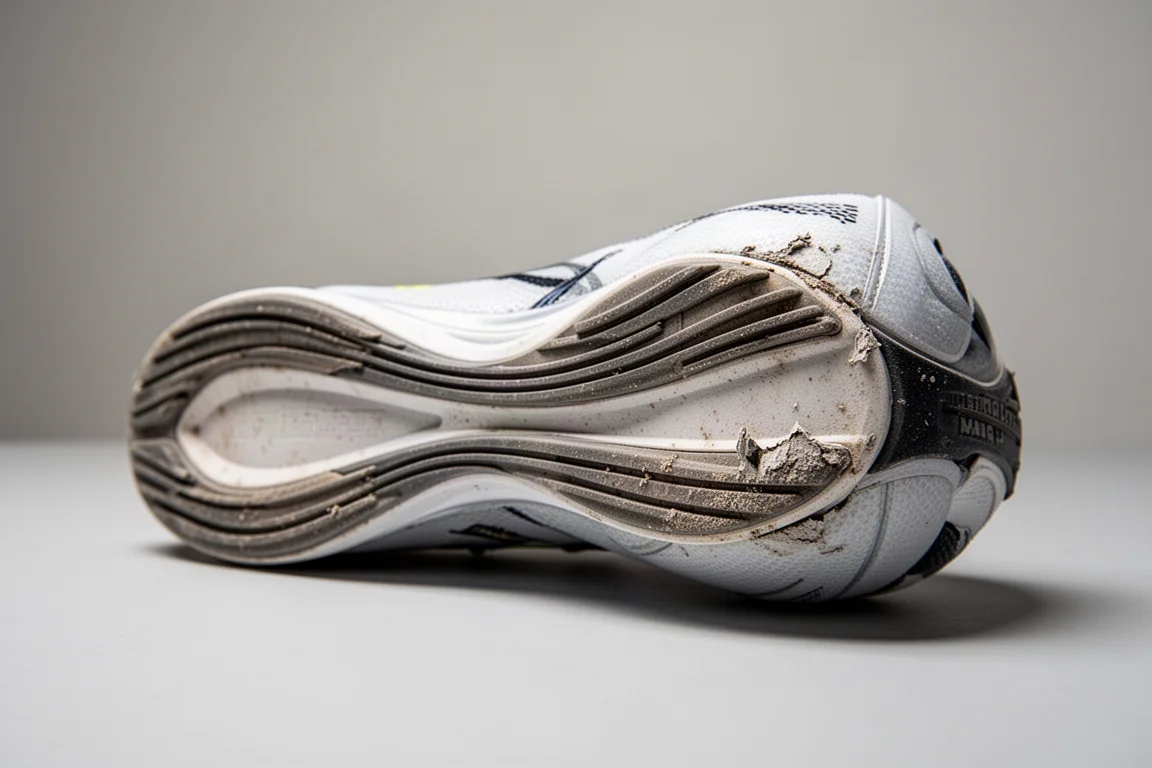
The Cloudboom Echo 3 shows the same pattern. With lots of rubber over the forefoot but very little at the back, testers reported rubbing off outsole rubber at the rear on the very first run, with slight flaking visible after only around 50 km. The advice for both is the same: treat these as dedicated racing shoes rather than everyday trainers and they should last a decent amount of time.
Which One Should You Buy?
The overall verdict leans toward the Nike Vaporfly 3. It is lighter, slightly more comfortable, more propulsive, and cheaper, and it ranks among the very best carbon racers available. Its balance of cushioning, speed, and weight across 5K to marathon distances is hard to beat, and the ZoomX foam remains the benchmark for bounce.
The Cloudboom Echo 3 is still a very good carbon racing shoe and finally gives On fans a genuine top-tier option. Its firmer, punchier ride and more noticeable rocker may actually suit some runners better, particularly those racing up to half marathon distance or faster marathoners around the three-hour mark who miss the snappy feel of earlier-generation super shoes. Its main weakness is price: in the US it is among the most expensive carbon shoes available, and the performance does not fully justify costing more than its rivals.
Conclusion
If you want the most versatile, energetic, and better-value super shoe for race days from 5K to the marathon, the Nike Vaporfly 3 is the safer pick. If you prefer a firmer, faster-feeling platform with a secure fit and you race mostly up to half marathon distance, the On Cloudboom Echo 3 is a genuinely competitive alternative that puts On firmly in the super shoe conversation.
Further reading
Related Reviews

Running Shoes
Best Road-to-Trail Running Shoes: Three Versatile Options for Mixed Terrain
A practical guide to three road-to-trail running shoes that handle both pavement and mild trails, with clear strengths and trade-offs for different runner types.

Running Shoes
Best Running Shoes for Achilles Tendonitis: Three Options Explained
Three running shoes with different heel drops and support features designed to help reduce Achilles tendon pain during walking and running.

Running Shoes
Best Running Shoes for Women: Five Top Choices Ranked
A ranked guide to five women's running shoes, from versatile daily trainers to high-performance racing options, with real strengths and trade-offs for each.