Running Shoes
On Cloudboom Echo 3 vs Hoka Rocket X2: Which Carbon Racer Should You Buy?
Two new carbon super shoes go head to head on specs, fit, ride feel, durability and price to help you pick the right one.
Introduction
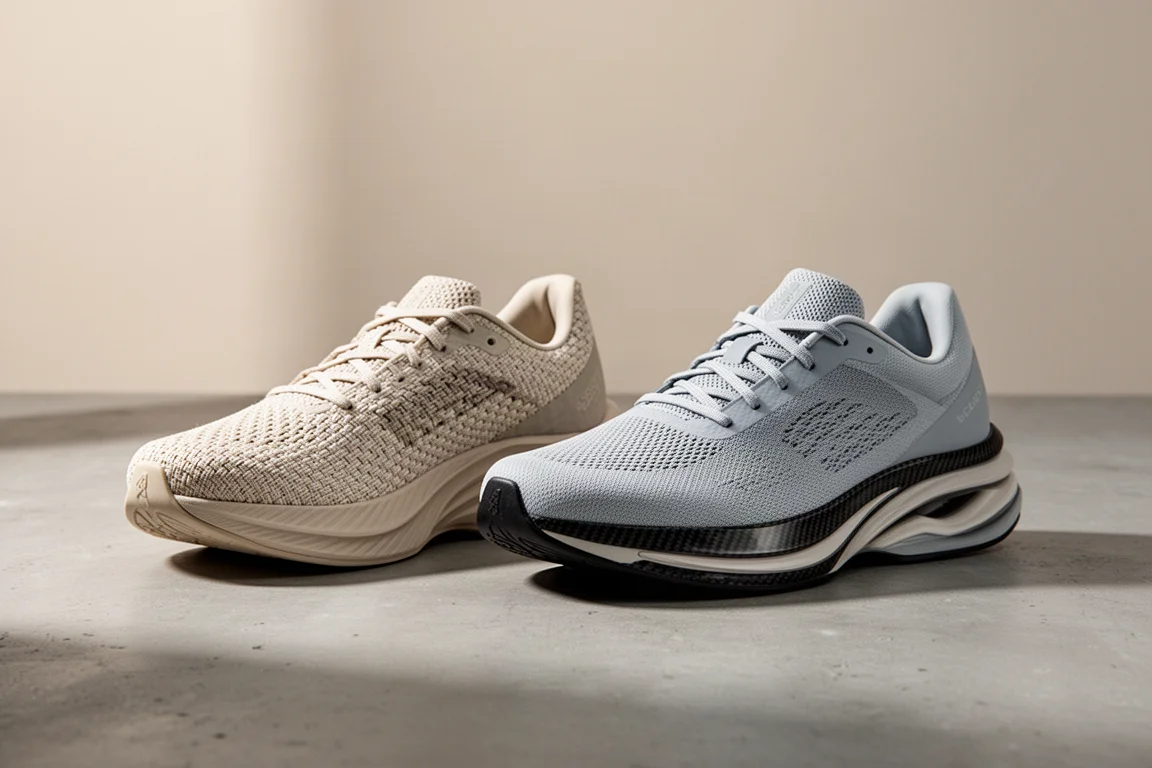
Two brands that were late to the carbon super shoe party have now arrived properly. On’s Cloudboom Echo 3 and the Hoka Rocket X2 are both complete overhauls of their predecessors, and both finally deliver the kind of performance you expect from a modern super shoe, largely thanks to new Pebax-based midsole foams and higher stacks.
After roughly 30 miles in each pair, including half marathons, a marathon in the Rocket X2, track sessions, and a side-by-side mile with one shoe on each foot, the honest conclusion is that these are remarkably similar shoes. The choice comes down to fit preferences, ride feel, and price.
Specs At A Glance
The Cloudboom Echo 3 has a 37mm heel and 28mm forefoot for a 9mm drop. The Rocket X2 sits at 36mm heel, 31mm forefoot, and a much lower 5mm drop. In test sizing, the Echo 3 weighed in at 8.1 ounces (230g) in a UK men’s 8.5, with the Rocket X2 a shade lighter at 7.8 ounces (221g).
On price, the Echo 3 launched at £260 ($289.89), while the Rocket X2 is significantly cheaper at £220 ($250). That price gap becomes a real factor later.
Construction And Design
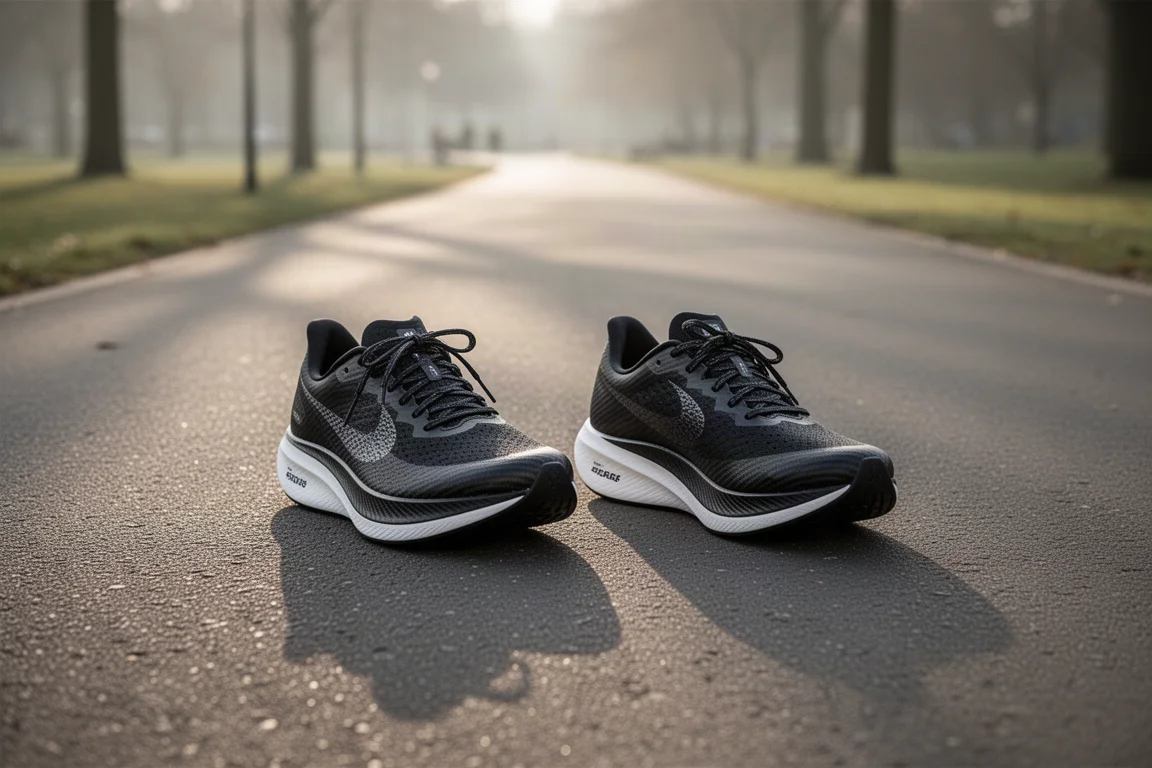
The Rocket X2 is a complete overhaul. It uses a two-part ProFly X midsole with dual-density Pebax foam: a softer layer closer to the foot and a firmer, more responsive layer underneath. A spoon-shaped offset carbon fiber plate sits between them, which Hoka says improves rebound over previous shoes, and an early-stage rocker improves toe spring and smooths transitions. The synthetic mesh upper is very snug with gusseted tongues and an internal foot cage for a locked-in race fit, while strategic rubber reinforcements on the outsole boost grip and durability in high-impact areas.
The Cloudboom Echo 3 is the first shoe to feature On’s new Helion Hyper foam, a Pebax-derived midsole material. Inside sits a full carbon rocker-shaped Speedboard. The midsole is narrower than the Rocket X2, so the landing platform is slightly smaller. Up top there is a woven one-piece upper with extra breathable zones, a half-gusseted tongue, and more padded, traditional heel collars compared with the Rocket’s more minimal racy design. The outsole has thin but substantial rubber in the forefoot, with much less coverage on the heel.
Fit And Sizing
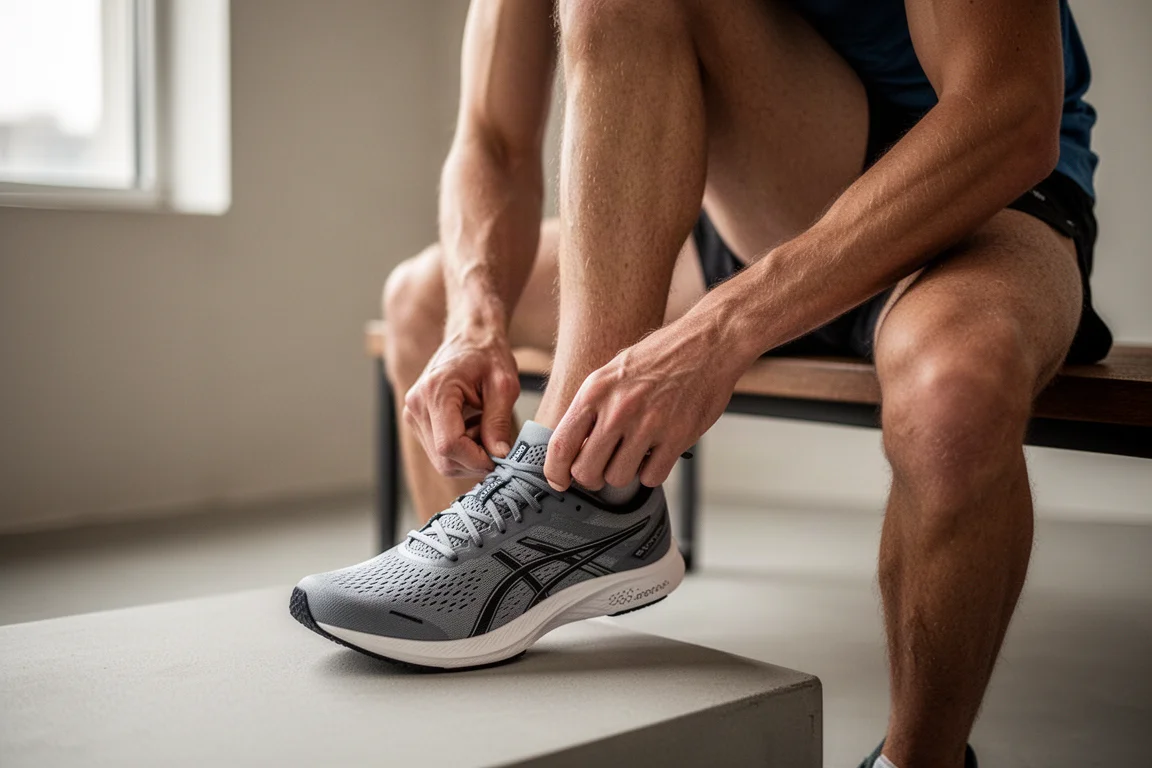
Both shoes run tight and hugging, as race shoes should, with compact toe boxes that lean on the foot. The consensus across testers is to go true to size, but there are differences worth knowing.
The Rocket X2 is the more cramped of the two, particularly across the top of the foot and into the big toe knuckle area, and its heel is very flexible with almost no structure. Some testers reported heel rubbing at first that was resolved with a heel-lock lace technique. Runners with wide feet may want to consider going half a size up, and some people have reported the fit feeling cramped over longer distances like half marathons and beyond.
The Echo 3 has a slightly roomier and more supportive fit around the heel, with a small internal heel counter, and several testers preferred its upper overall, finding the Rocket’s upper a touch plasticky. If you have narrow feet, both should work in your normal running shoe size.
Ride And Performance
On the side-by-side mile, the distinction between these two was surprisingly small. Both hit a sweet spot where midsole, rocker geometry, and plate work together to deliver a firmer, snappier ride that rolls you through your stride. They feel light, agile, and racy, and they encourage good form with a quick turnover.
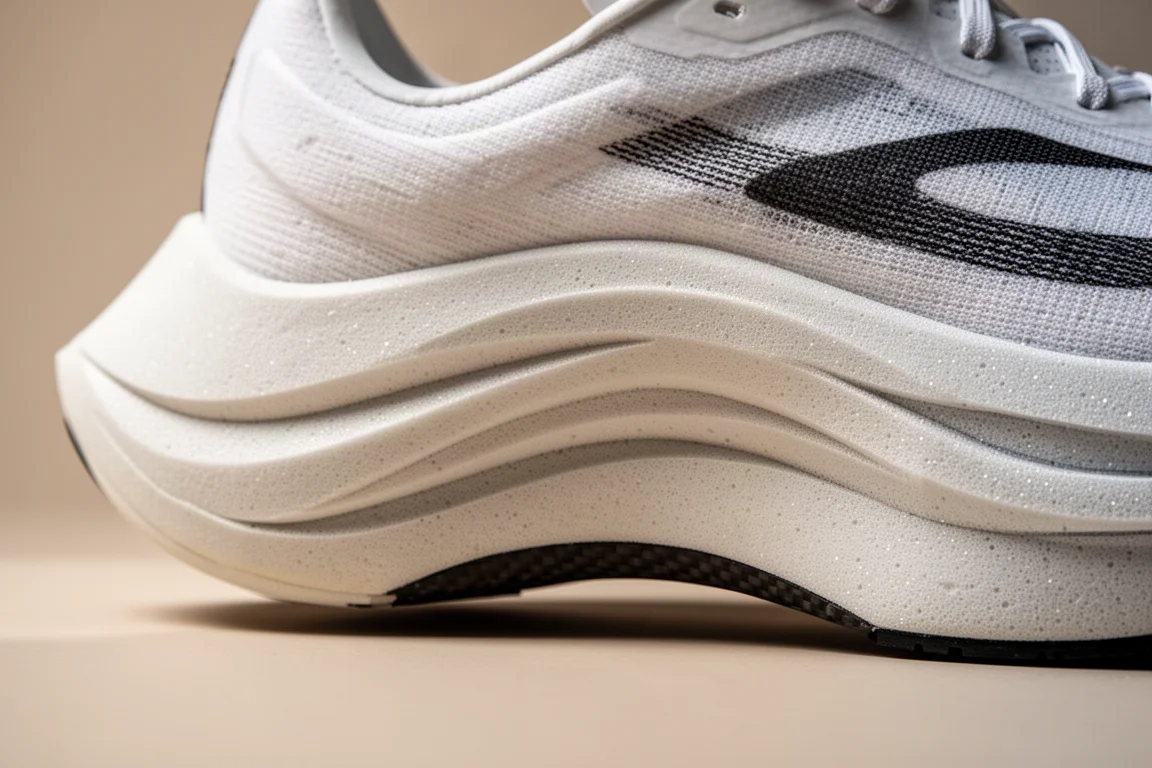
The Echo 3 puts a bit more foam under the ball of the foot, so its toe-spring rocker engages a little earlier, tipping you forward and helping your tick-over on long runs and short races alike. It also has a bit more protection in the heel for runners who land further back. The Rocket X2 is mellower and smoother, with a softer heel that sometimes feels close to flat, which makes it feel grounded and nimble but best when you are up on the midfoot.
Both run firmer than something like the Vaporfly 3, so if you prefer a more forgiving, cushioned ride for a full marathon, look elsewhere. That said, testers found both comfortable enough over marathon-length time on feet, and one runner even completed a 55-mile ultra in the Rocket X2.
One nuance: the Echo 3’s dense foam needs to be engaged. When you are running well and hitting your stride, you get a booming response off the plate, but at easy paces or when fatigued, the propulsion fades a little. The Rocket’s softer foam makes its plate punch easier to access even at slower paces, which lighter runners may appreciate.
Durability And Value
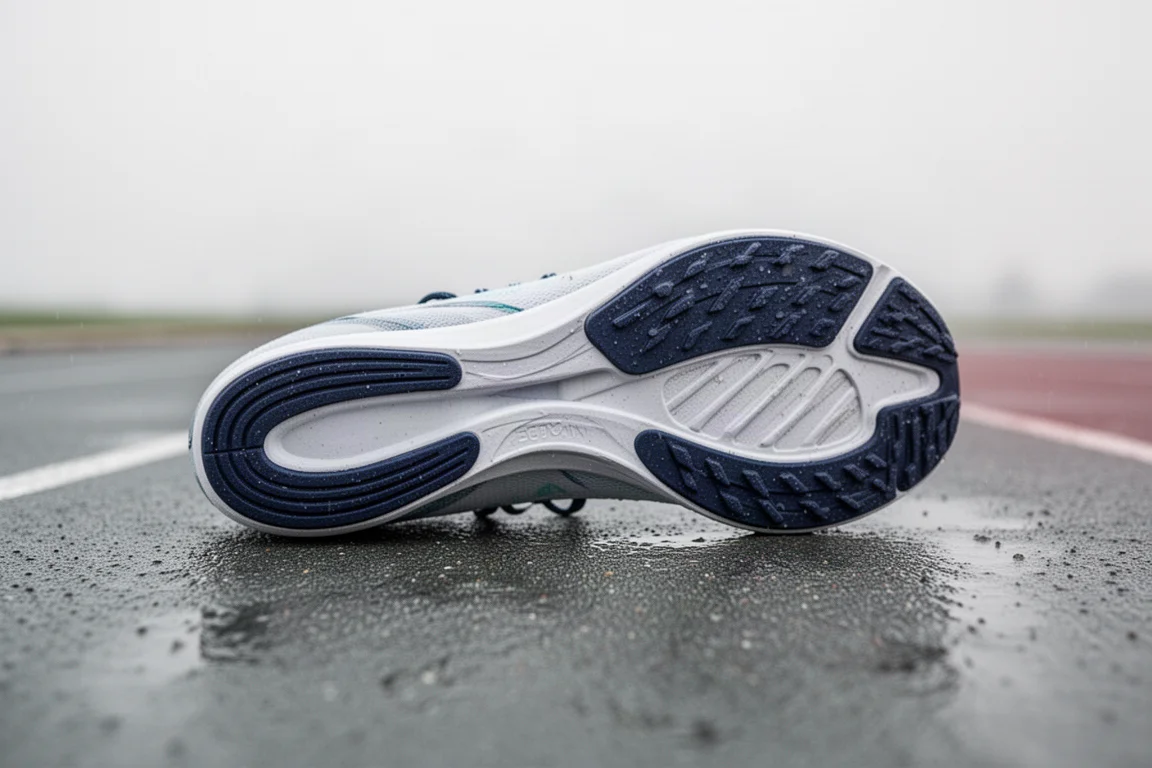
Outsole durability is a genuine watch-out on both shoes, but especially the Echo 3. Testers reported rubber flaking on the outer heel section of the Echo 3 within early runs, a pattern also reported by other users. The Rocket X2’s outsole held up noticeably better, with thicker rubber that impressed even on a wet track session of short reps.
The Echo 3’s outsole, with its thin heel coverage, may not be outstanding over the long term. Neither shoe showed grip problems, but if durability matters to you, the Rocket has the edge.
On value, the Rocket X2 is priced about par for the carbon shoe market, while the Echo 3’s launch price, particularly the $290 US price, feels like too big a jump. The performance and durability gains do not match the price gap, which makes the Rocket the easier recommendation on pure value.
Overall Verdict
These are On’s best carbon racing shoe by far and arguably Hoka’s best too. Both are excellent for 5K, 10K, and half marathon racing, and both can stretch to the marathon if you tolerate a firmer ride.
The Echo 3 is the pick if you want the more aggressive rocker, the more supportive heel, a roomier upper, and a high drop that suits heel strikers. The Rocket X2 is the pick if you want a slightly softer, more approachable shoe that delivers its plate punch at any pace, better outsole durability, and notably better value. Just keep an eye on the Rocket’s minimal, unstructured heel, which can rub initially and offers less support than the On.
Conclusion
There is very little between these two shoes in outright performance, which is why price ends up doing the deciding work. For most buyers, the Hoka Rocket X2 is the sensible choice: nearly identical ride quality, better durability, and a substantially lower price. If you love On’s design language or need the higher drop and firmer, tippier feel, the Cloudboom Echo 3 is a genuinely impressive debut, just try to find it below list price.
Product link
View more details for On Cloudboom Echo 3
This product is mentioned in the review. Check the specifications, options, and compatibility before buying.
View more details for On Cloudboom Echo 3Further reading
Related Reviews

Running Shoes
Best Road-to-Trail Running Shoes: Three Versatile Options for Mixed Terrain
A practical guide to three road-to-trail running shoes that handle both pavement and mild trails, with clear strengths and trade-offs for different runner types.

Running Shoes
Best Running Shoes for Achilles Tendonitis: Three Options Explained
Three running shoes with different heel drops and support features designed to help reduce Achilles tendon pain during walking and running.

Running Shoes
Best Running Shoes for Women: Five Top Choices Ranked
A ranked guide to five women's running shoes, from versatile daily trainers to high-performance racing options, with real strengths and trade-offs for each.