Running Shoes
On Cloudboom Echo 3 Review: A Firm, High-Torque Racing Shoe Worth Hunting Down on Discount
The On Cloudboom Echo 3 pairs a carbon plate with firmer PEBA foam for a fast, responsive ride, and it looks even better at a discount next to the Mizuno Wave Rebellion Pro 2 and Nike Vaporfly 3.
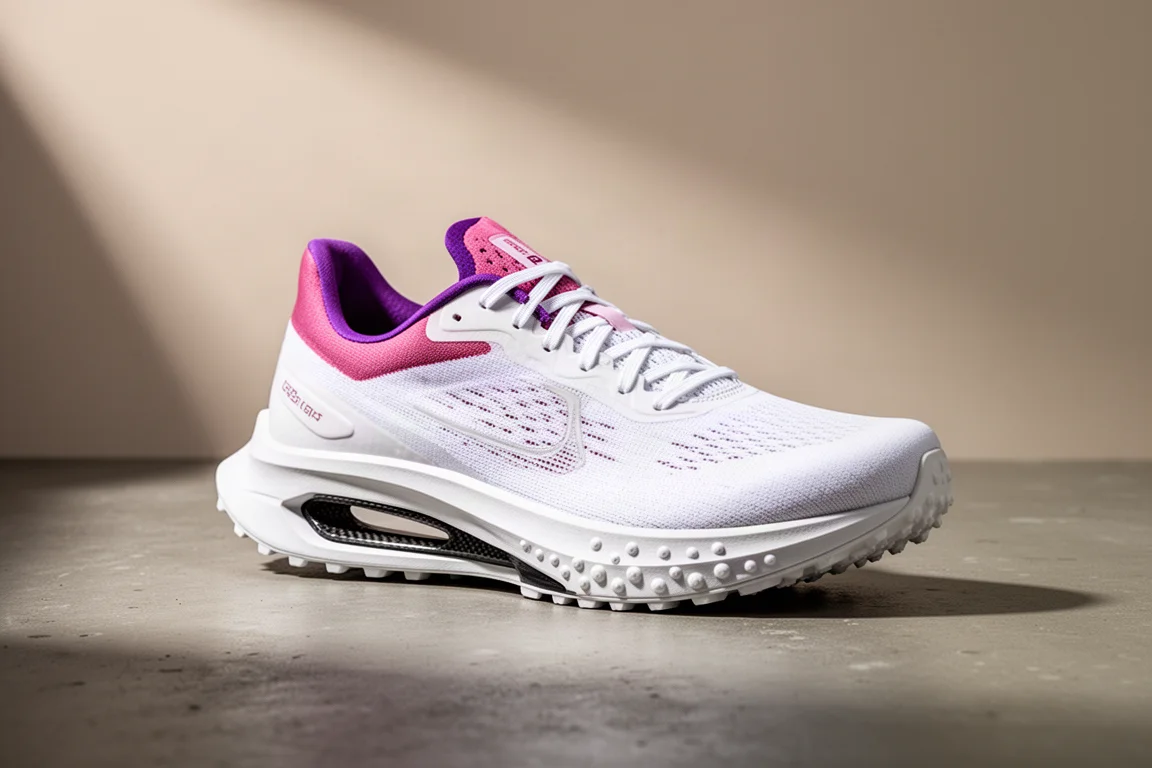
Introduction
Some racing shoes arrive with enormous marketing budgets and disappear from conversation just as quickly. The On Cloudboom Echo 3 launched back in 2023 with a $290 price tag and a bold claim printed right on the box: a lifespan of roughly four marathons, around 110 to 120 miles. That warning alone was enough to push it off a lot of shopping lists, which is a shame, because on the road it turns out to be one of the more satisfying racing shoes of its generation.
Found on sale for around $160, it becomes a genuinely compelling buy. It sits in a sweet spot that has become harder to find as brands chase ever-softier foams: firm enough to let you drive power through the shoe, cushioned enough to stay comfortable deep into a run. This guide walks through what makes it work, and then compares it with two strong discounted alternatives, the Mizuno Wave Rebellion Pro 2 and the Nike Vaporfly 3.
How We Evaluated These Racing Shoes
The comparison focuses on the practical questions that matter when you are spending race-shoe money: how the foam is tuned, whether the fit runs narrow or roomy, how the stack height and geometry feel across paces, and how each shoe stacks up on weight. Measured weights and stack readings come from a size-11 sample where noted, so treat the numbers as directional rather than exact for every size.
Main Review: On Cloudboom Echo 3
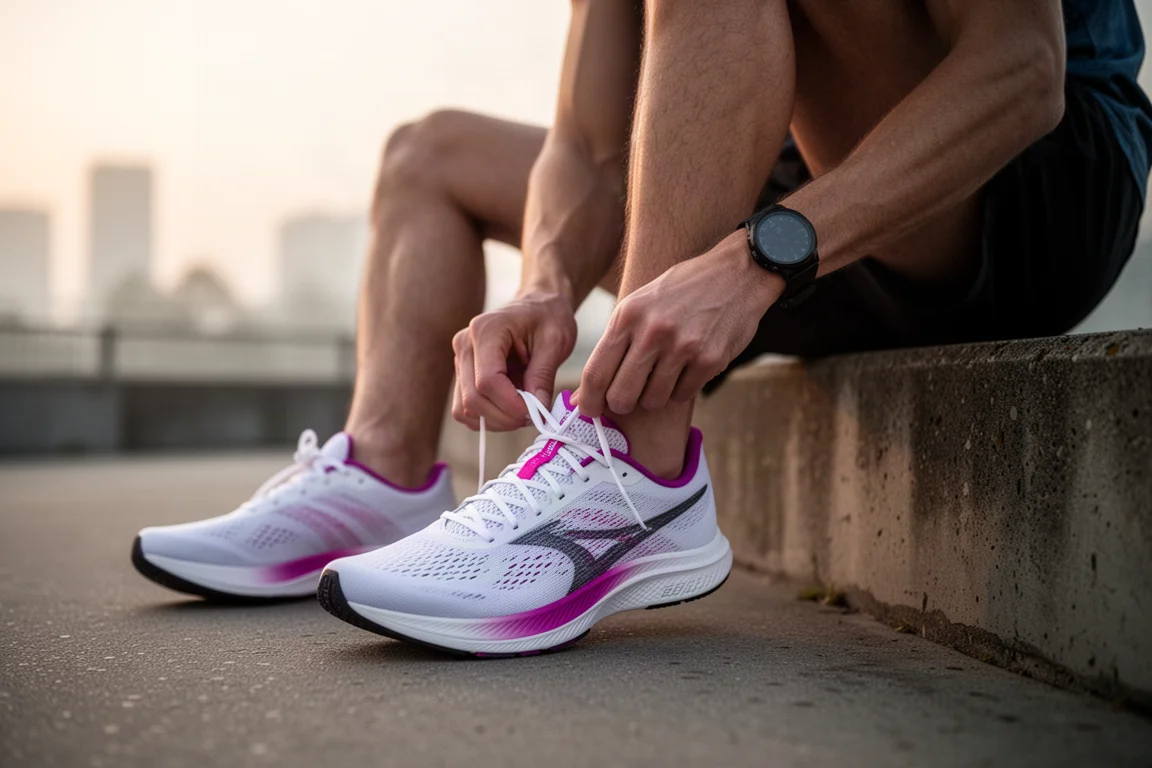
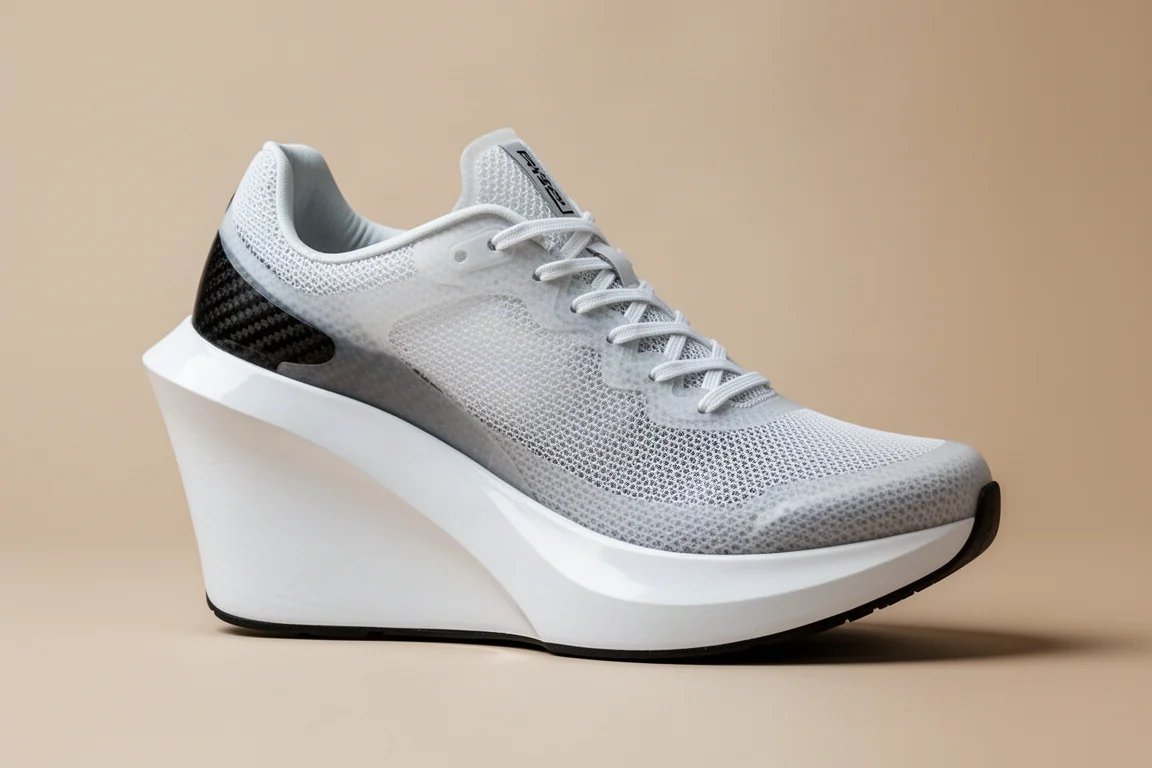
The Echo 3 weighs 241 grams in a size 11, which would land in the low 230s in a more typical size. Stack height comes in around 40.3mm in the size-11 sample, a touch under 40 in a 10.5. That puts it in the heavier end of the mid-range for racing shoes, but the payoff is a robust, supportive feel that many lighter, slimmer shoes cannot match.

The star of the show is the foam tuning. It is firmer than most modern super-shoes, sitting right in the middle between soft and harsh, and it responds beautifully to power. Push harder and the forefoot seems to soften into the effort rather than fight it. On relaxed paces it behaves like a well-behaved training shoe, and at 5K effort and faster it turns lively without punishing heel strikers. The carbon plate sits low through the midfoot with enough foam above it to keep things comfortable, and the geometry is friendly rather than aggressively rockered.
The fit is true to size but distinctly narrow through the midfoot and forefoot, so wide-footed runners should think twice. The stock laces also have a reputation for coming untied and are worth swapping out. Durability remains the open question: early wear can show fraying near the heel, and the brand itself advertises only about four marathons of life.
Ride and Fit Impressions
Across a 10-mile workout with 200-meter pickups, tempo-pace efforts and easy jogging, the Echo 3 handled every pace without complaint. Faster splits felt smoother, not worse, which is rare. It avoids the harshness you might expect from a firmer race shoe, and it never feels mushy or power-sapping. For runners who like to put the work in and get it back, this is exactly the tuning to look for.
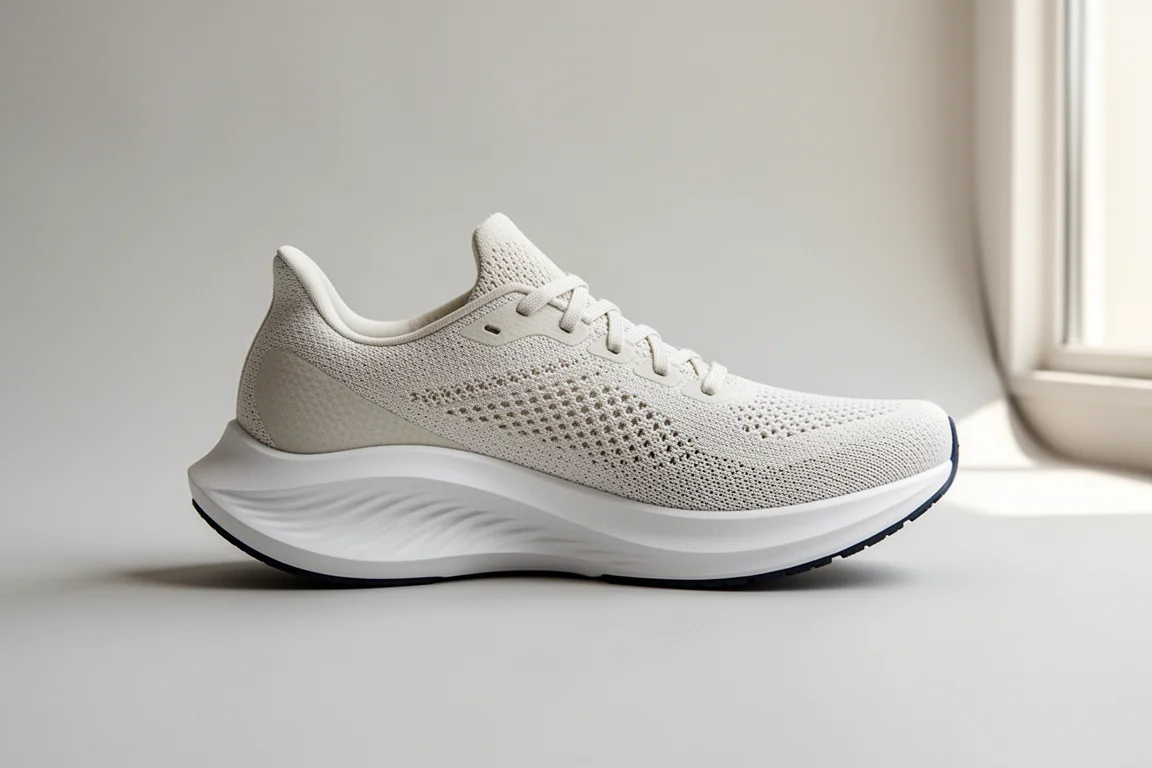
The Aggressive Alternative: Mizuno Wave Rebellion Pro 2
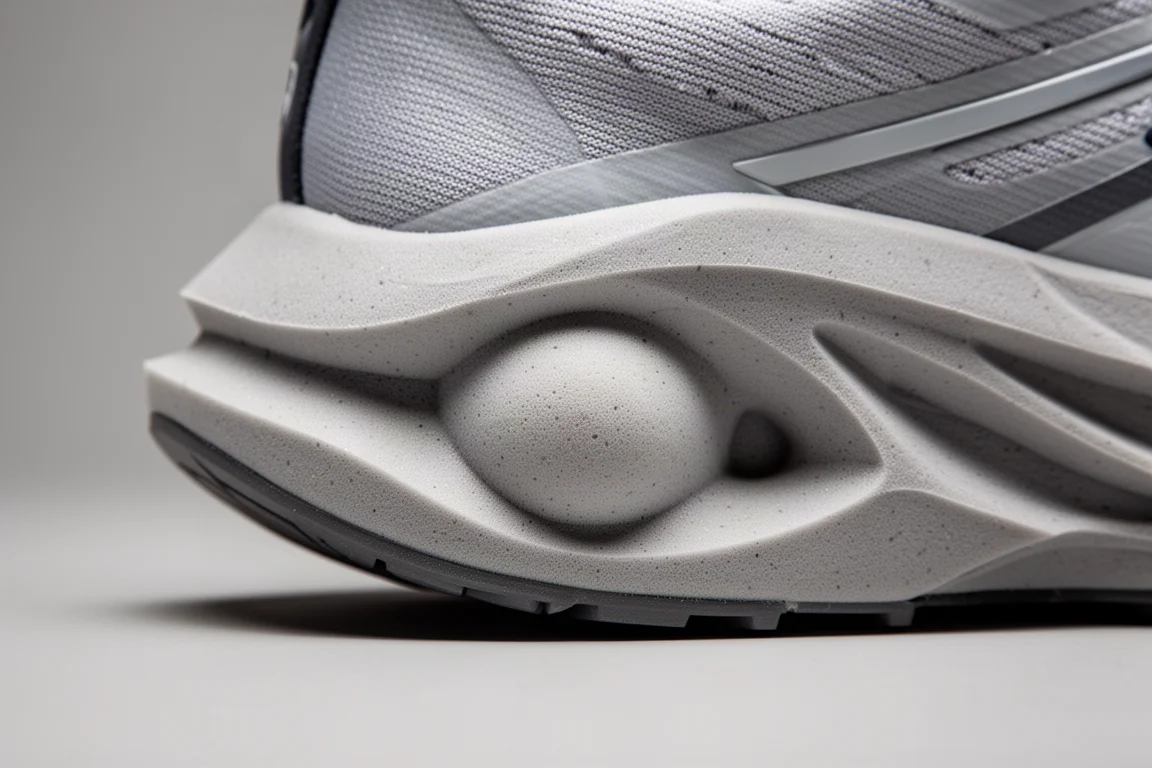
The Mizuno Wave Rebellion Pro 2 is the wilder option. At 234 grams, it carries a huge sculpted foam platform that measures around 60mm at the midfoot bulge and 37mm at the toe-off point. The forefoot is aggressive and fast, combining cushioned bounce with a sharp toe-off that recalls the best traits of the fastest marathon shoes available. It is widely considered one of the best bargains in racing right now, typically available around $160 and often closer to $144 with discount codes.
It is more aggressive and speed-focused than the Echo 3, and it will comfortably outlast far more than 120 miles. If you want maximum excitement underfoot and a shoe that can double as a fast trainer, this is the one to chase.
View more details for Mizuno Wave Rebellion Pro 2
The Softer Option: Nike Vaporfly 3

The Nike Vaporfly 3 takes the opposite approach. At around 200 grams, it is the lightest of the three, with a softer, more cushioned forefoot and a narrower platform. It suits runners who prefer a plush, forgiving ride and do not need the most aggressive toe-off. Durability of its soft foam is a known concern, with measured stack dropping noticeably under 35mm after limited mileage.
Typically discounted to around $150, it remains a legitimate racing option for lighter runners who like a gentler platform. For runners who want to drive power through the shoe, it can feel less responsive than the Echo 3.
Buying Advice
If you want a versatile, firm-tuned race shoe that can also handle tempo days and comfortable long efforts, the On Cloudboom Echo 3 at a discount is hard to beat. If you want raw aggression and maximum speed for the faster end of your race range, go Mizuno. If you prefer soft, lightweight cushioning and a narrower feel, the Vaporfly 3 fits that brief.
One practical note: deals on older-model racing shoes move fast, and the Echo 3 in particular has shown up at deep discounts through smaller retailers, so it pays to watch for price drops rather than paying full retail.
Conclusion
The On Cloudboom Echo 3 is a near-ideal racing shoe for runners who value a direct, high-torque ride with enough forefoot cushioning to stay comfortable over long distances. Its short advertised lifespan and narrow fit are the main caveats, but at the discounted prices it regularly reaches, it delivers a ride that many newer, softer super-shoes cannot match. Pair that with the Mizuno Wave Rebellion Pro 2 for aggression and the Nike Vaporfly 3 for softness, and you have three genuinely strong ways to spend your racing-shoe budget.
Further reading
Related Reviews

Running Shoes
Best Road-to-Trail Running Shoes: Three Versatile Options for Mixed Terrain
A practical guide to three road-to-trail running shoes that handle both pavement and mild trails, with clear strengths and trade-offs for different runner types.

Running Shoes
Best Running Shoes for Achilles Tendonitis: Three Options Explained
Three running shoes with different heel drops and support features designed to help reduce Achilles tendon pain during walking and running.

Running Shoes
Best Running Shoes for Women: Five Top Choices Ranked
A ranked guide to five women's running shoes, from versatile daily trainers to high-performance racing options, with real strengths and trade-offs for each.