Running Shoes
On Cloud Eclipse vs New Balance 1080 v13: Which Max Cushion Trainer Fits Your Running?
Two max cushion daily trainers, two very different rides. We compare stack heights, weight, fit and ride feel to help you pick between the On Cloud Eclipse and the New Balance 1080 v13.
Introduction
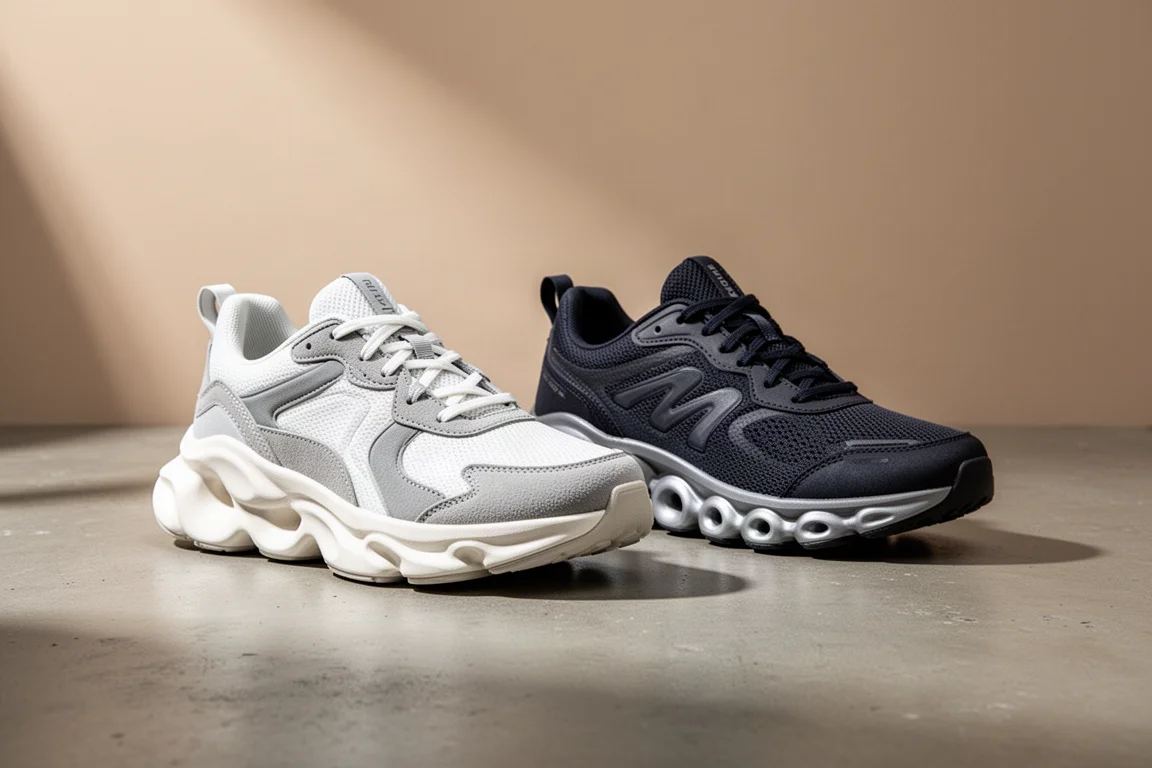
Max cushion daily trainers are everywhere right now, but two of the most interesting options sit at surprisingly different ends of the plush spectrum. The New Balance 1080 v13 is a long-standing veteran that was rethought for 2023, while the On Cloud Eclipse is newer to this part of the daily trainer lineup and builds on the midsole tech first seen in the Cloudsurfer 7 with its domino-style foam layout.
Both are built as do-it-all daily trainers with a tilt towards the plush and cushioned. After putting real miles into both, the differences turned out to be bigger than the spec sheets suggest.
Quick Comparison Specs
The stack heights are nearly identical: the New Balance 1080 v13 measures 38mm in the heel and 32mm in the forefoot, while the On Cloud Eclipse comes in at 37mm heel and 31mm forefoot, both with a 6mm drop.
Where they diverge is weight and price. The Eclipse is the heavier shoe at 10.5oz (297g) in a UK men’s 8 test shoe, versus 9.2oz (260g) for the 1080 v13. Price-wise, the New Balance is a shade cheaper at £160 in the UK and $165 in the US, while the Cloud Eclipse runs £170 in the UK and a cent shy of $180 in the US.
Midsoles and Construction
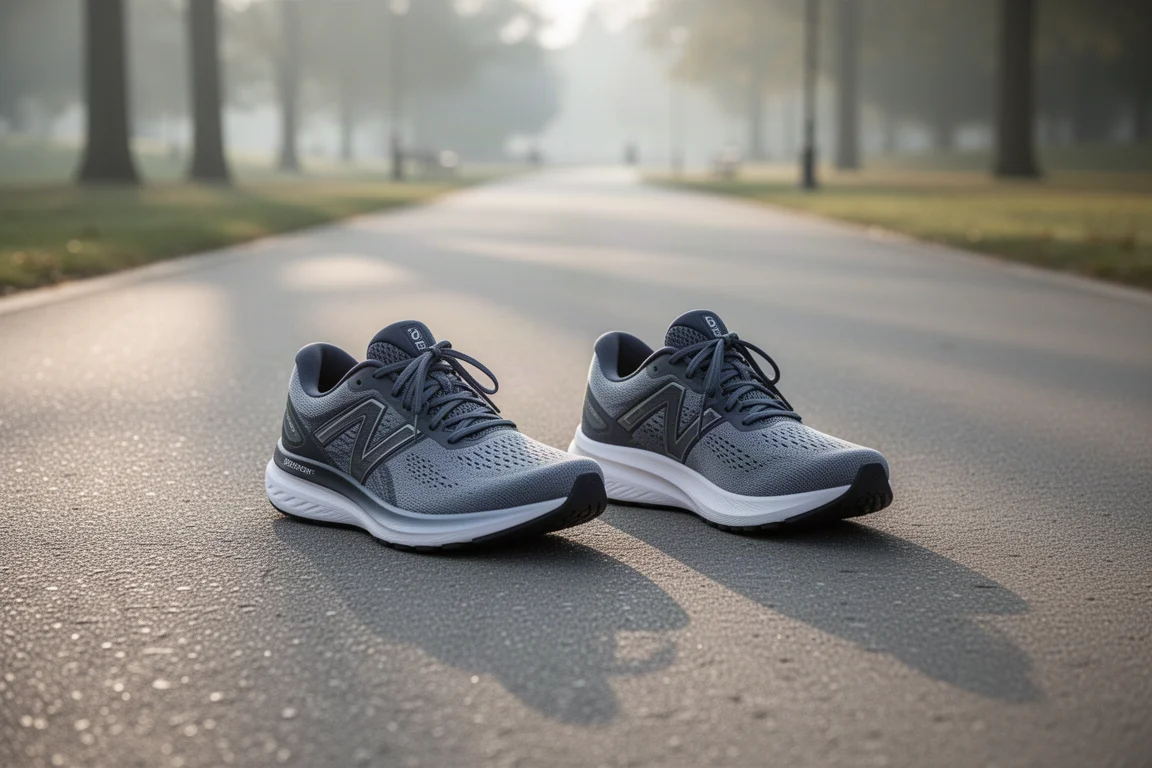
Both shoes use big stacks and rockers to smooth out transitions, but the foam itself is tuned very differently. The 1080 v13 uses light and soft Fresh Foam X across the full length of the midsole, with a wider forefoot and heel that creates a broad cushioning platform. The Cloud Eclipse uses a big wedge of Helion foam in a CloudTec Phase setup, with the cloud elements collapsing in sequence, plus a Speedboard plate under the midsole unit to add stiffness to the foam above.
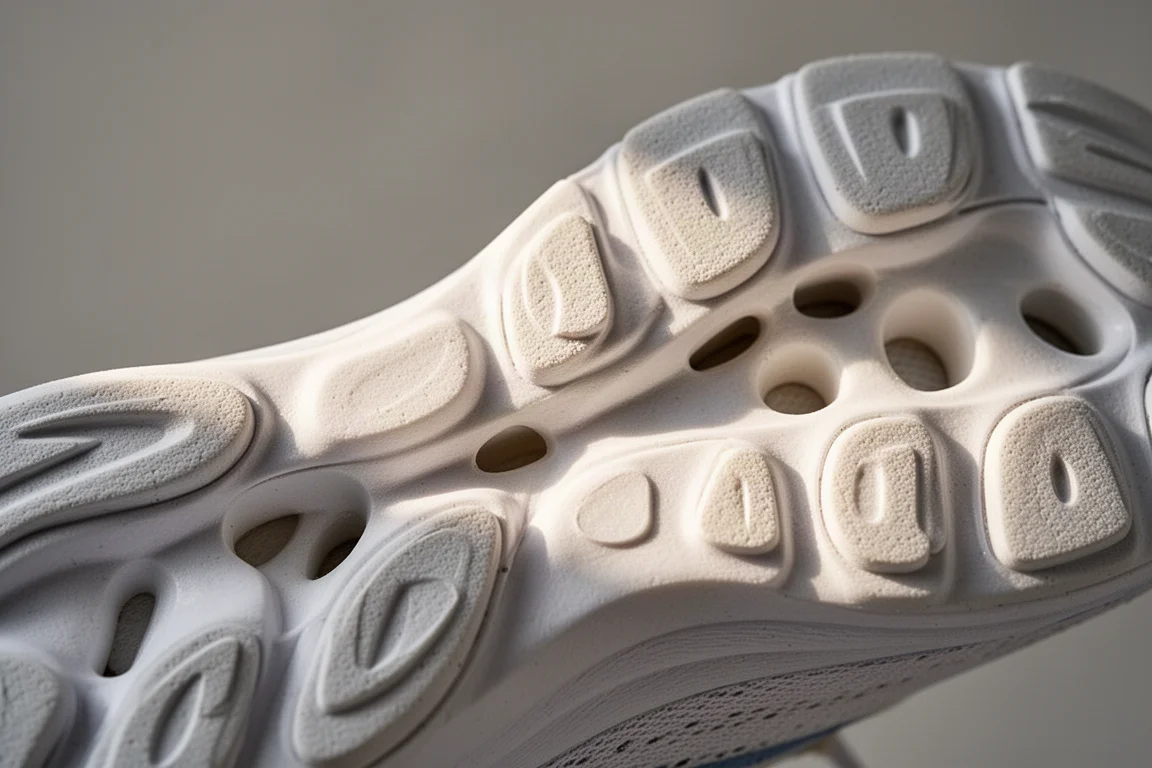
Up top, the Eclipse has a double-layered mesh upper with a thinner, foot-wrapping gusseted tongue that stretches down into an almost half-bootie construction. The New Balance uses engineered mesh that replaced the looser, more flexible knit of the v12, paired with a more padded classic gusseted tongue and much plusher heel collars. Underfoot, both have generous rubber coverage, with the Eclipse adding a heel channel that works as a bit of a stone catcher.
Fit and Sizing
Neither shoe raised major fit concerns, and both are fairly snug, tightly fitting shoes. If you run big for your size, going half a size up is worth considering; otherwise both run true to size.
The Eclipse is a little narrower across the midfoot and arguably into the toebox, partly because the 1080 v13’s upper is more stretchy and flexible, giving it a roomier feel overall. The New Balance also has more plushness in the heel collar and tongue, while the Eclipse delivers a more wrapped, snug fit with a lower-padded collar, an external heel clip for security, and more flex higher up the heel.
Ride and Performance
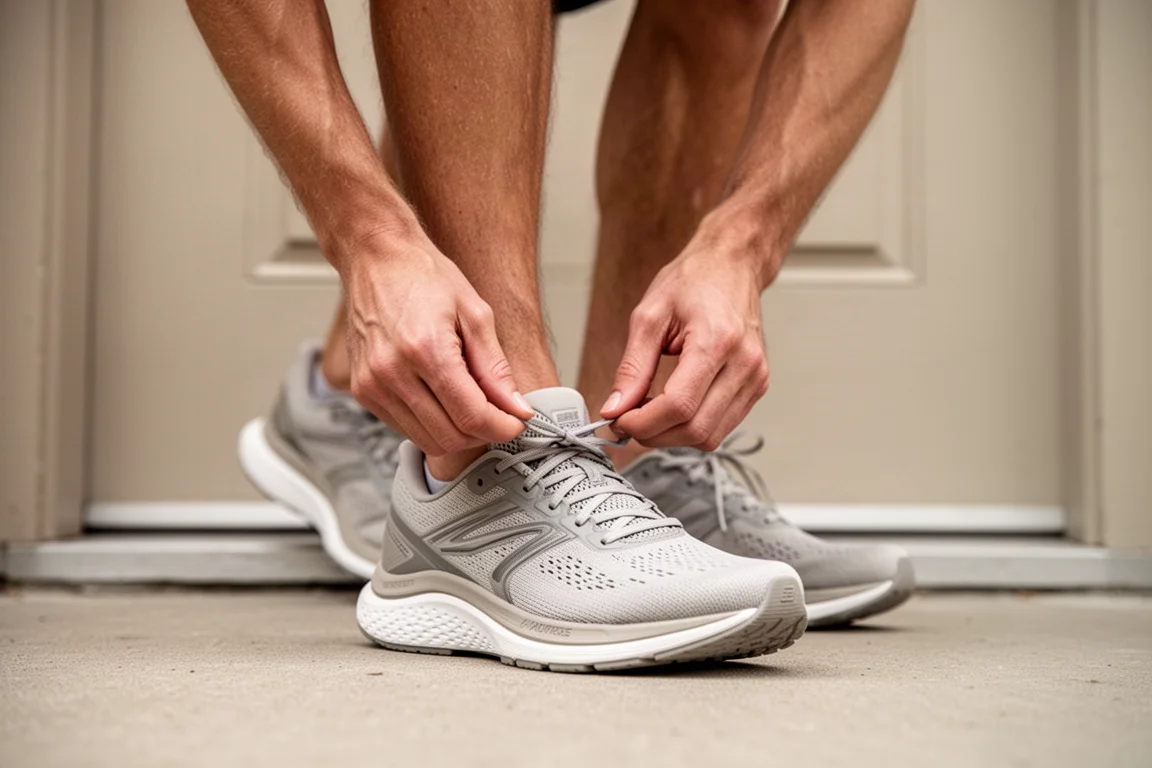
This is where the two shoes separate sharply. Despite near-identical stack heights, there is noticeably more usable foam underfoot on the 1080 v13, and its Fresh Foam X is tuned much softer, delivering a real sink-then-return feel with a touch of bounce. It eats up road impact but can feel sappy when you push beyond an easy pace, and over a long run the muddy transition left us wanting a firmer base. It is best as a shoe for short, easy recovery runs.
The Eclipse is firmer, more direct and more precise, letting you feel a bit more of the road. It leans on a pronounced rocker plus the collapsing CloudTec Phase foam and the Speedboard’s pop to roll you through your stride. It handled easy runs, steady progression runs, a relaxed mile-rep session and long runs well, staying comfortable and balanced, though it could stray a little too firm in very cold conditions. Overall it is the more versatile shoe and a genuinely good marathon training option for everything except your fastest workouts.
Which One Should You Buy?
If you want a soft, pillowy, sinky ride to protect your legs on easy days, the 1080 v13 delivers exactly that, and it is the cheaper of the two. If you prefer a firmer, more immediate ride with a fluid rocker transition and a shoe that can handle a bigger variety of runs and big mileage, the Cloud Eclipse is the stronger all-rounder and the personal pick here, despite costing £10 more.
Conclusion
These two max cushion trainers look similar on paper but ride very differently: the New Balance 1080 v13 is the squishy, protective easy-day shoe, while the On Cloud Eclipse is the firmer, more versatile daily trainer. Choose based on which feel you want underfoot, and you will be happy with either.
Product link
View more details for On Cloud Eclipse
This product is mentioned in the review. Check the specifications, options, and compatibility before buying.
View more details for On Cloud EclipseFurther reading
Related Reviews

Running Shoes
Best Road-to-Trail Running Shoes: Three Versatile Options for Mixed Terrain
A practical guide to three road-to-trail running shoes that handle both pavement and mild trails, with clear strengths and trade-offs for different runner types.

Running Shoes
Best Running Shoes for Achilles Tendonitis: Three Options Explained
Three running shoes with different heel drops and support features designed to help reduce Achilles tendon pain during walking and running.

Running Shoes
Best Running Shoes for Women: Five Top Choices Ranked
A ranked guide to five women's running shoes, from versatile daily trainers to high-performance racing options, with real strengths and trade-offs for each.