Running Shoes
On Cloud Eclipse vs Cloudstratus 3: Which Big-Stack Daily Trainer Wins?
Two On maximal-cushion trainers at the same price go head to head: the snappy Cloud Eclipse against the firmer, bulkier Cloudstratus 3.
Introduction
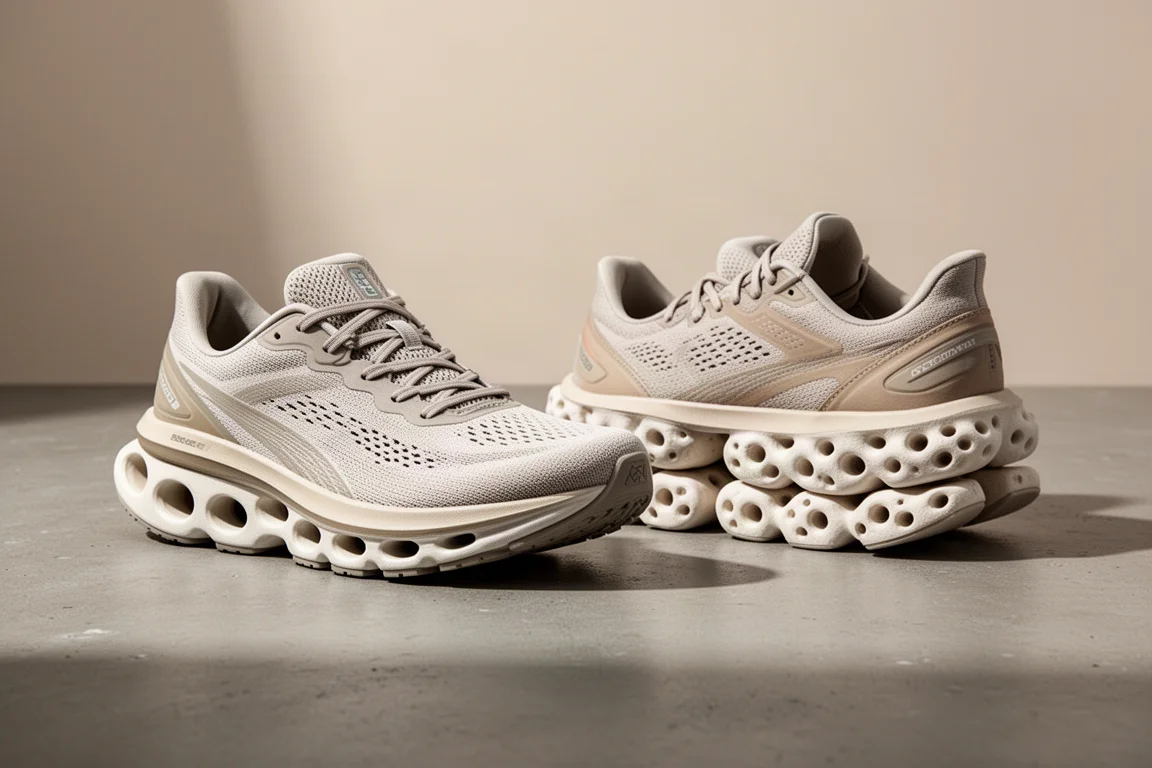
On’s big-cushion daily trainers rarely get this straightforward a matchup. The Cloud Eclipse arrived in 2023 with the brand’s new Cloudtech Phase midsole design, while the Cloudstratus 3 is the follow-up to On’s long-running max-cushion cruiser. Both target the same everyday training miles and both carry the same price tag, so the decision really comes down to how each shoe rides. After putting serious mileage into both, here is how they compare and which one we would pick.
Quick Specs and Price
The stacks tell the first story. The Cloudstratus 3 comes in at 32mm in the heel and 26mm in the forefoot for a 6mm drop, while the Cloud Eclipse is a slightly higher midsole volume at 37mm and 31mm with the same 6mm drop. Weight favors the Eclipse too: 10.5oz (297g) in a UK men’s 8.5 test shoe, about an ounce less than the Cloudstratus 3 at 11.3oz (320g).

Pricing is identical for both at £170 in the UK and $180 in the US. That puts both at the top end of what you would expect to pay for a big-stack daily trainer, so value alone will not break the tie here.
Midsole and Ride: The Key Differences
Both are firmly on the maximal side of the spectrum, but the midsole constructions are very different. The Cloudstratus 3 uses a double stack of On’s Helion foam clouds with a nylon Speedboard sandwiched in the middle and a substantial rocker up front. The ride is noticeably softer and more cushioned than its predecessor, with good landing protection that never feels overly soft or sinky. There is some return and responsiveness, and that firmness and roll help you clip along, but it is not as free-flowing as the Eclipse and it lacks the deep plush softness you might expect from rival max-cushion shoes.
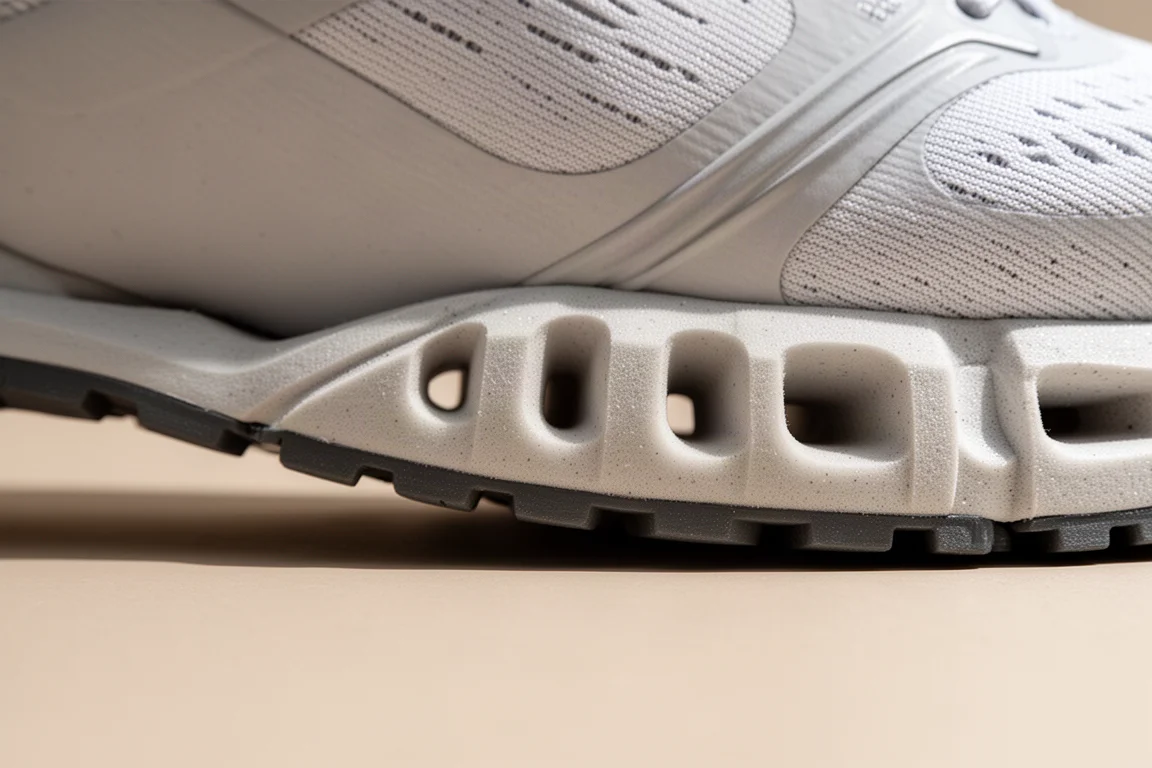
The Cloud Eclipse takes a bigger Helion foam wedge in the Cloudtech Phase setup, where the cloud elements collapse in sequence like dominoes and release as you roll through, aiming for a smooth transition with a bit of energy. A Speedboard plate sits at the bottom of the midsole to add stiffness and support the prominent rocker. The result is a smooth, energetic, surprisingly nippy ride with an easy rolling feel and genuine versatility across a wide range of paces.
Fit and Upper Comparison
Fit is almost identical across the two, which makes life easy. Both run true to size, with similar length and toe box room, though the Cloudstratus 3 offers a touch more space across the top of the toes.
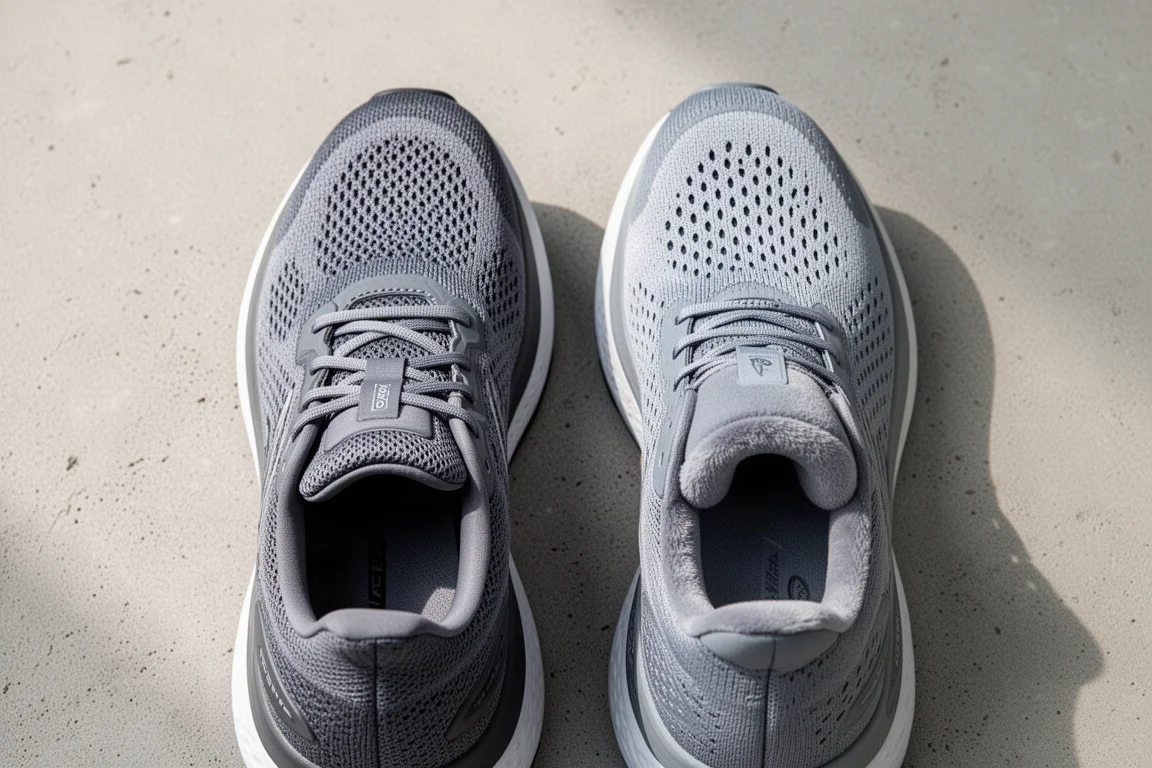
Details differ in the upper. The Eclipse has a dual-layer mesh with a thinner foot-wrapping tongue, while the Cloudstratus uses a lined, single-layer perforated upper with a big padded tongue and an external heel clip for support; the Eclipse has external reinforcement too, but it is less substantial. Both shoes needed some attention to lacing for a secure midfoot hold, and neither heel hold is perfect out of the box. If you land heavily toward the heel, note that despite the lower stack, the Cloudstratus 3 seems to offer a bit more there when you sense the landings.
Our Pick: On Cloud Eclipse
In a side-by-side run, the extra weight and bulk of the Cloudstratus 3 are noticeable: it feels bigger underfoot and a bit clumpy, and it does not deliver the plushness its volume suggests. The Eclipse, by contrast, rolls through the rocker quicker, feels more agile, and clips along with more precision.
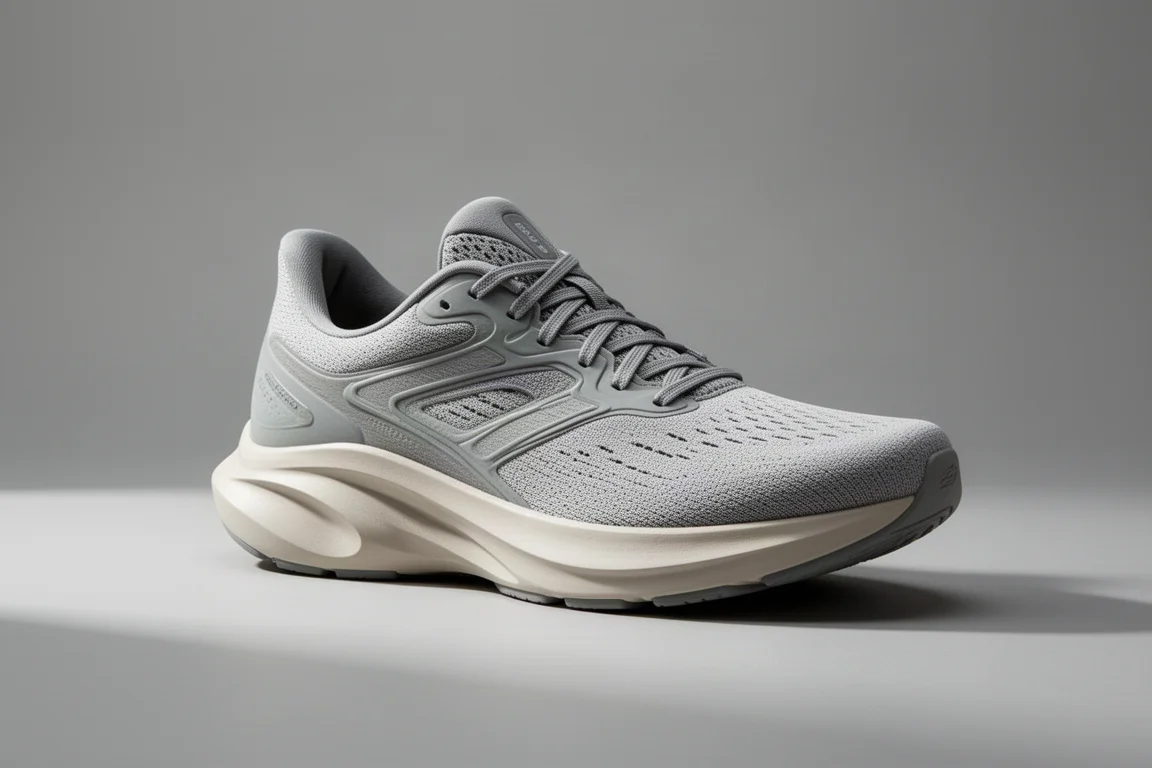
The Cloud Eclipse offers enough cushioning and protection to rival the Cloudstratus 3 at the slower end, then outpaces it when you push the gears, making it the more natural, versatile and capable shoe overall.
The Case for Cloudstratus 3
The Cloudstratus 3 is not a bad shoe. The ride is softer than before, protective on landings, and there is a touch of welcome firmness and roll. If you prefer something stiffer and firmer in a bigger shoe, it remains a dependable workhorse and delivers more at the heel than its stack numbers imply.
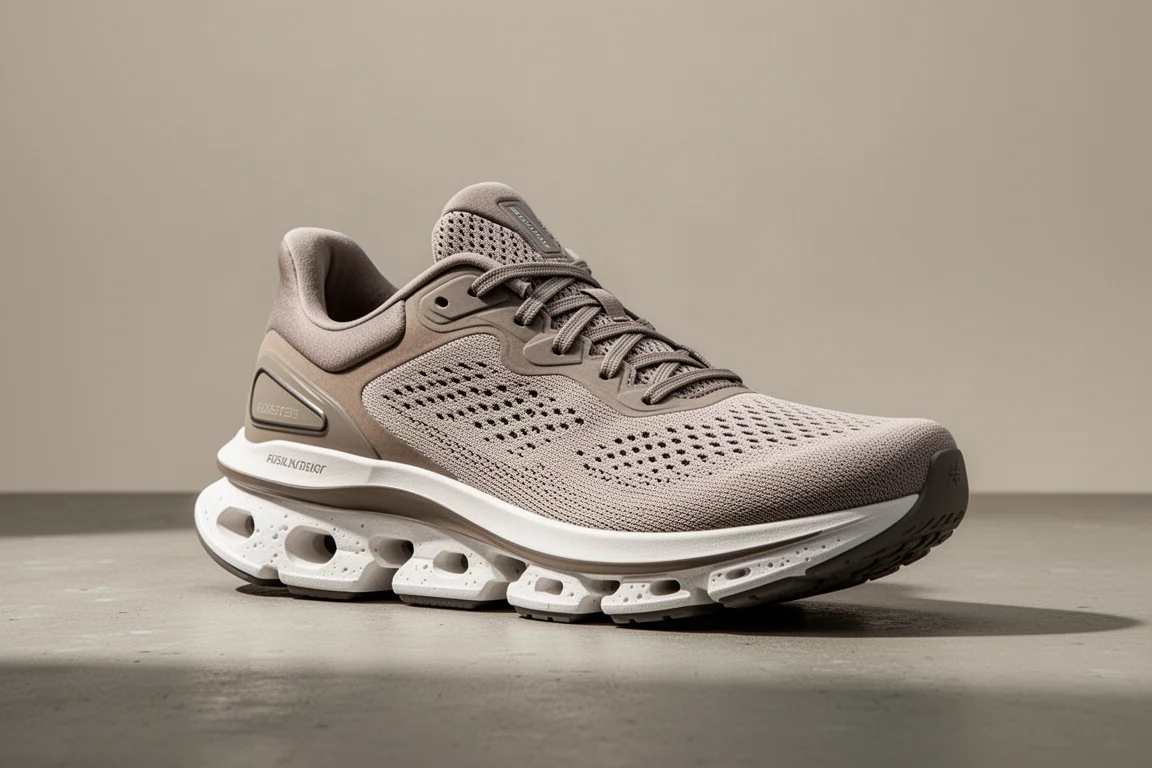
Just do not expect it to feel light, fast, or as free-flowing as the Eclipse on quicker days.
Conclusion
At the same price, the Cloud Eclipse is the stronger all-round choice: snappier, more agile, and more versatile, with only the Cloudstratus 3’s slight heel advantage as a caveat. If you want a big cushion daily trainer that still moves well at pace, the Eclipse is the one to go for.
Further reading
Related Reviews

Running Shoes
Best Road-to-Trail Running Shoes: Three Versatile Options for Mixed Terrain
A practical guide to three road-to-trail running shoes that handle both pavement and mild trails, with clear strengths and trade-offs for different runner types.

Running Shoes
Best Running Shoes for Achilles Tendonitis: Three Options Explained
Three running shoes with different heel drops and support features designed to help reduce Achilles tendon pain during walking and running.

Running Shoes
Best Running Shoes for Women: Five Top Choices Ranked
A ranked guide to five women's running shoes, from versatile daily trainers to high-performance racing options, with real strengths and trade-offs for each.