Fountain Pens
Omas Ogiva Review: A Revived Classic With Old-World Charm and One Big Caveat
The revived Omas Ogiva brings back the beloved drop-shaped design, soft gold nibs, and Greek key detailing, now with a sturdier brass piston. Here is what works, and what needs fixing out of the box.
Introduction
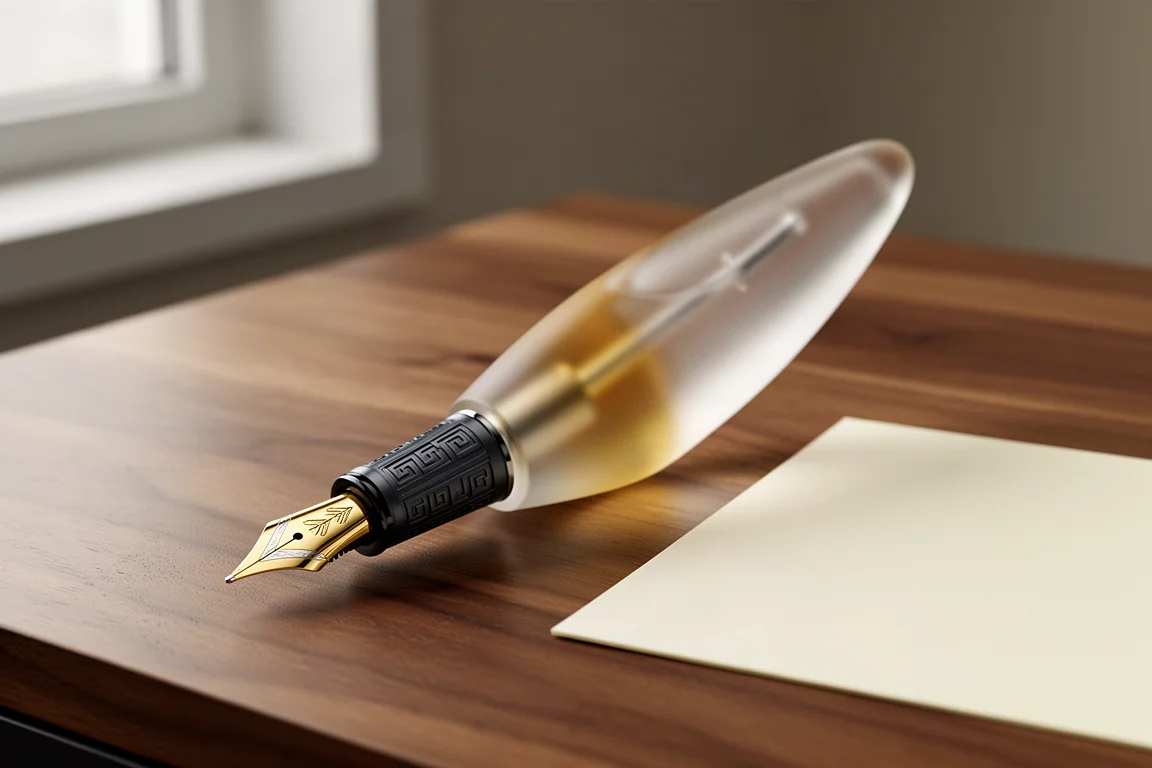
Omas, the much-loved pen maker from Bologna, went out of business a couple of years ago and has now been revived under the original Omas branding. This is not Armando Simoni Club and not Pen Family, but a distinct relaunch of the classic brand. Among the first pens being remade is the Ogiva, one of Omas’s most recognizable silhouettes, and the revival has people hoping for future classics like a new 360 as well.
This review looks at the frosted demonstrator version of the new Ogiva: what it costs, how it is built, how the 14k gold nib writes, and one significant issue that buyers should know about before spending their money.
Design and Presentation
Omas has always presented its pens well, and the Ogiva continues that tradition. The packaging is a box in a box in a cardboard outer sleeve, each layer with the classic Omas shape with corners cut off to create an elegant bevel. Inside you get a nicely illustrated product information booklet, a warranty card held by a clever design that keeps the paper from falling out, soft lining, a small Omas medallion for the clip, and a retail sticker.
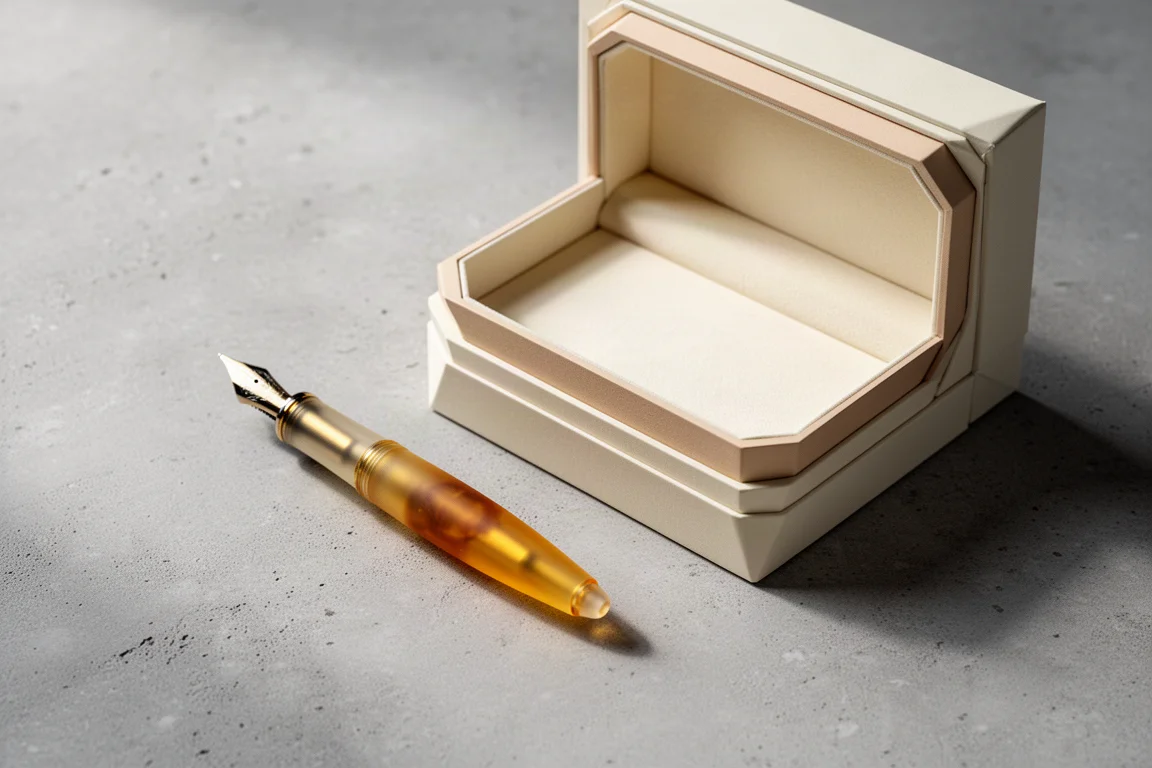
The pen itself keeps the classic Ogiva shape, often compared to a drop of water, and is now slightly longer than the original. The frosted translucent material is a smart choice: while Omas was famous for its celluloids, the frosted finish avoids the slightly cheap look that fully clear demonstrators can have. Other signature details remain, including the clip with the little wheel, the center band with the Omas logo, and the Greek key design that has always been an immediate visual association with the brand.
The Nib and Feed
The Ogiva is available with 14k gold nibs in extra fine, fine, medium, and broad, with a flex nib offered as a 199 euro upgrade. Omas nibs have always been highly regarded, and this one lives up to that reputation when it flows properly: soft, smooth, and responsive, with a touch of natural line variation, slightly finer on the sidestroke than the downstroke on this broad example.
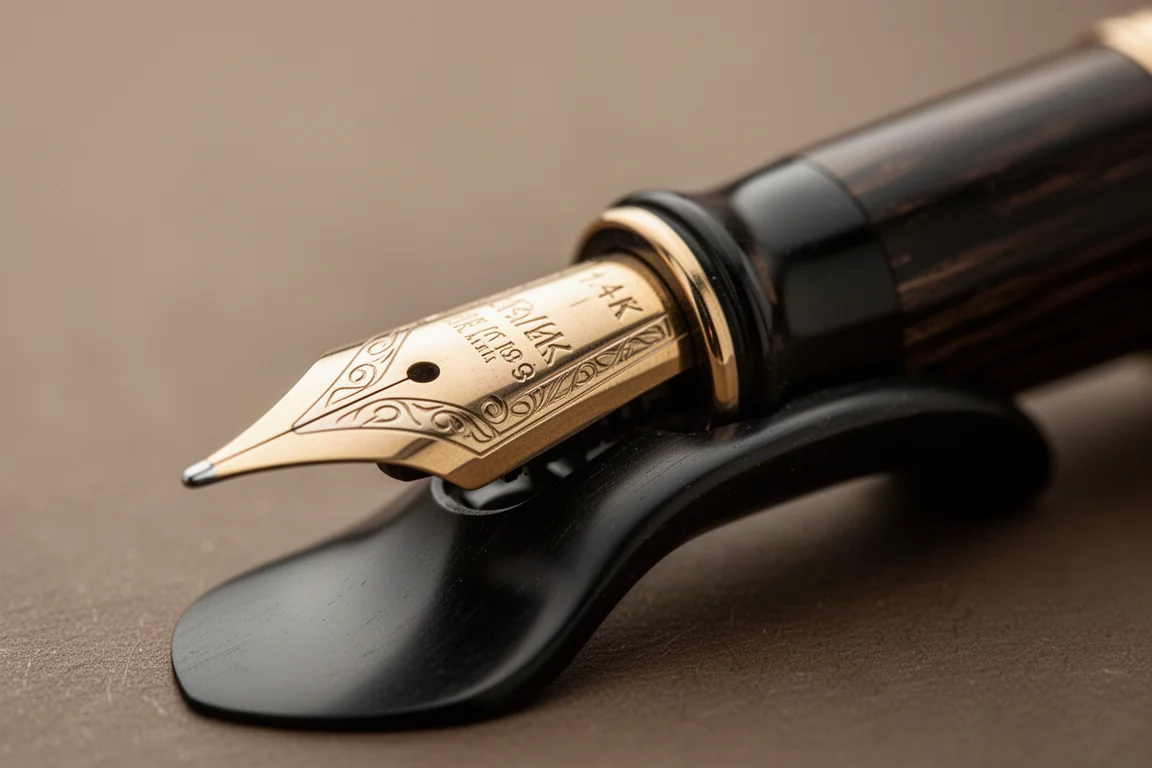
The ebonite feed also survives the relaunch, with its lovely curved profile that is flat at one end and bulges out slightly, which makes for a beautiful ink flow. Ebonite has a real advantage over plastic feeds: it has memory, so it can be heat set if needed. However, this sample arrived with a gap between the nib and the feed, which matters a great deal, as the next section shows.
Writing Performance
Out of the box, this Ogiva barely wrote. The gap between the nib and the feed hampers capillary action, making it harder for the nib to pull ink from the reservoir. On smooth coated paper, that showed up as noticeable skipping, and during fast writing the pen stopped entirely. On cheap, more absorbent paper it performed somewhat better, but the skipping was still there.
When it did write, the experience was stellar. The broad nib is smooth and responsive with gentle line variation, and reverse writing, which pushes the nib slightly toward the feed, actually performed quite well. But a pen at this price should not need tuning before its first page.
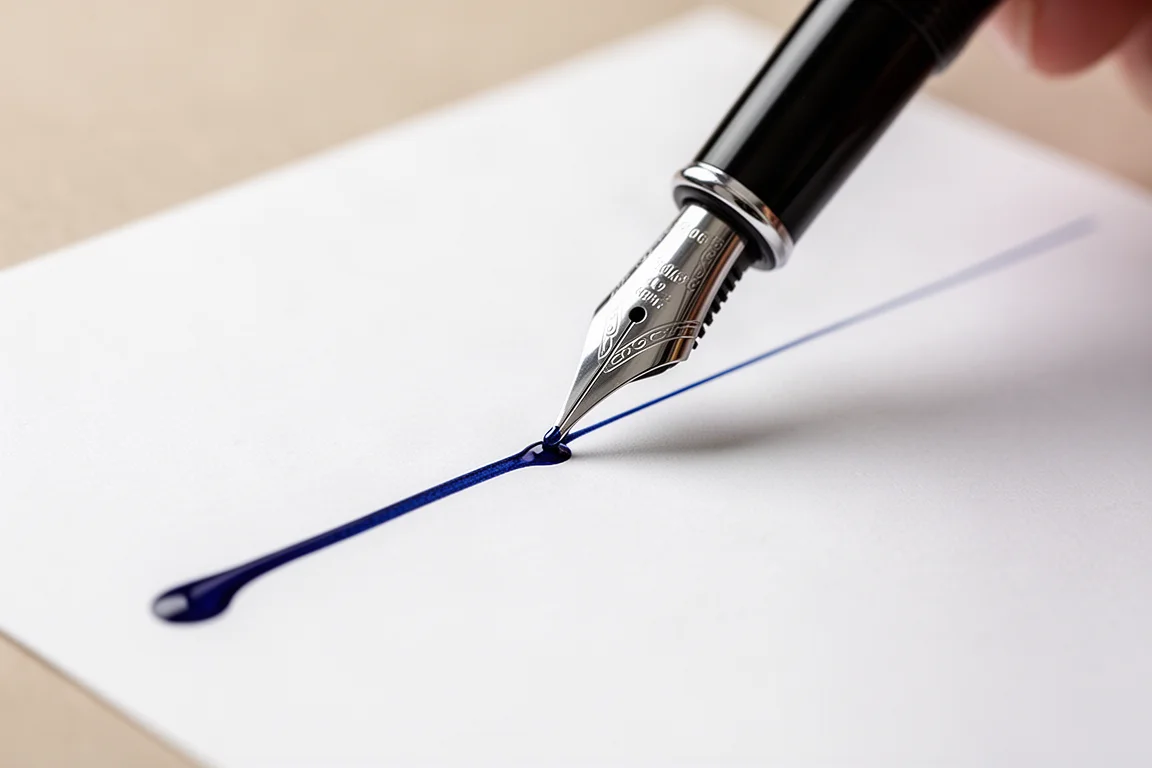
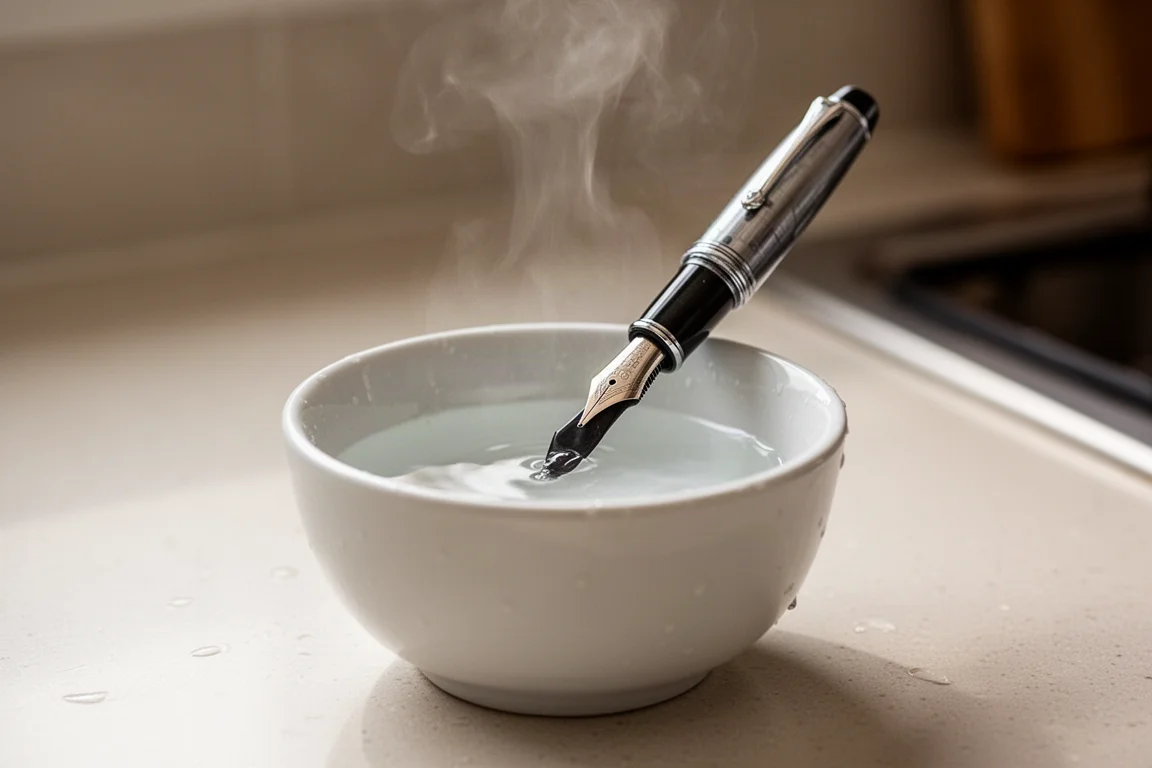
It is worth repeating that these nibs are very soft. You do not need to be careful in normal use, but they spring fairly easily, so avoid pressure. And if your Ogiva arrives with a nib-to-feed gap, the fix is straightforward: dip just the nib and feed, not the whole section, into just-off-the-boil water for a minute or two, gently push the feed up, then dunk it in cold water. The ebonite will heat set and hold its shape. It is not difficult, but it is also not something a brand-new pen should require.
Should You Buy the Omas Ogiva?
There is a lot to like here. The design is attractive and balanced, and the slightly longer body makes it comfortable for larger hands unposted, while the moderate girth keeps it workable for average or smaller hands too. The brass piston is a genuinely clever move: Omas pistons were notorious for snapping in half with some regularity, and everyone loved the nibs while hating the pistons. Brass is heavier than the ebonite used previously, but it adds real longevity, and responding to that well-known weakness shows the revived brand cares about improving its product.
At 351 euros, excluding tax, it is relatively fair as Omas pricing goes, especially compared with the inflated prices the brand’s pens commanded on resale markets after the company folded. The retained Greek key detailing and original Omas nib design will please longtime fans. The one serious reservation remains the nib-to-feed gap on this sample. It should not leave a manufacturing plant that way, and a buyer who encounters it should not have to fix a 350-euro pen before using it.
Conclusion
The revived Omas Ogiva is a promising return for a beloved Bologna brand: beautiful design, a soft and characterful gold nib, an ebonite feed, and a brass piston that fixes the brand’s most notorious weakness. If your example writes well out of the box, you are getting a genuinely stellar writing experience. If it arrives with a nib-to-feed gap, a simple heat set will fix it, but you should not need to reach for boiling water on day one. For fans of classic Italian pen design, the Ogiva is worth a close look, ideally with a quick writing test before committing.
Product link
View more details for Omas Ogiva
This product is mentioned in the review. Check the specifications, options, and compatibility before buying.
View more details for Omas OgivaFurther reading
Related Reviews
Fountain Pens
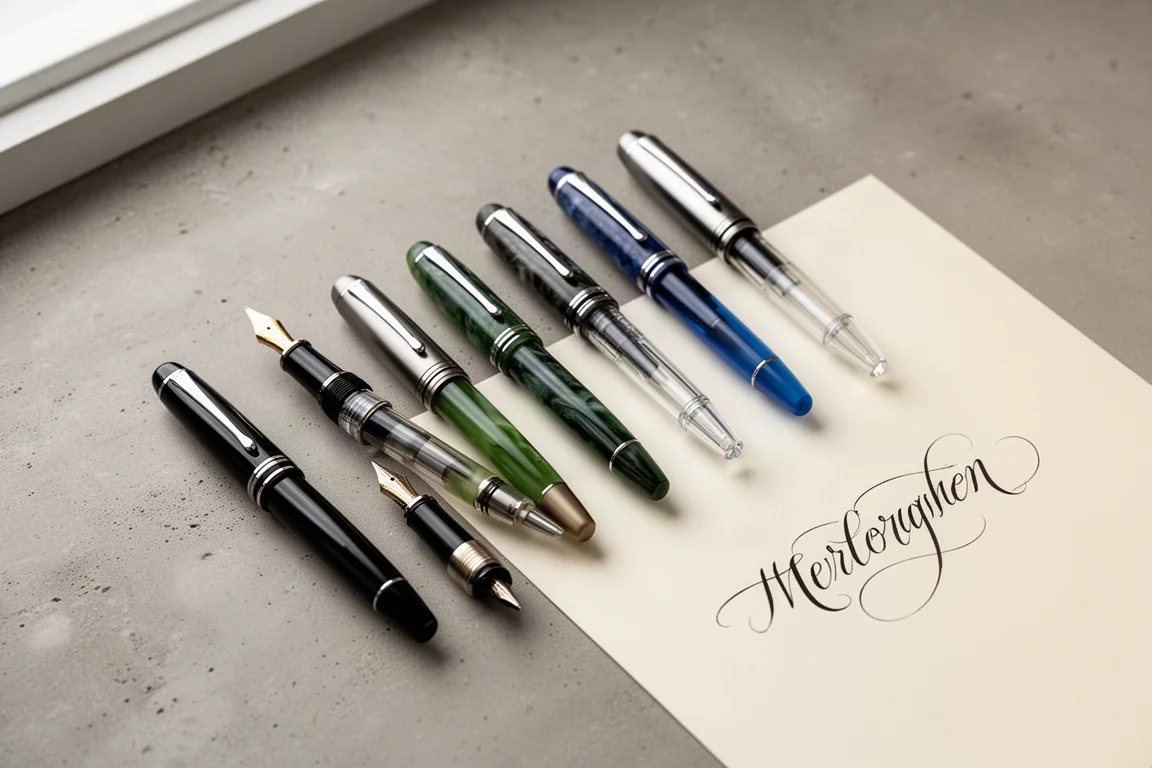
Best Budget Fountain Pens Tested: 9 Pens, One Clear Winner
A hands-on comparison of nine affordable fountain pens for everyday writing, calligraphy, and sketching, with a clear standout for flexible nib fans.
Fountain Pens
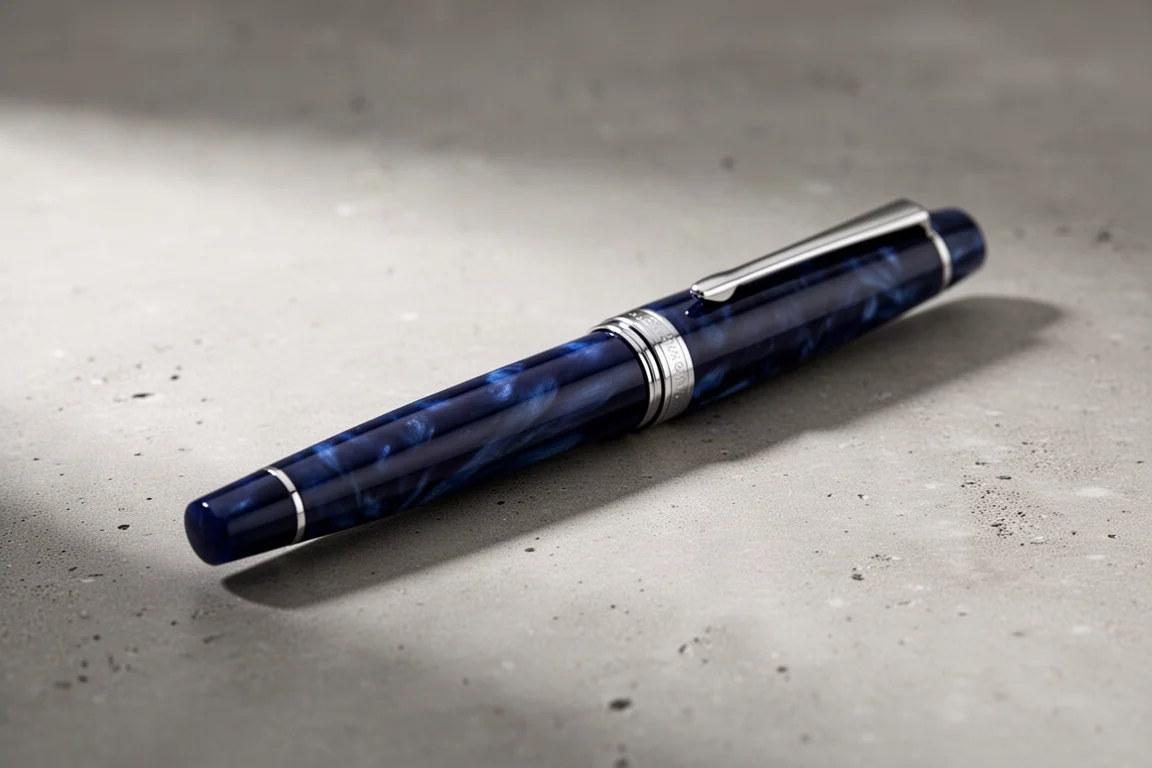
Aurora Optima Review: An Italian Piston Filler That Punches Above Its Price
A 14k gold nib, ebonite feed, and a beautifully deep oraloid body make the Aurora Optima one of the most rewarding piston fillers around.
Fountain Pens
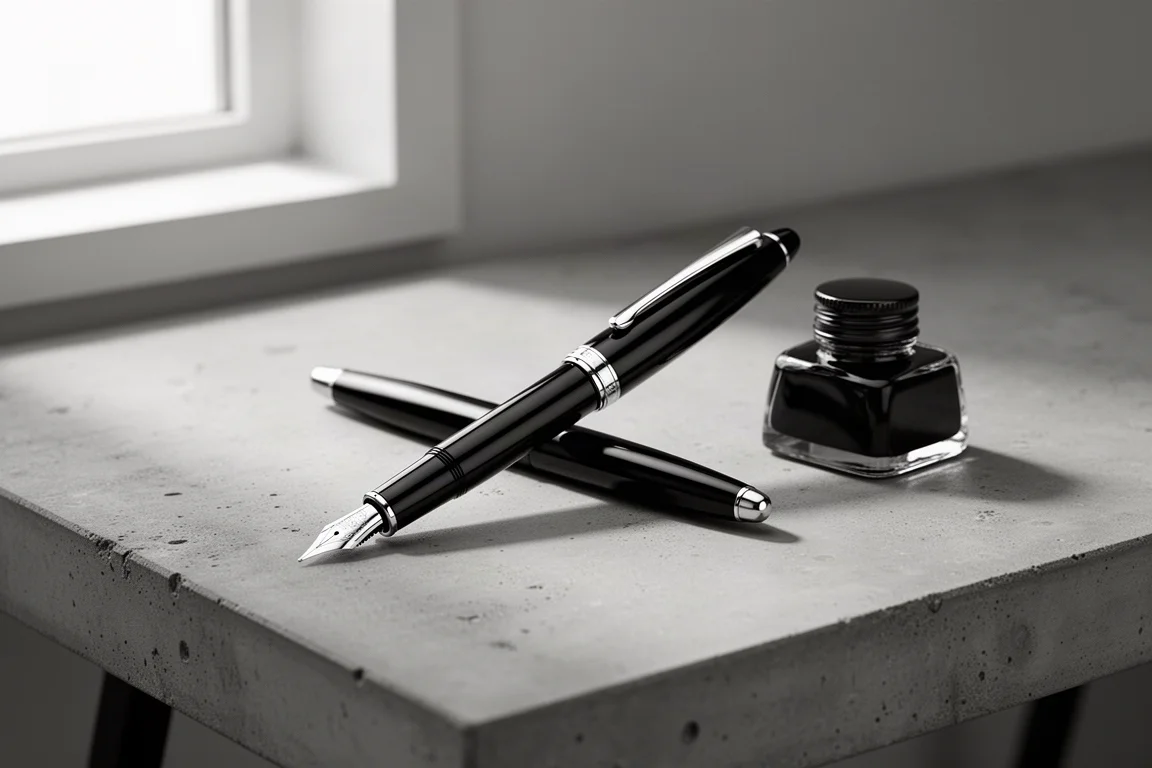
Cross Bailey Light Review: The Entry-Level Fountain Pen Worth Keeping at the Office
A plastic-bodied Cross with a metal clip, snap cap, and famously smooth extra fine steel nib. Around $15, available almost everywhere, and easy to recommend.