Fountain Pens
Omas Ogiva Fountain Pen Review: A Promising Return to Form
The revived Omas brand's second release is a translucent acrylic piston filler with a 14k gold nib that feels closer to the original Ogiva than the brand's first relaunch pen.
Introduction
Omas is a brand with an up-and-down history. Founded in 1925 in Bologna, Italy, the company ran into serious financial trouble, and in 2015 it closed its doors for good, with machinery and assets sold off to various parties. Ownership of the brand has since been contested: the entity that also runs Narwhal operates the omasofficial.com site and owns the pen reviewed here, while another entity, Ancora, based in Cyprus, runs omas.com and claims rights to the brand in Cyprus. Ancora’s site states it has nothing to do with the other Omas, and its store page had not gone live as of mid-August despite announcing an August 10th opening.
This review looks at the second release from the revived Omas: the Ogiva. The brand’s first relaunch pen, the Ogiva 222, earned mixed feelings, with some things done right and some notable missteps. The Ogiva is a more traditional callback to what people remembered about Omas, and it is a significant improvement over that first attempt.
Design and Materials
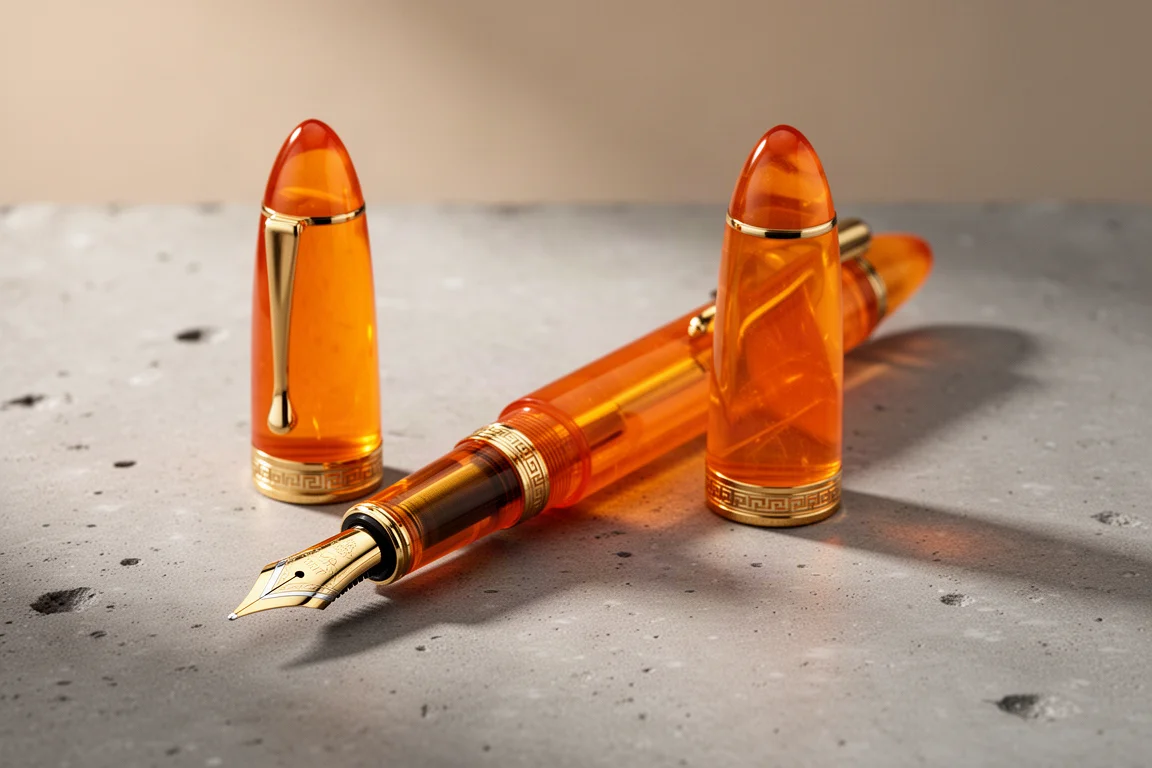
The Ogiva is the Italian word for ogive, which in architecture is a pointed or gothic arch, a fitting name given the pen’s rounded, tapered lines. The pen is made from a translucent acrylic resin. It comes in three colors and five varieties: Arancioni (orange) with gold trim, blue with gold trim, blue with silver trim, and Nero (black) with gold or silver trim. The version shown here is the Arancioni, which strikes a nice balance of translucency, giving a decent view of the ink situation inside the pen. The darker blue and black versions are slightly less translucent simply due to the material.
The cap top comes to a rounded point that transitions into the clip. The clip is a bit short, thin, and wheeled, which helps it work in materials of varying thickness. The back of the cap is engraved with the Omas logo and Italy. At the end of the cap sit two bands, one thinner and a second, more prominent band with a Greek key design, with the company name on the front.
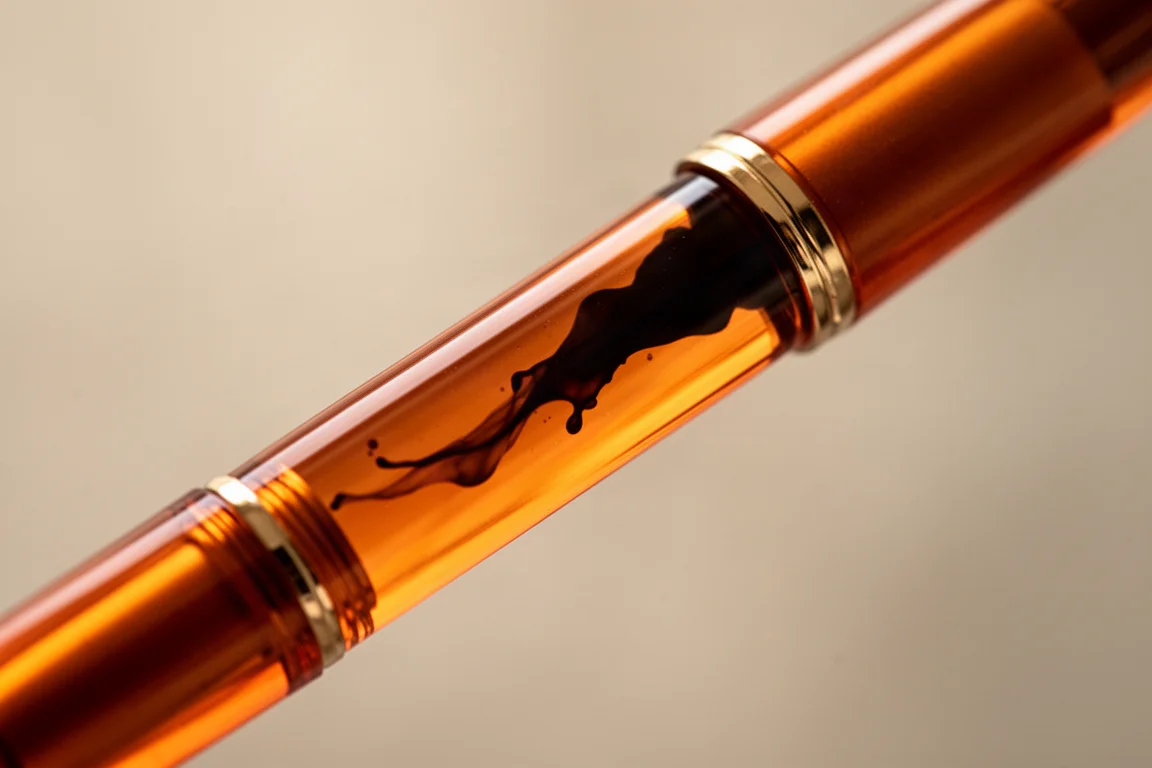
There is a medium-to-small step down from cap to barrel. The barrel angles down only slightly, about half a millimeter from beginning to end, and ends at a band marking the start of the piston knob, which like the cap top comes to a rounded point. The cap twists off in three quarters of a rotation. The section begins with another Greek key band, angles up just a hair across its length, and is decently long with a smooth transition from band to resin, so it stays comfortable if your grip rests on it.
Nib and Writing Performance
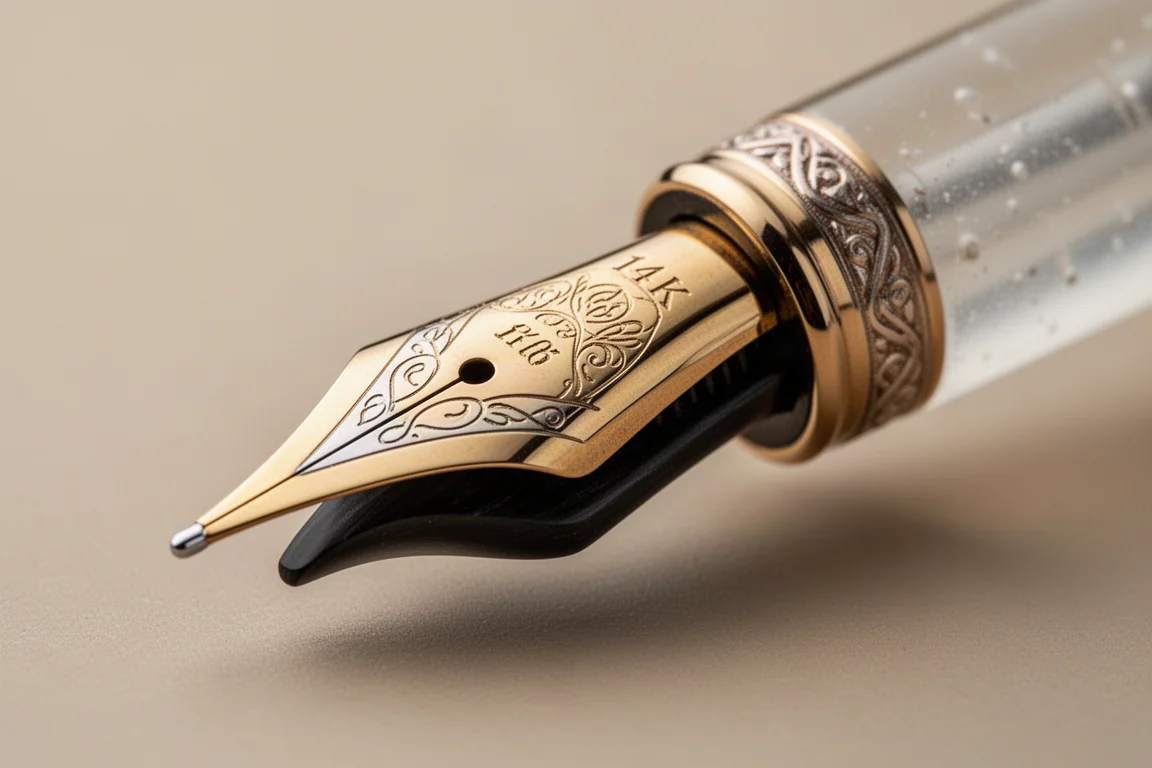
Under the cap sits a 14 karat gold nib, available in fine, medium, and broad. These nibs are not manufactured with original Omas equipment; the original nib-making machinery is believed to be owned by Scribo. The new nibs closely resemble the originals, though the logo differs from elsewhere on the pen.
While still nice, the new nibs lack some of the buttery smoothness and generous ink flow of the original Omas nibs. The medium nib on the original Ogiva cocktail is one of the wettest nibs in a large collection, essentially a fire hose, while this new nib has a bit more feedback and a decent but not overly strong flow. Reverse writing is decently smooth, and the feed keeps up just fine with fast writing. You can also push the nib for a good amount of line variation, moving from smaller to wider strokes. Overall, it feels nice for a 14k gold nib, even if it is not completely buttery smooth.
The pen uses a piston filler. On the original Ogiva cocktail, the piston knob was not particularly sturdy, but on this updated model it feels sturdier, without the worry of inadvertently breaking it by twisting too much. That is a genuine improvement.
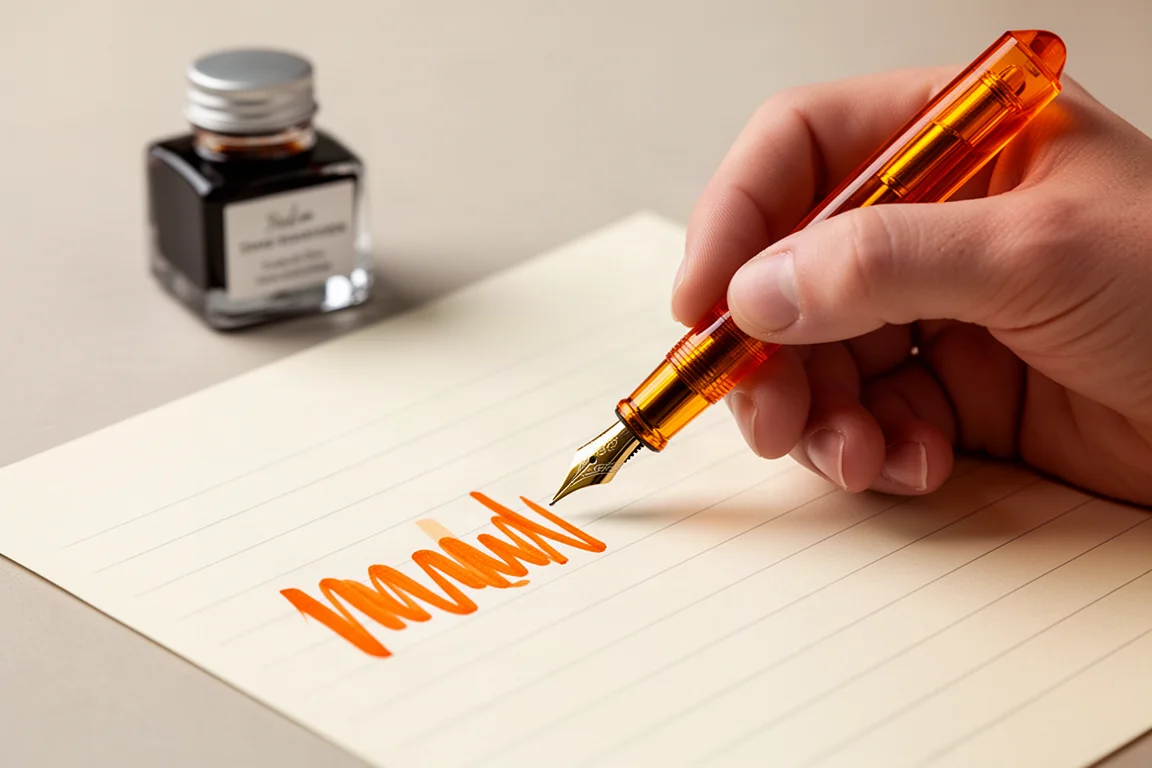
One ergonomic note: the cap posts only shallowly, dislodges easily, and adds an inordinate amount of length to the pen. Because it perches precariously, this pen is best used unposted. It is not heavy, so posting does not backweight the pen, but it does make it a bit unwieldy.
Pricing and Value
The Omas Ogiva sells for $360 and is available at a number of retailers. Considering it comes with a 14 karat gold nib, that is a reasonable price. Many new pens in the mid-$300 range ship with steel nibs, so having a gold nib at this price point is a nice differentiator, and it performs well too.
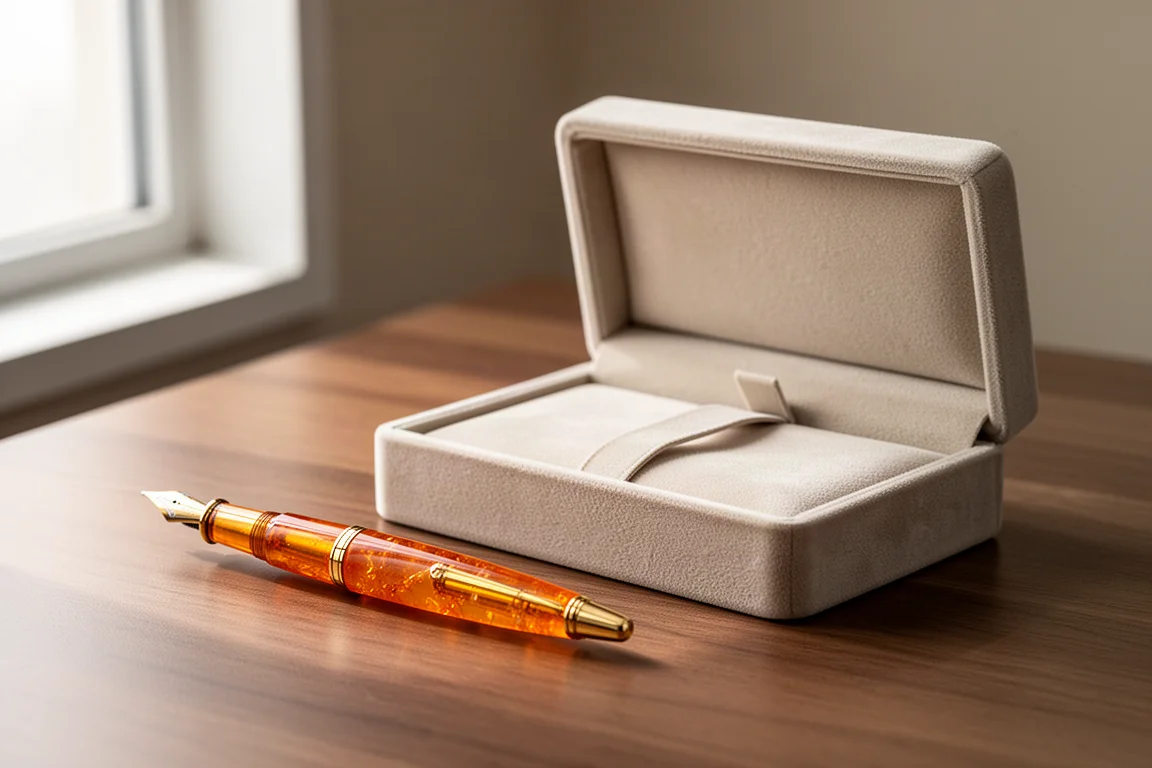
Compared side by side with the original Ogiva cocktail, the new pen looks fairly similar overall, with slight differences in nib branding and detail work. It was not meant to be an exact copy, but it represents the original lineage better than the brand’s first relaunch pen did.
Things to Consider Before Buying
The nib trades some of the original’s wet, buttery smoothness for a touch more feedback, which will suit some writers better than others. The cap posts poorly, so plan to use the pen unposted. The brand’s complicated ownership situation is worth keeping in mind when purchasing, as is true for any revived brand.
Conclusion
The new Omas Ogiva is a significant improvement over the Ogiva 222. It feels more like a callback to what people remembered and loved about Omas rather than a different design simply carrying the name, and with a 14k gold nib at $360, it is a reasonably priced offering from the revived brand.
Product link
View more details for Omas Ogiva
This product is mentioned in the review. Check the specifications, options, and compatibility before buying.
View more details for Omas OgivaFurther reading
Related Reviews
Fountain Pens
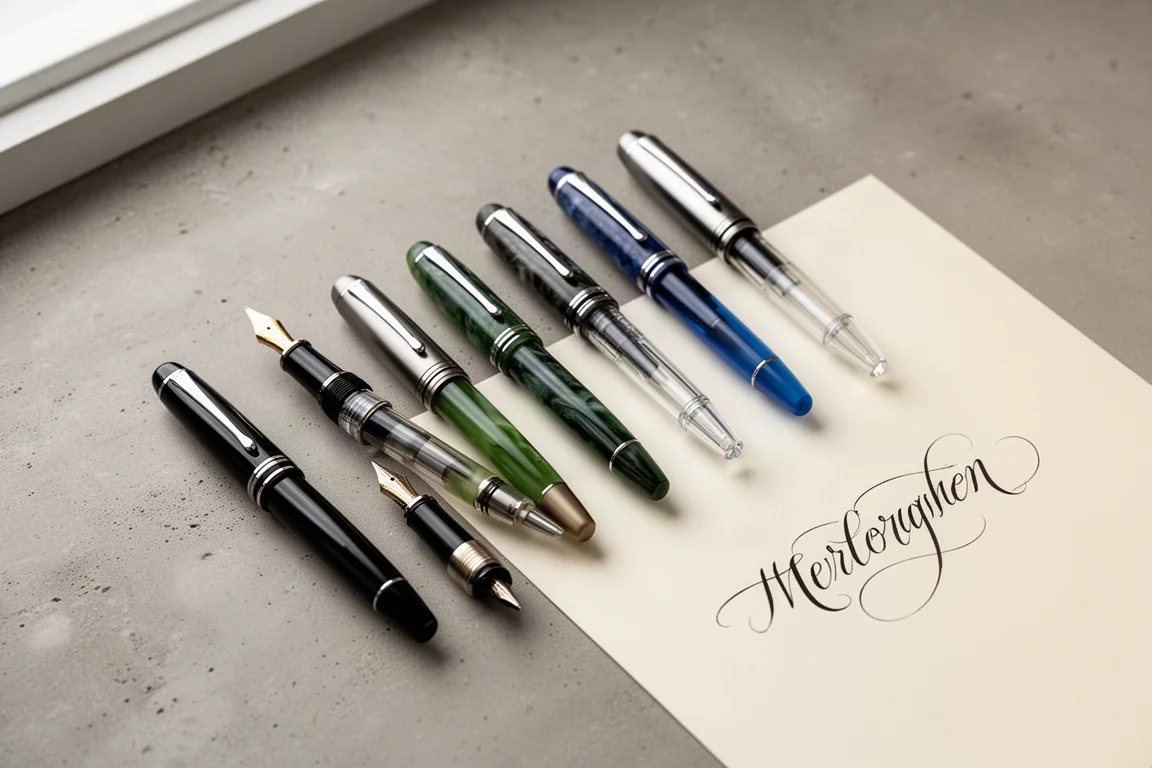
Best Budget Fountain Pens Tested: 9 Pens, One Clear Winner
A hands-on comparison of nine affordable fountain pens for everyday writing, calligraphy, and sketching, with a clear standout for flexible nib fans.
Fountain Pens
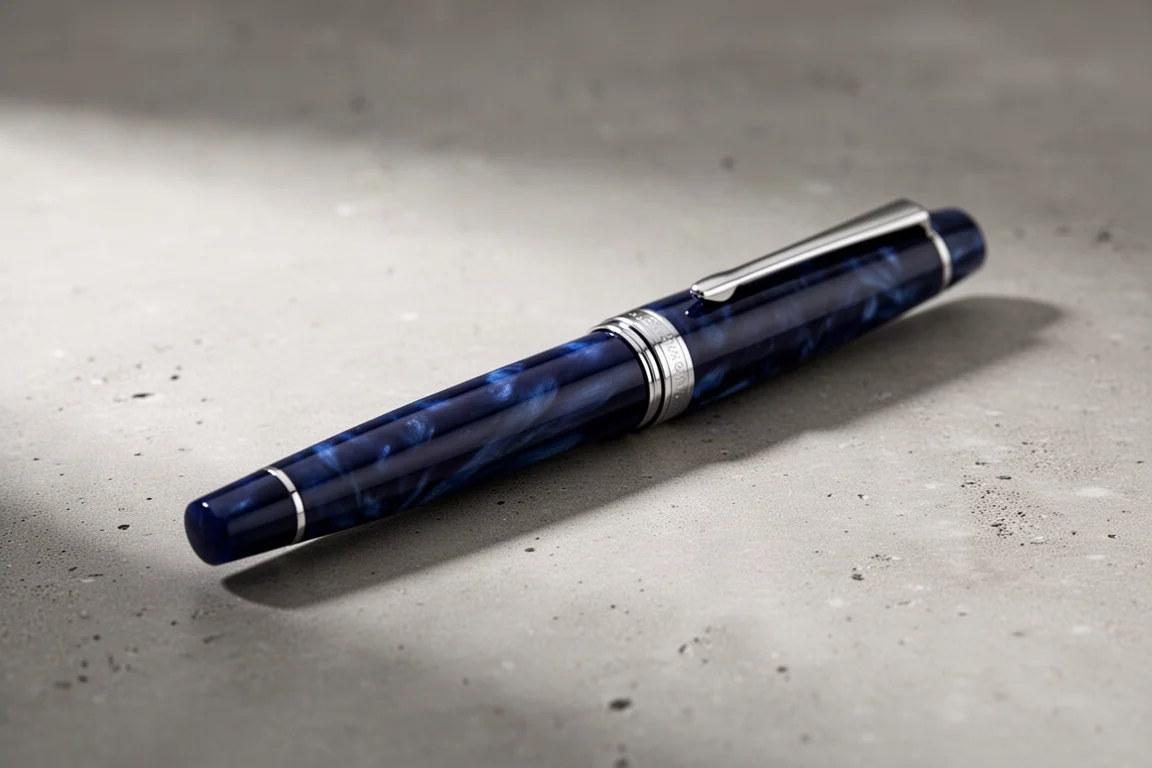
Aurora Optima Review: An Italian Piston Filler That Punches Above Its Price
A 14k gold nib, ebonite feed, and a beautifully deep oraloid body make the Aurora Optima one of the most rewarding piston fillers around.
Fountain Pens
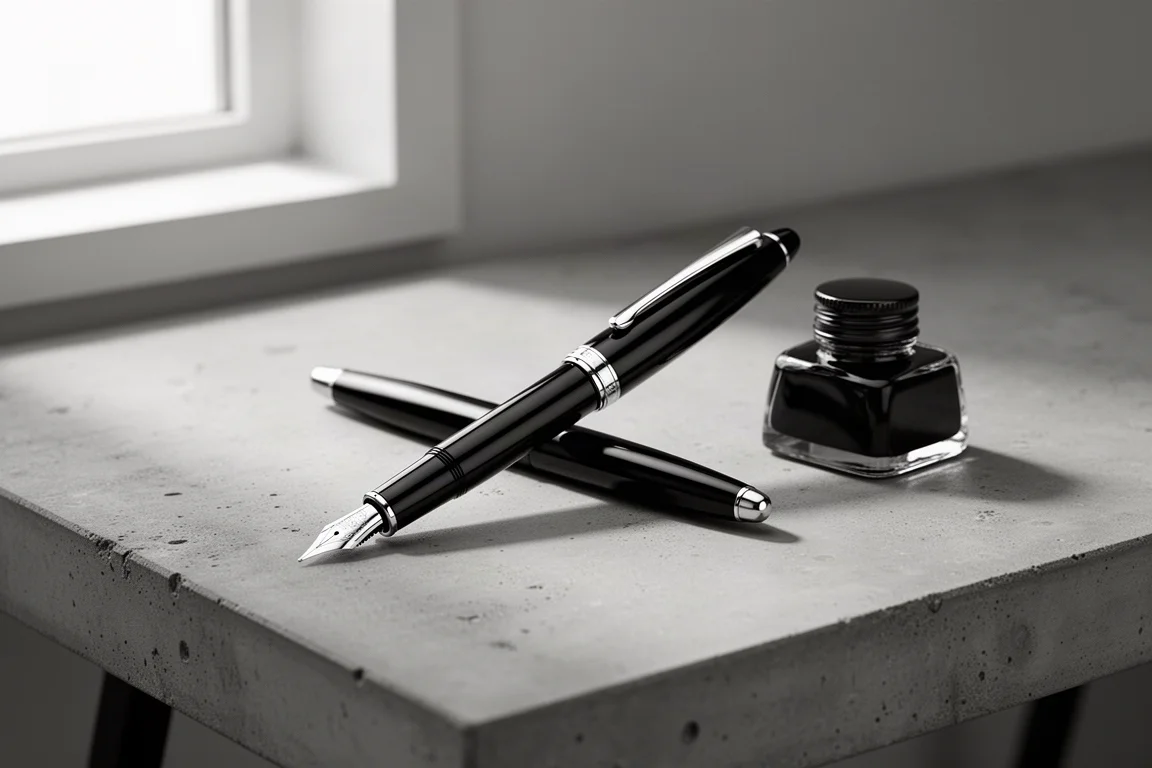
Cross Bailey Light Review: The Entry-Level Fountain Pen Worth Keeping at the Office
A plastic-bodied Cross with a metal clip, snap cap, and famously smooth extra fine steel nib. Around $15, available almost everywhere, and easy to recommend.