Art Supplies
Olo Markers vs Copic Sketch: Can a New Modular Alcohol Marker Shake Up the Benchmark?
A hands-on look at Olo's new liquid-ink modular alcohol markers, how they compare with Copic Sketch, and who should make the switch.
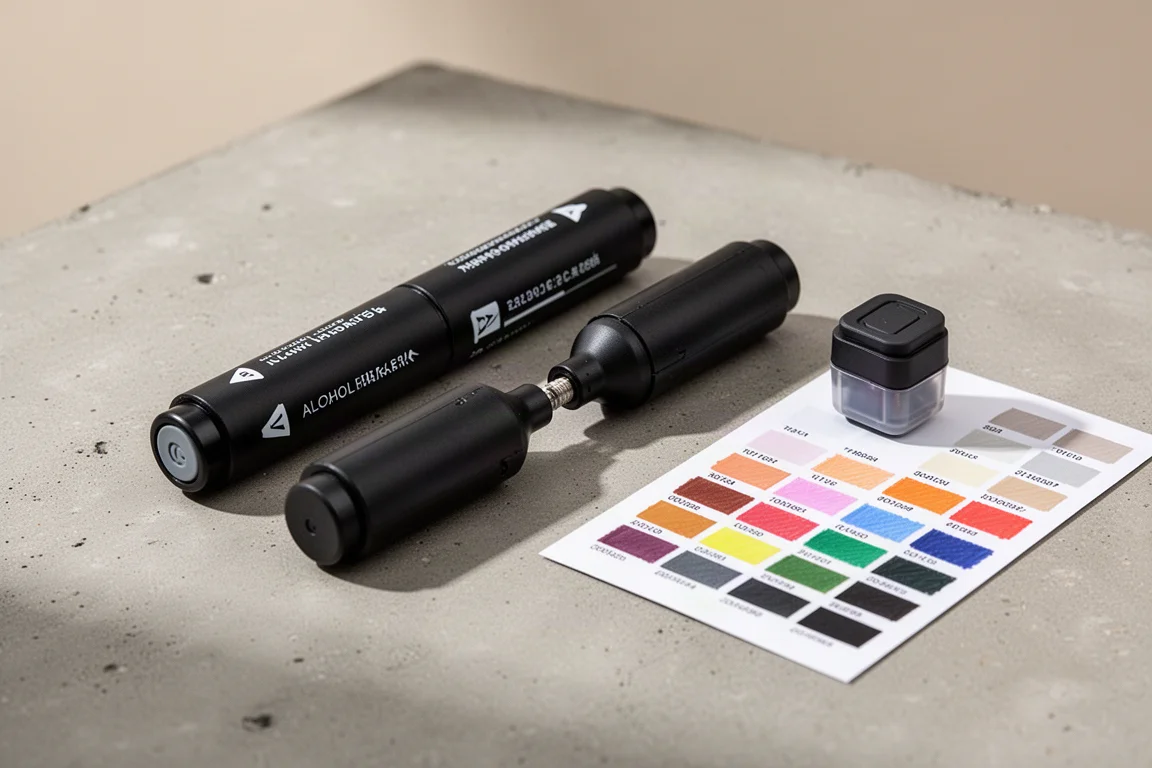
Introduction
Whenever a new alcohol marker lands, the first question every artist asks is the same one: can it genuinely challenge Copic? For years, Copic has been the benchmark, and plenty of companies have tried to replicate it and fallen short. Olo is different. This is not a copy of an existing marker with a new name on the barrel. It changes the fundamental way ink gets from the reservoir to the nib, and it rebuilds the marker around a modular system where you decide what each marker should be.
The range currently spans 160 colors, though the initial release covered 128, with availability focused on the US and expanding internationally. After working with them across several finished pieces, the short answer is that Olo absolutely has a shot at the top spot, and there are specific reasons why.
The Modular Design
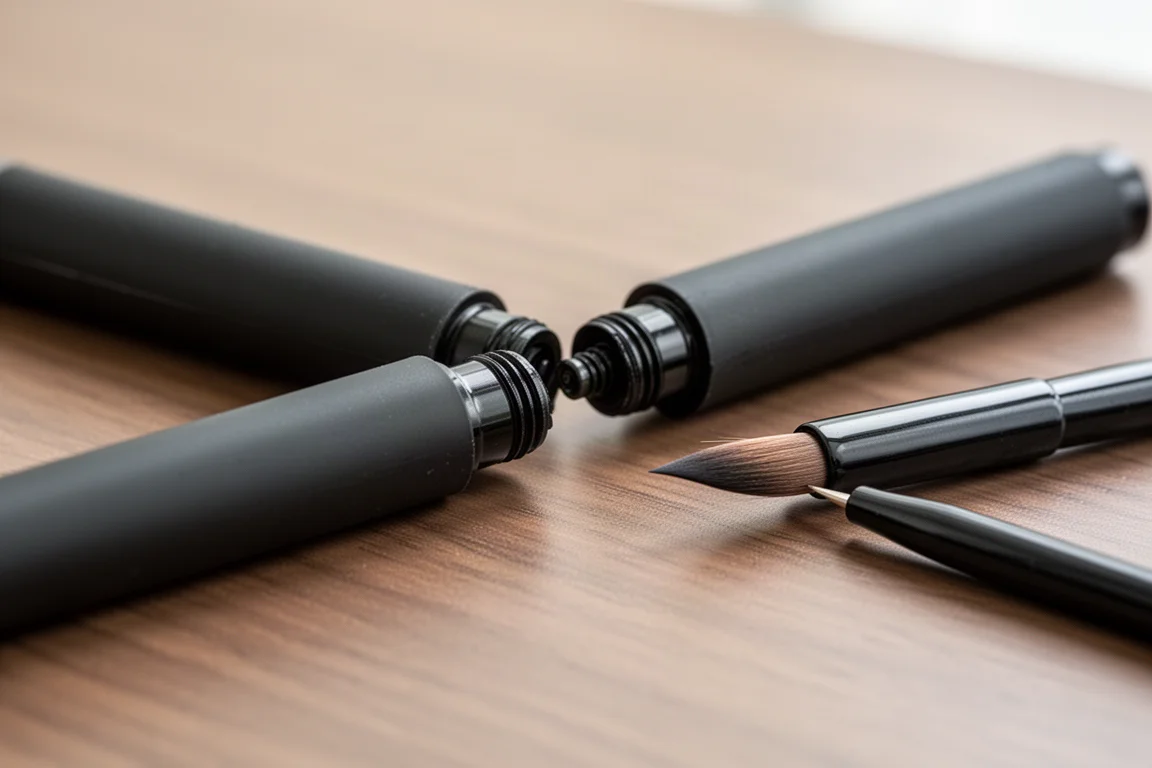
Olo markers ship as half-sized barrels that you assemble yourself. Each half holds 2 ml of ink, so a fully connected marker carries 4 ml, slightly more than a standard full-size alcohol marker. You choose the nib configuration: brush, chisel, or any combination. Want two brush nibs of the same color? Done. Want a brush nib on one end and a chisel nib of a neighboring tone on the other so you can blend without swapping markers? That works too. If you prefer shorter markers, screw in an extender handle instead, which works like a pencil extender for markers.
This is the part of the system that feels genuinely artist-first. Marker artists disagree strongly about chisel nibs, and Olo lets you simply skip them. The trade-off is storage: if you connect two different colors, only one code is visible when the marker sits in your rack, so you need to remember the second color lives on the other end. It takes a little getting used to, but the pairing logic is predictable since the hidden color is always either lighter or darker than the one showing.
The Liquid Ink Delivery System
The headline feature is inside the barrel. Traditional alcohol markers use a central felt reservoir that absorbs ink and slowly feeds it to the nib. Anyone who has filled a large area with one knows the routine: the nib starts to dry out mid-stroke, you streak, and you have to pause and let ink wick back down. Some of that expensive refill ink also stays trapped in the felt and never reaches the paper.
Olo has patented a cartridge-free, free-flow ink system where the ink stays liquid with no absorber in the middle. The connection between reservoir and nib is direct, so the flow is continuous and consistent from the first stroke to the last. In a side-by-side comparison filling broad areas, a traditional felt-system marker showed visible streaks as the nib dried out, while the Olo marker kept laying down even color with no stopping and no streaking. The company claims more than 90% of the ink in an Olo marker is usable on paper, versus around 65% in traditional markers, which is a meaningful difference when refill ink is expensive.
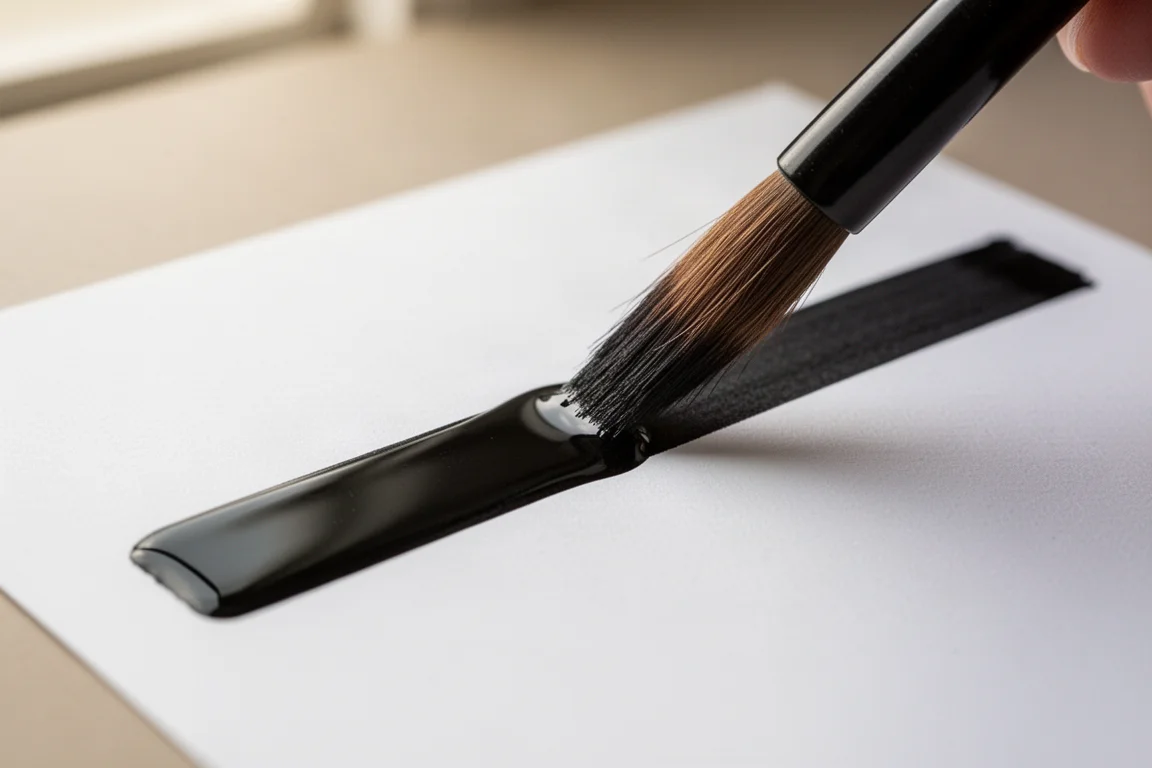
Refilling is simpler too. Instead of pouring ink and hoping it absorbs evenly, you lift the nib out of the barrel, drop it into the refill pod, and the pod fills the marker directly. Because the ink is liquid throughout, the marker runs at full strength until it is genuinely empty, then you refill and keep going. Durable replaceable nibs are also available.
Performance Across Papers
The markers were tested across three surfaces: a very smooth marker blending card, Bristol smooth, and Bristol vellum. On the smooth marker-specific surfaces, the ink sits for a moment before drying, giving generous blending time, and results were excellent with rich, vibrant color that holds up well under colored pencil detail work. Bristol vellum, being more absorbent, showed slight feathering and less blending time, though nothing significant, and much of that is a property of the paper rather than the marker.
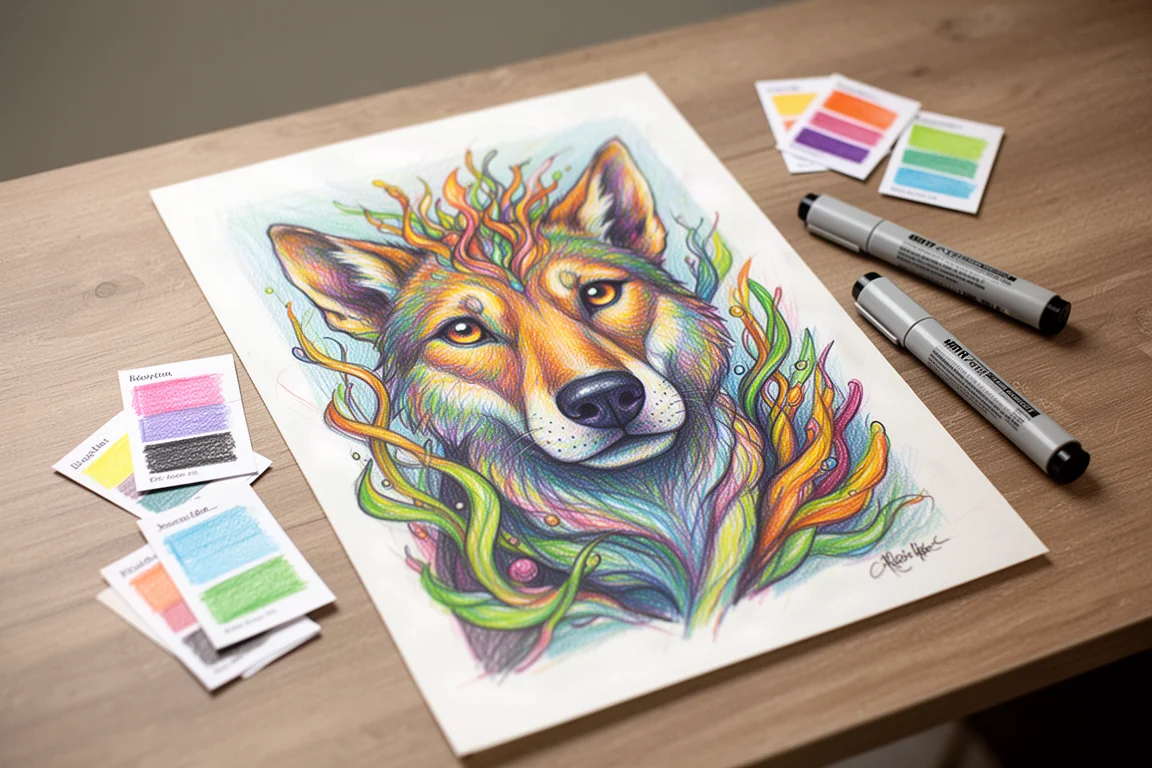
The clearest difference showed up on large background areas. With felt-system markers, big fills mean slowing down or stopping as the nib runs dry. With Olo, the same fills were simply faster: no pauses, no streaks, just continuous coverage. If most of your marker work involves laying down large, even areas of color, this is the single most persuasive reason to look at Olo.
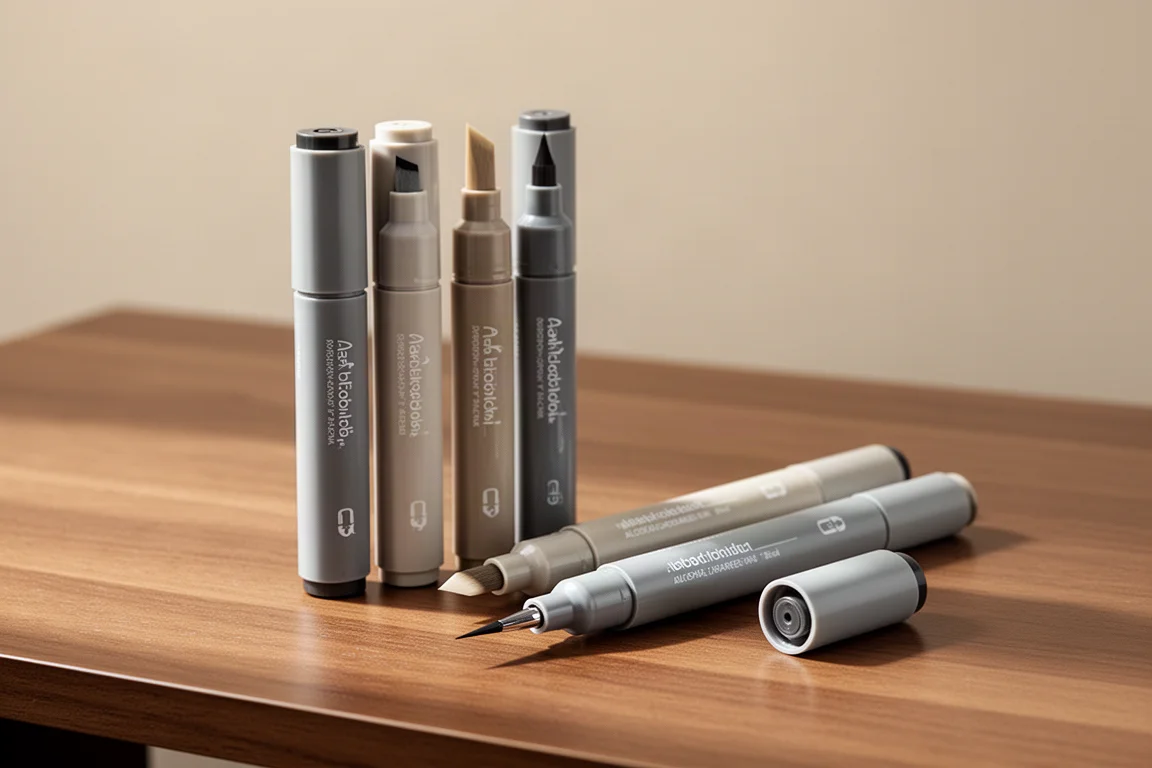
Color Range and Grays
The palette is well considered. The tested set included gorgeous red grays alongside warm and cool grays, and the black end of the range is unusually thoughtful: pure black, blue black, and red black, with the red genuinely visible in the red black when you look closely. Crucially, Olo includes the very pale tones that have historically been the weak point of would-be Copic rivals. At 160 colors it is still well short of Copic’s much larger range, but the tonal spread within what exists is impressive.
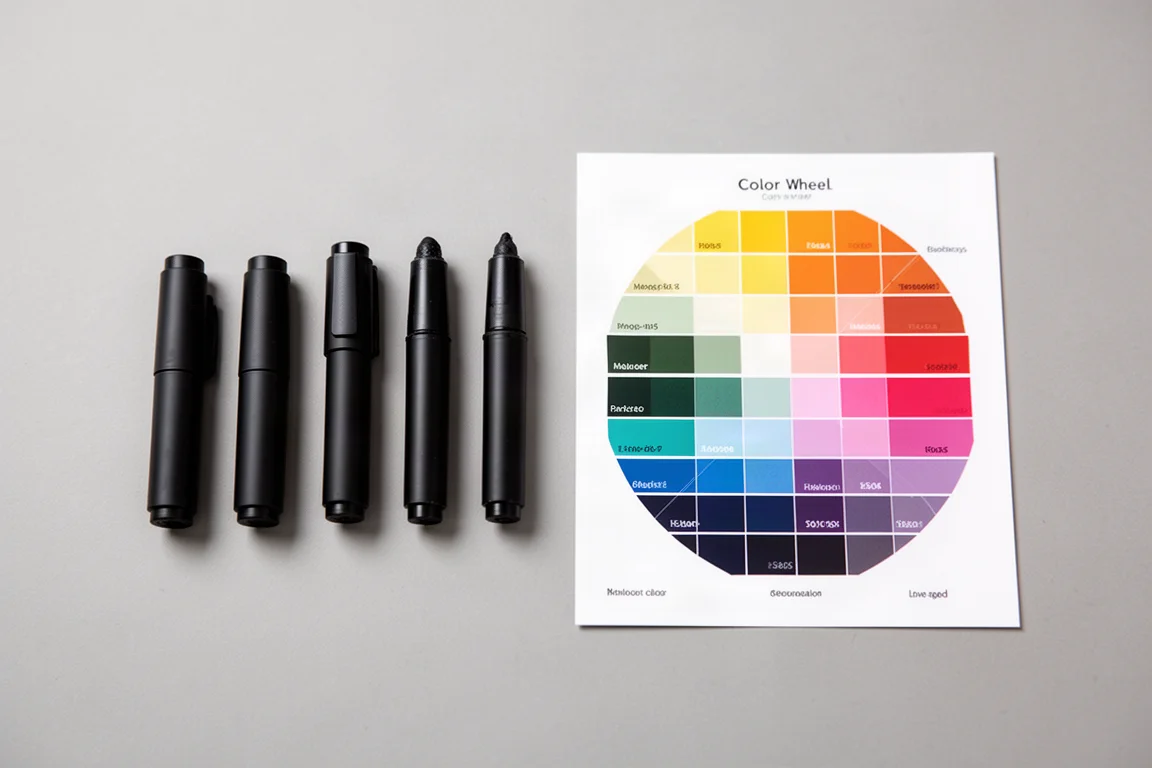
Should You Switch?
If you already own a large Copic collection, there is no urgent reason to abandon it, and Copic’s color count remains the widest in the industry. But if you are starting a marker collection now, adding to one gradually, or frustrated by nibs that dry out mid-fill and refills that give back less ink than you paid for, Olo is a very strong choice. The company is still expanding its availability, so check what ships to your region before ordering.
Conclusion
Olo has done something genuinely new: a modular, customizable marker with a patented liquid ink system that delivers consistent flow and far less ink waste than the traditional felt-reservoir design. It is not a Copic clone, and that is exactly why it has a real chance of becoming the next benchmark. For artists who value smooth coverage, customization, and efficient refills, it deserves a spot at the top of the shortlist.
Further reading
Related Reviews
Art Supplies
Art Pop Watercolor Pencils 48-Color Set: A Thoughtfully Designed Student-Grade Option
The Art Pop 48-color watercolor pencil set blends well, dissolves smoothly, and includes artist-friendly details like barrel-printed color names, all at an affordable price.
Art Supplies
Artics Acrylic Markers 3mm Review: Versatile Paint Markers With a Few Caveats
A 48-color set of water-based acrylic paint markers that blend while wet, dry permanent, and keep the price low, though safety transparency remains a question.
Art Supplies
Best Art Supplies Worth Your Money: Pencils, Pens, Paints, and Paper That Earned Their Spot
After years of daily use and testing, these are the pencils, pens, watercolors, gouache, brushes, sketchbooks, and erasers that stand above the rest.