Knives
Olight OKnife Fortitude Review: A Serious Fixed Blade With Tough Competition
The Olight OKnife Fortitude brings a D2 blade, full-tang G10 construction, and Cerakote finish to the fixed blade space. We compare it against the Fallkniven F1X and other established knives.
Introduction
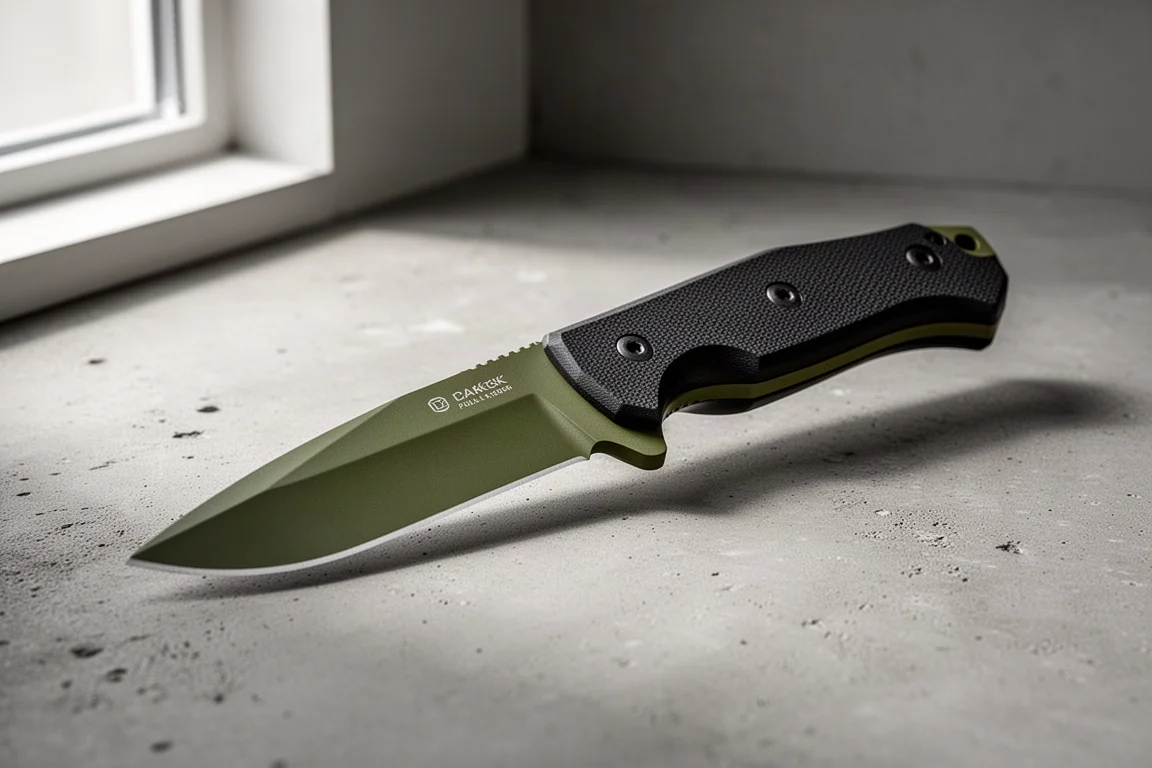
Olight made its name in lights, then entered the folding knife space and turned out some genuinely strong designs. The OKnife Fortitude is the brand’s push into the fixed blade category, and it lands hard. This is a full-tang knife with a D2 steel blade, G10 scales, and a Cerakote finish, and it arrives from the factory razor sharp.
What makes it especially interesting is how it stacks up against established names that cost considerably more. In this review we look at what the Fortitude does well, where it fits against knives like the Fallkniven F1X, and who should actually buy it.
First Impressions: Design and Build
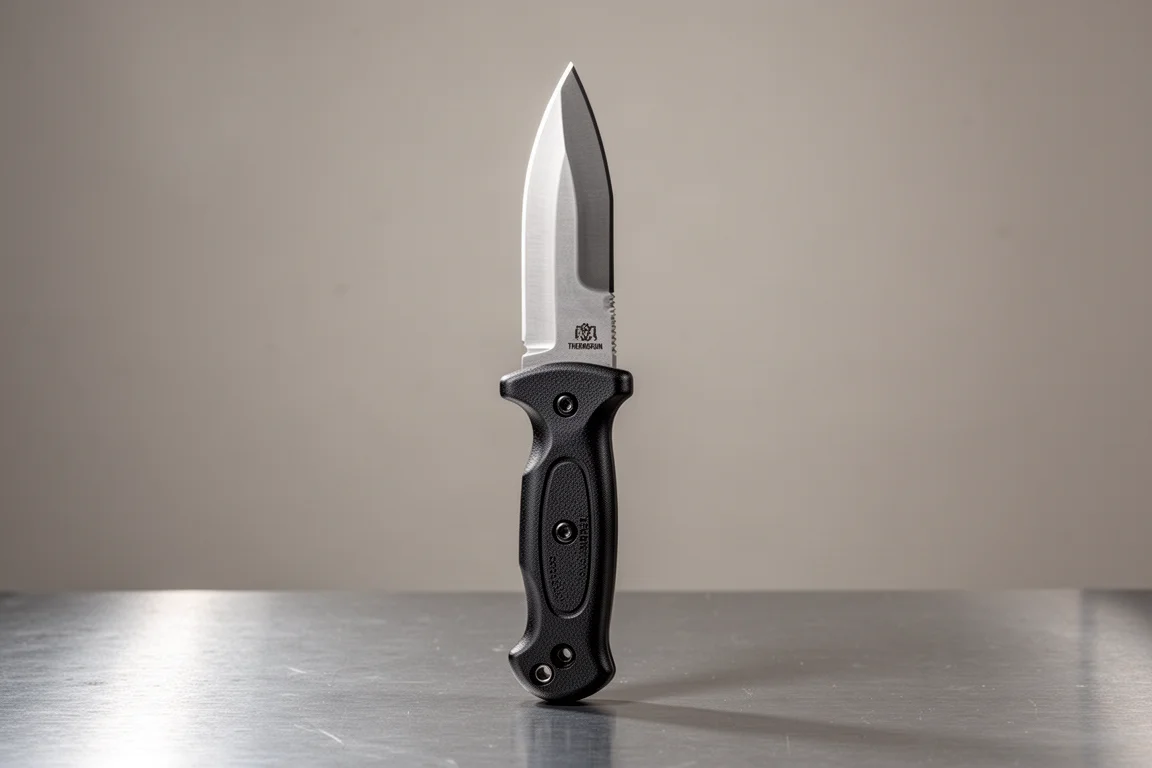
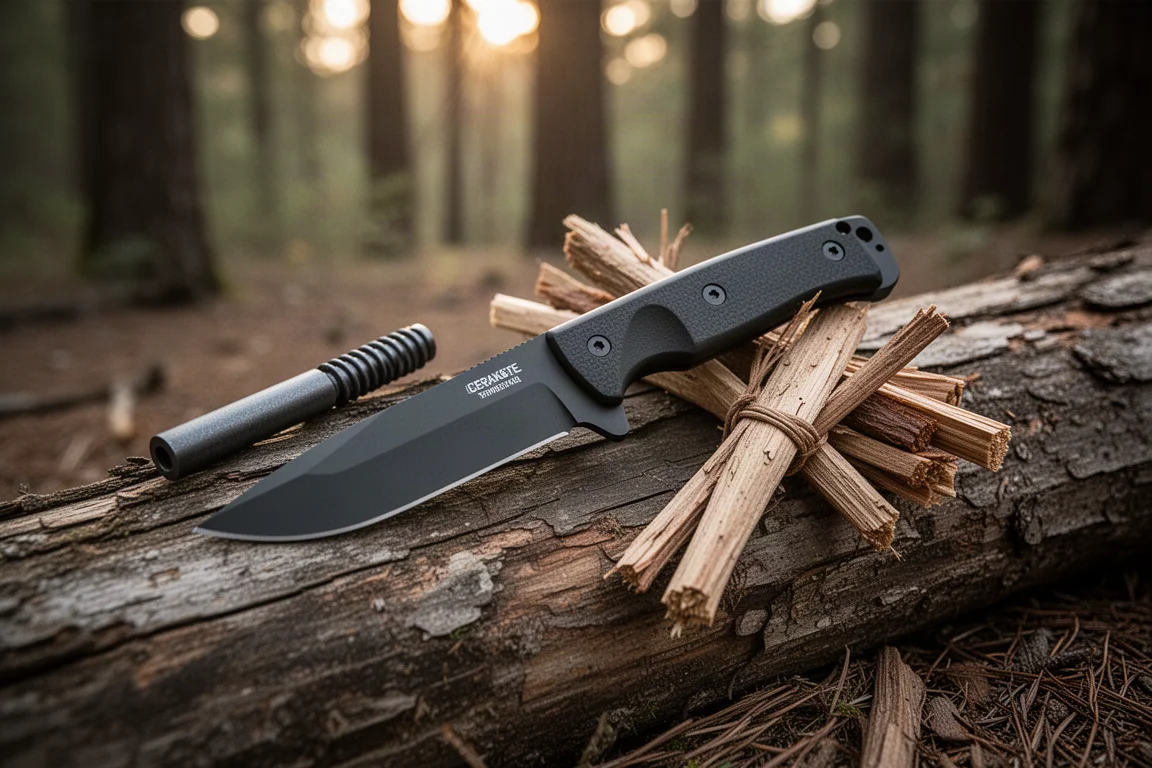
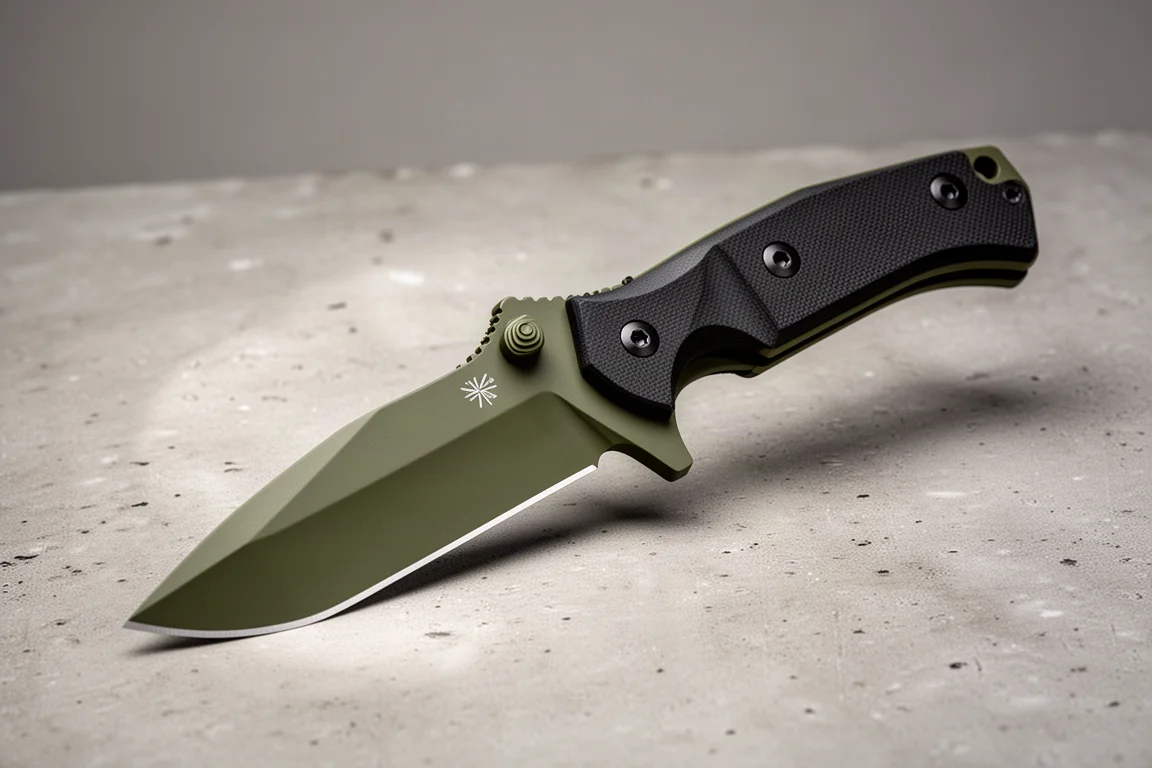
The Fortitude is a stout, handle-heavy fixed blade with a blade profile that leans toward a modified clip point. The blade ships in an olive green Cerakote finish, and the finish quality is excellent throughout, including where the handle scales mate to the tang. The scales are held on with two hex and Torx screws, and the fit is essentially flawless.
The handle contour deserves specific praise. G10 scales with a black-and-green accent pair look sharp, and the jimping on the thumb ramp recedes gently into the handle rather than rising aggressively above it. That makes the knife index well in the hand without creating hot spots during longer use. An extended guard adds extra security for grip, a design cue more makers are adopting for good reason.
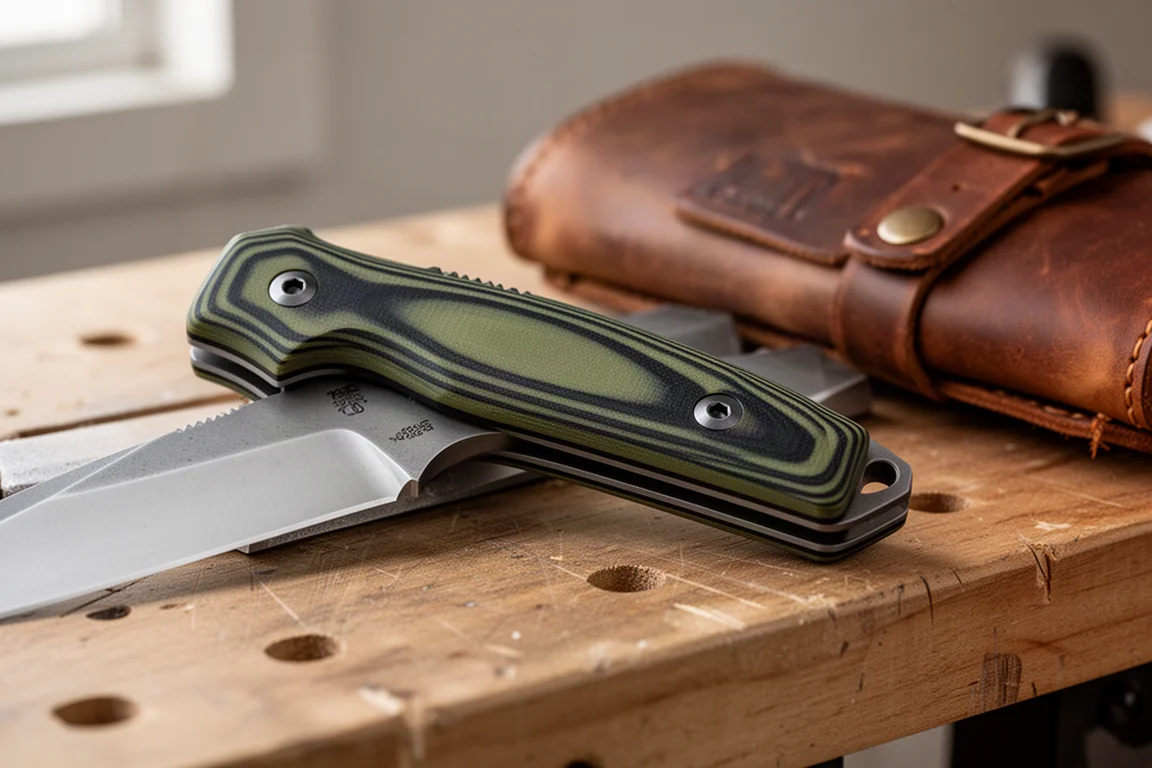
D2 is a working tool steel rather than a super steel. It will not hold an edge as long as something like S35VN, but it field-sharpens much more easily, and with a thick blade you lose some of the benefits of super steels anyway. The Cerakote coating also helps prevent staining and rust, a common treatment for D2 blades.
The knife weighs about 10.9 ounces, a little over 300 grams, so it is a heavy, substantial tool. The spine thickens out with a bevel and has a slight swoop, and the spine angle is aggressive but not a true 90 degrees, so fire steel striking may vary depending on technique.
Sheath and Carry Options
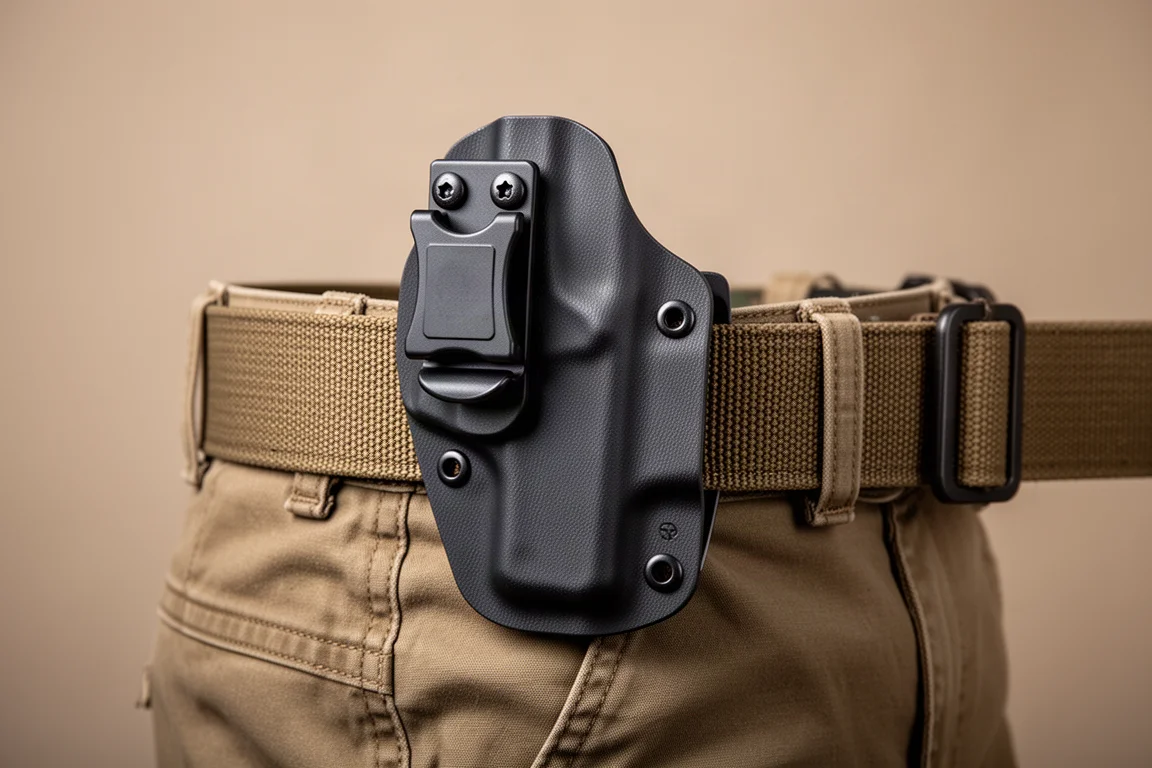
The included sheath feels like Kydex and comes with a quick-release belt adapter. The Fortitude rides high on the belt in a vertical, handle-up orientation, which keeps the knife clear of your seat when sitting down. That is a deliberate design choice: dangler-style sheaths slide out of the way, but high-riding sheaths avoid interfering with sitting altogether.
Retention is solid for vertical belt carry but not the strongest we have seen. The knife will not fall out, though a hard fall could pop it free. For belt carry it is plenty secure. If you plan to mount it in reverse on a pack or vest, you may want to tighten the sheath or add some active retention for that use case.
How It Compares to the SOG and Benchmade Alternatives
Against similarly designed knives, the Fortitude holds its own. A comparable SOG in S35VN uses a more aggressive jimping that rises above the handle, plus a pronounced finger choil for choking up. Both knives share a modified clip point idea, and both feel stout in the hand. The Fortitude wraps its G10 fully around the tang, while some competitors leave an extended tang protruding beyond the scales.
A Benchmade design in the same D2 steel is another useful benchmark. With good heat treatment, D2 performs about the same regardless of maker, which is part of why the Fortitude feels like a quality knife rather than a budget imitation. The Benchmade adds an elaborate guard with jimping underneath, and its sheath retention is noticeably tighter, almost too tight for quick access.
How It Compares to the Fallkniven F1X
The Fallkniven F1X sits in Fallkniven’s X Series survival line and builds on the original F1, one of the brand’s foundational designs. Where the classic F1 uses a thermorun handle fully encasing a narrow tang, the F1X thickens the tang and keeps its thickness throughout the blade. It uses thermorun scales with three mounting points.
Fallkniven’s thermorun handle is comfortable, but G10 is arguably the stronger and superior handle material, which gives the Fortitude an edge there. The F1X also runs a considerably thicker blade profile. Some people find that overkill for a knife this size, and extra thickness reduces effectiveness on certain cutting tasks.
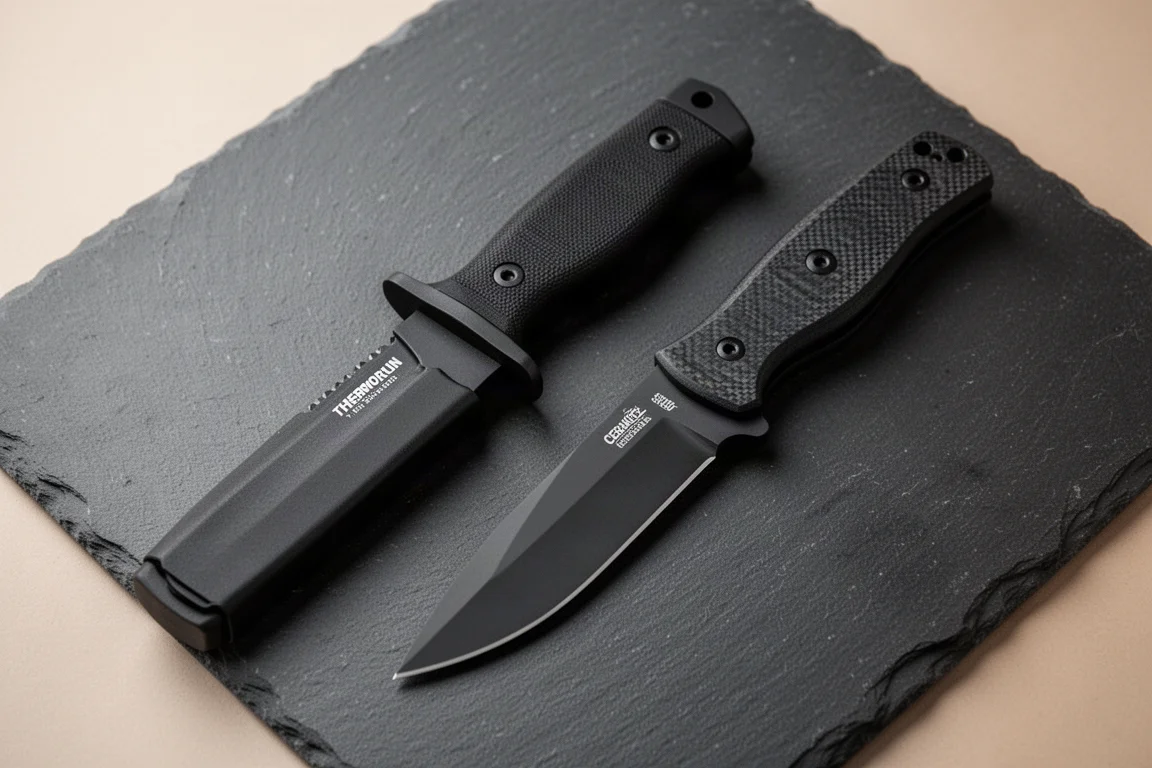
One small fit-and-finish note on the F1X: the lanyard hole area in the G10 was not fully contoured, leaving a slightly sharp edge where the rest of the handle melts the features away smoothly. It is a minor detail, but worth knowing. The F1X typically floats around the 200 dollar mark, while the Fortitude typically lands between 70 and 80 dollars, making the price gap significant.
The Fortitude is heavier than the original F1 but on par with the F1X. Both are workhorse knives, and both are excellent.
Should You Buy the Olight OKnife Fortitude?
For the price, the Fortitude is an easy recommendation. Cerakote finish, G10 scales, D2 steel, a quality warranty, great fit and finish, and a solid sheath with an included belt clip add up to a lot of knife for 70 to 80 dollars, and the knife is frequently on sale.
It is a workhorse rather than a light, minimal carry piece. It is not a batoning or wood-splitting tool; while it could probably handle wood up to about two inches, hatchets, axes, and saws exist for that job, and pummeling a precision instrument into logs is a waste of what it does well. As a general outdoor and utility fixed blade, it indexes nicely in every grip position, cuts smoothly, and cleans up easily after hard use.
Conclusion
The Olight OKnife Fortitude proves the brand’s fixed blade ambitions are legitimate. Rock-solid construction, excellent ergonomics, a factory edge, and a well-thought-out sheath put it in the company of knives costing two to three times as much. If you want a stout, full-tang workhorse that will not strain your budget, the Fortitude is a solid performer worth a close look. Just remember to stay bear aware out there, especially if you find yourself in Montana.
Further reading
Related Reviews

Knives
Benchmade Mini Narrows Review: A Pocket Knife That Disappears in Your Pocket
The Benchmade Mini Narrows is a remarkably thin and light pocket knife with impressive engineering, but a high price and dull factory edge make it a tough recommendation for most buyers.
Knives
Best Knives Under $1,000: Premium Folders Worth the Investment
A look at premium folding knives around the $1,000 mark, from upgraded classics to purpose-built masterpieces, and what actually justifies the price.
Knives
Best Outdoor and EDC Knives: 8 Blades Worth Carrying
A practical lineup of eight fixed-blade and folding knives for hiking, backpacking, and everyday carry, with honest notes on what each one does best.