EDC
Three Olight EDC Picks Plus One Clever Titanium Pry Tool Worth a Look
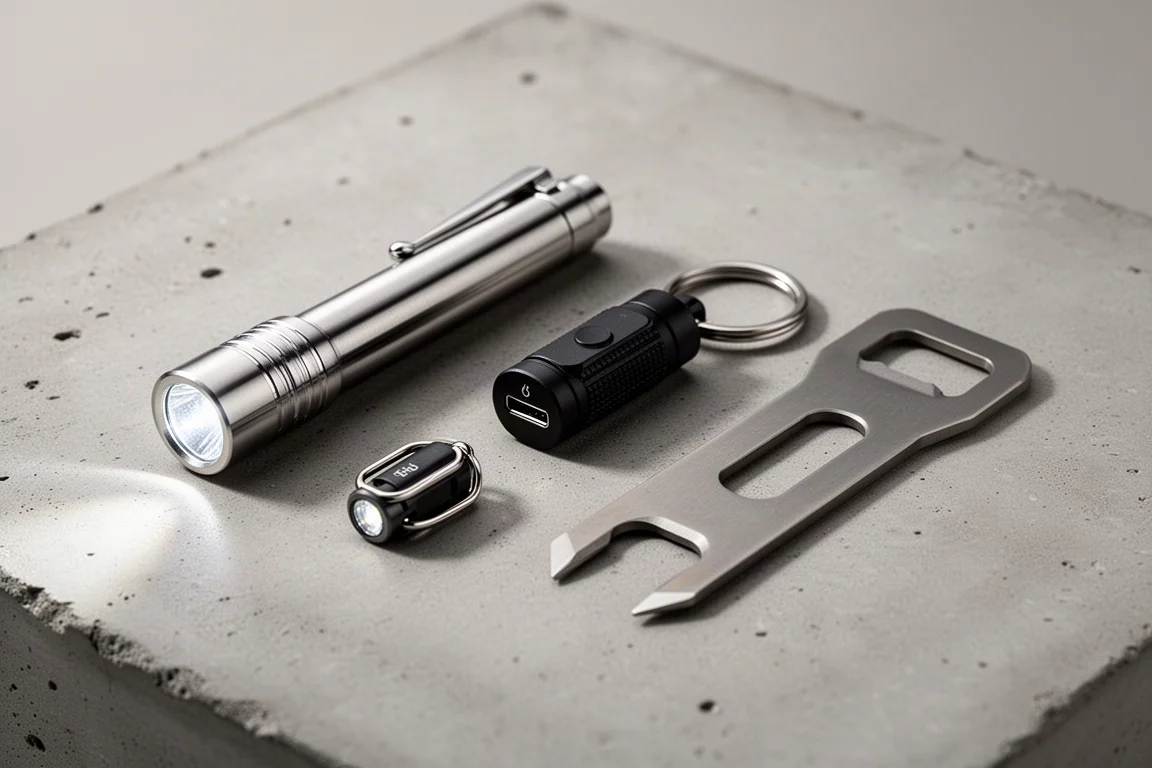
A polished stainless i3T, the i1R 2 Pro keychain light, the tiny new i1R Mini, and a titanium pry tool with a milled whistle and tritium slot.
Introduction
Everyday carry lights and pocket tools are easy to buy on impulse and just as easy to regret. The four items covered here all earned their spot for practical reasons: a stainless flashlight with unusual output for its size, a proven keychain light, a genuinely tiny new mini, and a titanium pry tool packed with more functions than its size suggests. Here is how each one stacks up.
Olight i3T Stainless Steel
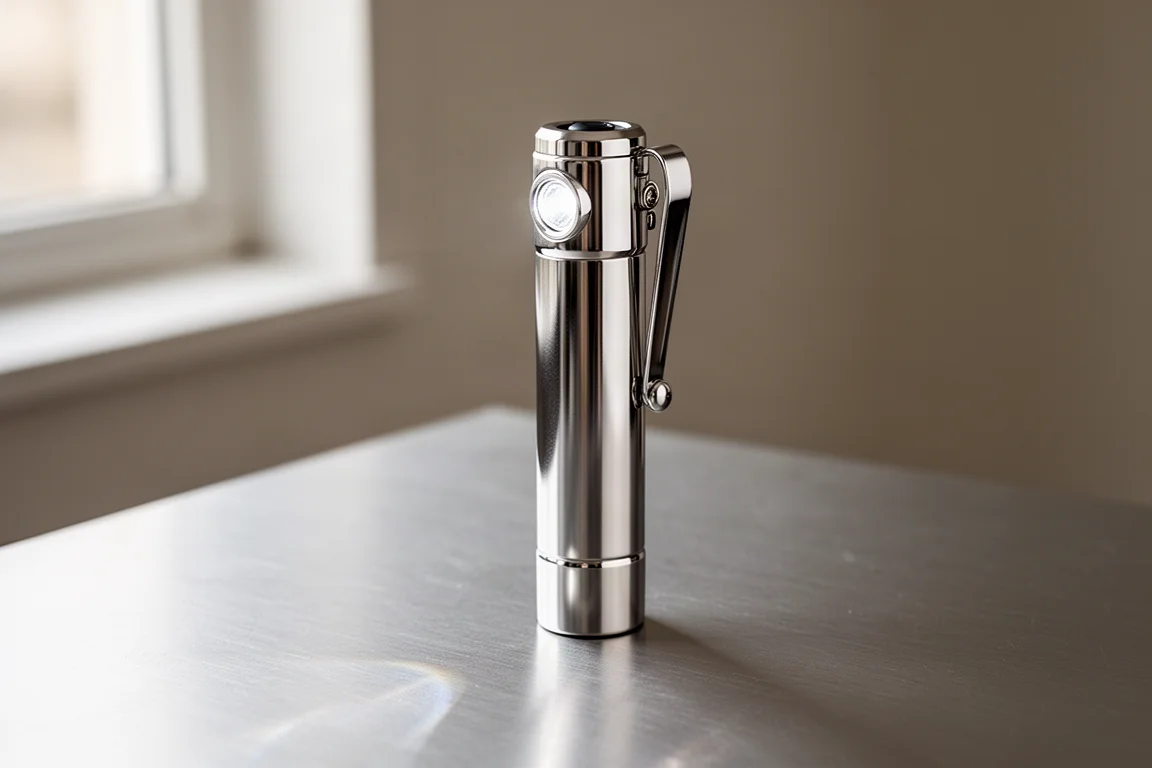
The i3T in polished stainless steel is one of the few two-mode flashlights that genuinely stands out. It runs on a 14440 cell, which pushes output to around 500 lumens on high. That kind of number is almost unheard of in the AAA-class segment and puts it in a category of its own for its size.
The trade-off is weight. Stainless steel makes it noticeably heavier than an aluminium light, and that is worth thinking about if you carry minimal gear. But the fit and finish are excellent, and the polished body looks and feels premium in a way most budget lights do not.
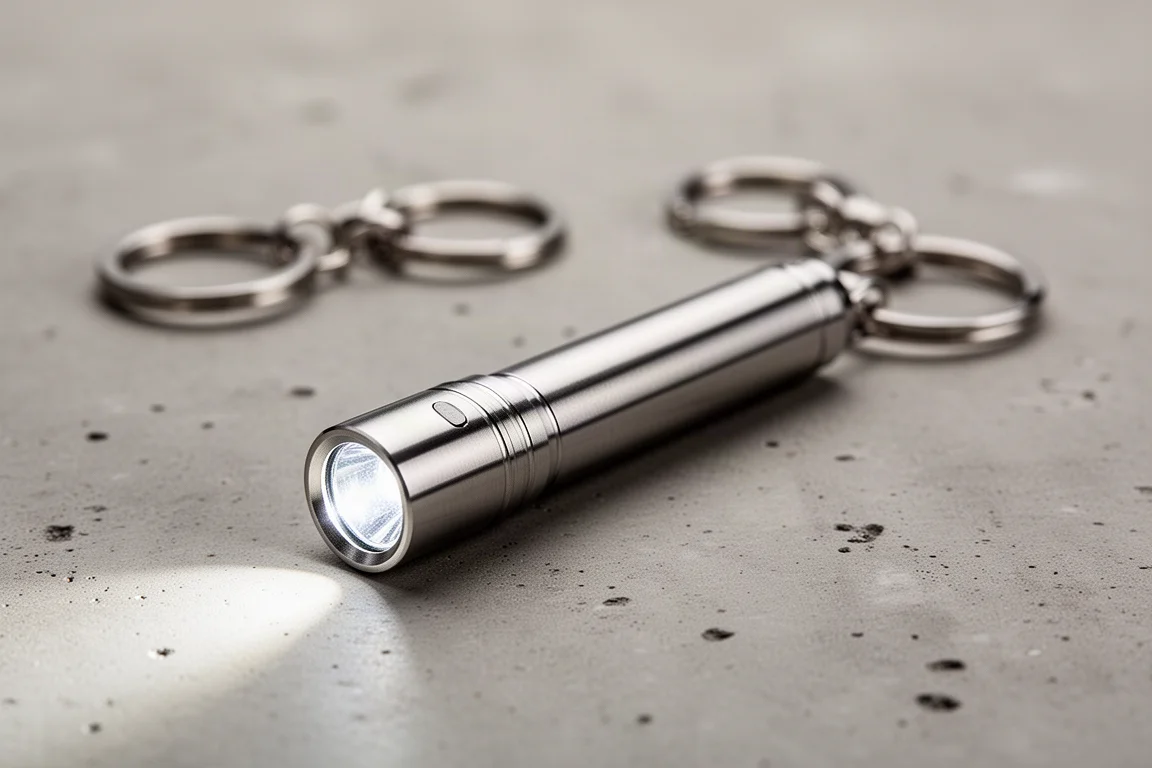
If you want a small, handsome flashlight with real output and do not mind a bit of extra heft, this is an easy recommendation.
Olight i1R 2 Pro
The i1R 2 Pro is the USB-C version of Olight’s well-known keychain light, and its simplicity is the point. Twist it slightly for a low light mode, twist it further for the high output of roughly 180 to 200 lumens. There is no fiddling with buttons or modes you will never use.
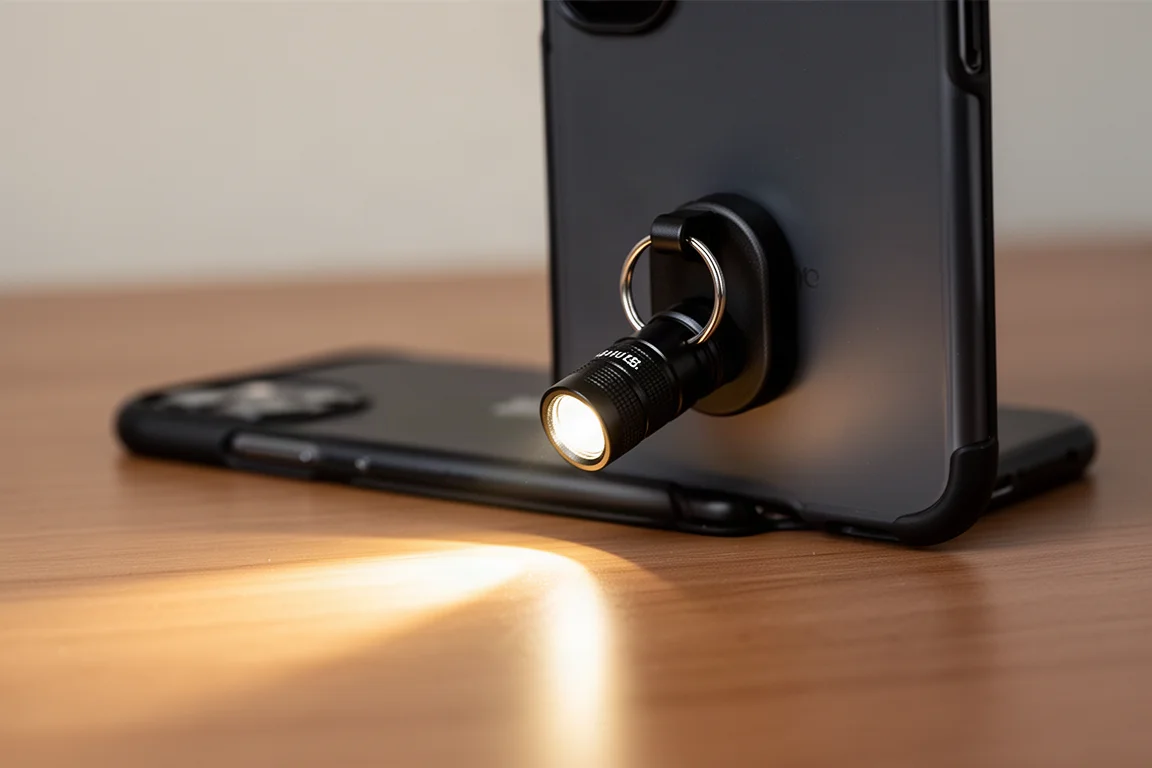
It has been covered many times before, and that is a good sign: this is a mature, refined design. The magnetic tail is one of its best features. Attach it to a magnetic surface, such as the back of a phone case, and you get a small directed light source exactly where you need it. That magnetic tail makes it far more versatile than its size suggests.
Olight i1R Mini
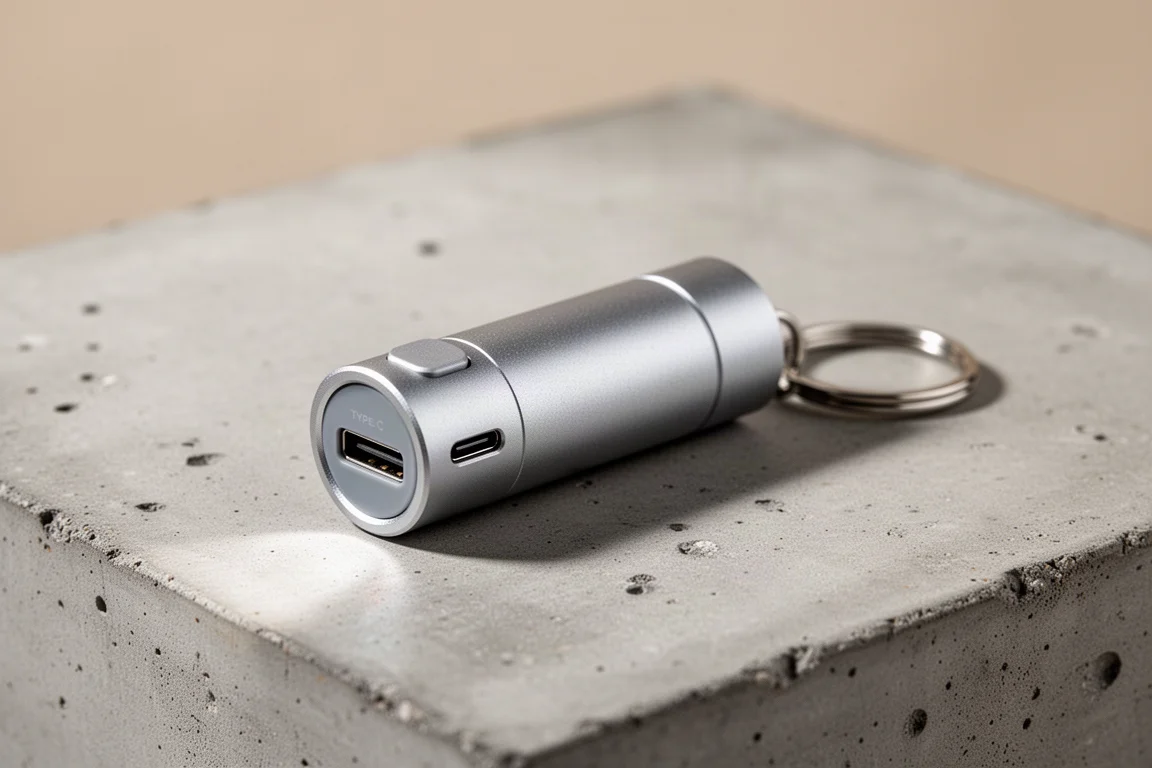
The i1R Mini is substantially smaller than the i1R 2 Pro, which was already a very small flashlight. After using both, there is real justification for a light that is basically half the size.
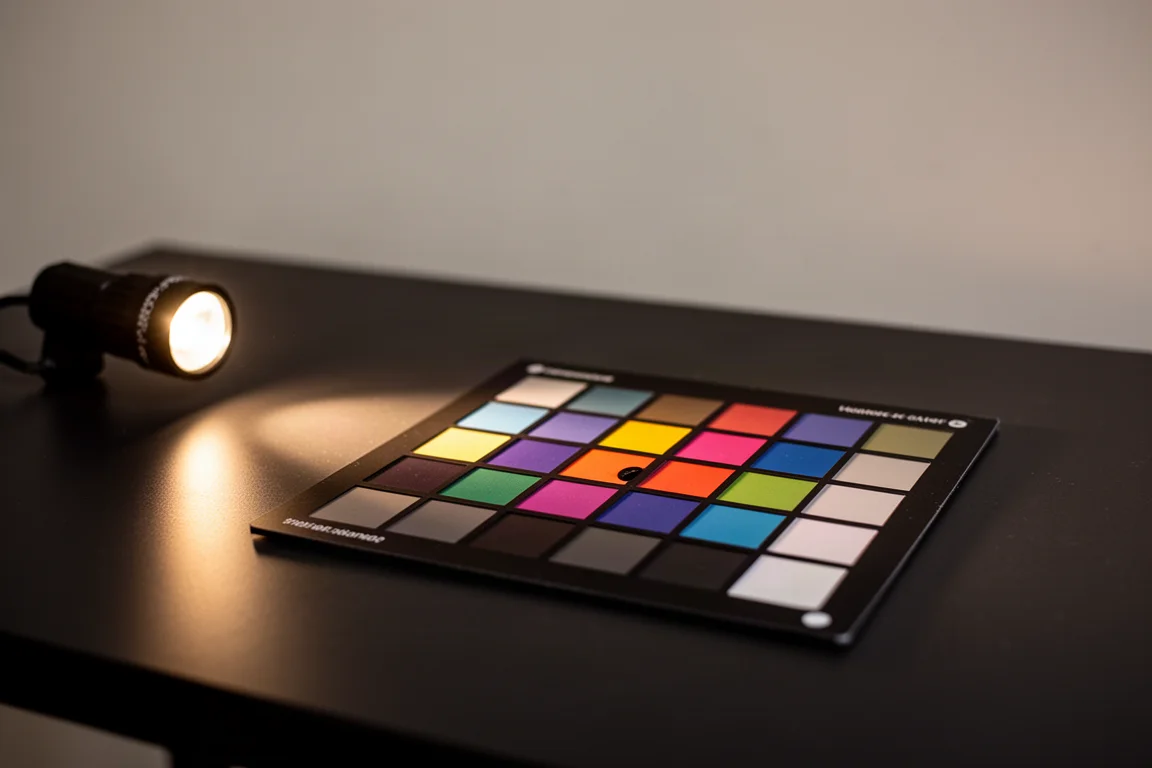
One detail worth noting: the low mode runs noticeably warmer than the cool white of the i3T, sitting closer to the 5000K range. Comparing the two against a photographer’s color correction chart, the warm white clearly renders colors differently from the cooler light. It may well use the same high CRI LED seen in limited edition versions of these lights.
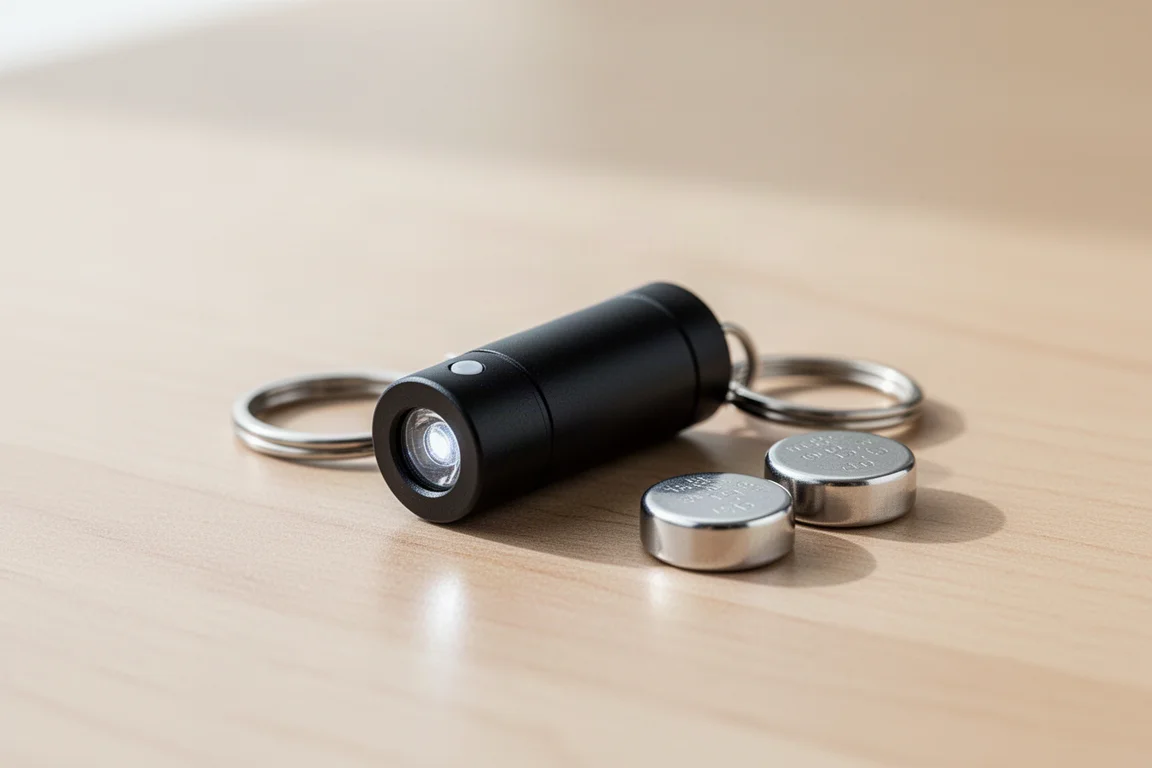
It is powered by three LR41 button cells, which you can buy almost anywhere hearing aid batteries are sold, and a set of replacement batteries is included in the box. Turning it on and off is simple: the magnetic switch pulls the contact away from the battery, which makes attaching it to magnetic surfaces just as convenient as with the larger Pro version.
Olight Titanium Pry Tool
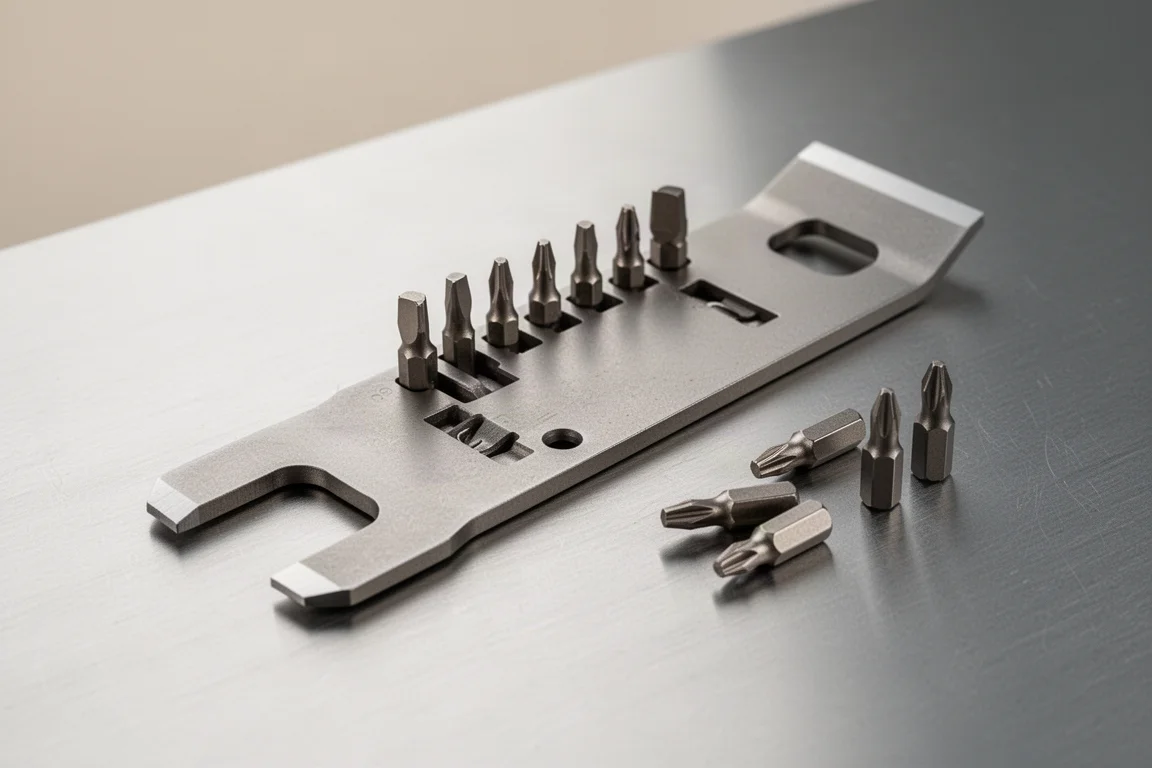
This is arguably the most inventive of the four. Unlike the previous, longer version, this one is different from anything else on the market and includes several quality-of-life upgrades.
The bit holder adjuster now sits flush, fixing the common complaint that a protruding adjuster could come undone. It carries two bits, apparently a T6 and a T8, plus a Phillips flathead combo, effectively four different heads, and a ball detent from the clip holds the bit in place so it works nicely as a screwdriver in a pinch.
The feature list keeps going: a hole sized for quarter-inch bits means you can rig a simple string retention trick to use it as a handle for standard hex bits, there is an oxygen wrench, the obligatory bottle opener, and then the standout feature: a milled one-piece whistle. Unlike afterthought whistles that require enormous lung power, this one is loud and easy to blow. There is even a slot for a tritium insert.
For photographers, the prying edge is close to the perfect width for the large flat bolts found on camera equipment. And thanks to the opening near the oxygen wrench, it may work as a pocket dangler for keys with the right connector.
The main caveat is price. At around $45 it is nearly the same price as the previous version, which was almost twice as long, so it feels a bit expensive for the amount of titanium. That said, comparable tools from other makers often run around $100, so it is still one of the more affordable solutions in this space.
Overall Buying Advice
Pick the i3T Stainless Steel if output matters most and you accept the weight. Choose the i1R 2 Pro for a proven, simple keychain light with USB-C charging. The i1R Mini makes sense if size is your top priority and you like a warmer, possibly higher CRI beam. The titanium pry tool suits tinkerers and photographers who want maximum function in a small, durable package and do not mind paying a little extra for the machining.
Conclusion
Each of these picks solves a slightly different problem, and none of them overreaches. A high-output stainless flashlight, a refined keychain light, a genuinely tiny mini, and a multi-function pry tool: together they show how much capability can now fit in a pocket without adding much bulk.
Further reading
Related Reviews

EDC
MachineWise Sonora Review: A New Benchmark in Pocket Knife Craftsmanship
The MachineWise Sonora impresses with world-class action, meticulous machining, and a bold integral design from a brand new American maker.
EDC
Obai Black Friday EDC Picks: Sentry L2 and OT Tackle S1 Reviewed
Two EDC pieces from the Obai Black Friday sale, with honest notes on what works and what needs a better use case.
EDC
OED x CopperShed EDC Roundup: Five Handmade Copper and Brass Pieces Worth a Look
A roundup of five handmade copper and brass EDC pieces from the OED collaboration with CopperShed Metal Works, including bottle openers, a pry tool, and a pen stand.