Triathlon Gear
Old vs New Triathlon Gear: How Much Faster Is Modern Equipment?
A head to head test of 1980s triathlon gear against modern equipment, with measured gaps in bike speed and running economy.
Introduction
Triathlon’s first British outing in 1983 came with a rule that would raise eyebrows today: no wetsuits at all. By 1986 the sport was arguing about it, with one camp insisting that neoprene eroded the very essence of triathlon and another pointing out that freezing through the swim would put newcomers off for good. That debate sets up the question this comparison set out to answer. Four decades on, how much of the speed in modern triathlon comes from the equipment, and how much is simply better training and better athletes?
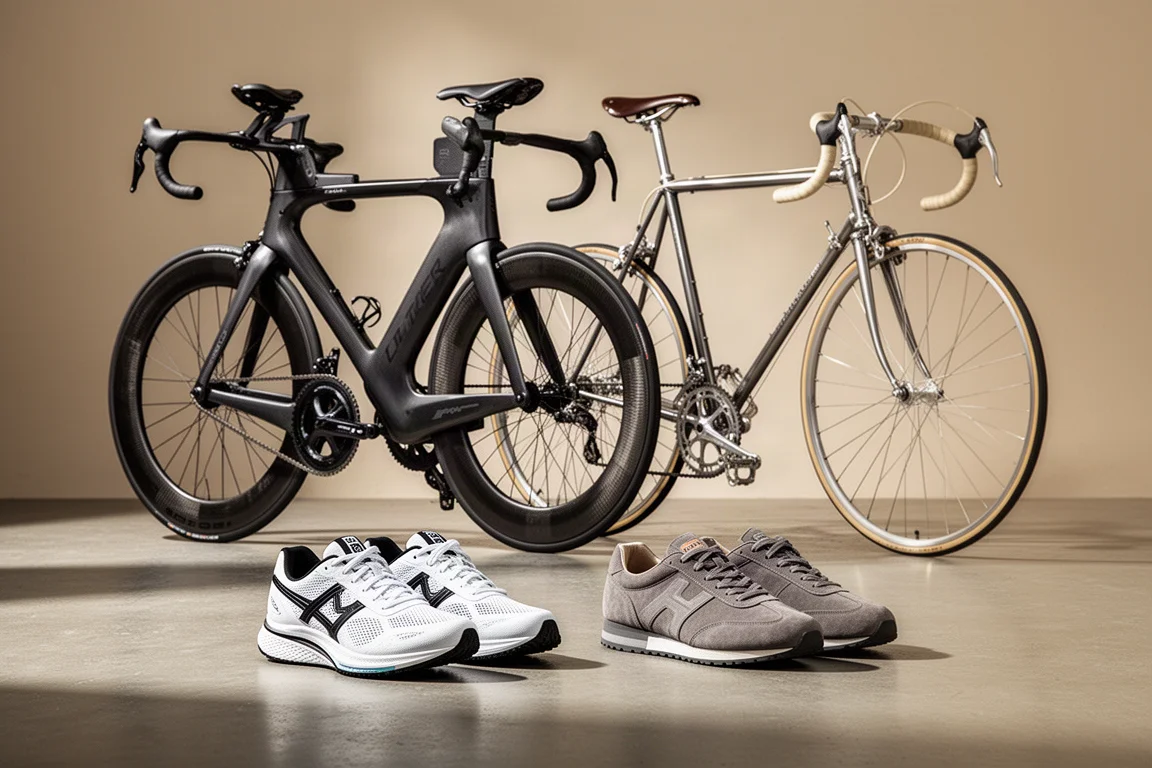
To find out, gear from two very different eras was lined up side by side: a 1980s steel team bike against a modern carbon race machine, and a 1981 running shoe against a current carbon-plated racer. The plan was straightforward. Ride and run the same courses, measure everything, and see how big the gap really is.
How We Compared the Gear
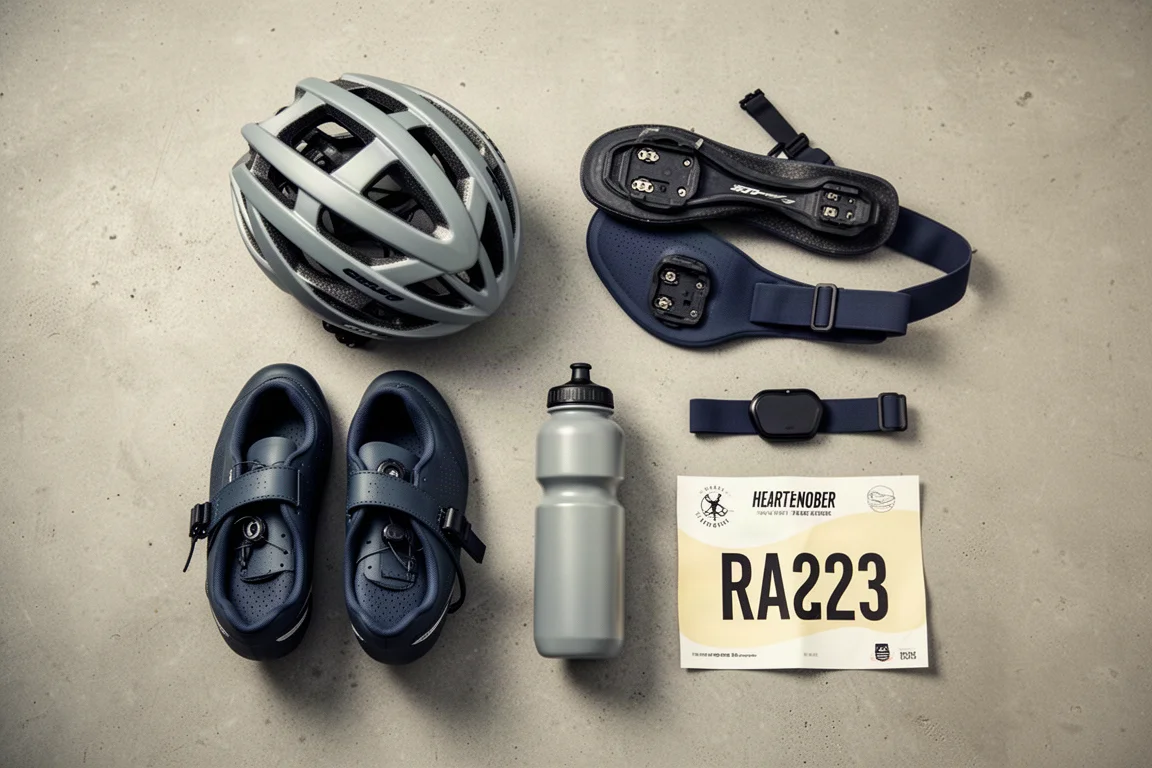
Fair comparisons need a common yardstick, so both bikes ran the same power pedals. That allowed power, heart rate and time to be captured on identical hardware, even though clipless pedals did not exist when the older bike was built.
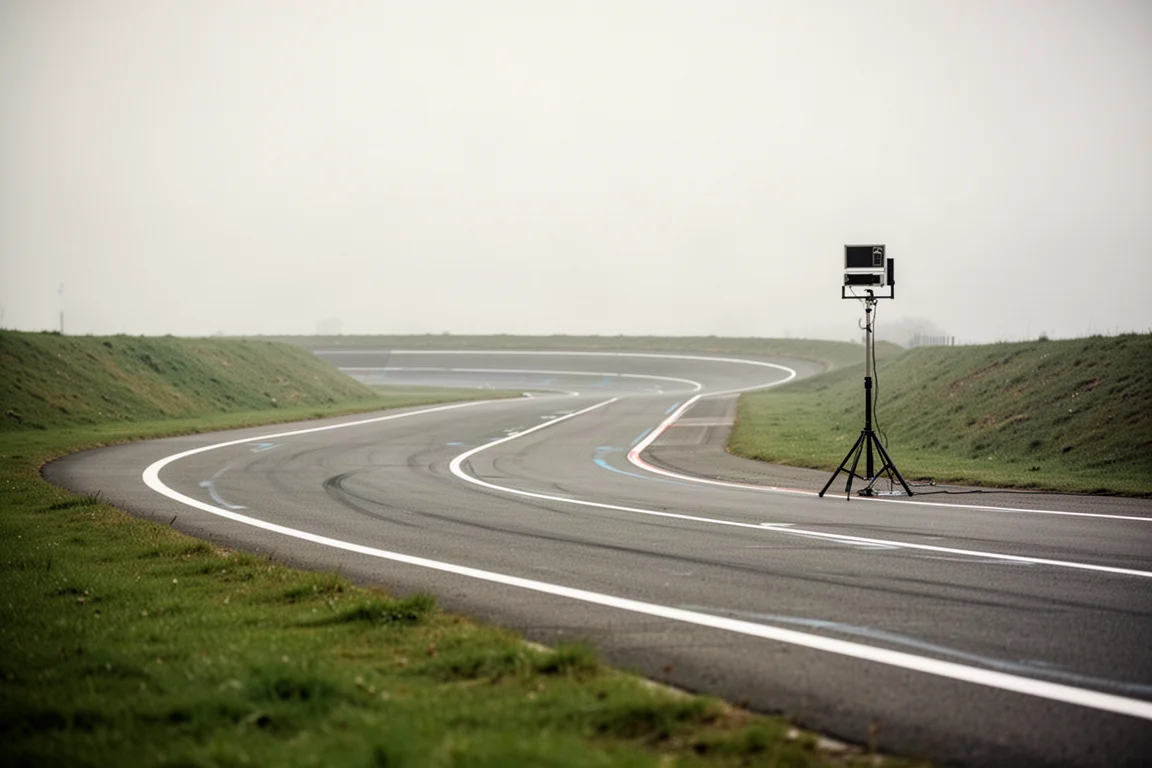
The bike test took place on a closed tarmac criterium circuit. Because the two positions and fits were so different, holding identical power on both machines was not realistic, so the effort was simply four laps ridden as hard as possible, with the numbers compared afterwards. The run test moved indoors to a sports science lab, where oxygen consumption was measured at two speeds, 12 km/h and 16 km/h, in each pair of shoes. Using less oxygen for the same speed means better running economy, and a lower score is better.
Everything else was kept as consistent as possible. The same rider, the same helmet, the same shoes and pedals on the bike, and the same two treadmill speeds across both pairs of running shoes. That keeps the comparison focused on the equipment rather than on the day.
Canyon SpeedMax CFR: The Modern Race Bike
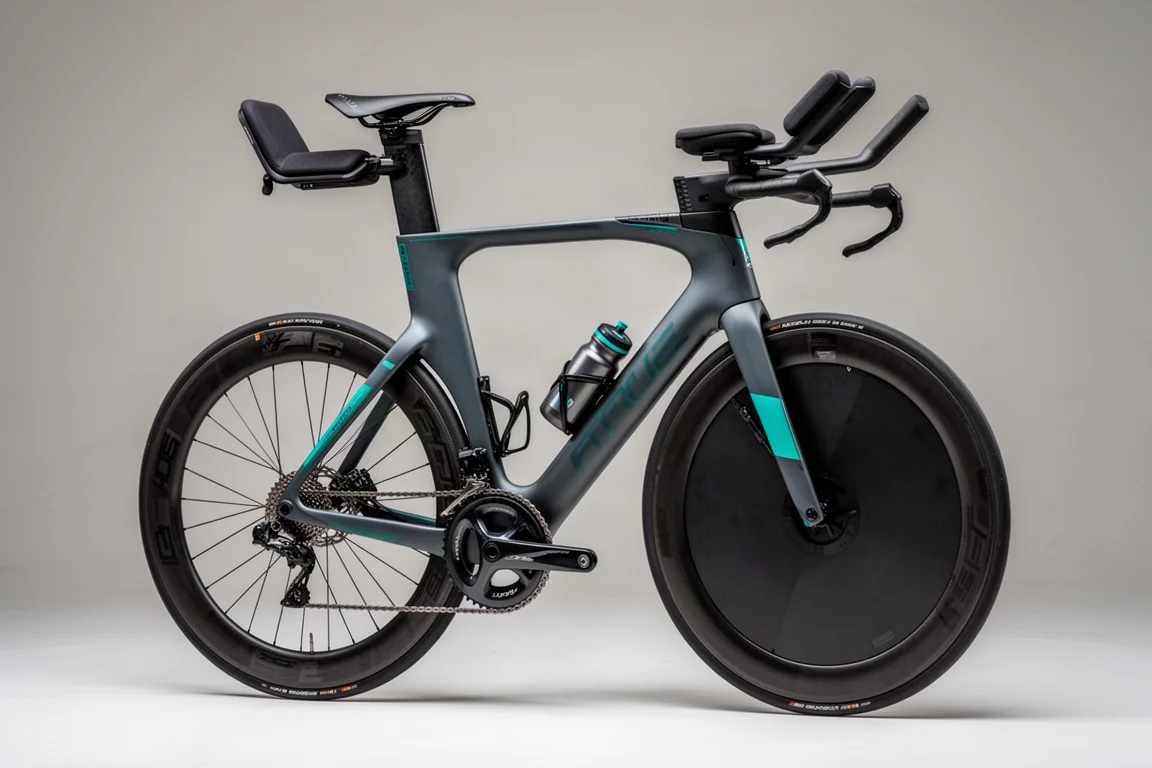
The modern side of the bike test was a carbon-fibre triathlon machine with deep-section DT Swiss ARC 1100 wheels, a 64 mm rim at the front and an 80 mm rim at the rear. Shifting comes from an 11-speed Ultegra Di2 groupset, and the cockpit is a set of integrated aero bars built into the front end.
The result over the 6 km lap was 9 minutes 7 seconds, an average speed of 39 km/h, produced at an average power of 342 watts with a peak of 550 watts. That is a hard, sustained effort, and the aero position is what made it possible to hold it.
Raleigh Banana Team Bike: The 1980s Classic
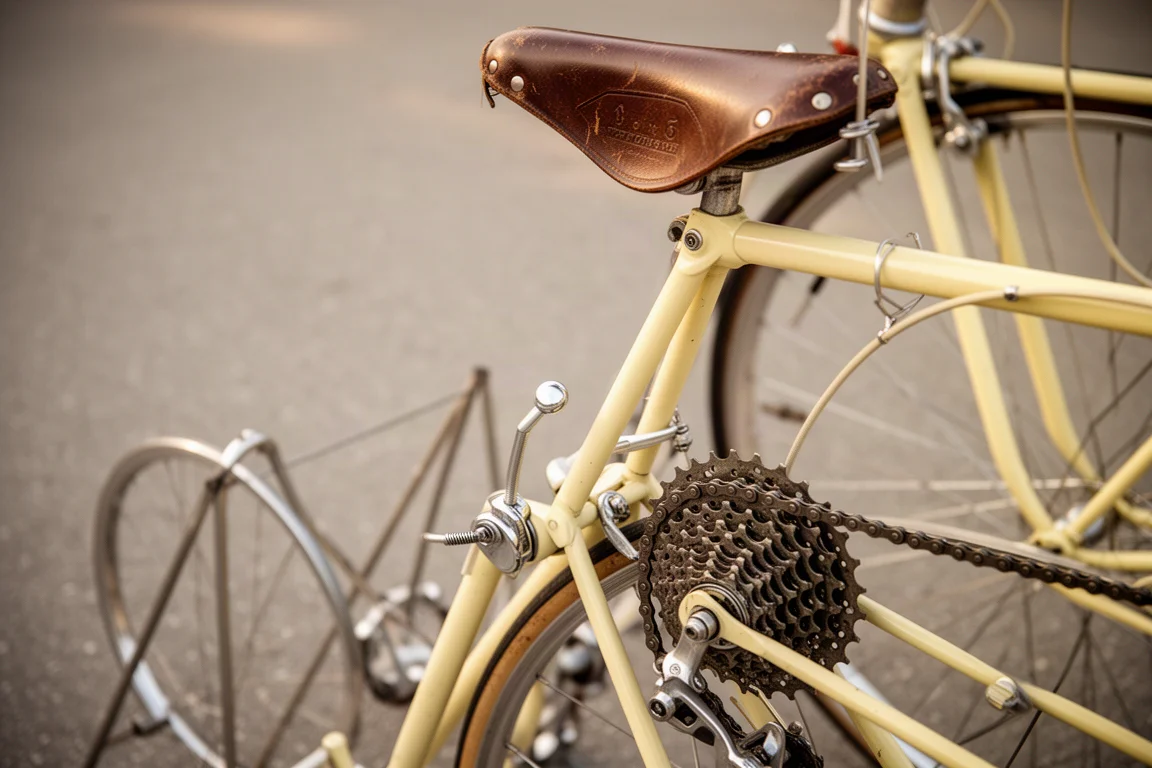
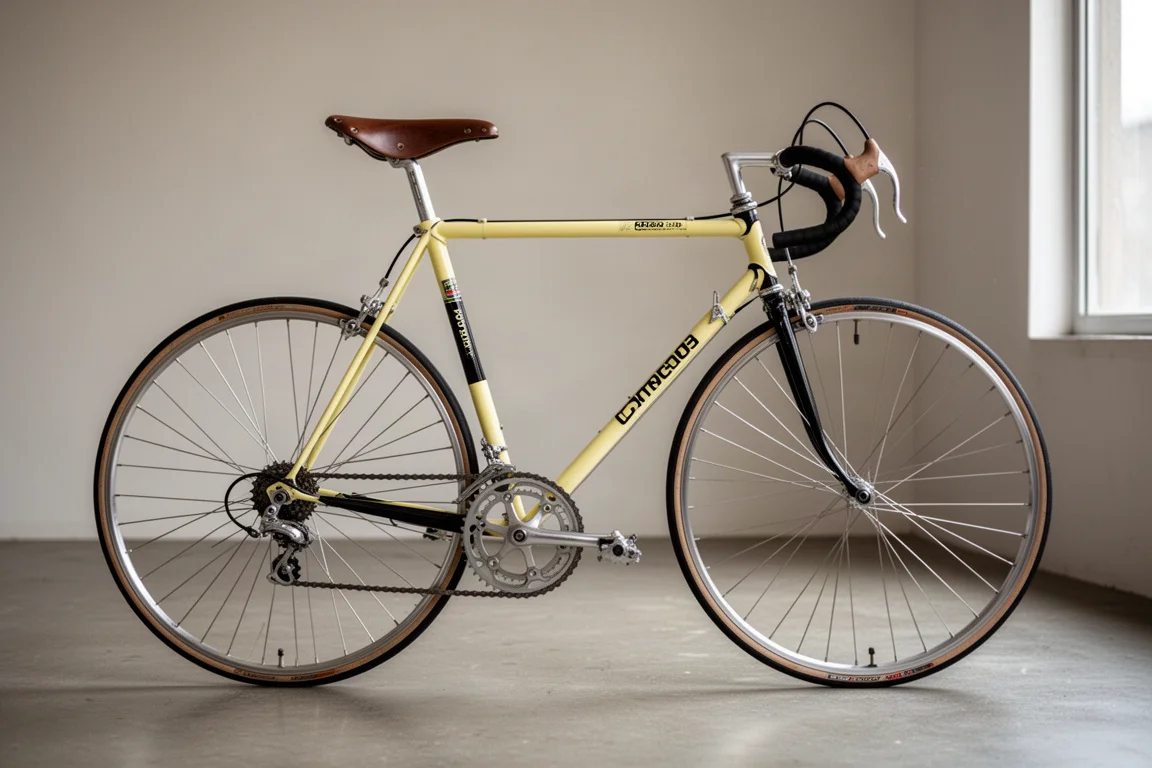
The older machine is a genuine classic, a steel-framed team bike that still looks sharp for its age. Its specification is where the decades show. Six-speed gearing, no aero bars at all, and wheels that were sourced simply to get it rolling again rather than to chase any performance target.
On the same 6 km lap it finished 48 seconds behind, at an average power of just 238 watts. That gap of around 100 watts is not a fitness gap. Heart rate was almost identical across both runs. The limit was the bike: how much the rider trusted the gears, the brakes and the whole mechanical package, and how much upper body effort it took to hold an upright position at speed.
That trust factor matters more than it sounds. On a machine where braking and shifting feel uncertain, the instinct is to hold a little back, and over a longer race that hesitation compounds.
On Cloudboom Echo 3: Carbon-Plated Racing
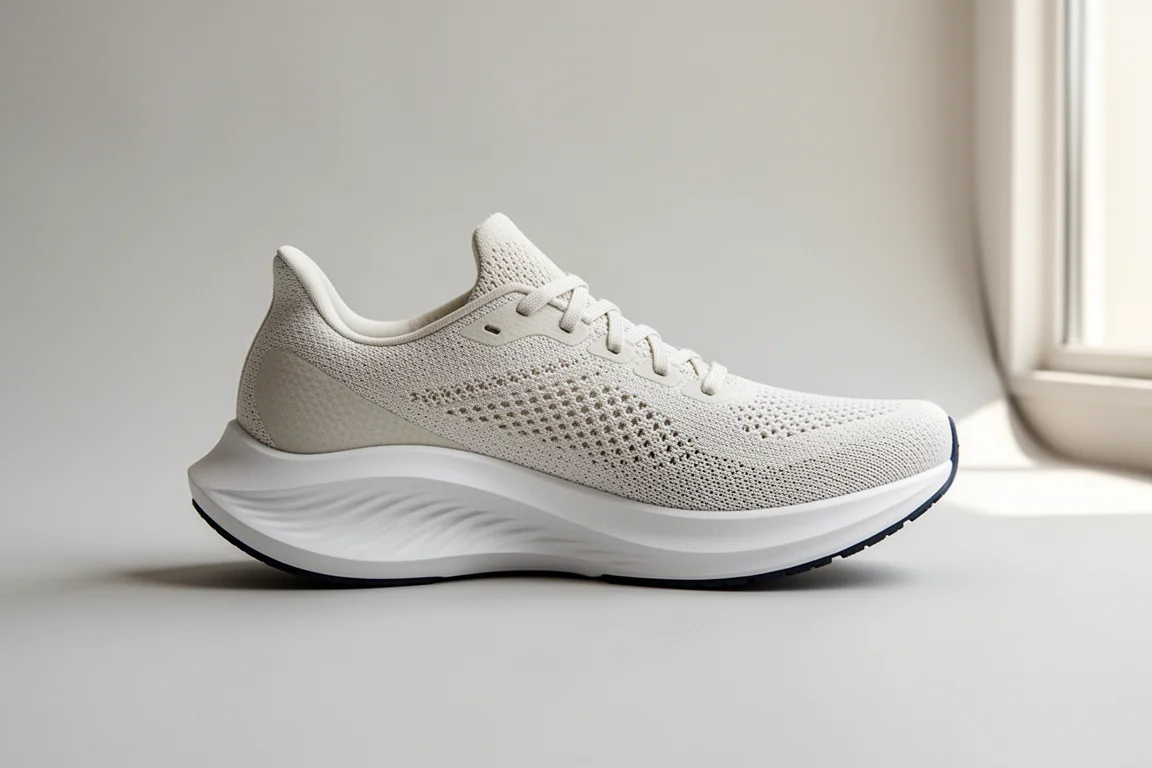
The modern running shoe in the test is built for racing: an extremely lightweight upper, a claimed 211 grams in a UK size 7, and a full-length carbon plate sandwiched between two layers of foam. It is the kind of shoe that appears at the front of a race start line.
In the lab it produced running economy scores of 201 ml/kg/km at 12 km/h and 205 ml/kg/km at 16 km/h. For context, an elite endurance athlete typically sits around 190 to 200, while a recreational runner is usually closer to 215 to 220. At 16 km/h the runner stayed comfortably below threshold in this shoe.
Hi-Tec Silver Shadow: The 1981 Standard
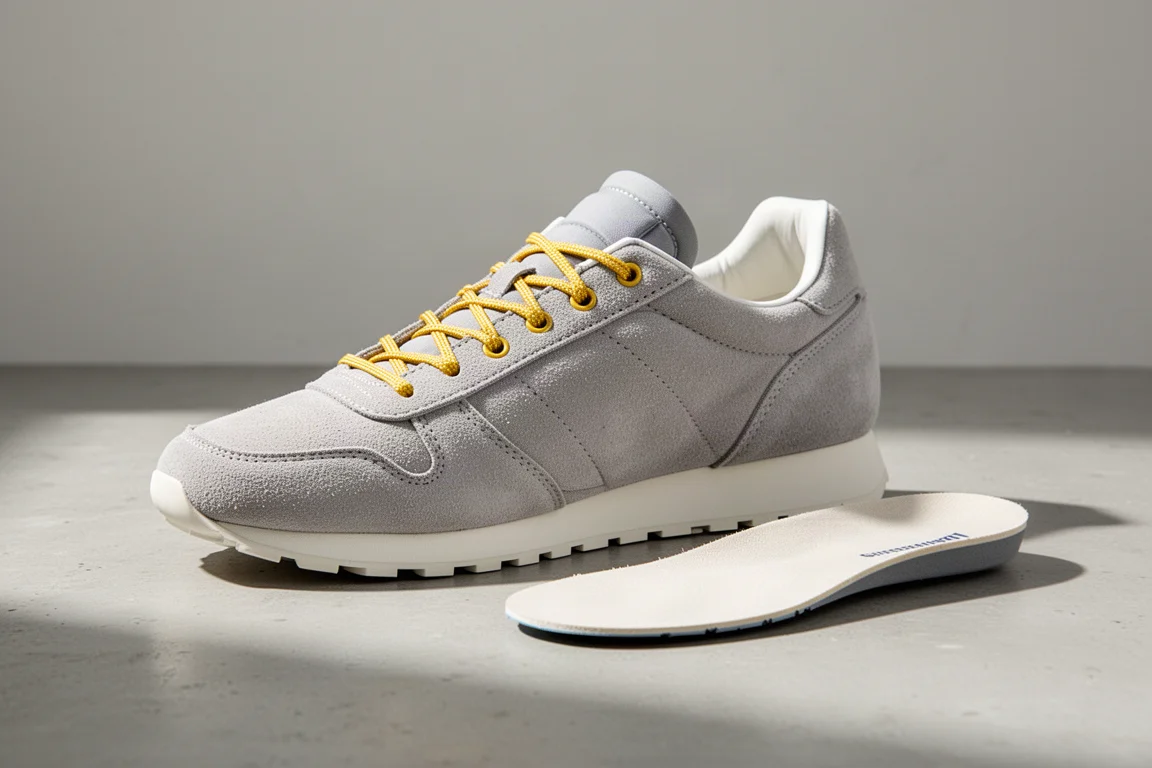
The retro shoe was the best money could buy in 1981, worn by a remarkable 23 percent of competitors at that year’s London Marathon. It pairs a lightweight suede upper with soft cushioning on the collar and tongue, nylon D-rings for the laces, a hard-wearing outsole and a soft EVA insole that could be removed for extra comfort.
Its economy scores were 212 ml/kg/km at 12 km/h and 215 ml/kg/km at 16 km/h. At the higher speed the effort pushed above threshold, which is exactly the point. The same runner, at the same pace, was working noticeably harder in the 1981 shoe than in the modern one.
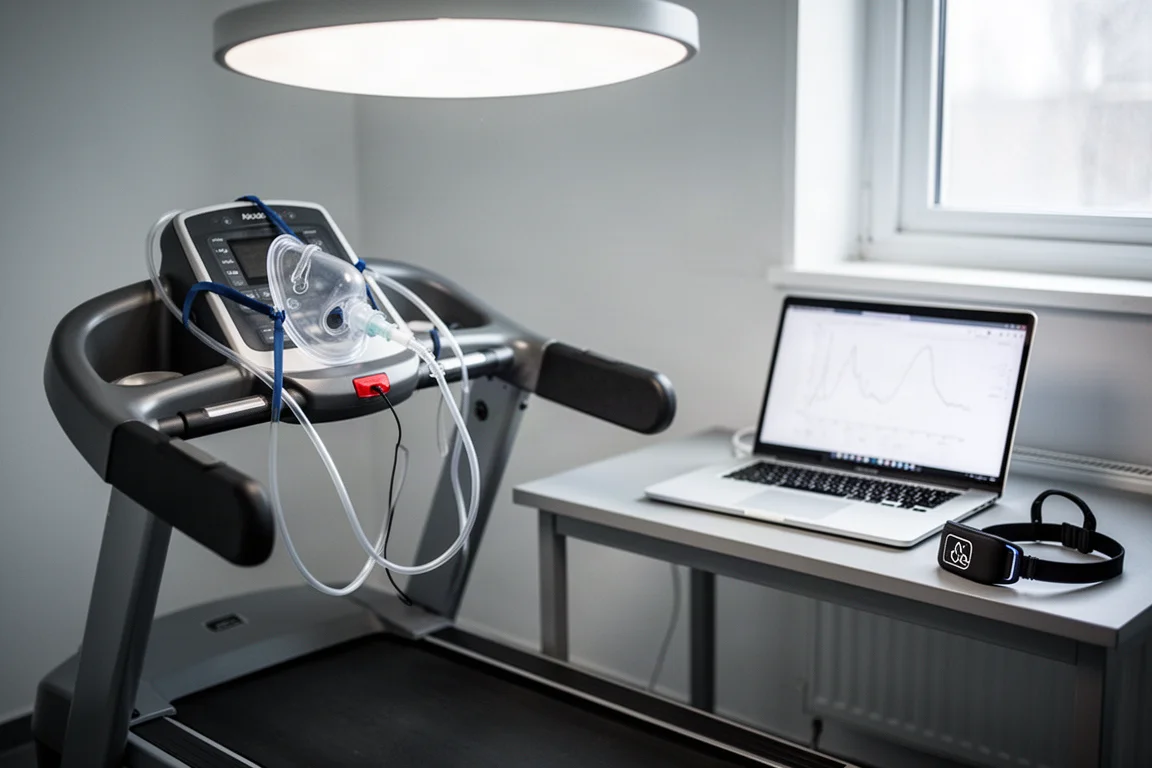
The measured difference between the two pairs came out at roughly five to six percent in running economy, a margin that moved the runner from a recreational economy profile to something closer to an elite one, purely by changing shoes.
What the Measured Gains Mean for Your Race
It is worth being precise about what a five to six percent economy improvement does and does not mean. It does not automatically translate into five to six percent faster running. For a slower runner who spends longer on course, the time gain can land close to that figure. For faster, already efficient runners, the realistic translation is closer to two to three percent.
Even on the conservative reading, the numbers add up. A 48 second gap over a 6 km bike lap projects to a much larger margin across an Ironman-distance ride, and the shoe change alone points to roughly one to one and a half minutes over an Olympic-distance run. Put the bike and the run together and the equipment gap becomes a meaningful chunk of a race result.
Overall Buying Advice
If you are deciding where to spend first, the running shoe is the simplest win. It is the single change that delivered a measurable economy improvement in a controlled test, and it needs no fit session, no mechanical confidence and no adaptation period. A carbon-plated racer makes sense as a race-day shoe for anyone chasing a personal best.
The bike is a bigger decision. A modern aero triathlon bike with deep-section wheels and integrated bars clearly allows more power to be delivered at speed, but the gains depend on committing to the position and trusting the machine. If you race regularly and your current setup holds you back, the upgrade is easy to justify. If you are riding an older steel frame for the joy of it, the 48 second gap over 6 km is a fair measure of what you are giving away, and only you can decide whether that matters.
Conclusion
Four decades of equipment development produced a clear, measurable gap: 48 seconds over a 6 km lap between a 1980s steel bike and a modern carbon race machine, and a five to six percent running economy difference between a 1981 shoe and a current carbon-plated racer. Some of the speed in modern triathlon is simply better gear. The rest still comes down to the athlete turning the pedals and putting in the miles.
Further reading
Related Reviews
Triathlon Gear
Two Affordable Triathlon Gear Picks: A Race Suit and a Budget GPS Bike Computer
A short-sleeve trisuit and a budget GPS bike computer: two affordable triathlon upgrades with clear use cases, real strengths, and trade-offs to weigh first.
Triathlon Gear
Best Triathlon Tech from Kona 2024: 11 Standout Gear Picks
A roundup of the most interesting triathlon gear spotted at the Kona 2024 Expo, from prototype bikes to smart goggles and recovery boots.
Triathlon Gear
Christmas Gift Ideas for Triathletes: 10 Practical Picks
A practical gift guide for triathletes, covering swim, bike, run, recovery and stocking fillers that solve real training problems.