Knives
OIT Roboto 4 vs Roboto 3: What Changed in the Fourth Generation
OIT's new Roboto 4 updates nearly everything from the Roboto 3: handle material, blade steel, grind, profile, and lock action. Here is how the two pocket knives compare.
Introduction
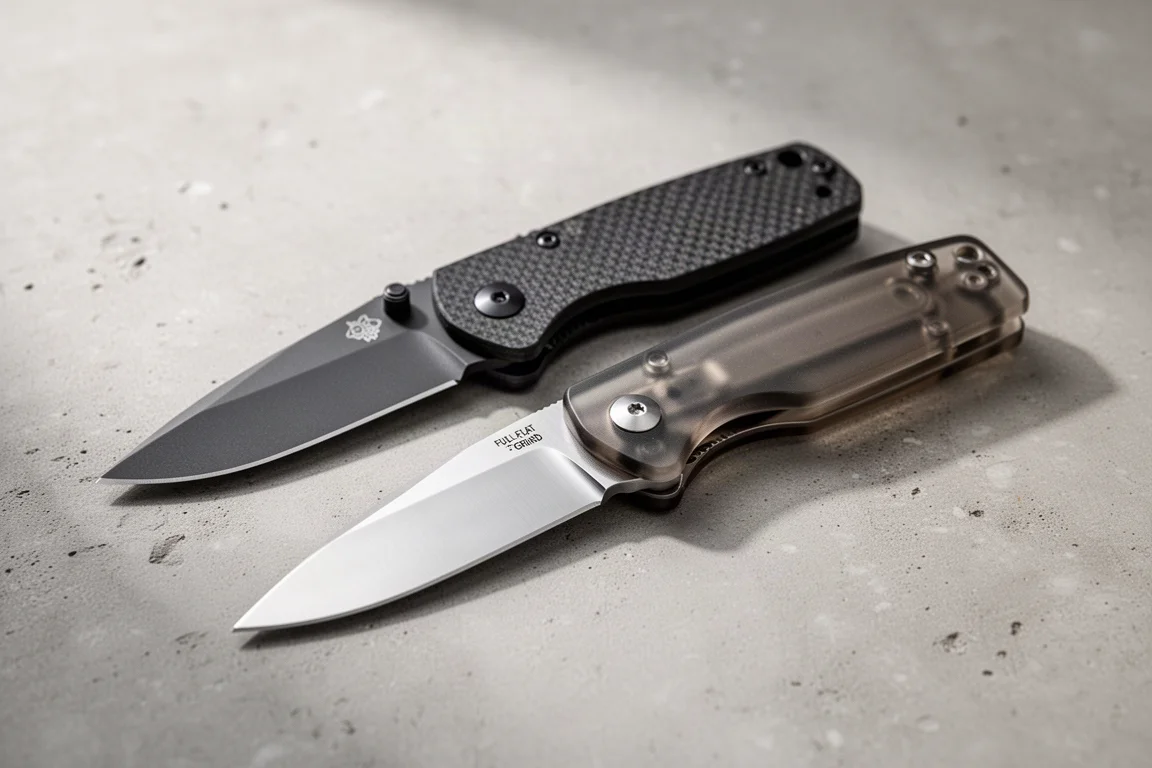
OIT keeps iterating on its Roboto line, and the new Roboto 4 is the fourth generation of the series. Placed next to the Roboto 3, the surprising thing is how short the list of similarities is. Nearly every meaningful component has been touched: handle shape, handle material, blade profile, blade coating, blade steel, and even the crossbar lock itself. If you own a Roboto 3, the Roboto 4 is less a refresh and more a rethink.
A New Handle Material: Translucent PEI
OIT has experimented with a wide range of handle materials across the Roboto series, including titanium, smooth G10, textured aluminum, smooth aluminum, textured G10, Micarta, and carbon fiber. The Roboto 4 introduces something new: a material OIT calls polyether amide, though it is essentially PEI, also known as Ultem. It is a material with strong handle properties and is even used in structural components in the aerospace industry.
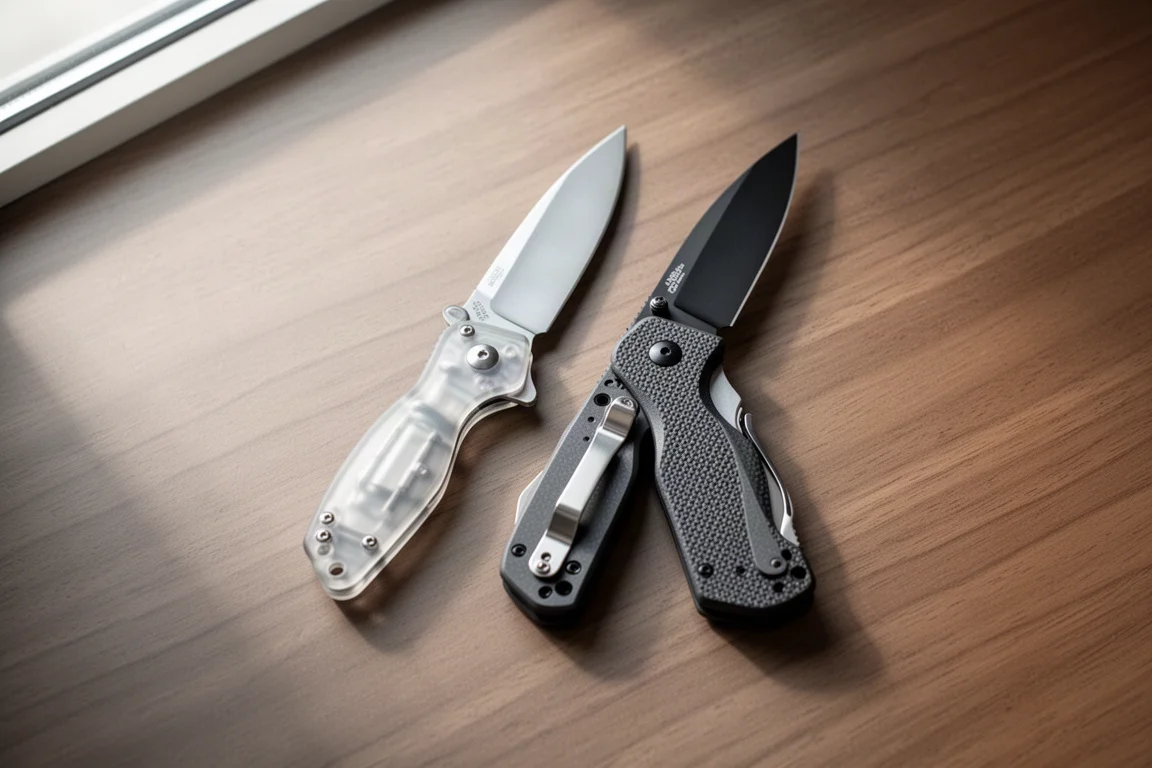
The most striking quality is that the handle is fairly translucent. Hold it up to a light and you can see right through the knife, including the spring for the crossbar lock. When the blade is closed it blocks the view, but at certain angles you can still catch the internals. It is a subtle party trick that also showcases the changed skeletonization inside the knife.
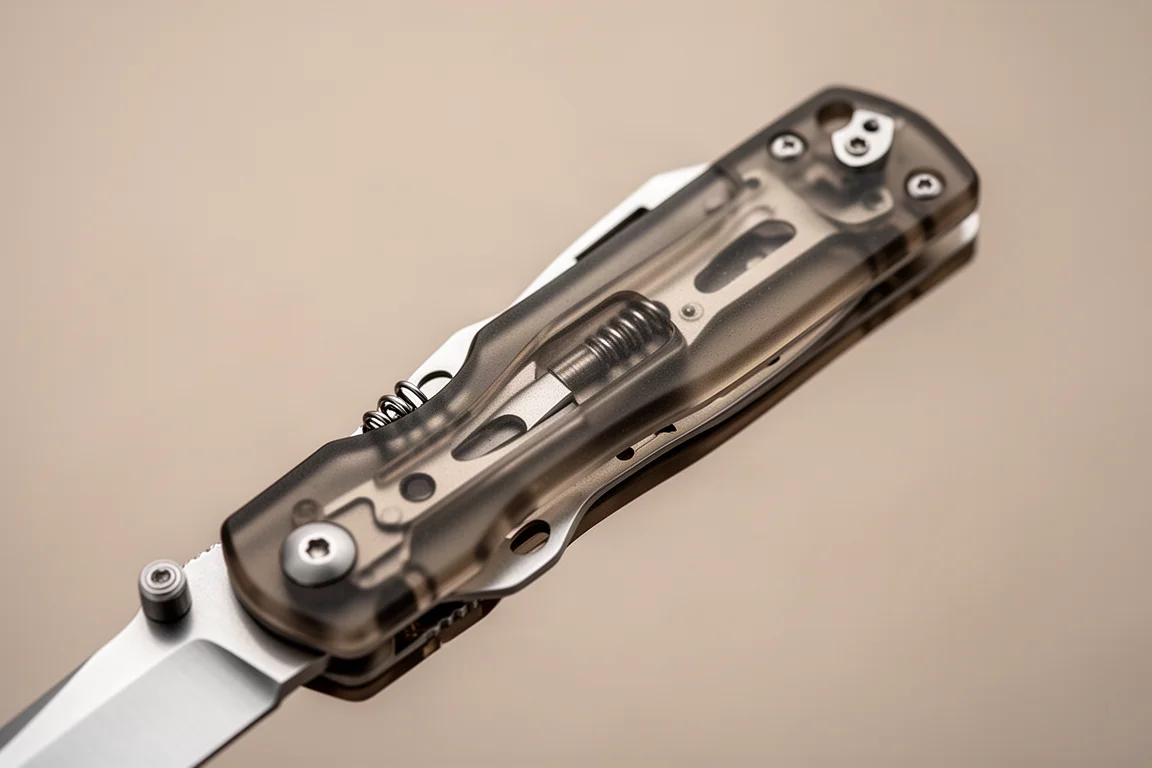
The fit and finish do not cut corners either. The stainless steel pocket clip is polished nicely, the hardware is solid stainless throughout, and the spring feels very strong. You can even see deliberate machining details, like the cutting lines on the handle, a trait common to many Ultem handles.
Blade Steel, Grind, and Profile
The blade steel is a big upgrade: CPM S35VN, a step up from the 154CM used previously. Both are powder steels considered high-end super steels, but S35VN brings better durability and edge holding. For context, Benchmade has also been moving up to S35VN and S90V in recent knives, so this puts OIT’s choice in good company.
The finish changes too, moving to a satin finish with a full flat grind running all the way from the spine down to the edge. The grind leaves a big open space, and notably it is not covered in billboard branding, which keeps the blade clean. Roboto 4 also uses thumb studs on the blade if you prefer a softer deployment over a flick.
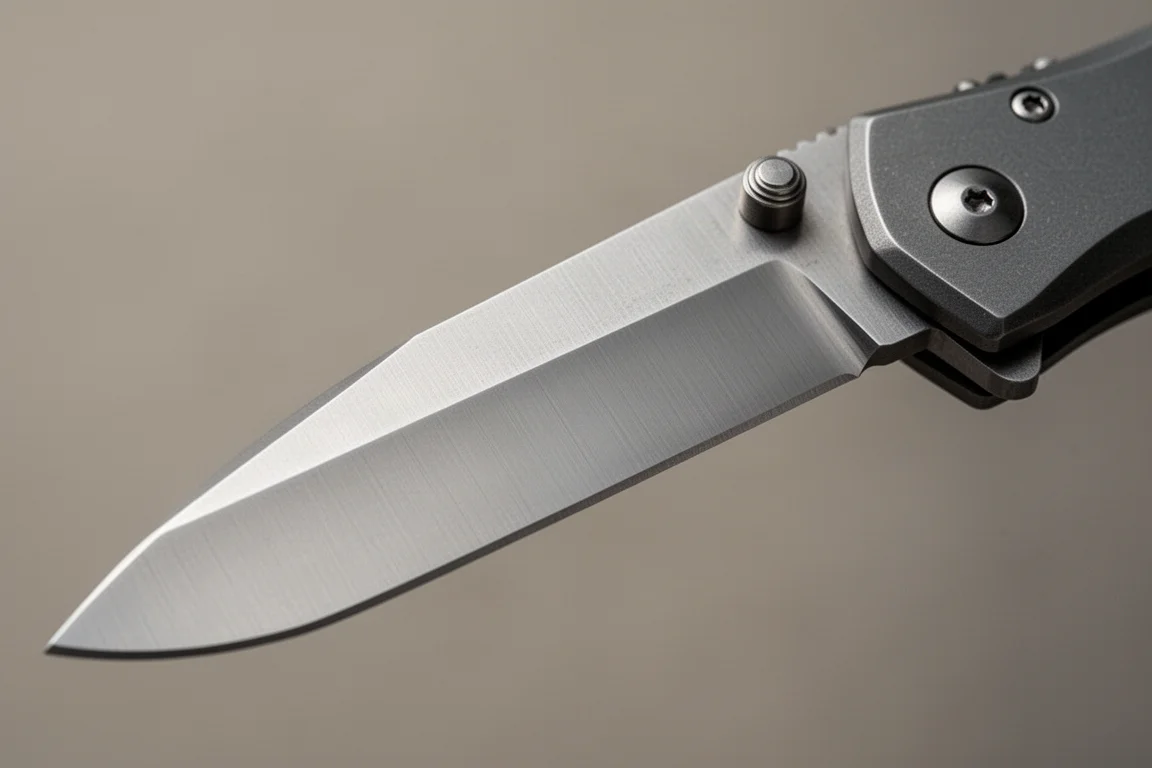
The blade profile is different as well. Both knives are technically drop points, meaning the point drops below the spine, but the Roboto 4’s blade is not much of a traditional drop point. It has a full belly, almost like a skinner, and it lacks a swedge, so it looks less aggressive and more like an enjoyable everyday city knife.
Lock Action and Deployment
The crossbar lock itself has been reworked. On the Roboto 3, moving the lock sometimes produces a little blade movement, and done slowly there is a slight bit of tip lift at the end. On the Roboto 4, you can really pop the blade out of the closed position: pulling down on the lock with a slight flick kicks the blade out so far it can even stay up on its own. Benchmade knives have shown similar behavior in some axis locks, though many do nothing at all when the lock is moved.
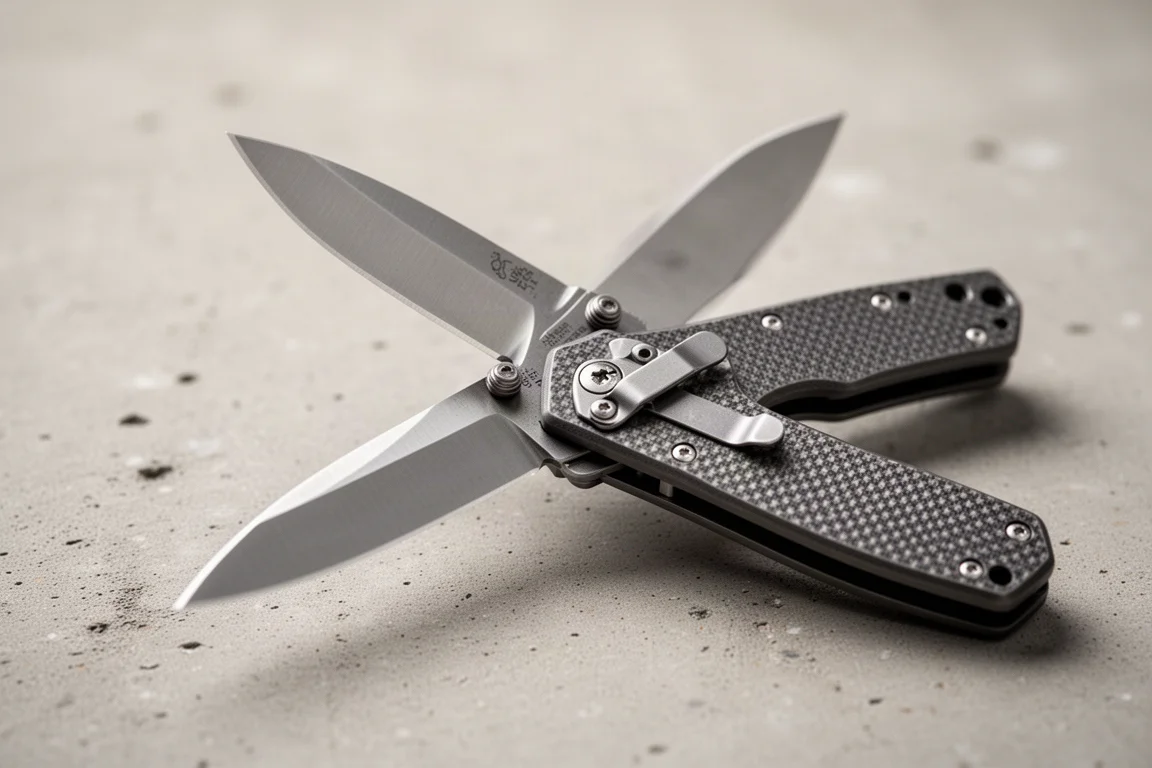
Because of this, deploying the blade becomes faster than relying purely on the blade’s own mass to flick it out. The result is a knife that launches silky smooth despite a rock-solid lockup on a big pivot. The pocket clip is a simple tip-up design that is elegant and effective.
Which One Should You Buy?
If you already carry a Roboto 3, the case for the Roboto 4 comes down to the cumulative upgrades: the tougher S35VN steel, the new full-belly blade profile, the translucent PEI handle, and the smoother, faster lock action. The Roboto 3 remains a solid knife in its own right, but it sits in a different materials and finish generation.
For buyers choosing fresh, the Roboto 4 is the more interesting pick. OIT is clearly having fun experimenting across the series, from steel to grind to performance, and the fourth generation shows a company refining details rather than cutting them.
Conclusion
The Roboto 4 changes so much compared to the Roboto 3 that the similarities barely form a list. With CPM S35VN steel, a satin full flat grind, a skinner-like blade profile, a translucent Ultem-style handle, and a reworked crossbar lock that flicks the blade open with ease, it is a genuinely new take on the series rather than a minor revision.
Product link
View more details for OIT Roboto 4
This product is mentioned in the review. Check the specifications, options, and compatibility before buying.
View more details for OIT Roboto 4Further reading
Related Reviews

Knives
Benchmade Mini Narrows Review: A Pocket Knife That Disappears in Your Pocket
The Benchmade Mini Narrows is a remarkably thin and light pocket knife with impressive engineering, but a high price and dull factory edge make it a tough recommendation for most buyers.
Knives
Best Knives Under $1,000: Premium Folders Worth the Investment
A look at premium folding knives around the $1,000 mark, from upgraded classics to purpose-built masterpieces, and what actually justifies the price.
Knives
Best Outdoor and EDC Knives: 8 Blades Worth Carrying
A practical lineup of eight fixed-blade and folding knives for hiking, backpacking, and everyday carry, with honest notes on what each one does best.