Art Supplies
Ohuhu Marker Pad Review: A Marker Paper Built for Alcohol Markers
A 9x12 glue-bound marker pad with 90 lb paper that resists bleeding and feathering, tested with heavy blending and scrubbing using Ohuhu and Copic markers.
Introduction
Marker artists have historically had to make do with sketchbooks that were never really designed for alcohol markers. The results are familiar: feathered line work, ink soaking through the back of the page, and sometimes bleeding onto the page underneath. It is only recently that manufacturers have started producing pads specifically devised for marker work, with paper that lets you blend and layer without feathering or bleed-through.
The Ohuhu Marker Pad is one of the most impressive examples of this new generation of marker paper. After testing it with heavy layering, aggressive blending and plenty of ink, it stands out as one of the best marker pads used to date.
Design and Build: Glue Binding That Opens Flat
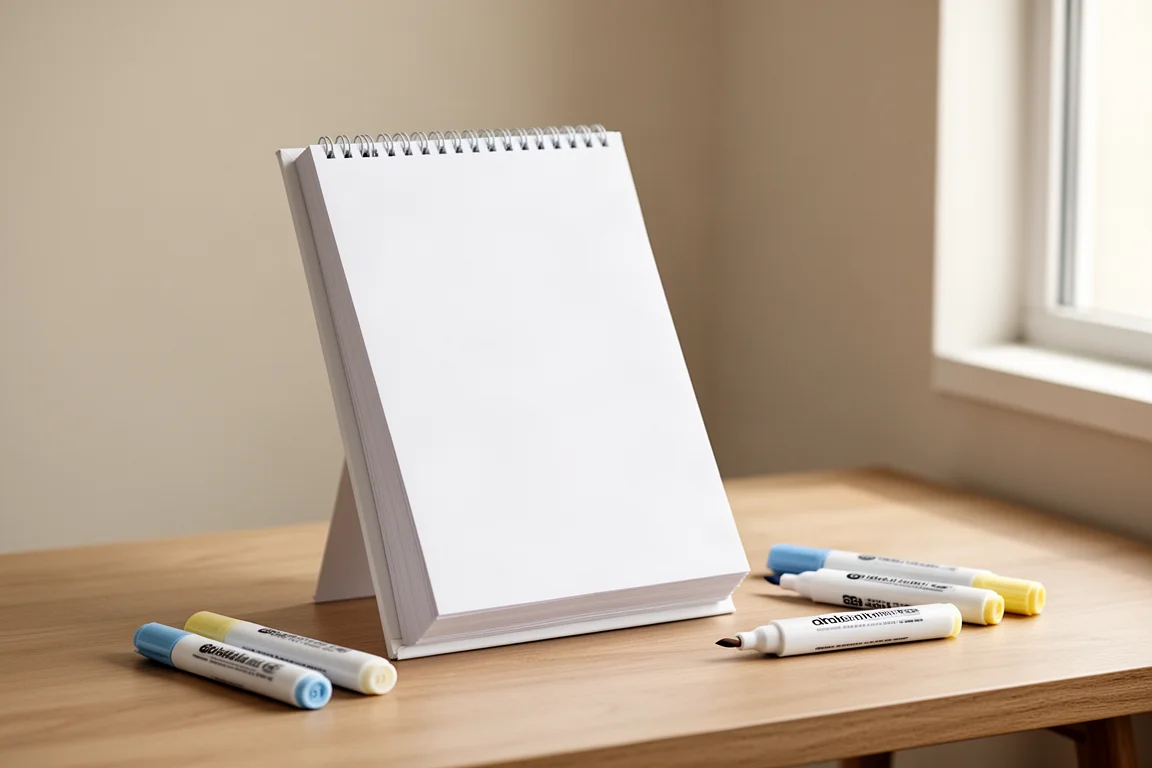
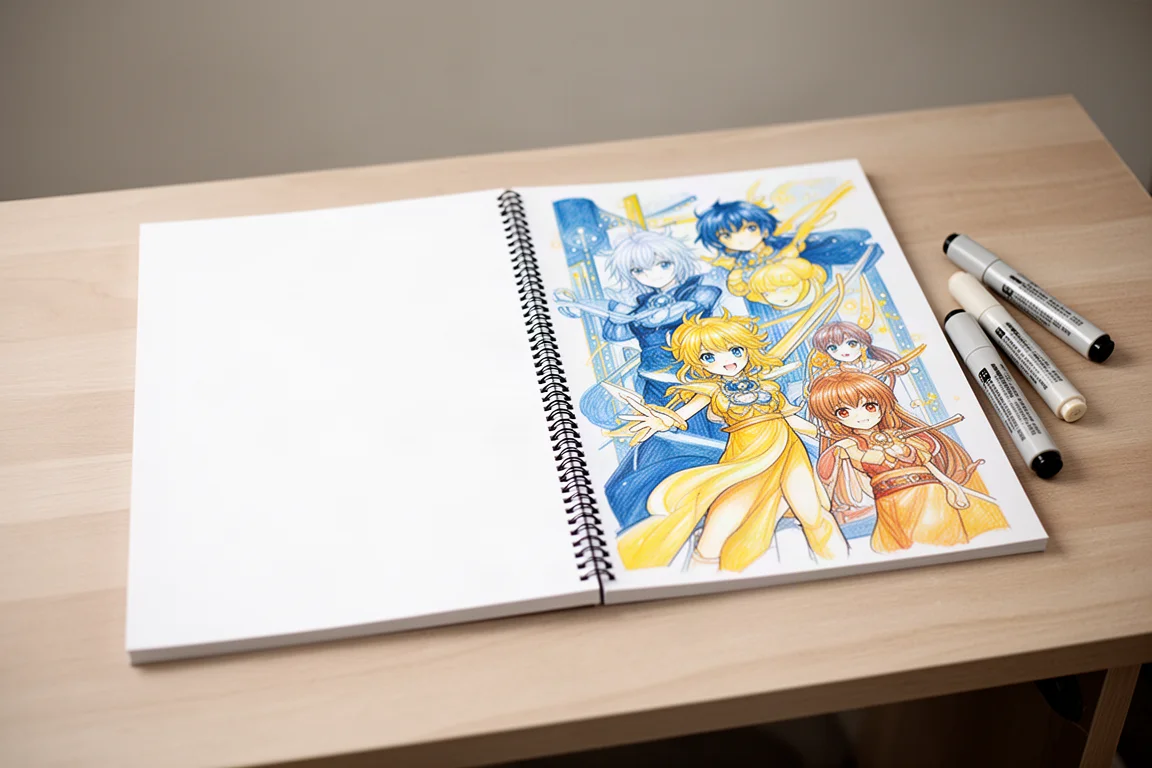
This is a generously sized pad at 9 by 12 inches, containing 60 sheets. The binding is glue-based rather than spiral, and one of the biggest practical advantages is that it opens right out and sits completely flat, which makes working across a full double-page spread genuinely possible. The pages are well anchored: they can be ripped out cleanly after finishing a piece, but they do not fall out on their own, which is a common failure point with glue-bound pads.
Ohuhu also offers a spiral ring-bound version of the same pad with the same paper, for artists who prefer that format. The trade-off is obvious: a spiral spine will not let you open the pad into a full flat spread, but some artists simply prefer it, and Ohuhu has made sure that option exists.
Paper Weight and Feel
The paper comes in at 90 lb. As a point of comparison, Strathmore Bristol Smooth or Vellum 300 series pages sit at 100 lb and are known for being thick and robust. The Ohuhu pages are just a touch thinner than that, which is still comfortably substantial for marker work.
The surface behaves differently from papers designed for other media. On a good hot-pressed 100% cotton watercolor paper, marker ink is absorbed almost immediately, leaving almost no time to blend unless you work extremely fast with caps already off. On marker paper like this, the ink sits on the surface briefly before drying, which gives you the working time that blending actually requires. The paper appears to carry a very thin surface film that enables this behaviour.
No Feathering, No Bleeding
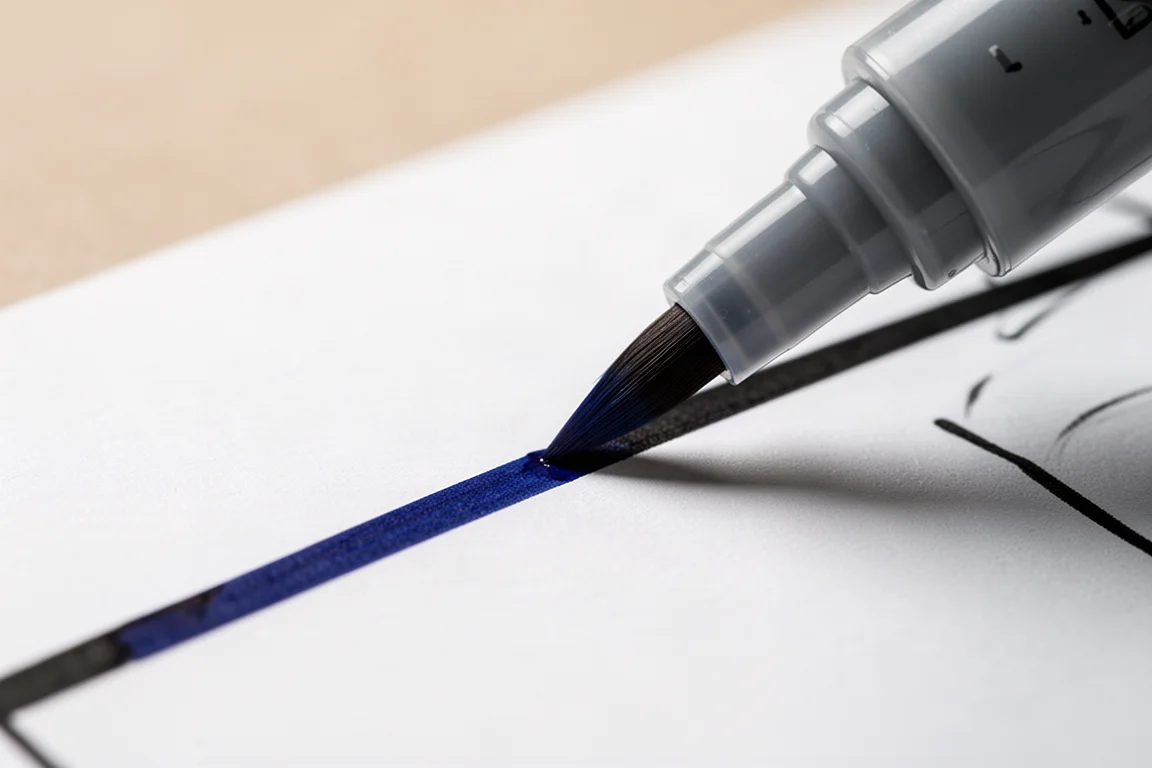
These are the two problems that plague marker artists, so it is worth defining them. Feathering is when ink from a brush, fine or chisel nib spreads outward in tiny lines past your line work as the paper pulls the ink in and spreads it. Bleeding is ink coming through the back of the page, sometimes seeping onto the page underneath.
To illustrate the difference, the same marker and the same pressure were used on ordinary printer paper, which is comparable to many budget sketchbooks. On the printer paper, the line thickened visibly as ink feathered over the edge of the line work, and the ink bled through the back onto the page below. On the Ohuhu pad, using the same brush nib, the line stayed thin, sharp and exactly where it was placed, with heavy pressure applied, and nothing came through to the reverse.
A full manga-style illustration was completed on the pad using both Ohuhu and Copic markers to confirm that the paper performs consistently regardless of marker brand. The back of that finished page was completely clean, with not a single trace of ink transfer.
Blending Performance With Copic and Ohuhu Markers
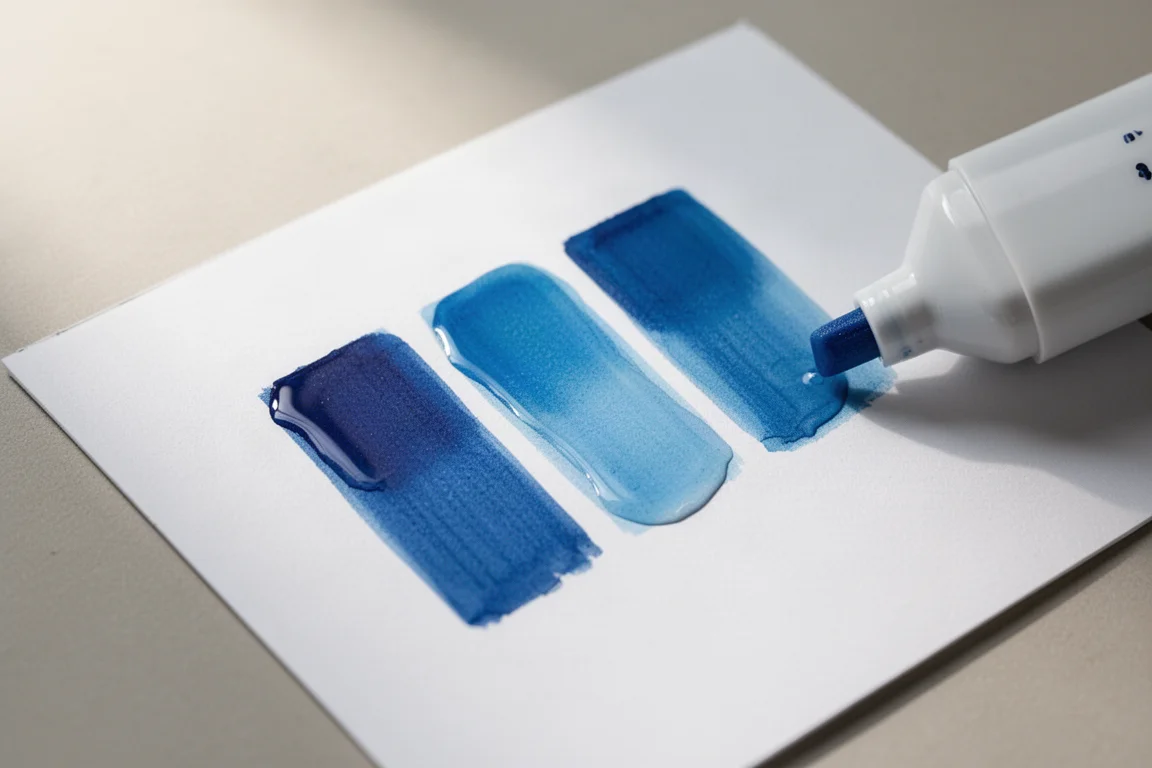
Blending was tested hard, with three colours layered, scrubbed and worked back into each other repeatedly. During one test the ink was so abundant that the page was visibly wet and saturated from the amount of scrubbing, the kind of application that would push ink through the back of most ordinary marker papers.
The result: absolutely nothing on the back, and nothing on the page underneath. Not even a faint trace. The ink stayed workable on the surface long enough to pull darker patches out and merge colours into a seamless blend of three tones. The ink visibly sat on the surface while being worked, then dried cleanly.
One note: Ohuhu themselves suggested the ink might need around 10 to 15 seconds to dry before applying more layers, and that minor compromises might be needed to prevent bleeding. In actual use, that was not experienced at all. Layers were applied back to back with no waiting, and no issues appeared.
Things to Consider Before Buying
- If you prefer a spiral binding, the equivalent Ohuhu spiral pad exists, but you lose the flat double-spread capability of the glue binding.
- At 90 lb, the paper is slightly thinner than 100 lb Bristol stock, though this did not cause any practical problems during testing.
- The pad is clearly aimed at alcohol marker users; artists working primarily in other media should consider papers designed for those purposes.
Buying Advice
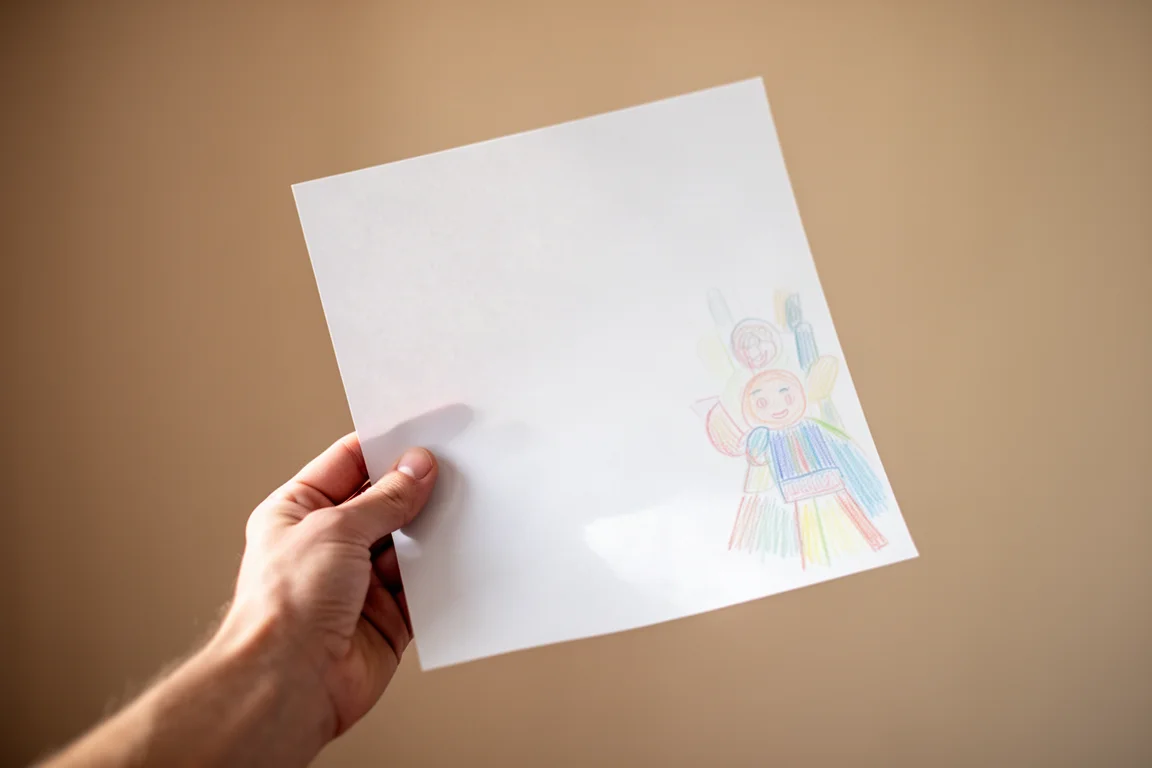
For alcohol marker artists, this pad removes nearly every frustration that comes with cheaper sketchbooks: no feathering over line work, no bleed-through, no need for protective plastic sheets placed under your page. If you blend and layer heavily, the working time the surface gives you is a genuine advantage. Among the many marker pads tested, this one stands out as the best so far, and it earns a strong recommendation for anyone serious about marker illustration.
Conclusion
The Ohuhu Marker Pad combines thoughtful design, a genuinely marker-friendly 90 lb paper, and reliable performance under heavy ink loads. With 60 sheets, a flat-opening glue binding and a spiral option for those who prefer it, it covers the practical needs of most marker artists. If you use alcohol markers and have been searching for a pad that simply stays out of your way, this is an easy one to recommend.
Product link
View more details for Ohuhu Marker Pad
This product is mentioned in the review. Check the specifications, options, and compatibility before buying.
View more details for Ohuhu Marker PadFurther reading
Related Reviews
Art Supplies
Art Pop Watercolor Pencils 48-Color Set: A Thoughtfully Designed Student-Grade Option
The Art Pop 48-color watercolor pencil set blends well, dissolves smoothly, and includes artist-friendly details like barrel-printed color names, all at an affordable price.
Art Supplies
Artics Acrylic Markers 3mm Review: Versatile Paint Markers With a Few Caveats
A 48-color set of water-based acrylic paint markers that blend while wet, dry permanent, and keep the price low, though safety transparency remains a question.
Art Supplies
Best Art Supplies Worth Your Money: Pencils, Pens, Paints, and Paper That Earned Their Spot
After years of daily use and testing, these are the pencils, pens, watercolors, gouache, brushes, sketchbooks, and erasers that stand above the rest.