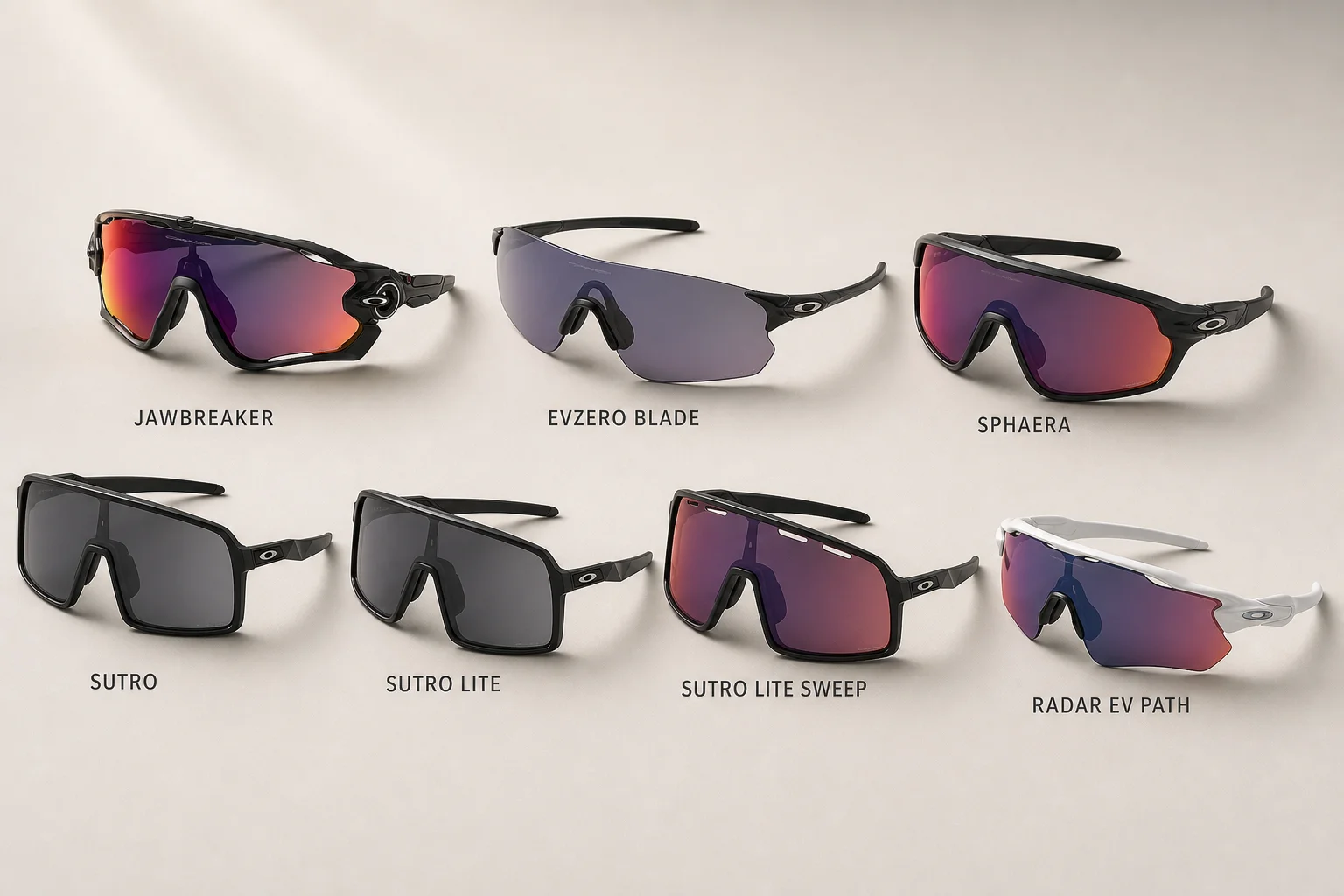
Sport Eyewear
Oakley Sphaera vs Radar EV Path: Key Differences for Sport Eyewear
A detailed comparison of two popular Oakley sport frames, covering frame design, lens shape, fit, and which suits different sports and face sizes.
Introduction
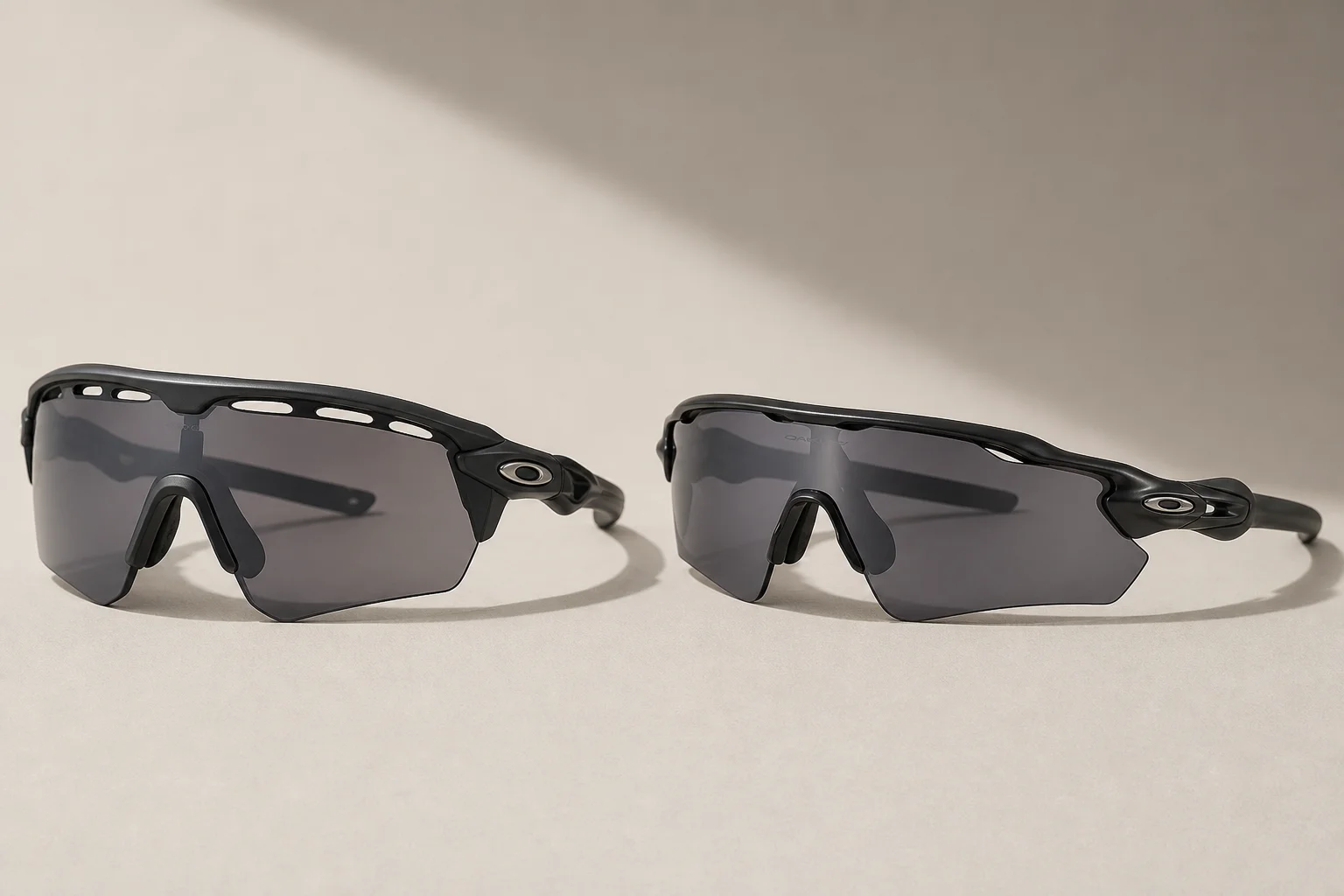
The Oakley Sphaera and Radar EV Path represent two distinct approaches to sport eyewear design. The Radar EV Path carries decades of proven performance, while the Sphaera introduces a modern aesthetic with functional refinements. Both are one-piece shield designs built for serious athletes, but they differ in frame geometry, lens shape, temple construction, and overall fit. Understanding these differences helps you choose the frame that matches your sport, face shape, and personal preference.
Shared Features and Materials
Both frames share a fundamental design philosophy and core materials that make them reliable for sport use.
They both employ a one-piece shield lens design, which maximizes field of view but makes prescription fitting more complex. The Radar EV Path does offer prescription solutions, while the Sphaera prescription availability remains limited as of early 2024.
Both use Oakley’s O-Matter frame material, a proprietary plastic that is lightweight, durable, and impact-resistant. This material has been refined since the 1990s and remains one of the most reliable frame materials in sport eyewear.
The lenses in both frames are Oakley Plutonite, which provides UV protection, impact resistance, and minimal weight. Both frames feature the Oakley three-point fit design, meaning they rest gently on the nose and temples without hooks behind the ears, a preference for many athletes during intense activity.
Both frames are vented and use interchangeable lens systems, though neither is trivially easy to swap. Both incorporate Unobtainium, Oakley’s proprietary grip material that becomes stickier and tackier as you sweat, improving retention during sport. Both can be equipped with Prizm technology, which enhances contrast and color perception for specific environments.
Frame Design Differences
The most visible distinction lies in the temple and brow bridge design.
The Radar EV Path temples bow outward before curving back in, a classic design refined over many years. The Sphaera temples are straight but feature distinctive grip holes, a modern aesthetic choice that also provides an alternative grip point when removing the glasses.
The Sphaera includes an angled brow bridge that creates a subtle visor-like effect, potentially offering marginally more sun protection above the lens. The Radar’s brow bridge is smoother and more traditional.

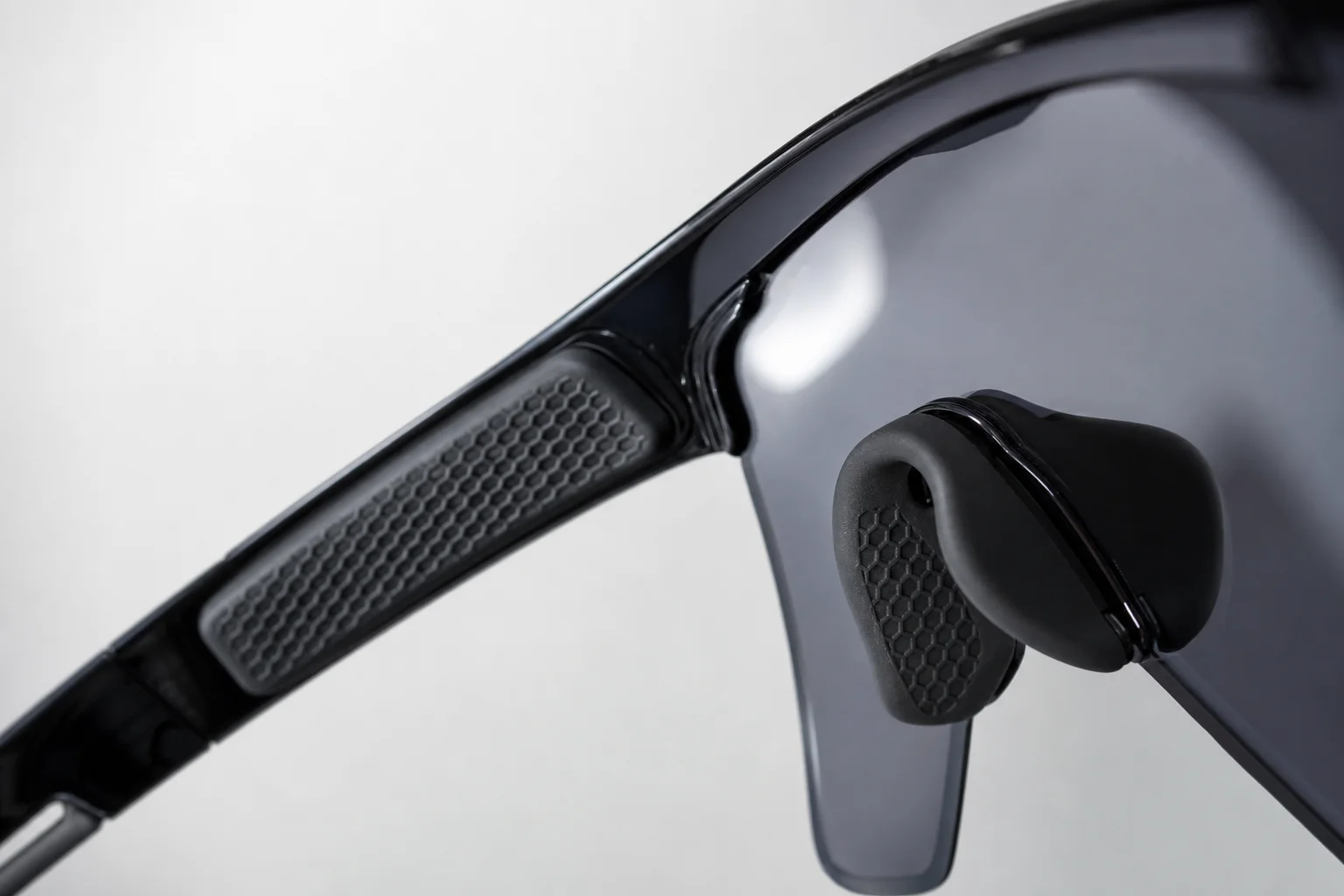
Temple construction differs significantly. The Radar uses a removable plastic Unobtainium ear sock that slides over the temple end, which lacks Unobtainium coverage at the very tip. The Sphaera integrates Unobtainium as a molded one-piece design with textured ridges that enhance grip. This design choice means the Sphaera is less prone to lens scratching if the temples accidentally fold inward against the lens.
For cyclists in an aero position, the Sphaera’s frame geometry allows easier viewing over the top of the lens, reducing frame distraction during aggressive riding positions or time trials.
Hat and Helmet Compatibility
Hat compatibility has become increasingly important in Oakley’s design process, with thinner temples in both frames to reduce interference with hat brims.
The Radar EV Path fits smoothly under most hats and helmets without issue. Some athletes prefer wearing the temple over the hat brim for added security.
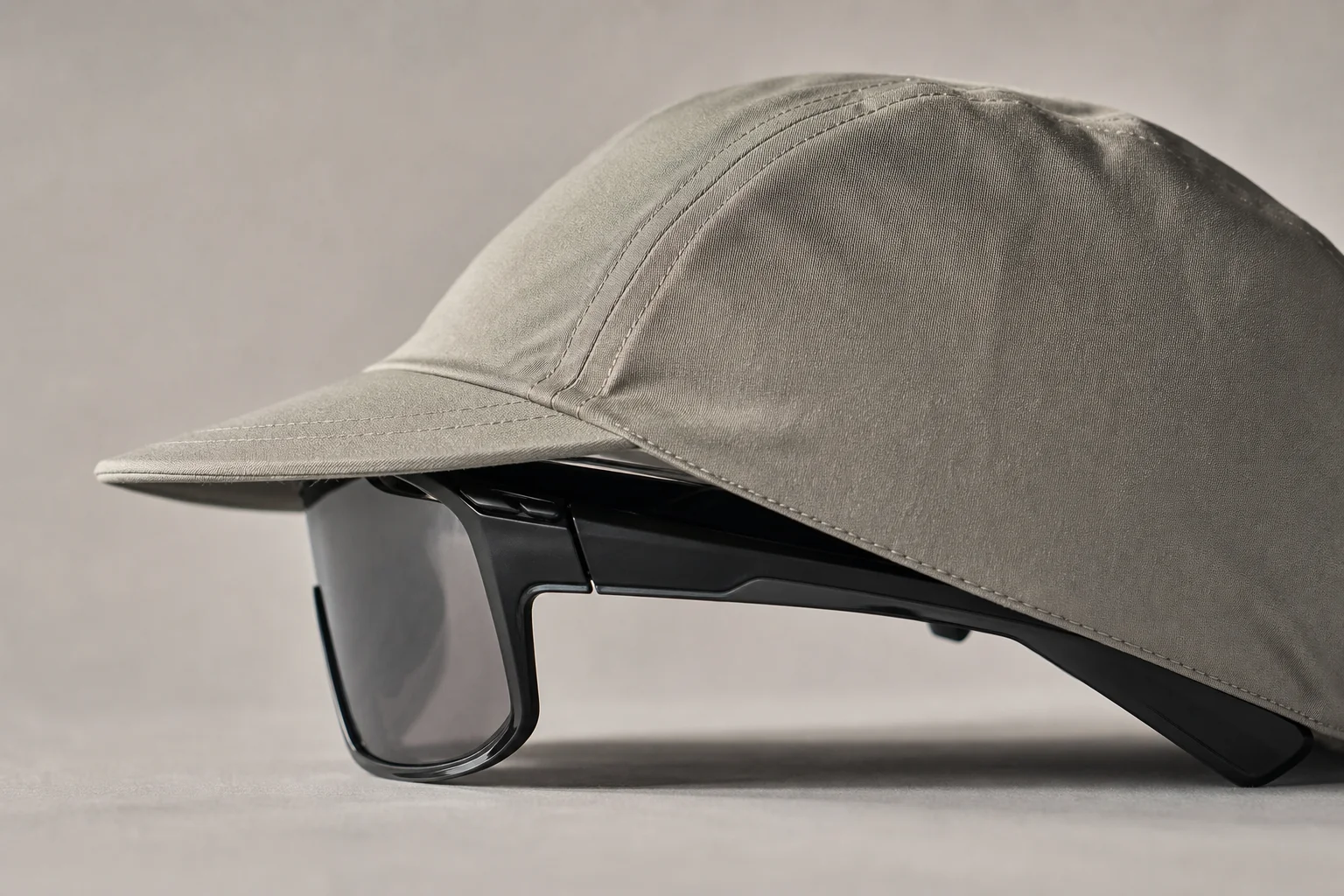
The Sphaera’s larger overall frame footprint, particularly the brow bridge and upper frame area, may create slight pressure points with very curved-brim hats. The temple section fits well underneath, but the frame corners can compete for space with curved brims. If you wear standard or less-curved hats, this difference is negligible.
Lens Shape and Ventilation
The Sphaera lens is noticeably taller and deeper, with a more pronounced angle that provides a larger field of view and potentially better sun protection.
The Sphaera has one large central vent, while the Radar features several smaller vents distributed across the frame. The Sphaera’s single large vent allows more light penetration but offers less wind protection. The Radar’s multiple smaller vents provide more overall protection while still allowing adequate airflow.
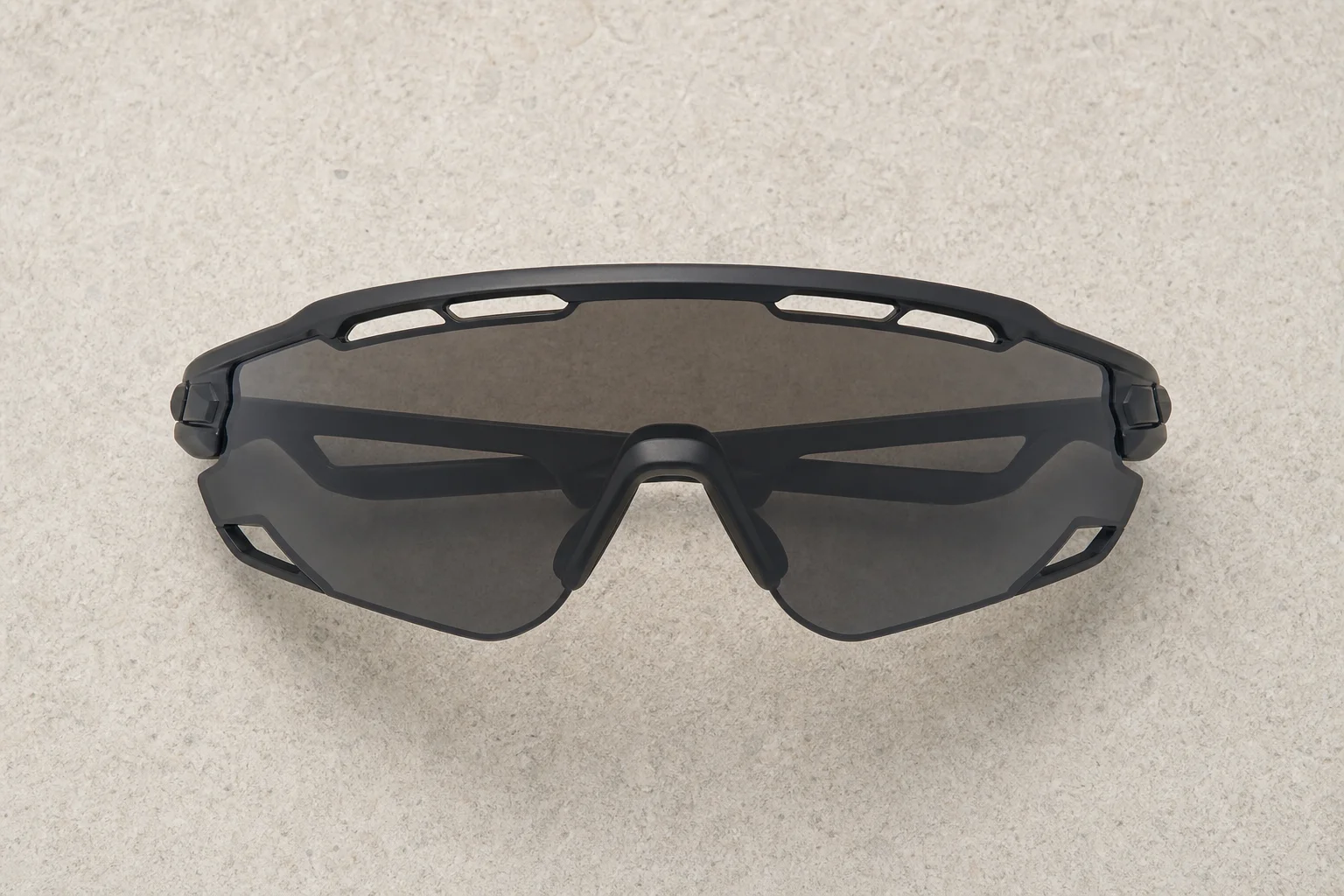
Both frames use identical nose pad designs, a proven Unobtainium piece that Oakley has refined over many years. For athletes with larger noses, this design provides reliable, comfortable support.
Fit and Face Size Considerations
Frame width differs between the two models, with the Radar EV Path running slightly wider overall. However, the Sphaera may actually suit larger faces better despite its narrower width, offering a smoother, gentler fit that looks more proportional on bigger heads.
The Radar EV Path is available in extra small sizes, making it an excellent choice for younger athletes or those with smaller faces. If you want matching frames across different face sizes, the Radar’s size range makes this possible.
Conclusion
Choose the Radar EV Path if you value proven performance, prefer a classic aesthetic, need prescription options, or want extra-small sizing for younger athletes. Choose the Sphaera if you prioritize modern design, prefer a gentler fit on larger faces, cycle in aggressive aero positions, or want the integrated Unobtainium temple construction. Both are excellent sport frames; the best choice depends on your specific sport, face shape, and personal style preference.
Product link
View more details for Oakley Sphaera
This product is mentioned in the review. Check the specifications, options, and compatibility before buying.
View more details for Oakley SphaeraFurther reading