Tech
Oakley Meta Vanguard First Look: AI Glasses Built for Sports
The Oakley Meta Vanguard adds a centered 3K camera, IP67 water resistance, wraparound lenses, and Garmin and Strava integration to the Meta AI glasses formula.
Introduction
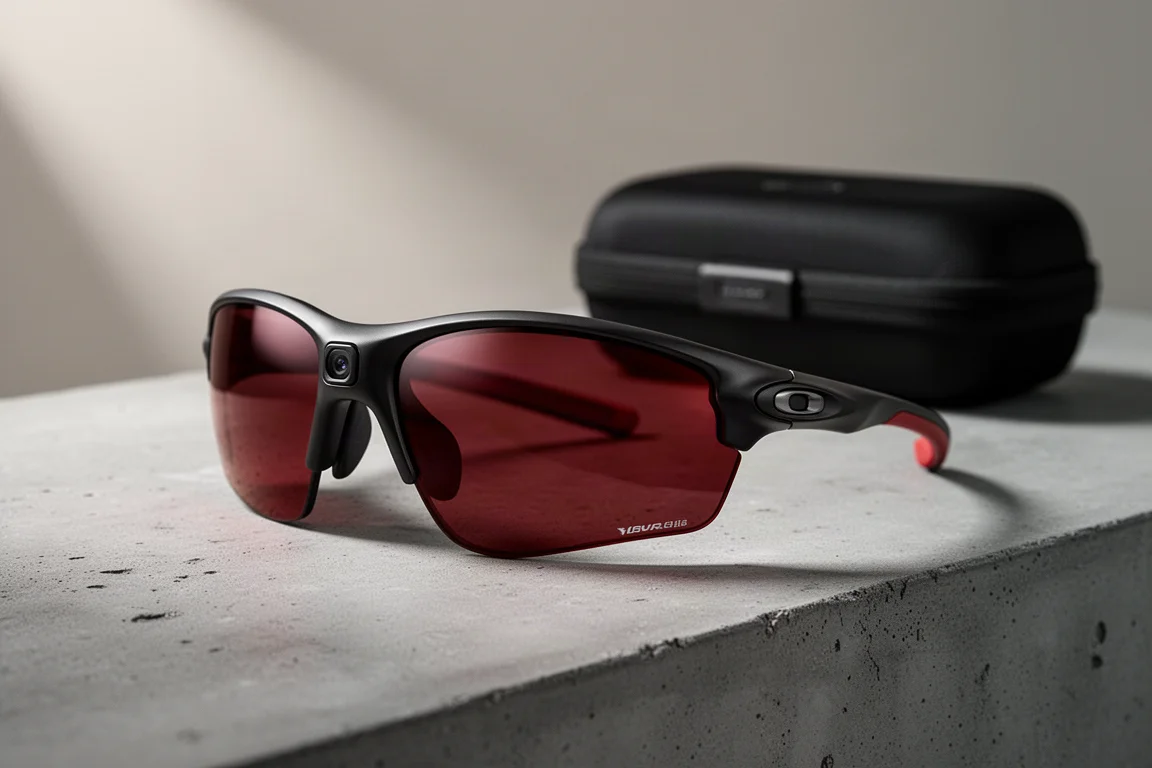
AI glasses have been around long enough now that they have matured beyond something for the techiest of tech enthusiasts. The Oakley Meta Vanguard takes everything from the Oakley Meta HSTN and adds upgrades that make the whole package more capable for sports: a wraparound lens design with a more secure fit, increased water resistance, louder speakers, better microphones, a centered 3K camera with a wider field of view, and Garmin and Strava integration.
For anyone who captures running or riding footage, or wants training data woven into what they wear, the Vanguard is shaping up as a meaningfully different proposition from the HSTN rather than a simple refresh.
Design, Fit, and Lens Options
The Vanguard ships in four lens and frame combinations: a black frame with a gold lens called Prism 24K, red lenses called Prism Road, and a white frame option with black or sapphire prism lenses. All of them run $499 in the US. The lenses are replaceable, so you can swap them based on conditions, and a low light lens option is coming soon. Additional lenses run $85 each.
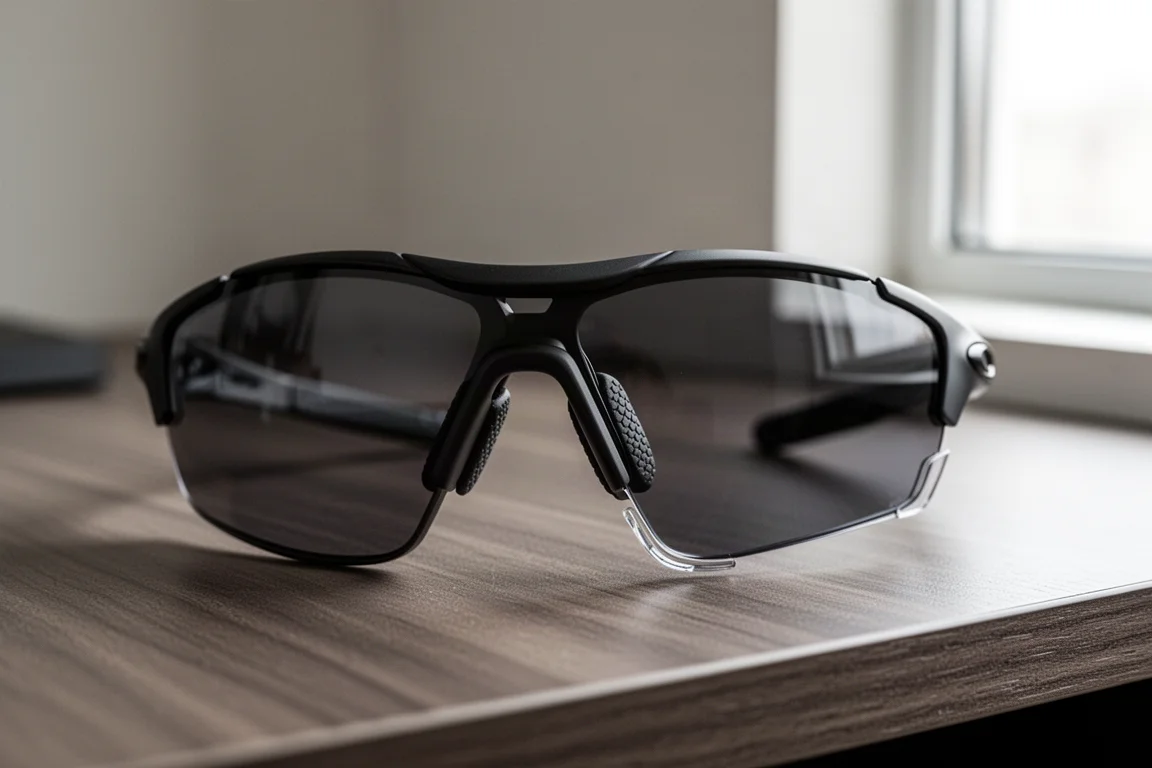
The wraparound design applies to the lenses and the frames themselves, and the glasses come with multiple nose pad sizes for both high bridge and low bridge fits. Compared with the HSTN, the fit feels more secure, with grippy bits on the nose pads that make a real difference for rougher terrain. The HSTN were fine for running and road biking, but rough trails could let them slip. The Vanguard is also just a little heavier than the HSTN.
One trade-off worth knowing: there is no prescription option on the Vanguard, while the HSTN does accept prescription lenses.
What Is in the Box
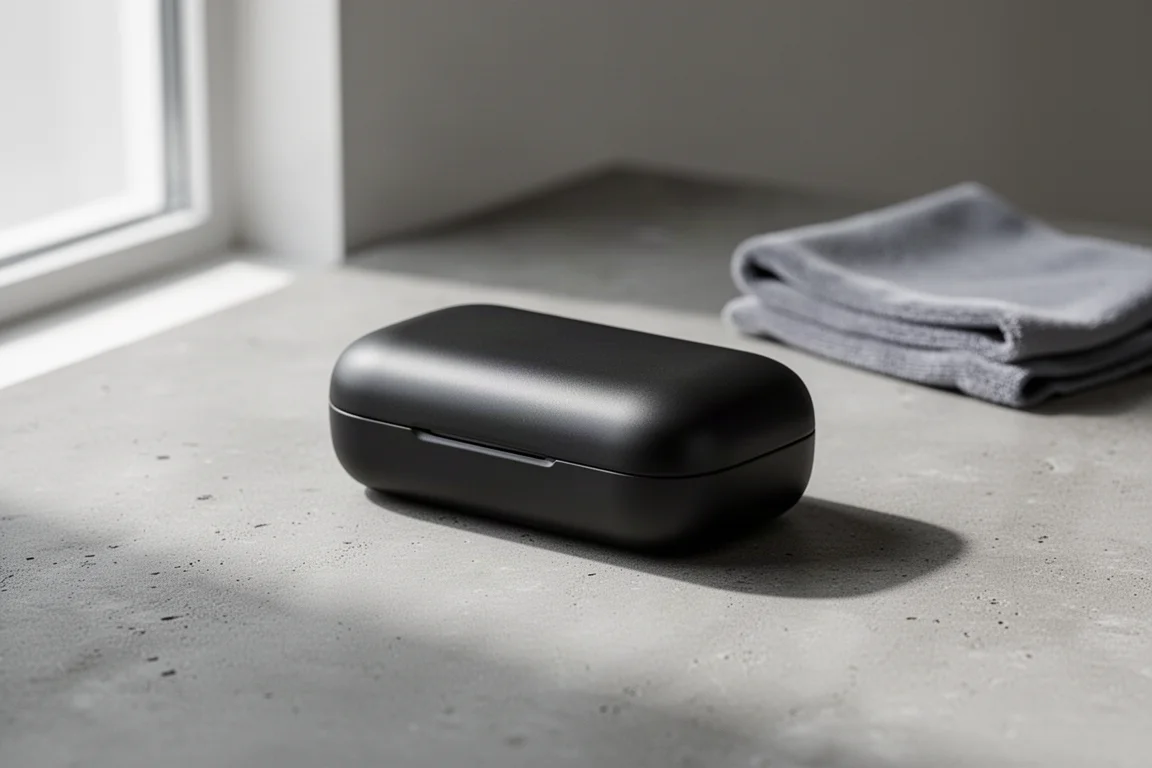
The unboxing experience is similar to the HSTN. The box opens like a present and inside you find the charging case with the glasses inside, additional nose pad sizes, a polishing cloth and bag, plus manuals and a quick start guide. Pull a small plastic tab to wake the glasses up for pairing.
Smart Features: Same Core, Sportier Shell
On the smart side, the Vanguard is essentially the same as the HSTN. You can take calls through your phone as well as through WhatsApp and Facebook Messenger. Through Meta apps you can send texts and photos and have messages read out to you. Music playback works with Spotify, Apple Music, Amazon Music, iHeart, and Audible, and Meta AI can identify what you are looking at. All of that carries over unchanged.
Camera: Centered 3K and a Wider Field of View
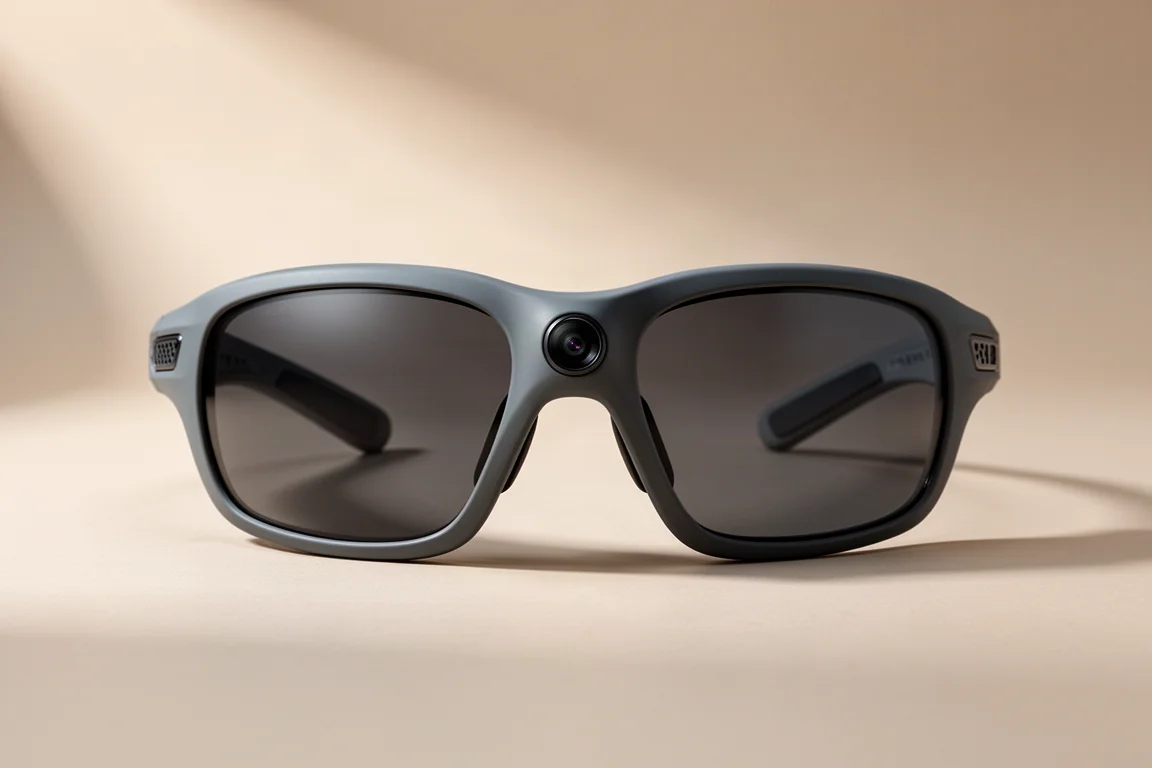
The camera resolution stays at 12 megapixels, recording up to 3K vertical video, but two changes make it far more usable for sport. First, the camera is centered in the frame rather than off to the side. On the HSTN, point-of-view shots while running or biking meant shifting your head to keep the image centered. Second, the field of view is wider than the 100 degrees on the HSTN, which should make footage a lot more flexible.

There are also new slow motion capture modes, recording up to 60 frames per second in 1080p and 30 frames per second in 1080p or 3K, plus a new hyperlapse feature that takes photos over a longer period and stitches them into a video. Good news for existing HSTN and second-gen Meta Ray-Ban owners: slow motion and hyperlapse are coming to those models in a software update expected later in October. Storage stays at 32 GB for photos and videos.
Battery Life and Water Resistance
Water resistance jumps from IPX4 on the HSTN to IP67 on the Vanguard, a meaningful upgrade for sweaty sessions and rain. Battery is rated at up to 9 hours of use versus 8 hours on the HSTN, with an additional 6 hours from the case, which has a built-in battery. Real-world figures will vary: around 6 hours if you are playing music. Quick charging gets you to 50 percent in 20 minutes in the case.
Speakers get louder too, with Oakley claiming about 6 dB more output than the HSTN. Even so, the HSTN speakers were already impressive for an open-ear design, and the microphones have also been improved, with wind noise handling rated up to 30 mph.
Controls and the New Action Button
Controls differ from the HSTN. Power is a button rather than a toggle switch, and the capture button sits below the temple instead of on top, which makes sense given these are intended to be used with helmets. There is also an additional customizable action button next to the capture button that can be assigned to Meta AI functions, switching capture modes, accessibility controls, or hearing real-time stats from your device. Tap and swipe gestures on the right temple still handle music playback and volume.
Garmin Integration: Auto Capture and Live Stats
The Garmin setup is genuinely slick. During initial setup you connect your Garmin Connect account to the Meta AI app, set permissions for what data is shared back and forth, including activities and training data, then install the Meta AI Connect IQ app on a compatible Garmin device. The compatible list covers both watches and bike computers and will likely expand.
Once set up, starting a run, ride, or hike from your Garmin device triggers an auto capture confirmation on the glasses. During the activity, the glasses automatically capture 5-second clips based on criteria like mile splits or other key moments. You can also ask Meta to read out your stats such as heart rate and pace, and an internal LED can indicate heart rate or pace targets, turning red when you leave your target range.

One practical note: your phone needs to be with you for all of this. The watch talks to Garmin Connect on your phone, Garmin Connect talks to the Meta AI app, and the Meta AI app talks to the glasses. There is no direct watch-to-glasses connection.
Strava Integration: Recaps After the Fact
The Strava integration is simpler. Link your Strava account to the Meta AI app, then if you record an activity through the Strava app and capture media during it, you can create workout recaps with metrics like distance, pace, and heart rate and share them back to Strava or other social platforms. Strava is about integrating your stats after the fact, while auto capture and real-time stat readouts remain Garmin features.
Should You Upgrade from the HSTN?
None of these AI glasses are cheap. The HSTN starts at $399, and the transition lens version runs around $480, while the Vanguard is $499. Breaking down the components makes the math easier to stomach: a $150 to $200 sunglass, a good open-ear audio experience that easily runs $100 to $150 on its own, plus the camera, which is not as capable as a dedicated action camera in resolution or frame rates but is far more convenient, and the AI features on top.
The case for the Vanguard comes down to four things the HSTN lacks: the wider field of view, the centered camera, the increased water resistance, and the wraparound design. For sport-focused use, those are the features that matter most.
If your use is more casual and you need prescription lenses, the HSTN remains the sensible pick at a lower starting price.

Conclusion
The Oakley Meta Vanguard is the first pair of Meta AI glasses that feels genuinely built for athletes. The centered camera, wider field of view, IP67 rating, and Garmin auto capture turn a convenient camera-and-audio accessory into something that fits naturally into training. A full in-depth review with sample footage and comparisons is coming soon, but on first look, this is the version sport-minded buyers have been waiting for.
Further reading
Related Reviews

Tech
Apple MacBook Neo Review: A Surprisingly Capable Budget Laptop
The MacBook Neo brings M1-equivalent performance to a $599 entry-level laptop. We tested it across real workflows to see if it's worth considering over pricier alternatives.

Tech
ASUS ZenBook 16 With Snapdragon and RTX 4060: Can an ARM Laptop Game With an External GPU?
An early look at pairing an Nvidia RTX 4060 with a Snapdragon-powered laptop using a Thunderbolt 5 eGPU dock, including real gaming results.

Tech
GPD G2 eGPU Dock Review: A Sturdy, Future-Ready Boost for Your Handheld or Mini PC
The GPD G2 eGPU dock brings new connectivity standards, a robust build, and desktop-class graphics to laptops, handhelds, and mini PCs.