Fountain Pens
OAC Classic Emperor and Mastaan: Two Ornate Writing Instruments from India
A look at two pens from India's OAC, a company making writing instruments since 1987, including the cobblestone-textured Classic Emperor and the enameled Mastaan.
Introduction
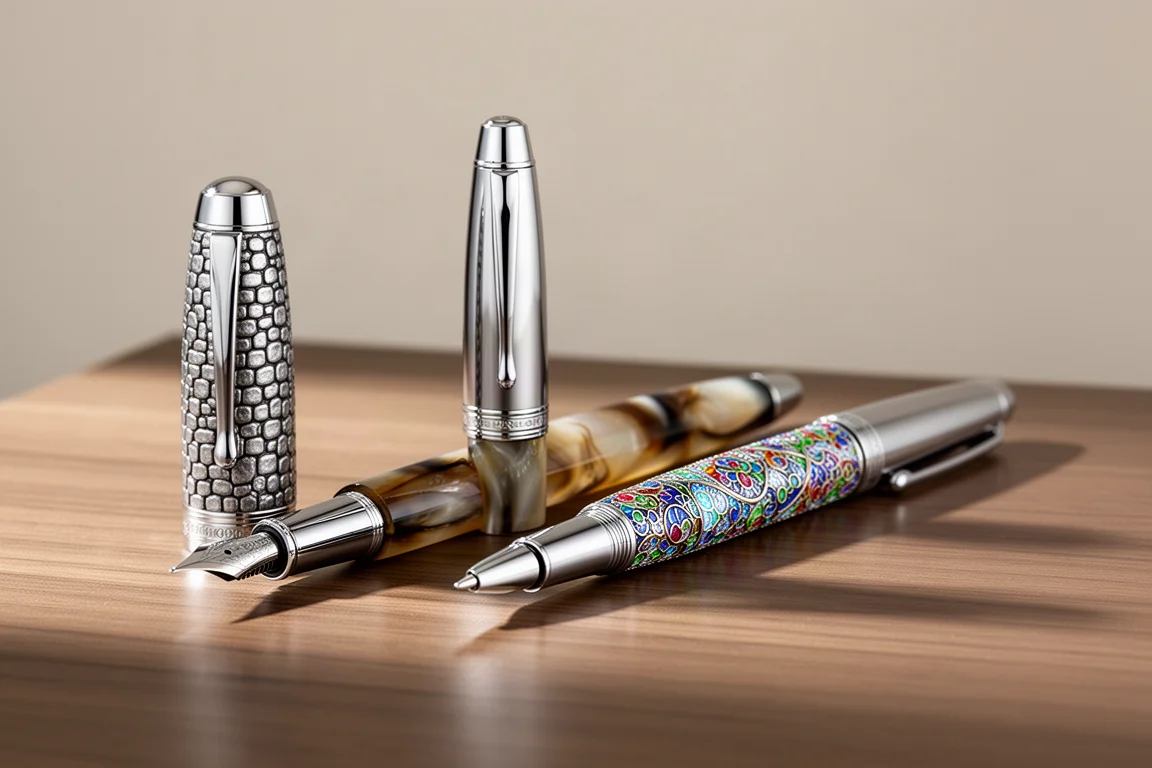
OAC is a pen company based in India that has been producing writing instruments since 1987. The company offers a wide variety of pens, does a fair amount of business in the Middle East, and is known for pens decorated with art depicting historical and political figures of prominence, particularly from the Middle East and Asia.
Indian pen makers have an uneven reputation among some buyers, but that reputation is not entirely fair. Companies such as Magna Carta, Vazir, and Ranga all produce quality pens, and OAC deserves to be judged on its own merits rather than by blanket assumptions. Two OAC models, the Classic Emperor fountain pen and the Mastaan rollerball, show what this company is about.
Unboxing and Presentation
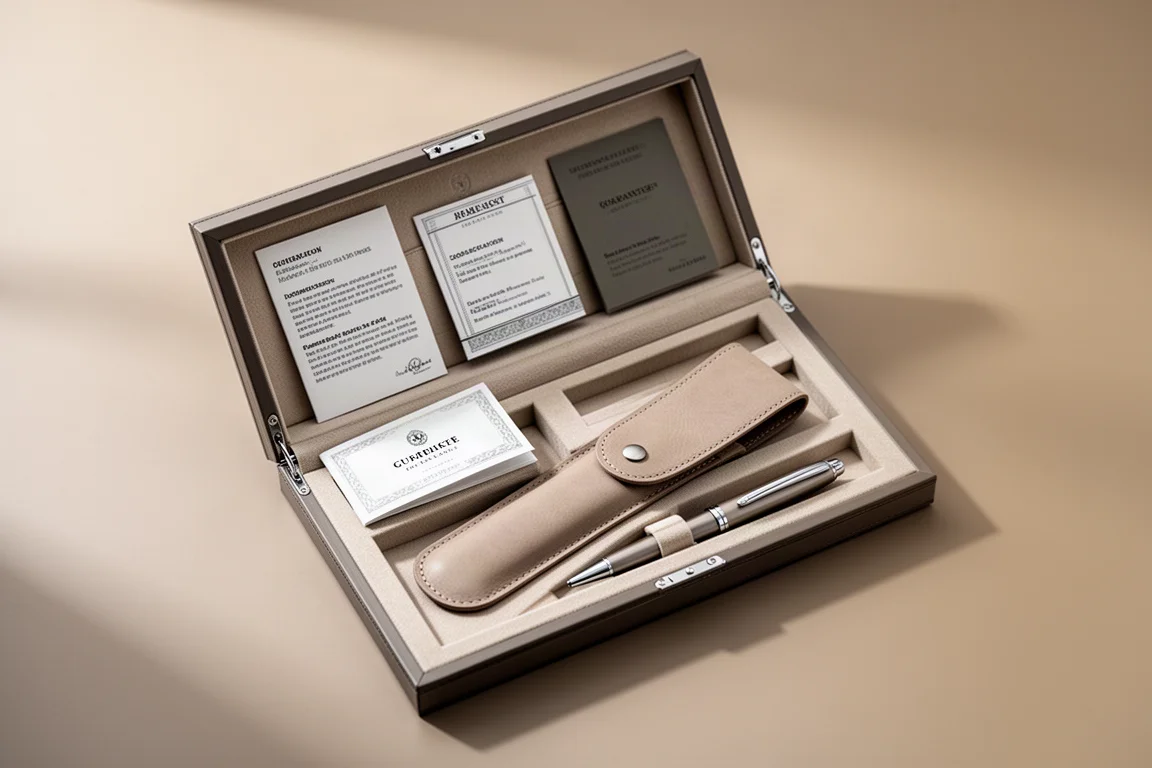
OAC ships these pens in two different box styles. There is a standard box and a more elaborate glass box with a magnetic closure and an internal tray. The packaging includes documentation, an authenticity note, an international guarantee, and a use and care guide.
Both pens also come with a leather sleeve, and the glass-boxed model includes a spare cartridge. It is a presentation that feels considered, especially at this price range.
Design and Build: OAC Classic Emperor
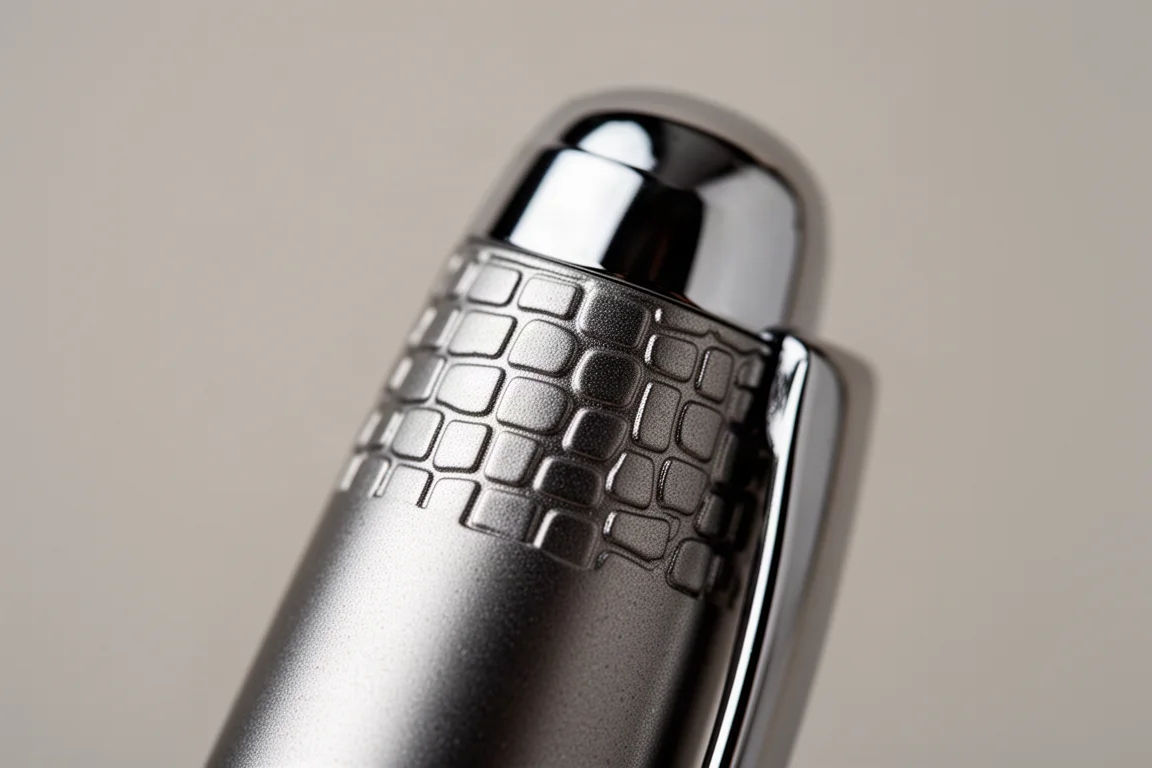
The Classic Emperor pairs a resin barrel with a cap made from German silver, a copper, nickel, and zinc alloy that contains no actual silver. The pointed resin finial at the end and the curved, slightly flexible clip are both pleasant touches, but the standout is the cap itself. Its surface has a cobblestone-like pattern, with a matte treatment underneath and a glossier finish up top, and it looks genuinely striking.
Other details include an engraved OAC band, an angled step down to the barrel, and a number 6 stainless steel nib engraved with the company name and the founding year 1987. The cap twists off in about two and a half rotations, and the pen accepts standard international cartridges with a Schmidt converter included. Because of the bands inside the barrel and section, it is not a candidate for eye-dropper conversion.
There are some trade-offs. The resin barrel feels light compared to the metal cap, and the pen could use a bit more overall heft. The cap posts, but not very securely, and because it does not post deeply it throws off the balance, so most users will want to write with it unposted.
Design and Build: OAC Mastaan
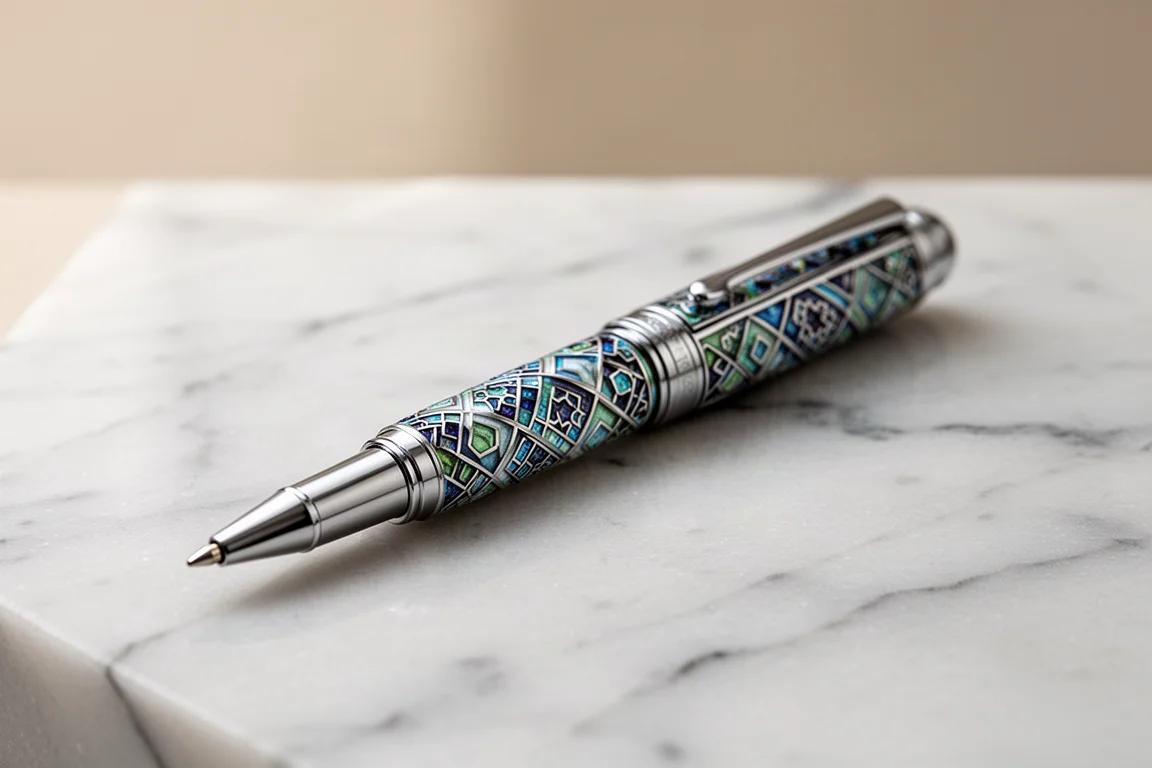
The Mastaan takes its name from the Persian root “mast,” meaning figuratively drunk or elated, as in overwhelmed by love or joy. The design is inspired by the elegance of Islamic architecture, and OAC uses historical geometric patterns across a number of its Arabic-inspired pens.
The artwork here is done in Minakari style, a traditional Indian art form involving enameling and painting intricate designs on metal objects such as jewelry or, in this case, a pen. Multiple layers of enamel are applied to the metal surface and then fired in a kiln to achieve the pattern. One detail that stands out is the clip, which resembles an elephant’s trunk, whether intentional or not.
The section is a bit on the thin side, and unlike the Emperor, the cap must be twisted to post or it will not stay in place. Posted that way, the pen is fairly well balanced in the hand. The artwork is a matter of taste; some will find the enameled patterns beautiful, while others may prefer the Emperor’s more understated cap.
Price and Value
The Mastaan sells for $225 as a rollerball and about $250 as a fountain pen. The Classic Emperor sells for $225 as a fountain pen and is also available as a rollerball for about $200. These are premium prices for Indian-made pens, so the finish quality matters, and in both cases it comes across as decent rather than flawless.
Writing Performance
The Classic Emperor fountain pen ships with a medium stainless steel nib. The nib has a fair amount of feedback, sitting closer to the feedback side of the feedback-versus-scratchy line. It is not overly smooth, but it is not scratchy either, and the feed keeps up fine during fast writing.
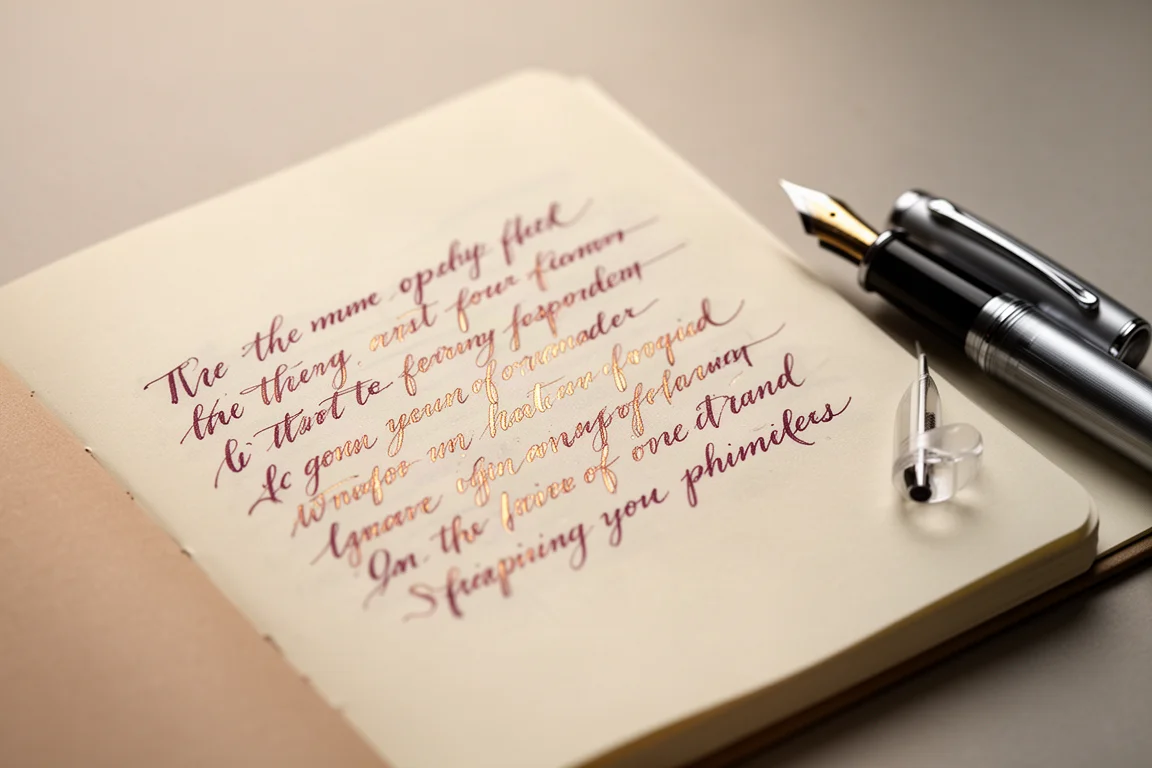
There is a bonus in how the nib responds to pressure. From light pressure to significantly more, it produces a decent amount of line variation, so while it is not a flex nib, expressive writing is possible. Reverse writing is a little scratchy but lays down an extra-fine line. Ink flow is on the medium side.
Testing with a reddish purple ink with golden sheen, and again with a black cherry ink with pronounced shading and sheen, the pen behaved consistently and comfortably.
Buying Advice
Both pens are interesting, but they suit different tastes. The Classic Emperor is the more compelling choice for many buyers, mainly because of the cobblestone patterning on its cap, which is genuinely distinctive. The Mastaan is the pick for anyone drawn to enamel artwork and cultural design motifs, though its thinner section and twist-to-post cap are worth considering.
If you want a fountain pen with a standout cap and a characterful nib, start with the Emperor. If decorative metalwork appeals more than nib character, the Mastaan deserves a look.
Conclusion
OAC earns a place among the quality Indian pen makers. The Classic Emperor’s textured German silver cap, stainless nib with usable line variation, and complete accessory package make it the stronger overall package, while the Mastaan showcases the company’s enameling craft. Neither is perfect, with balance and weight being the main gripes, but both deliver a distinctive look at their respective price points.
Product link
View more details for OAC Classic Emperor
This product is mentioned in the review. Check the specifications, options, and compatibility before buying.
View more details for OAC Classic EmperorFurther reading
Related Reviews
Fountain Pens
Best Budget Fountain Pens Tested: 9 Pens, One Clear Winner
A hands-on comparison of nine affordable fountain pens for everyday writing, calligraphy, and sketching, with a clear standout for flexible nib fans.
Fountain Pens
Aurora Optima Review: An Italian Piston Filler That Punches Above Its Price
A 14k gold nib, ebonite feed, and a beautifully deep oraloid body make the Aurora Optima one of the most rewarding piston fillers around.
Fountain Pens
Cross Bailey Light Review: The Entry-Level Fountain Pen Worth Keeping at the Office
A plastic-bodied Cross with a metal clip, snap cap, and famously smooth extra fine steel nib. Around $15, available almost everywhere, and easy to recommend.