Snowboard Bindings
Now FRC Carbon Highback Review: A Lightweight, Responsive Upgrade
A carbon-fiber highback built for riders who drive hard into the heel edge and care about weight. Here is how it works, what it changes, and who actually needs it.
Introduction
Highbacks have been part of snowboard bindings for roughly four decades, and the basic idea has not changed much: a rigid plate behind the calf that gives you something to push against. What has changed is what that plate is made of, and the Now FRC Carbon Highback is a clear example of where materials research has landed.
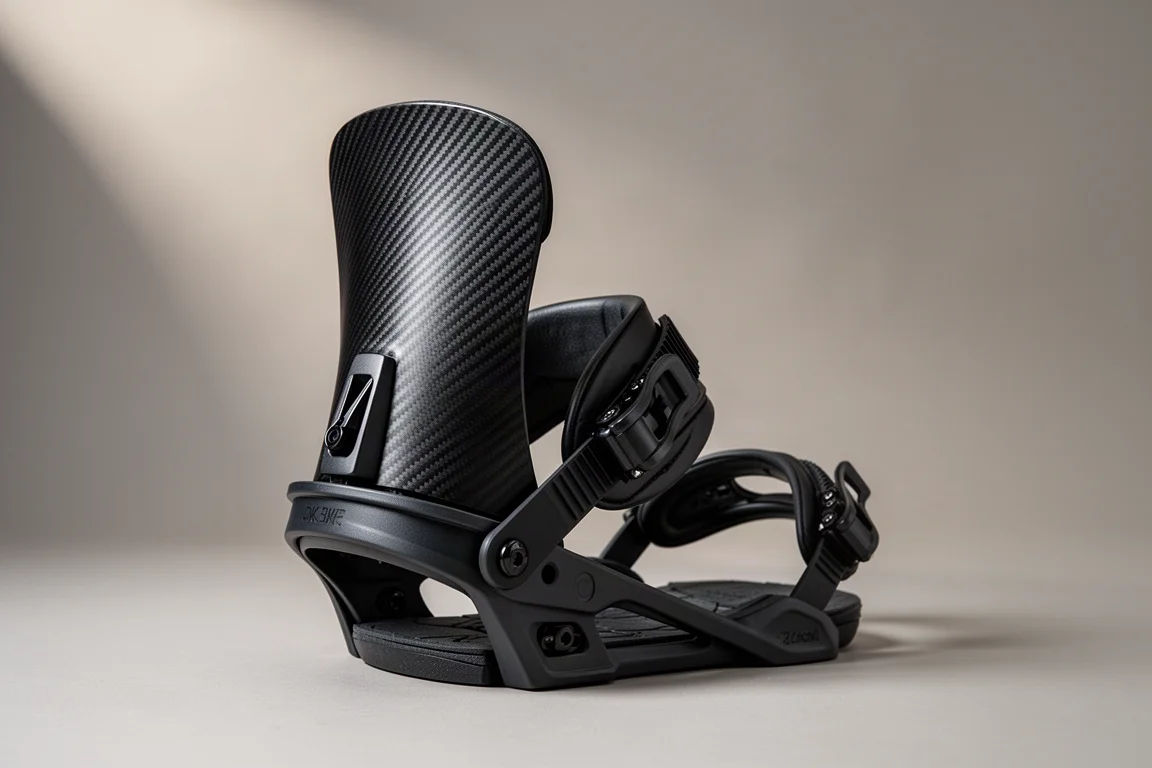
The FRC Carbon Highback keeps the familiar highback silhouette but runs carbon fiber through the construction, using a 3K carbon element to cut weight. The result is a highback that stays stiff and returns energy rather than absorbing it.

That combination of low weight and high stiffness is the entire pitch here. It is not a cosmetic carbon layer. The carbon is doing structural work, and it changes how the binding feels the moment you load it up.
What the FRC Carbon Highback Is
At its core, this is a highback with carbon fiber built into it. The 3K carbon element is what makes the piece noticeably lighter than a conventional highback of comparable stiffness, and it is also what gives the highback its rebound character.
Rebound matters because a highback is not a passive object. When you drive into it, it flexes, stores that input, and gives it back. A carbon construction is very good at that cycle: it deforms less under load and returns to shape quickly, which translates into a more immediate feel underfoot.
The carbon is also the reason the overall binding platform comes across as very light. This sits among the lightest and stiffest setups available in this category.
Who This Product Is For
This highback is aimed at riders who ride aggressively and want maximum power transfer without carrying extra weight. If you spend your days pressing hard into the heel edge, holding a long carve, or chasing responsiveness on steep terrain, the carbon construction is doing exactly the job you want it to do.
It is also a natural fit for riders who are genuinely weight conscious. If you are counting grams across your whole setup, a lighter highback is one of the more meaningful places to find them, because it sits directly between your boot and the board.
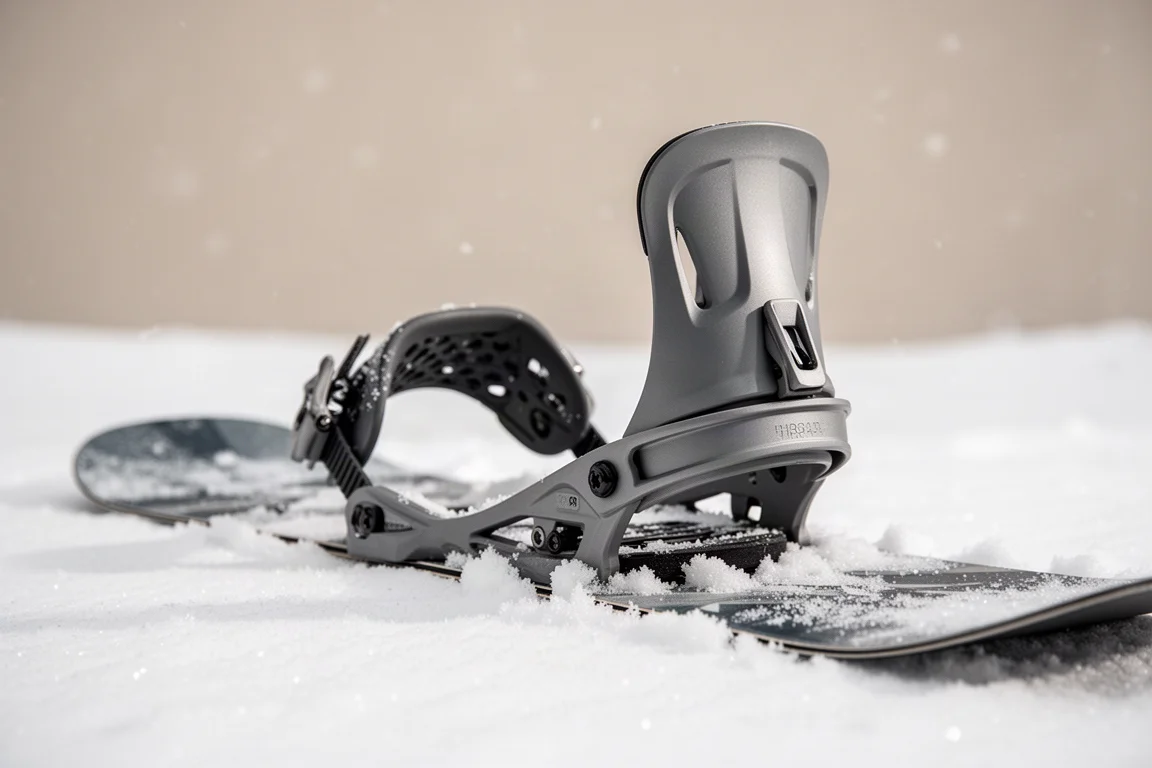
The honest caveat is that this is a specialist piece. Most riders do not need a highback this responsive, and plenty of riders who believe they do would be just as happy on a standard highback.
Main Strengths: Stiff, Light, and Quick to Respond
The first thing you notice is the stiffness. This is a very stiff highback, and it does not soften up or feel vague when you lean into it. Inputs go straight through to the edge.
The second is the weight. The carbon element keeps the whole assembly light enough that it never feels like dead mass on the board, which matters most on long traverses, in the air, and any time you are moving the board around with your feet rather than your hands.
Together those two traits create a binding that feels precise. There is very little lag between what you do with your lower leg and what the board does underneath you.
How the Carbon Responds Under Heel Pressure
Heel edge is where this highback makes its case. When you get onto your heel edge and really push into the highback, the carbon fiber gives you a pronounced rebounded response. It resists, then springs back, and that return is what feels like extra power in the turn.
Riders coming from a softer highback will notice the difference immediately. The highback does not fold away under pressure, so you can hold a harder edge with less effort and keep the board tracking through variable snow.
It is worth being clear that this is a feel, not a magic trick. The carbon does not generate power on its own. It simply transmits more of what you put in, with less loss along the way.
Things to Consider Before Buying
The biggest consideration is whether you actually want this much response. A very stiff, very light highback rewards aggressive riding, but it also gives you less cushioning and less forgiveness. If you like a softer, more relaxed flex that you can push around, this is more highback than you are asking for.
Carbon fiber construction also puts this at the specialised end of the range, so it makes the most sense as a deliberate choice rather than an impulse upgrade. Buy it because you want the stiffness and the weight savings, not because carbon sounds like an upgrade.
Finally, think about the rest of your setup. A highback this direct works best with boots and a board that can keep up with it. Pair it with soft, flexible components and you will not get the benefit you paid for.
Buying Advice
If you ride hard, live on your edges, and care about the weight of your binding, the FRC Carbon Highback is a straightforward recommendation. It delivers exactly what it promises: a stiff, light highback with strong rebound under heel pressure.
If you are a casual rider, a park-focused rider, or simply someone who has never felt held back by a standard highback, you can save the money. A conventional highback will do everything you need, and you will not miss the carbon.
Conclusion
The Now FRC Carbon Highback is a well-executed piece of snowboard hardware. It uses carbon fiber and a 3K carbon element to build a highback that is very light and very stiff, and it produces a genuinely noticeable rebound when you drive into it on the heel edge.
Does it work? Yes. Do you need it? That depends entirely on how you ride. Riders who push hard and count grams will feel the difference on every turn. Everyone else can comfortably stay with a standard highback and put the savings toward days on snow.
Product link
View more details for Now FRC Carbon Highback
This product is mentioned in the review. Check the specifications, options, and compatibility before buying.
View more details for Now FRC Carbon HighbackFurther reading
Related Reviews

Snowboard Bindings
2024 Union Ultra Snowboard Bindings Review: A Cushy, Freestyle-Focused Favorite
Two seasons on the 2024 Union Ultra: a lightweight, tweakable freestyle binding with standout comfort, a damp molecular bushing, and thoughtful hardware fixes.

Snowboard Bindings
32 Team Phase Binding Review: A Fast Entry Binding Built for Freestyle Laps
The first binding from 32 uses the Phase chassis for quick step-in entry with a softer, freestyle-leaning flex. Here's how it performed on the snow.

Snowboard Bindings
Arbor Cypress Snowboard Binding Review: A Laid-Back Cruiser That Can Charge
A closer look at the Arbor Cypress binding's adjustability, strap feel, and that oddly tall highback before you decide to buy.