Outdoor Jackets
Nova Pro vs Nova UL: Choosing the Right Down Puffy Jacket
A practical guide to the Nova Pro and Nova UL down jackets, plus the insulation, fabric, and warmth factors that matter most before you buy.
Introduction
A down puffy jacket looks like a simple purchase until you start comparing options. Two jackets can share a similar silhouette and a similar weight on paper, yet behave very differently in cold, wet, or windy conditions. Getting the choice right comes down to three things: the type of insulation, the durability of the fabric, and how much warmth the jacket actually delivers.
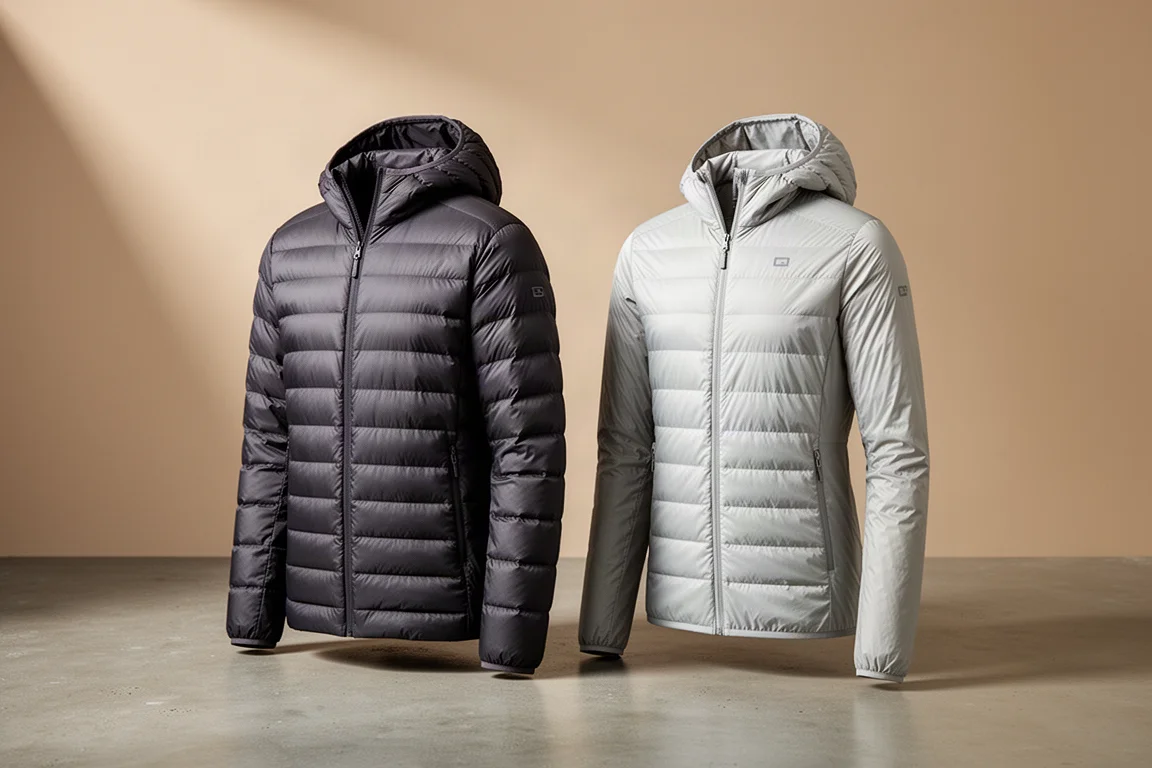
The Nova Pro and the Nova UL sit at the top of the Nova jacket line, and both are built around the same two core technologies. One is tuned for serious cold, the other for ultralight three-season use, and understanding that difference makes the decision far easier.
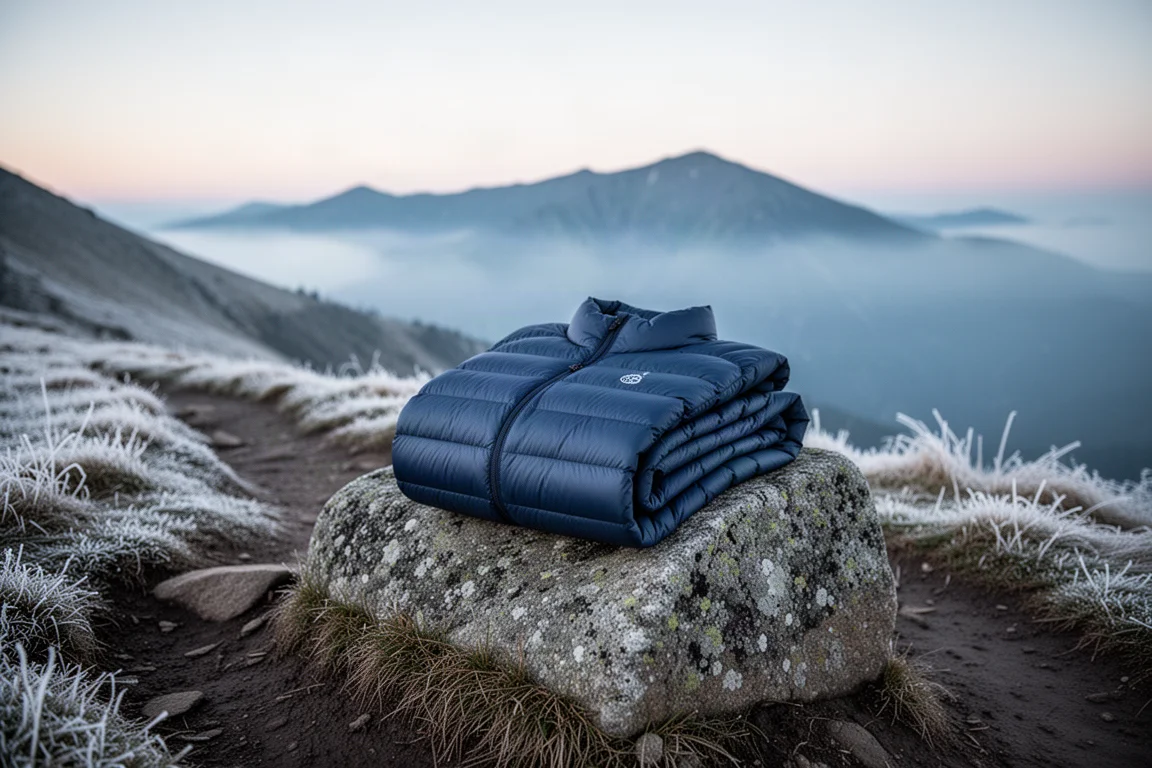
The same factors apply well beyond these two jackets. Once you know how insulation, shell fabric, and warmth comparisons work, you can evaluate any puffy with more confidence.
What to Look For in a Down Puffy Jacket
Insulation falls into two broad categories. Synthetic insulation keeps working when it gets wet, staying lofted even when soaked. Down usually delivers more warmth for the same weight, particularly at higher fill powers such as 800 and above, but its behavior around moisture depends heavily on the treatment used. Some down jackets handle water well, while others lose loft quickly when damp. That difference matters if you sweat on a climb or get caught in the rain.
Fabric choice drives durability. Very light shells in the 7 to 15 denier range cut weight, but they raise the risk of snags and tears during movement. Heavier fabrics are tougher, though a very heavy shell paired with down can compress the insulation and reduce its loft. Around 20 denier is a common middle ground, offering useful durability without weighing the jacket down or crushing the fill.
Stitching is the other weak point worth checking. Stitches can snag on branches, pack straps, and zippers, and a pulled stitch is one of the more common failure points on an insulated jacket.
Nova Pro: The Warmest Option in the Line
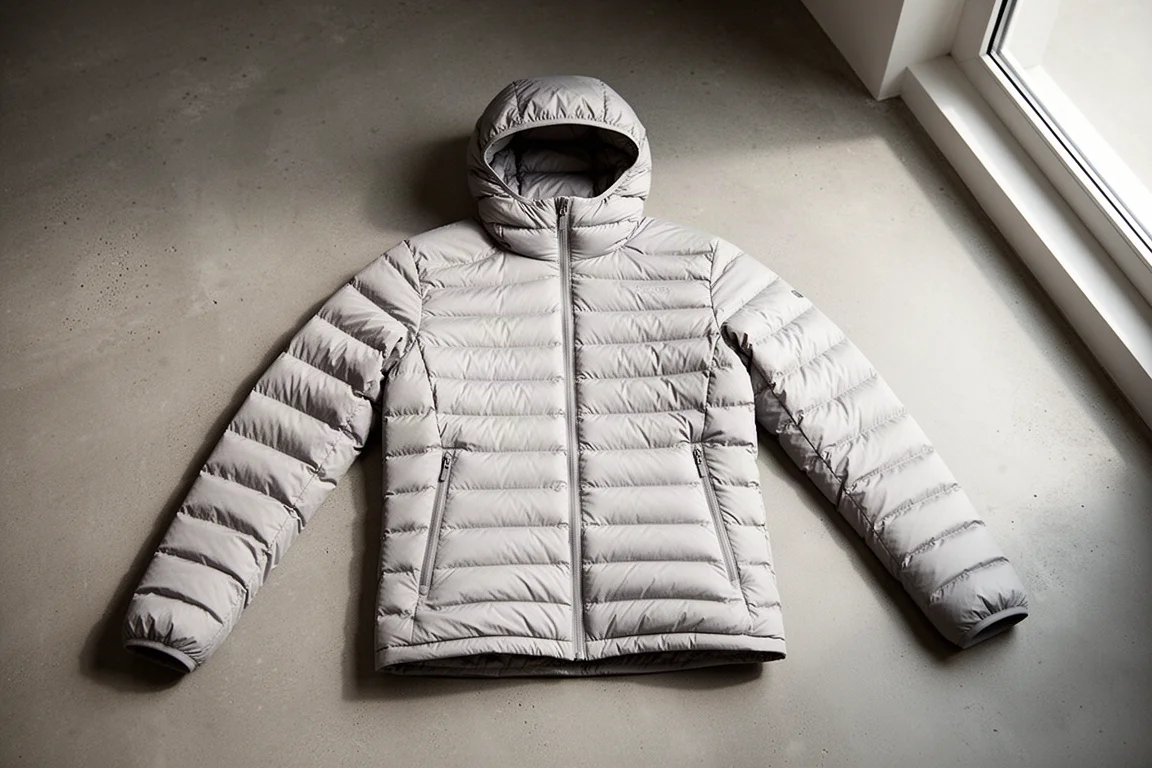
The Nova Pro is the warmest jacket in the Nova line. Its I2 baffles hold 50% more Down LT insulation than the standard build, which pushes it into coat-level warmth rather than sweater-level warmth. That extra fill is what makes it the better choice for genuinely frigid climates, where a lighter puffy would leave you reaching for another layer.
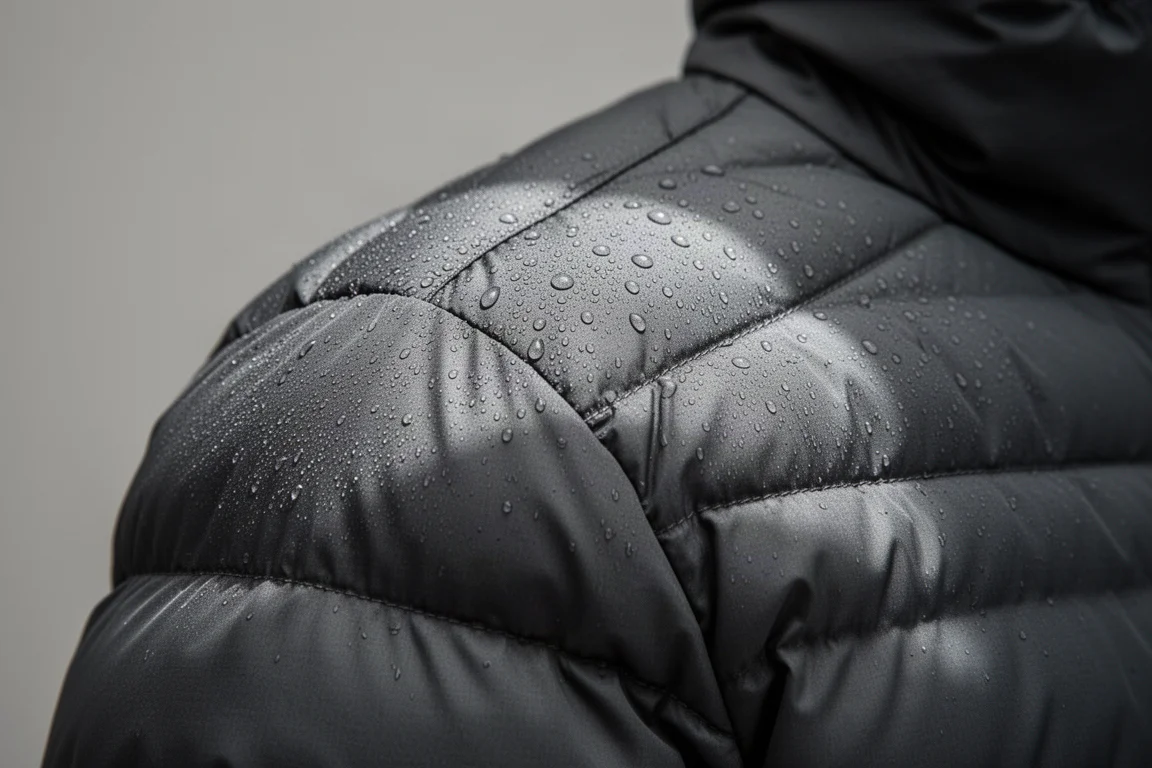
Despite the additional insulation, the Nova Pro keeps the same venting and weather resistance as the rest of the line. Pit zips let you dump heat on a climb, and the shell resists both wind and rain. This is the jacket to choose when warmth is the priority and you would rather carry a little more than layer up constantly.
Nova UL: The Ultralight Three-Season Option
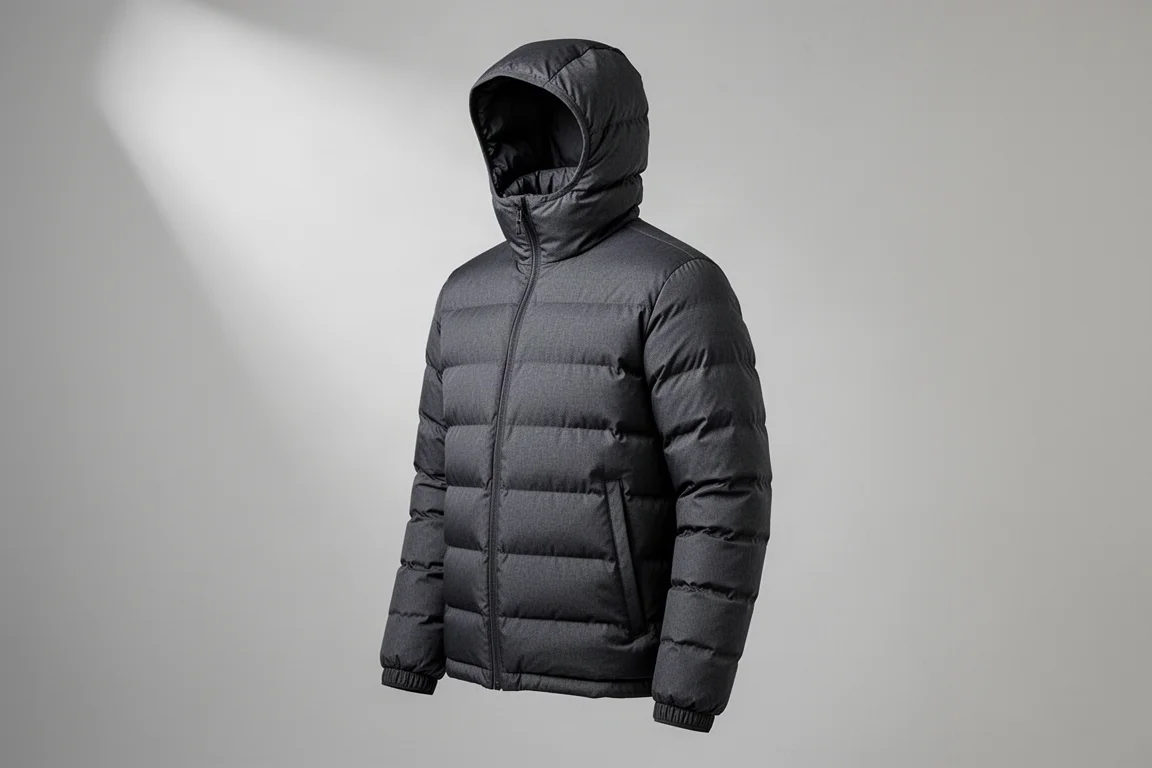
The Nova UL is the lightest jacket in the Nova line. It sits in the sweater-weight warmth category, delivering three-season warmth while keeping the durability and weather resistance of the design. That makes it a natural mid layer, and a solid standalone piece for active days when you generate heat and only need a moderate amount of insulation in cooler temperatures.
If your trips involve a lot of movement and you would rather manage warmth with layers than with a single heavy jacket, the Nova UL is the more versatile pick of the two.
Shared Materials and Features Across the Nova Line
Both jackets use Down LT insulation, an 800 plus fill power blend of high fill power down with trace amounts of Loft Tech synthetic. The result is insulation that does not fail when saturated, so sweat, rain, and general dampness are less of a concern than they are with conventional down.
The second piece is the Nova Zero Stitch fabric. Baffles are woven into the fabric directly from yarn, which removes more than 10,000 needle holes compared with a conventional stitched construction. Fewer holes mean the fabric retains more of its strength, resists wind and rain better, and leaves no stitching to snag.
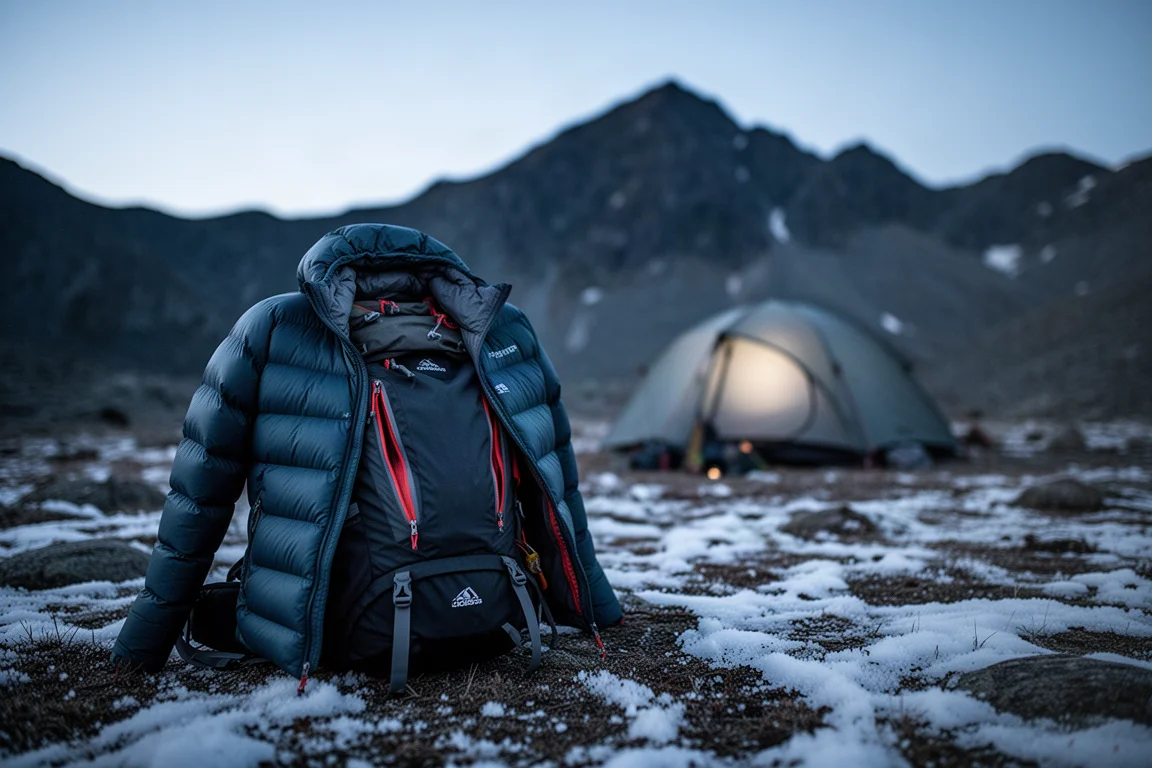
The feature set is identical across both jackets: pit zips for venting and breathability, two insulated hand pockets that double as a stuff sack or seal in valuables when zipped, an insulated two-way adjustable hood that turns with your head without blocking visibility, a high neck collar, an adjustable hem to seal in heat, thumb holes for layering, and elastic cuffs that keep heat from escaping. Both use a 20D nylon fabric with a DWR coating.
Comparing Warmth: Fill Power and Insulation Weight
There is no such thing as a universal temperature rating for a jacket, so warmth comparisons have to be made between two specific pieces. Start with the general category: sweater weight, jacket level, or coat level.
From there, two numbers matter. The first is fill power, which describes how much loft the insulation provides for its weight. The second is the amount of insulation actually used, measured by weight. A 625 fill power jacket and an 800 fill power jacket can both contain 150 grams of insulation, but they will not be equally warm.
To compare jackets with different fill powers, convert one to the other. Multiply the lower fill power by its insulation weight, then divide by the higher fill power. A 625 fill jacket with 150 grams of insulation works out to 625 x 150, or 93,750, divided by 800, which gives roughly 117 grams. In other words, that jacket would match an 800 fill jacket holding about 117 grams of insulation, and the roughly 32 gram gap, more than an ounce, tells you which of the two is the warmer piece.
Buying Advice: Which Nova Jacket Fits Your Use
The choice between the two comes down to the conditions you expect and how much you move. The Nova UL covers three-season use, works well as a mid layer, and suits active days where you generate heat and need moderate insulation. The Nova Pro steps up to coat-level warmth for frigid climates, where the extra Down LT insulation in its I2 baffles does the work a lighter jacket cannot.
Both share the same fabric, hood, pocket layout, and weather resistance, so neither is a compromise on features. You are only choosing how much warmth you want to carry.
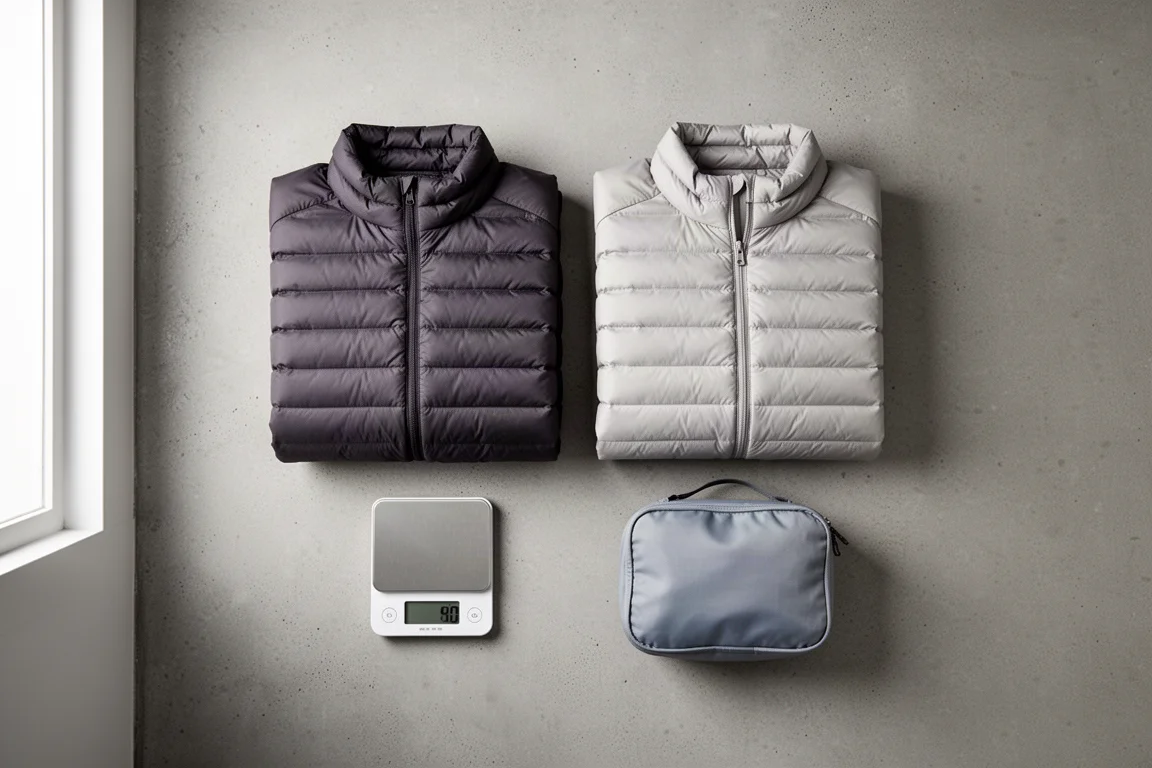
When the line launched, both jackets were offered at pre-sale pricing with early shipping, and the Nova UL was scheduled to ship about two weeks ahead of the Nova Pro. If you are deciding between them now, start from your coldest expected conditions and work backwards: if a sweater-weight layer plus a shell covers those conditions, the Nova UL is enough, and if it does not, the Nova Pro is the safer pick.
Conclusion
The Nova Pro and the Nova UL take the same approach to insulation, fabric, and weather resistance and split it into two warmth levels. The Nova UL is the lightest and most versatile option for three-season layering, while the Nova Pro adds 50% more Down LT insulation for coat-level warmth in colder conditions.
Whichever you choose, the three factors worth checking before any puffy purchase still apply: the insulation type and how it handles moisture, the durability of the shell fabric, and the combination of fill power and insulation weight that determines real warmth.
Further reading
Related Reviews
Outdoor Jackets
Arc'teryx Alpha Jacket Review: A Lightweight Gore-Tex Shell Built for Climbing
A detailed look at the Arc'teryx Alpha Jacket, a lightweight Gore-Tex mountaineering shell with rugged shoulders, a Hadron body, and a deliberately simple feature set.
Outdoor Jackets
Arc'teryx Atom LT Review: A Versatile Synthetic Midlayer for Cold Weather
A detailed look at the Arc'teryx Atom LT, a lightweight synthetic midlayer built for active cold-weather use, with its strengths, trade-offs, and who it suits best.
Outdoor Jackets
Haglöfs L.I.M Mimic Barrier Hood Review: Light, Breathable, Built to Move
A close look at the Haglöfs L.I.M Mimic Barrier Hood, a 282 g windproof and breathable synthetic layer that works alone in mild weather and as part of a winter system.