Trail Running Shoes
The North Face Vectiv Lineup 2026: Four Trail Shoes, Each With a Clear Job
From the Summit Vectiv Pro 3 race weapon to the consumer-friendly Enduris, Sky 2 and Infinite 3, here is how the latest Vectiv family breaks down.
Introduction
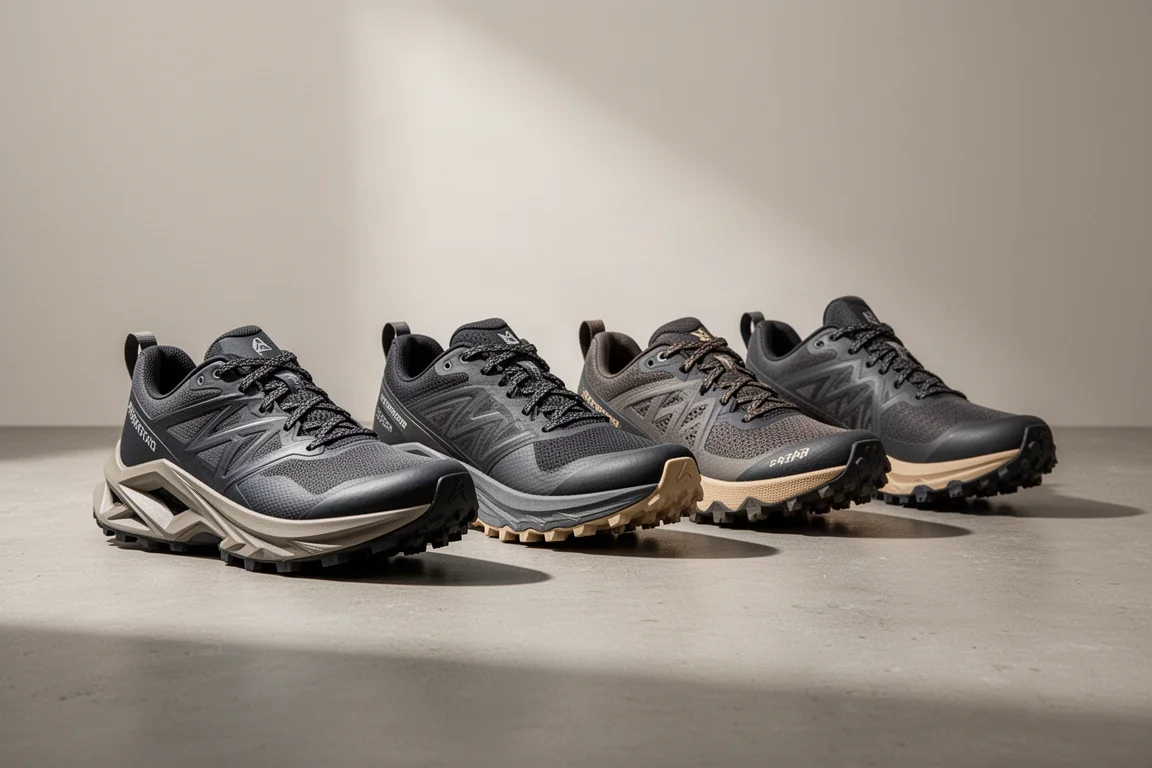
The North Face has been iterating on its Vectiv platform for several seasons now, and the newest update reads less like a rebuild and more like fine-tuning. The brand’s own framing is telling: rather than starting from zero, each generation chips away at the same rock. The result is a four-shoe lineup split into clear roles, from a maximum-cushion ultra racer down to a lower-stack all-rounder, with two distinct sub-families aimed at high-stack and low-to-mid-stack runners.
Evaluation Criteria
With a lineup this layered, the useful question is not which shoe is best overall but which one matches your terrain, distance and stack preference. The key factors here are stack height, weight, traction depth, plate design and price, since The North Face has deliberately tiered the line so each model fills a different hole in the quiver.
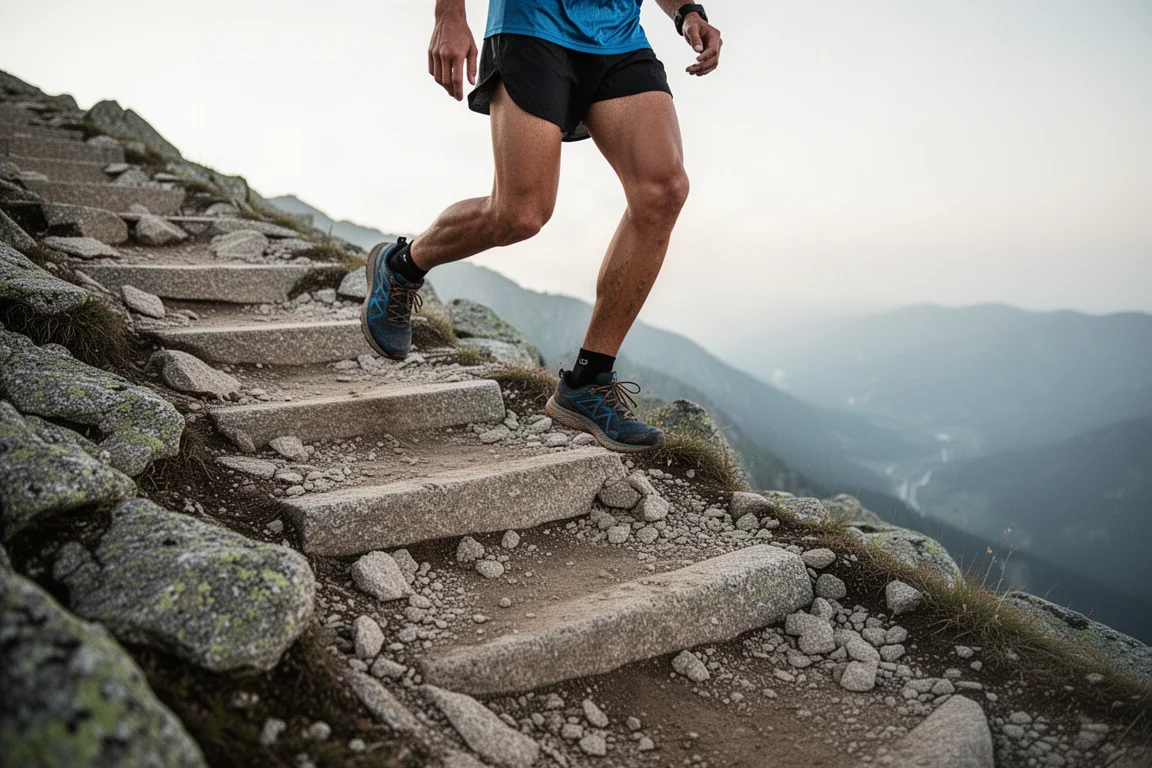
Across the family, the shared ingredients are the Vectiv plate system, nitrogen-infused TPU foam, and uppers built to drain and breathe on trail. Where they diverge is in cushioning volume, lug depth and how stability is engineered under the foot.
The North Face Summit Vectiv Pro 3
The Summit Vectiv Pro 3 is the pinnacle of the line: athlete-tested, race-proven Summit Series hardware built for winning long ultras. The big change is a completely new platform built from the bottom up, with total stack height increased by 4 millimeters over the Pro 2 to a 37/31 heel-to-toe split at a 6 mm offset.
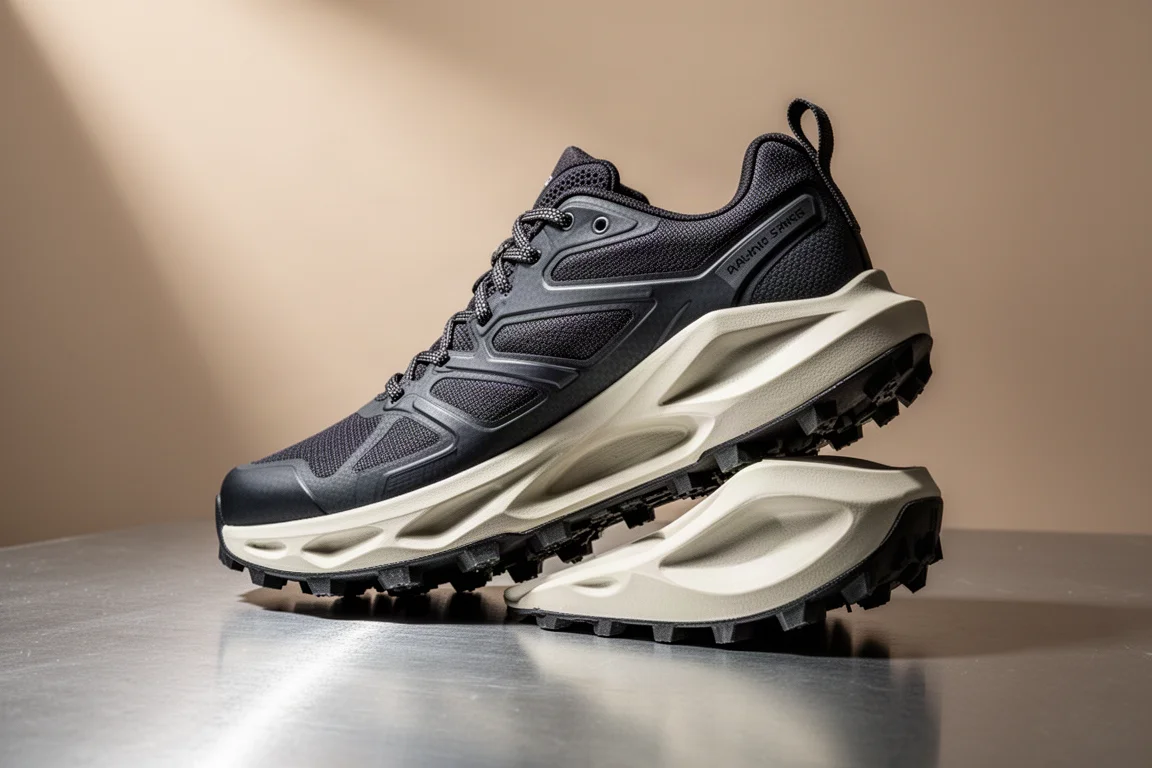
The system is genuinely layered. A carbon fiber propulsion plate sits low in the midsole, topped by 10 mm of the proprietary PEBBA-based Dream foam above it, all wrapped in a recycled carbon fiber injected stability plate that is carved and shaped for lateral control. For runners who experienced plate rub in past models, the propulsion plate is now fully embedded rather than exposed. The goal is mid-foot to forefoot stability over 20-plus-hour efforts, saving legs while keeping propulsion.
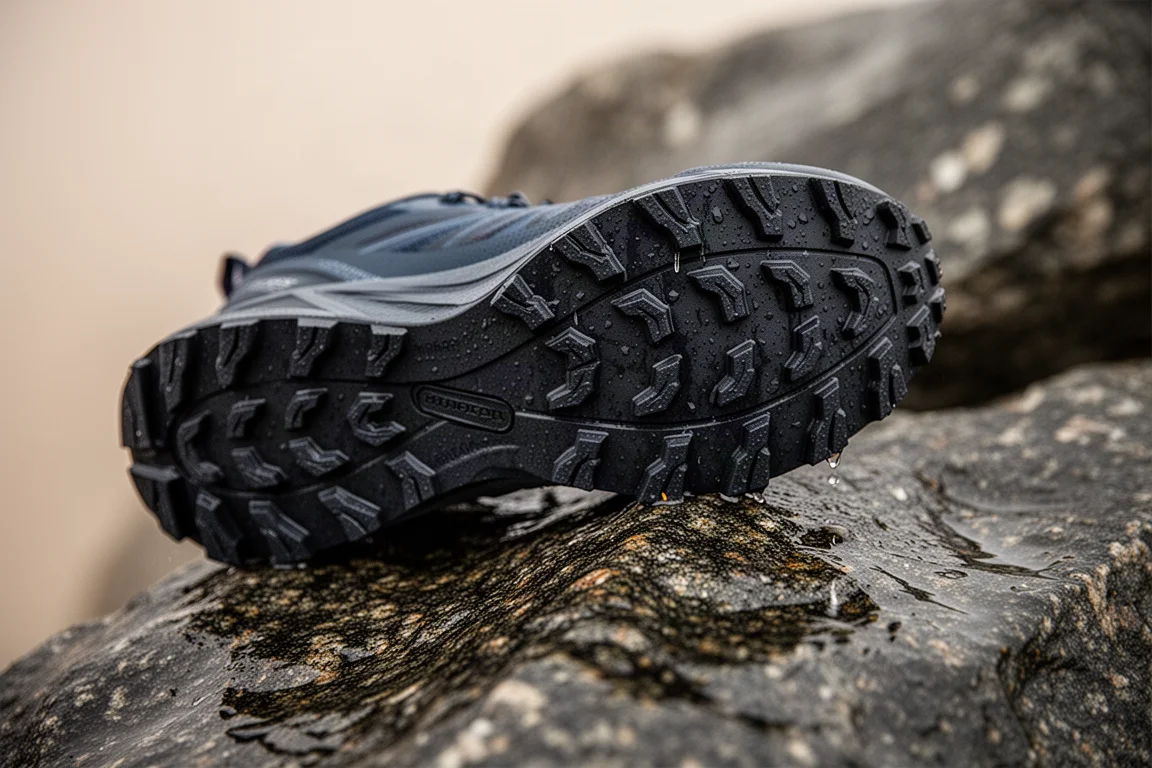
Up top, there is an improved TPU-reinforced hydrophobic upper that is breathable and drains well, plus a new race lace. Despite the added stack and dual-plate system, weight stays competitive at 294 g in a men’s size 9, and the price holds at $250.
The North Face Vectiv Enduris
The Vectiv Enduris is the everyday training companion, pitched as the perfect single-shoe quiver for runners who want one shoe to do everything, bridging daily training and race day. It also inherits much of the innovation that started in the Pro model, at a friendlier $160 price.
This version moves to a full-length nitrogen-infused TPU Dream foam midsole, designed for high rebound that holds up over the life of the shoe. Lug depth increases to 4 mm with a completely redesigned outsole, and stack height grows 2 mm to 32 mm in the heel, aligning it with the Pro 1 and Pro 2. The dual-wrap upper offers more room in the instep for runners who found earlier versions low-volume, with minimal mechanical stretch for a secure hold while staying breathable and drainable.
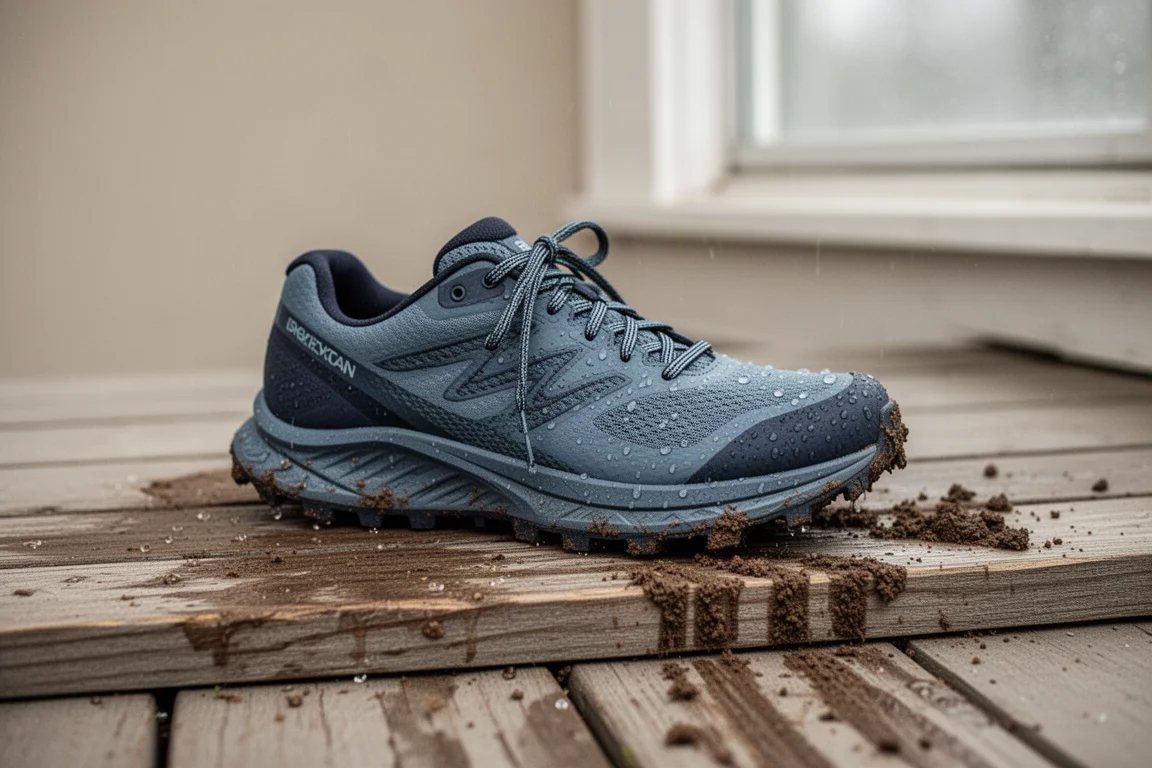
Versus something like the Ultra Mesa, the differentiator is the Vectiv system itself: a full-length forked TPU plate with carve-outs that bring the foot closer to the foam in key areas, delivering the enhanced stability the trail demands.
The North Face Summit Vectiv Sky 2
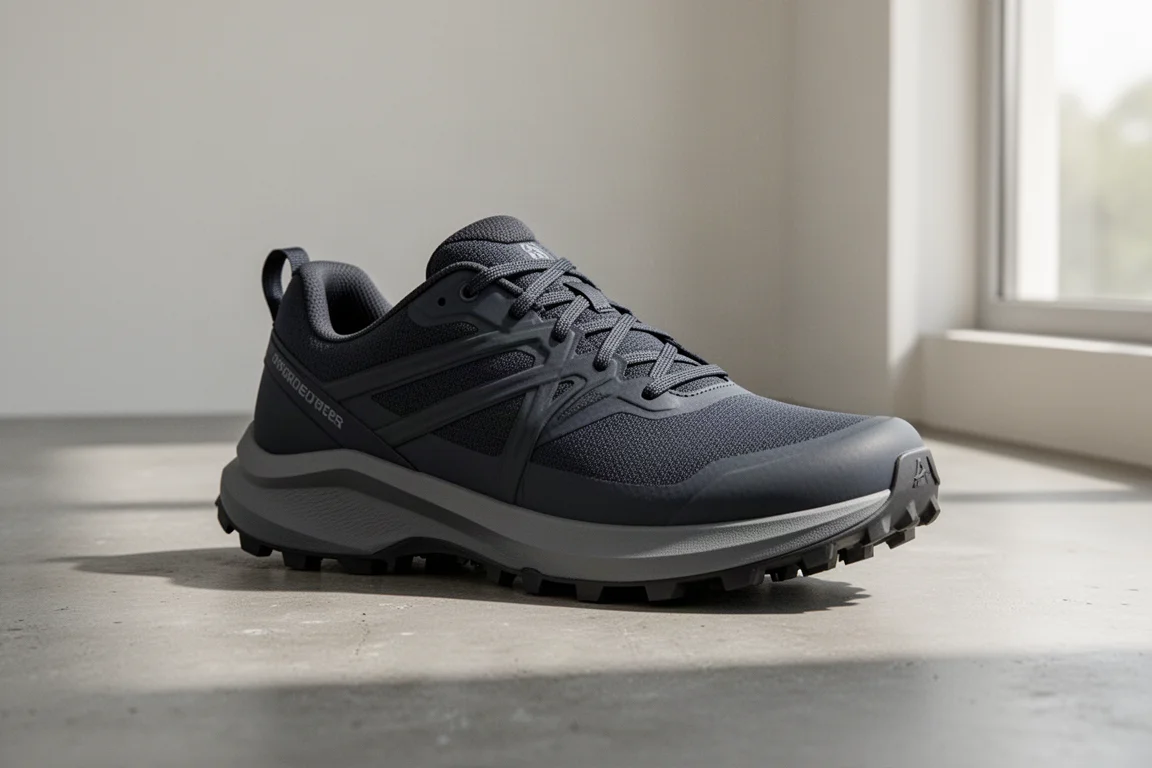
The Summit Vectiv Sky 2 is the counterpart to the Pro: built for athletes who need a lighter, more agile shoe that sits closer to the ground on technical terrain, even if it is not their ultra race shoe. The brief was simple, more lightness and more traction, and the numbers back it up: over 34 g cut versus the first version, landing at 238 g.
It keeps a full-length nitrogen-infused TPU Dream midsole for an enhanced underfoot feel despite the weight loss, while lug depth increases to 5 mm with more rubber coverage where it matters. It uses the same Surface Control rubber as before, with further traction work promised for future seasons. The new dual-wrap upper, shared with the Enduris, is even lighter here and remains highly breathable and drainable.
The North Face Vectiv Infinite 3
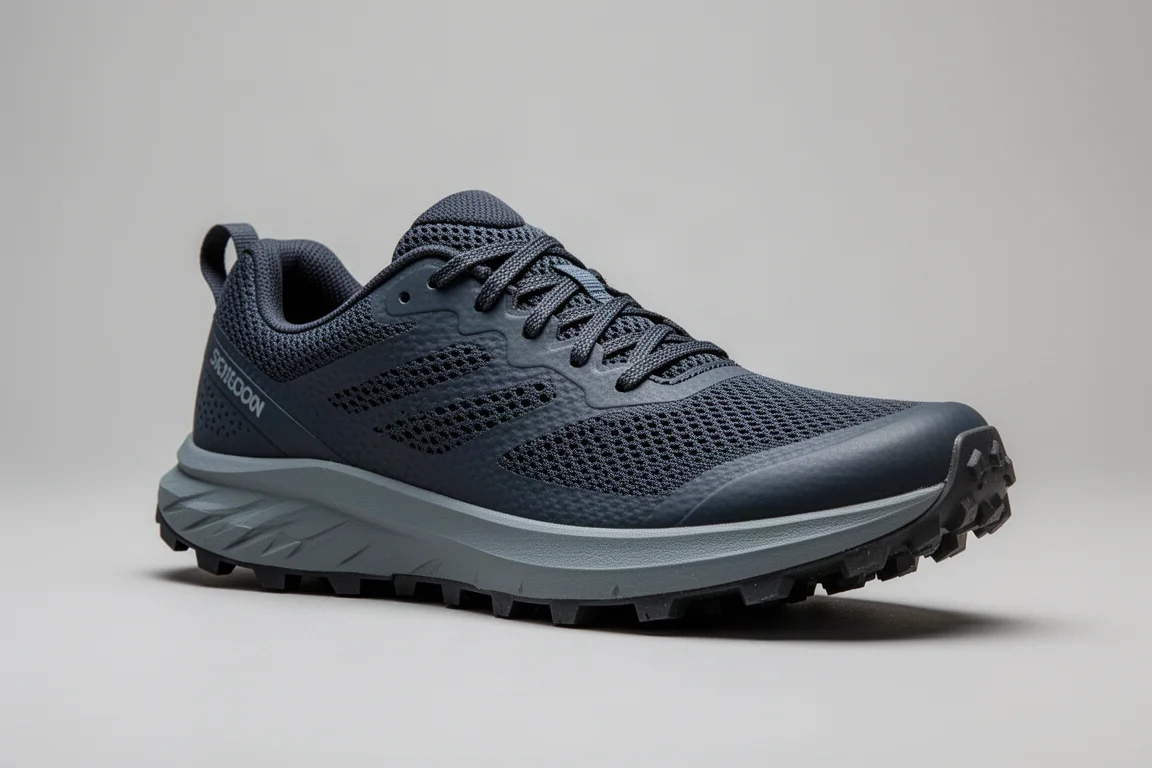
The Vectiv Infinite 3 rounds out the consumer-relevant pair, and its price actually drops to $160, matching the Enduris. The two form a fork in the road: the main differences are a 3 mm stack height gap between them and a 5 mm lug outsole on the Infinite, borrowed from the Sky’s design direction.
Think of them as two sub-lines for two kinds of runners: those who gravitate toward higher-stack shoes and those who prefer low-to-mid stack. Underfoot, the Infinite uses a full-length injected TPU plate instead of carbon fiber, tuned to be a little softer and more stability-focused. The upper gets a complete overhaul as well, improving fit over the previous generation.
Buying Advice
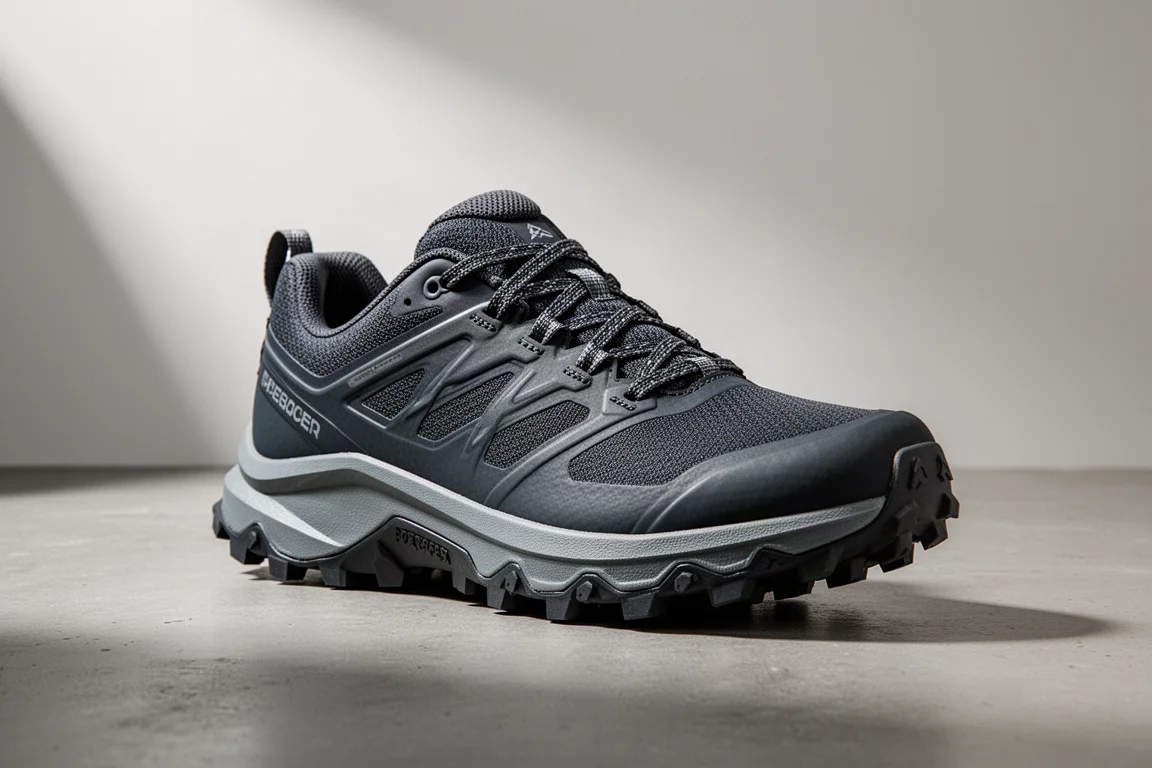
The simplest way to choose: if you race long ultras and want maximum cushion and propulsion, the Pro 3 is the tool. If you want one shoe that trains and races, pick the Enduris. If you prioritize light weight and agility on technical, vertical terrain, the Sky 2 fits. And if you like the Enduris concept but prefer a lower stack with deeper lugs, the Infinite 3 is your match. The Enduris and Infinite 3 both landing at $160 makes the consumer tier especially strong value, while the Pro 3 holds at $250 for genuine race-day hardware.
Conclusion
This is a lineup with something for nearly every trail runner and every terrain, and the incremental refinement shows. The Vectiv family now covers high-stack racing, everyday versatility, lightweight technical agility and a lower-stack alternative, all sharing a proven plate and foam system that keeps getting better with each generation.
Further reading
Related Reviews
Trail Running Shoes
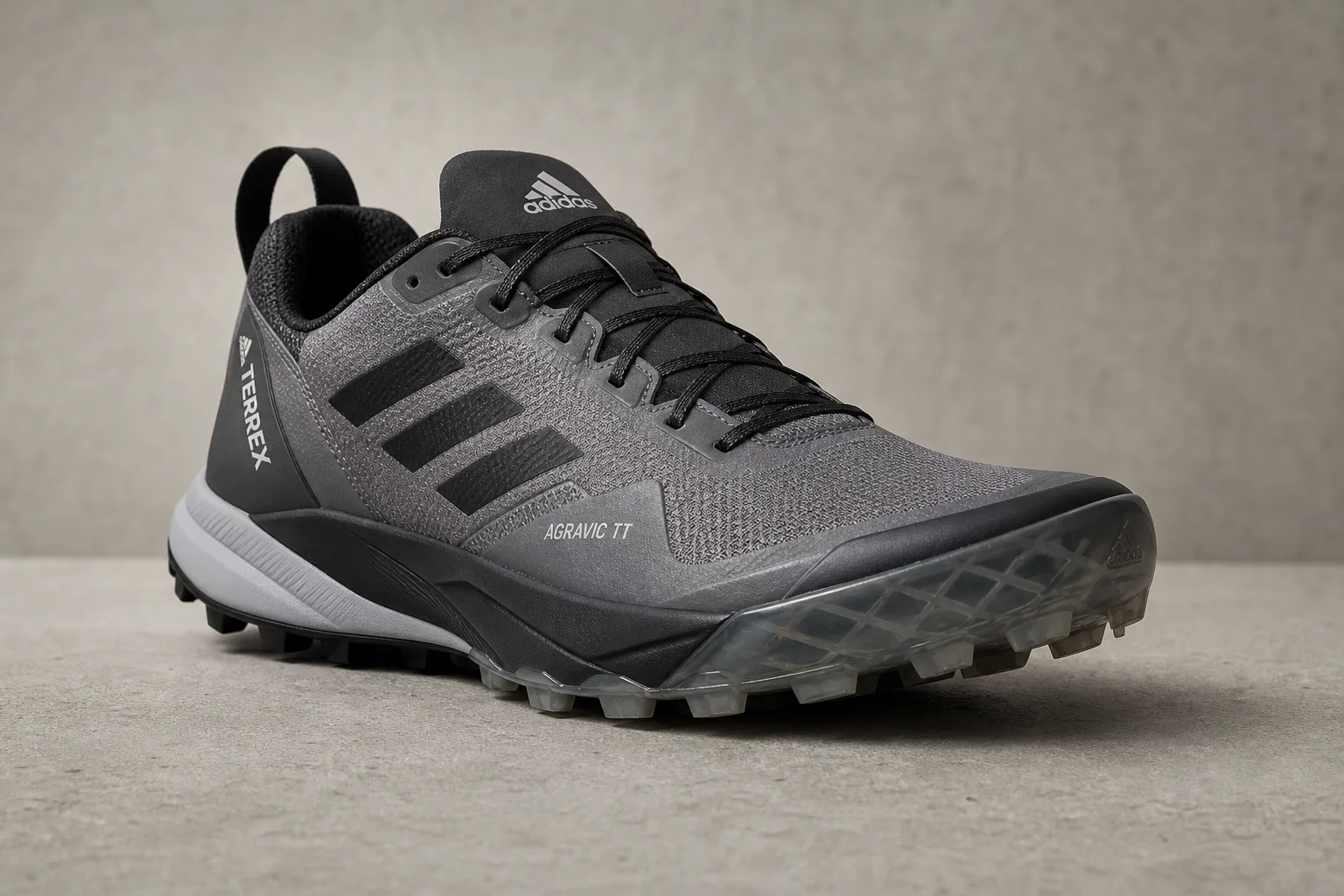
Adidas Terrex Agravic TT Review: A Technical Trail Shoe Built for Rocky Terrain
The Adidas Terrex Agravic TT combines a full-coverage rock plate with a firmer midsole to deliver protection and stability on technical, rocky trails. A capable choice for runners who prioritize underfoot defense over lightweight cushioning.
Trail Running Shoes
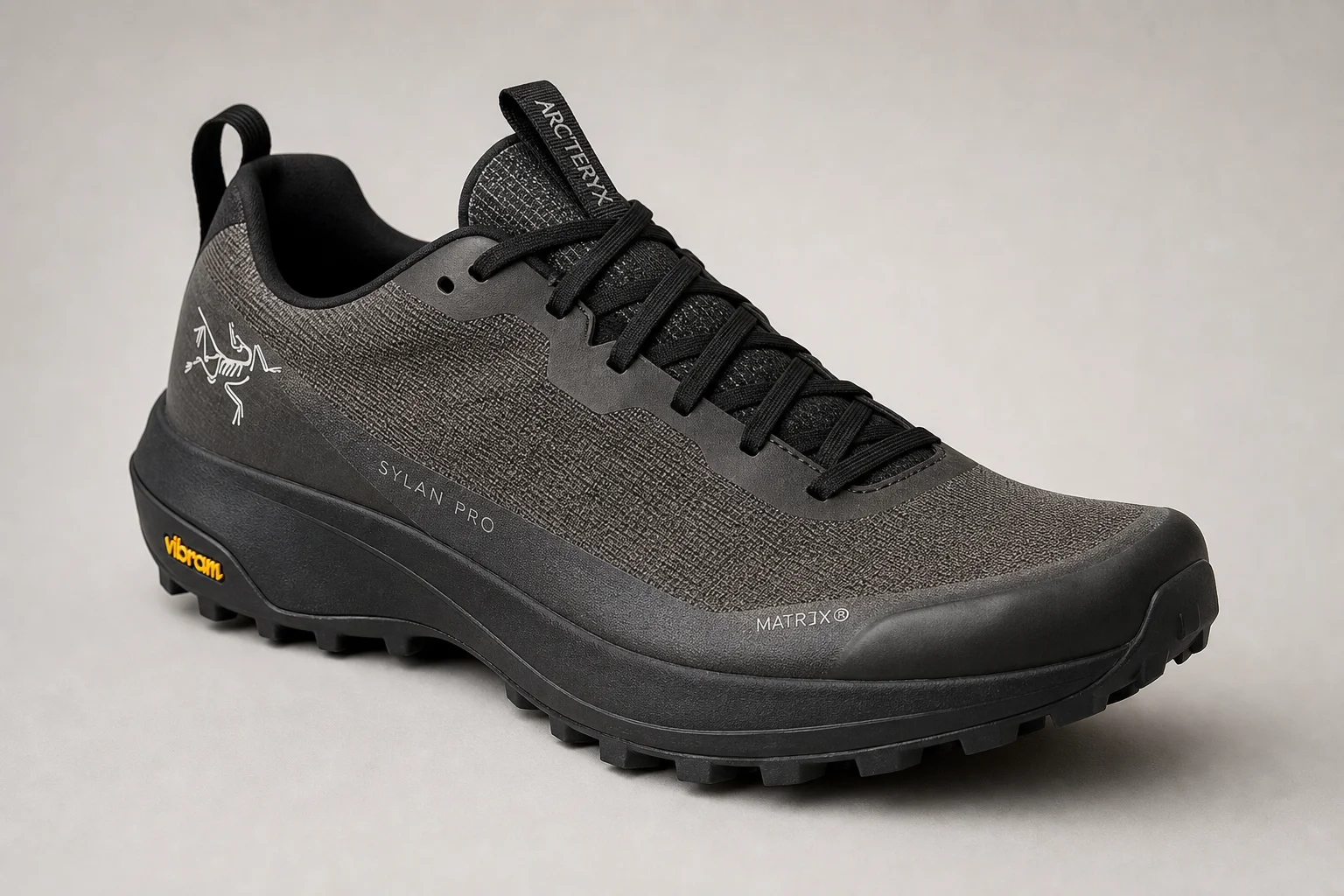
Arc'teryx Sylan Pro Review: A Rocker-Focused Mountain Running Shoe Tested on 20 Miles
The Arc'teryx Sylan Pro brings a pronounced rocker geometry and secure fit to mountain terrain. We tested it on a 20-mile Sawtooth loop to evaluate its climbing efficiency, protection, and handling of technical descents.
Trail Running Shoes
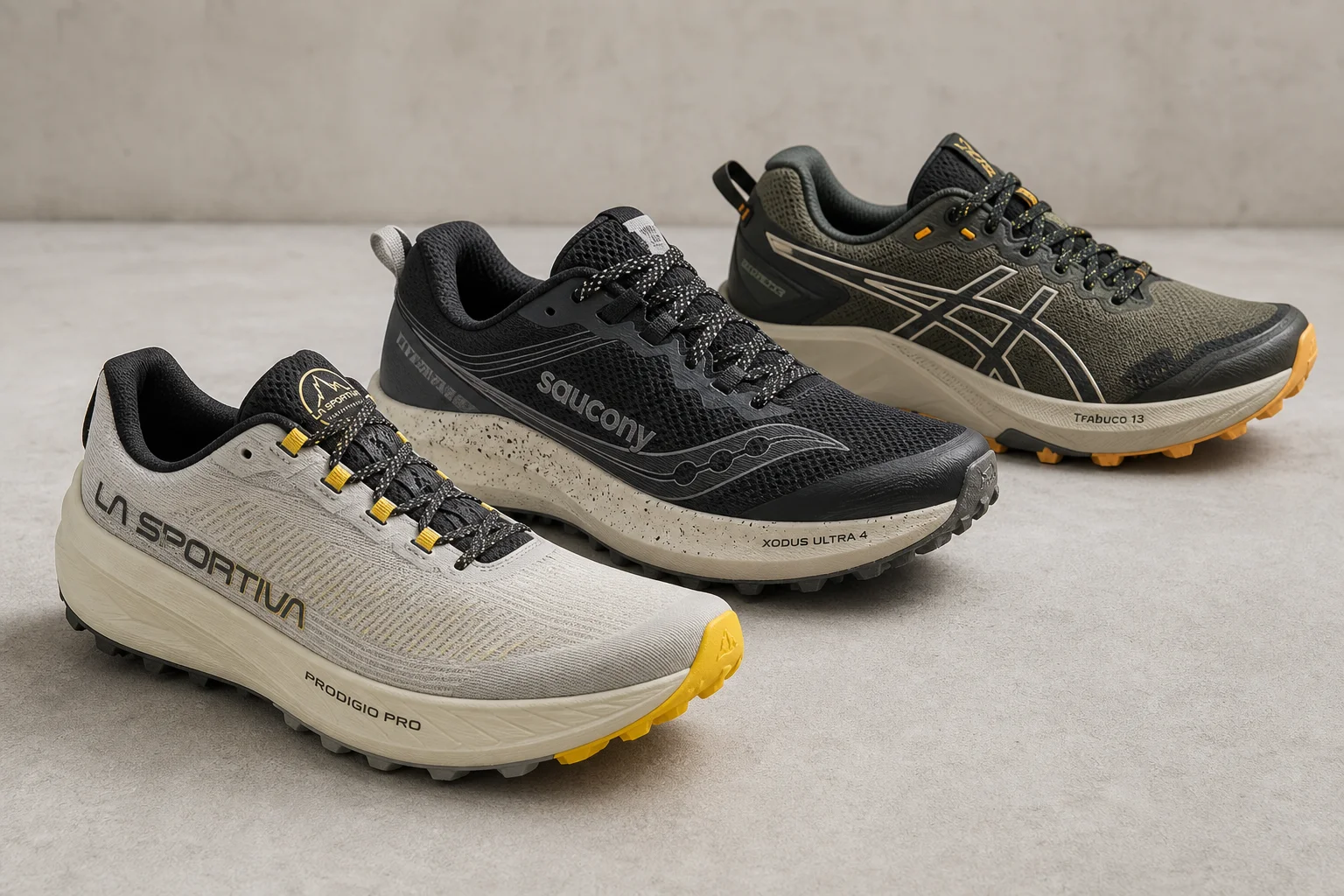
Best All-Mountain Trail Running Shoes: Three Versatile Options for Any Trail
A focused roundup of three all-mountain trail running shoes that handle technical terrain, long distances, and variable conditions with real strengths and practical trade-offs.