Trail Running Shoes
The North Face Vectiv Pro 3 vs Vectiv Enduris 4: Which Trail Shoe Fits Your Racing?
Race-tested over 48km and 1,800m of climbing in Gran Canaria, here is how the Vectiv Pro 3 stacks up against the Enduris 4 and which runner each shoe suits.
Introduction
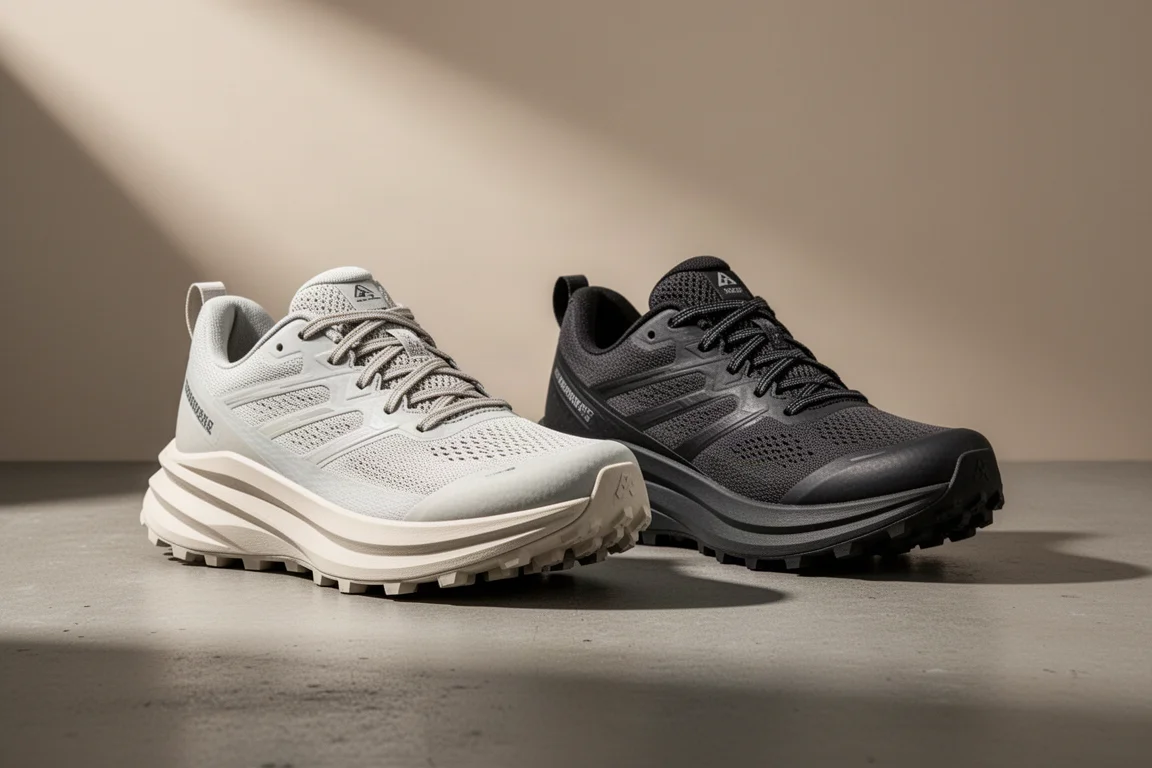
Some shoes reveal who they are only after a genuinely hard day out. That was the case with the North Face Vectiv Pro 3, taken almost fresh out of the box into the Trans Gran Canaria Marathon, a 48km mountain race with roughly 1,800m of climbing and more than 2,000m of descending on steep, rocky, technical trails. Alongside it, the Vectiv Enduris 4, worn in the days before the race, offers a useful point of comparison for runners trying to decide between the two.
The Vectiv Pro 3: First Impressions on Race Day
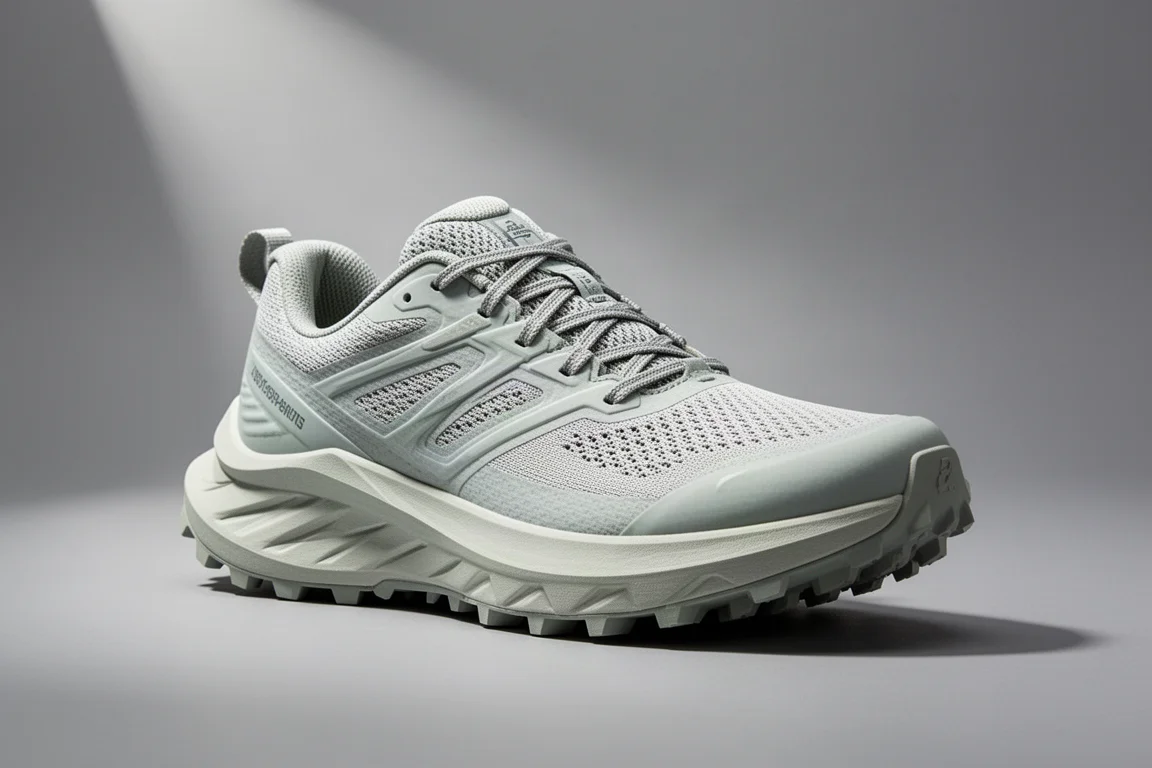
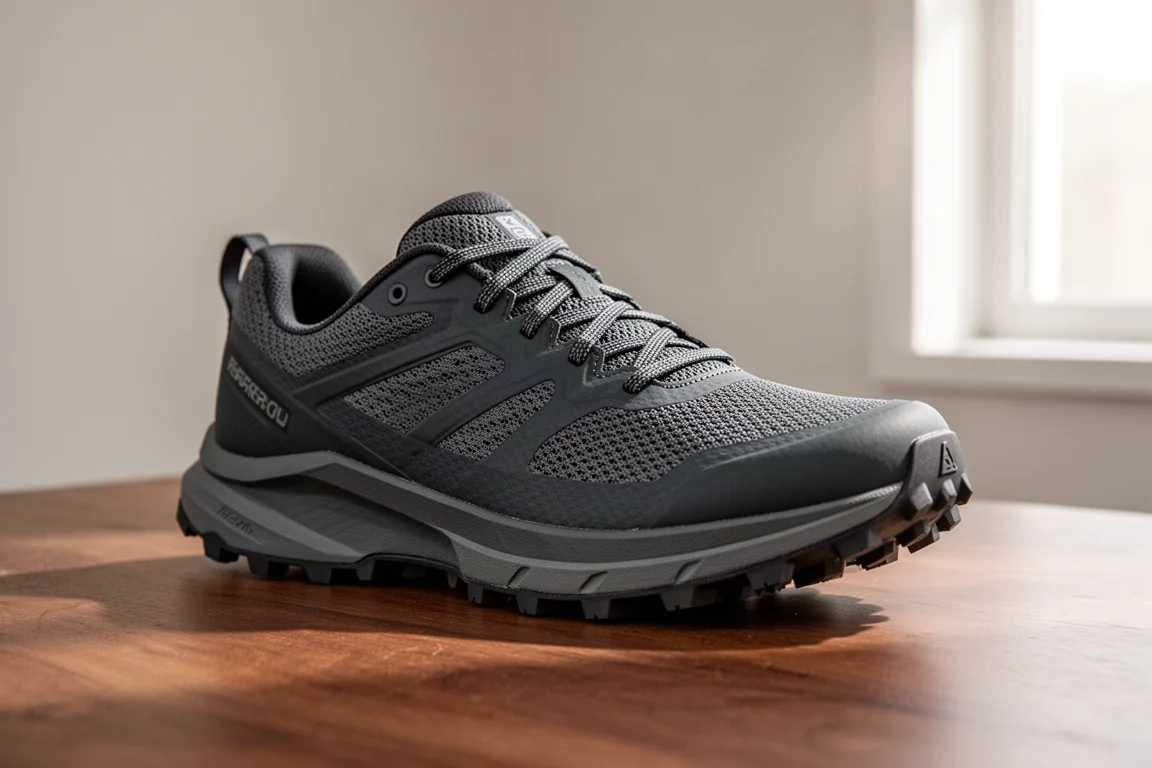
The first thing that stands out is just how wide the forefoot platform is, and how soft the Dream Foam midsole feels underfoot. That cushioning is a genuine asset for long-haul efforts, eating up much of the rocky nastiness on the trail so that impact never bashes through the bottom of the foot. After 2,000m of descending, the feet felt remarkably fresh, even while the quads were completely wrecked.

The trade-off is precision. On the stony, technical stretches, the wide platform combined with the softness made foot placement feel less exact, and there were a few clipped toes and caught heels on very tired legs. There is also a slight sink to the ride, a moment where you wait for the shoe to come back before it responds. Stability on rocky downhills still felt solid, and the grip on the stones was excellent even in dry, demanding conditions.
Where the Pro 3 Comes Alive
On runnable terrain, this shoe transforms. Rolling forest sections, flat compact trails, and mixed road stretches are where the wide platform and generous stack stop feeling like liabilities and start feeling like a luxury. There is real energy in the ride too, and runners with a faster pace who can make the most of the spring and return will get more out of it.
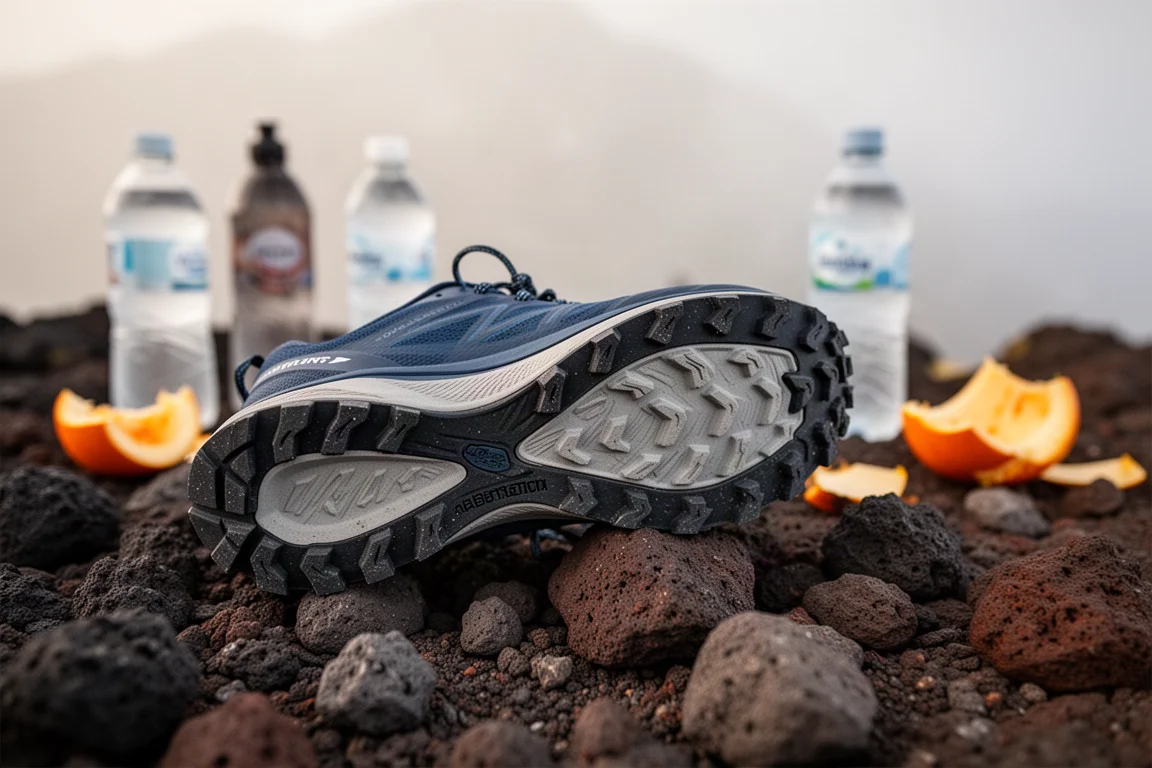
Fit is another strong point. The heel is well held with no slipping, the lace-lock system gives good midfoot security, and there is plenty of room at the end of the toe box with good clearance across the top, so even long, harsh descents produced no toenail bashing. The little toe gets slightly compressed at times on the softer platform, but nothing problematic.
View more details for The North Face Vectiv Pro 3
The Vectiv Enduris 4: The Firmer, More Direct Option
The Enduris 4 sits on a slightly lower stack and feels firmer, with noticeably more ground contact and trail connection. On a course like this one, full of steep cobbled descents and loose stones demanding constant attention, that directness made it the preferred shoe for the day.
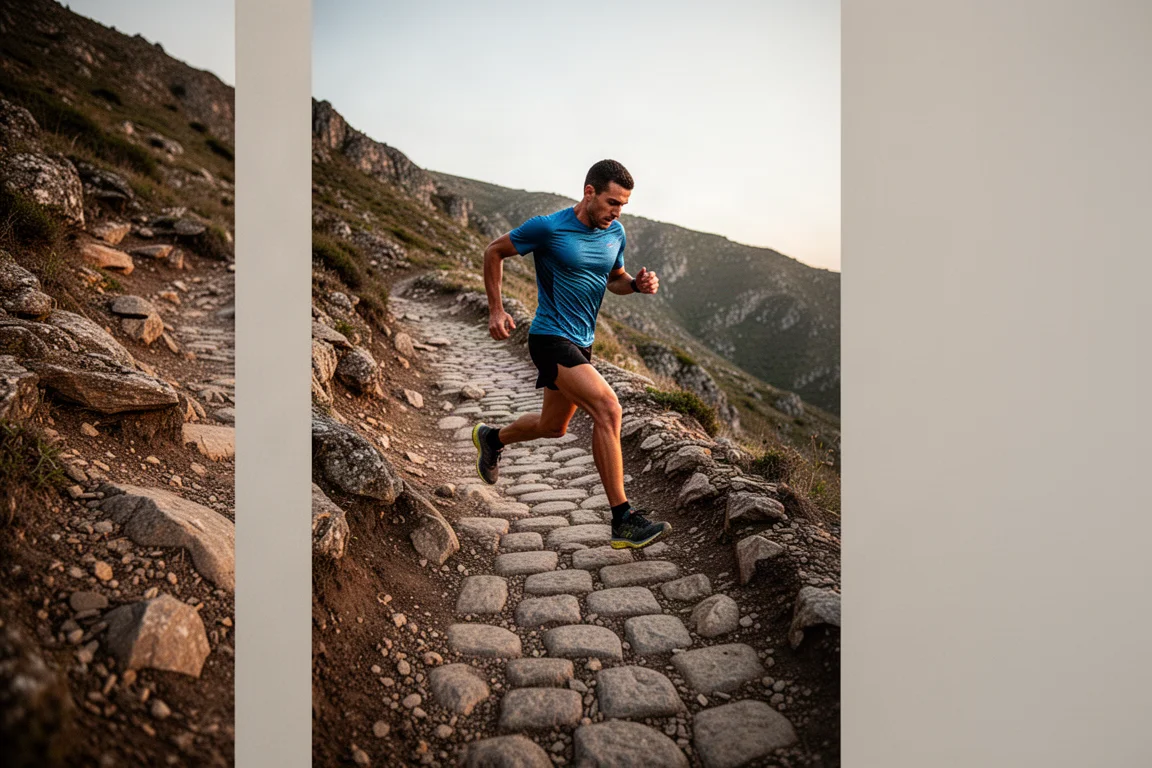
It is the less cushioned of the two, but that firmer ride translates into more immediacy and easier, more precise foot placement on technical ground. Runners who like to feel the trail under their feet and prefer a narrower, more connected experience will likely favor it over the Pro 3.
Buying Advice: Matching the Shoe to Your Terrain
If you can run happily in a higher-stacked, softer shoe, the Vectiv Pro 3 will deliver exactly that, with the protection to stay comfortable deep into a 100-mile effort. It is a strong candidate for long, runnable ultras that mix flat, hard-packed trail with road sections, where its cushioning and energy return are real advantages.

If you prefer a firmer, more immediate ride with better ground feel and narrower precision, particularly on steep, stony descents, the Enduris 4 is the better match. Neither choice is wrong; it comes down to how much softness you want versus how connected you want to feel.
Conclusion
Both shoes are well built for trail racing, and the right pick depends entirely on your terrain and preferences. Choose the Vectiv Pro 3 for long, runnable ultras where maximum cushioning matters most, and the Vectiv Enduris 4 for technical courses where precision and ground connection win the day.
Further reading
Related Reviews
Trail Running Shoes
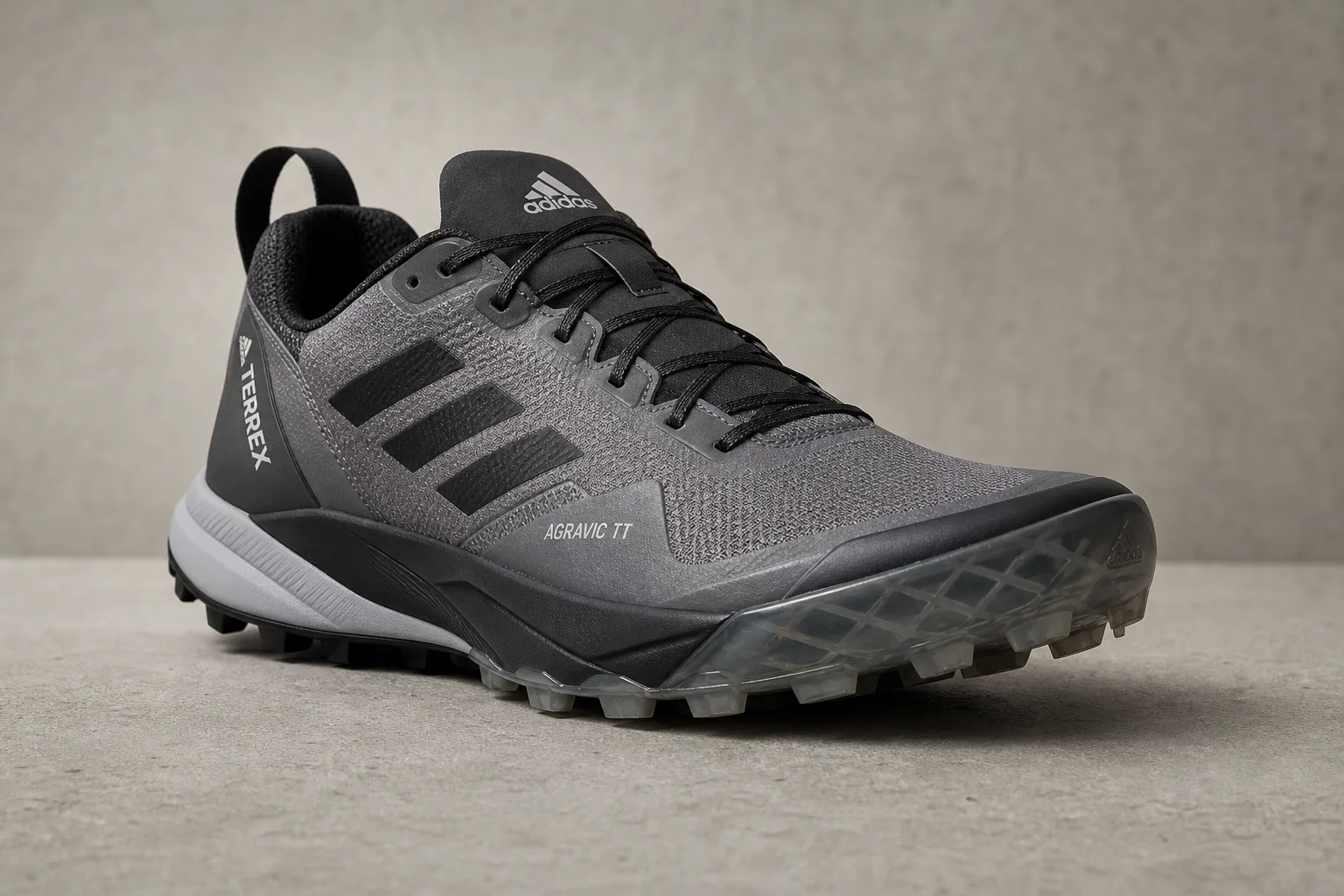
Adidas Terrex Agravic TT Review: A Technical Trail Shoe Built for Rocky Terrain
The Adidas Terrex Agravic TT combines a full-coverage rock plate with a firmer midsole to deliver protection and stability on technical, rocky trails. A capable choice for runners who prioritize underfoot defense over lightweight cushioning.
Trail Running Shoes
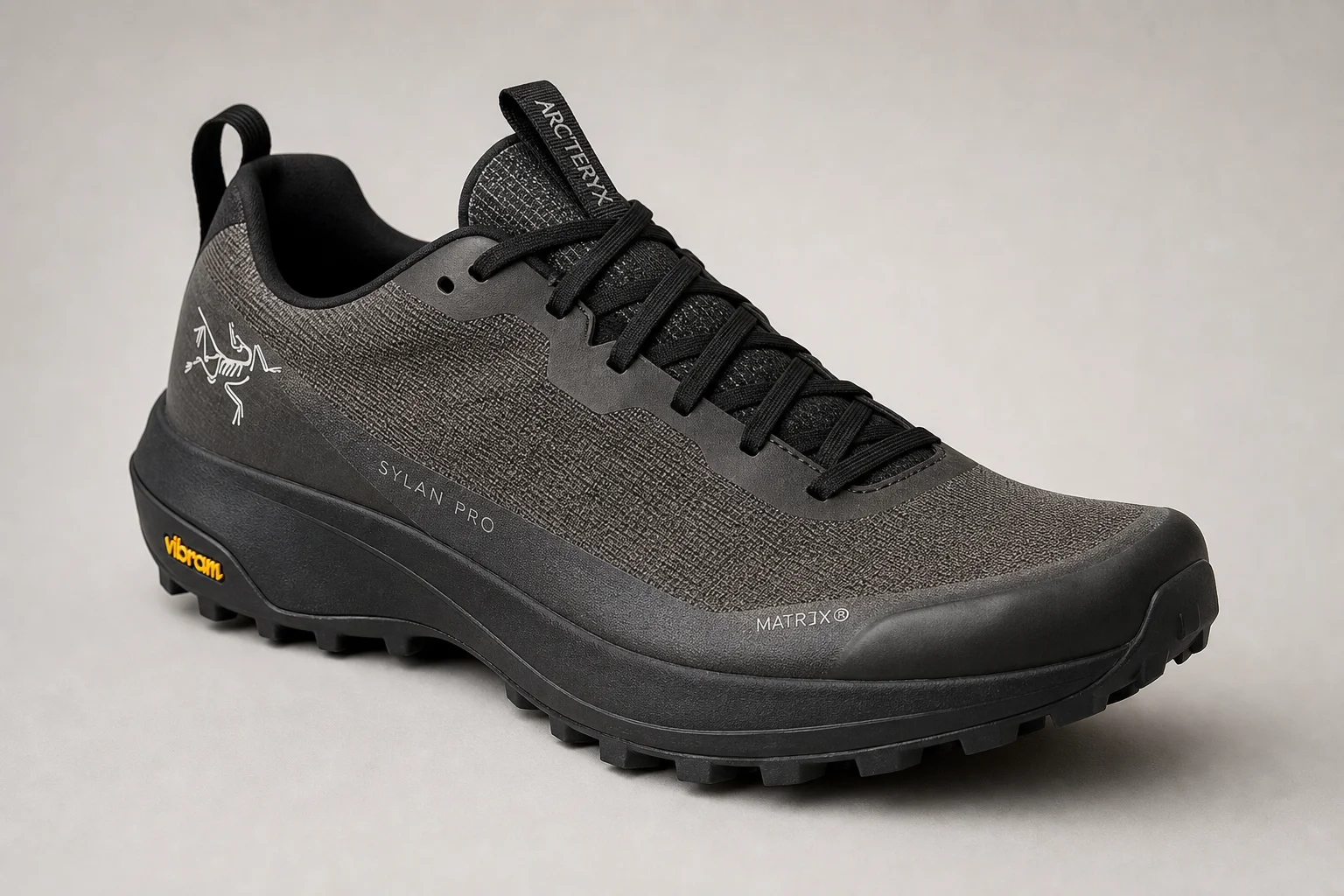
Arc'teryx Sylan Pro Review: A Rocker-Focused Mountain Running Shoe Tested on 20 Miles
The Arc'teryx Sylan Pro brings a pronounced rocker geometry and secure fit to mountain terrain. We tested it on a 20-mile Sawtooth loop to evaluate its climbing efficiency, protection, and handling of technical descents.
Trail Running Shoes
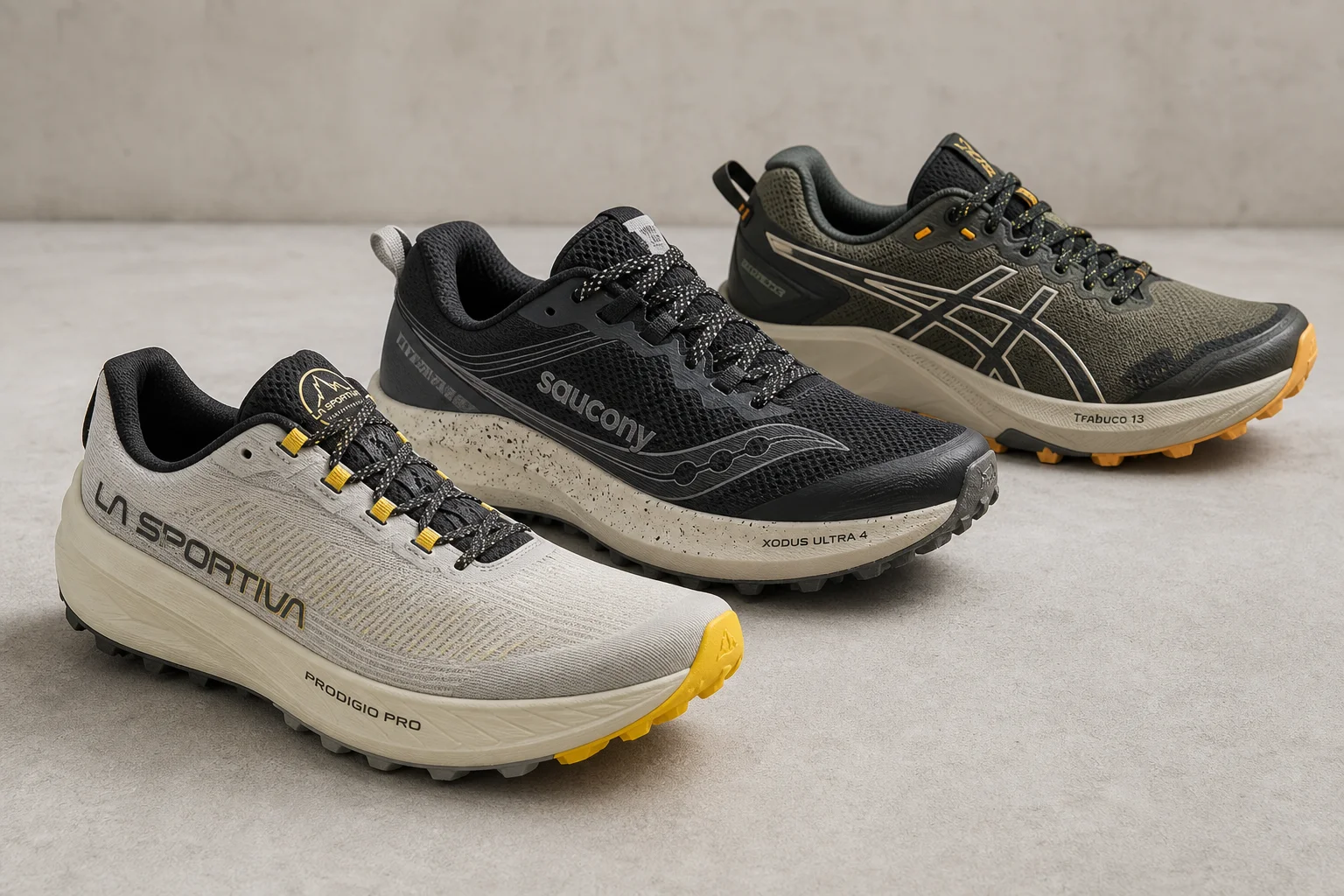
Best All-Mountain Trail Running Shoes: Three Versatile Options for Any Trail
A focused roundup of three all-mountain trail running shoes that handle technical terrain, long distances, and variable conditions with real strengths and practical trade-offs.