Trail Running Shoes
The North Face Altamesa 500 V2 Review: A Fun, Comfortable Max-Stack Trail Shoe
A bouncy, protective max-stacker built for daily training and long runs, with genuine road-to-trail versatility and a few trade-offs on technical ground.
Introduction
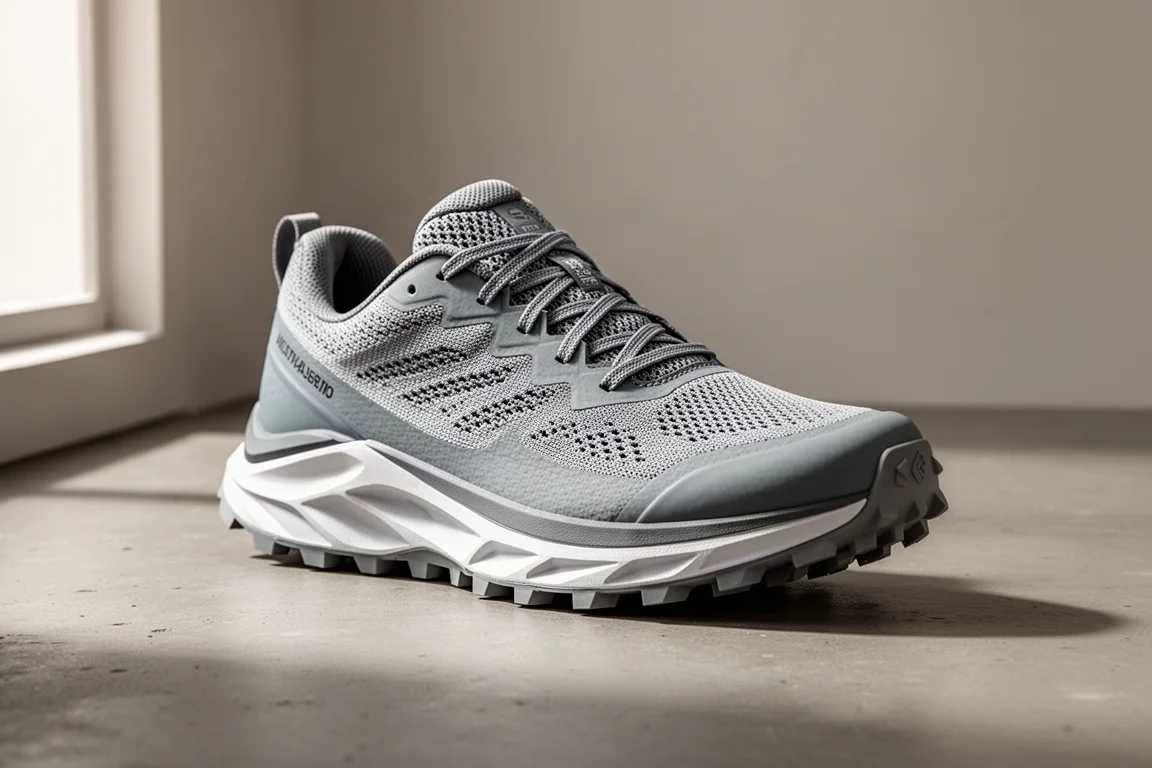
The North Face Altamesa 500 V2 is a max-stack trail running shoe built for comfortable cruising through daily training and long runs, all the way up to ultramarathon distance. Unlike the brand’s Vectiv series there is no plate in the midsole, but you do get The North Face’s springy super foam underfoot, and that midsole is arguably the shoe’s defining strength. After extended testing on a mix of dirt trails, rocky sections, and pure road, it earned a place at the very top of our personal trail shoe rankings for comfort, fun, and versatility.
What the Altamesa 500 V2 Is Designed For
This is a shoe aimed at runners who want protection and enjoyment over long distances rather than razor-sharp race agility. It handles everything from long easy efforts to ultramarathon-style days out, and its outsole and geometry make it genuinely capable on the road as well as hard-packed trails.
The stats position it as a high-stack shoe: 36 mm at the heel and 30 mm at the forefoot for a 6 mm drop, though it looks and feels like even more stack than the listed numbers suggest. At 288 g (10.2 oz) in a UK 9 / US 10, it is surprisingly light for a shoe with this much foam. Pricing differs by market: £135 in the UK, where it represents solid value for a max-stack trail shoe, versus $170 in the US, where it sits slightly above many common trail running options.
Upper, Fit, and Comfort
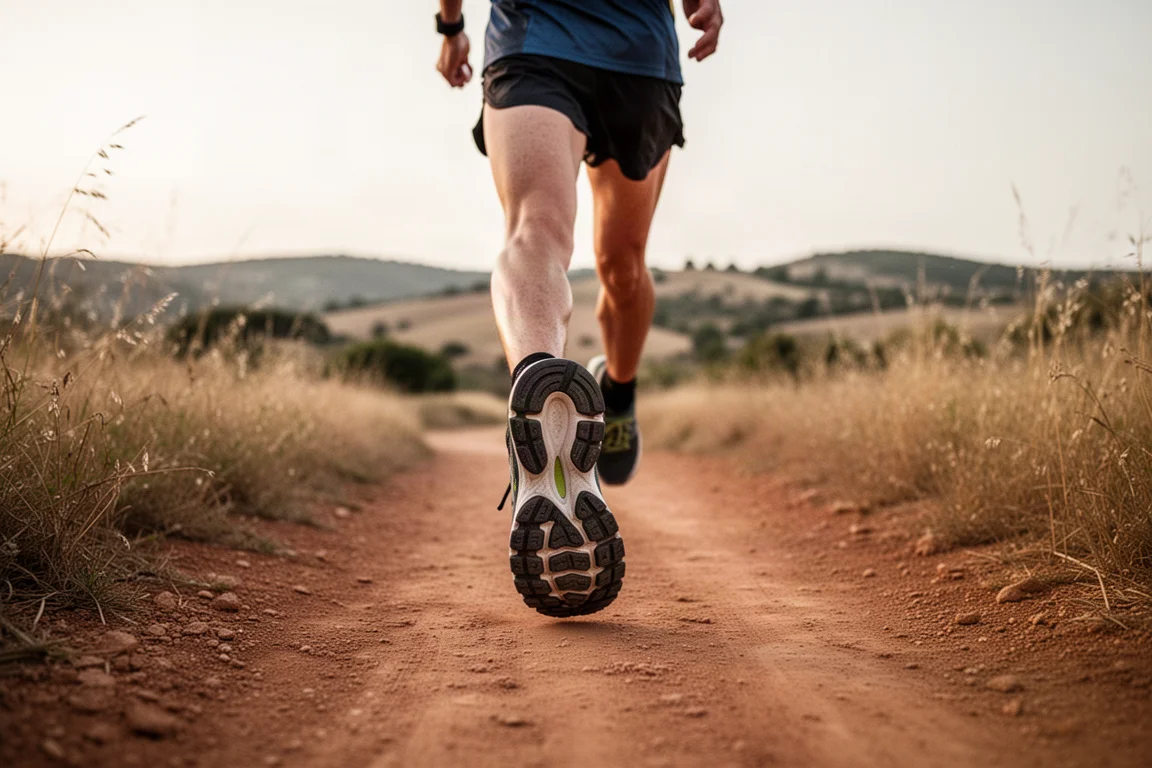
The mesh upper features a large reinforced toe cap to protect the foot on rocky trails, a pull tab at the heel, a fairly flexible internal heel counter, and collar padding, with comparatively little padding on the tongue. It feels durable and rip-resistant while staying lightweight, and it breathed well in warm conditions during testing in the low 30s Celsius.
Fit is a genuine highlight. In a normal running shoe size, the toe box is spacious, giving toes room to expand on very long runs without the foot feeling loose. Heel and midfoot hold is secure, and there was no forward sliding into the toe box on descents even at reasonable speed through corners and switchbacks. Overall, the fit is roomy where you want it and locked down where you need it.
Midsole and Ride Feel
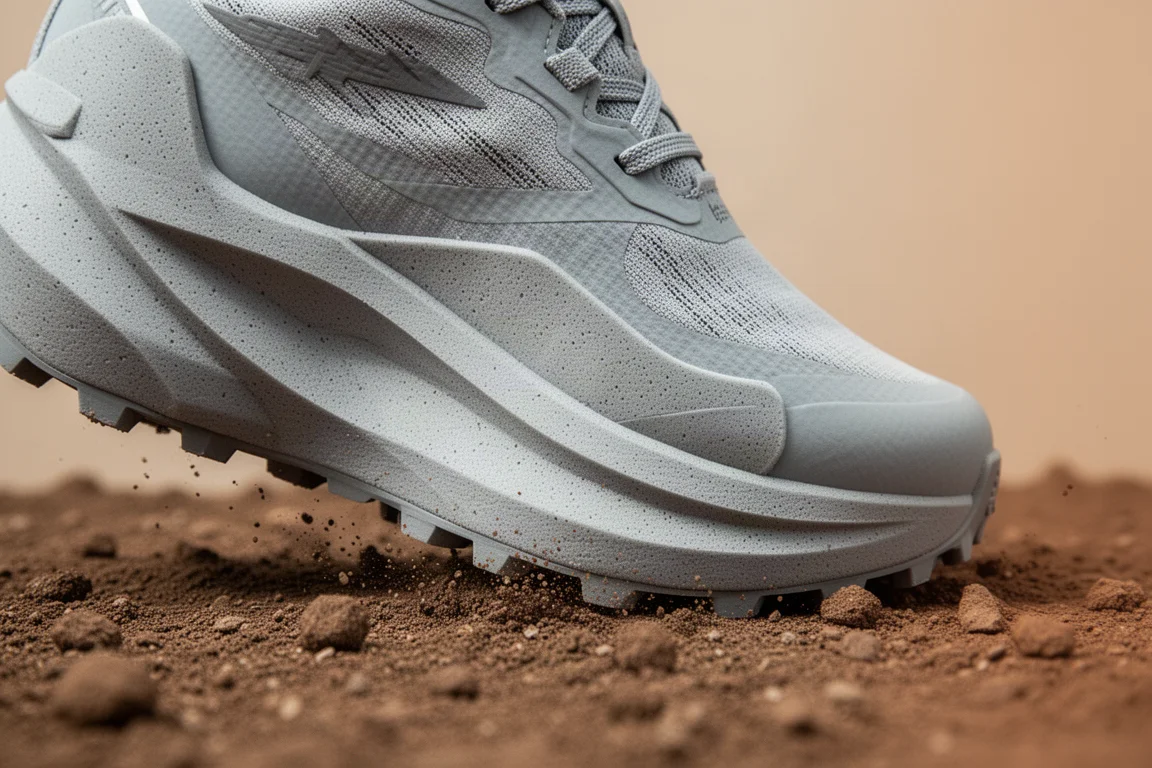
The Dream Foam midsole is a nitrogen-infused TPU compound designed to be soft, bouncy, and fun, paired with a pronounced rocker. Crucially, the shoe avoids the mushy, sink-in feeling that plagues some max-stack designs. The foam bounces back with a good level of response, the rocker rolls you onto your forefoot, and on runnable stretches you can genuinely pick up the pace with a smooth, lively ride.
For a high-stack shoe, stability has been thoughtfully managed. Foam side walls cradle the foot at the rear of the shoe, and the broad base adds assurance on runnable terrain. The trade-off is agility: on narrow, technical trails where you are landing on rock edges, the wide, high platform can feel unwieldy, and the foot can turn a fair amount on awkward landings. The outsole uses The North Face’s Surface Control rubber with 4 mm lugs that are broad and widely spaced. That means good all-round grip on hard trails and road rather than deep bite in soft surfaces like mud.
Run Test: Five Days, 50 km in Portugal
The shoe was tested as the only running shoe on a holiday in Portugal, covering just over 50 km across five days on hard-packed and loose dirt trails, rocky sections, some wet patches, and one pure road run. It handled slightly more technical stretches than expected, including large rocks and boulders to navigate up and down, while remaining comfortable for travel and walking around too.
The headline takeaway is simple: it is a really comfortable, fun shoe that provides a big protective wedge of foam. Despite doing far more downhill running than usual, legs held up remarkably well across the trip thanks to that underfoot protection. On flat, runnable trails you can push the pace comfortably thanks to the wide base and bouncy midsole.
Uphill and Downhill Performance
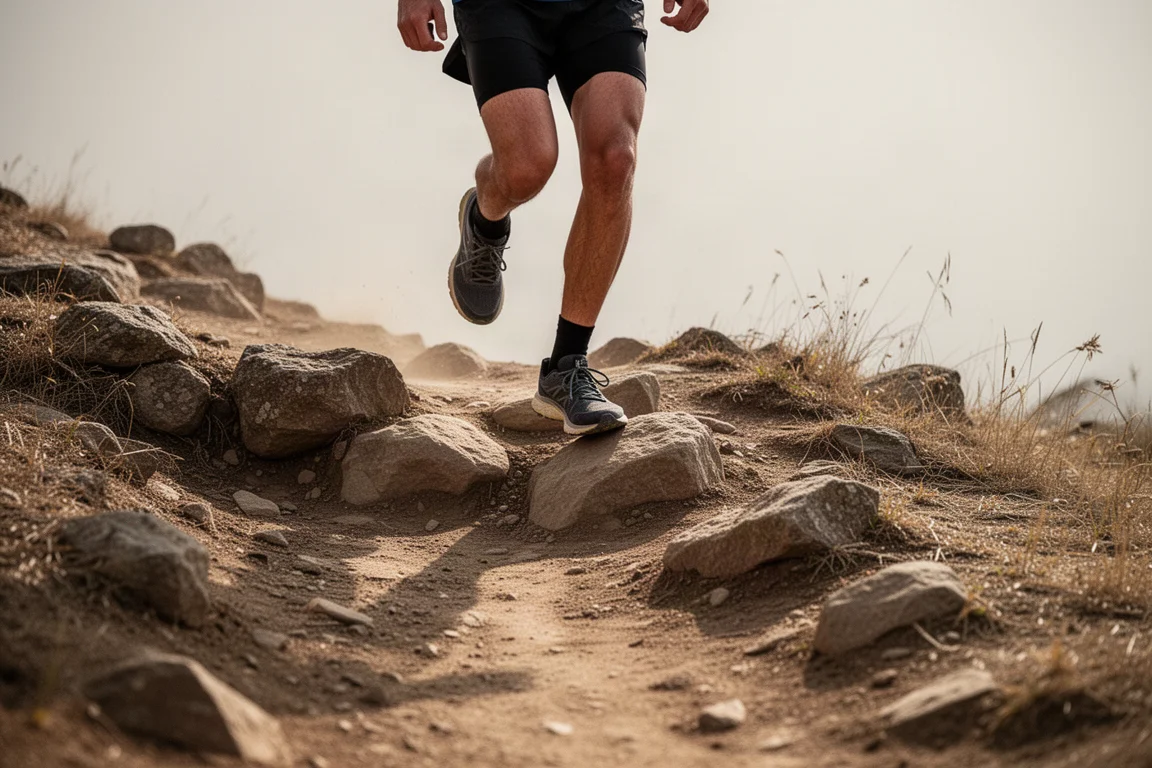
Uphill, the shoe did not feel like the impediment big shoes sometimes are. On short hill efforts with most of the work on the toes, it bounced along nicely, though nimbler and lighter options obviously exist. Downhill, the picture is more nuanced. With a clear, reasonably flat landing spot, the big wide base is very stable and reassuring. But on narrow trails where you are picking your way over rock edges, it demands careful footing, and a long technical descent would be mentally demanding in a shoe this size. A firmer, more agile option such as the Hoka Speedgoat 7 is better suited to that kind of terrain.
Grip on Different Surfaces
Grip was good for the most part: reliable on the road, fine on minor wet sections, and secure enough to scramble up flat rock surfaces. On individual rocks the shoe can occasionally slip where the stickiest Vibram Megagrip outsoles would hold more reliably. For mostly dry conditions it is dependable, but it is not the shoe to take into deep mud or very soft, wet ground.
How It Compares to Other Trail Shoes
The Altamesa 500 V2 sits in a crowded road-to-trail segment, and several alternatives are worth knowing about depending on what you prioritize.
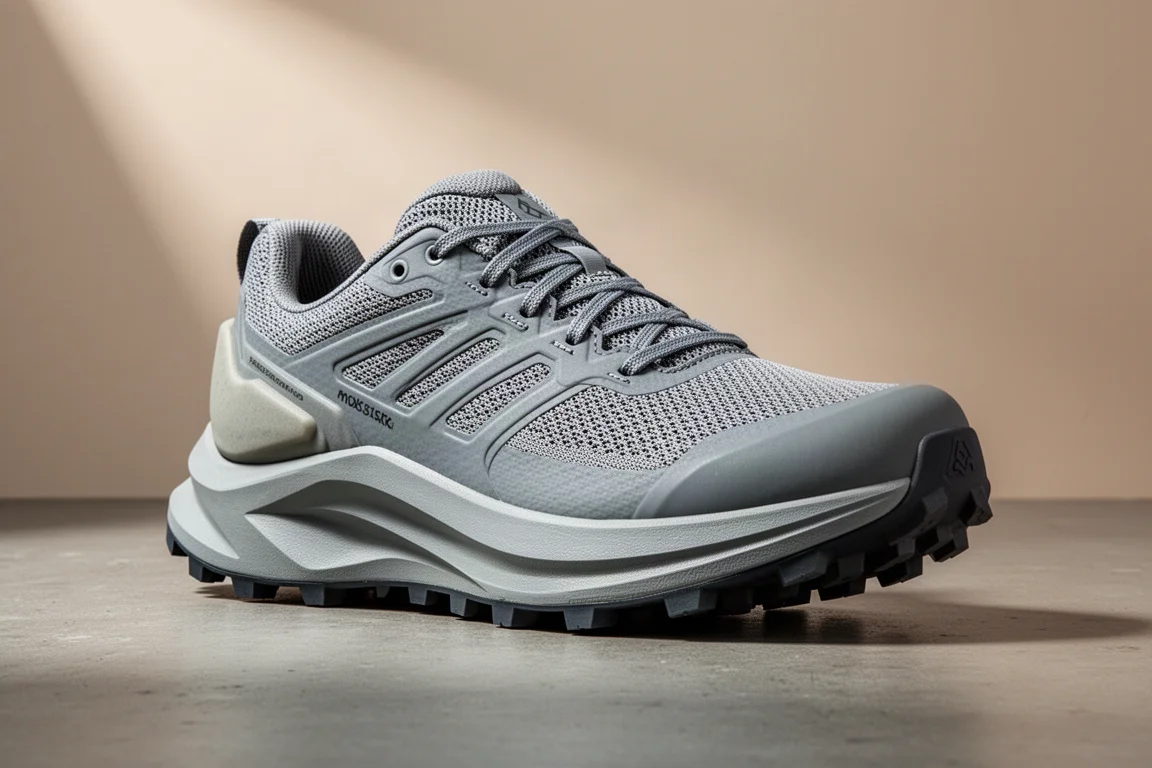
The Kiprun Kip Summit Max shares a similar comfortable, max-cushion character, but the North Face feels a bit more comfortable and fun for general cruising, while the Kiprun has more life at faster paces and is more assured on narrow, technical trails. It is also a little cheaper, making it a strong value pick for runners who want a wider terrain range.
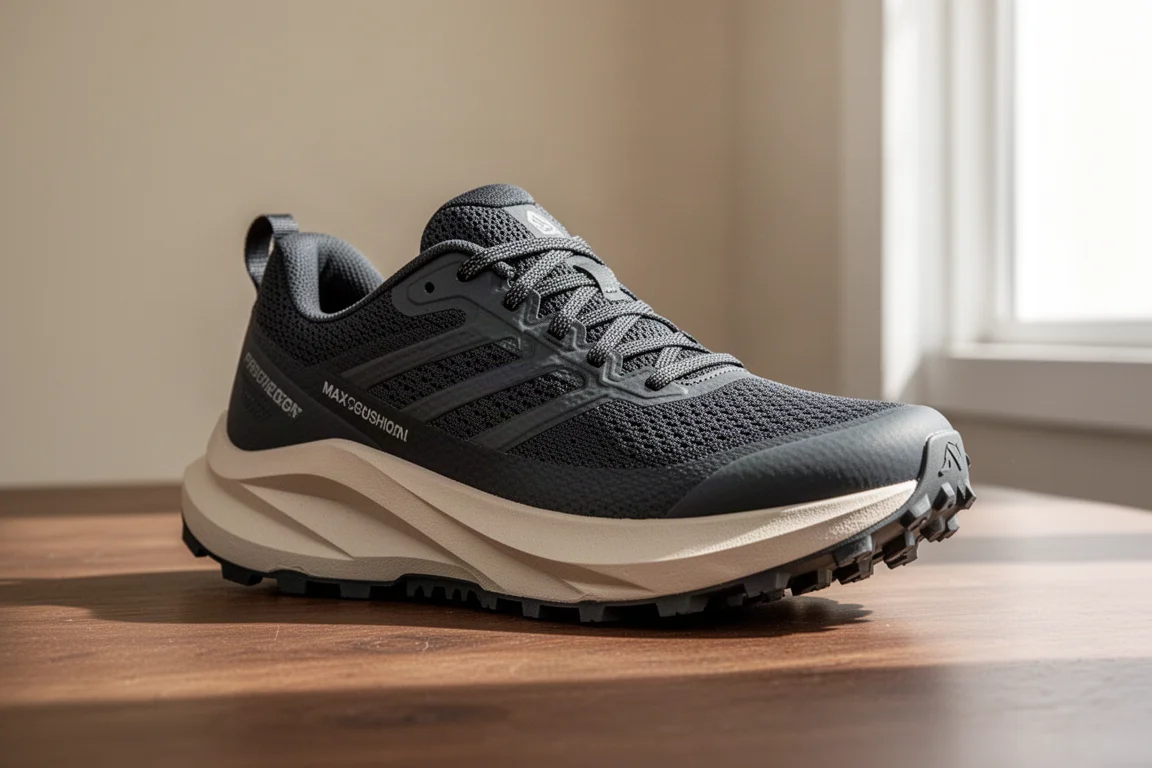
The Hoka Speedgoat 7 is the more serious option of this group: lighter, firmer, and more nimble, with a tighter upper and better protection and assurance on technical trails. It is not as fun or cruisy as the North Face, but for rough, demanding terrain it is the stronger performer.
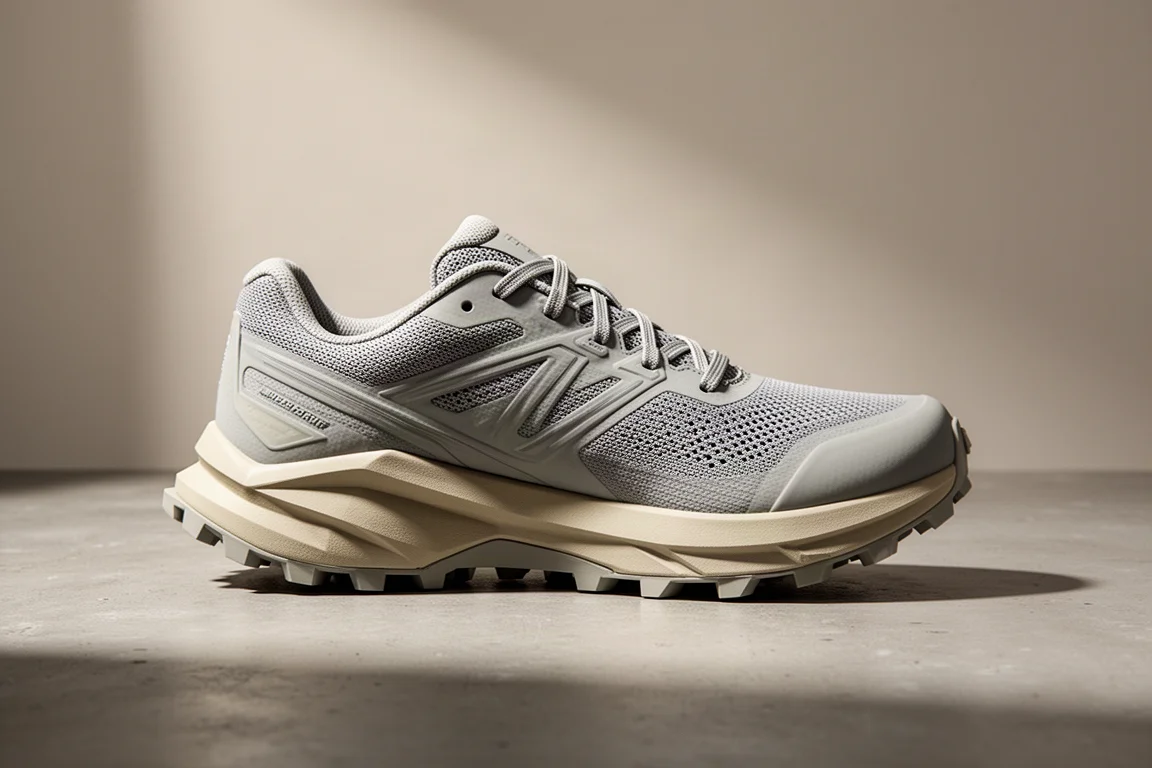
The Hoka Challenger 8 is arguably the closest comparison in range. It has a similar fun, versatile vibe with a nice rocker, and it may be slightly lighter. In testing it felt a little less stable than the Altamesa 500, and the North Face’s Dream Foam still feels bouncier and more enjoyable underfoot.
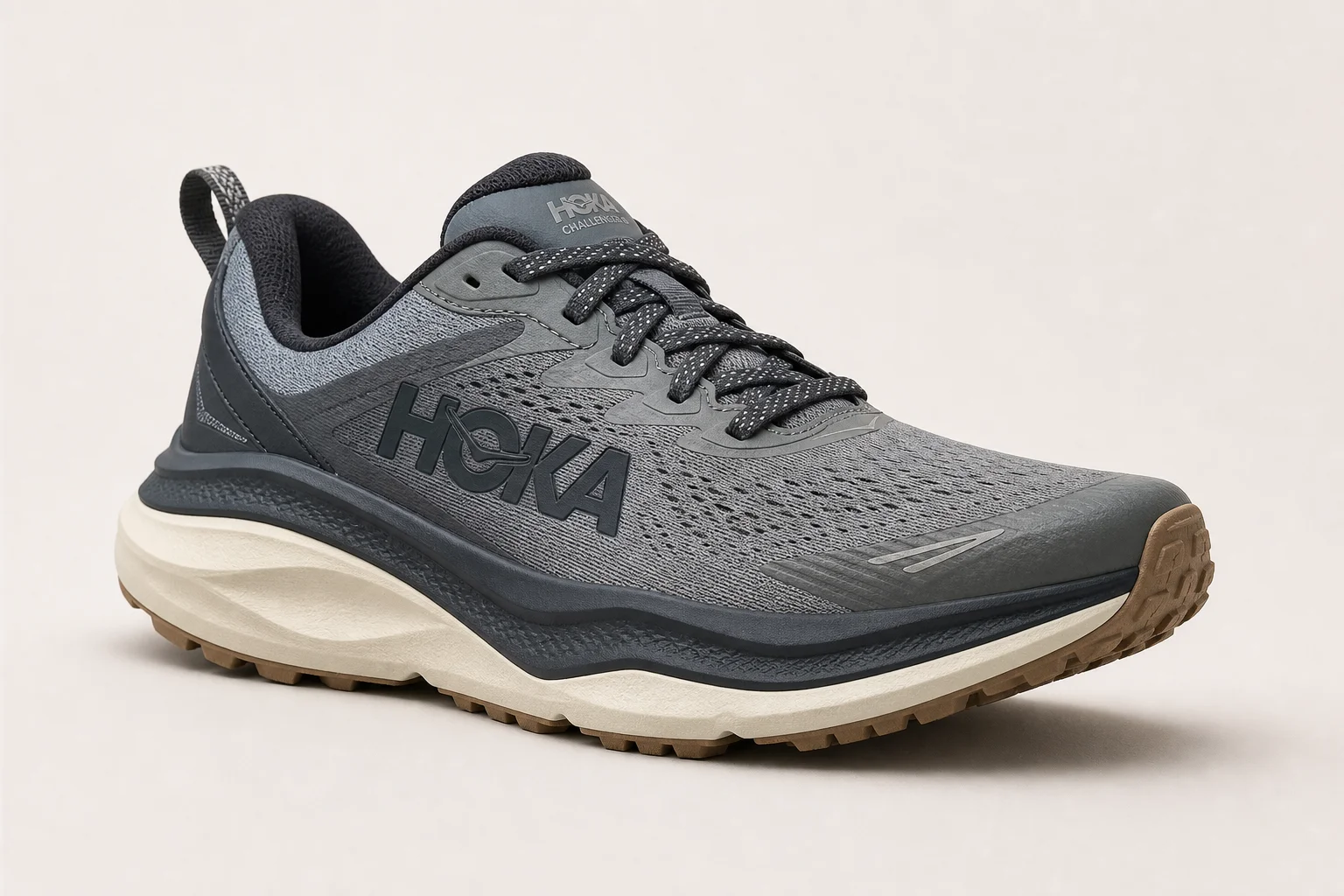
The Salomon Aeroglide is a gravel-focused shoe with a lighter feel and more versatility across paces as a daily trainer. It feels more cushioned and cruisy in its own right, but the North Face offers more trail capability, while the Aeroglide stretches further across different paces.
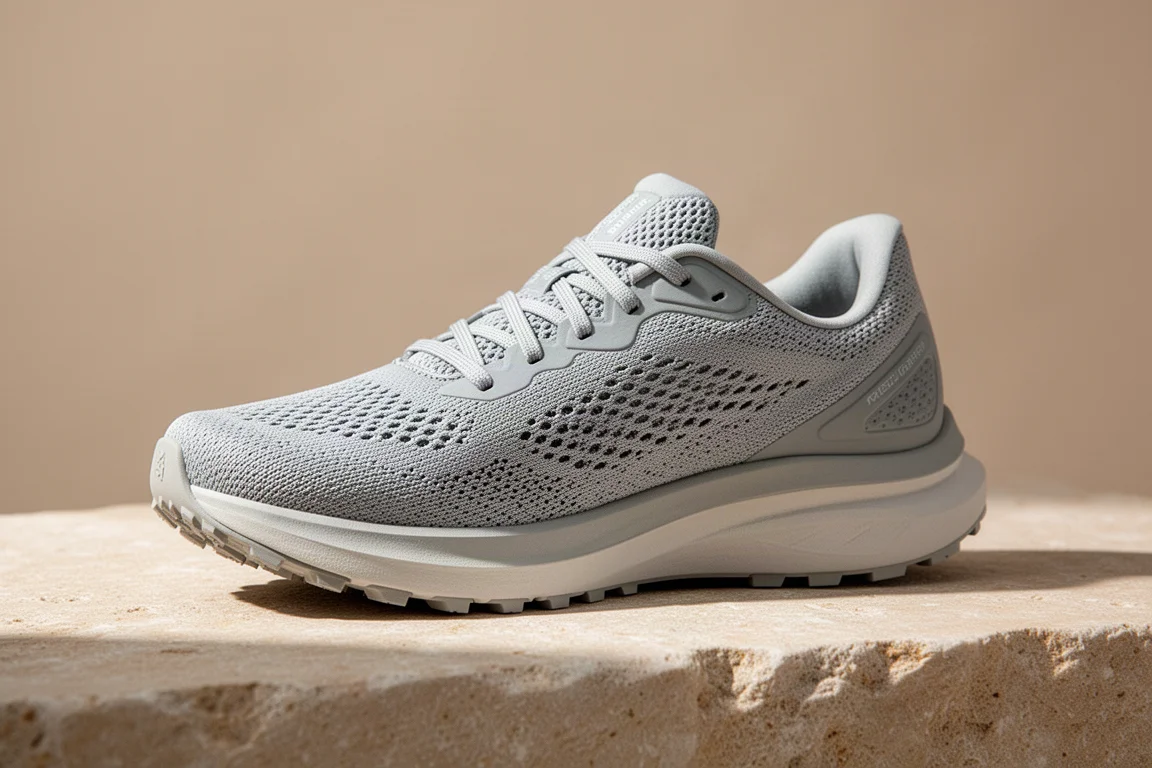
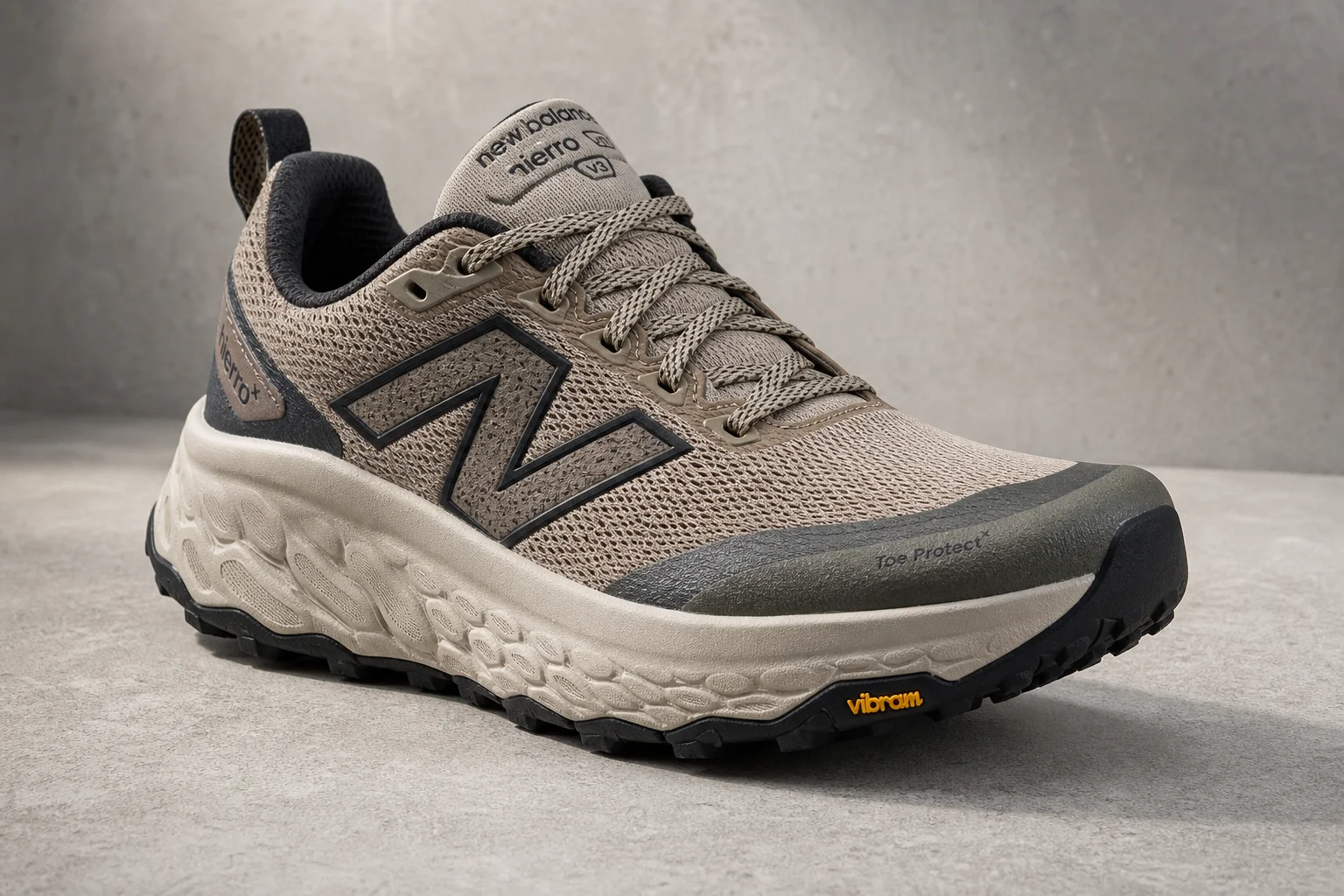
The New Balance Hierro V9 rounds out the road-to-trail category with broadly similar characteristics and use cases. The midsole is perfectly fine, but it lacks the bounce, fun, and comfort of the Dream Foam in the North Face, and that foam is what truly separates the Altamesa 500 V2 from much of the market.
Buying Advice
If most of your trail running happens on runnable, moderate terrain and you want a comfortable, protective shoe that can also handle road sections, the Altamesa 500 V2 is an excellent choice. It is particularly compelling in the UK at £135, where it works as a year-round option on tamer forest paths and a great summer trail shoe. Runners who regularly tackle narrow, technical trails or long mountain descents would be better served by a firmer, more agile shoe such as the Speedgoat 7, and those who want more pace range or a lower price should look at the Kip Summit Max.

Conclusion
The North Face Altamesa 500 V2 is a fun, comfortable, and protective max-stack trail shoe with a genuinely excellent midsole. It is not the tool for super-technical ground, but for daily training, long runs, and road-to-trail versatility, it is one of the most enjoyable options currently available. The foam alone is enough to put it ahead of many rivals, and it is a shoe we will happily keep running in.
Further reading
Related Reviews
Trail Running Shoes
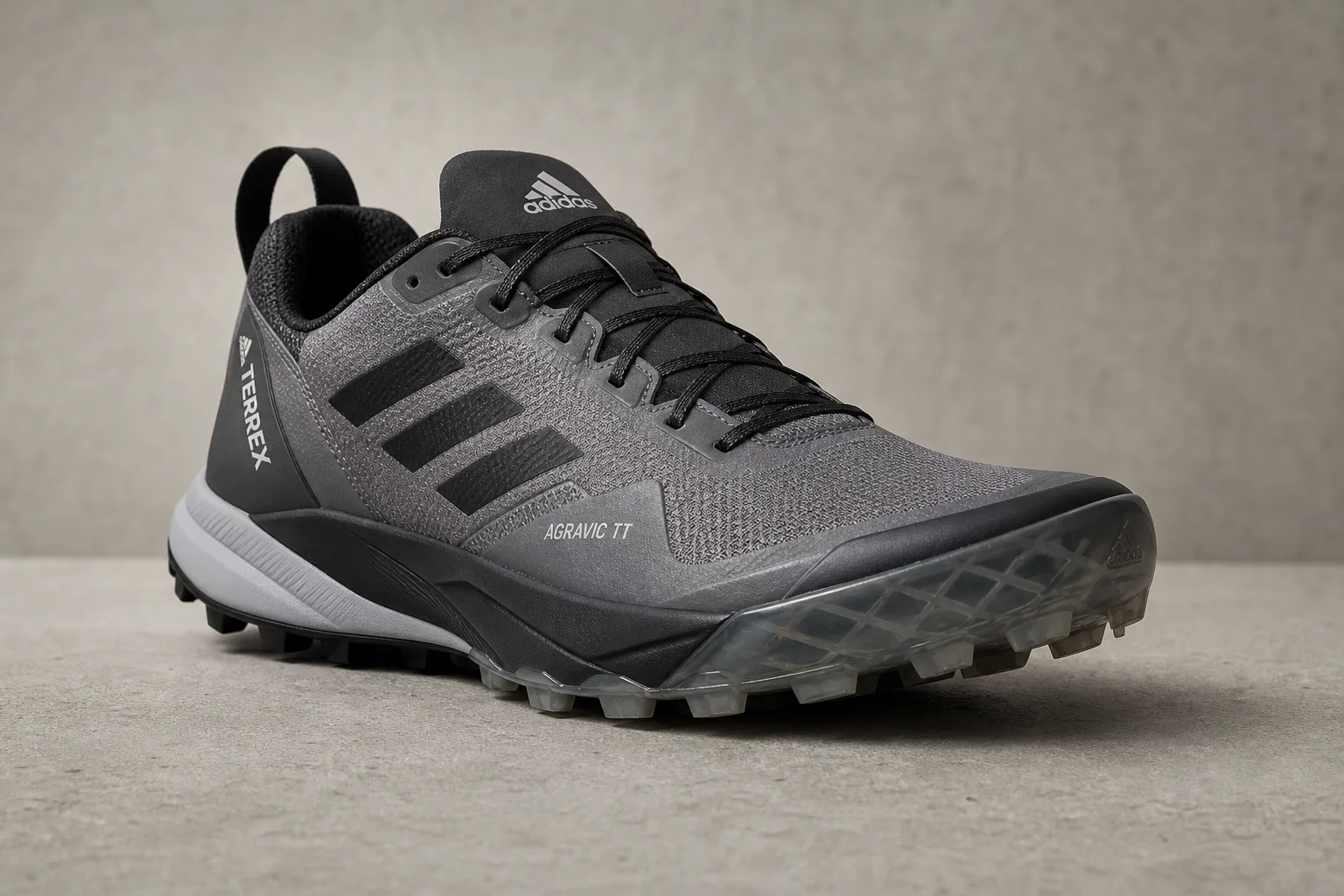
Adidas Terrex Agravic TT Review: A Technical Trail Shoe Built for Rocky Terrain
The Adidas Terrex Agravic TT combines a full-coverage rock plate with a firmer midsole to deliver protection and stability on technical, rocky trails. A capable choice for runners who prioritize underfoot defense over lightweight cushioning.
Trail Running Shoes
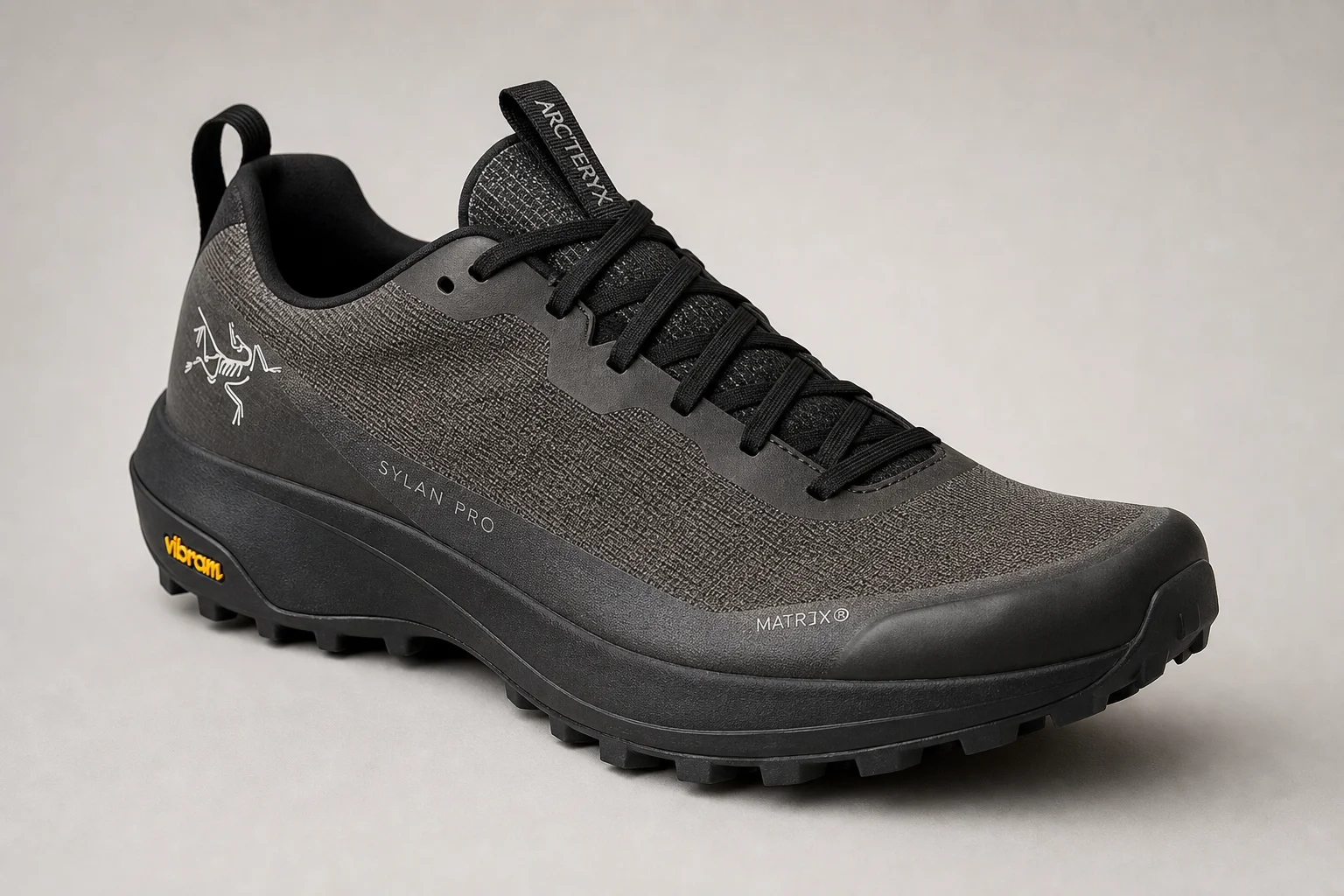
Arc'teryx Sylan Pro Review: A Rocker-Focused Mountain Running Shoe Tested on 20 Miles
The Arc'teryx Sylan Pro brings a pronounced rocker geometry and secure fit to mountain terrain. We tested it on a 20-mile Sawtooth loop to evaluate its climbing efficiency, protection, and handling of technical descents.
Trail Running Shoes
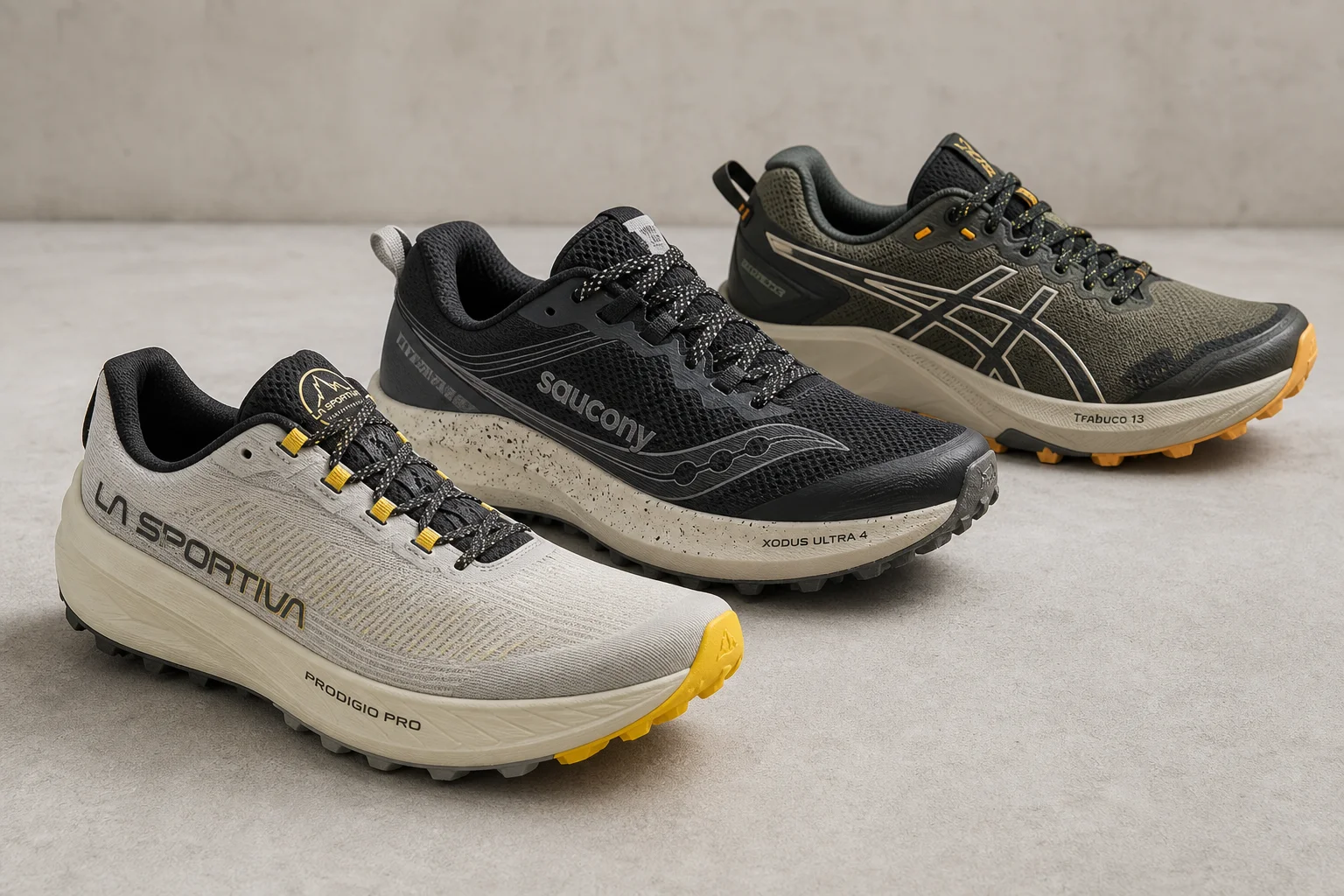
Best All-Mountain Trail Running Shoes: Three Versatile Options for Any Trail
A focused roundup of three all-mountain trail running shoes that handle technical terrain, long distances, and variable conditions with real strengths and practical trade-offs.