Trail Running Shoes
The North Face Altamesa 300 V2 Review: Simple, Bouncy, and Built for Everyday Trails
A lighter, overhauled everyday trail runner with a character-filled EVA midsole, a roomy upper, and one early-ride caveat worth knowing before you buy.
Introduction
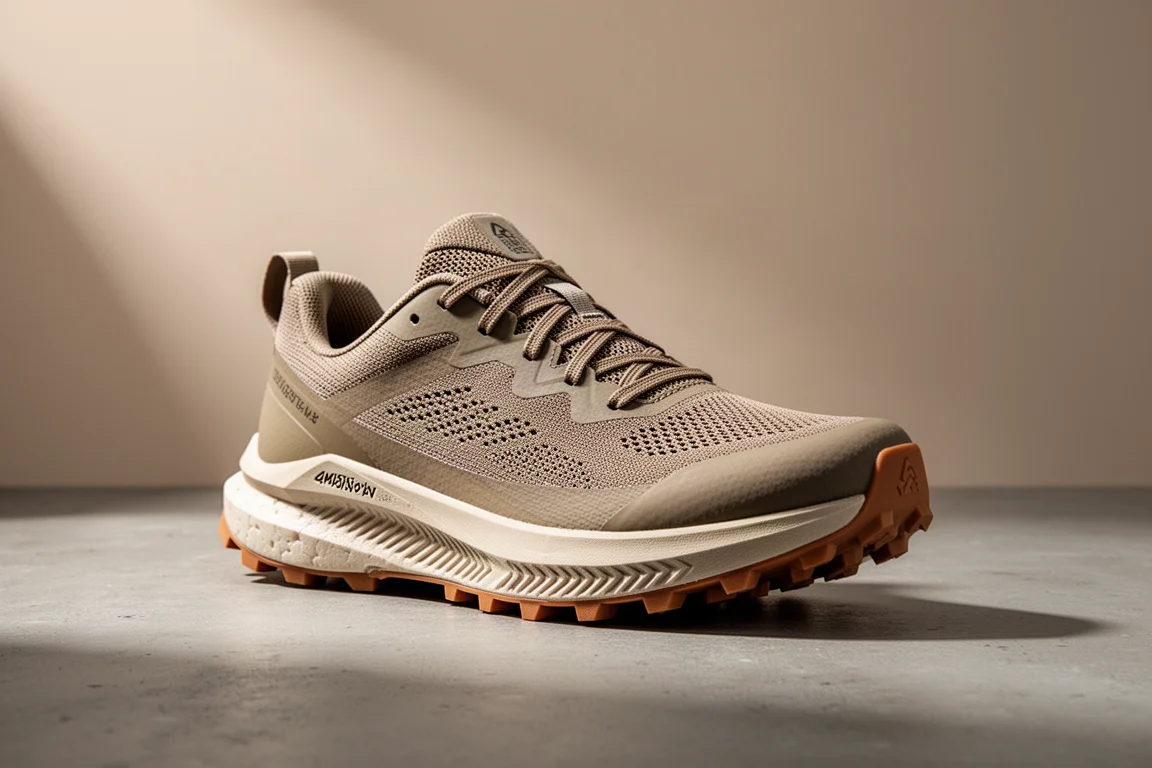
The North Face Altamesa 300 V2 is a good example of a trend that has worked well across trail running this year: everyday, all-terrain trail shoes that do simplicity really well. The silhouette and intended use are basically the same as before, but every single piece of the shoe has been adjusted in terms of materials, making it a much lighter and more functional package.
The North Face positions this shoe to ride the line of being a door-to-trail runner, similar to the Altamesa 500 V2, but with a bit more trail capability at a certain price point. At $150, it lands in a competitive everyday trail runner category, and the ride itself turns out to be surprisingly solid given how simple the recipe looks on paper.
Who This Shoe Is For
This is a shoe for runners who want one versatile pair for most of their running: road-to-trail days, smoother paths, and moderately technical terrain. It is not an aggressive mountain weapon, but it is confident on a lot of different surfaces.
It is also a strong option for runners who like a roomy fit. If you prefer a wider, more accommodating upper with plenty of vertical volume in the midfoot and forefoot, this one could really be of use to you.

Main Strengths
The upper is a seamless engineered mesh, which is fairly standard for trail shoes these days, but it maps over the foot really well. It is lightweight, breathable, and durable, and there is no concern about it blowing out in the forefoot on either side, something you had to worry about with shoes in the past. It uses the same last as the Altamesa 500 V2, so the fit is roomy, especially in the midfoot and forefoot, with a bit of extra length depending on how the volume sits on your foot.
Dialing in the fit is helped by a structured and moderately padded heel collar, race laces that appear across The North Face trail line, and a gusseted tongue. Sliding around within the shoe was not much of an issue, and even a bit of forefoot movement could be managed by cinching down appropriately.
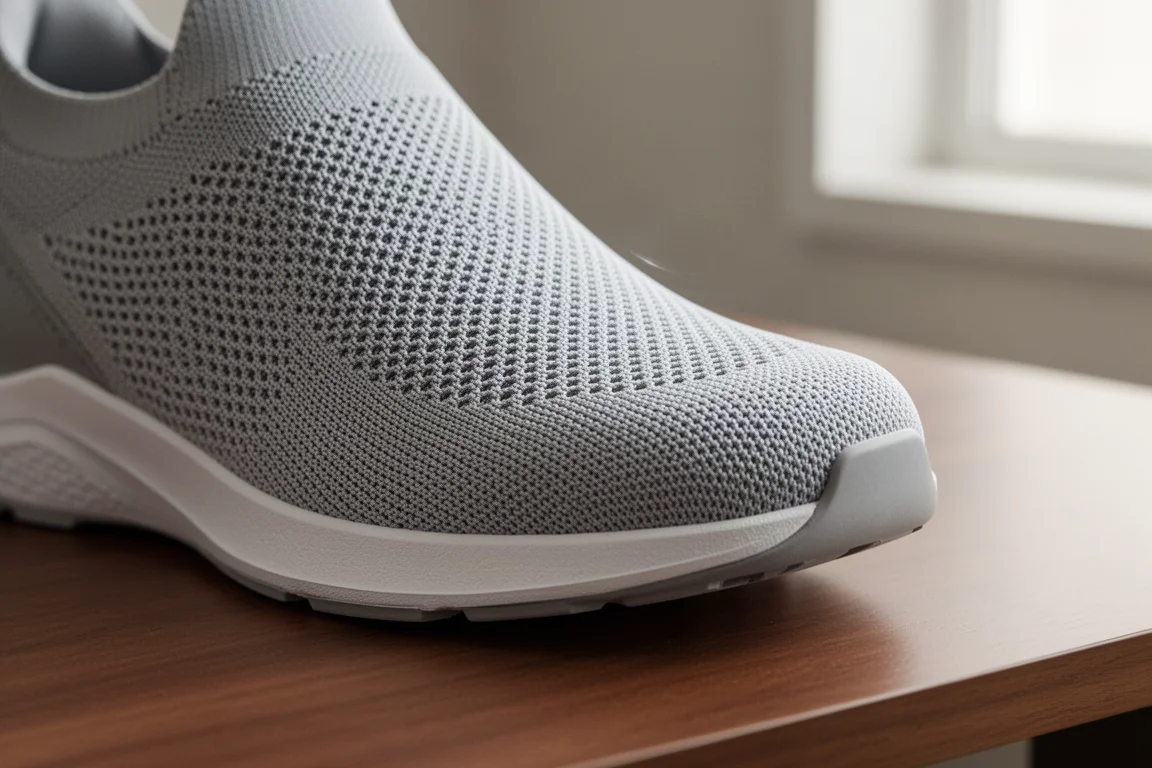
The midsole is the big part of the story. It is EVA, and it is almost reluctant to call it just EVA, because without being told, many runners would assume some supercritical process or material blending is involved. It is one of the most character-filled traditional EVA midsoles available: bouncy, soft, and genuinely fun on the first few runs. The stack measures 31 to 25, counting only the midsole and outsole, so the overall stack with insole and strobel layers likely lands around 35mm, a moderate to borderline-high stack. A slight forefoot rocker makes smoother terrain feel nice without limiting movement on more moderately technical ground, and there is a good amount of stability in the forefoot.
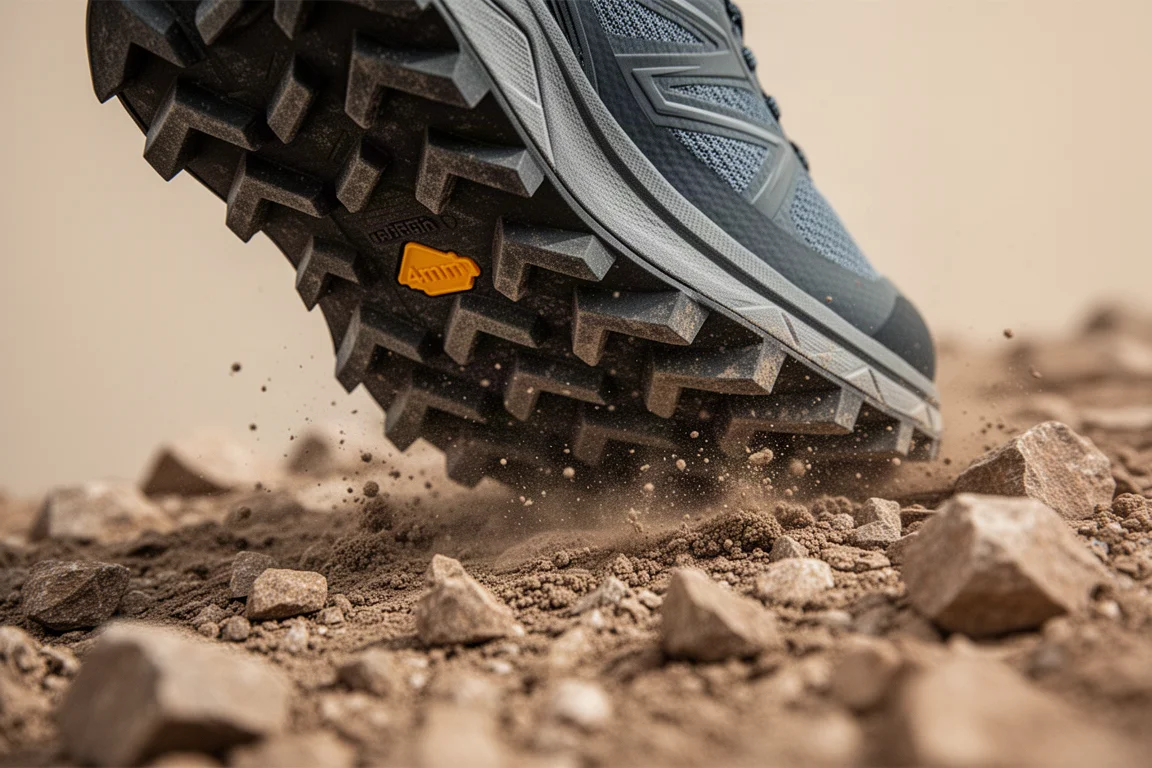
Underfoot, the outsole is brand-new Surface Control 2.0 rubber with adjusted lug depth and lug shape. The 4mm chevron-style lugs dig in and perform well across many conditions, which makes the shoe versatile on hard-packed and lighter terrain. The only real struggles came in snow patches and deeper mud, which few shoes handle without deeper lugs.
Weight is another clear win. The V2 comes in at 9.4 oz (267 g) for a men’s US 9, or 8.5 oz (242 g) for a women’s US 7. All reviewers remarked that it felt much lighter than the previous model, making for a more balanced package all the way around.
Things to Consider Before Buying
The main concern is durability of the ride character. The bouncy, fun sensation from the first couple of runs started to wane around the 30 to 50 mile range, with the forefoot rocker feeling like it was flattening out and some of the foam’s character fading. A shoe should ideally hold its feel for at least 300 miles, and it is simply unknown whether this midsole retains enough of that early character over the long haul.
The shoe you take out of the box will not be exactly the same shoe 50 miles in, so buyers should weigh that early softening against the otherwise strong performance. The good news is that the fit is easy to adjust, and for most runners the structure of the upper and the outsole grip should remain dependable well beyond the point where the foam settles.
Buying Advice
At $150, the combination of design and performance feels like a bargain in a lot of ways, with the durability question being the one real caveat. If you tend to rotate shoes or log moderate weekly mileage, the early-life ride may matter less to you. If you expect one pair to carry 300+ miles of the same lively feel, it is worth tempering expectations or planning to reassess as the miles accumulate.
Compared with the Altamesa 500 V2, this one has a similar fit and a comparable ride, but a slightly lower stack and less premium material feel. The La Sportiva Prodigio 2 offers similar cushion and protection with a bit more ground connection and a more generous upper. Topo Athletic’s Mountain Racer 4 and Venture 4 deliver a similar light, airy, well-protected feel that keeps you connected without feeling far off the ground.
Conclusion
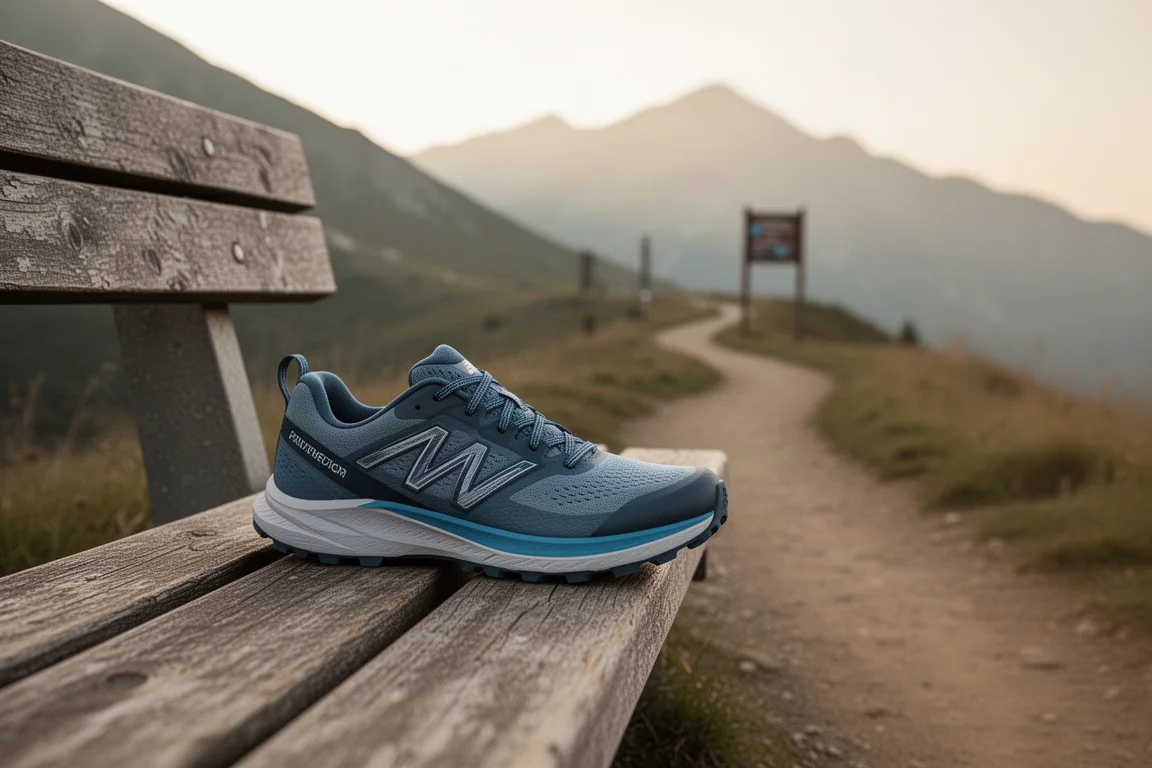
The North Face Altamesa 300 V2 is a fun, confident shoe you can take off the wall for virtually anything from road to trail, and the thoughtful material overhaul makes it a much lighter, better-balanced shoe than its predecessor. The one honest reservation is how quickly some of that midsole character fades early on. If the ride stays lively for you over the long run, the $150 price makes this an easy recommendation for an everyday trail rotation.
Product link
View more details for The North Face Altamesa 300 V2
This product is mentioned in the review. Check the specifications, options, and compatibility before buying.
View more details for The North Face Altamesa 300 V2Further reading
Related Reviews
Trail Running Shoes
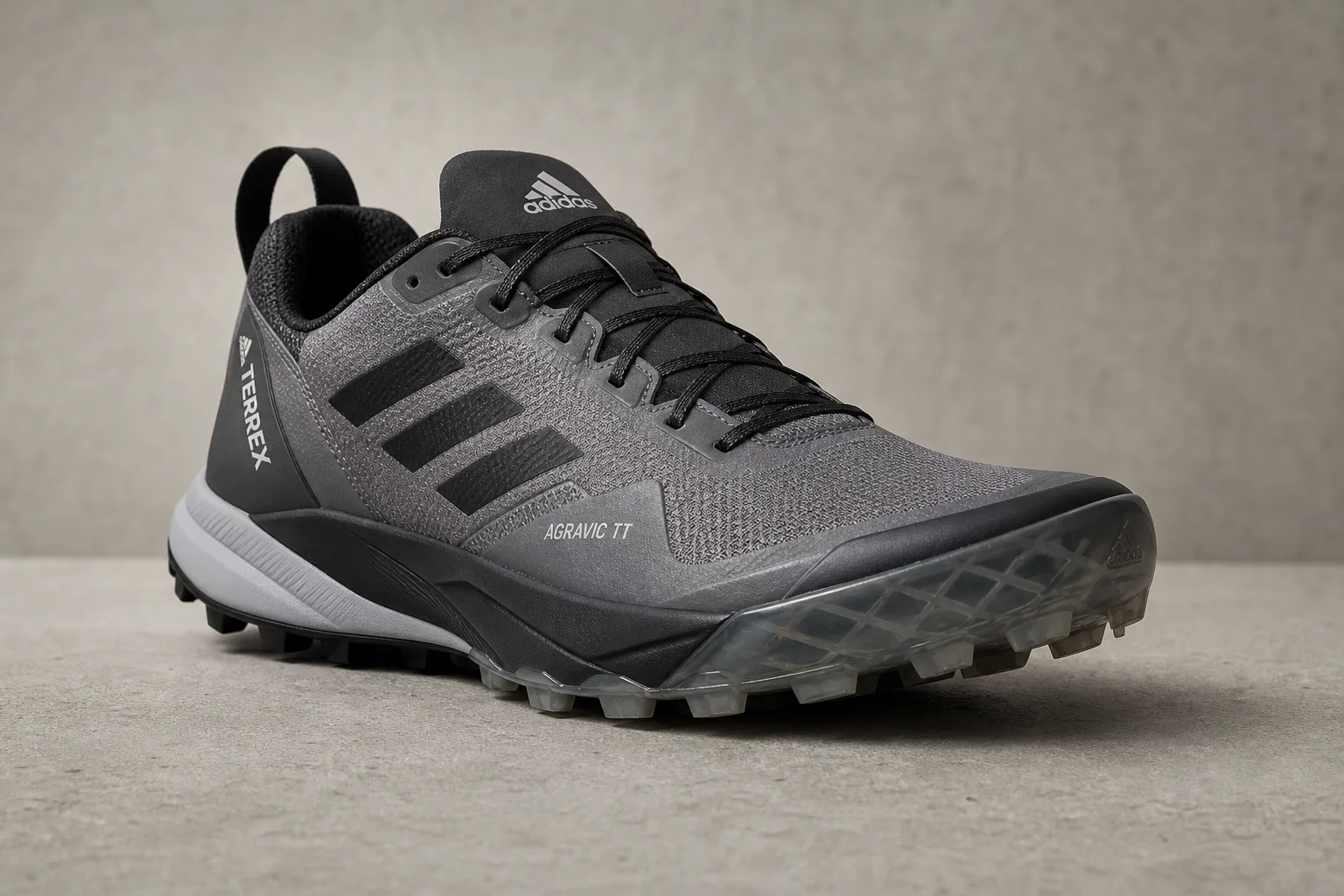
Adidas Terrex Agravic TT Review: A Technical Trail Shoe Built for Rocky Terrain
The Adidas Terrex Agravic TT combines a full-coverage rock plate with a firmer midsole to deliver protection and stability on technical, rocky trails. A capable choice for runners who prioritize underfoot defense over lightweight cushioning.
Trail Running Shoes
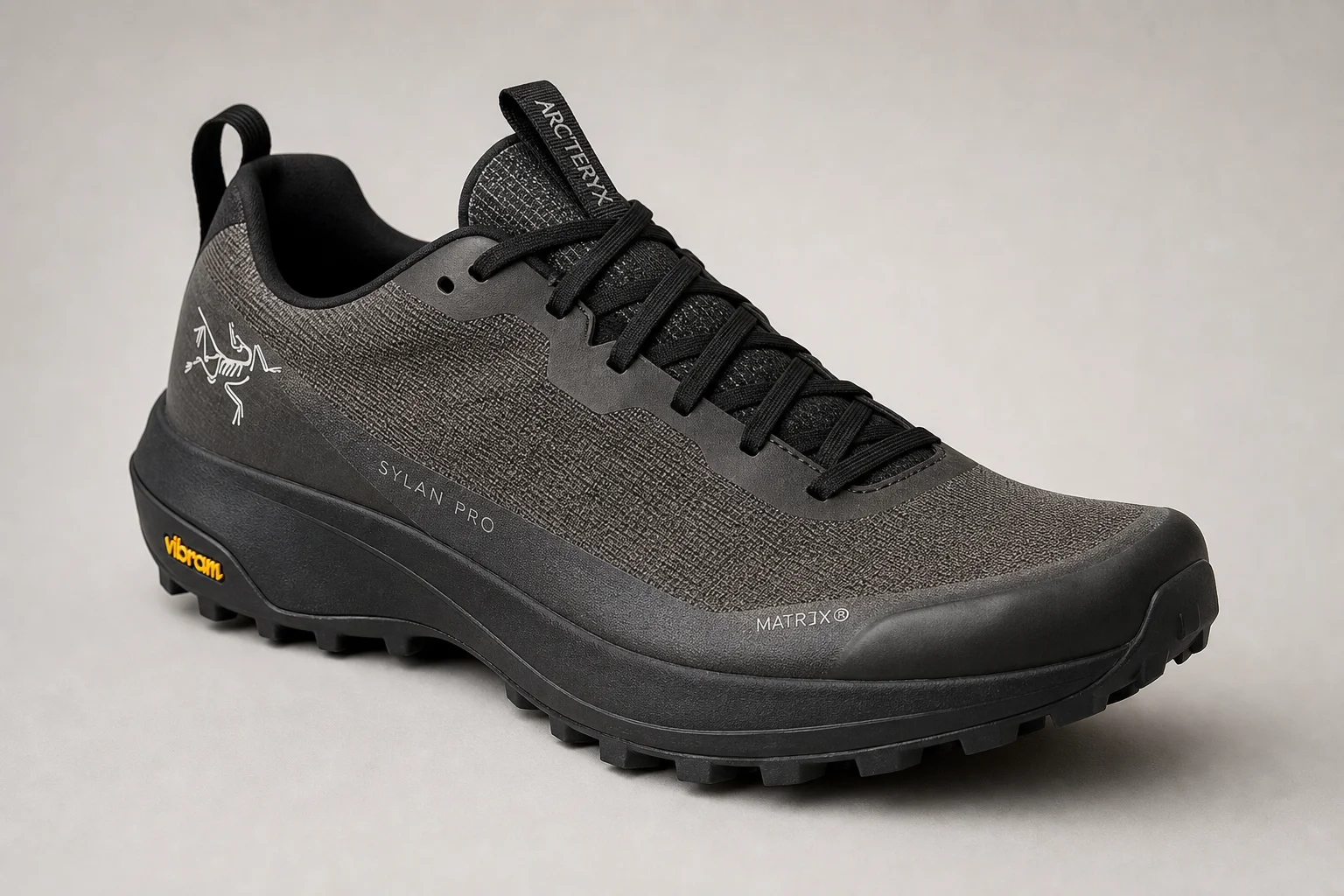
Arc'teryx Sylan Pro Review: A Rocker-Focused Mountain Running Shoe Tested on 20 Miles
The Arc'teryx Sylan Pro brings a pronounced rocker geometry and secure fit to mountain terrain. We tested it on a 20-mile Sawtooth loop to evaluate its climbing efficiency, protection, and handling of technical descents.
Trail Running Shoes
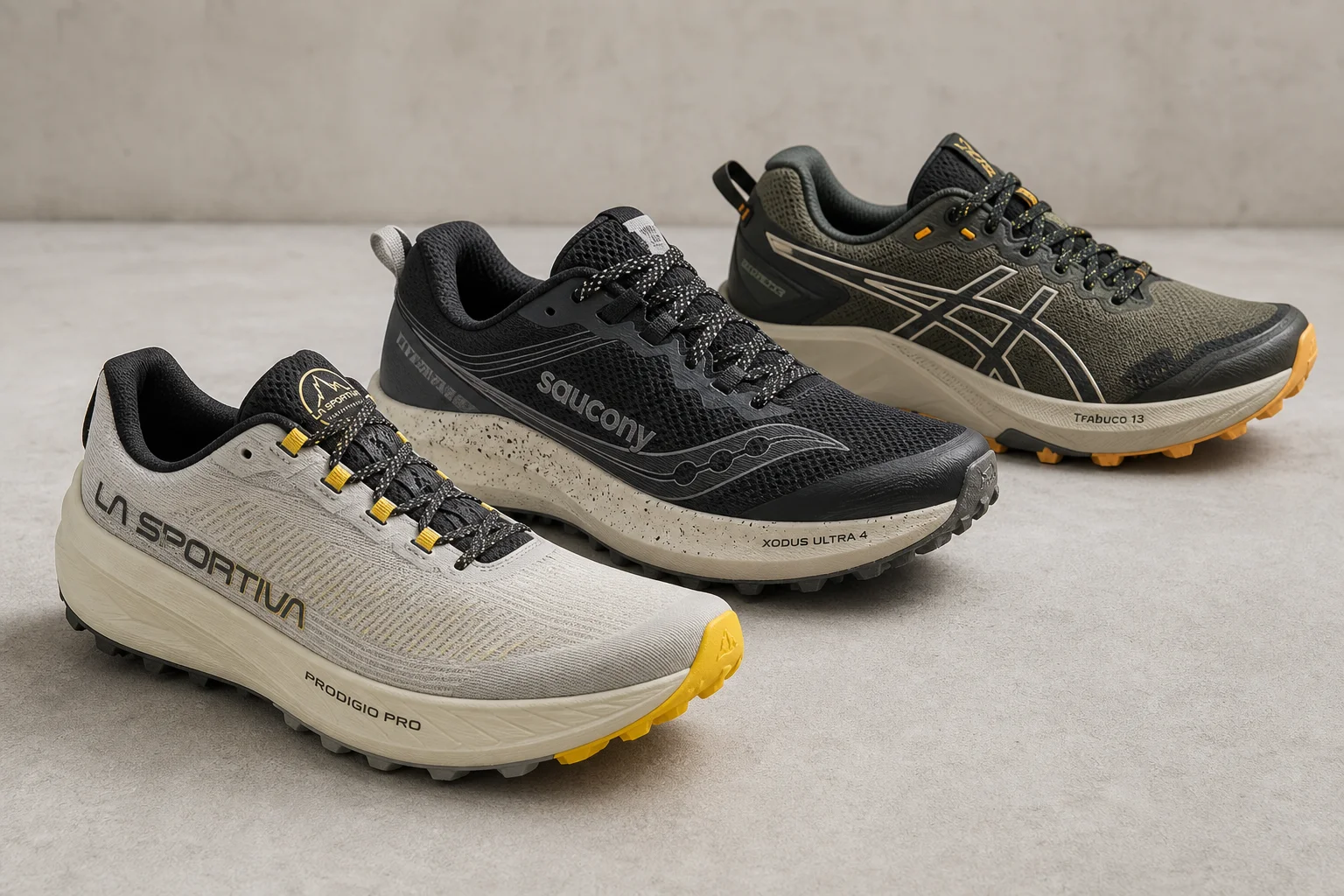
Best All-Mountain Trail Running Shoes: Three Versatile Options for Any Trail
A focused roundup of three all-mountain trail running shoes that handle technical terrain, long distances, and variable conditions with real strengths and practical trade-offs.