Kitchen Tools
Norpro Grip-EZ Meat Pounder Review: The Kitchen Upgrade Worth Retiring Your Skillet For
After testing eight meat pounders, one vertical-handled model stood out for comfort, control, and even cutlets every time.
Introduction
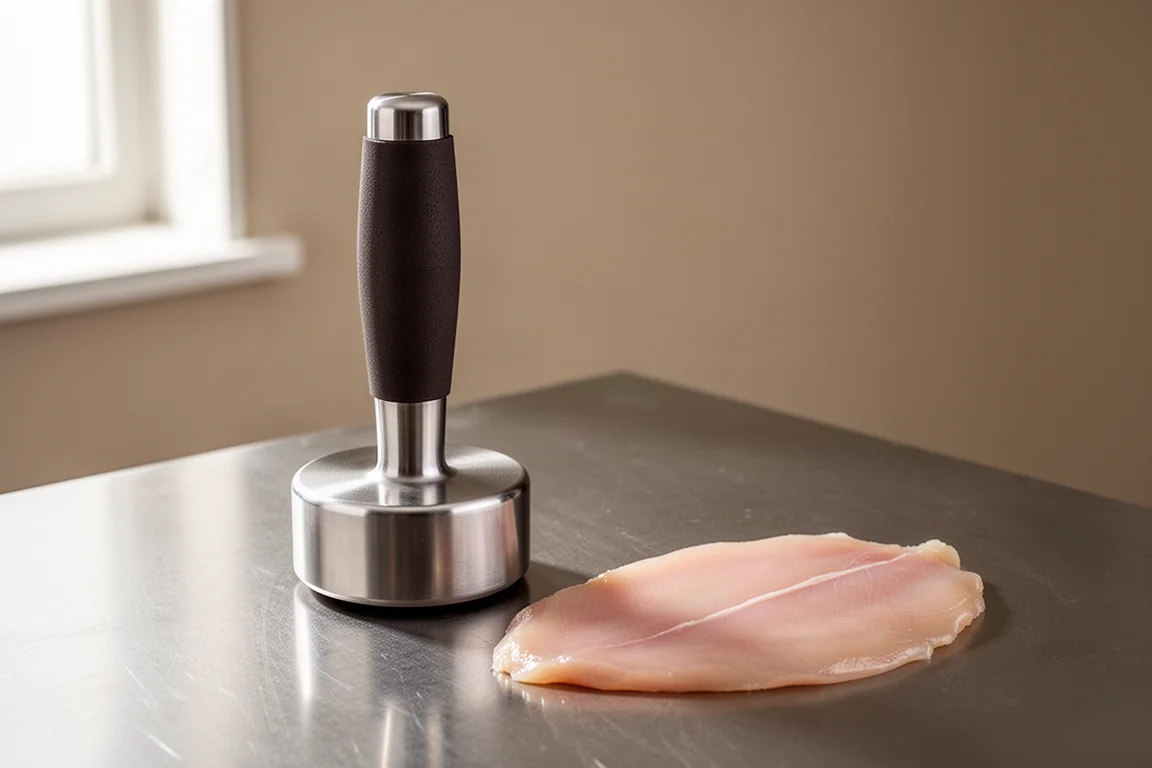
Before you saute schnitzel or braise braciole, you need a thick cut of meat pounded thin and even. Plenty of home cooks improvise with a skillet, a saucepan, or a rolling pin. It works, but it offers little precision, and uneven cutlets cook unevenly. That is exactly why every kitchen deserves a dedicated meat pounder.
This review looks at a lineup of eight very different meat pounders, ranging in price from about $11 up to $125, all put to work pounding boneless, skinless chicken breasts and pork tenderloin into thin, even quarter-inch cutlets. One model came out clearly ahead.
Why You Actually Need a Dedicated Meat Pounder
Even thickness matters more than most cooks realize. A cutlet pounded to a consistent quarter inch cooks evenly instead of drying out at the thin edges while the center finishes later. Improvised tools like skillets and rolling pins can get the job done, but they lack the weight distribution and flat face needed for uniform results.
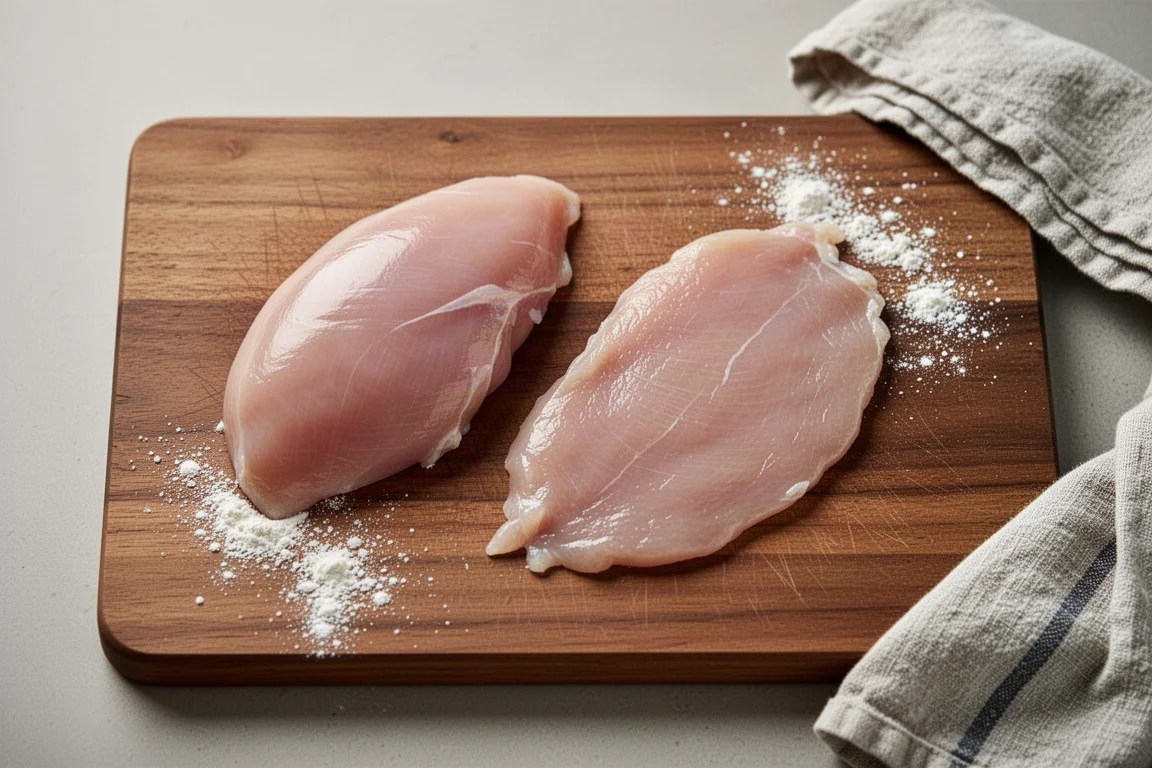
Testers with different hand sizes and both dominant hands used every model in the lineup, which gave a fair read on comfort and control across a real range of users.
Spiky Sides and What They Are For
Many pounders feature a spiky side and a smooth side. The spiky texture echoes the old wooden mallets and is meant to tenderize genuinely tough cuts. Since everyday recipes rarely call for that kind of tenderizing, testing focused on the smooth side, which is what matters for cutlets.
What We Ruled Out: Mallet and Offset Handle Designs
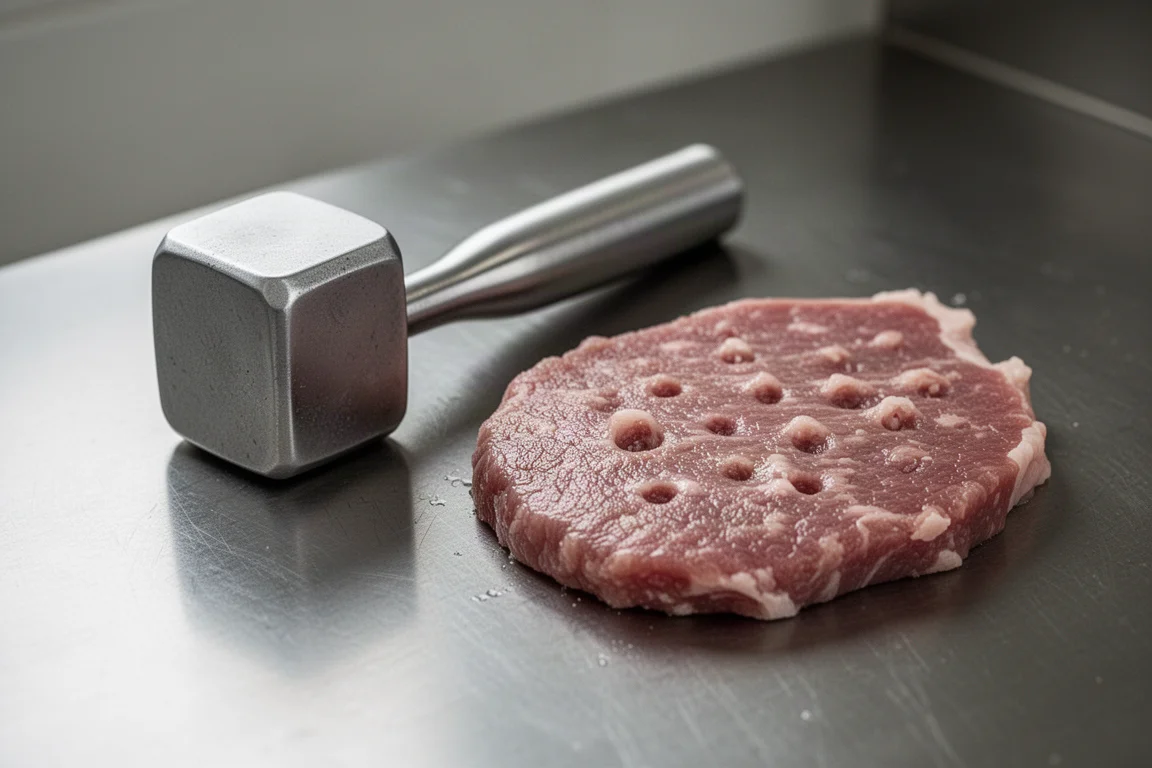
Mallet-style pounders have the familiar hammer form factor, but the small square head proved to be a liability. If testers were not extremely careful, the corners of the head would bite into the meat, leaving little dents and gouges in the cutlet. Precision required constant attention, so both mallet-style models were eliminated.
The Offset Handle Problem
Three of the remaining models shared an offset handle design, where the handle sits to the side of the head. The most striking of these was also the most expensive, weighing in at two and a half pounds. It was undeniably efficient: a whole chicken breast flattened in roughly three strokes.
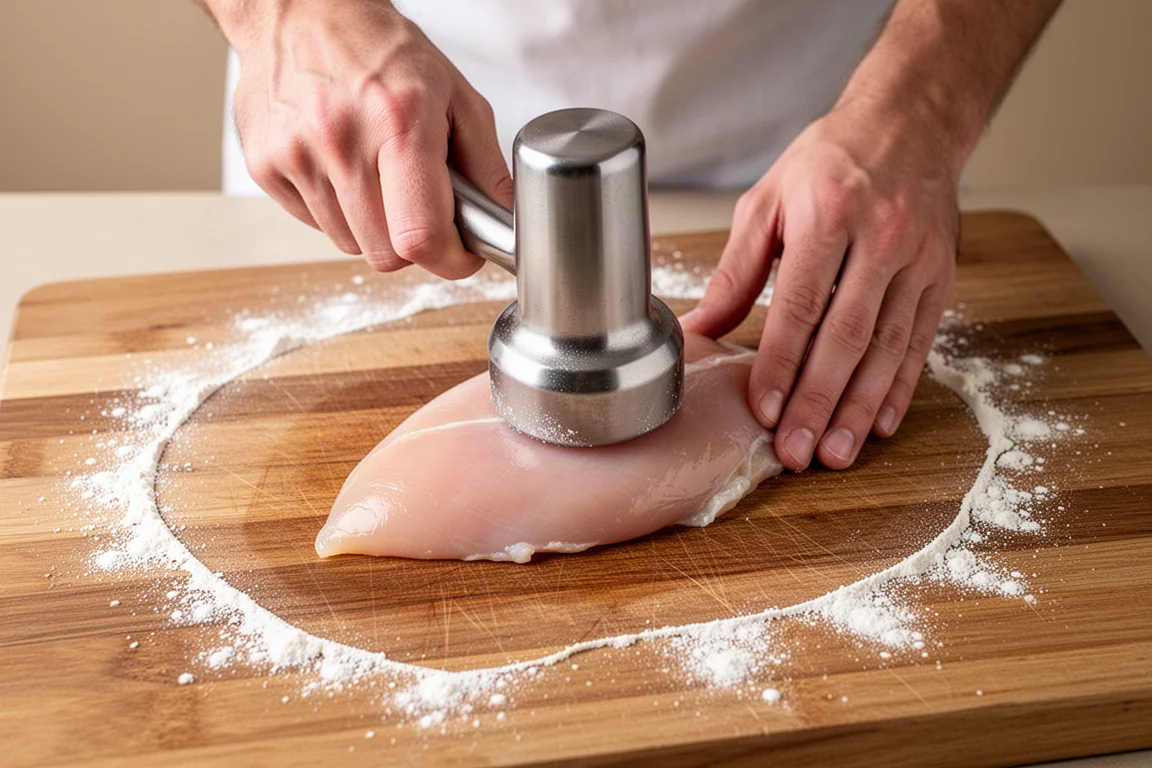
But efficient is not the same as comfortable. Testers found the combination of weight and offset handle awkward to keep lifting and pounding with, almost too good at what they did. Worse, the head could land on its heel instead of delivering its full flat force, producing the same dents and gouges that plagued the mallets.
The Vertical Handle Advantage
The final style featured vertical handles, with the handle rising straight up from the head. These weighed less, around one pound and twelve ounces for the standout model, and testers found them easier to pick up and wield. The vertical orientation places the handle right where your hand is, absorbing some of the shock of each pound.
Some testers initially disliked that shock absorption, while others loved it, saying it added a level of precision and control the other designs lacked. That control translated into cleaner, more even cutlets with fewer mis-hits.
Why the Grip-EZ Won
The winner earned its name from its handle. At about four inches tall and nearly three inches wide at its broadest point, wrapped in a Santoprene grip, it offered a secure, comfortable hold throughout a long pounding session. By contrast, a slicker flat-handled competitor grew uncomfortable and hard to hold once the work piled up.
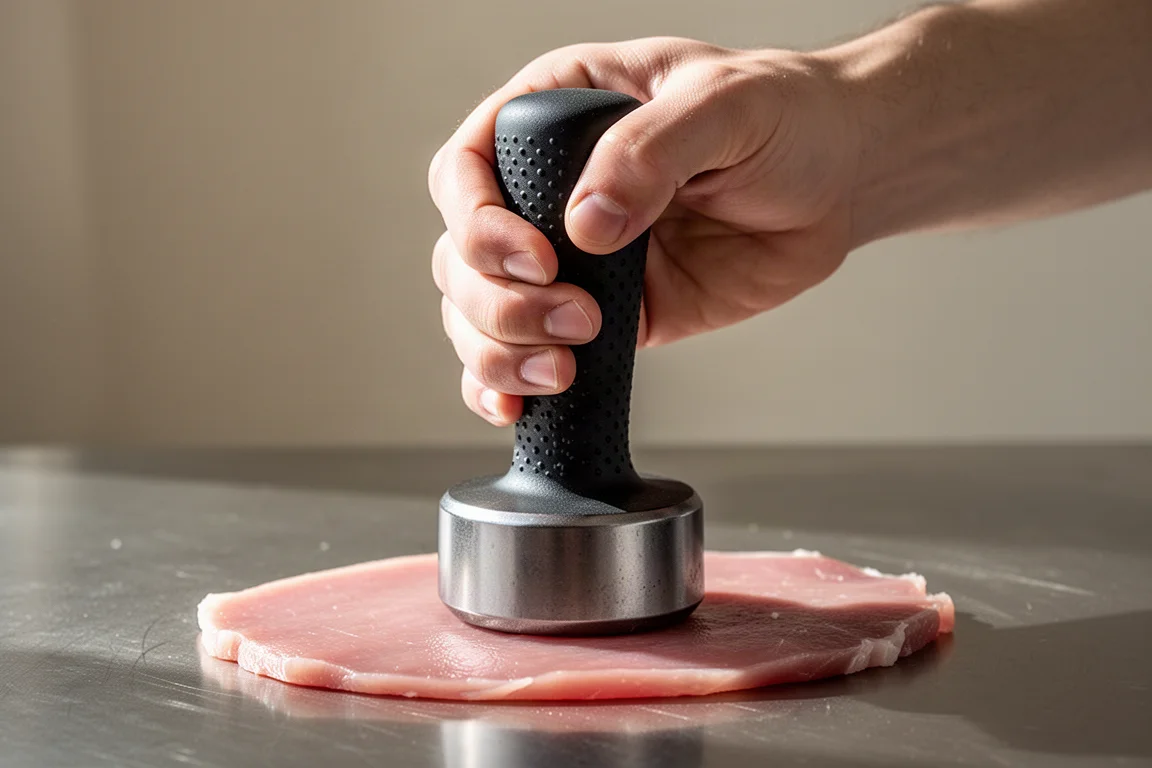
Priced at about $20, the Norpro Grip-EZ Meat Pounder delivered everything a meat pounder should: comfortable weight, a flat head that lands evenly, and a grip that stays secure. It is the kind of tool that makes the improvised skillet-and-rolling-pin routine officially retired.
Buying Advice
If you pound cutlets regularly, skip the mallet styles and the heavy offset designs, and look for a vertical-handled pounder with a wide, secure grip. The Grip-EZ hits that sweet spot at a very reasonable price, and its forgiving, controlled pounding makes even cooking an easy default rather than a careful achievement.
Conclusion
Among eight contenders spanning $11 to $125, the roughly $20 Norpro Grip-EZ Meat Pounder proved that comfort and control beat raw force. For anyone tired of dented cutlets and awkward swinging, it is the simplest upgrade to make.
Product link
View more details for Norpro Grip-EZ Meat Pounder
This product is mentioned in the review. Check the specifications, options, and compatibility before buying.
View more details for Norpro Grip-EZ Meat PounderFurther reading
Related Reviews
Kitchen Tools
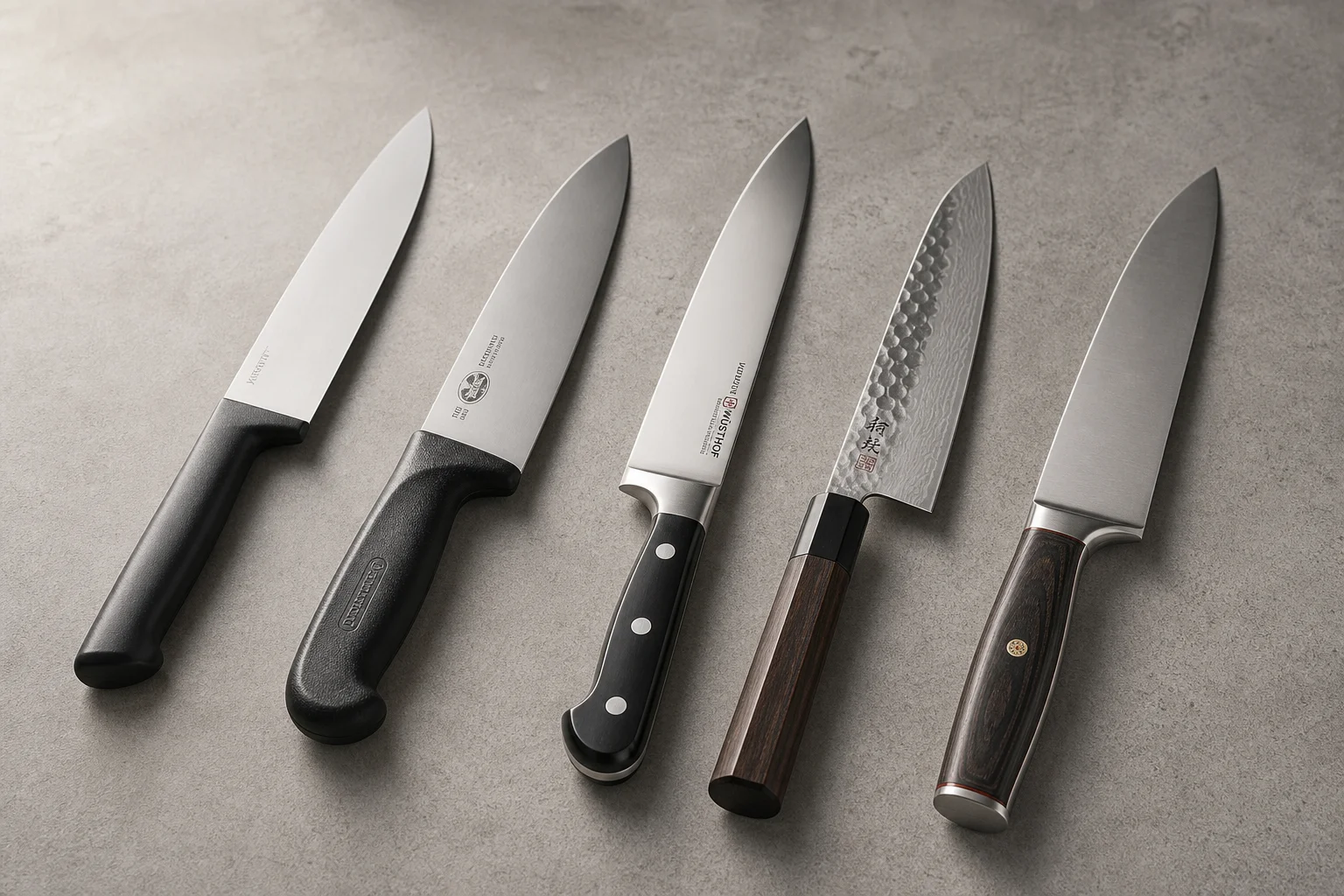
Amazon's Top-Rated Chef Knives Tested: Five Models from £11.50 to £200
We tested five of Amazon's highest-rated chef knives across sharpness, comfort, and versatility to see which delivers the best value and real-world performance.
Kitchen Tools
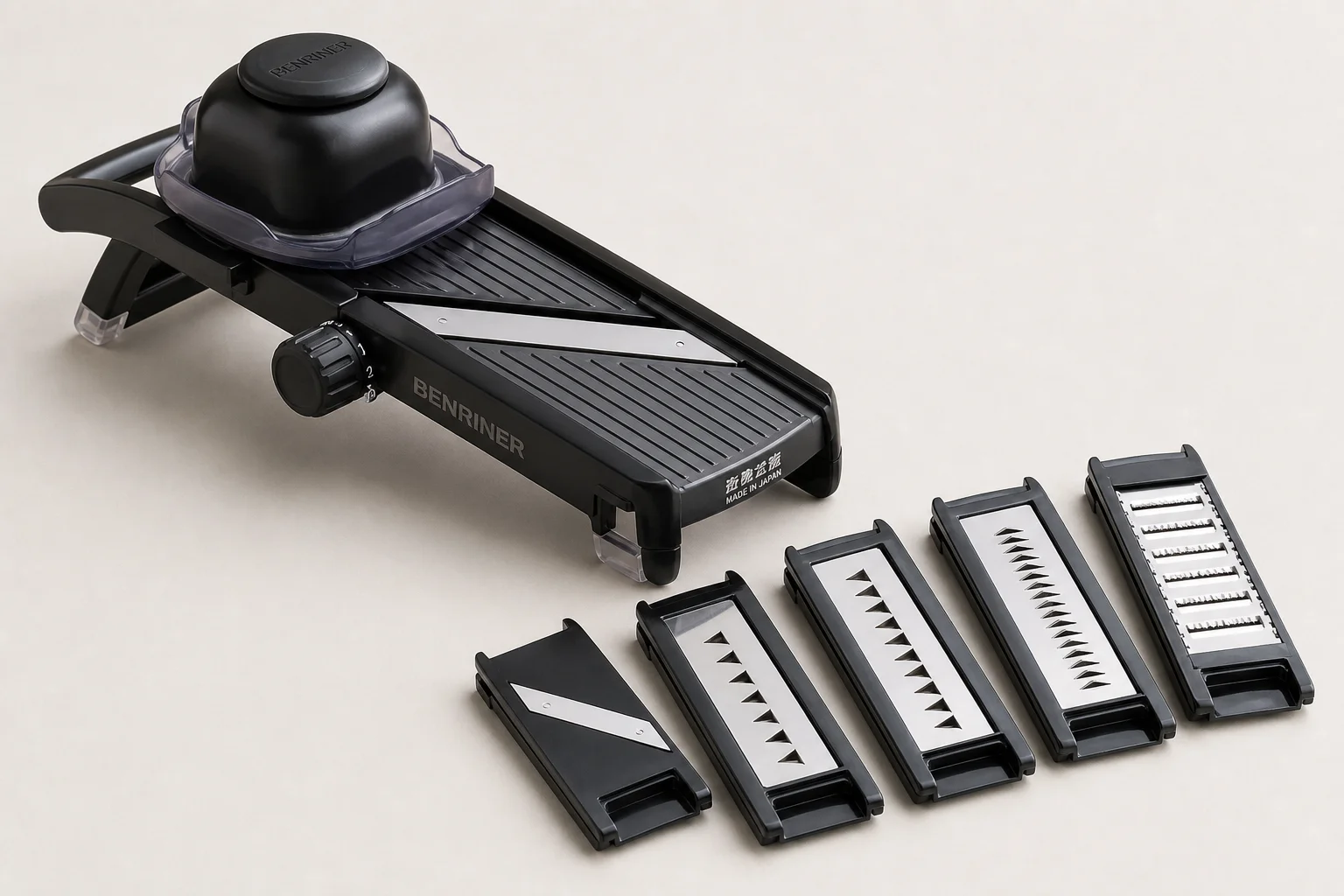
Benriner Japanese Mandoline Review: A Sharp Tool for Precise Vegetable Slicing
A practical guide to using a Japanese mandoline safely and effectively, with tips for achieving consistent, crisp results in the kitchen.
Kitchen Tools
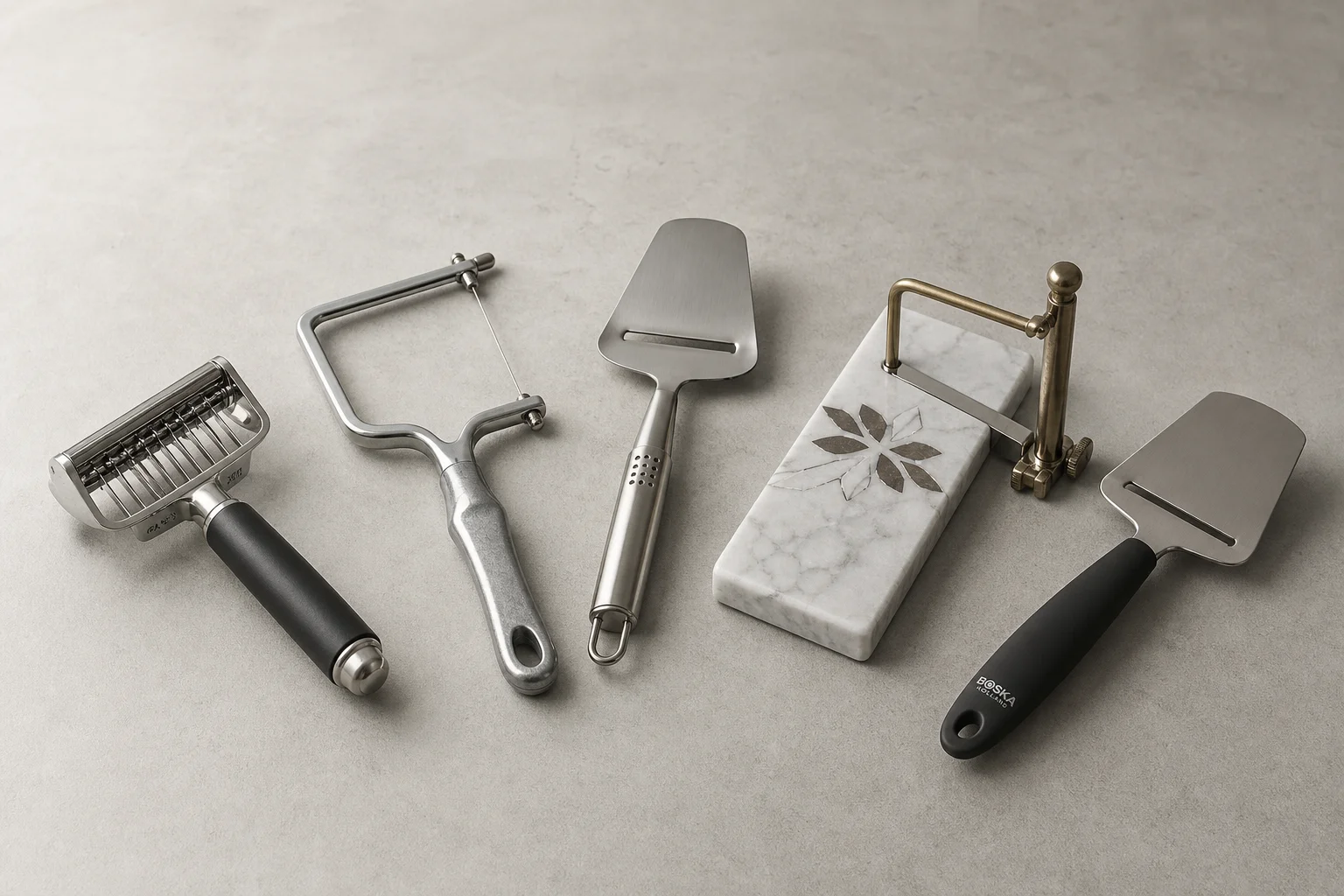
Best Cheese Slicers: Five Practical Options for Consistent Slicing
Five cheese slicers with different designs and features, from multi-blade versatility to wire-based precision, each suited to different kitchen needs and cheese types.