Backpacking Tents
Nordisk Vern 1 Review: A Four-Season Solo Tent With Two Doors on One Side
A four-season solo backpacking tent with twin doors on one side, a 328 cm floor plan, and a 1.7 kg packed weight, plus the trade-offs to weigh before buying.
Introduction
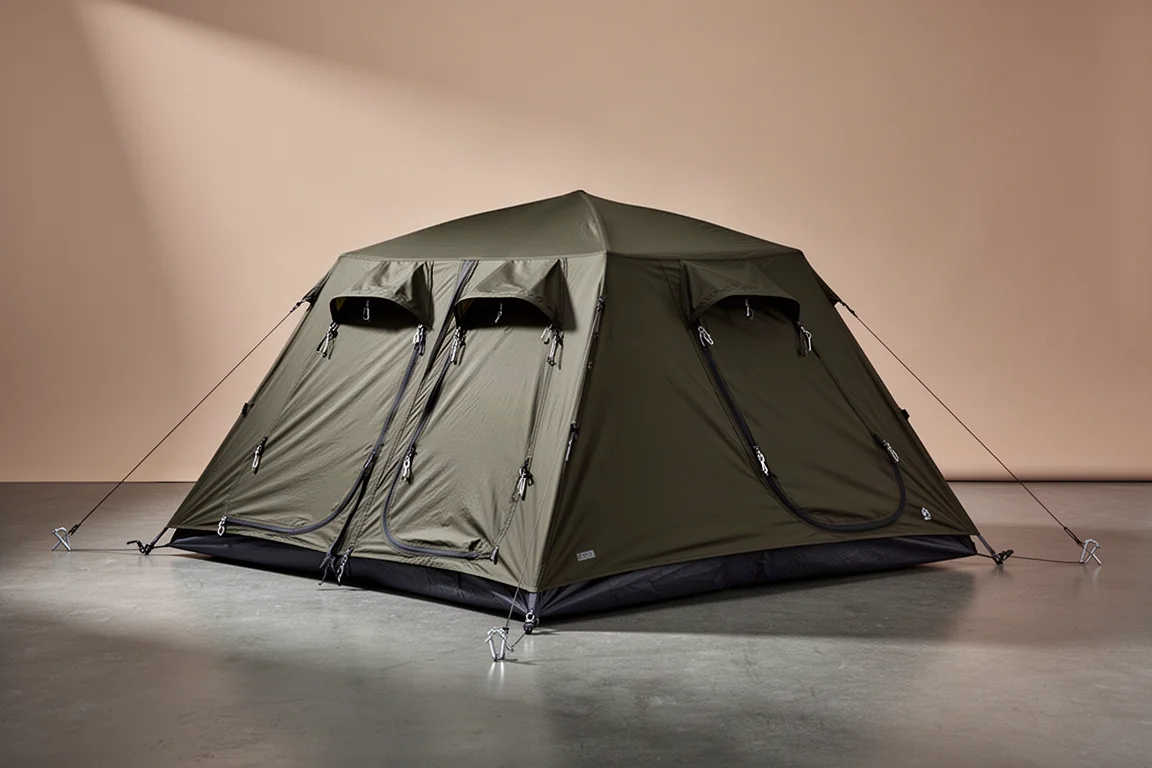
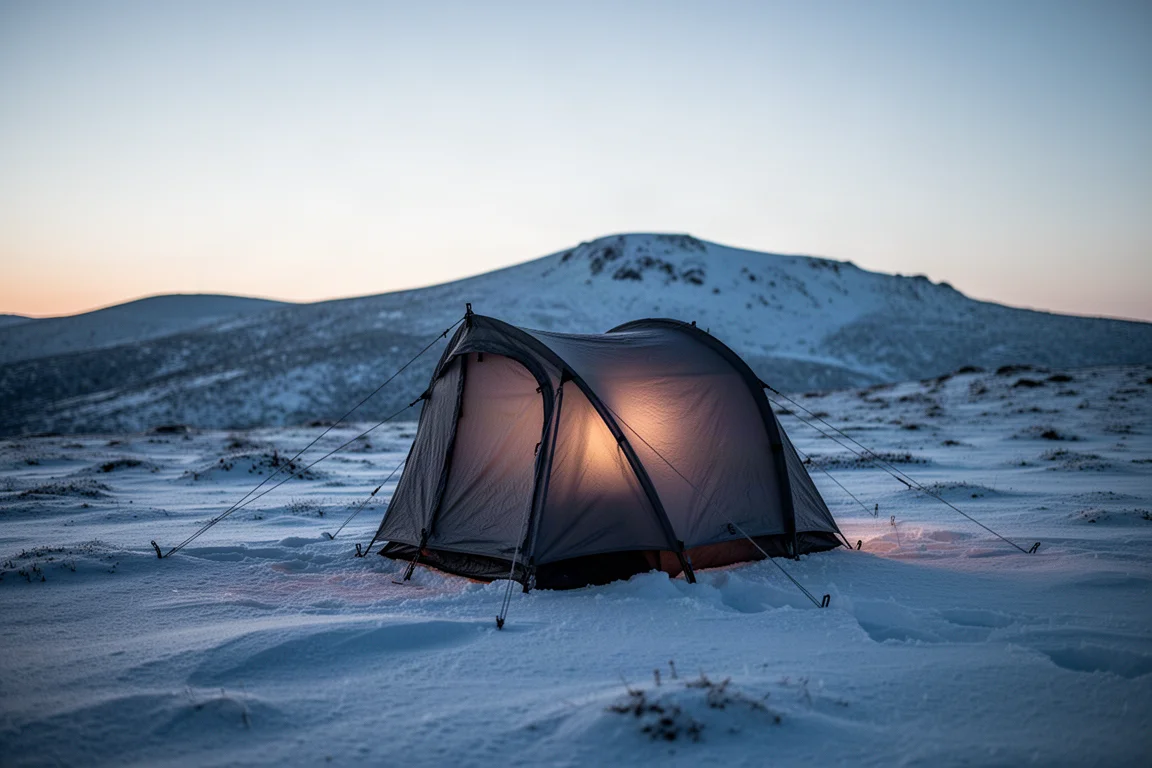
Nordisk Vern 1 is a four-season solo backpacking tent from Norway, built for year-round use that includes winter trips. The inner and outer pitch together as one unit, so you are not handling separate layers in bad weather. Packed weight is 1.7 kg all in, and an optional crossing pole adds 180 g while improving how the shelter handles wind and snow loading. Expect around $400 plus VAT and delivery from the brand’s own website, or roughly £493 in the UK.
The headline idea is simple: give a solo camper the kind of living space usually reserved for two-person shelters, without pushing the weight into expedition territory.
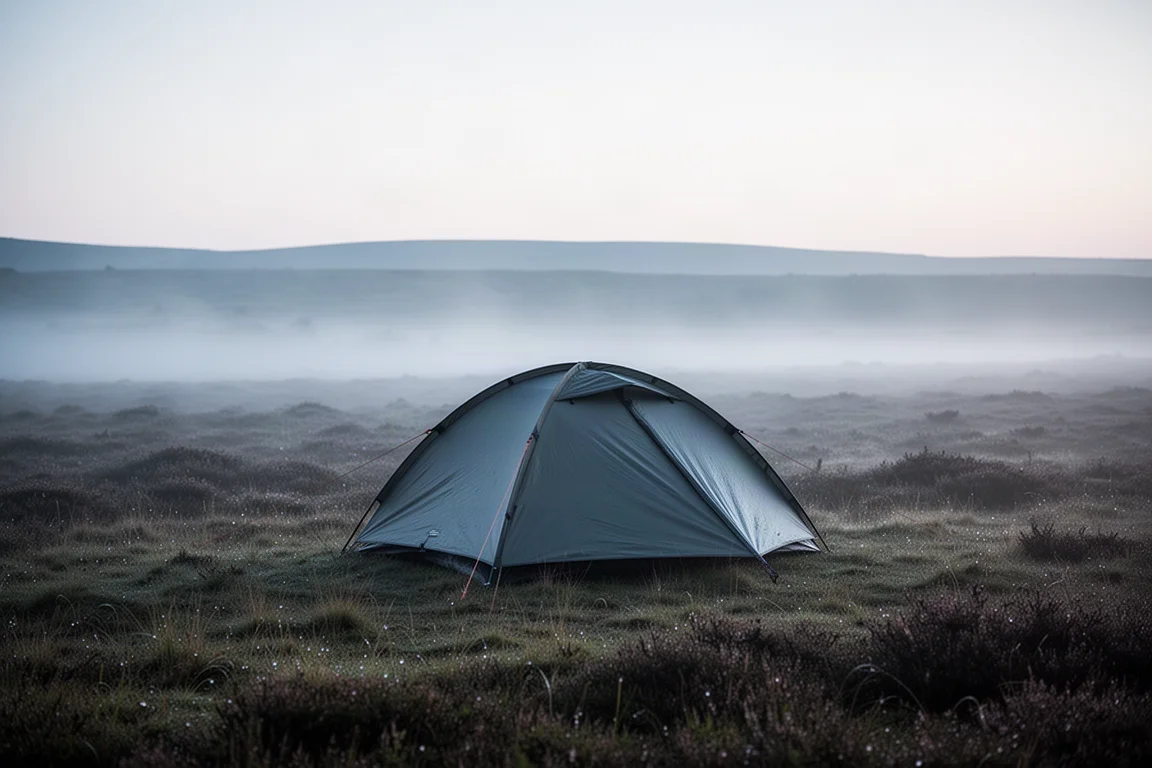
That space comes from an unusually long floor plan and a door layout that opens one entire side of the tent. For anyone who has spent a wet evening folded into a cramped solo shelter, the difference is immediately obvious.
Who this product is for
This tent makes the most sense for solo backpackers who camp across all four seasons, including cold and windy conditions. It also suits taller campers, because the external length runs to 328 cm, which leaves room for a long, wide sleeping mat plus gear at the head end, the foot end, and along the side.
Smaller campers will still fit comfortably, but they will not extract the full benefit of that length. If you rarely camp in wind or snow, a lighter three-season shelter may serve you better.
It is also a tent for people who accept a little more weight in exchange for weather resistance. At 1.7 kg for a genuine four-season design, the numbers stay reasonable.
Main strengths
The door system is the standout feature. Both doors sit on the same side of the tent, and opening them together rolls back almost the entire side wall. That gives exceptional ventilation on warm nights, and it lets you choose which door to open depending on wind direction.
Materials are aimed squarely at year-round use. The flysheet is a 20D silnylon fabric with a 3,000 mm hydrostatic head, and the bathtub floor is 40D nylon rated at 5,000 mm. The guy lines use reinforced panels, and there are extra pegging points on the doors so they stay taut instead of sagging.
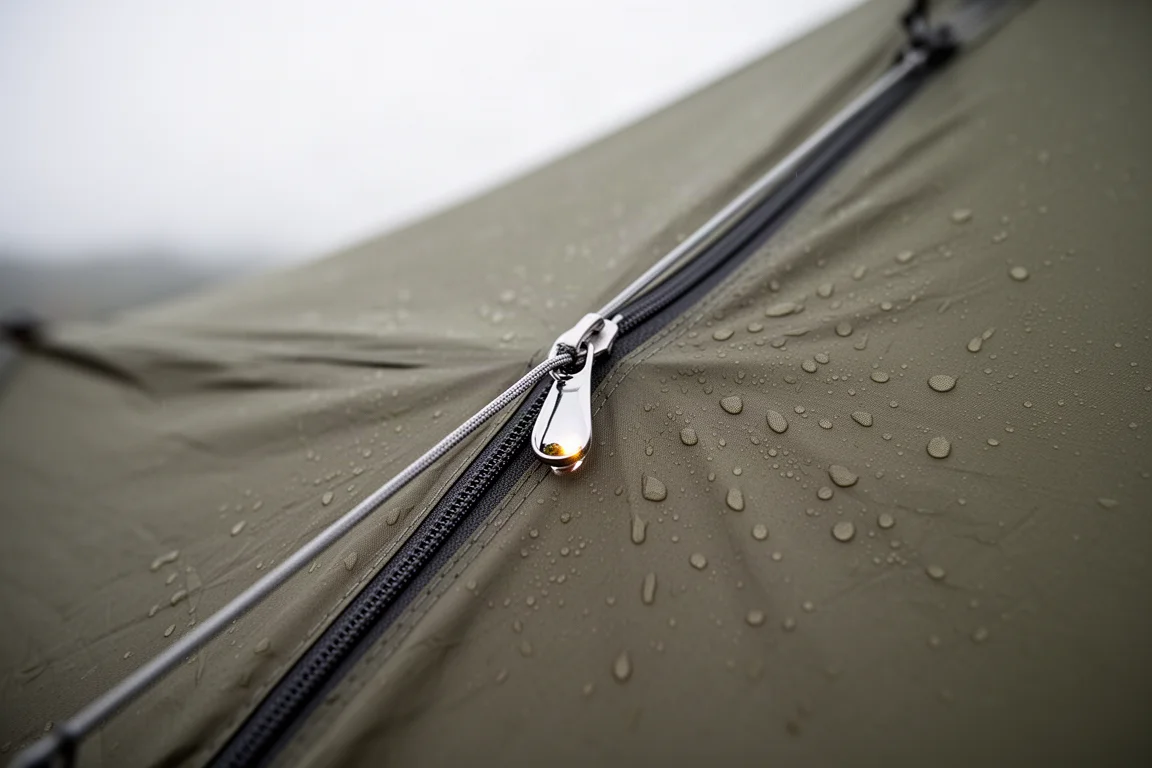
Smaller details are well considered too. The zip pulls have reflective tips, the inner door has a secondary zip that lets you switch between a solid panel and mesh, and the tent ships with 14 heavy-duty T pegs featuring a cut-out notch. A 74 cm vestibule area gives you somewhere to leave wet kit outside the sleeping space.
Living space and interior comfort
The external length is 328 cm, with a maximum internal width of 126 cm and a footprint of roughly 3 m by 2 m. Inside, you get four pockets, a hanging hook, and vents at each end that can be fully open, set to a see-through mesh, or closed completely.
Headroom is worth understanding before you buy. The brand lists 100 cm of height, but in practice the interior feels closer to about 90 cm. The ends are listed at 52 cm, though that figure depends heavily on how thick your sleeping pad is. The long floor plan is the real story here: a long, wide mat plus gear at both ends and beside you is a realistic load rather than a squeeze.
Things to consider before buying
The tent is not seam sealed from the factory, which means you will need to seal the seams yourself before relying on it in sustained rain. It is a quick job, but it is one you have to plan for.
The generous footprint has a flip side. At roughly 3 m by 2 m, it needs a large, reasonably flat pitch, and those are not always easy to find on exposed summits or in rocky terrain. The crossing pole straps are also longer than they need to be, so they flap in the wind when the pole is not in use and can be trimmed or tied back.
Pitching is straightforward once you know the rule: three key points along the tent must line up in a straight line, or the shelter will not pitch properly. Because both doors are on one side, it also pays to think about orientation before you peg anything out.
Buying advice
If you plan to use this tent in adverse conditions, the optional crossing pole is worth adding. It is often framed as a snow-loading accessory, but it earns its 180 g in strong wind as well. That brings the total to about 1.88 kg, which is still a sensible figure for a four-season solo shelter.
For the price, the build quality and the material specification are the main arguments in its favour, and the two-door layout is genuinely useful rather than a gimmick. If you are a tall camper who wants a year-round tent with room to live in, this is an easy shortlist entry.
If your trips are mostly summer weekends on established pitches, the large footprint and the seam sealing task may be more trouble than they are worth. Match the shelter to the conditions you actually camp in.
Conclusion
Nordisk Vern 1 does something different with the solo tent formula, and the differences have real benefits: two doors on one side, a full side opening for ventilation, a long floor plan, and materials rated for winter use. The trade-offs are equally clear. You will seam seal it yourself, you will need a big flat pitch, and you should budget for the crossing pole if you camp in exposed places. Get those points right and it is a well-made, year-round shelter with an unusual amount of living space.
Product link
View more details for Nordisk Vern 1
This product is mentioned in the review. Check the specifications, options, and compatibility before buying.
View more details for Nordisk Vern 1Further reading
Related Reviews
Backpacking Tents
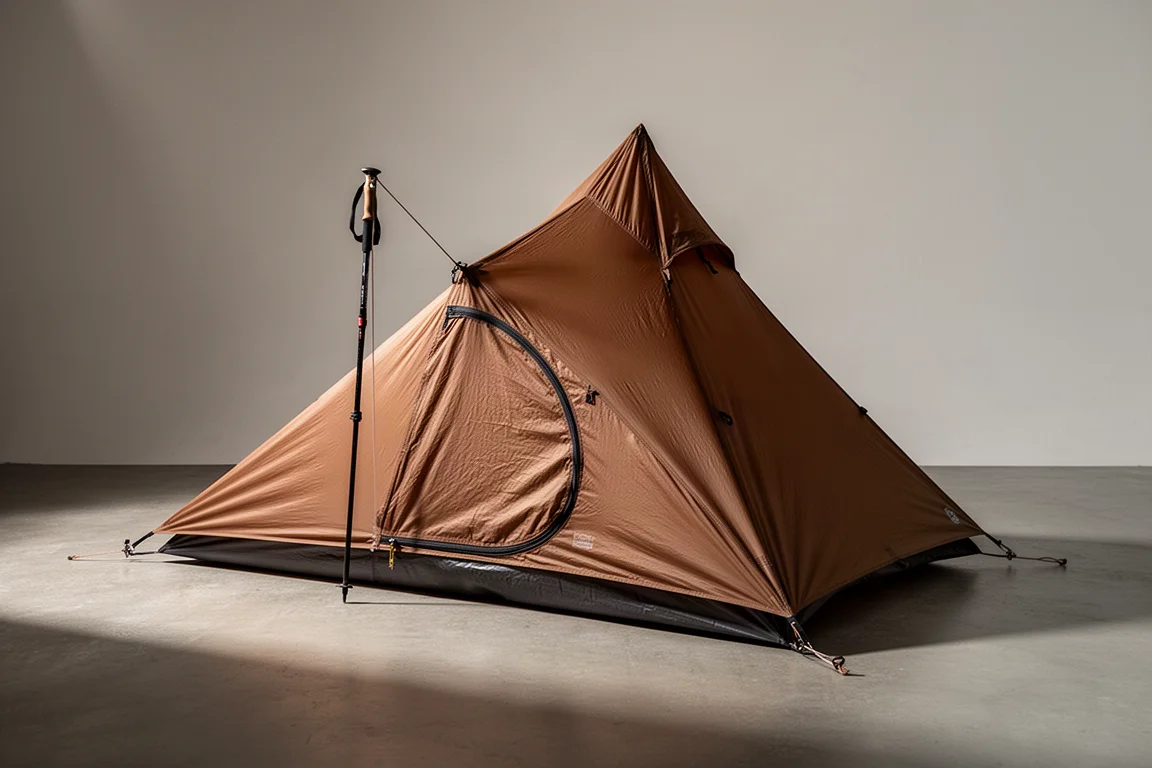
3F UL Lanchan Pro 1 Review: A 1 lb 8 oz Single-Wall Trekking Pole Tent
A practical look at the 3F UL Lanchan Pro 1, a single-wall trekking pole shelter with a 1 lb 8 oz weight, 20D silnylon fabrics, and a roomy 90 x 31 x 49 inch interior.
Backpacking Tents
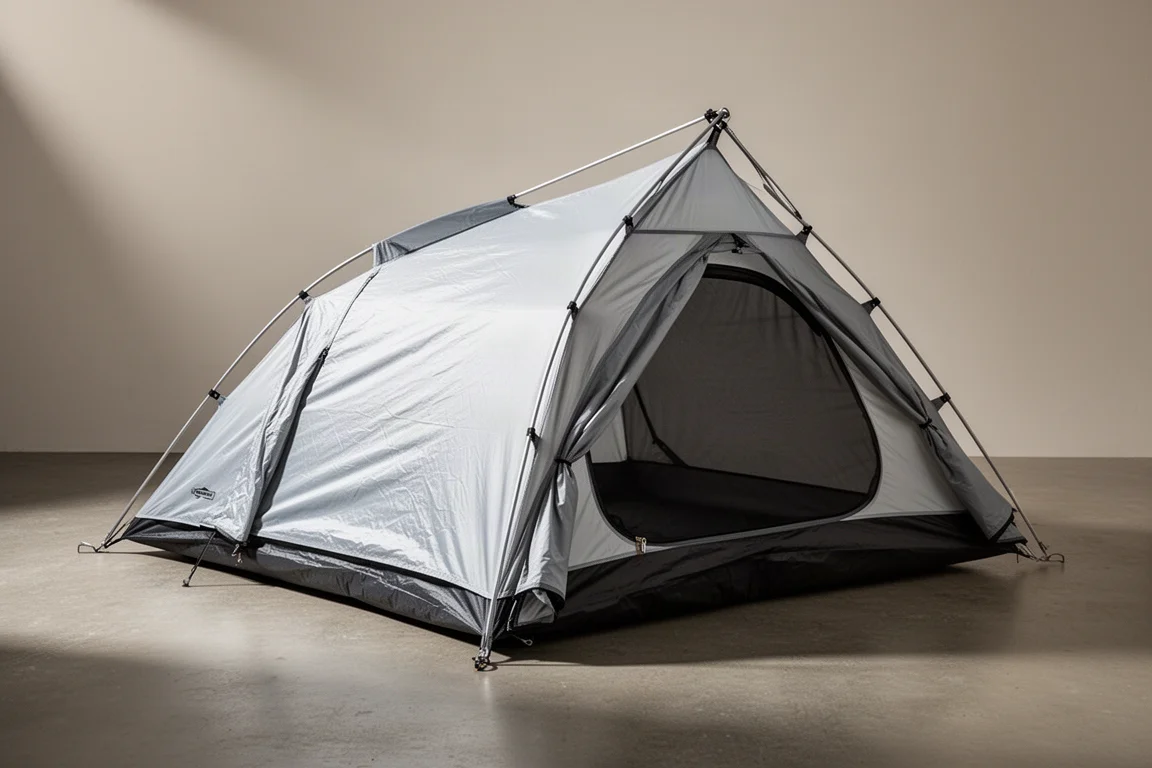
3F UL Taiji 2-Person Tent: A Convertible Backpacking Shelter Worth a Closer Look
A practical look at the 3F UL Taiji two-person tent, covering its materials, true two-person interior, fly-first pitching, and the seasonal inner swap that lets one shelter cover more of the year.
Backpacking Tents
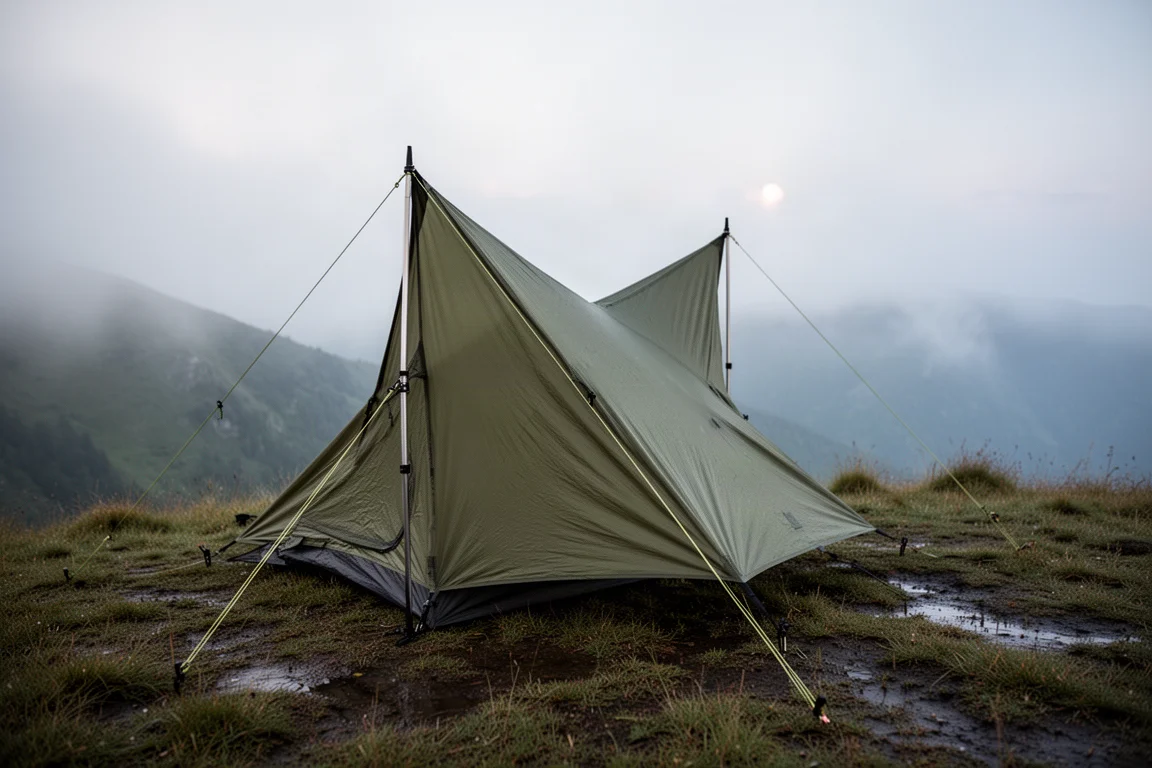
3FUL Lanshan Twoerson Pro Review: A Light Trekking Pole Shelter That Struggled in Rain
A two-person trekking pole shelter with a 2026 redesign, pitched with sticks and put through a night of steady rain. Here is what worked, what did not, and what to check before buying.