Ski Gear
Nordica Santa Ana Collection: How the 87, 92, 97, and 102 Compare
Nordica's women's all-mountain collection now runs from 87 to 102 mm underfoot. Here is how the four widths differ and which one suits the way you ski.
Introduction
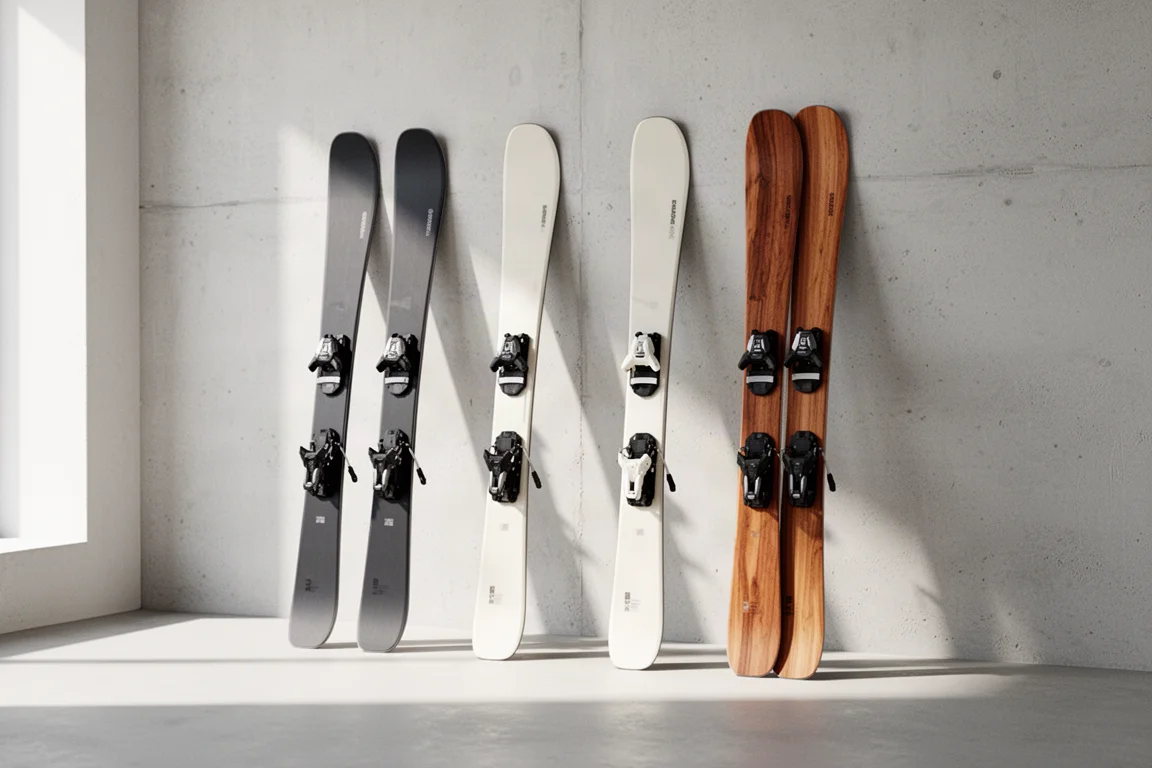
Nordica’s Santa Ana line has long been one of the more performance-focused women’s all-mountain collections, and the latest generation has been restructured. The Santa Ana and Santa Ana Free families have been merged into a single sliding scale, so instead of two ranges with a hard break between them, skiers now choose a width along one continuous line: 87, 92, 97, and 102 mm underfoot.
That mirrors the men’s side, where the Enforcer line now falls on 89, 94, 99, and 104. The logic is straightforward. As you move up the range, the skis get wider, more soft-snow oriented, and more playful. As you move down, they get more precise and more planted. This guide walks through what changed across the collection and which width makes sense for which skier.
What Changed Across the Santa Ana Collection
The build is still women’s specific and still high performance. Nordica has kept a performance wood core with poplar and beech stringers, now sourced from a new wood supplier. A Pulse Core elastomer sits under the binding zone and extends a few inches into the tip and tail, where it damps vibration and quiets the ride.
The metal layup is where things get interesting. Nordica uses a terrain-specific metal sheet that runs the full length of the ski, sitting full width through the forebody, tapering into a narrower band before returning to full width underfoot, then mirrored in the tail with cutouts on the sides and full metal through the tail. Because the metal sits proportionally closer to the edge on narrower skis, the 87 and 92 carry a higher percentage of metal relative to their width, which is what gives them their precision and dampness. The 102, with proportionally less metal, leans playful.
Rocker profiles have been revised as well. The 87, 92, and 97 all gain more tail rocker than the models they replace, while the 102 loses tail rocker compared with the ski it replaces. Tip rocker is slightly reduced across the collection, and the mount point has moved 1 cm forward on all of them, which engages more of the tail without making it feel catchy.
Flex is largely unchanged, possibly a touch stiffer, and weights are broadly similar from year to year.
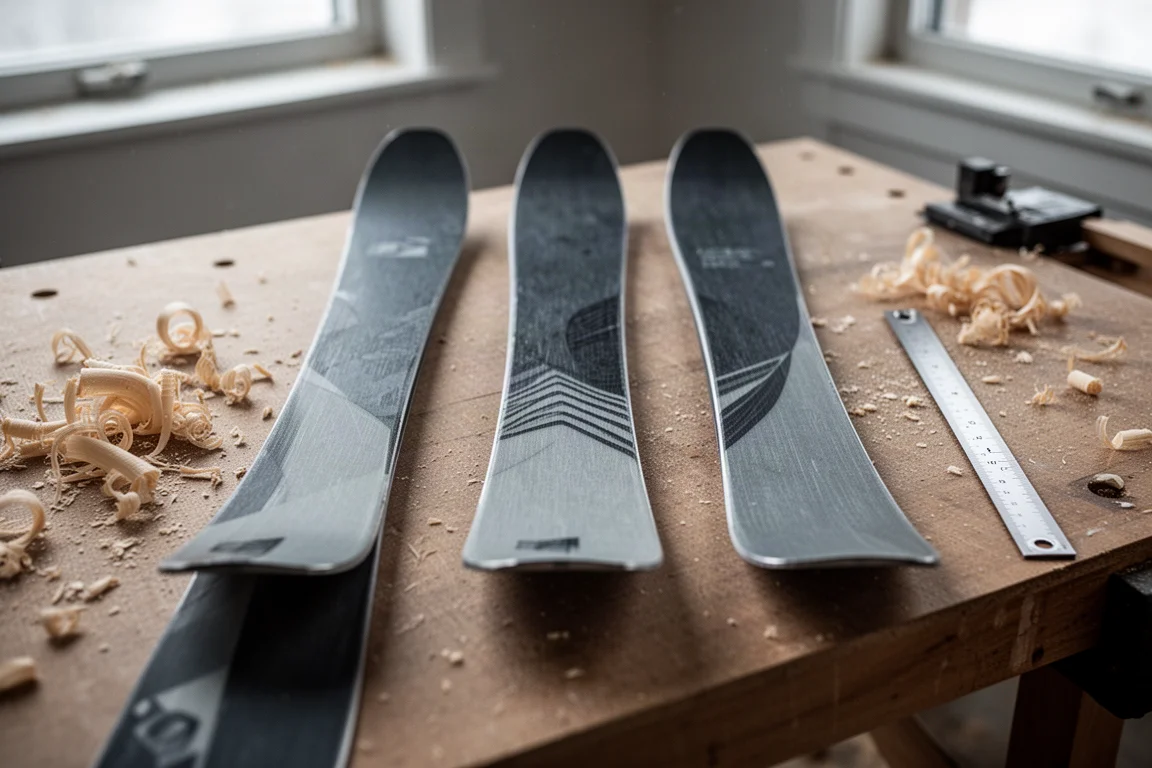
One detail worth noting is length range. The collection runs all the way up to 179 cm, which gives taller and heavier skiers a workable option, including men who prefer a lighter, more agile build than the Enforcer line offers.
Nordica Santa Ana 87
The 87 replaces the Santa Ana 88, and it targets the same skier: someone with solid skills who wants a narrower all-mountain ski for firm snow, bumps, and tight terrain. The difference is the added tail rocker, which makes the ski easier to turn and a little more playful without lowering the ceiling. Nordica has not watered it down, so the 87 keeps the precision and dampness of the outgoing 88 while asking less of the pilot.
It is worth being clear about the audience. This is not a beginner ski, and it still sits on the more demanding side of the narrow all-mountain class. The extra tail rocker simply widens the range of skiers who can get along with it, and the added maneuverability should appeal to anyone who spends their time in bumps, trees, and other tight zones.
The 87 is offered in 155, 161, and 167 cm. The shorter lengths feel quicker and lighter, while 167 cm adds stability and composure at speed.
Nordica Santa Ana 92
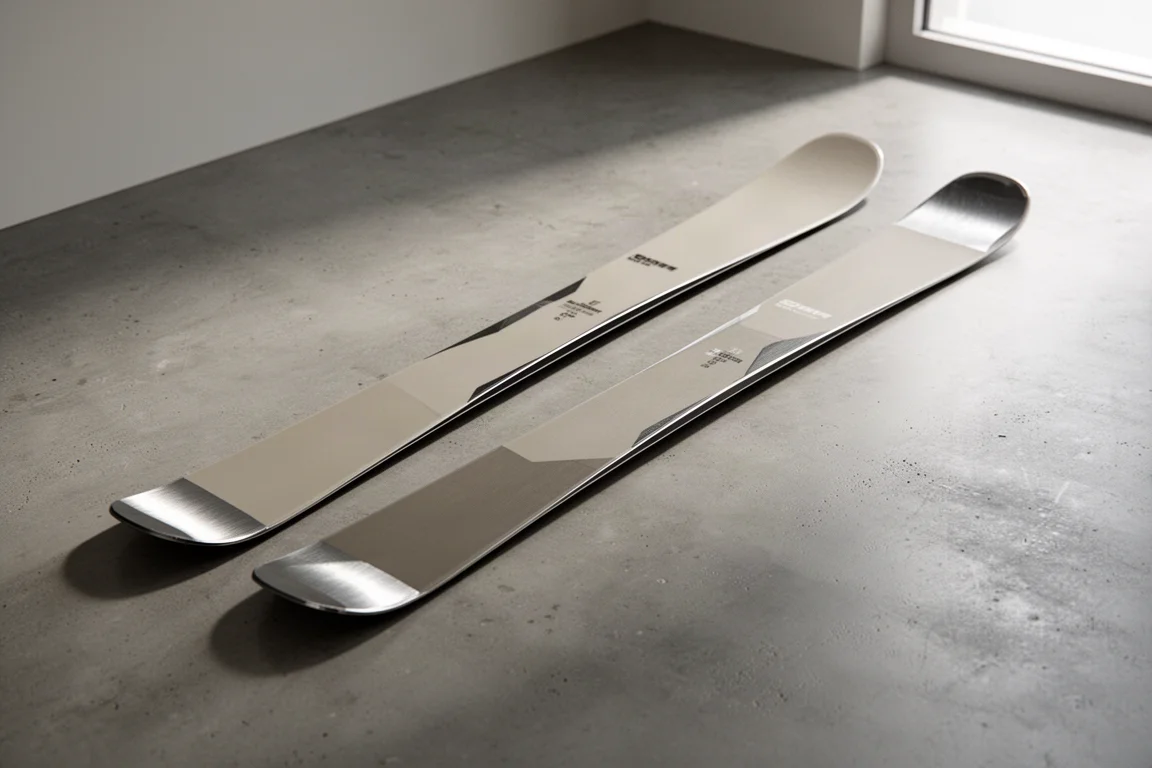
The 92 occupies the most broadly useful zone in the range. A waist in the low 90s is versatile enough to handle groomers, bumps, and a modest amount of fresh snow without feeling like a compromise anywhere. Nordica positions the 92 as roughly a 50/50 on-piste and off-piste ski, and that is the right way to think about it.
Compared with the 93 it replaces, the 92 carries noticeably more tail rocker, close to double. Combined with the forward mount point, that makes the ski more dynamic and more intuitive to initiate. The outgoing model was never considered difficult, so this is refinement rather than a fix, and it should strengthen the 92’s case as a one-ski quiver for skiers who want a narrower all-mountain build that still works in softer conditions.
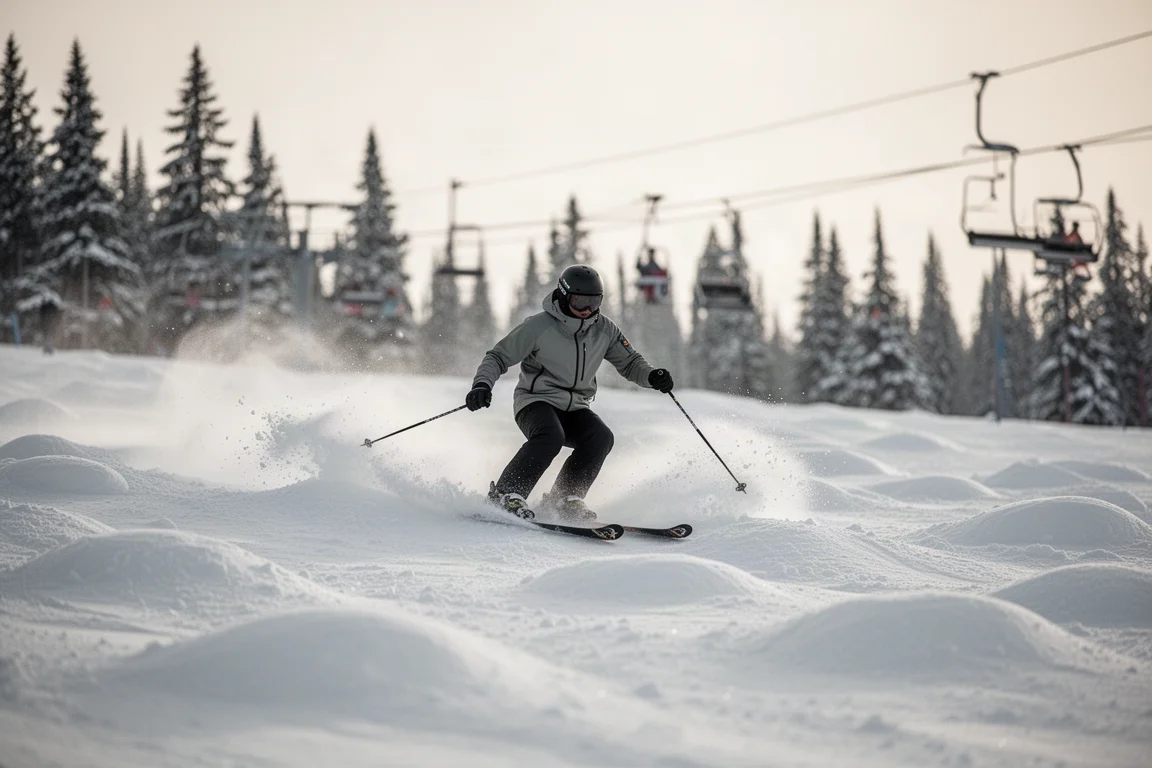
It is also a sensible choice for destinations where you might assume you need something wider. A narrow all-mountain ski handles a wide variety of snow conditions surprisingly well, and a mid-90s waist is a strong place to be for that kind of travel skiing.
Nordica Santa Ana 97
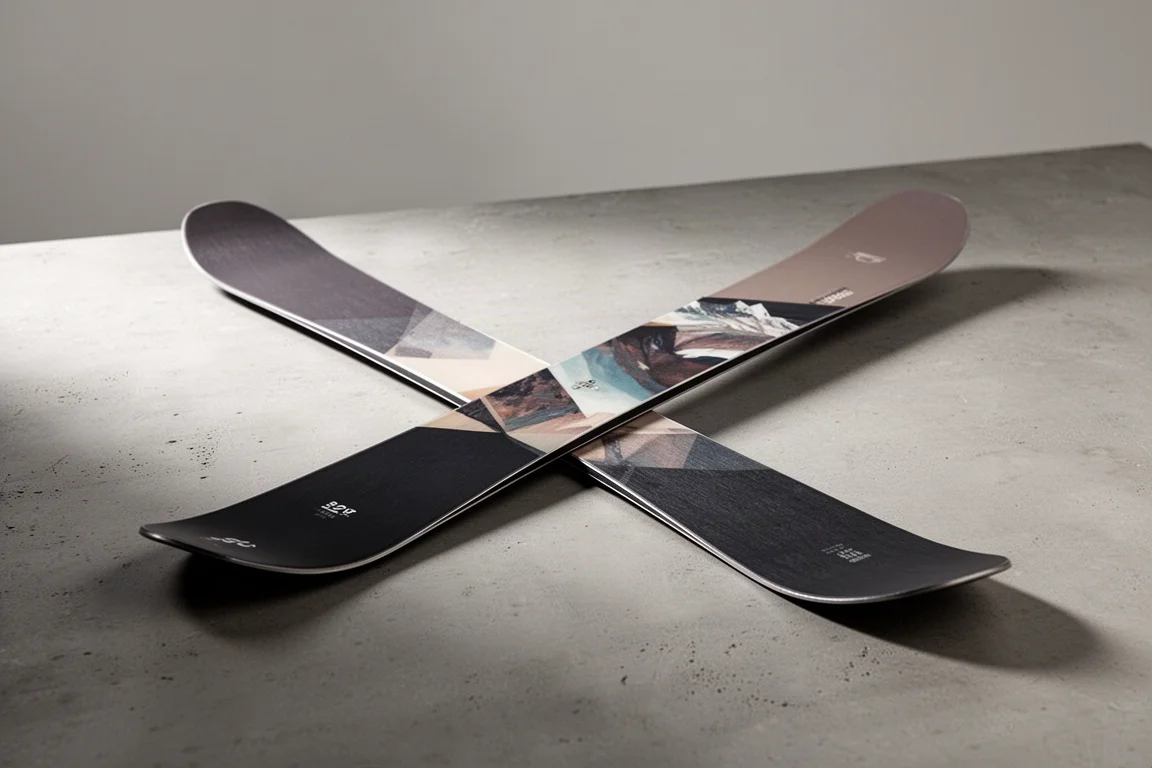
This is the biggest change in the collection. The 97 replaces the Santa Ana 98, and the two are genuinely different skis. The 98 had a stiff tail and a strong carving bias, which made it rewarding for very strong skiers and a lot of ski for everyone else. The 97 gains significantly more tail rocker, which softens the break in the tail and opens the ski up to a much larger audience.
If you have tried the 98 and found it to be more ski than you wanted, the 97 is worth revisiting. Nordica has not sacrificed carving performance in the process, so skiers who valued the 98 for its edge grip should still find plenty to work with, but the ski is more forgiving and more fun across a wider range of ability levels.
Nordica Santa Ana 102
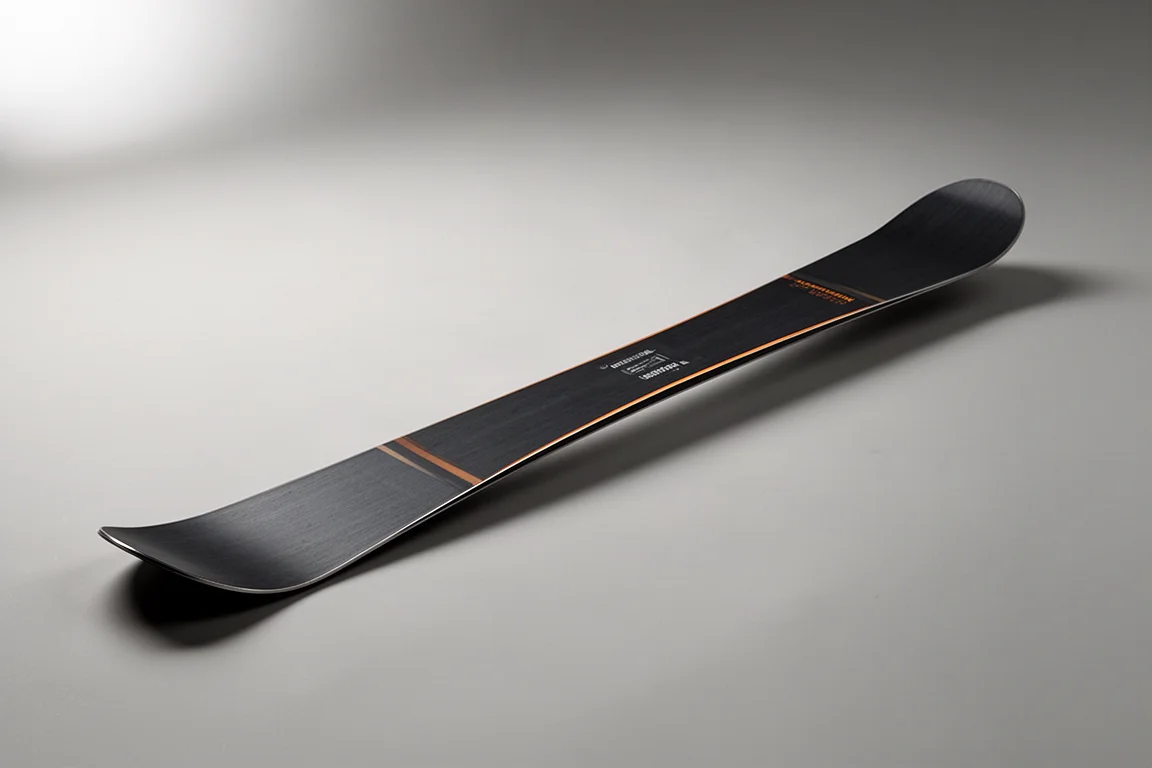
The 102 goes the other direction. Its predecessor, the 104, had so much tail splay that it was effectively a twin tip, which suited skiers who wanted a freestyle-influenced feel in soft snow. The 102 dials that back with less tail rocker and a flatter overall profile, on the basis that most people using a ski this wide are making higher speed, slightly straighter, directional turns.
There is still plenty of tail rocker, so the 102 has not become a locked-in charger. It remains playful and lively, just with a more directional bias than the ski it replaces. Skiers who want a more freestyle-oriented wide ski still have options in Nordica’s Unleashed series at 98 and 108, which now sit further apart from the Santa Ana range.
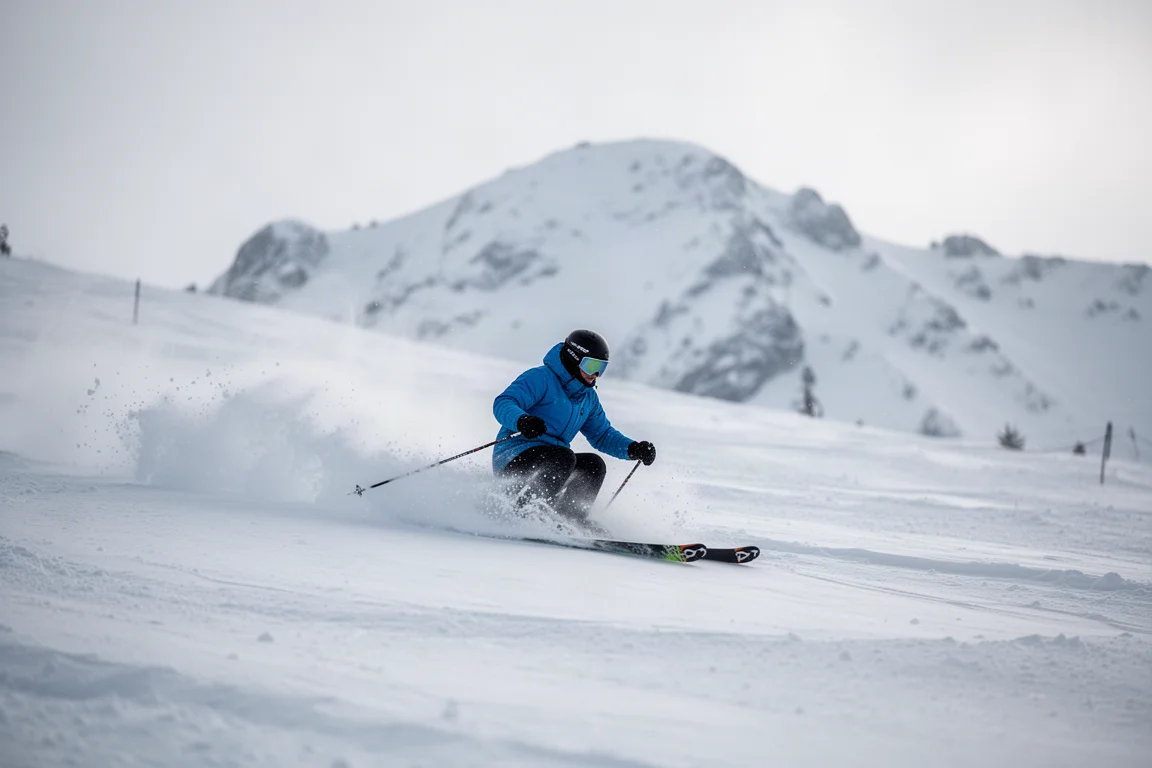
For a lighter-feeling, sturdy, and trustworthy soft-snow ski that still has energy to it, the 102 looks like a well-judged shape.
How to Choose Between the Four Widths
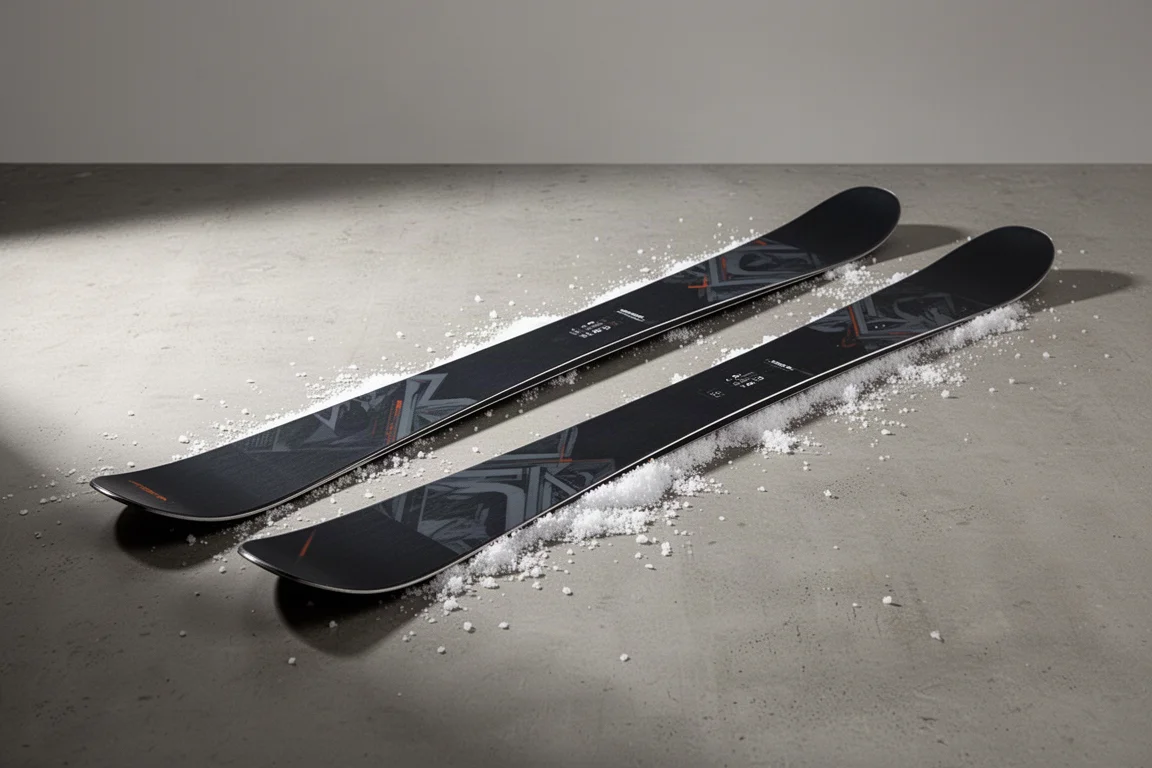
The simplest way to decide is to start with where you ski most. If your days are mostly on groomed runs with occasional bumps and trees, the 87 gives you the most precision and edge hold. If you want a single ski that covers groomers, bumps, and the occasional soft day, the 92 is the most versatile pick in the range. If you lean toward softer snow but still want a ski that carves well, the 97 is the natural step up. And if your priority is soft snow performance with a directional, higher speed bias, the 102 is the one to look at.
Length matters as much as width. The 87 comes in 155, 161, and 167 cm, and the collection tops out at 179 cm. Shorter lengths feel quicker and less stable, longer lengths add stability and float. Skiers between sizes should weigh how much of their time is spent in tight terrain against how much is spent on open, fast runs.
Conclusion
The Santa Ana collection now reads as one coherent line rather than two overlapping ones, and the changes are well targeted. More tail rocker on the 87, 92, and 97 makes the narrower skis easier to turn and more enjoyable without stripping out their performance, while the flatter 102 gives the widest option a more directional character that matches how most skiers actually use a ski that size. If you are shopping for a women’s all-mountain ski, there is a width here that matches your terrain and your snow, and the differences between the four are meaningful enough to be worth thinking through before you commit.
Further reading
Related Reviews

Ski Gear
2023 Blizzard Hustle vs Rustler: Six Freeride Skis Compared
Blizzard's 2023 Hustle collection rebuilds the Rustler shape with a lighter core and no metal. Here is how all six skis differ, and which one suits your riding.

Ski Gear
2023 Skis of the Year: Atomic Maverick 88 TI, Salomon QST 106, and Look SPX 12 Pro
Three standout ski picks for all-mountain carving, powder days, and reliable binding performance, with practical buying notes for 2023 models.

Ski Gear
2025 Nordica Enforcer 104 Review: A Directional Charger Replaces the 104 Free
The 2025 Nordica Enforcer 104 drops the Free name and the twin-tip personality, gaining weight, stiffness and composure in rough snow. Here is what changed and who it suits.