All-Mountain Skis
Nordica Santa Ana 97 (2026) Review: A Stable All-Mountain Ski for Strong Skiers
The Nordica Santa Ana 97 returns for 2026 structurally unchanged, with a new graphic and the same smooth, stable, versatile ride. Here is who it suits and what to weigh before buying.
Introduction
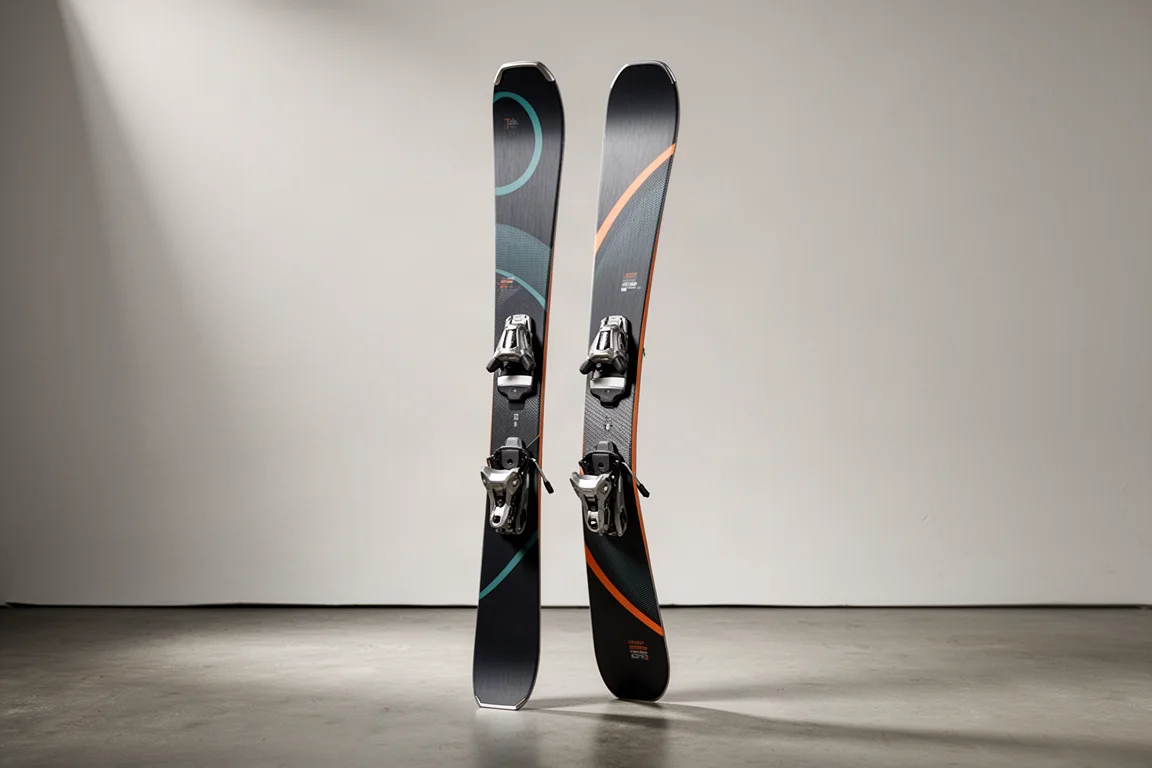
The Nordica Santa Ana 97 returns for 2026 structurally unchanged from the previous season, with the visible update limited to a new graphic on the topsheet. The changes introduced for the prior model year carry straight through, most notably a slightly different overall shape and more tail rocker in the 97.
That makes the 2026 version a straightforward proposition: the same construction, the same smooth and stable personality, and a fresh look on top. For anyone who liked the direction the Santa Ana 97 took last season, nothing has been undone.
Who the Nordica Santa Ana 97 Is For
This ski sits on the slightly heavier and more demanding side of the all-mountain spectrum. Advanced and expert skiers who know how to carve a turn, and who are not put off by a stronger and heavier ski underfoot, will get along best with it. Those skiers can access more of the performance range and get the ski up to speed before asking it to work.
Early advanced skiers, including those progressing out of the intermediate range, are not shut out. Sizing down is a reasonable approach for that group: a shorter length brings a slightly lighter feel and a more manageable turn shape, while the same construction remains underneath.
Weight is worth knowing about. The 167 cm length measured 1,774 grams, which puts it close to the 1,800 gram mark where skis begin to feel heavy on the feet. The upside is a ski that stays composed when the snow is not.
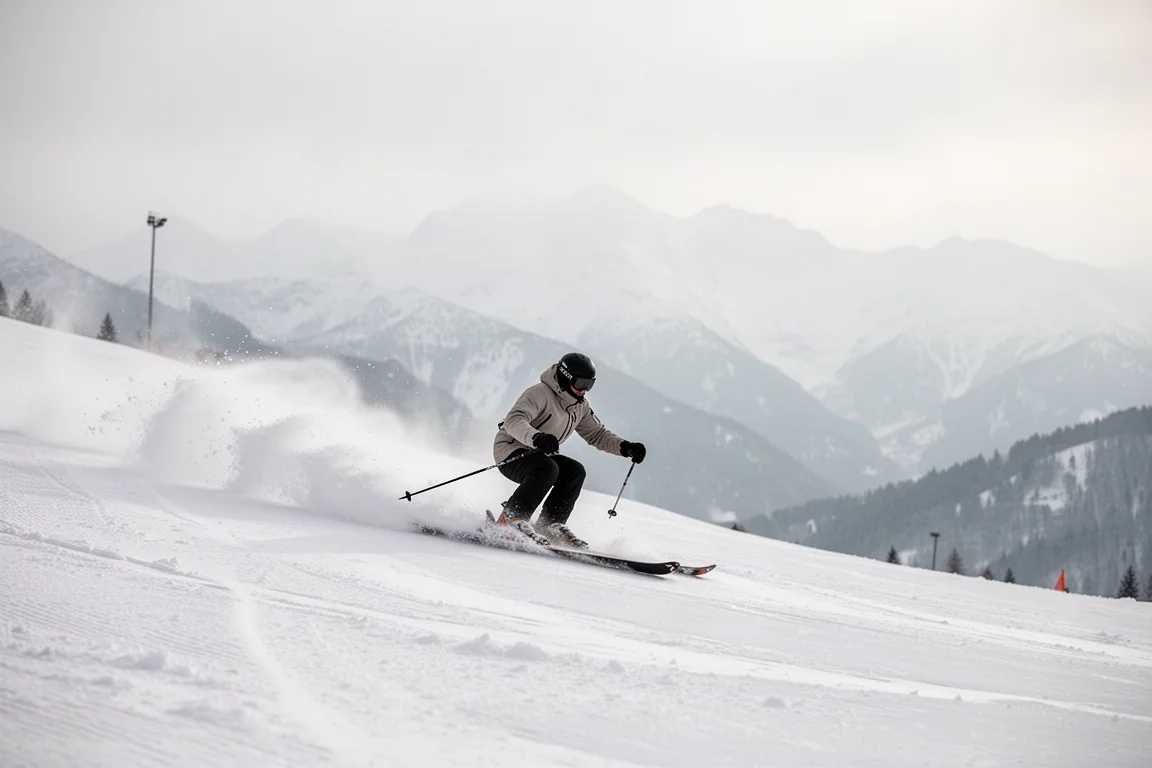
That combination of weight and stability is the core of the ski’s appeal. It is a versatile design that is happy to cover a wide range of terrain, and it is not easily thrown off course when conditions change underfoot.
Main Strengths: Construction and On-Snow Feel
The build starts with a performance wood core made from poplar and beech. Nordica pairs that with a single sheet of terrain specific metal, which keeps the ski smooth and stable at any speed and through any terrain. Underfoot sits a pulse core laminate, an elastomer material positioned directly beneath the foot to absorb vibration. The practical result is a ski that filters out unwanted chatter and delivers a smoother, quieter ride.
On snow, the ride quality is the standout. There is a little more camber than before, which gives good energy underfoot along with noticeable snap and pop. The ski is stable at speed, so letting it run is entirely comfortable rather than something to be managed.
The overall package has a genuinely high-end feel. The stiffness and the metal give it a strong, planted character, while the shape keeps it from feeling like a plank. It is a ski that stays reliable in terrain where you might hit an unexpected icy patch, and it does not punish a strong skier for pushing it.
Turn Shape, Rocker Profile, and Versatility
Nordica has long used a rounder, spoonier tip shape on this line, and that carries over here. It creates a longer and more gradual effective edge, which contributes to the smooth feel. The tail is shortened a little by comparison, and in really firm snow you will feel the ski wanting to make a shorter swing turn. Whether that suits you is largely a matter of preference, but it does make the ski more eager to release out of a turn than its predecessor.
The rocker profile is central to the current version. More tip rocker and a little more splay, combined with the extra tail rocker, make the ski feel more mobile and agile than its weight suggests. That easier release is most obvious in softer snow, where the tail lets go cleanly and turn-to-turn transitions come without a fight.
The older Santa Ana was flatter in profile and tended to dig in more, which made it slightly harder to move from turn to turn, particularly in variable conditions and terrain. The current ski is noticeably smoother in that respect.
The quoted turn radius is 16.5 meters. You do need to be moving at a decent pace to find that short an arc, but the ski is stable enough at speed that letting it run is the natural way to use it. In softer, deeper snow it remains capable, though big powder days are not where it shines brightest, and the same goes for firm, steep, icy terrain.
Things to Consider Before Buying
The main consideration is the one that shapes everything else: this is a strong, fairly stiff ski that wants input. Skiers who are still building their technique may find it harder to access the performance on offer, and the weight is noticeable on the feet at longer lengths.
Conditions matter too. In big powder and in firm, steep, icy terrain, the Santa Ana 97 has limits. It is not the tool for the deepest days, and it is not the tool for bulletproof steeps. Where it does stand out is the middle ground and the in-between conditions, including the situation where fresh snow sits on top of a firm base.
That last point is worth dwelling on. Fresh snow does not always stay soft all the way to the bottom, and a solid, stable ski will not get thrown off course when it transitions from the soft layer into the hard layer underneath. The Santa Ana 97 is forgiving in that moment and it is not planky, which is a real advantage for a strong skier who wants an off-piste-capable ski that still holds together.
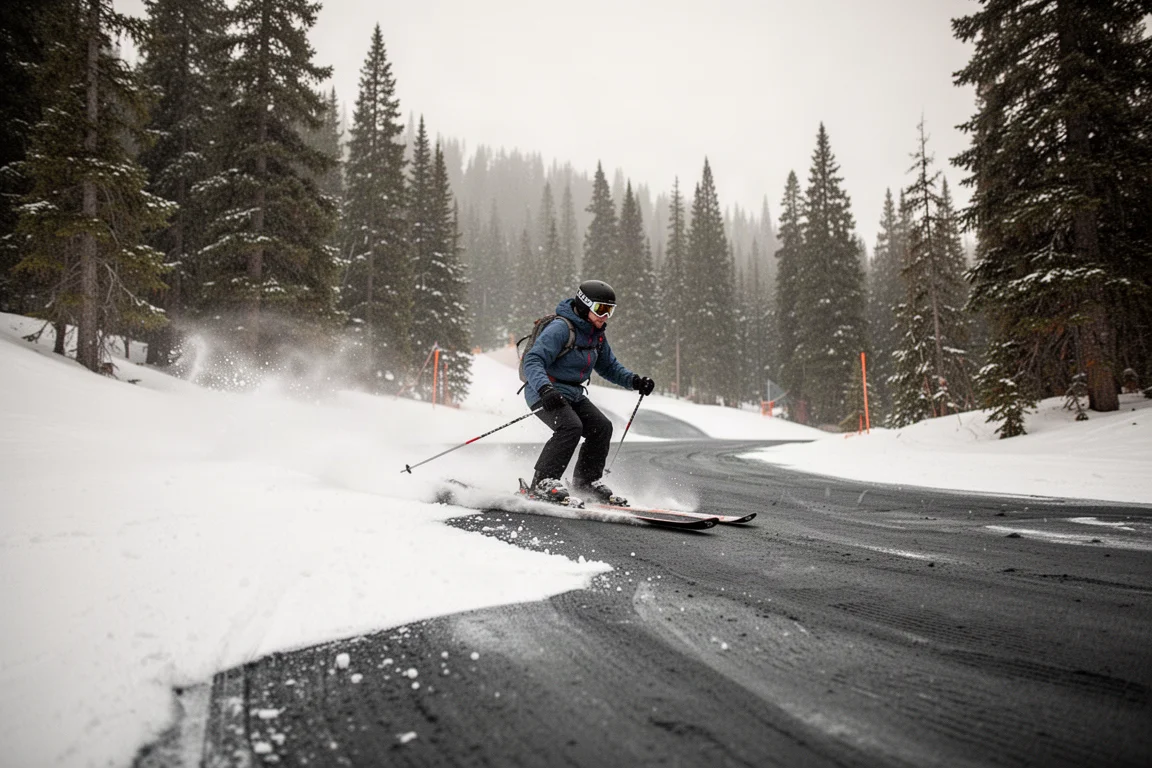
If the weight or the demand is a concern, sizing down is the practical lever. A shorter length trims some weight and produces a tighter turn shape, which makes the ski more approachable without changing the construction or the character.
Buying Advice
The Santa Ana 97 makes the most sense for advanced and expert skiers who want one ski to cover a lot of ground and who value smoothness and stability over a featherweight feel. If that describes you, the 2026 version delivers the same proven build as the prior year, plus a new graphic.
Skiers coming out of the intermediate range should think about length first. Sizing down is a legitimate way in, and it keeps the turn shape friendlier while shaving weight. If your priority is deep powder or steep, icy faces, look elsewhere, because those are the areas where this ski is most limited.
For everyone in between, the case is straightforward. The ski is versatile, stable at speed, and reassuring when conditions turn firm without warning. It has a high-end feel and it rewards a skier who is willing to drive it.
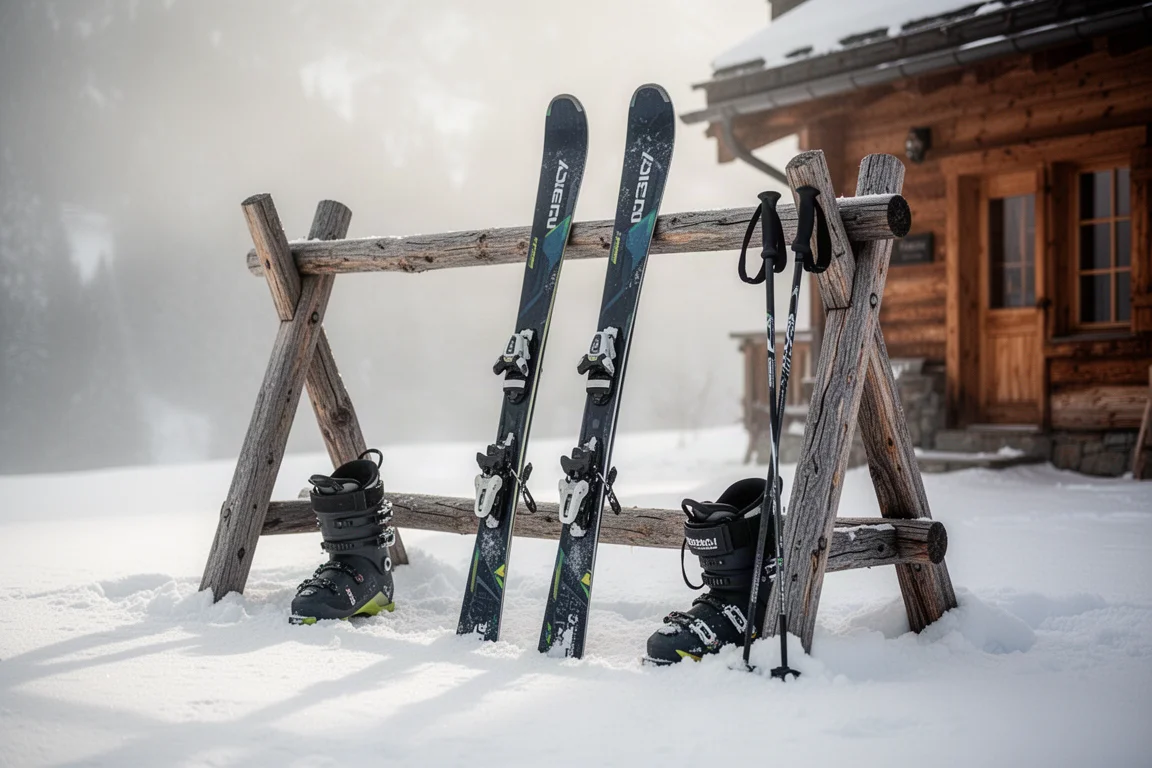
Nothing about the 2026 model changes the equation from last year, which is good news for anyone who already knew this ski was the right fit. The update is cosmetic, and the performance underneath is the same one that made the shape changes worth making.
Conclusion
The Nordica Santa Ana 97 for 2026 is a structurally unchanged ski with a new graphic, and that is a sensible move for a design that already works. Its poplar and beech core, single sheet of terrain specific metal, and pulse core laminate underfoot produce a smooth, quiet, stable ride that holds up at speed.
It is best suited to advanced and expert skiers, with the option to size down for early advanced skiers who want a more manageable length. It is not built for big powder or firm, steep, icy terrain, but it is reliable and forgiving everywhere in between, including the moment when soft snow gives way to something harder. For strong skiers looking for one versatile all-mountain ski, that is a convincing combination.
Product link
View more details for Nordica Santa Ana 97 (2026)
This product is mentioned in the review. Check the specifications, options, and compatibility before buying.
View more details for Nordica Santa Ana 97 (2026)Further reading
Related Reviews
All-Mountain Skis
100mm All-Mountain Skis Compared: 23 Versatile Models Worth Knowing
A practical walkthrough of 23 all-mountain skis around 100mm underfoot, covering weight, rocker, metal construction, and the rider each model suits best.
All-Mountain Skis
2026 Black Crows Camox Review: A More Stable, More Versatile All-Mountain Twin Tip
The 2026 Black Crows Camox adds an ash layer underfoot, wider tips and tails, and a revised rocker profile. Here is what those changes mean on snow.
All-Mountain Skis
Armada Antimatter 88 Review: A Light, Lively All-Mountain Ski That Rewards Any Style
The Antimatter 88 pairs a poplar core with carbon stringers for a surprisingly energetic ride that suits intermediates and experts alike.