Ski Gear
Nordica Enforcer 100 vs 94 vs 104: Choosing the Right Width
A practical look at the three Nordica Enforcer widths, what each one does well, where each one struggles, and which skier each is actually built for.
Introduction
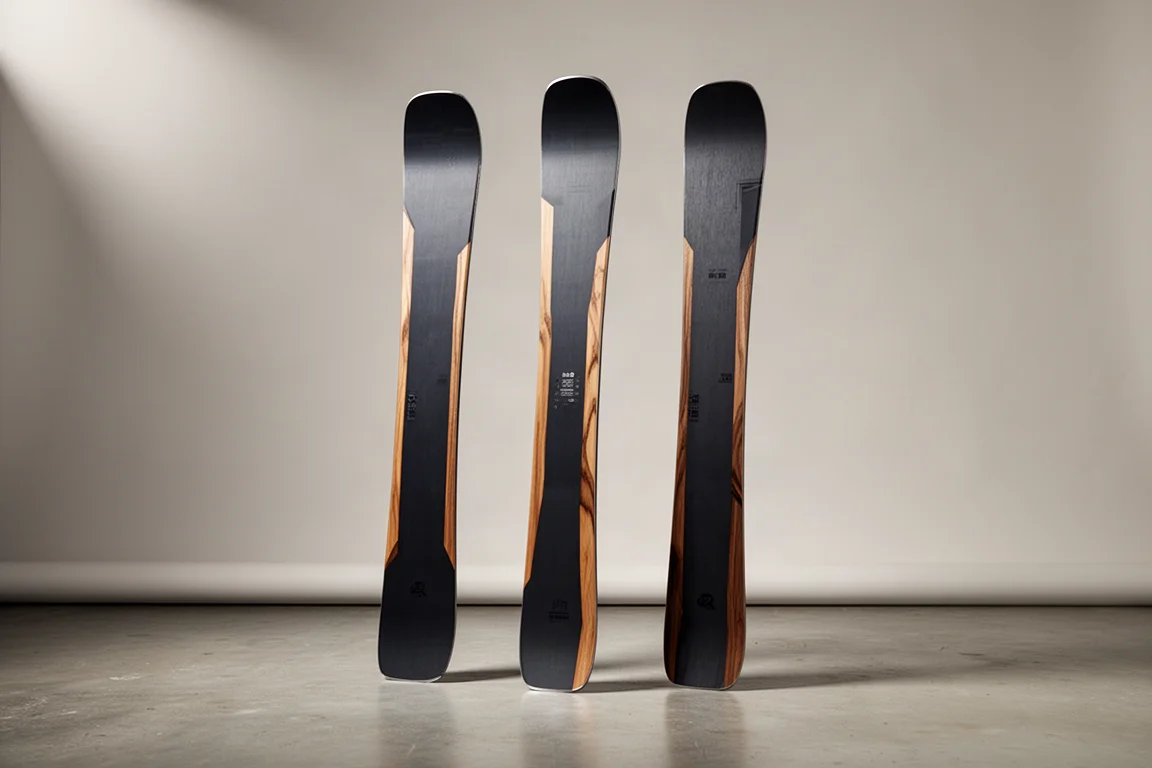
The Nordica Enforcer 100 is one of the most influential all-mountain skis of the past decade. Its tapered tip shape and metal-laminate build helped push the wider ski market toward the designs most brands now sell, and it has spent years as the default recommendation in the 100 mm category. It is also a ski that divides opinion, and not everyone who buys one ends up loving it.
The reason the conversation has become more complicated is that the Enforcer 100 no longer stands alone. Nordica now builds the Enforcer 94 and the Enforcer 104 around the same proven construction, and each of those widths solves a slightly different problem. This guide walks through what the three models share, what separates them, and which one makes sense for the way you actually ski.
What the Enforcer Line Shares
Every Enforcer in this range is built around the same core recipe: a dense wood core with two full sheets of metal, a rockered tip, a tapered tip profile and a mostly flat tail with very little tail rocker. The construction is what gives the family its characteristic feel, and it is also the reason these skis are heavy. The Enforcer 100 sits at roughly 2,220 g, which is a meaningful step up from lighter all-mountain options in the same category.
The signature element is the taper. As you tip the ski further on edge, more of the tip comes into contact with the snow, so the effective edge gets longer the harder you commit. That geometry is why the Enforcer feels so intuitive once you are skiing it with speed and purpose, and it is the design idea that spread across the wider ski market.
The pay-off of all that metal and wood is torsional stiffness and a very stable platform underfoot. That is what makes the family feel planted at speed and capable of cutting through crud, ice and chopped-up variable snow rather than being deflected by it.
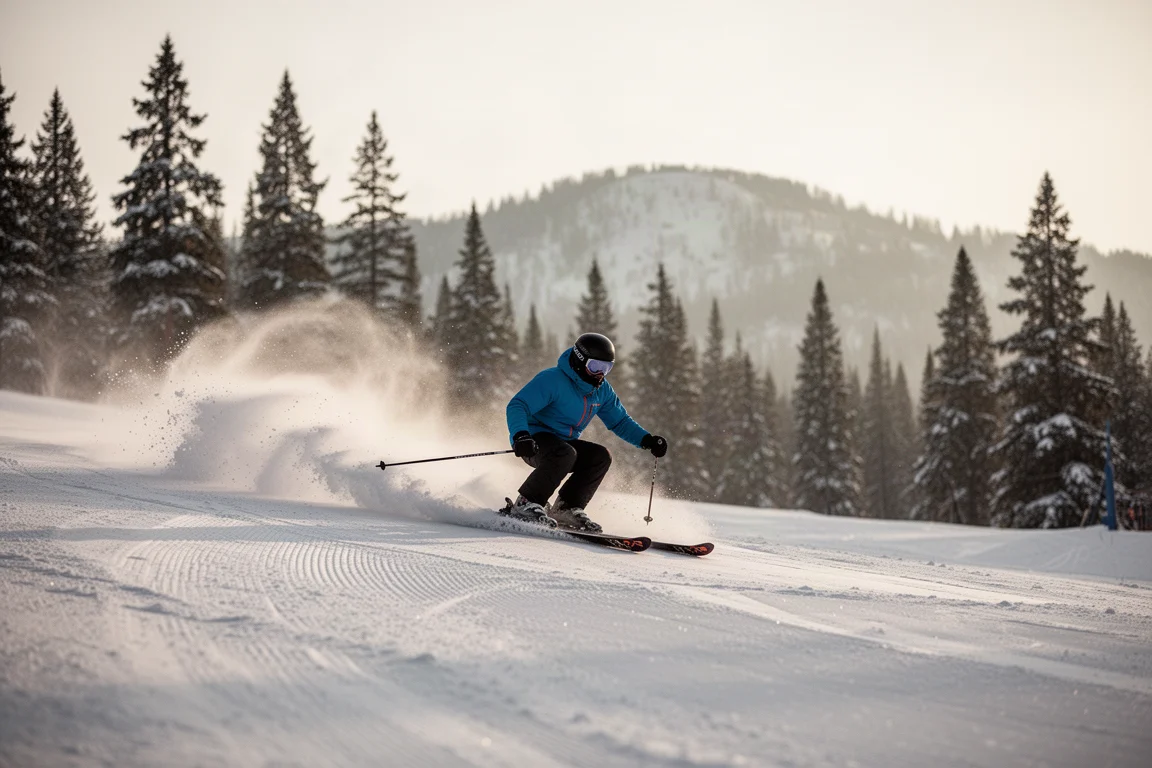
The trade-off is weight. These are not light skis, and they are not springy ones. They hold an edge beautifully and they hold a line, but they are built around stability rather than rebound, and that distinction matters a great deal when you are choosing between the three widths.
Nordica Enforcer 100: The Iconic All-Mountain Option
The 100 is the model that made the line’s reputation. It carries the dense wood core and twin metal sheets, and it is torsionally stiff without being the stiffest ski in the category. The 179 cm length runs a 17.3 m turn radius, which is shorter than a lot of comparable all-mountain skis and gives it a rounder, more linked turn shape than you might expect from something this heavy.
Where it works, it works very well. Strong, fast skiers get a stable platform, confident edge hold and a ski that comes across the fall line cleanly once it is up to speed. In firm, dense or chopped-up snow it is genuinely useful, because it cuts through rather than getting pushed around. In deep snow it floats better than its weight suggests, since the wide surface area displaces a lot of snow, and one long length in two feet of fresh snow handles far better than the numbers imply.
Where it struggles is energy return. Load the ski up and it holds, but it does not give much back, and some skiers come away feeling that it is dead and short on pop out of the turn. It also needs speed and commitment to feel rewarding, so a slower, more relaxed style does not get the best out of it. In light, dry snow it still sinks more than a dedicated powder shape, particularly in the tail.
The other consideration is placement in the lineup. With the 94 and the 104 both available, the 100 no longer occupies the obvious middle ground it once did. It is not the most agile option and it is not the most buoyant one, so the case for it now rests on a specific profile: a strong, fast skier who wants one versatile all-mountain ski that carves well and can handle whatever the mountain throws at it.
Nordica Enforcer 94: A Sharper Trail Focus
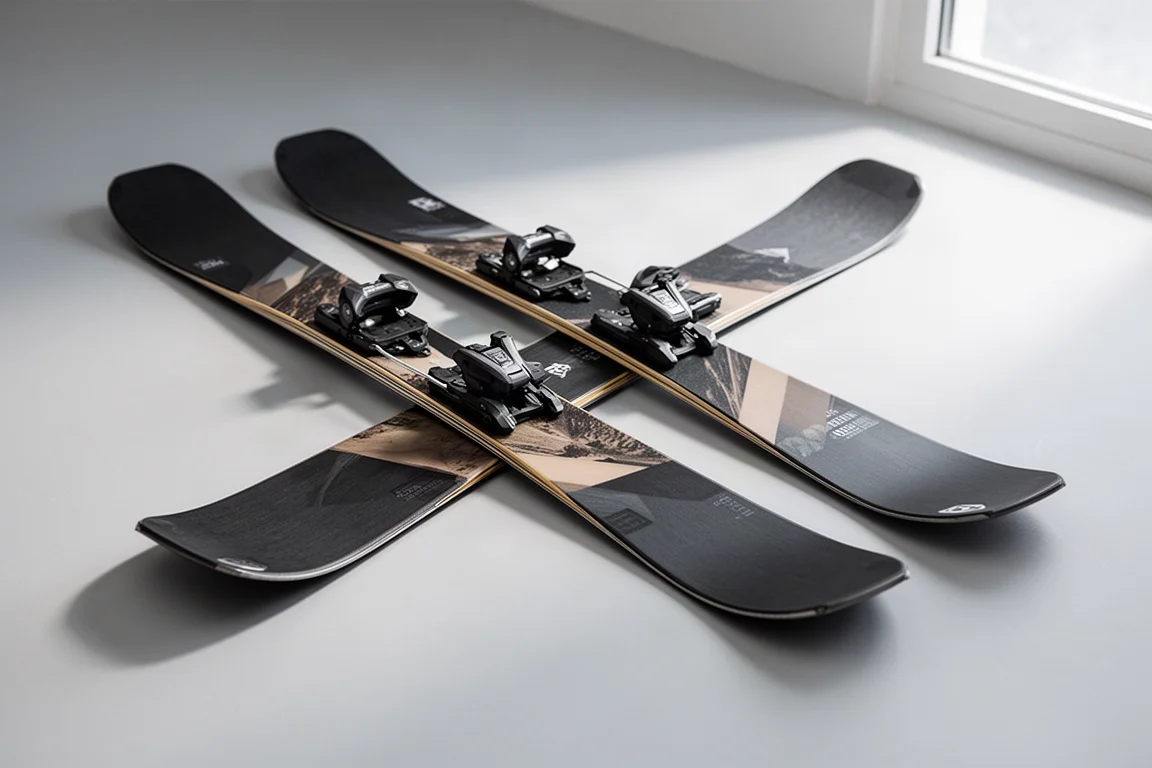
The Enforcer 94 keeps the same proven construction and the same shape, but in a narrower package that leans much more heavily toward on-trail performance. That narrower platform sharpens edge control, grip and maneuverability, and the taper design arguably suits this width better than it suits the 100. The result is a ski that feels more focused and less compromised.
It also saves a little weight, which shows up as more agility and an easier overall ride. For skiers who spend most of their time on groomed runs, firm snow and the kind of hardpack that rewards a clean edge, the 94 delivers most of what the 100 offers with noticeably less effort.
What you give up is float. The narrower platform is not the tool for soft snow days, and if deep snow is a regular part of your season, this is not the width to build around. But as an everyday all-mountain ski for firm conditions, it is the sharpest expression of the Enforcer idea.
Nordica Enforcer 104: Built for Soft Snow
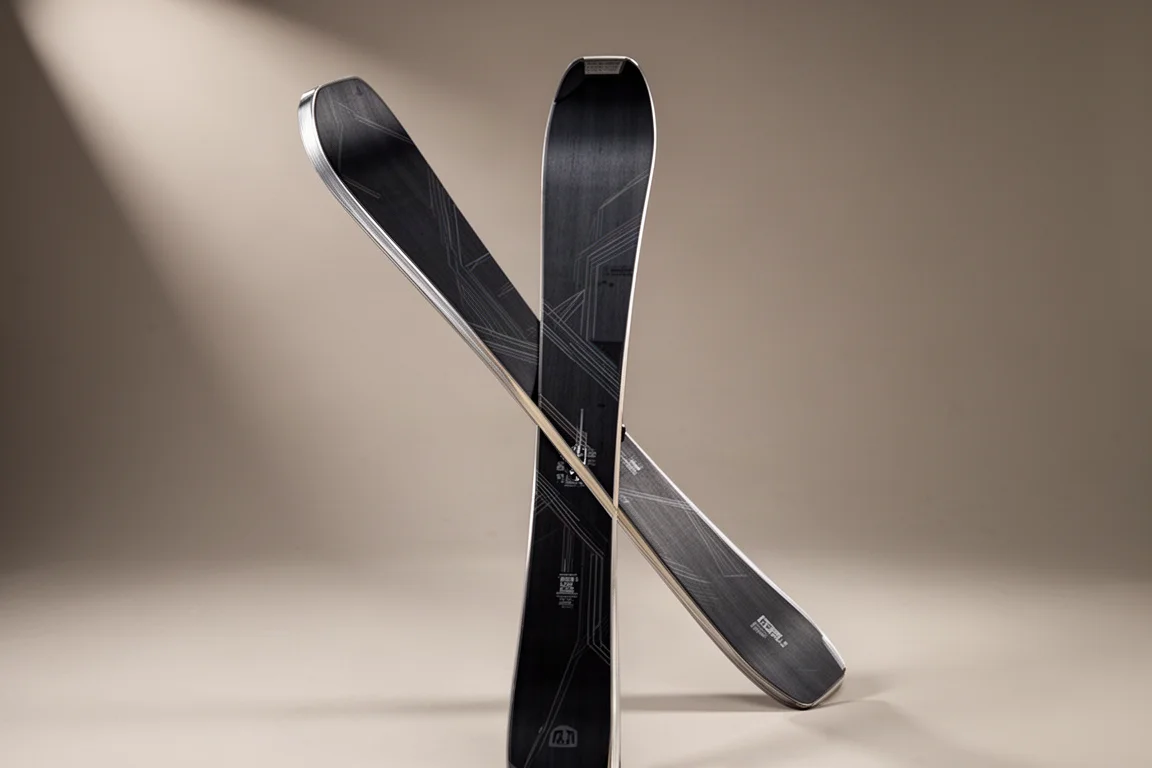
The Enforcer 104 was added to give the family a genuinely soft-snow-oriented option, and it takes over much of the flotation duty that the 100 used to carry alone. If your priority is an Enforcer for deeper days and softer snow, this is the more direct answer, and its arrival is a large part of why the 100 now feels like a middle ground for some skiers.
Nordica also offers the Enforcer 104 Unlimited, a lighter build that delivers much of the same flotation with less mass, which matters if you like the shape but not the heft. At the other end of the range there is an Enforcer 88 for skiers who want the family’s feel in a narrower, more frontside-focused ski.
The trade-off with the 104 is the same one that applies to any wider ski: less precision and less bite on firm groomed snow than the narrower widths in the line. It is a specialist choice, and it should be bought as one.
Terrain and Conditions: Where Each Width Works
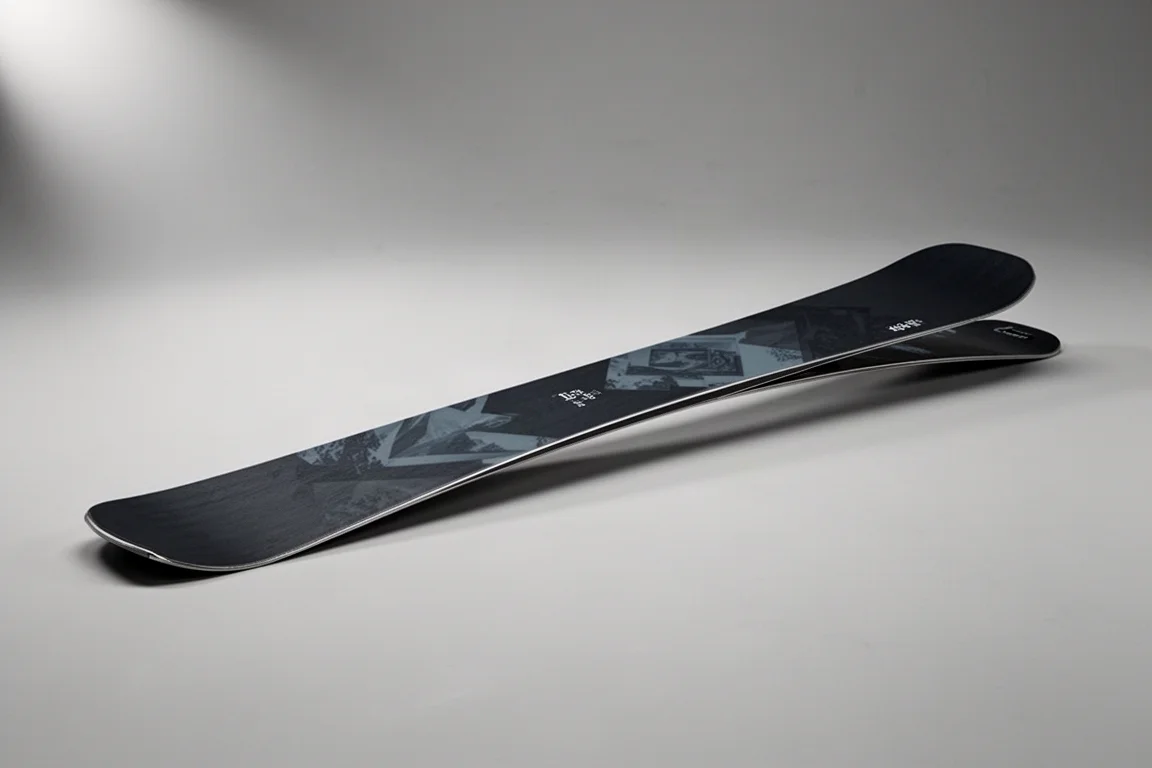
Snow quality changes the answer more than anything else. On firm, icy or chopped-up terrain, the Enforcer 100’s density is an asset. The weight and torsional stiffness let it cut through rough snow and hold an edge where lighter skis get knocked around. That is the environment where the construction makes the most sense, and it is why the ski has such a loyal following in harder-snow regions.
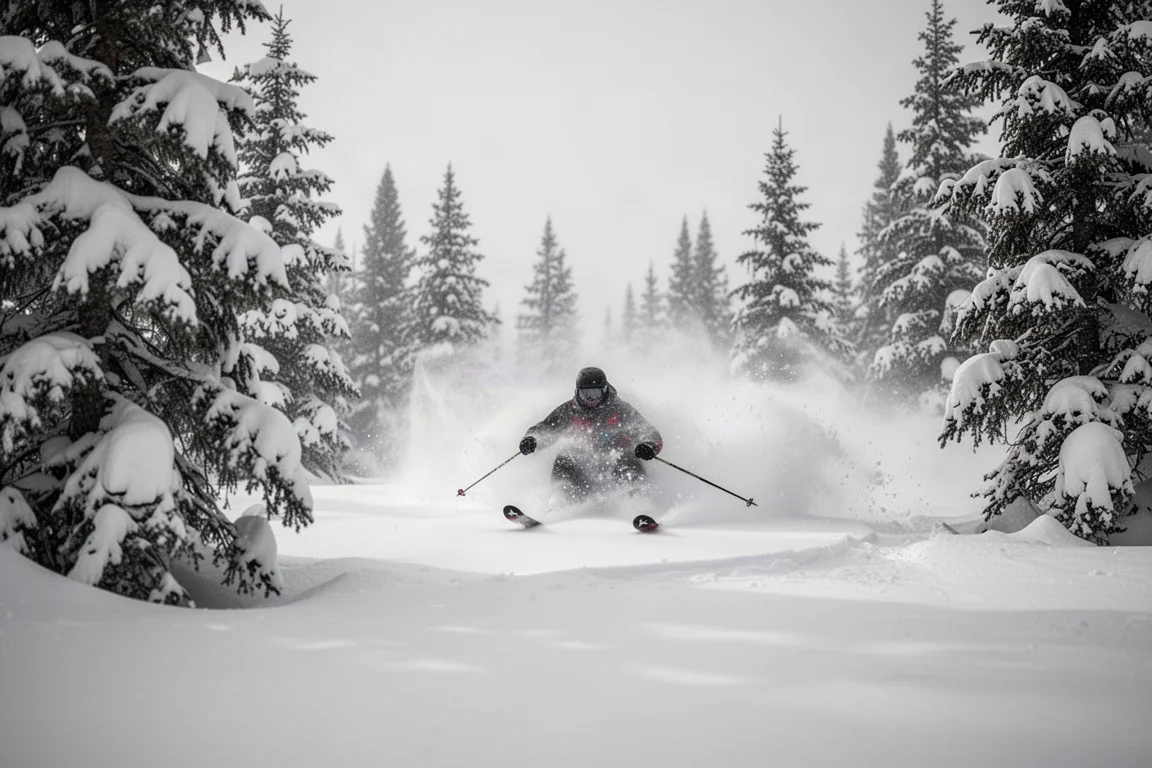
In light, dry inland snow, the same density works against it. The ski sinks more than you would want, and a heavy ski in soft snow is a lot of work over a full day. Buoyancy and weight are different things, so a heavy ski can still float reasonably well thanks to its surface area, but the effort required goes up.
That is where the split in the lineup becomes clear. The 94 is the width for groomed runs, firm snow and skiers who want the Enforcer feel with more agility. The 104 is the width for soft snow and deeper days. The 100 sits between them, and it makes the most sense for someone who genuinely needs one ski to cover a wide range of conditions and is willing to accept the weight to get it.
It is also worth being honest about who tends to end up on the 100. It is often described as a ski for everyone, and it is not. It rewards strong, committed skiing and it can leave lighter or less aggressive skiers feeling like they are not getting anything back from it. That is not a knock on the ski so much as a reminder to match it to the right skier.
What to Consider Before Buying
A few practical points are worth weighing before you commit to a width.
- These are heavy, metal-laminate skis. The weight is real, and you will feel it in soft snow and on the lift.
- They need speed and commitment. The shape and construction reward a decisive, driven turn far more than a relaxed one.
- The Enforcer 100 does not return much energy. If you like a snappy ski that springs out of the turn, this is not that ski.
- The 100 is not a ski for everyone, despite its broad reputation. Intermediate and lighter skiers may not flex it enough to get the most from it.
- Width should follow your snow. The 94 for firm and groomed, the 104 for soft snow, and the 100 for a genuine one-ski quiver in mixed conditions.
Overall Buying Advice
Start with the snow you ski most often, then work back to the width. If you spend most of your season on groomed runs and firm, variable snow, the Enforcer 94 gives you the family’s construction in a more agile and easier package, and it is the most focused ski of the three. If soft snow and deeper days are what you are shopping for, the Enforcer 104 is the sensible choice, with the Unlimited build available if you want the same flotation at a lighter weight.
The Enforcer 100 remains a legitimate option, but it is a specific one. It suits strong, fast skiers who want a single versatile all-mountain ski that carves well and handles rough snow, and who are happy to trade energy return and light weight for stability. If that describes your skiing, it will do exactly what you need. If it does not, one of the other widths will almost certainly serve you better.
And if you already own an Enforcer and enjoy it, there is no reason to change anything. A ski that works for your style and your mountain is a good ski, regardless of where it sits in the lineup or how the category has moved on around it.
Conclusion
The Enforcer family is not really a choice between good and bad, it is a choice between three different priorities built on the same proven platform. The 94 is the trail-focused, agile option. The 104 is the soft-snow option. The 100 is the broad, stable all-rounder that asks for speed and commitment in return. Match the width to the way you turn and the snow you actually ski, and any of the three will serve you well.
Further reading
Related Reviews

Ski Gear
2023 Blizzard Hustle vs Rustler: Six Freeride Skis Compared
Blizzard's 2023 Hustle collection rebuilds the Rustler shape with a lighter core and no metal. Here is how all six skis differ, and which one suits your riding.

Ski Gear
2023 Skis of the Year: Atomic Maverick 88 TI, Salomon QST 106, and Look SPX 12 Pro
Three standout ski picks for all-mountain carving, powder days, and reliable binding performance, with practical buying notes for 2023 models.

Ski Gear
2025 Nordica Enforcer 104 Review: A Directional Charger Replaces the 104 Free
The 2025 Nordica Enforcer 104 drops the Free name and the twin-tip personality, gaining weight, stiffness and composure in rough snow. Here is what changed and who it suits.