Alpine Skis
Nordica Dobermann Spitfire 72 Review: A Frontside Carver for Advanced Skiers
A narrow 72 mm frontside carver with race-room construction, strong edge grip, and a clear performance threshold to consider before buying.
Introduction
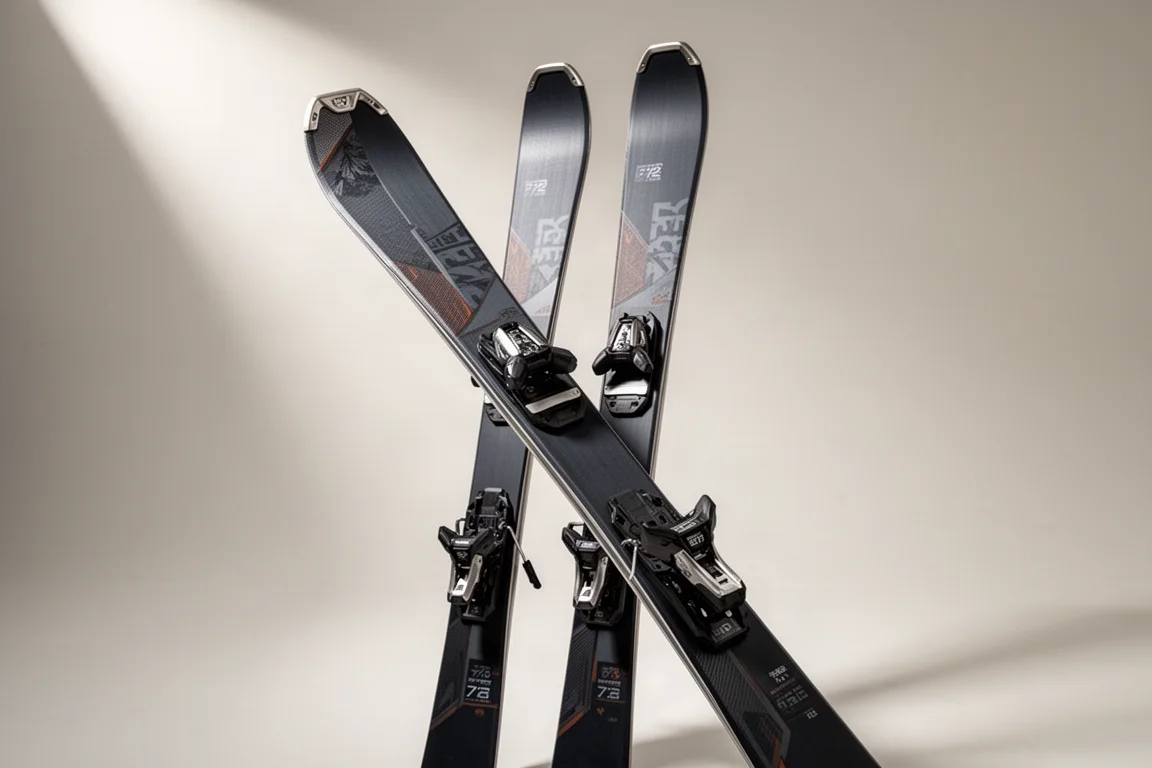
The Nordica Dobermann Spitfire 72 is a narrow frontside carver built for advanced and expert skiers, including former racers and anyone whose priority is carving and high speed turns on groomed terrain. It borrows a great deal from Nordica’s race room, which is where its performance comes from, yet it stays approachable enough for strong recreational skiers who do not come from a collegiate racing background. Most skiers with a solid technical base will be able to access what this ski offers.
At 72 millimetres underfoot the Spitfire 72 sits firmly on the narrow side of the spectrum, and that single number shapes almost everything about how it behaves on snow.
Who This Ski Is For
This is a ski for people who spend their days on groomed runs and want precision rather than flotation. Advanced and expert skiers are the natural audience, particularly those who grew up chasing gates or who simply enjoy the feeling of a well executed carved turn at speed. It also makes sense for anyone who wants to bring a recreational race course into their routine.
Because the platform is narrow, the ski asks for a certain level of skill and input before it comes alive. Skiers still building their edging and pressure control may find it demanding rather than rewarding.
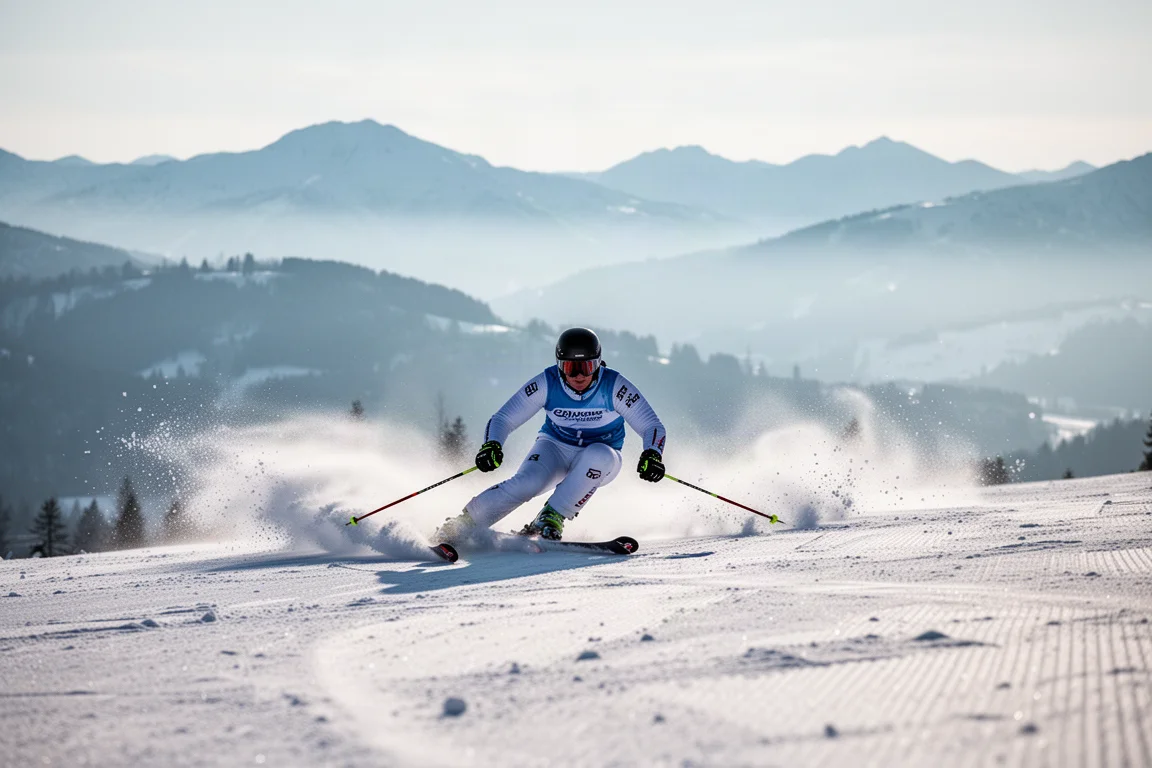
For the right skier, though, that narrow waist is the whole point. A smaller balance point and a tighter platform translate into immediate response the moment the ski is rolled onto edge.
Main Strengths
The Spitfire 72 is built around energy transfer. Every part of the construction exists to make sure that what you put into the ski comes back out at the edge.
Construction and Energy Transfer
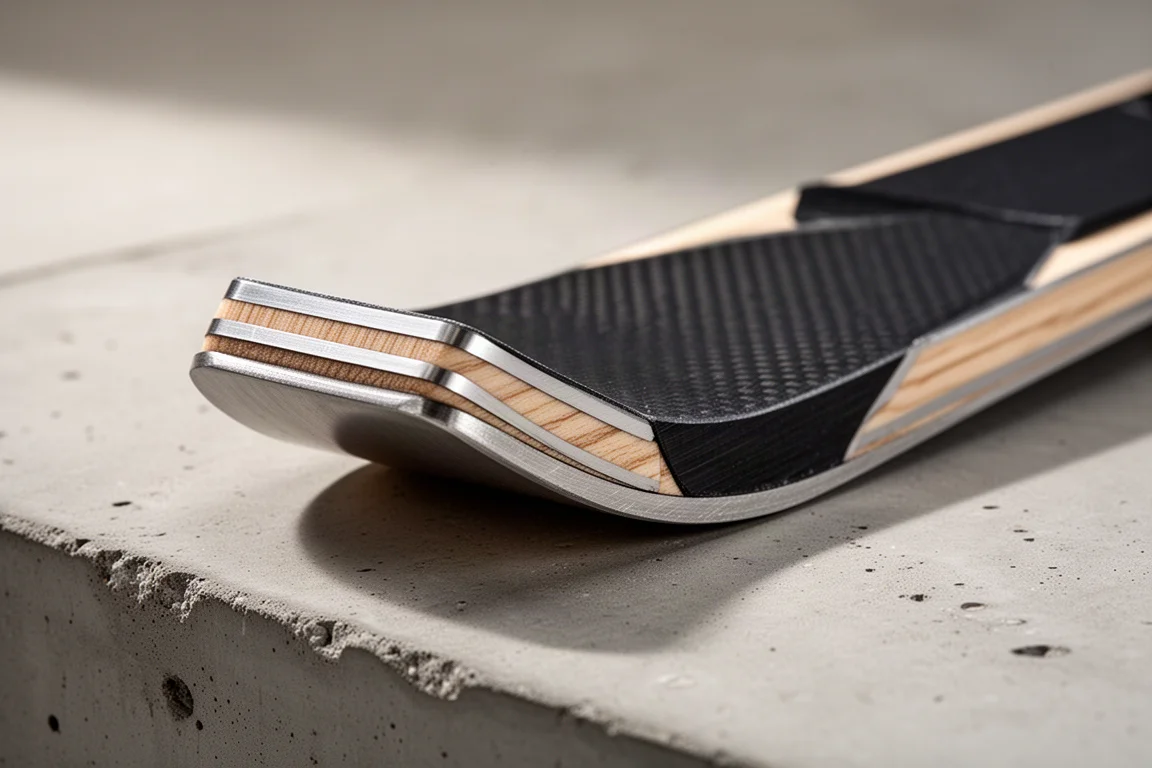
Nordica uses a performance wood core with two sheets of metal, then adds carbon bridge technology. In practice that means extra carbon fibre is placed in the front of the ski to sharpen turn initiation and responsiveness. When you drive forward into the tips, that input is transmitted directly into the snow and along the edge, then through to the tail. Putting that extra carbon in the forebody makes a great deal of sense for a ski like this, and it does its job well.
The result is a ski that rewards a forward, committed stance. It is not a shape that responds much to a passive, backseat style of skiing.
Edge Grip and Turn Shape
The profile is deliberately simple. There is minimal to no rocker, positive camber underfoot, and camber running the full length of the ski, so the edge makes contact all the way out to the widest point. That full length edge contact is where the precision and the power come from, and it produces relentless grip.
With anything close to a fresh edge, the Spitfire 72 holds tight on any type of snow, including icy conditions. In the 174 cm length the turn radius is 16 metres, which places it at the shorter end of the GS spectrum. That makes it a strong option for skiers who like to carve multiple subsequent turns at high speed rather than run long, sweeping arcs.
Things to Consider Before Buying
The trade-off for all that grip and response is a narrower platform and a performance threshold you have to reach. Skiers stepping down from a wider all mountain ski should expect to feel less stability underfoot at first, and the ski will not flatter hesitant edging.
There is also a weight consideration. The 174 cm model with the Marker XL12 system binding and its lifter plate comes in at around 3,300 grams per ski including the binding. Most of that mass sits underfoot, which is exactly where you want it for stability and power through the turn, but it is still a ski you will notice on the lift and in the lift line.
Riders who split their time between groomers and softer snow should think carefully about whether a 72 millimetre waist matches how they actually ski, because this is a tool built for hardpack and corduroy.
Sizing, Weight, and Binding Setup
The 174 cm length pairs a 16 metre radius with the Marker XL12 system binding, mounted on a lifter platform. The lifter raises the boot slightly and helps the ski come onto edge, while the system binding keeps the setup straightforward for skiers who would rather not think about mounting position.
Weight is concentrated underfoot by design. That placement supports the underfoot stability and power that hold you into the turn, and it is part of why the ski feels as smooth, strong and stable as it does once you are up to speed.
Buying Advice
Choose the Dobermann Spitfire 72 if your days are built around groomed terrain, you already ski at an advanced or expert level, and you want a frontside ski that delivers race-like edge grip in a more everyday package. It suits skiers who want to carve successive turns at high speed, who enjoy a recreational race course, or who are looking to recapture some of that race day feeling.
If you are unsure, be honest about how much time you spend on hardpack. This ski is at its best when the surface is firm and the goal is precision.
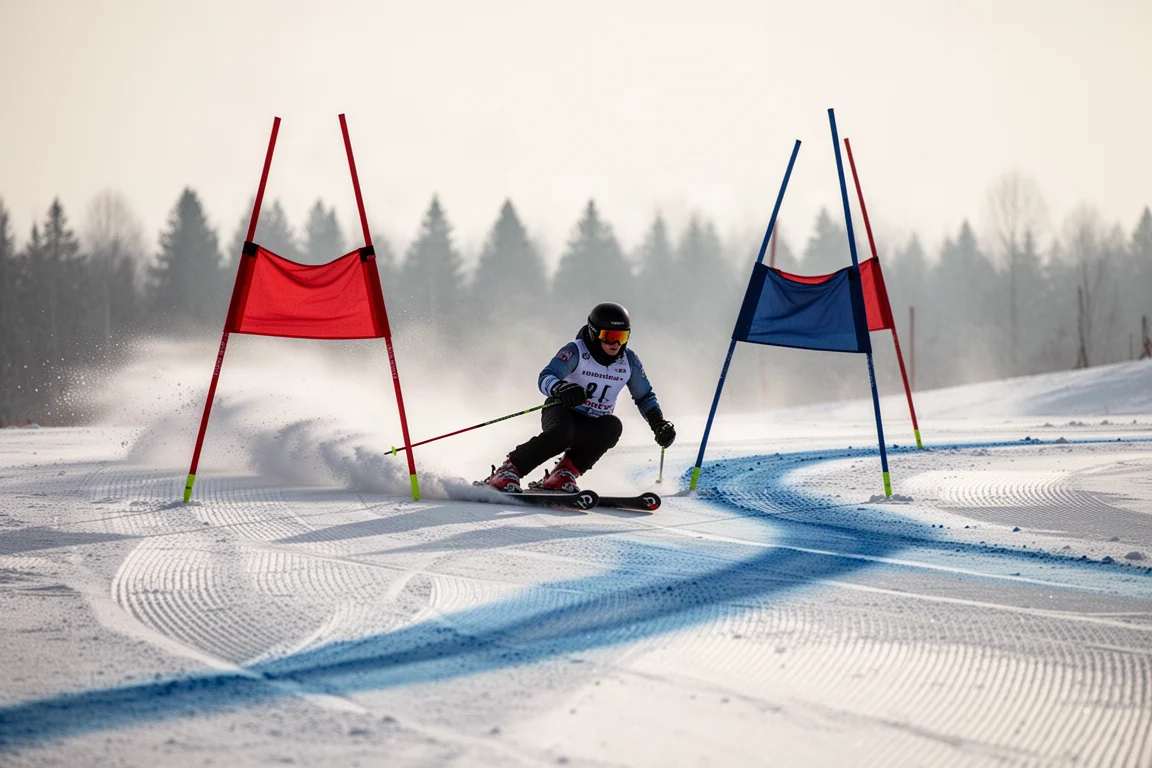
Match the length to your size and speed rather than buying long for the sake of it, since the 16 metre radius already keeps turns quick and the metal and carbon build gives the ski plenty of backbone.
Conclusion
The Nordica Dobermann Spitfire 72 is a focused frontside carver. It takes race room construction, a wood core with two metal sheets, carbon reinforcement in the forebody, full camber and full length edge contact, and turns it into a ski that is demanding but genuinely rewarding for advanced and expert skiers.
If your skiing lives on groomed runs and you want strong edge hold with responsive turn initiation, this is a coherent and well executed choice.
Product link
View more details for Nordica Dobermann Spitfire 72
This product is mentioned in the review. Check the specifications, options, and compatibility before buying.
View more details for Nordica Dobermann Spitfire 72Further reading
Related Reviews
Alpine Skis
Atomic Redster X9 Review: An Ultra-Precise Carving Ski for Firm Snow
A close look at the Atomic Redster X9, a 65.5 mm carving ski built for firm groomed snow, covering its construction, strengths, limits, and who should buy it.
Alpine Skis
Atomic Redster X9 S Review: A Precision Carving Ski for Firm Snow
The Atomic Redster X9 S pairs a 65.5 mm waist with race-derived construction and steel damping, delivering knife-like precision on firm groomers.
Alpine Skis
Blizzard Thunderbird R15 WB Review: A 76 mm Frontside Carver Compared With the Firebird HRC
A practical look at the Blizzard Thunderbird R15 WB, its TrueBlend core and Active Carbon Armor, and how it differs from the race-oriented Firebird HRC.