Alpine Skis
Nordica Dobermann Multi Gara DC and Multi Pista: Two Frontside Skis Compared
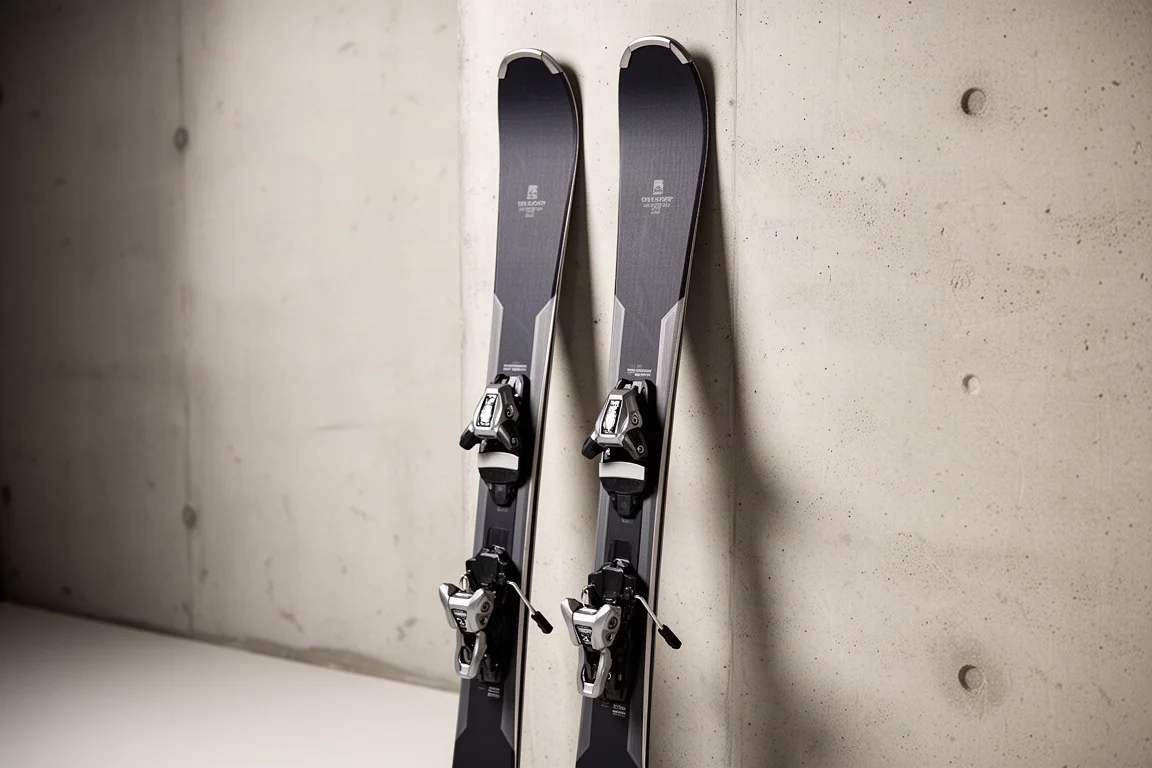
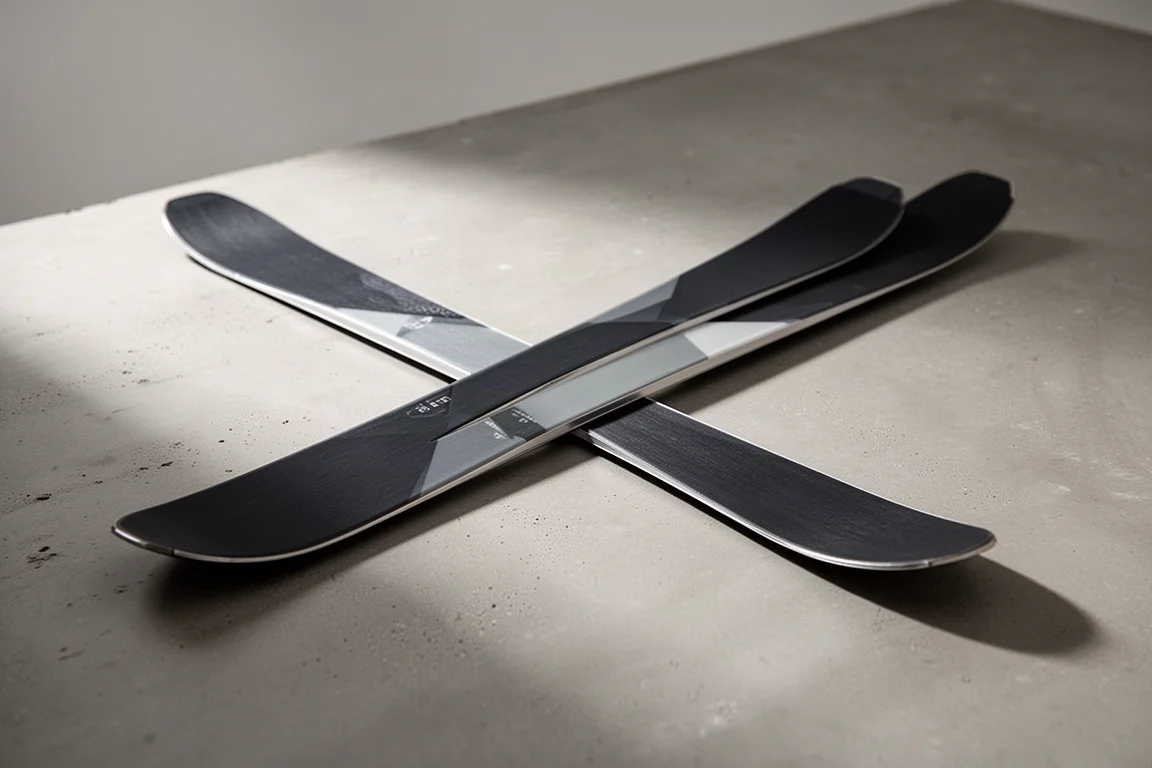
A close look at two Nordica frontside skis: the fully cambered Multi Gara DC with its race-derived build, and the rounder-tailed Multi Pista.
Introduction
Nordica’s Dobermann Multi family is built for skiers who spend most of their time on firm, groomed terrain and want a ski that feels planted and precise rather than light and playful. Two models in that family, the Dobermann Multi Gara DC and the Dobermann Multi Pista, share a construction philosophy but ask for different things from the person standing on top of them.
The Multi Gara DC is the more race-like of the two: a narrow, fully cambered ski with a squared-off tail. The Multi Pista keeps a similar construction level but rounds the tail, adds a touch of rocker and widens the platform slightly. This guide covers what each ski does well, where each one gives something up, and how to decide between them.
What Sets the Nordica Dobermann Multi Series Apart
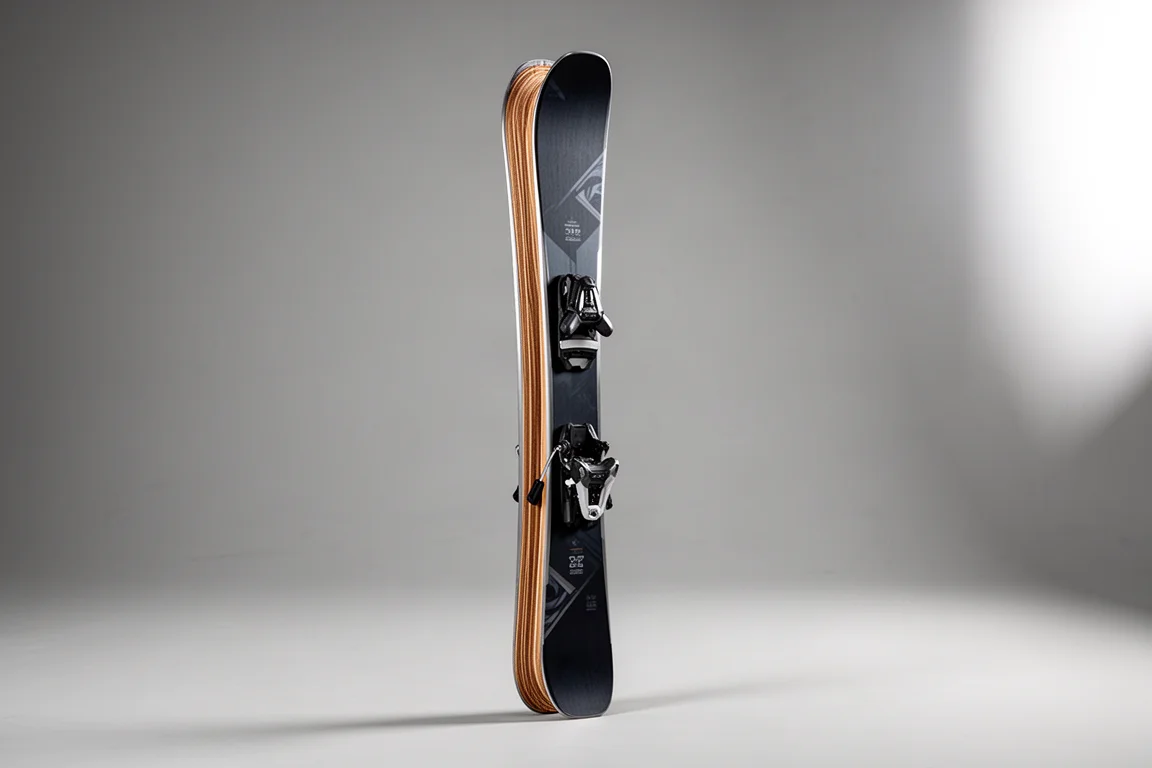
Both skis are built around Nordica’s double core construction. Multiple horizontal layers of wood are sandwiched between two sheets of metal, and a pulse core laminate, an elastomer placed under the middle of the binding area, helps soften vibration. The result is an unusually smooth and quiet ride with minimal chatter, and a feel that stays connected and planted to the snow.
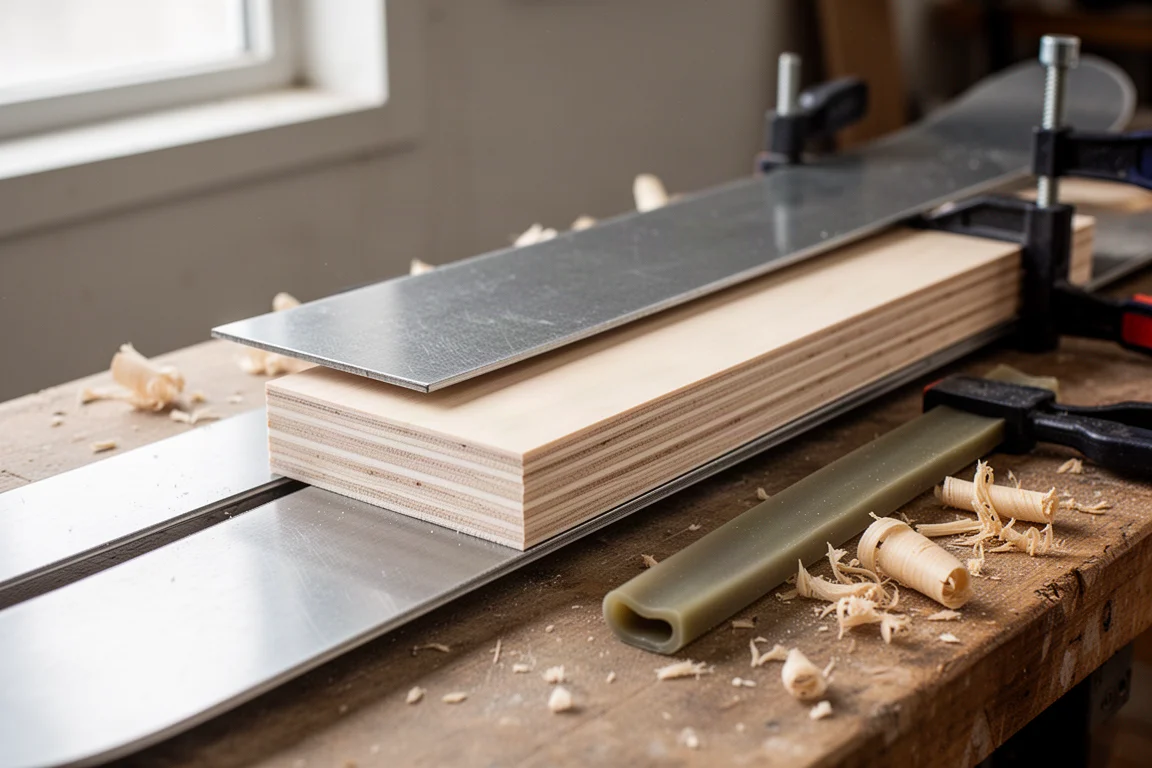
The Multi Gara DC pairs that build with a Comp 13 binding and a connected plate, which adds density to the underfoot zone and reinforces the race-like, on-piste character. Neither ski is light. The Multi Gara DC in a 175 cm length with its system binding comes in at 3,250 g, and most of that weight sits underfoot. That mass is a large part of why the ski feels so solid from tip to tail.
Flex follows the same logic: both are on the stiff side, which is what you would expect from a high-performance frontside ski with a race-inspired mentality.
Nordica Dobermann Multi Gara DC: Race-Derived Precision
The Multi Gara DC measures 70 mm underfoot in the 175 cm length, which makes it very quick from edge to edge. Structurally it carries over from the previous season with the same construction, shape and profile, along with an updated graphic. The shape is angular, sharp and precise, with a 16 m turn radius, minimal taper, no rocker and a fully cambered profile. The tail is squared off and flat, and that is the detail that defines the ski.
On firm snow it holds up to almost anything you ask of it. It stays stable at speed, supports longer shaped turns, and will happily run longer arcs when you push it toward GS or super G style turns. Try to break a turn shorter than its natural radius, though, and the tail pushes back. Breaking free from a carved turn early takes real effort, which places the ski firmly in the expert range.
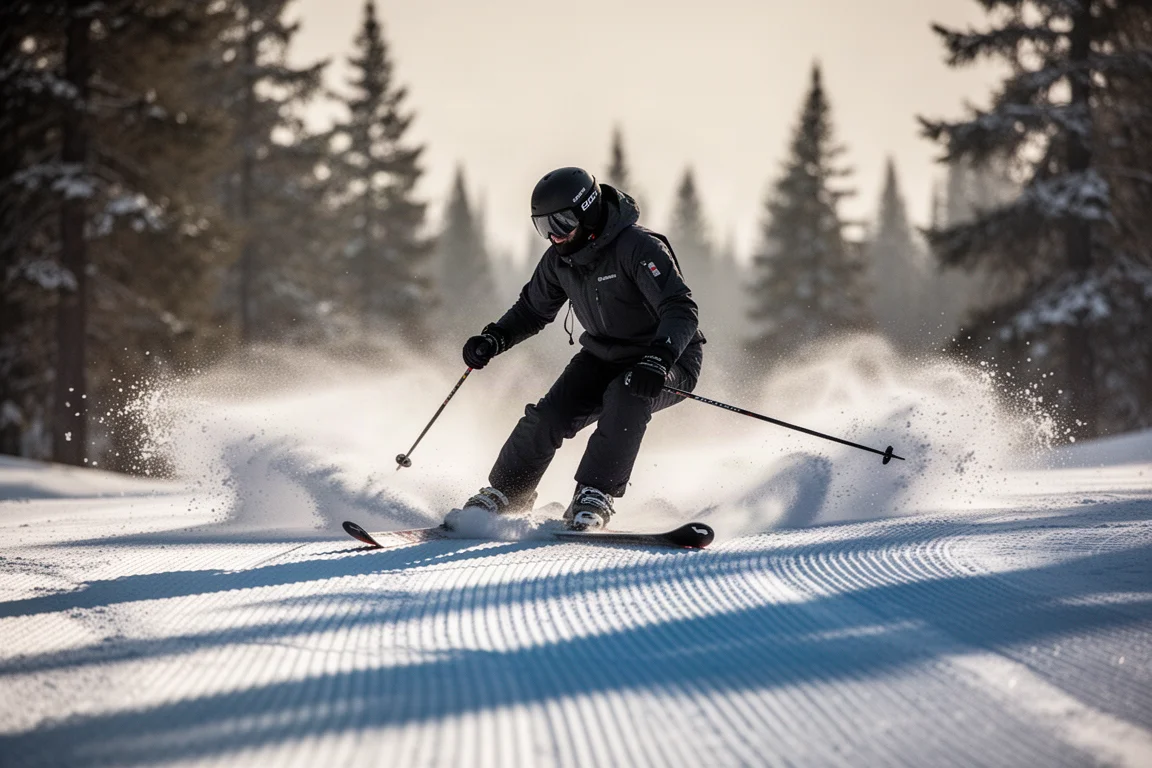
That combination suits technical skiers, including instructors, demo team members and others who ski professionally, as well as beer league racers, early morning frontside laps and the firmest days of the season. Skis this narrow reward a good balance point, and the higher your skill level, the more the construction gives back. Skiers with a racing background note that it takes real race ski experience to feel the difference between this ski and an FIS-level race ski, and that edge-to-edge transitions feel quick and snappy while longer high-speed carves stay consistent and energetic from turn to turn.
Nordica Dobermann Multi Pista: A Looser, More Forgiving Shape
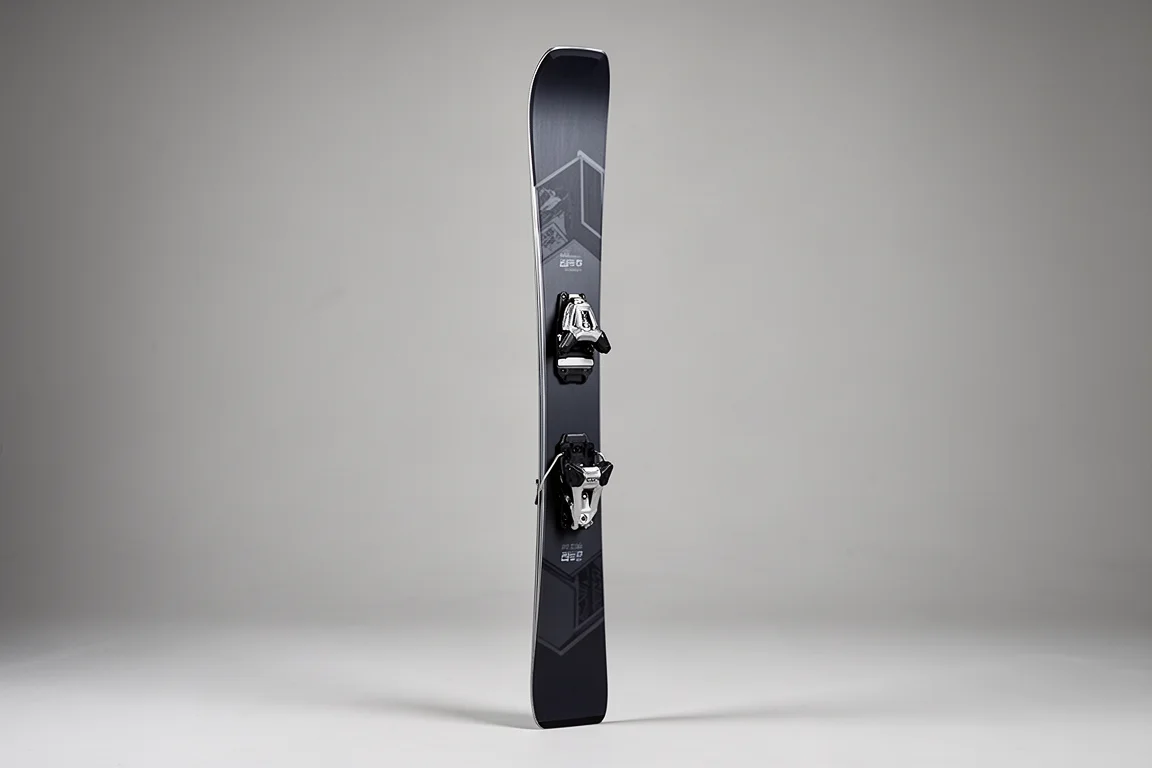
The Multi Pista shares a similar construction level, so the smooth, damp, metal-laminate feel carries over. The differences are in the shape. It measures 74 mm underfoot, and the tail is rounder with a slight amount of rocker rather than the squared, fully flat tail of the Multi Gara DC. That rounder profile adds looseness, which opens the ski up for all-mountain use and makes it easier to release a turn when you want to.
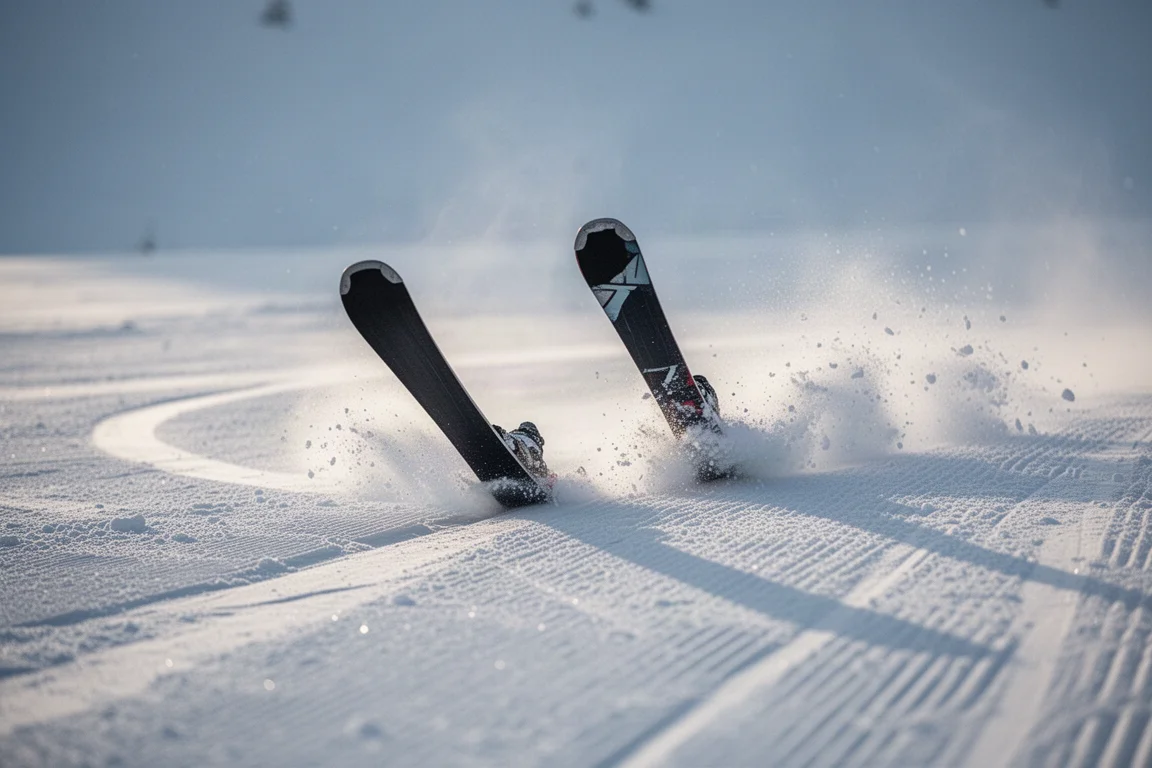
In practice, the Multi Pista is the friendlier of the two for a skier who wants the same high-quality frontside build but does not want to be locked into every arc. It gives up some of the Multi Gara DC’s race-like tail hold in exchange for a shape that works across a wider range of terrain and conditions.
Buying Advice: Which Nordica Frontside Ski Fits You
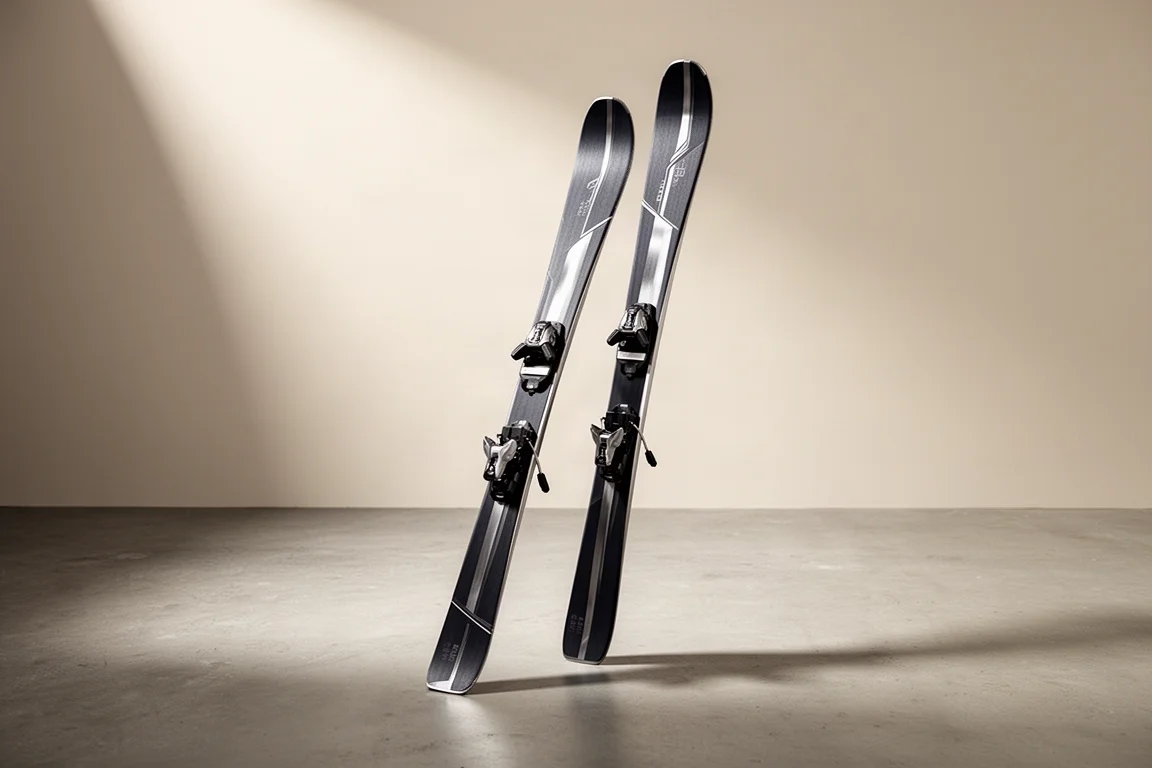
Choose the Multi Gara DC if your days are mostly firm groomed runs and you want a fully cambered, race-inspired ski that rewards precision and holds an edge no matter how hard the surface gets. It is the better match for technical skiing, beer league racing and anyone who wants a ski that feels like a tool rather than a toy.
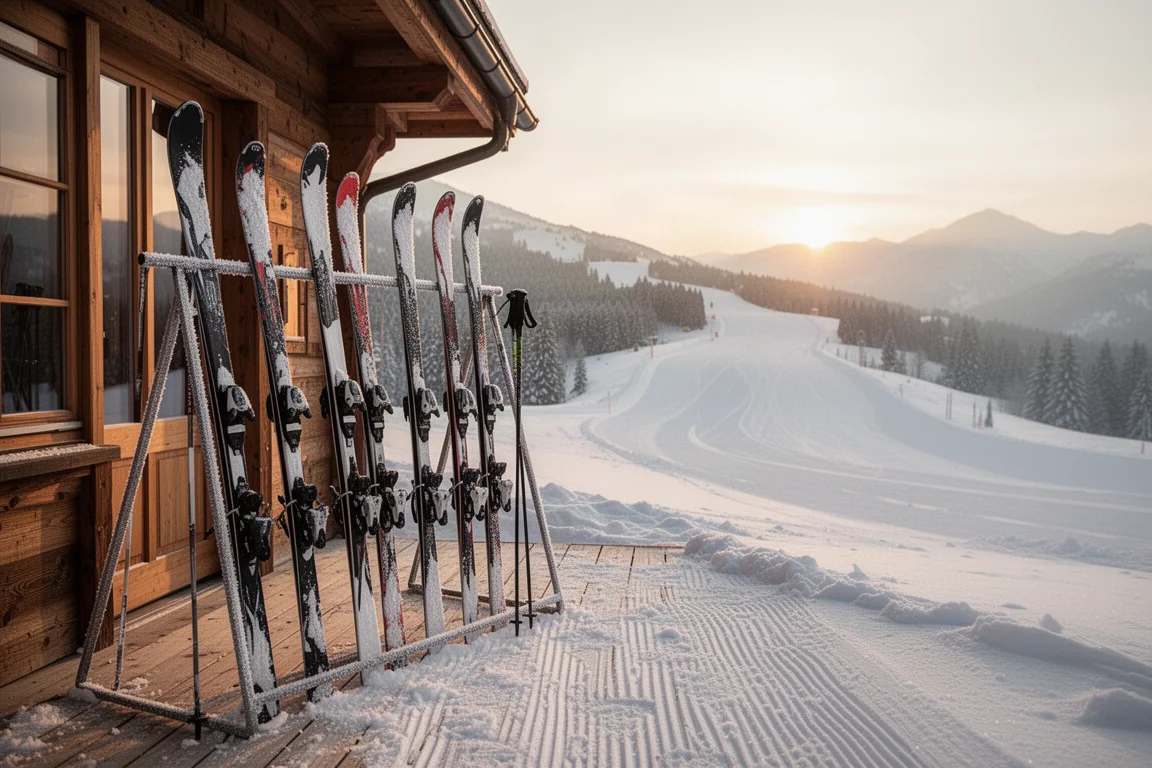
Choose the Multi Pista if you like the sound of that same damp, layered construction but want a rounder tail, a slightly wider 74 mm platform and more freedom at the end of the turn. It is the more versatile shape of the two for skiers who move between firm groomers and softer snow.
One thing to keep in mind for both: they are frontside skis first. On firm snow they are close to ideal. As soon as conditions turn soft, a wider ski will be easier and more enjoyable.
Conclusion
The Nordica Dobermann Multi Gara DC and Multi Pista come from the same playbook: layered wood cores, two sheets of metal and a damp, quiet ride that feels planted underfoot. The choice comes down to the tail and the waist. The Multi Gara DC is the precise, fully cambered option for strong skiers on firm snow, while the Multi Pista trades a little of that lock-in for a rounder, more forgiving shape that reaches further into all-mountain territory.
Further reading
Related Reviews
Alpine Skis
Atomic Redster X9 Review: An Ultra-Precise Carving Ski for Firm Snow
A close look at the Atomic Redster X9, a 65.5 mm carving ski built for firm groomed snow, covering its construction, strengths, limits, and who should buy it.
Alpine Skis
Atomic Redster X9 S Review: A Precision Carving Ski for Firm Snow
The Atomic Redster X9 S pairs a 65.5 mm waist with race-derived construction and steel damping, delivering knife-like precision on firm groomers.
Alpine Skis
Blizzard Thunderbird R15 WB Review: A 76 mm Frontside Carver Compared With the Firebird HRC
A practical look at the Blizzard Thunderbird R15 WB, its TrueBlend core and Active Carbon Armor, and how it differs from the race-oriented Firebird HRC.