Alpine Skis
Nordica Doberman Multigara Review: A Frontside Carving Ski for Strong Skiers
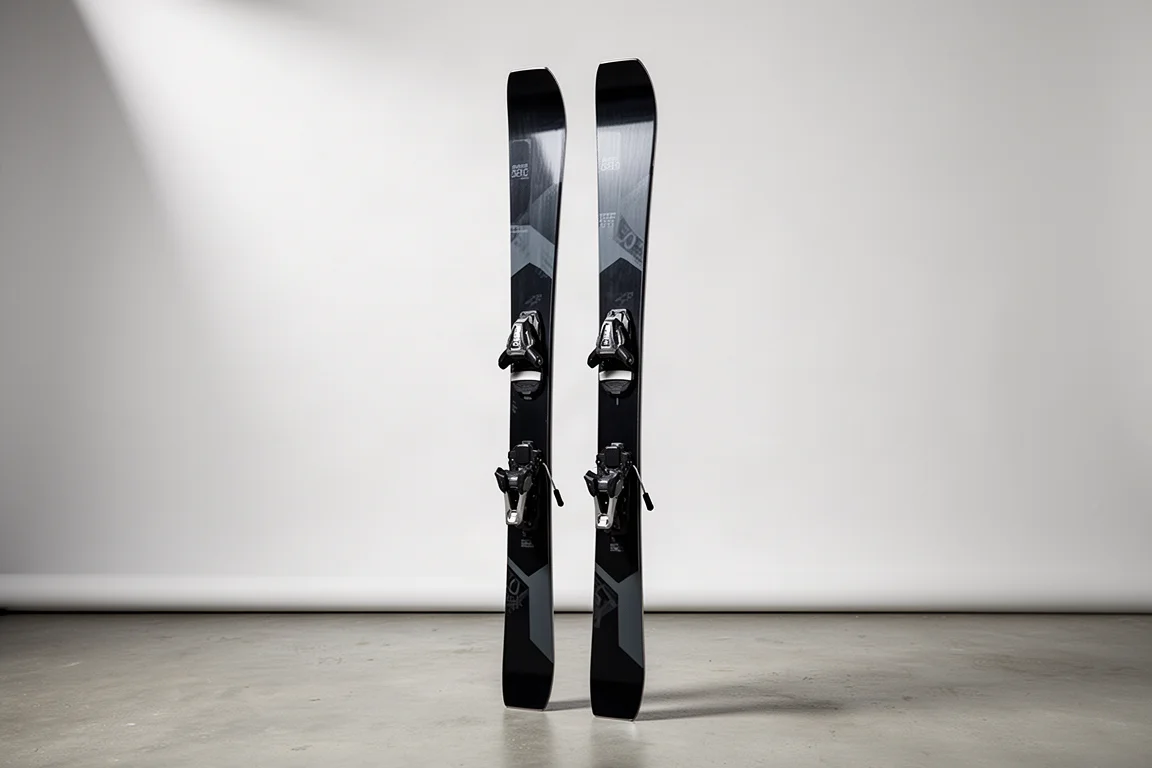
A close look at the Nordica Doberman Multigara, a narrow frontside carving ski with Double Core Ti construction, a race plate binding and a 16 metre turn radius.
Introduction
The Nordica Doberman Multigara is a frontside carving ski that returns for the 2026 season structurally unchanged from the year it was introduced. The update is cosmetic: a new top sheet that keeps the model’s black, low-key Doberman look intact.
On paper it is a narrow ski. It measures 121-71-101 mm with a 70 mm waist and a 16 metre turn radius, which places it firmly in the on-trail carving category rather than the all-mountain one.
The short version is that this is a ski built around edge grip. It feels smooth, precise and solid, and the shape is designed to hold a turn all the way through to the tail.
That focus is deliberate. The Multigara is not trying to be a do-everything ski, and the narrow waist and race-influenced profile keep it pointed at groomed terrain. It also asks a lot of the person standing on it. For a strong skier who spends most days on trail, that trade-off is exactly the appeal.
Who the Nordica Doberman Multigara Is For
This is a ski for advanced and expert skiers who want a precise, grippy companion for groomed runs. Ex-racers and instructors are a natural fit, partly because the ski rewards clean technique and partly because it can be pushed into a wider range of turn shapes and sizes than its dimensions suggest.
In the hands of a highly skilled skier, the Multigara can be made to produce short, medium and long radius turns, both carved and skidded, on the same run. That versatility is real, but it comes from the rider, not from a forgiving design. For most advanced and expert skiers, short swing turns require genuinely bending the ski, and that takes strength and commitment.
There is not much of an entry point here for anyone below a strong expert level. Skiers who want a frontside ski to feel easy on the first run of the day will likely find this one demanding.
Construction and Core Technology
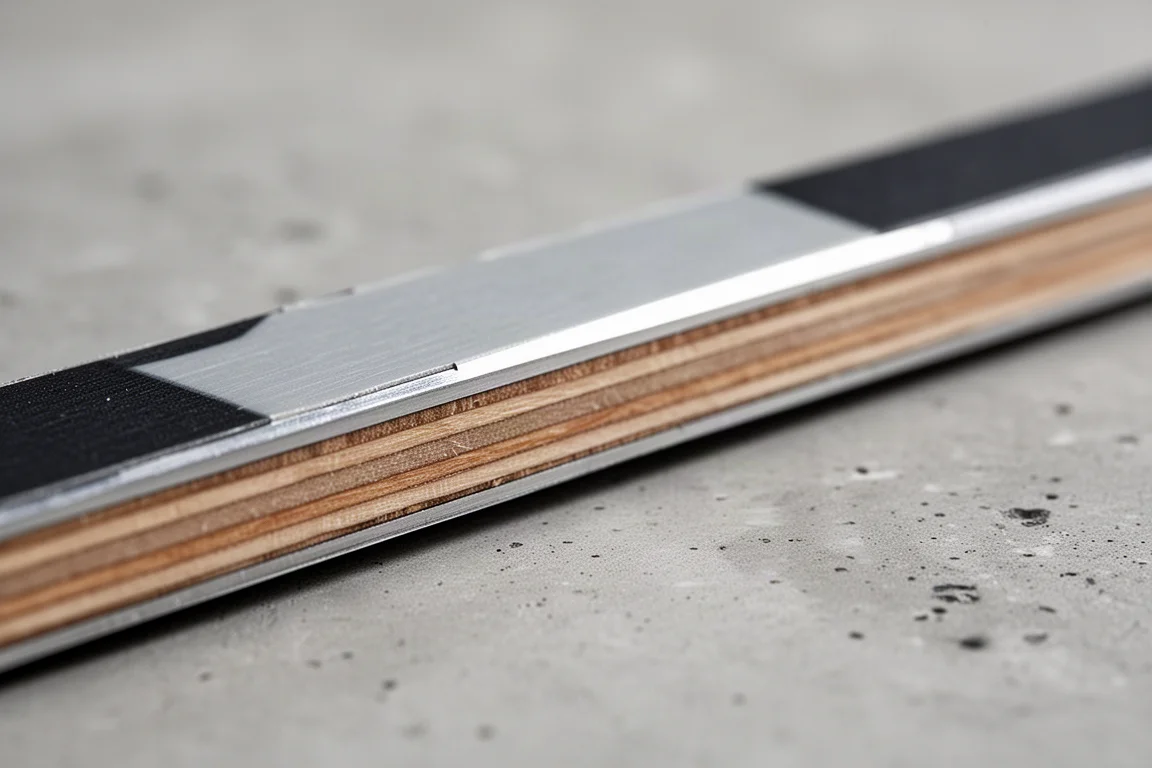
The headline build feature is Double Core Ti. Two sheets of metal are combined with an elastomer pulse core layer and two horizontal layers of wood, so the wood runs in horizontal layers rather than as vertical stringers like many race skis. That construction has filtered up from the brand’s Wild Bell series into this premium Multigara model, and it is the main reason the ski feels as composed as it does.
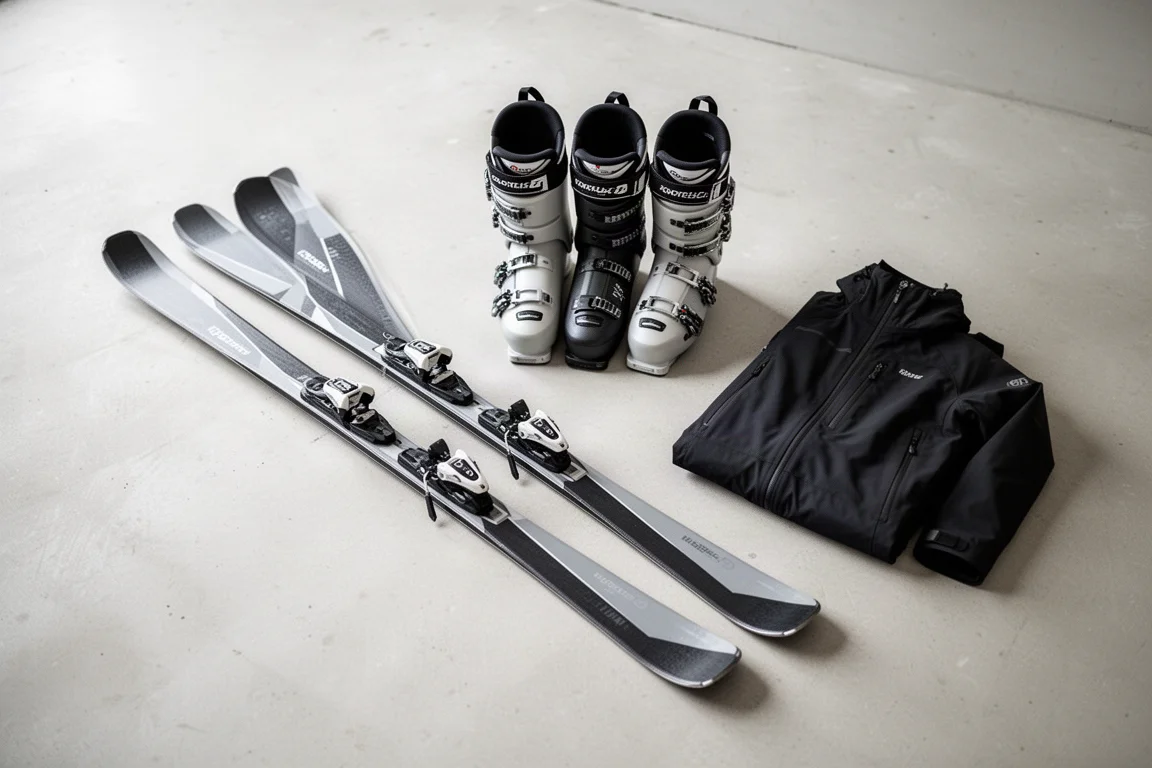
The binding package matters just as much. The Comp 13 system binding sits on a race plate, which raises stand height and creates a very solid feel underfoot. The centre of the ski is stable and grippy, and the platform is what makes that stability readable through the whole turn.
Flex is concentrated where you want it. The tips and tails are not especially stiff, but the ski is noticeably firmer underfoot, with little flex through the middle. That is the profile you want if endless edge grip is the goal.
Camber is substantial underfoot, and it holds up well even with a heavy binding mounted on top, which says something about how much structure is built into the ski. The shape is non-tapered from tip to tail, with the widest points sitting as close to the tip and tail as possible. The tail is squared off, flat and angular, with no tail rocker and little to no tip rocker to speak of. Practically, that means the ski keeps holding the turn until the very end rather than releasing early.
Main Strengths on Snow
The defining quality is smoothness. The Multigara feels composed from the first turn, with easy turn initiation for a ski this solid, and a level of precision that shows up most clearly in carved arcs on hardpack.
Stability is the second strength. The race plate and higher stand height put the skier in a strong position over the edge, and the firm mid-body keeps the ski planted when speed builds.
Put together, the on-trail carving performance is the standout. This is one of the smoothest and most rewarding frontside skis in its class, and the Double Core Ti layup is what sets that standard.
Turn Shape and Terrain Range
With a 16 metre radius, the Multigara operates best in the mid-range of carved turns. It will happily run faster if you let it, and it stays calm when it does.
Shorter swing turns are a different story. To bring the ski around that quickly, you have to bend it, and that means a strong, skilled pilot. There is not much slalom influence built into the shape, so quick, tight turns only happen when the skier makes them happen.
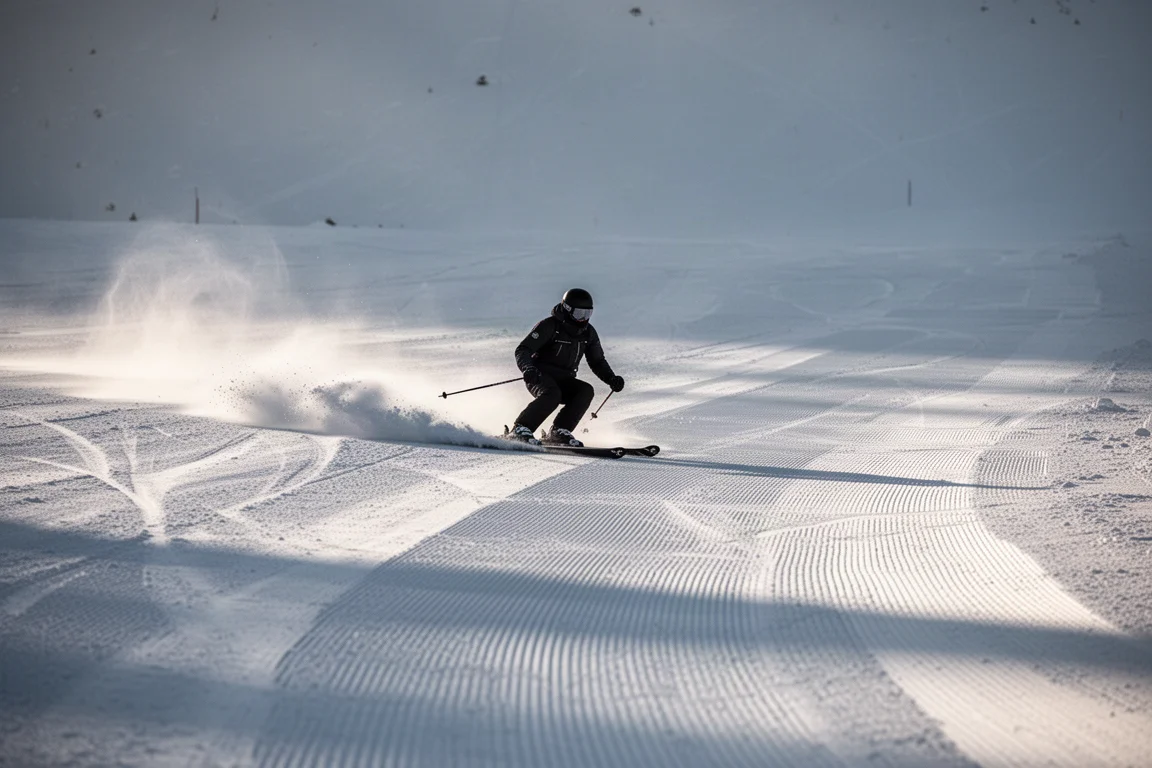
Terrain range is where the 70 mm waist becomes the deciding factor. On trail and in a carved turn, the ski is extraordinarily capable. Off-piste, the narrow platform limits what is realistic, unless the skier is experienced enough to push the technical boundaries of what a ski like this can do. It functions best as an on-piste tool, and it is honest about that.
Things to Consider Before Buying
The narrow waist is the first thing to weigh up. If your skiing regularly includes soft snow, trees or bumps, this is not the ski that will make those days easier.
The binding and plate package is heavy, and that weight is part of why the ski feels so planted. It also means the setup is not the lightest thing to carry or to swing around at low speed.
Skill demand is the other consideration. Between the firm mid-body, the substantial camber and the non-tapered, squared-off tail, the Multigara wants to finish its turns. That makes it rewarding for a strong skier and unforgiving for anyone still building technique.
Buying Advice
The clearest way to decide is to look at where you actually ski. If most of your days are on groomed frontside terrain and you want a ski that holds an edge and feels planted at speed, the Multigara is a well-matched choice.
If you split your time between groomed runs and softer, more varied terrain, a wider all-mountain ski will serve you better. The Multigara does one job exceptionally well rather than several jobs adequately.
It is also worth noting where this model sits in the range. It is the premium model within the Multigara line, so expect premium positioning to match the construction and the race plate binding. Matching the ski to your ability level matters more than the price tag here, because the performance ceiling is high and the floor is not low.
Conclusion
The Nordica Doberman Multigara is a focused frontside carving ski with a strong build, a race-influenced shape and a distinctly high performance ceiling. Double Core Ti construction, a firm mid-body and a race plate binding combine to deliver smooth, precise carving with outstanding edge grip.
It is not a versatile all-mountain option, and it is not aimed at developing skiers. For advanced and expert skiers who spend their time on groomed runs and want a ski that rewards clean technique, it is a compelling and rewarding choice.
Product link
View more details for Nordica Doberman Multigara
This product is mentioned in the review. Check the specifications, options, and compatibility before buying.
View more details for Nordica Doberman MultigaraFurther reading
Related Reviews
Alpine Skis
Atomic Redster X9 Review: An Ultra-Precise Carving Ski for Firm Snow
A close look at the Atomic Redster X9, a 65.5 mm carving ski built for firm groomed snow, covering its construction, strengths, limits, and who should buy it.
Alpine Skis
Atomic Redster X9 S Review: A Precision Carving Ski for Firm Snow
The Atomic Redster X9 S pairs a 65.5 mm waist with race-derived construction and steel damping, delivering knife-like precision on firm groomers.
Alpine Skis
Blizzard Thunderbird R15 WB Review: A 76 mm Frontside Carver Compared With the Firebird HRC
A practical look at the Blizzard Thunderbird R15 WB, its TrueBlend core and Active Carbon Armor, and how it differs from the race-oriented Firebird HRC.